As the Russian, German, Austro-Hungarian and Ottoman empires fell, new governments sprang up from Ireland to Vladivostok. Many lasted months; some, only days. When the peace conference opened in Paris on 18 January 1919, at least 41 of the governments in this atlas were operating, and as many as 48 may have been.
Russia lost its tsar in March 1917 and its provisional government in November. Into the gap stepped councils, assemblies and armies.
In Kyiv the Central Rada proclaimed a Ukrainian People’s Republic on 20 November, still within a proposed Russian federation. Eight days later a coalition in Tiflis formed a provisional government for the South Caucasus. In Crimea, Tatar delegates convened their own national assembly, the Qurultay.
Each light on the map marks the town where a government sat. Diamonds are revolutionary or rival governments; circles claimed statehood; squares sought autonomy; triangles were imposed from outside; crosses mark plans that never governed.
October–December 1918
Austria-Hungary breaks apart
As Austria-Hungary came apart in the autumn of 1918, local leaders improvised. At the end of October, Ottó Roth and his allies in Timișoara proclaimed a Banat Republic to keep a region of Romanians, Serbs, Germans and Hungarians undivided. Serbian troops entered Timișoara in November; Roth’s civil administration lasted until February 1919.
In Vienna, German-speaking deputies founded German-Austria. In the Carpathian village of Florynka, Lemko delegates set up their own regional council. On 11 November, the day Germany signed the armistice, at least 33 of the governments in this atlas were operating.
18 January 1919
The crowded week
The day the peace conference opened in Paris, at least 41 of the governments in this atlas were operating, and as many as 48 may have been: soviets and national councils, military governments and would-be kingdoms.
The timeline under the map counts them day by day. The solid area is the number certainly in existence; the paler area above it adds those whose start or end is known only to the month or the year. In the first ten days of January 1919 the certain count reached 43 and the upper estimate 50.
March 1918 – June 1919
One town, four governments
Simferopol, Crimea’s administrative centre, was the seat of four successive governments in fifteen months. A Taurida Soviet Republic was proclaimed in March 1918 and fell within six weeks to German and Ukrainian forces. A Crimean Regional Government ruled under German protection; a second, aligned with the Whites, replaced it when Germany lost the war. The Red Army returned in April 1919; a Crimean Soviet Socialist Republic was proclaimed in May, and White forces retook the peninsula in June.
Before all of them, the Qurultay’s Crimean People’s Republic had been crushed by Bolshevik forces in January 1918.
Where several governments shared a town, zoom in and the markers fan out around it. Select a cluster to list the governments there on the chosen date.
September 1920 – February 1924
A poet’s regency, then a treaty state
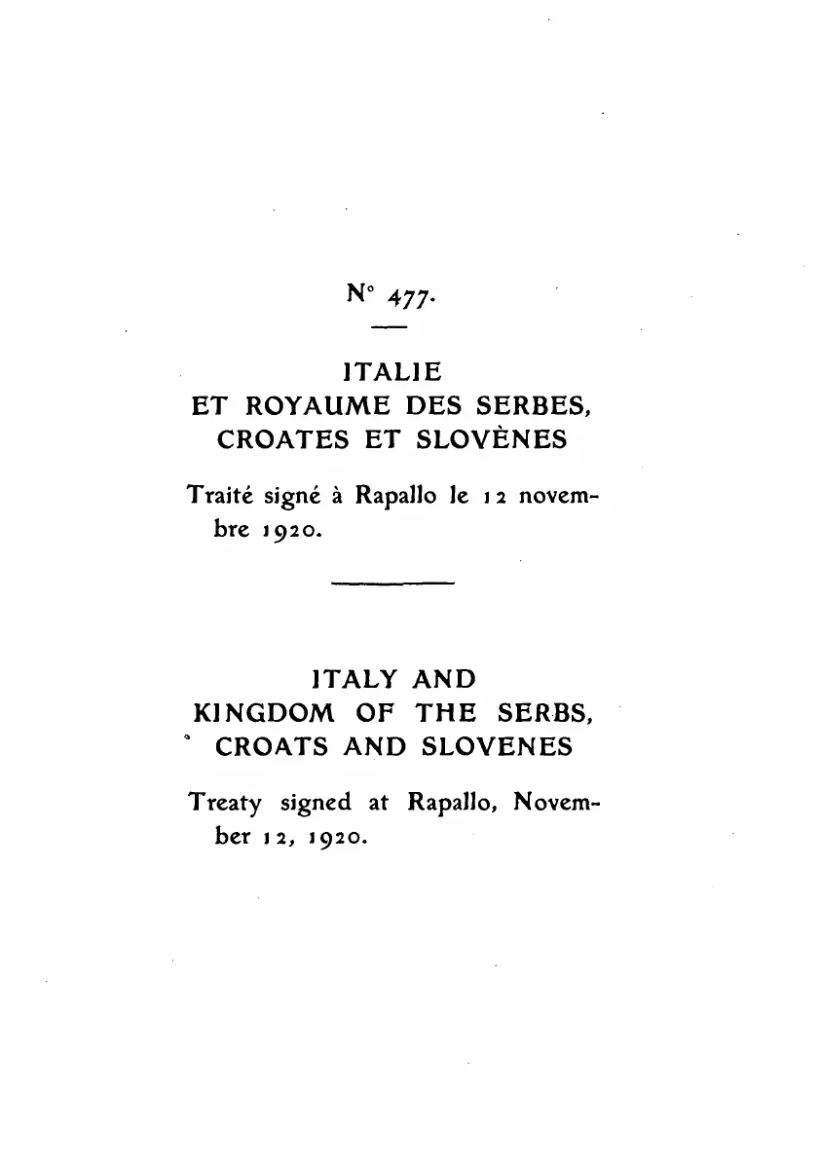
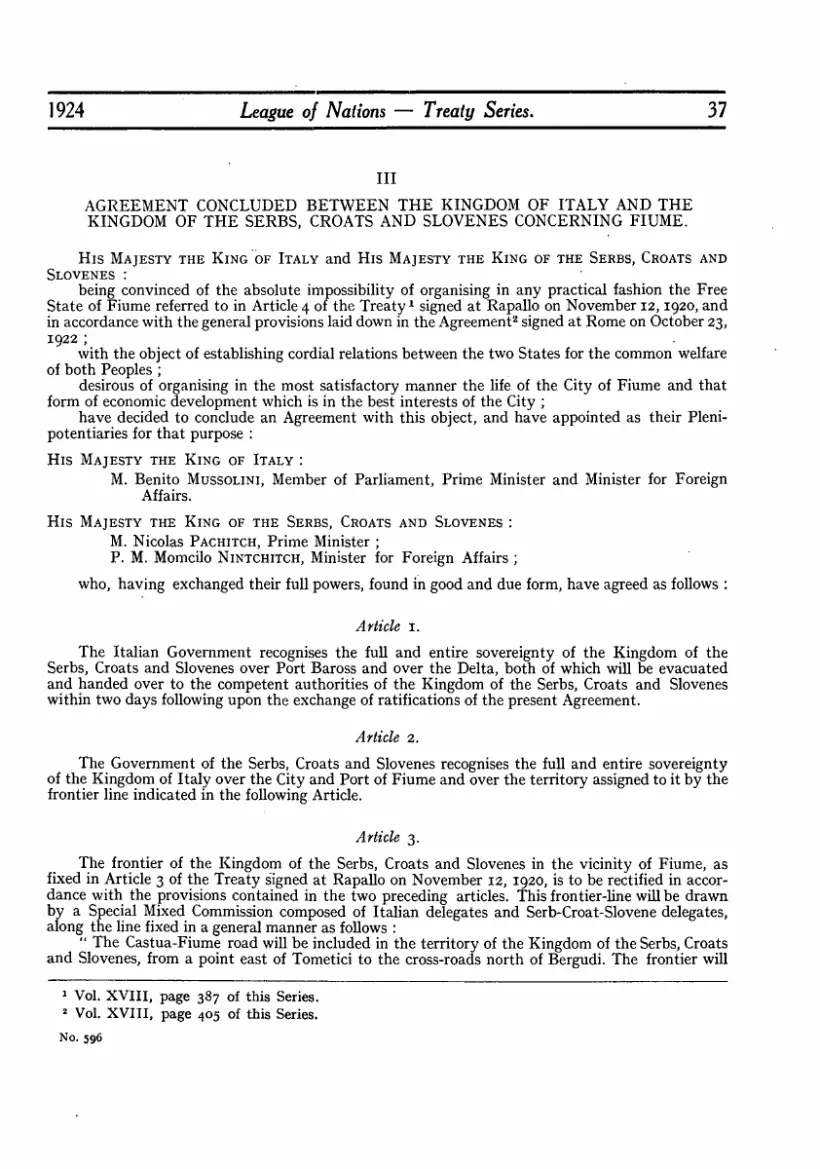
The poet Gabriele D’Annunzio seized the port of Fiume, now Rijeka, in September 1919 and a year later proclaimed it the Italian Regency of Carnaro. On 12 November 1920 Italy and the Kingdom of the Serbs, Croats and Slovenes signed the Treaty of Rapallo, which recognised a Free State of Fiume instead.
D’Annunzio refused to leave; Italian forces moved against him, and the Regency authorities resigned on 28 December. The Free State’s elected government fell to a coup in March 1922, and in 1924 the two kingdoms divided its territory between them.
March–July 1920
Self-determination meets empire
The promise of self-determination reached far beyond Europe, and so did the empires that limited it. In Damascus a Syrian congress proclaimed Faisal king on 8 March 1920; French troops occupied the city on 25 July. In Libya, resistance leaders had declared a Tripolitanian Republic in November 1918.
In Gilan, Iran’s Caspian province, Mirza Kuchik Khan’s Jangali movement and its Soviet allies proclaimed a Soviet Socialist Republic of Iran on 5 June 1920. It collapsed in late 1921, after Soviet forces withdrew.
April 1920 – November 1922
A buffer state with a parliament
In the Russian Far East, a Far Eastern Republic was created in April 1920 as a buffer between Soviet Russia and the Japanese army of intervention, with its own constitution and parliament. In Vladivostok, a revolt in May 1921 installed a rival anti-Bolshevik Priamur government.
As Japan withdrew its troops in October 1922, the Far Eastern Republic’s forces defeated the Priamur government. On 14 November the republic’s parliament renounced power, and the next day the territory was incorporated into Soviet Russia.
December 1923
The map hardens
On the last day of 1923, at least 22 were still operating, and as many as 24 may have been. The Soviet Union had been founded on 30 December 1922; the Treaty of Lausanne, signed on 24 July 1923, settled most of Turkey’s frontiers but left the border with Iraq open.
Still standing were arrangements of very different kinds: the Free City of Danzig, the Republic of the Rif, the Bukharan People’s Soviet Republic and the Korean provisional government in exile.
Your turn
Pick a day, 1917–1923
Drag along the band, press play, or type a date: a grandparent’s birthday, a day from a family story. Select a light to read how that government began, how it ended and which sources say so; where several share a town, choose from the list.
Hold Ctrl (or Command on a Mac) and scroll to zoom, or use the + and − buttons. Drag to move the map. On a phone, pinch with two fingers.
Share
1 JAN 1917
Statehood claimRevolutionary or rival governmentAutonomyImposed from outsidePlan that never governedDates uncertainAlready gone
Hold Ctrl or Command and scroll to zoom
The map could not load. Every government is listed in the catalogue.
certainly operatingpossibly, given uncertain dates
Lifelines
175 governments, side by side
Each line is one government, grouped by region and sorted by its first possible day. The bright part is the span it certainly existed; the faint part covers dates known only to the month or year. 44 of the 161 that actually governed lasted less than 100 days, even taking the earliest possible start and the latest possible end; 17 lasted less than 30 days.
Towns that changed hands
Same town, new government
In 17 towns the atlas places two or more governments; in 8, three or more. The bars show where their dates overlap and where they leave gaps, which matter as much as the bars.
The full catalogue
Find any government
Search by name in English, Romanian or the original language, by seat or by today’s country. Accents are optional.
Government
Dates
Seat
Kind
Republica Autonomă a Epirului de Nord
Feb 1914 – Oct 1914
Gjirokastër / Argyrokastro
Autonomy
Guvernul Provizoriu al Indiei de la Kabul
1 Dec 1915 – 1919
Kabul
Rival government
Regatul hașemit al Hejazului
Jun 1916 – Dec 1925
Mecca; later Jeddah
Established state
Provincia Autonomă Korçë
10 Dec 1916 – Feb 1918
Korçë / Koritsa
Autonomy
Proiectul statal aromân din Pind
1917 – 1917
Samarina and Pindus localities
Plan that never governed
Autonomia Turkestanului de la Kokand
1917 – Feb 1918
Kokand
Autonomy
Proiectele republicii Pontului și ale federației ponto-armene
1917 – 1920
Trabzon as proposed centre
Plan that never governed
Proiectul statului „Ucraina Verde”
1917 – 1922
Vladivostok
Plan that never governed
Autonomia națională buriată
Apr 1917 – 1920
Verkhneudinsk and regional councils
Autonomy
Autonomia Karakorum-Altai
Jul 1917 – 1920
Ulala / Gorno-Altaysk
Autonomy
Administrația Iskolat
Nov 1917 – Feb 1918
Valka
Revolutionary regime
Proiectul statului Idel-Ural
Nov 1917 – Apr 1918
Ufa and Kazan
Plan that never governed
Autonomia Bașkurdistan
Nov 1917 – 20 Mar 1919
Orenburg; later shifting centres
Autonomy
Republica Populară Ucraineană
20 Nov 1917 – Nov 1920
Kyiv; later mobile government
Established state
Comisariatul și guvernul provizoriu transcaucazian
28 Nov 1917 – 22 Apr 1918
Tiflis
Rival government
Republica Populară Crimeeană și guvernul Kurultaiului
Dec 1917 – Jan 1918
Bakhchysarai and Simferopol
Proclaimed state
Sovietul marinarilor de pe insula Naissaar
Dec 1917 – Feb 1918
Naissaar island
Revolutionary regime
Republica Populară Ucraineană a Sovietelor
Dec 1917 – Mar 1918
Kharkiv; later Kyiv
Rival government
Autonomia Alaș
Dec 1917 – 1920
Semipalatinsk / Semey
Autonomy
Republica Democratică Moldovenească
15 Dec 1917 – 9 Apr 1918
Chișinău
Established state
Republica Sovietică Odesa
Jan 1918 – 13 Mar 1918
Odesa
Revolutionary regime
Republica Sovietică a Extremului Orient
Jan 1918 – 17 Sep 1918
Khabarovsk
Autonomy
Republica de la Pińczów din 1918
1918 – 1918
Pińczów
Revolutionary regime
Mișcarea mahnovistă și Teritoriul Liber
1918 – Aug 1921
Huliaipole
Revolutionary regime
Republica Socialistă a Muncitorilor din Finlanda și Delegația Poporului
28 Jan 1918 – May 1918
Helsinki; later Viipuri
Rival government
Republica Sovietică Donețk–Krivoi Rog
Feb 1918 – Apr 1918
Kharkiv; later Luhansk
Revolutionary regime
Guvernul Consiliului Regional Iakut din 1918
Feb 1918 – Jun 1918
Yakutsk
Autonomy
Guvernul Provizoriu al Siberiei Autonome
Feb 1918 – Oct 1918
Tomsk then Vladivostok
Rival government
Republica Populară Kuban
16 Feb 1918 – May 1920
Yekaterinodar now Krasnodar
Self-governing in practice
Republica Sovietică Ucraineană din 1918
Mar 1918 – Apr 1918
Katerynoslav and mobile administration
Revolutionary regime
Republica Sovietică a Mării Negre
Mar 1918 – 30 May 1918
Novorossiysk
Autonomy
Republica Sovietică a Donului
Mar 1918 – May 1918
Rostov-on-Don
Revolutionary regime
Ducatul Curlandei și Semigaliei din 1918
Mar 1918 – Nov 1918
Jelgava
Proclaimed state
Republica Populară Belarusă
9 Mar 1918 – Dec 1918
Minsk; later exile
Proclaimed state
Republica Sovietică Terek
16 Mar 1918 – Feb 1919
Pyatigorsk then Vladikavkaz
Autonomy
Republica Sovietică Socialistă Taurida
19 Mar 1918 – 30 Apr 1918
Simferopol
Revolutionary regime
Republica Sovietică Kuban
Apr 1918 – 30 May 1918
Yekaterinodar
Autonomy
Comuna din Baku
Apr 1918 – Jul 1918
Baku
Revolutionary regime
Republica Socialistă a Oamenilor Muncii din Amur
Apr 1918 – Sep 1918
Blagoveshchensk
Autonomy
Ducatul Baltic Unit și proiectul Statului Baltic
Apr 1918 – Nov 1918
Riga
Proclaimed state
Republica Democratică Federativă Transcaucaziană
22 Apr 1918 – 26 May 1918
Tiflis
Established state
Statul Ucrainean al lui Skoropadski
29 Apr 1918 – 14 Dec 1918
Kyiv
Established state
Republica Sovietică Turkestan
30 Apr 1918 – 27 Oct 1924
Tashkent
Autonomy
Republica Donului și Marea Oaste a Donului
May 1918 – Mar 1920
Novocherkassk
Self-governing in practice
Republica Montană a Caucazului de Nord
11 May 1918 – May 1919
Vladikavkaz and later Temir-Khan-Shura
Self-governing in practice
Republica Democratică a Georgiei
26 May 1918 – 18 Mar 1921
Tiflis
Established state
Republica Democratică a Azerbaidjanului
28 May 1918 – 28 Apr 1920
Ganja then Baku
Established state
Republica Armenia
28 May 1918 – 2 Dec 1920
Yerevan
Established state
Republica Sovietică Kuban–Marea Neagră
30 May 1918 – 6 Jul 1918
Yekaterinodar
Autonomy
Primul Guvern Regional al Crimeei
Jun 1918 – Nov 1918
Simferopol
Self-governing in practice
Guvernul Provizoriu Siberian de la Omsk
Jun 1918 – Nov 1918
Omsk
Rival government
Comitetul Membrilor Adunării Constituante
8 Jun 1918 – 23 Sep 1918
Samara
Rival government
Proiectul Regatului Lituaniei din 1918
Jul 1918 – Nov 1918
Vilnius
Plan that never governed
Guvernul Transcaspian
Jul 1918 – Jul 1919
Ashkhabad / Ashgabat
Rival government
Republica Sovietică a Caucazului de Nord
7 Jul 1918 – 11 Jan 1919
Yekaterinodar then Pyatigorsk
Autonomy
Dictatura Caspică Centrală
Aug 1918 – 15 Sep 1918
Baku
Rival government
Administrația regională Mughan
Aug 1918 – Apr 1919
Lankaran
Rival government
Guvernul antibolșevic al Regiunii de Nord
2 Aug 1918 – Feb 1920
Arkhangelsk
Rival government
Directoriul de la Ufa
23 Sep 1918 – 18 Nov 1918
Ufa; then Omsk
Rival government
Proiectul monarhic finlandez din 1918
Oct 1918 – Dec 1918
Helsinki
Plan that never governed
Statul Slovenilor, Croaților și Sârbilor
29 Oct 1918 – 1 Dec 1918
Zagreb
Established state
Guvernul provincial al Boemiei Germane
29 Oct 1918 – Sep 1919
Liberec / Reichenberg; later Vienna
Autonomy
Republica Austria Germană
30 Oct 1918 – Oct 1919
Vienna
Established state
Republica de la Zakopane
31 Oct 1918 – 16 Nov 1918
Zakopane
Autonomy
Republica Bănățeană
31 Oct 1918 – 21 Feb 1919
Timișoara
Proclaimed state
Al Doilea Guvern Regional al Crimeei
Nov 1918 – Apr 1919
Simferopol
Rival government
Guvernul și Republica Caucazului de Sud-Vest
Nov 1918 – Apr 1919
Kars
Self-governing in practice
Republica Aras
Nov 1918 – Jun 1919
Nakhchivan
Proclaimed state
Republica Populară a Ucrainei Occidentale
1 Nov 1918 – Jul 1919
Lviv; then Ternopil and Stanislaviv
Established state
Statul Liber Saxa-Gotha
Nov 1918 – 1 May 1920
Gotha
Autonomy
Statul Liber Coburg
Nov 1918 – 1 Jul 1920
Coburg
Autonomy
Republica Tripolitană
Nov 1918 – 1923
Misrata and western Tripolitanian centres
Self-governing in practice
Republica de la Radom
2 Nov 1918 – 8 Nov 1918
Radom
Autonomy
Republica de la Komańcza
4 Nov 1918 – Jan 1919
Wisłok Wielki and Komańcza
Autonomy
Republica de la Tarnobrzeg
6 Nov 1918 – Jan 1919
Tarnobrzeg
Revolutionary regime
Consiliile muncitorilor și soldaților din Alsacia-Lorena
Republica Sovietică Federativă Socialistă Transcaucaziană
12 Mar 1922 – 1936
Tiflis
Autonomy
Federația Siriană
28 Jun 1922 – 1 Jan 1925
Aleppo and Damascus; later Damascus
Occupation administration
Regatul Kurdistanului
Nov 1922 – Jul 1924
Sulaymaniyah
Proclaimed state
Tentativa de constituire a Republicii Renane din 1923
Oct 1923 – Feb 1924
Aachen and Koblenz
Self-governing in practice
Palatinatul Autonom
12 Nov 1923 – 17 Feb 1924
Speyer
Self-governing in practice
Guvernul Național Tungus
1924 – 1925
Ayan and Nelkan
Proclaimed state
Republica Ararat
Oct 1927 – 1930
Ararat foothills
Proclaimed state
Comuna din Canton
11 Dec 1927 – 13 Dec 1927
Guangzhou
Revolutionary regime
Asociația Poporului Coreean din Manciuria
1929 – 1931
Northern Manchurian Korean communities
Autonomy
Republica Socialistă din Chile
4 Jun 1932 – 13 Sep 1932
Santiago
Revolutionary regime
Prima Republică a Turkestanului de Est
Nov 1933 – 1934
Kashgar
Proclaimed state
Guvernul Revoluționar Popular din Fujian
22 Nov 1933 – 13 Jan 1934
Fuzhou
Rival government
Statul Hatay
2 Sep 1938 – 29 Jun 1939
Antakya
Self-governing in practice
Ucraina Carpatică
14 Mar 1939 – 18 Mar 1939
Khust
Proclaimed state
The documents
Five treaties that settled their fate
Five agreements that recognised states or drew borders, in the printed texts of the League of Nations Treaty Series. A treaty proves what governments signed, not who controlled the ground.
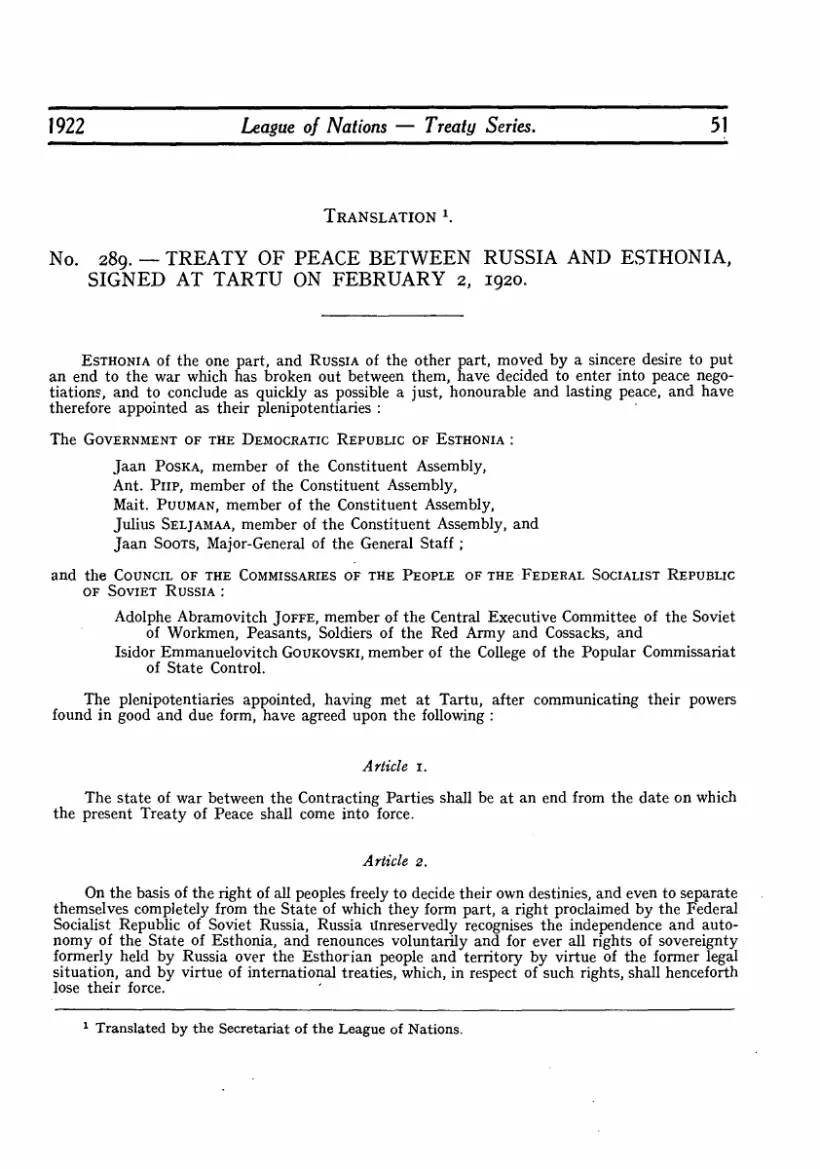
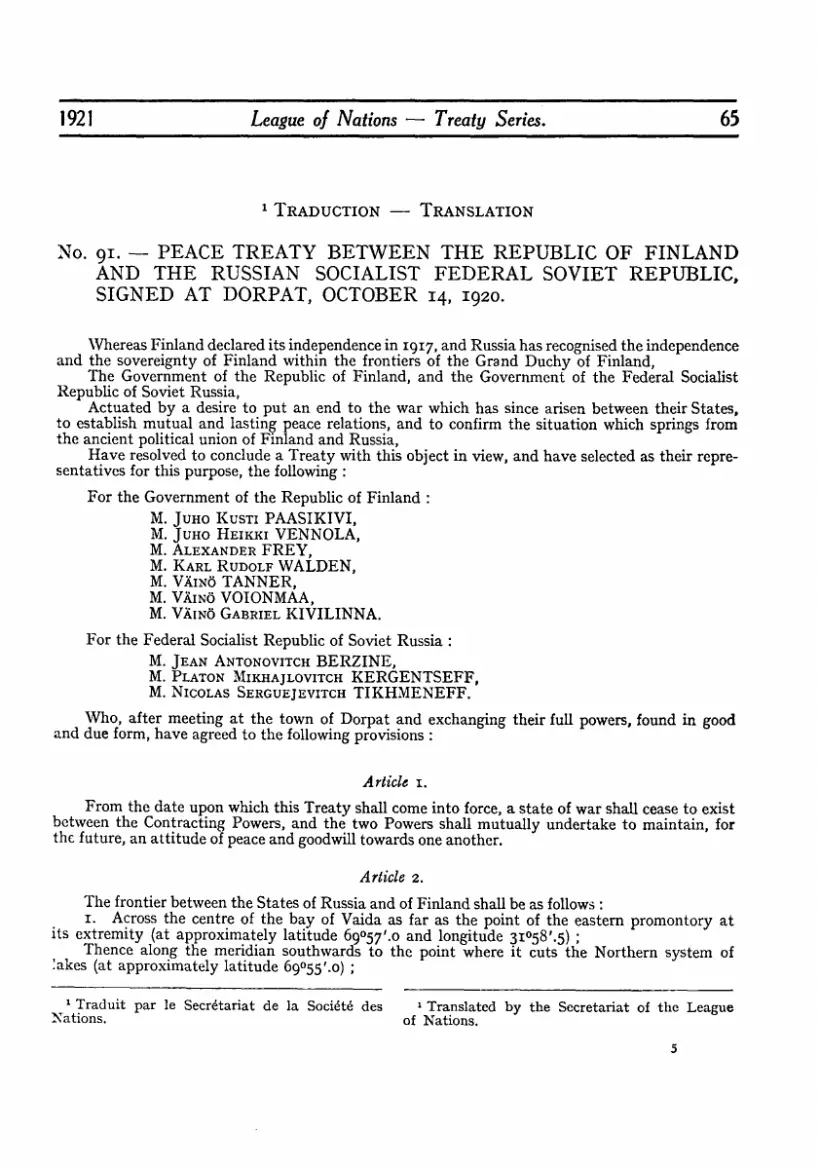
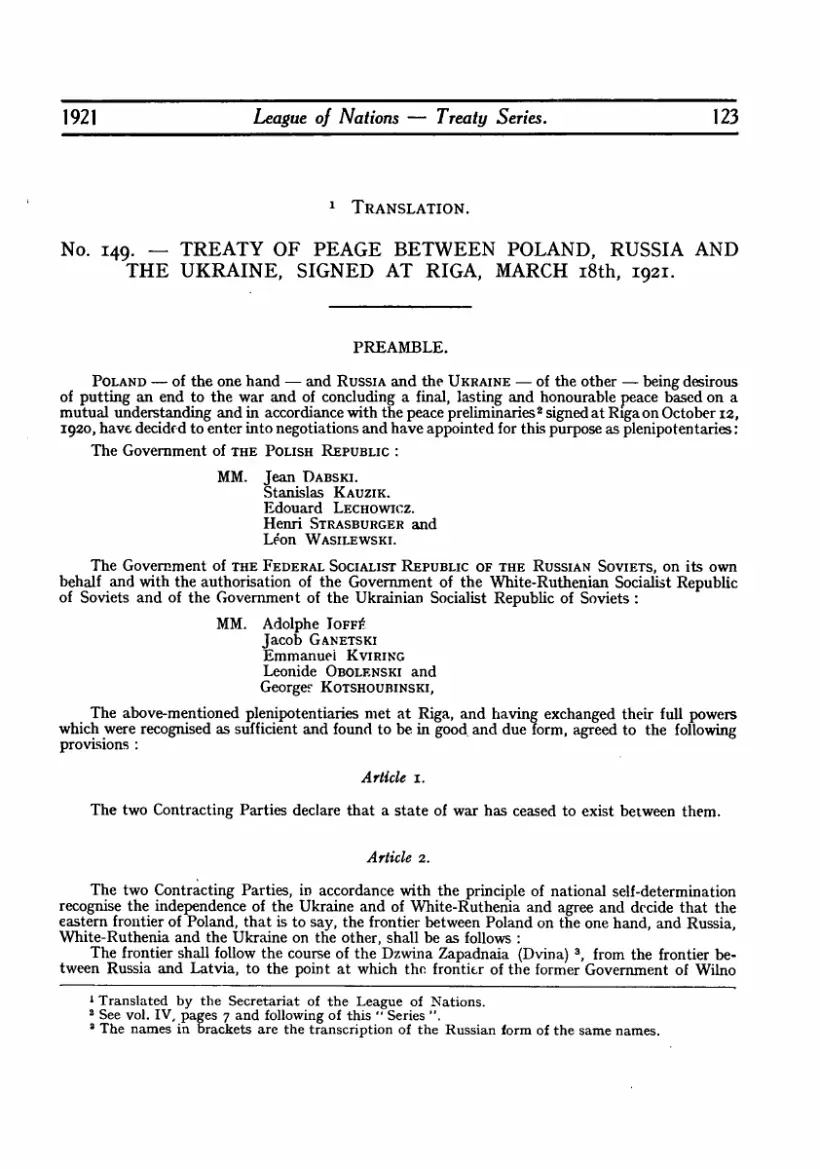
Treaty of Rapallo, 12 November 1920Italy and the Kingdom of the Serbs, Croats and Slovenes recognise a Free State of Fiume.League of Nations Treaty Series, vol. 18, pp. 387–403. Scan: United Nations Treaty Collection. PDFRome agreement on Fiume, 27 January 1924Italy takes the city and port of Fiume; the Kingdom of the Serbs, Croats and Slovenes takes Port Baross and the Delta.League of Nations Treaty Series, vol. 24, pp. 36–41. Scan: United Nations Treaty Collection. PDFTreaty of Tartu, Estonia and Soviet Russia, 2 February 1920Soviet Russia recognises Estonia’s independence, and the two states agree their border.League of Nations Treaty Series, vol. 11, pp. 50–71. Scan: United Nations Treaty Collection. PDFTreaty of Tartu, Finland and Soviet Russia, 14 October 1920Finland agrees to withdraw from Repola and Porajärvi, which are to join an autonomous East Karelia within Soviet Russia.League of Nations Treaty Series, vol. 3, pp. 65–79. Scan: United Nations Treaty Collection. PDFTreaty of Riga, 18 March 1921Poland, Soviet Russia and Soviet Ukraine agree a frontier that divides Ukrainian and Belarusian lands.League of Nations Treaty Series, vol. 6, pp. 122–169. Scan: United Nations Treaty Collection. PDF
Method
How this atlas counts
What counts as a government
The atlas holds 175 records: proclaimed and recognised states, governments that ruled in practice, autonomies, revolutionary and rival regimes, occupation administrations and international territories. 139 fall within 1917–1923; the rest are wartime preludes, wider context or later echoes, labelled as such. No closed list of “countries that briefly existed” exists. Counting a strike committee, an autonomy or a government in exile as a country changes the answer, so each record says what kind it was.
What the daily count includes
The band and the headline numbers count the 161 records that actually governed. They leave out 11 plans that never took power and 6 doubtful candidates, which stay in the catalogue. A government is counted as certainly operating between its latest possible start and its earliest possible end, and possibly operating across its full margin of uncertainty.
Dates
Dates keep the precision of the evidence: a day, a month or a year. A month-precise start is never printed as the first of the month. Dates are Gregorian wherever the sources allow; where only an Old Style (Julian) date is known, the record’s note says so. Each record explains which event its dates refer to, because a proclamation, an occupation and the end of civil administration often fall on different days.
Seats, not borders
Each marker is the approximate modern town associated with a government’s seat. It is not a capital, a centroid or a territory. This atlas draws no frontiers: almost none of these governments has a dated, sourced boundary, and a confident polygon would be invented. 165 records are placed; 10 have no single seat and appear only in the catalogue:
Sources
The records draw on 298 sources: specialist scholarship, national archives, official documents and reference works, listed in each record with a link. Each record carries a plain grade of how solid it is: 18 firm, 125 solid, 29 contested and 3 thin. Treaty scans come from the United Nations Treaty Collection’s copy of the League of Nations Treaty Series.
The map
Coastlines: Natural Earth physical land, public domain, simplified for display. Modern country names are given for orientation only. Projection: an equal-area conic centred on 62°E.
Corrections
Records will improve as sources are read in full. To correct a date or a fact, write to ideas@mariuscomper.uk with the record’s name and your source.