FROM DECREE TO DRINK
“Noroc!” — the toast that used to be a sentence
Noroc means good luck. Behind it stands Slavic narok — the decision spoken over you — softened first into fate, then poured into the glass.
- 1639
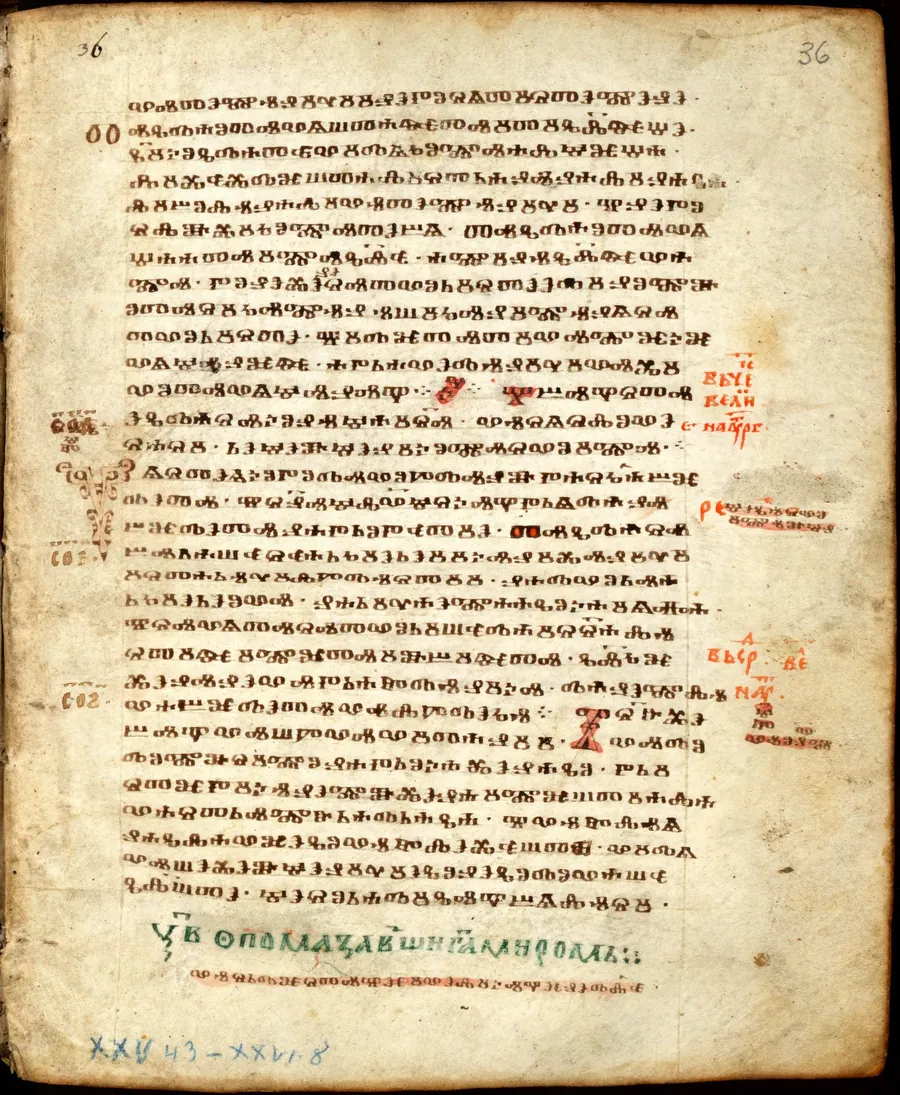
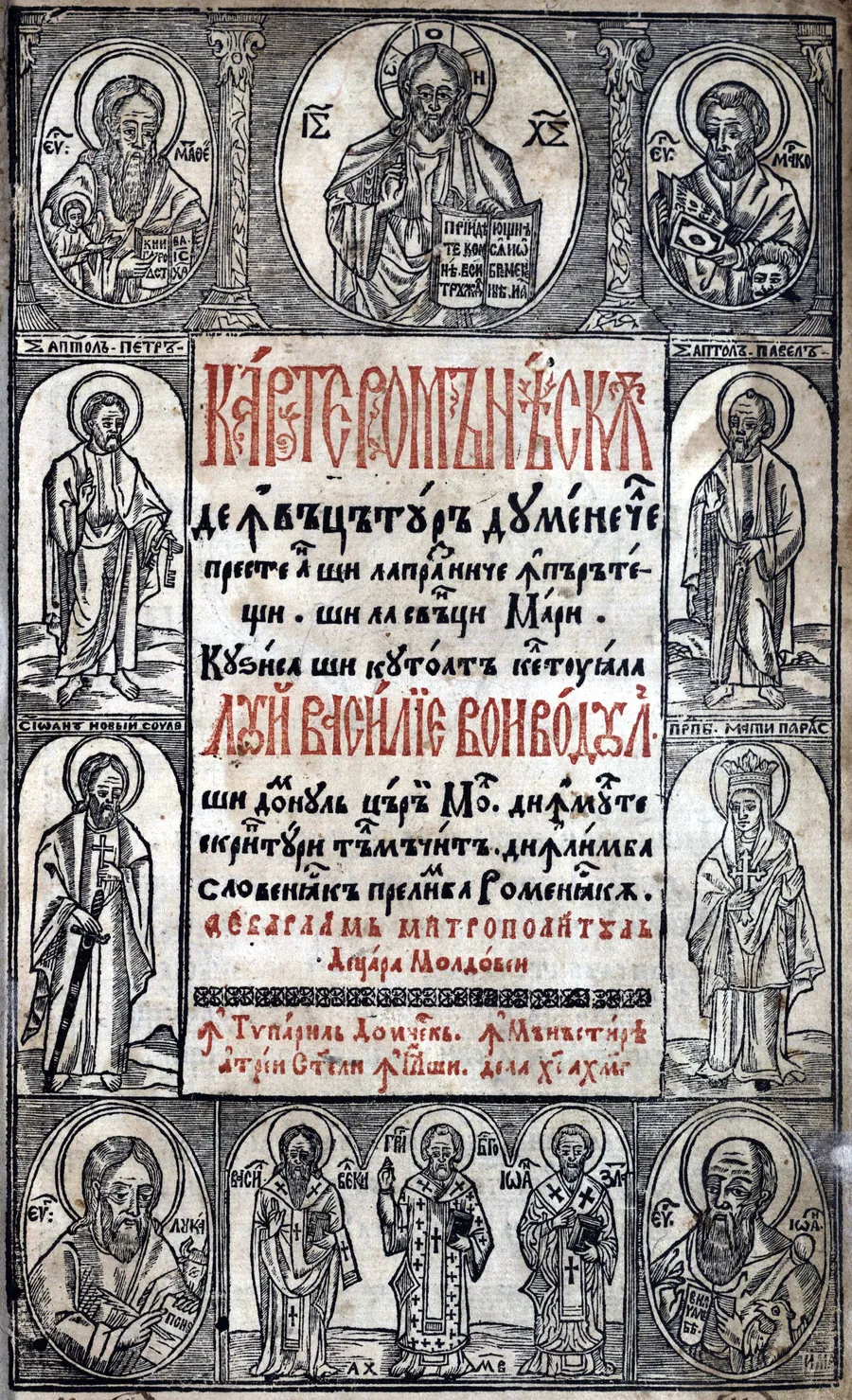
- PARACLIS: the first record of the noun — not of the toast
- 14 × 6
- fourteen toasts in six families: the atlas below
- THIRD NIGHT
- when the fate-weavers come, in fieldwork from Oltenia (Golant)


The word melts as you read it:
- NAROK Church Slavonic · the spoken decree
- NOROC Romanian · the smiling fate
- NOROC! toast · the lifted glass
1639 → TODAY · from decree to glass
The short answer
Every “Noroc!” is a decree you drink. The dictionaries agree on the mechanism: Slavic narok, what was spoken over you, entered Romanian as fate, softened into good luck, and became the wish you raise your glass with. The whole world toasts — each in the language of its wish: health, honor, life, victory, luck, or the clink itself.
Etymological history: what the dictionaries say
The decree
Before it was noroc, it was narok: a spoken decision. The decomposition is written in the dictionaries, link by link.
The decomposition
na-
Slavic prefix · upon, againstATTESTED
rokŭ
Slavic stem · decision, appointed timeATTESTED
narokŭ
Church Slavonic · sentence, decreeATTESTED
*rokъ
Proto-Slavic · the reconstructed rootRECONSTRUCTED
Wiktionary breaks Church Slavonic narokŭ “sentence” into na- + rokŭ, from Proto-Slavic *rokъ. MDA2 and DER point to the same Slavic narokŭ — DER after Miklosich.
“that which was spoken”
DER (Ciorănescu): “Sl. narokŭ (Miklosich, Slaw. Elem., 32), cf. sb., cr., pol. narok” — the same word still lives in Serbian, Croatian, and Polish.
Old Romanian forms (MDA2)
- năroc — obsolete
- naroc — regional
- noruc — regional
The same root, other destinies
What Proto-Slavic *rokъ became in today's Slavic languages (Wiktionary):
- Russian rok — fate, doom
- Czech rok — year
- Polish rok — year
- Slovak rok — year
- Serbo-Croatian rok — deadline, term
- Bulgarian rok — term; poetic: fate
From year to deadline, from deadline to fate: the same root as in narok.
what was spoken → what smiles on you


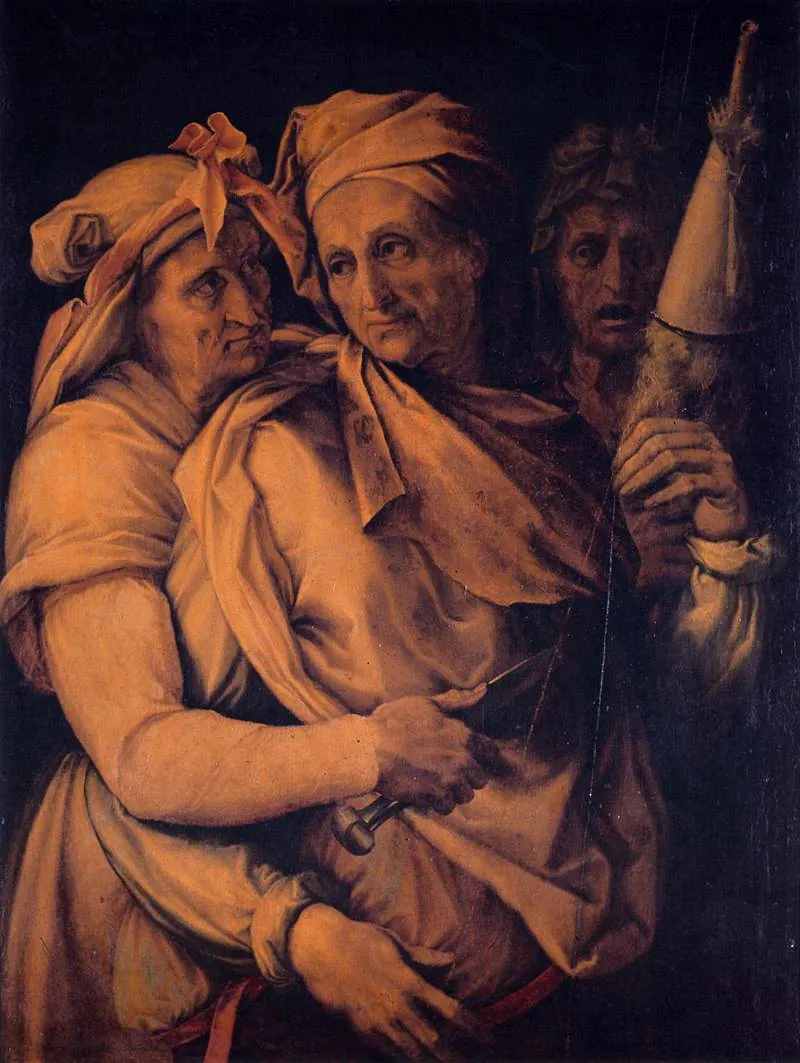
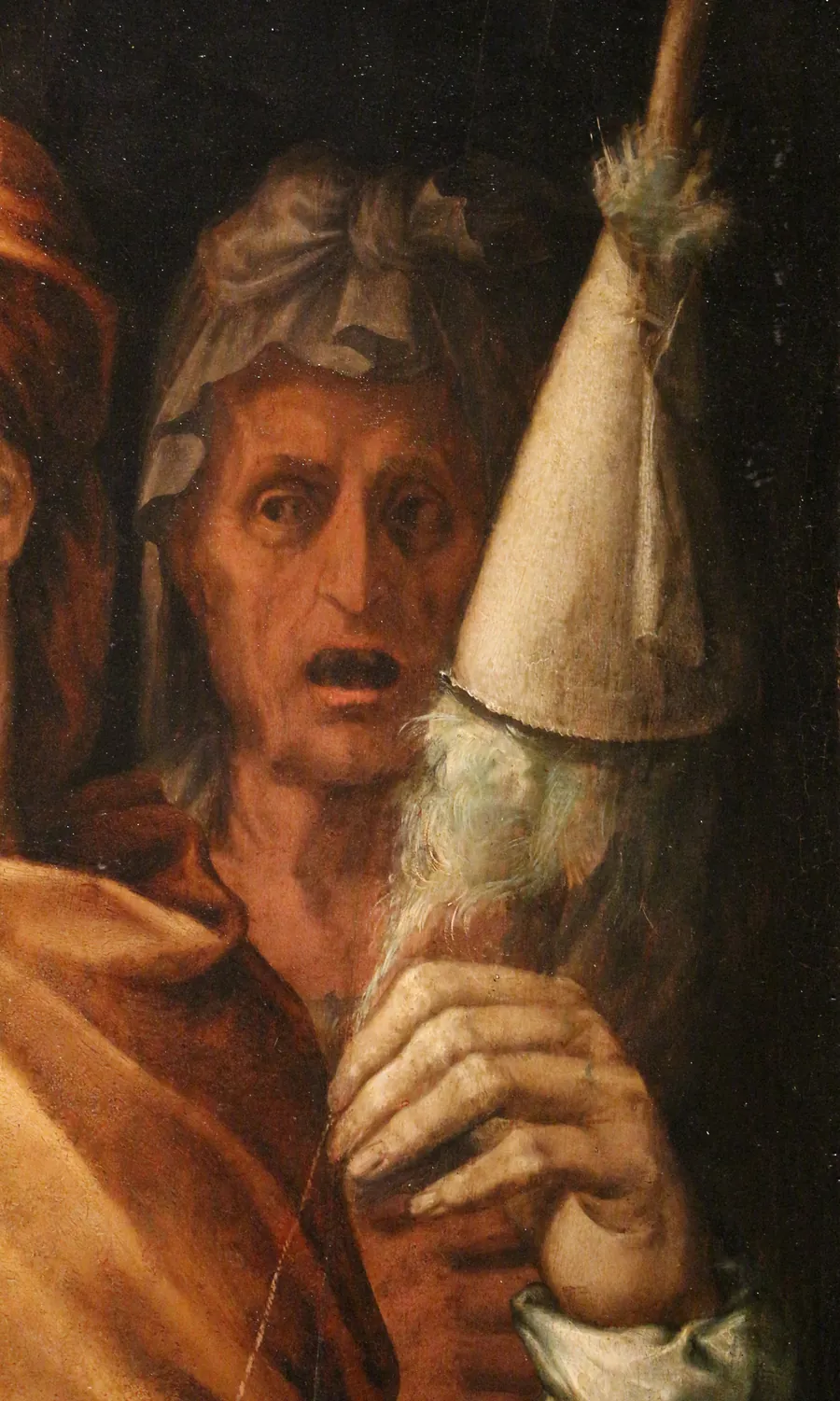
Fate is spoken at the cradle.
The fate-weavers
Among Romanians, fate is not drawn by lot: it is spoken. Three women come by night to the newborn and settle its fate, character, and abilities — so Natalia Golant's informants told it in Oltenia, in fieldwork from 2006–2010.
Three women
“Those three ursători”, demons of destiny — typical of the Balkan Slavs too: Bulgarians, Macedonians, Serbs, Montenegrins, Croats (Golant).
The third night
Their coming was expected on the third night after birth (Polovragi, Ponoarele) — or even the first (Mălaia). Both variants stand recorded; neither is erased.
The laid table
The newborn's family lays the fate-weavers' table: sweetened unleavened bread (Polovragi), round loaves (Ponoarele), milk, cheese, meat, wine, plum brandy — with which the kin try to shape the wished-for future.
Names that speak
The South Slav names of the fate-weavers derive from verbs meaning “to pass sentence, to name”: orisnici, narečnici, suđenici (Golant). The same root of speaking as in narok.
Badly fated
Of the luckless person they say “te ursază rău” — you were fated badly (Golant, Mălaia): luck and fating are one story, told from the glass and from the cradle.
OUR READING The thread spoken at the cradle is the thread you drink from the glass. That is this page's reading, not a scholarly thesis.


The libation
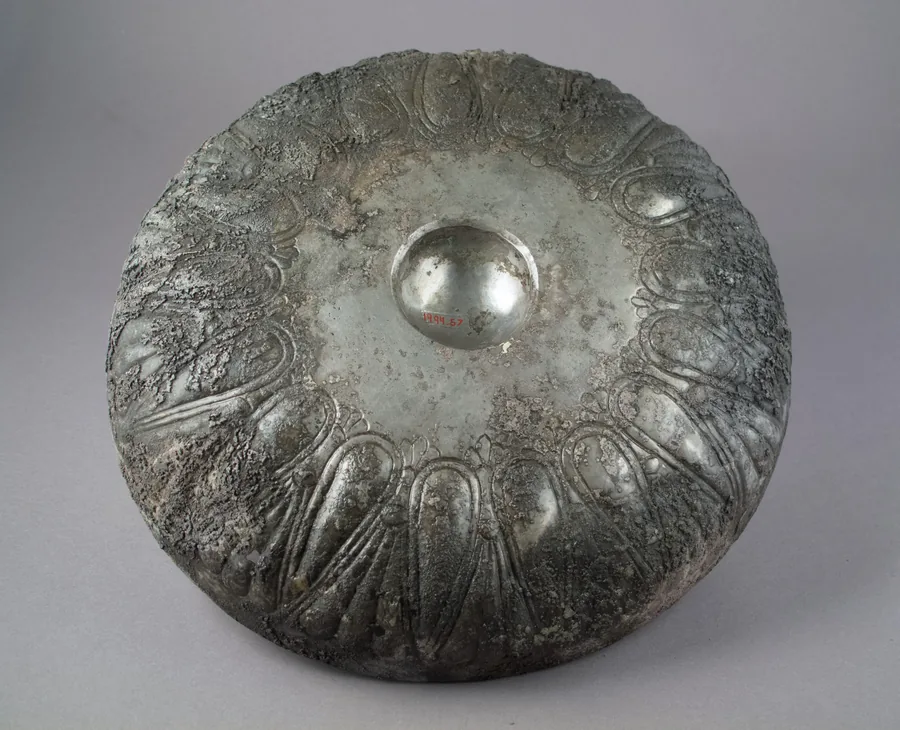
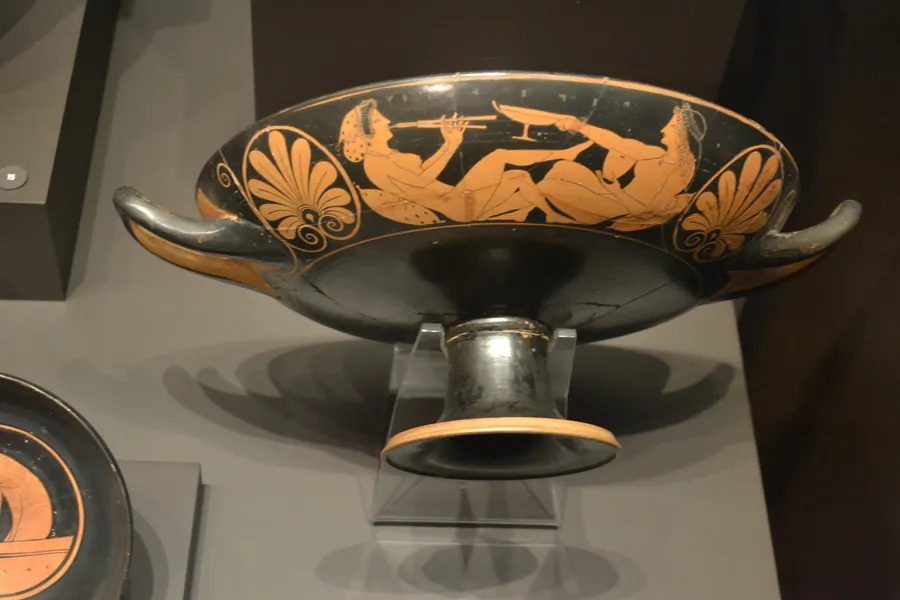
Long before “Noroc!”, wine was already being poured to the gods. The link is a gesture, not a lineage: the lifted glass speaks too.
“Then they drew wine from the bowl into the cups, and poured it forth, and made prayer to the gods that are for ever.”
Poured wine seals the oath: whoever breaks it shall spill on the ground like wine. (The editors' gloss.)
OUR READING From wine spilled for the gods to glasses clinked among people, the road is long and unproven. We show it as such: two documented practices, one gesture to read.
What we leave out here: the Greek libation vocabulary and the “probably a secular vestige” quote — their sources could not be inspected, so they are absent, not paraphrased.


The glass
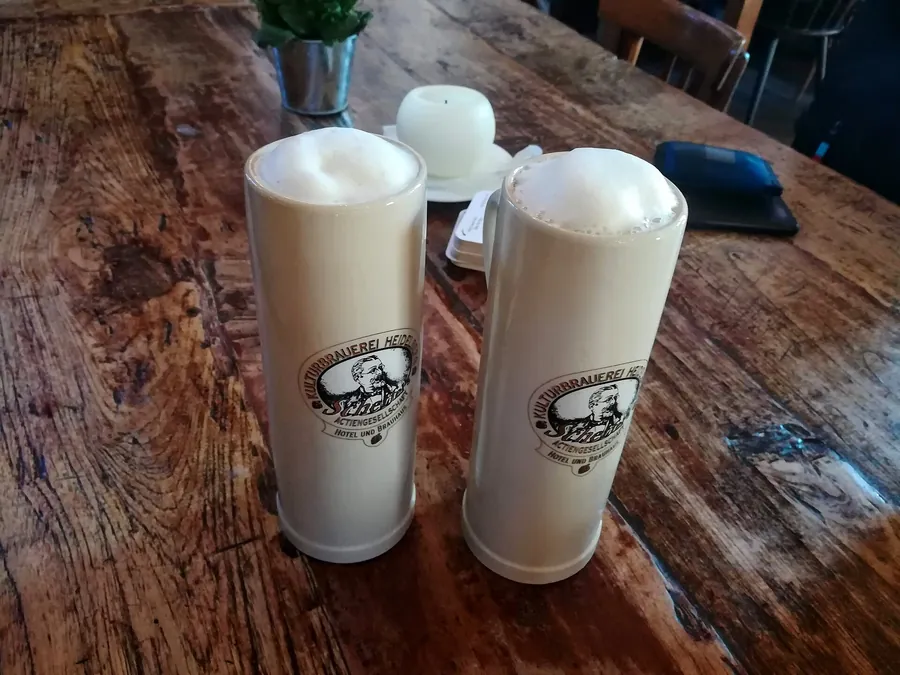
The noun became a wish: noroc, good luck, became “Noroc!”, the lifted glass. The dictionaries keep both senses side by side.
DEX '09
A da noroc = … to pledge, to clink, to wish. Noroc! = a greeting or wishing formula.
1. Fate, lot, (favorable) destiny. 2. Chance, luck. 3. Happiness.
CADE
Noroc (bun)! A wish for various occasions.
And sense 1 is still “fate (good or bad)”: before it softened, fate could be bad too.
The paired wish
“Sănătate!” — the body's wish, not fate's.
The worldwide toast list sets it beside Noroc (WP Toast).
Literary witnesses (not dating)
- Rebreanu: “Noroc, noroc, Trifoane!” (DLRLC)
- Alecsandri: “Noroc bun, Tudore!” (DLRLC)

How we grouped them
The world toasts
Every people lifts the glass — but they do not wish the same thing. Fourteen toasts, grouped by us into six families by what they wish. The taxonomy is the editors'; the glosses are sourced.
HEALTH
The wish is a body that holds: to your health.
- Sănătate Romanian — health
- Prost German — may it benefit you
- Santé French — health
- Salute Italian — health
- Na zdrowie Polish — to health
LUCK-FATE
The wish is a fate that smiles: good luck.
- Noroc Romanian — good luck
HONOR
The wish is a name held high: honor.
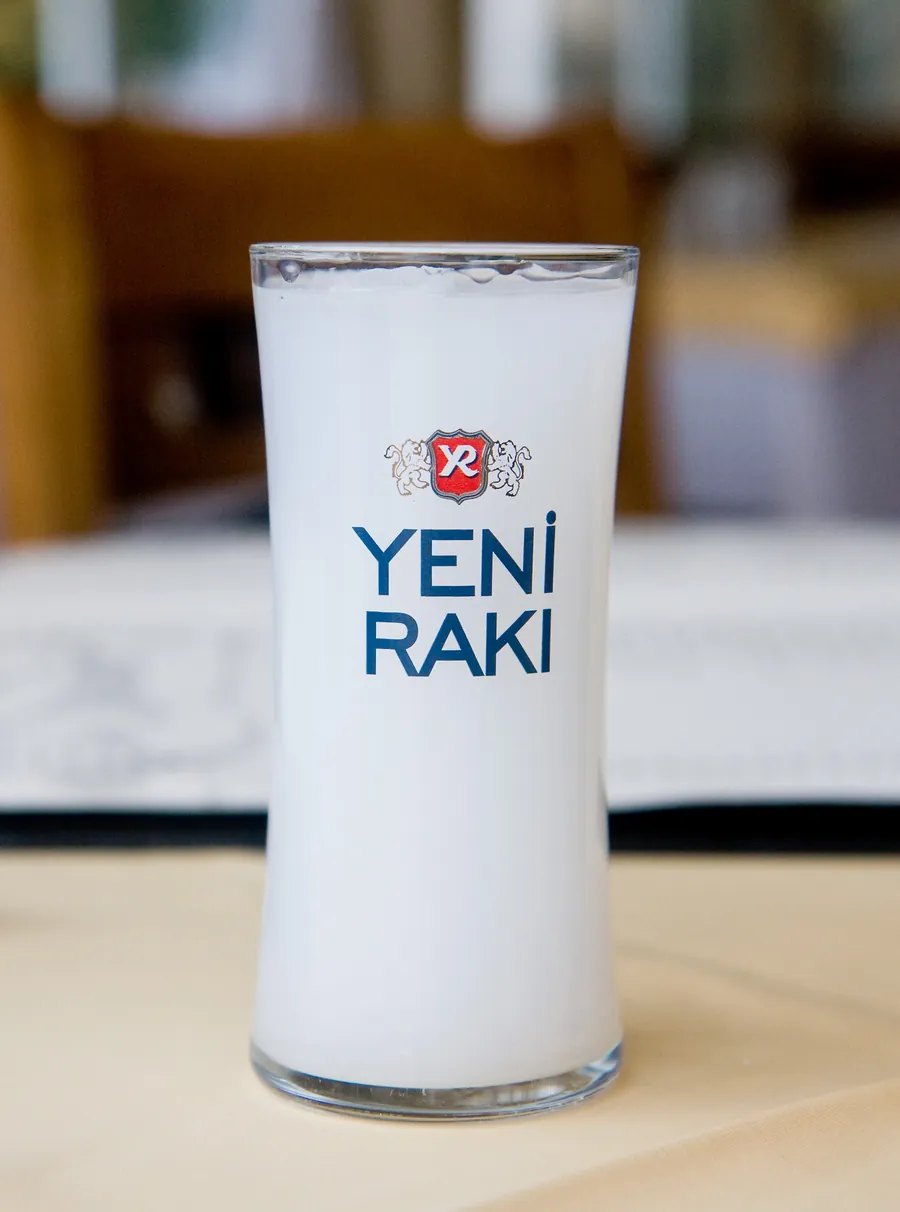
- Şerefe Turkish — to honor
LIFE
The wish is more years: life.
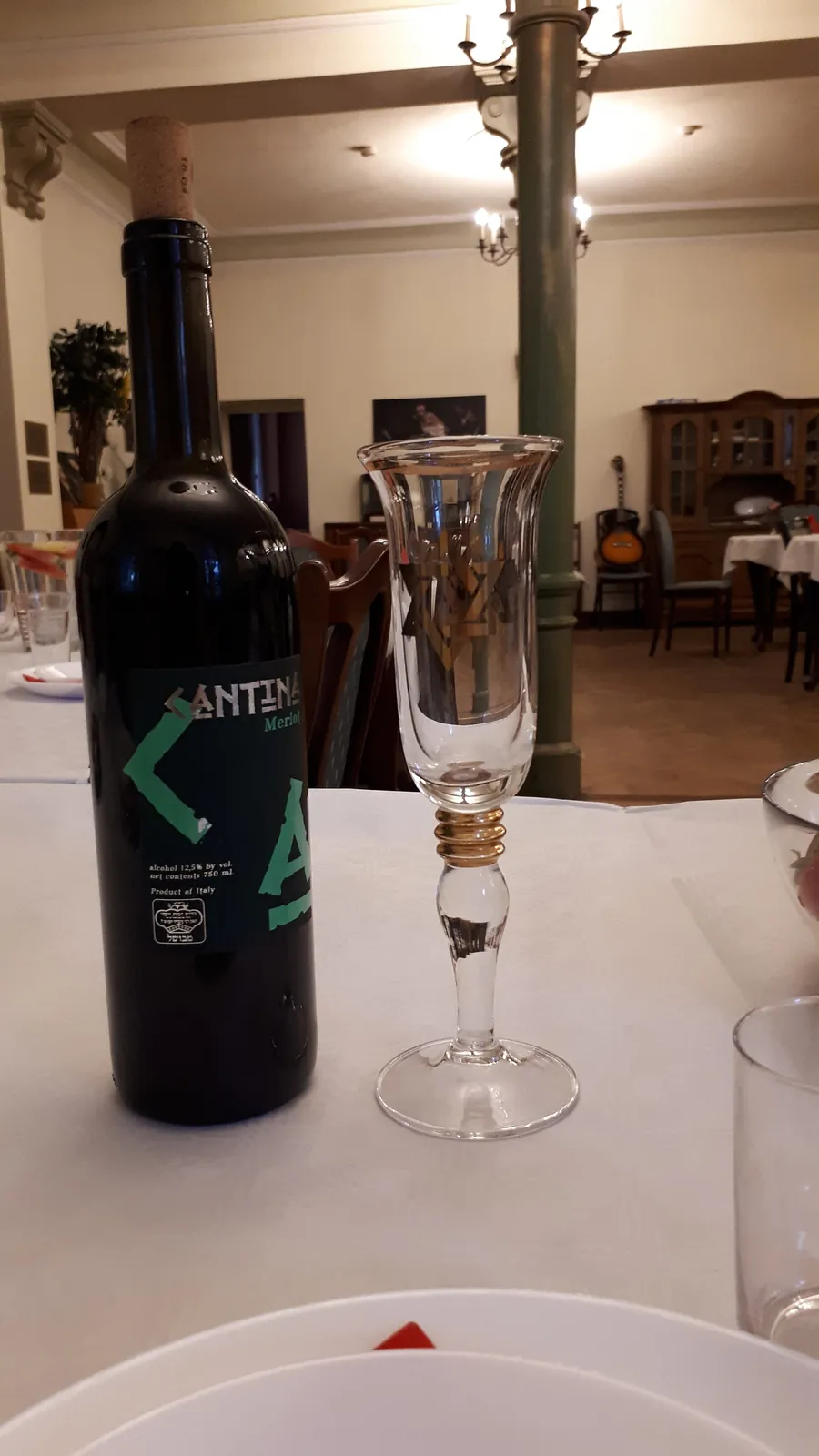
- L'chaim Hebrew — to life
- Živeli Serbian/Croatian — live!
VICTORY
The wish is a battle won: victory.
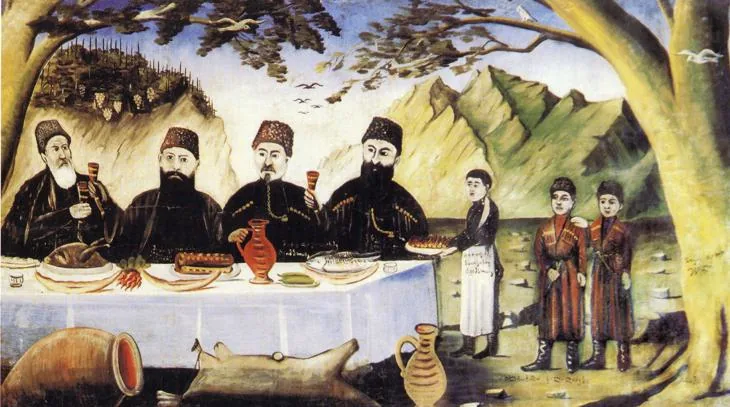
- Gaumarjos Georgian — victory!
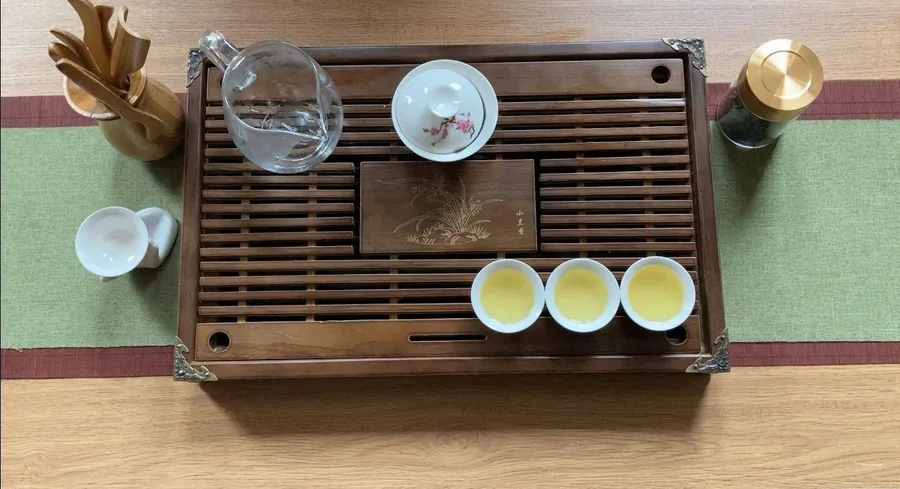
- Yum seng Cantonese via Singlish — drink to victory
SOUND
The wish is the clink itself: sound.
- Cin cin Italian — the clink (contested)
- Chinchín Spanish — clink
- Tchin-tchin French — clink





The toast atlas
Fourteen glasses, six families. Pick a family and its glasses gather; open a glass and read its story; or toast the table and draw one at random.
14 of 14 glasses
From Slavic narokŭ, literally “that which was spoken” — decree softened into luck.
A direct wish: be healthy. The toast beside Noroc.
From Latin prosit, “may it benefit (you)”, 3rd-sg. present subjunctive of prodesse; DWDS: taken over mid-16th c., raised over drink in the 16th c.
The dative of şeref, “honor” — from Arabic šaraf (Nişanyan). The wish is honor, not health.
Hebrew: “to life”. Talmud and Zohar roots are offered for the custom (WP).
Serbian/Croatian: “live!” — life as a command.
Georgian: “victory!” — the tamada's word at the feast.
From Cantonese yam sing, literally “drink for victory”.
Theory A: Cantonese qǐng qǐng, “please, please” (Masini, via Magalotti 1666). Theory B: the clink, onomatopoeic. Treccani keeps both: a Chinese courtesy formula reinterpreted as the sound in Italy.
Onomatopoeic for the clinking of glasses (DRAE, via WP-ES).
Like English chin-chin (EN-Wiktionary: from Chinese pidgin English); WP-FR derives it from Chinese qing qing — the contest again.
A direct wish: health.
A direct wish: health.
A direct wish: to (your) health.
Every glass shows its literal gloss, its mechanism, and its source.
What do you drink when you toast?
Six rounds: every toast speaks its literal meaning. Pick the gloss, take the verdict, keep the score.
Cin cin sits out the game — a disputed etymology is never a quiz answer; find it above, with both theories.
1 Prost German
Round 1 of 6
may it benefit you · From Latin prosit, the optative of prodesse (DWDS).
2 Şerefe Turkish
Round 2 of 6
to honor · The dative of şeref “honor”, from Arabic šaraf (Nişanyan).
3 Noroc Romanian
Round 3 of 6
good luck · From Slavic narokŭ “that which was spoken” (DEX, MDA2).
4 Gaumarjos Georgian
Round 4 of 6
victory! · The tamada's word at the feast (WP Toast).
5 L'chaim Hebrew
Round 5 of 6
to life · The traditional Jewish toast (WP Toast).
6 Na zdrowie Polish
Round 6 of 6
to health · A direct wish (WP Toast).
Score: 0 of 6
You have been through all six glasses.
The numbers
Three data moments, each with its source glued to it.
- 1639
- the first record of the noun (MDA2: PARACLIS) — not of the toast.
- third night
- when the fate-weavers come (Golant, Polovragi/Ponoarele; at Mălaia even the first).
- 14 × 6
- fourteen toasts in six families — counted from the atlas at every build.
The myths
Four things often said that don't hold up.
“Noroc always meant luck”
Spoken decree → fate (good or bad) → good luck → toast. CADE still keeps the “bad” sense.
“The 1639 record dates the toast”
It dates the noun. The first dated toast is missing from the dictionaries — see the honest gap.
“Cin cin is surely Chinese”
Nothing is sure: Masini (Cantonese, Magalotti 1666) against the glasses' onomatopoeia (DRAE); Treccani keeps both. An open dispute.
“Şerefe just means cheers”
Şerefe means “to honor” — the wish is honor, from Arabic šaraf (Nişanyan), not health.
“Norocu-i orb”
Sources
Dictionaries first, then fieldwork and old texts, then the world's glasses. Every risky claim points at its source.
Dictionaries
- noroc: DEX '09, MDA2, CADE, DER, Scriban (dexonline)
- noroc: the na- + rokŭ breakdown (EN-Wiktionary)
- rok: Russian, Serbo-Croatian, Bulgarian (EN-Wiktionary)
- rok: Czech, Polish, Slovak (EN-Wiktionary)
- prosit ← prodesse, 16th c. (DWDS)
- şeref ← Arabic šaraf (Nişanyan)
- cincin: Chinese + onomatopoeia (Treccani)
- chin-chin ← Chinese pidgin English (EN-Wiktionary)
Fieldwork and old texts
- the ursitoare in Oltenia, 2006–2010 fieldwork (Golant, PDF)
- Iliad 3.295–300: the oath's wine (Perseus, Murray 1924)
- cin cin ← qingqing, Masini (Goldthread, 2020)
- Ursitory: the background article (EN-wiki)
The world's toasts
- Toast: history, prosit, the worldwide list (EN-wiki)
- Brindis: chinchín (ES-wiki)
- Tchin-tchin: the Chinese qing qing (FR-wiki)
How we verified
Every cited dictionary body and article was read in full on 24 Sep 2026. DRAE, Collins, and CNRTL block automated reading — their glosses arrive through the articles that cite them. Magalotti 1666 has no digitization found: it is missing, not paraphrased. The earlier truncated findings were fully re-inspected before pinning.
The claim table
| C01 | DEX: fate/chance/happiness + “to pledge, to clink” | dexonline |
|---|---|---|
| C02 | MDA2: PARACLIS 1639, năroc/naroc/noruc, slv narokъ | dexonline |
| C03 | CADE: NĂROC, “fate (good or bad)”, “Noroc (bun)!” | dexonline |
| C04 | DER: Sl. narokŭ (Miklosich), sb./cr./pol. narok | dexonline |
| C05 | Scriban: NAROKŬ, “that which was spoken” | dexonline |
| C06 | OCS narokŭ “sentence” = na- + rokŭ ← *rokъ | EN-Wiktionary |
| C08 | DLRLC: Rebreanu, Alecsandri (“Noroc bun!”) | dexonline |
| C10 | prosit ← prodesse, taken over mid-16th c. | DWDS + WP |
| C11 | Şerefe = “to honor”; şeref ← Ar. šaraf | Nişanyan + WP |
| C12 | cin cin A: qǐng qǐng, Masini, Magalotti 1666 | Goldthread |
| C13 | cin cin B: onomatopoeia (DRAE, WP-IT/ES/PT) | Treccani + WP |
| C14 | Noroc/Sănătate in the worldwide list | WP Toast |
| C20–C26 | l'chaim, živeli, gaumarjos, yum seng, santé, salute, na zdrowie | WP Toast |
| C27 | the ursitoare: three women, the third night, the table | Golant 2006–2010 |
| C28 | Iliad 3.295–300: wine poured at the oath | Perseus/Murray |
Type: Fraunces, Newsreader and Atkinson Hyperlegible, under the SIL Open Font Licence.