 What a baby hears in the womb: your mother's voice as you first heard it
Marius Comper · public projects
Maps, games and explainers about how the world works.
1342 projects, 1259 of them in English, on history, language, nature, the body, money and how societies work. Search for what interests you, or start with what’s new.
Start with these
What a baby hears in the womb: your mother's voice as you first heard it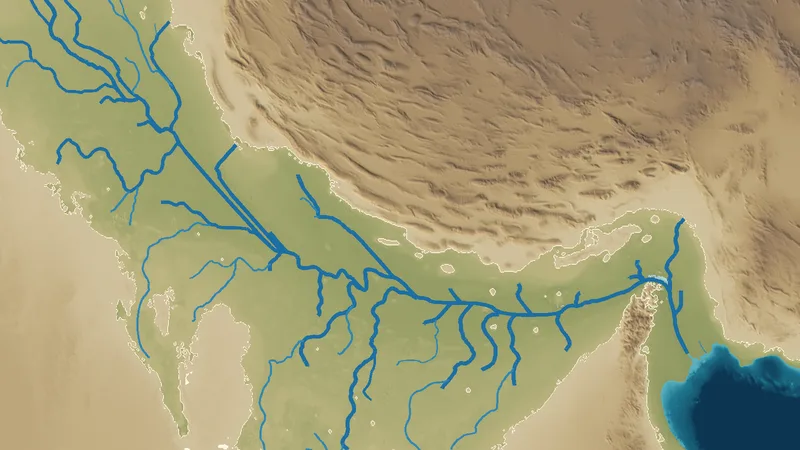 The strait that wasn't there: drain the sea out of Hormuz and the whole Gulf, back to the ice age
 Stanislav Petrov, 26 September 1983: the false alarm, minute by minute
Recent highlights
The best of the last few weeks
The maps, simulations and investigations I put the most work into. Each one starts from a question you might ask yourself today.
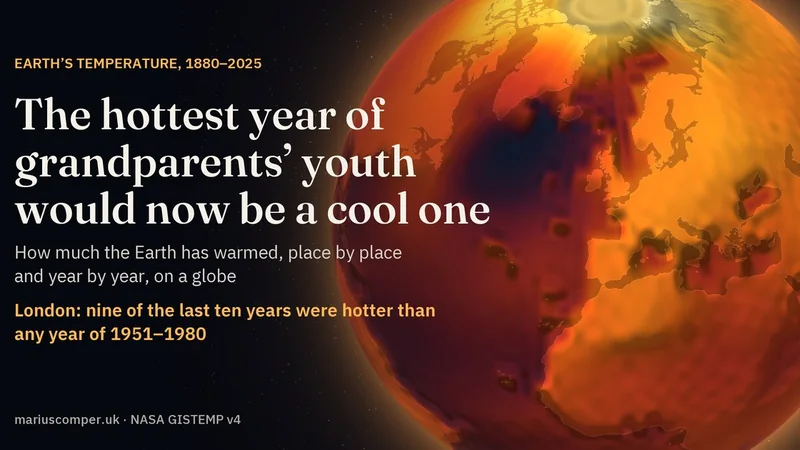 The hottest year of grandparents’ youth would now be a cool oneNASA’s temperature record on a globe, year by year from 1880 to 2025. Around London, nine of the last ten years were warmer than 1959, the hottest year between 1951 and 1980. With the numbers for 6,552 towns and cities and a family’s birth years. In Romanian and English.Open
 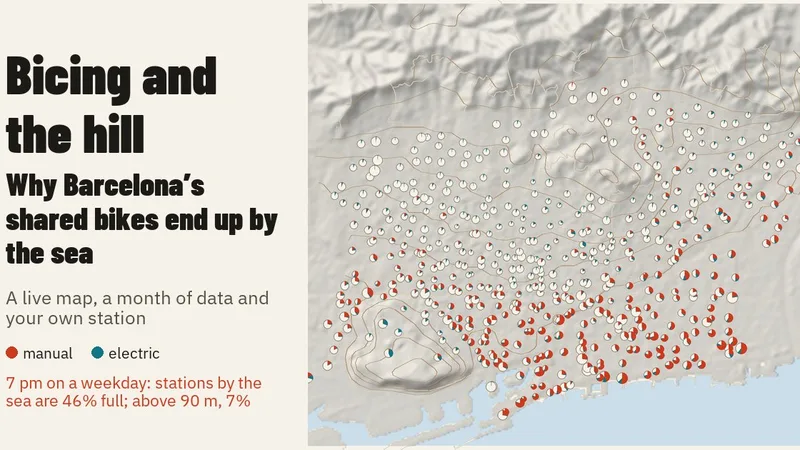 Bicing and the hill: why Barcelona’s shared bikes end up by the seaSee Barcelona right now, station by station: red crowded by the shore, empty rings up the hill. Then play a September weekday hour by hour and look up your own station.Open
 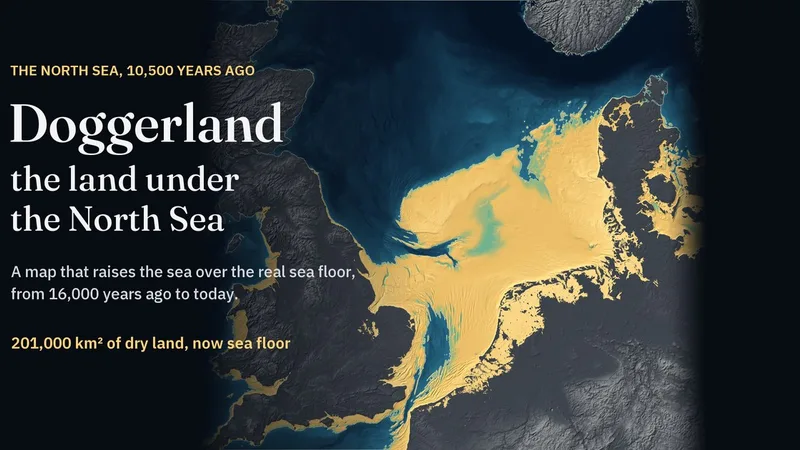 Doggerland map: the land under the North Sea, drowned in stages from about 10,000 years agoYou move the sea along the timeline, from 16,000 years ago to today, and watch what drowns; then you search your town and see how far away the shore was.Open
 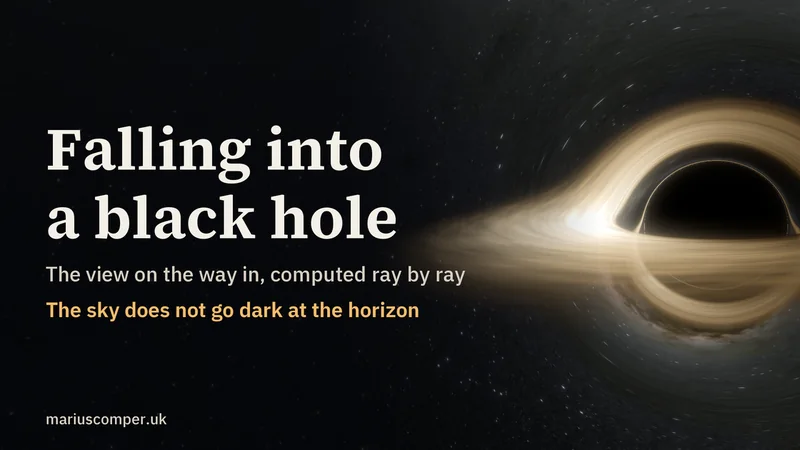 Falling into a black hole: what the sky looks like on the way inYou scroll and fall, from 40 radii out to just short of the centre, and can drag the picture to look around or behind you. Choose one of four real black holes and a height to see where tidal force would start to pull a body apart and how long the fall lasts. The last stretch into the Milky Way’s black hole can be watched in real time. At the end are the two photographs of black holes, with the computed size of the dark disc beside the measured ring.Open
 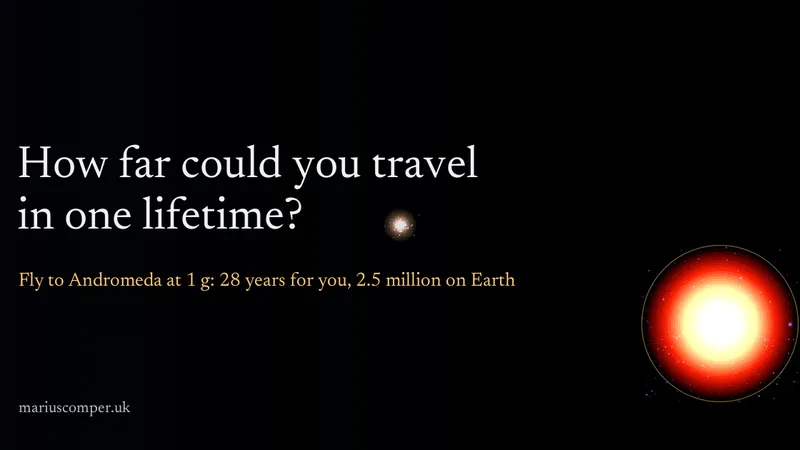 Travelling near the speed of light: fly to Andromeda in one lifetimeAccelerate at 1 g, the pull you feel standing on Earth, and in 28 years and 7 months aboard you reach the Andromeda galaxy. Fly there through a sky of 85,611 catalogued stars and watch two clocks for home: the one that runs in Earth’s frame, and the latest light from Earth that has caught up with you.Open
 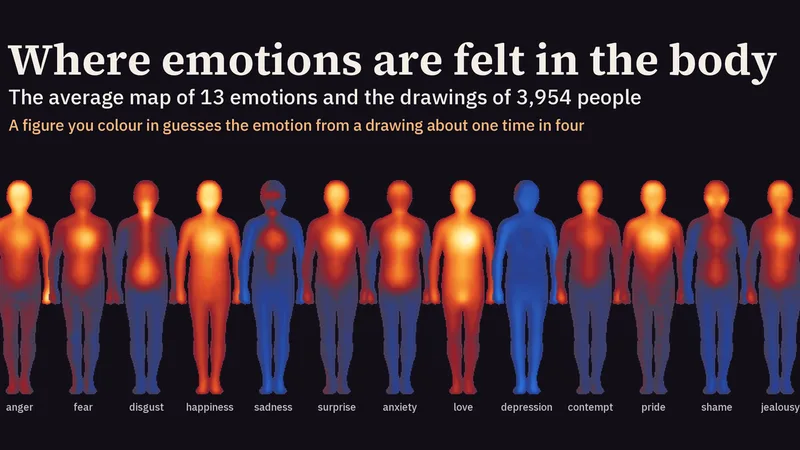 Where emotions are felt in the body: from one person's drawing, the emotion can be guessed one time in fourColour in where you feel an emotion, let the page try to guess it, then see your drawing beside the average map and beside each participant's own drawing. You learn which zones you coloured as others did and which emotions people agree on least.Open
 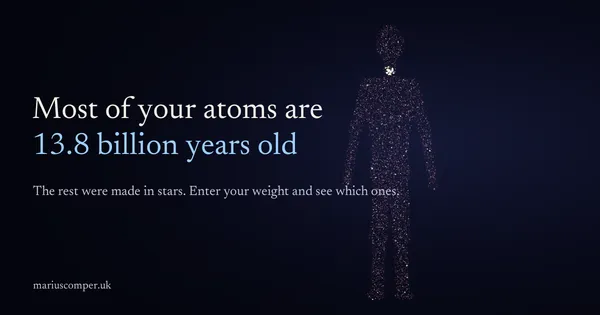 Most of your atoms are 13.8 billion years old: where each part of your body was madeSix in ten of your atoms are hydrogen from the Big Bang. Your oxygen came from exploding giant stars, much of your carbon from dying stars, half the calcium in your bones from exploding white dwarfs, your iodine from colliding neutron stars. Set your weight and watch your body come apart.Open
 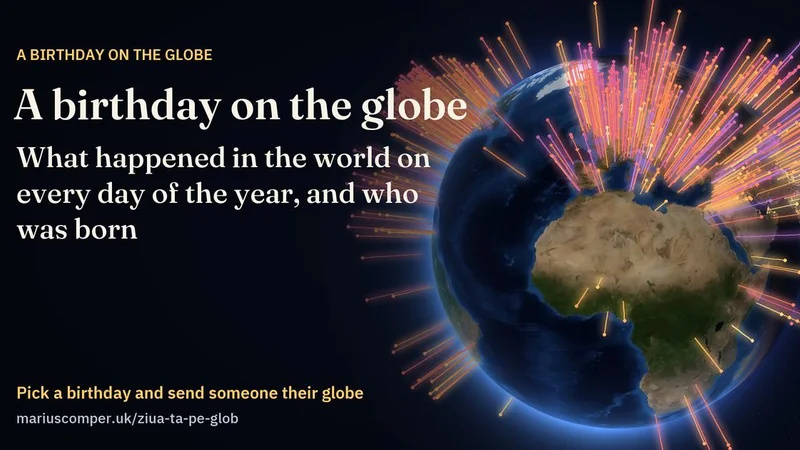 A birthday on the globe: what happened in the world on each of the year’s 366 daysA 3D globe for every day of the year: the events on Wikipedia’s day list, as rays of light on their places, and the people born then. With a birth year the page opens on your own day and shows, where records exist: the number-one song, the Moon and the star sign, the weather, an animal recorded that day, a rocket that left, every birthday since. With a name it becomes a link to send. In Romanian, English, Spanish and Chinese.Open
 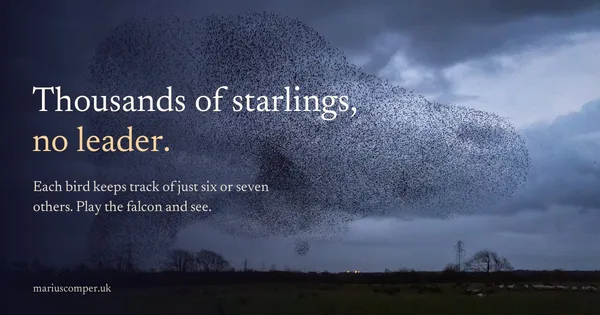 Thousands of starlings, no leader: how they turn as oneEach starling keeps track of just six or seven neighbours, near or far. Play the falcon over a live flock of thousands, watch a turn sweep through at 20 to 40 metres a second, and find out where to see a murmuration.Open
 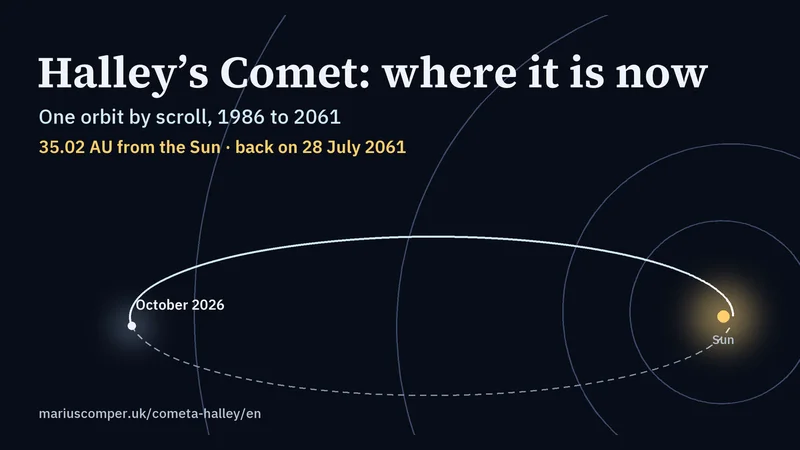 Halley’s Comet: where it is now, and its whole 75-year orbit from 1986 to 2061You scroll and the clock runs: a few weeks a screen near the Sun, then five years a screen, out past Neptune’s distance and back. Choose a year of birth to see where the comet was then and how old you will be in July 2061. Below are all 30 returns since 240 BC, with the Bayeux Tapestry and Halley’s own prediction of 1705.Open
 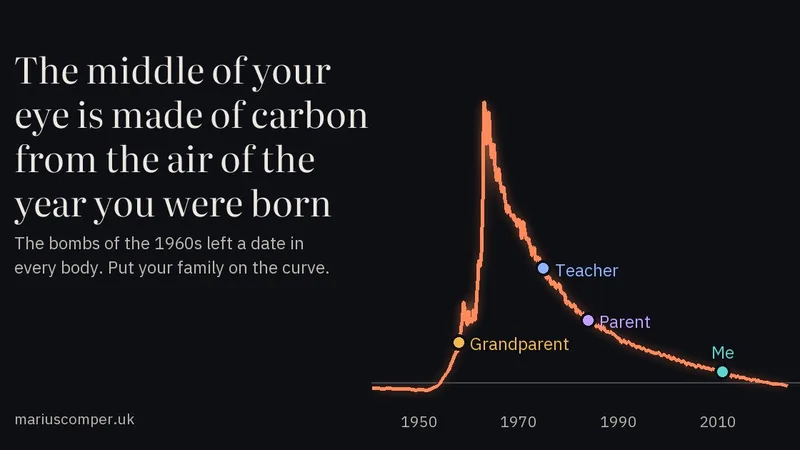 The middle of your eye is made of carbon from the air of the year you were bornNuclear tests in the 1950s and 60s nearly doubled the carbon-14 in the air, and every human body kept the mark. Put your family's birth years on the curve and see which year each part of you is made of: lens, tendon, heart, blood. In Romanian and English.Open
 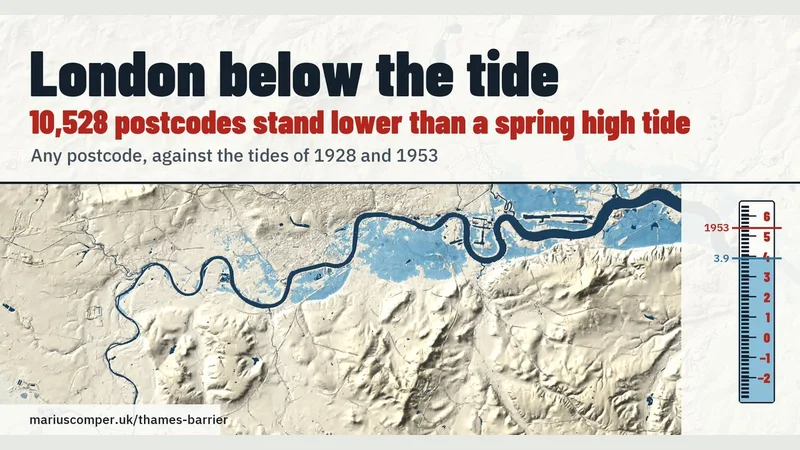 London below the tide: every postcode measured against the Thames at high waterType a London postcode and learn how far its ground stands below or above the Thames at high tide, and how many of the 57,909 tides logged at London Bridge between 1911 and 1995 rose higher than it. The map picks out the ground below any level you set on the staff.Open
 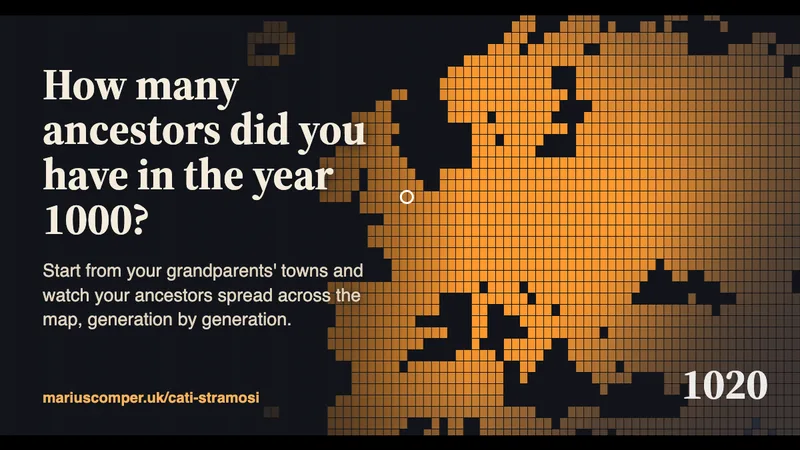 How many ancestors did you have in the year 1000?The places in your family tree double every generation. By the year 1000 they need billions of people, in a Europe of about 36 million. Put your grandparents' towns on the map, follow your ancestors generation by generation and compare them with a classmate's. In Romanian and English.Open
 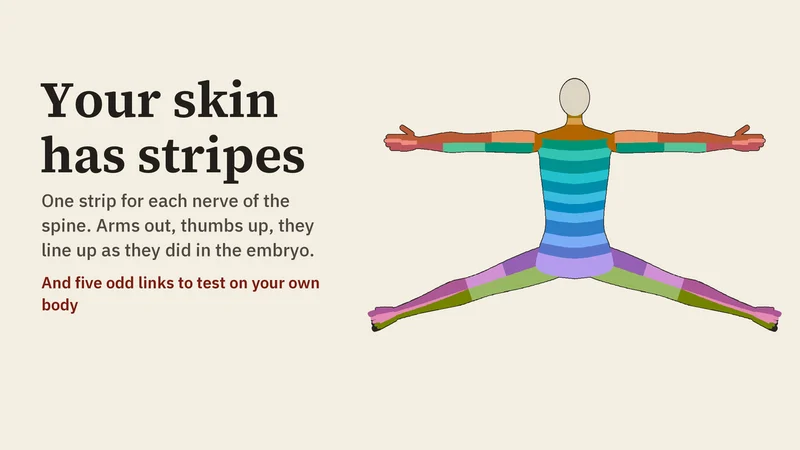 The stripes of your skin: dermatomes, the embryo that drew them, and where organs send their painTap any strip on the figure to see its nerve; find your navel, touch your thumb and little finger, knock your funny bone. At the end, five tests to try on your own body give you a sentence with your result to send to someone.Open
  Tea, thé, чай, 茶: who says it like you?It starts from your word: languages light up in the order they say it like you, and the map says openly how often it is wrong.Open
 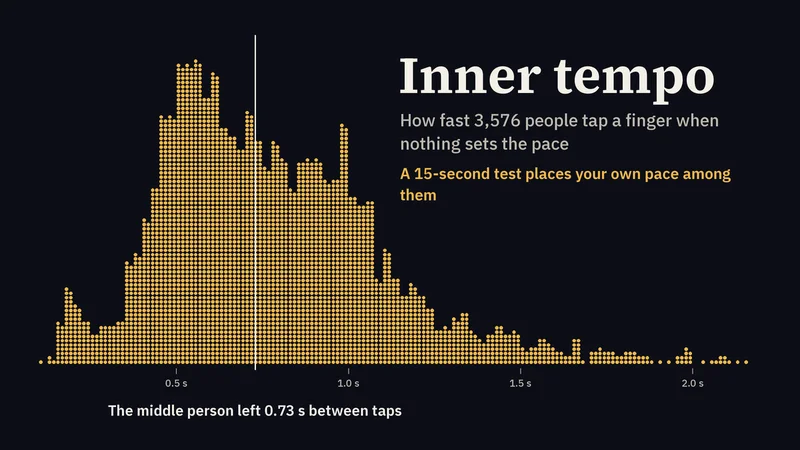 Inner tempo: how fast 3,576 people tap a finger when nothing sets the paceTap for 15 seconds and learn the pace you fall into without choosing it, then see it in the line of 3,576 people, by age group and by mood. You can hear any participant's taps and send someone your pace to compare with theirs.Open
 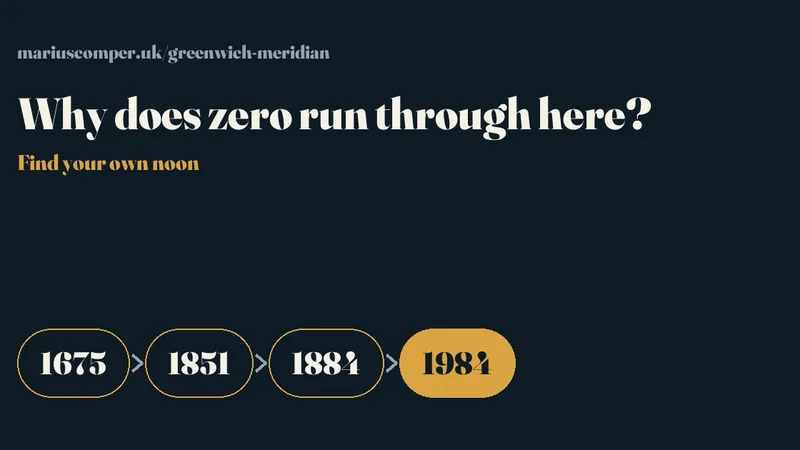 The prime meridian: voted in 1884, moved 102.5 metres, and your own noonZero longitude at Greenwich as a scroll scene: your own true noon today, worked out for where you are, the 1884 vote, the 102.5 metres between the courtyard line and the zero in use today, crossed by the sun in 0.35 seconds, and the minute to step outside and look at your shadow.Open
 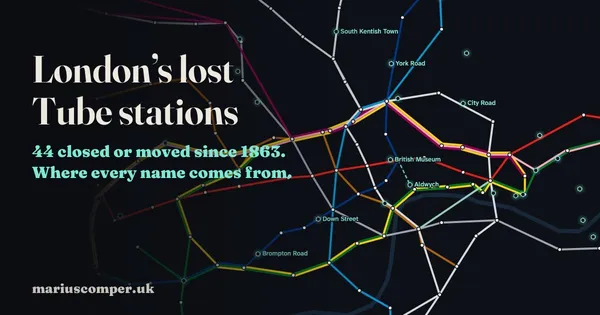 London’s lost Tube stations, and where every station name comes fromAll 272 London Underground stations and the 44 that closed or moved, on a map you can drag from 1863 to today. The ghost stations, the one between Angel and Old Street that now heats homes, and where every name comes from.Open
 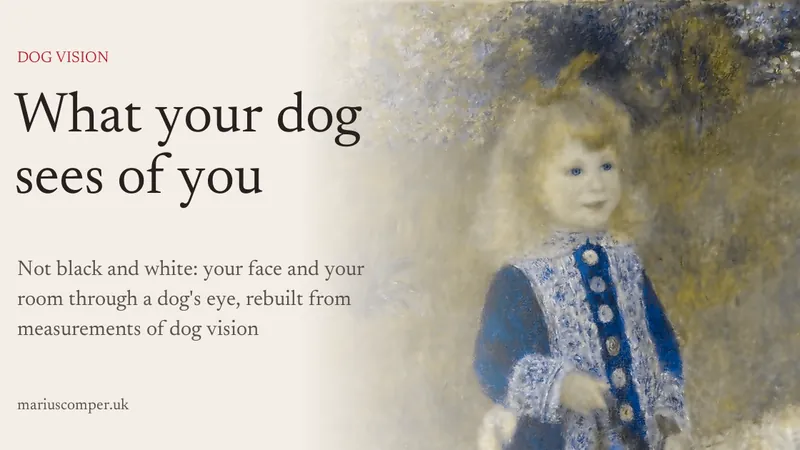 How dogs see: your face and your room through your dog's eyesDogs don't see in black and white, but they don't see what you see either. Turn on your camera and see yourself the way your dog does, rebuilt from measurements of dog vision.Open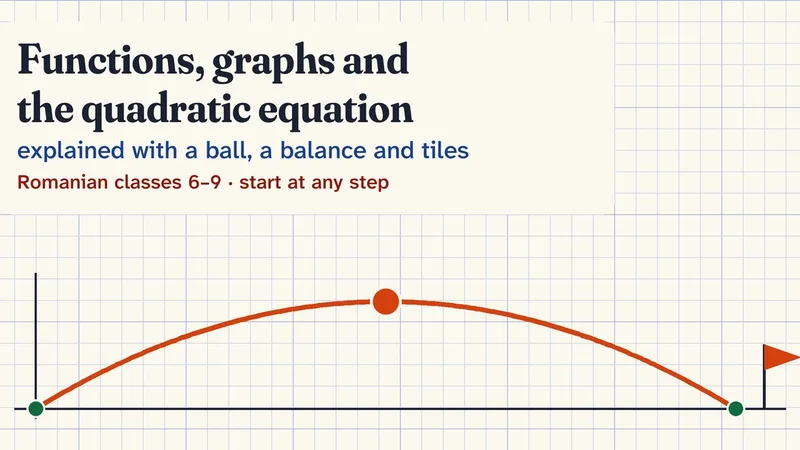


Subjects
Choose a subject
These numbers count the projects tagged with each subject in the catalogue. Themed collections may also include related projects from other subjects.
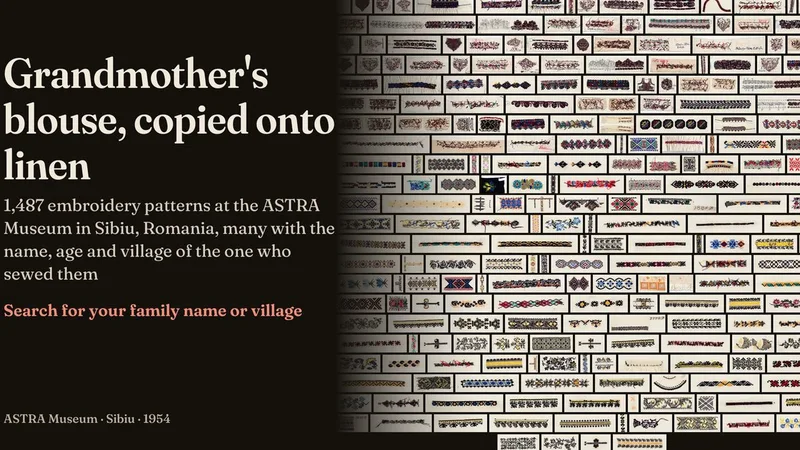 History431 projects
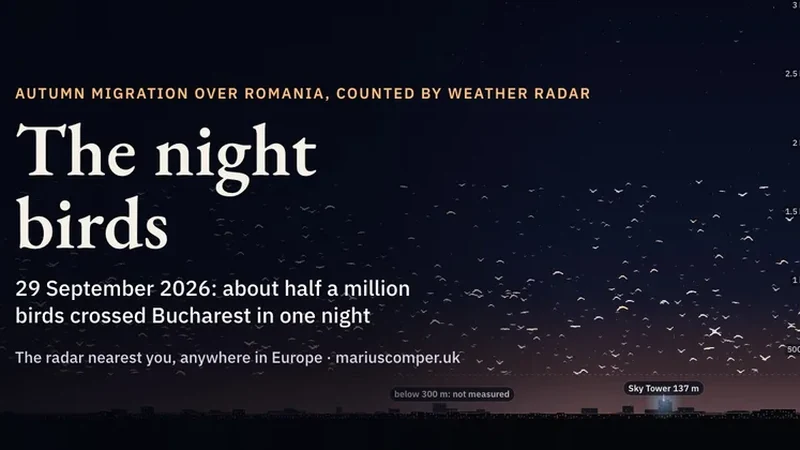 Nature & planet290 projects
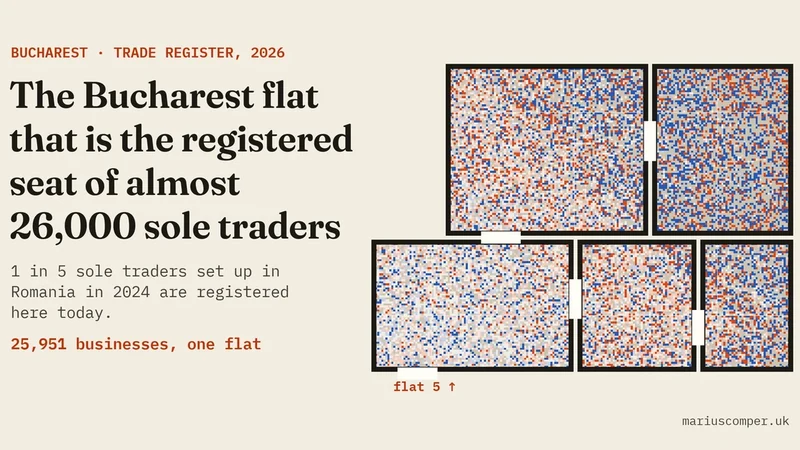 Government, money & public life191 projects
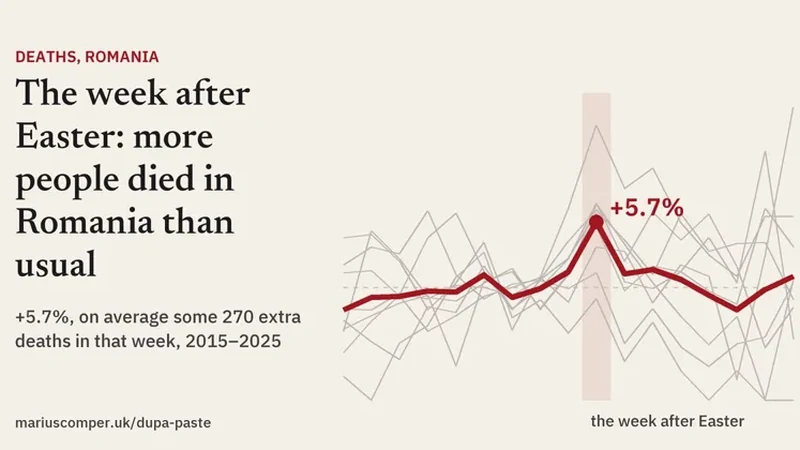 Anthropology & society181 projects
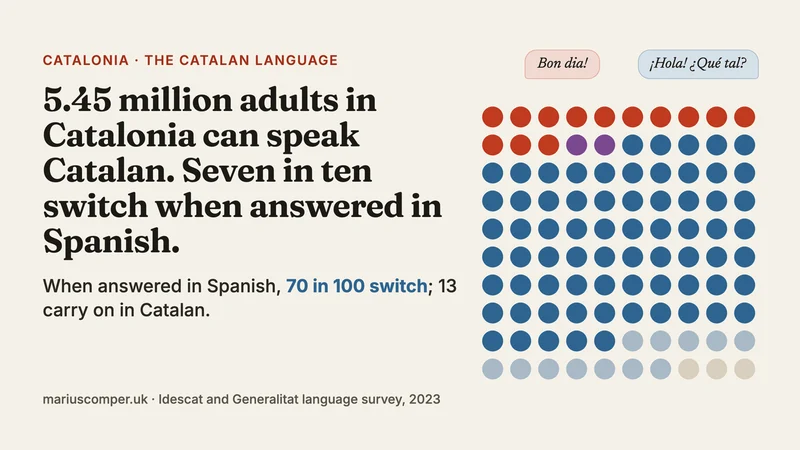 Language & words166 projects
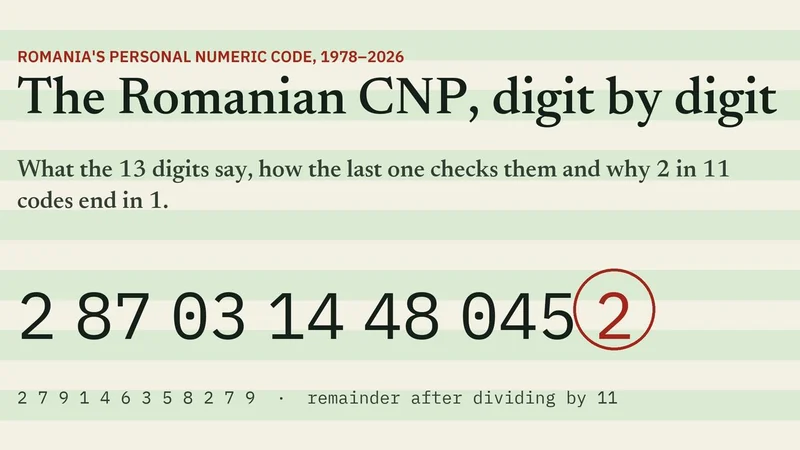 Physics & mathematics164 projects
 Body & health150 projects
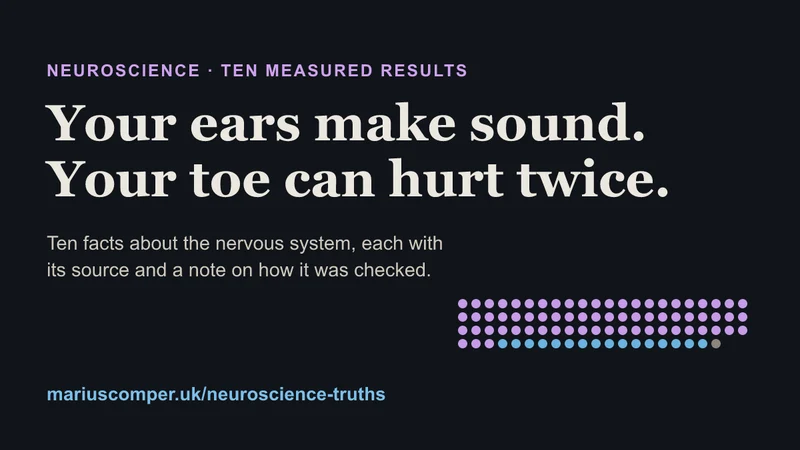 Mind & perception103 projects
 Travel79 projects
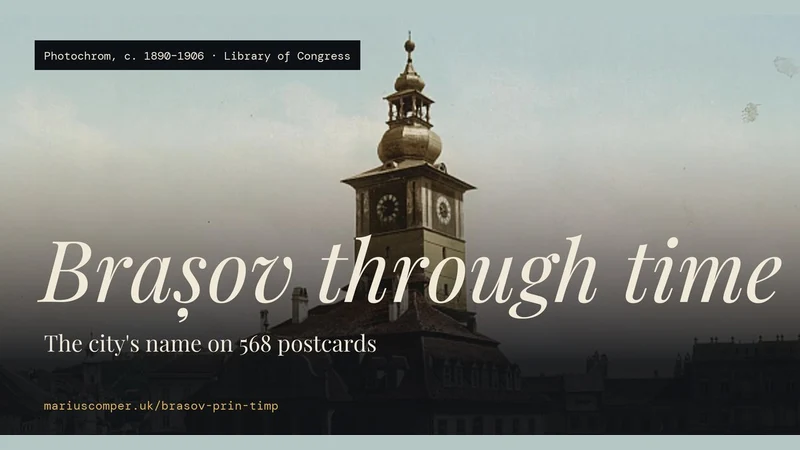 Film, music & art76 projects
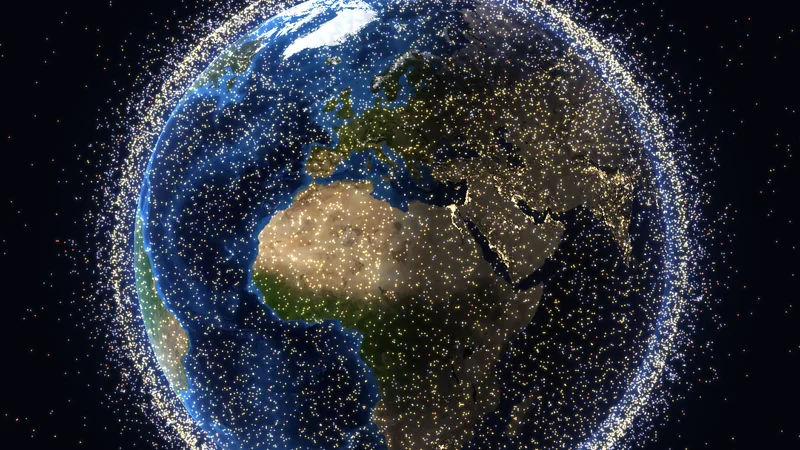 Technology & AI63 projects
 Security & geopolitics63 projects
 Sport7 projects
Topic pages:Archaeology 69Barcelona, neighbourhood by neighbourhood 15Religion and belief 52United Kingdom 50China 36Climate and weather 46The Danube, source to sea 40Population 38Education 17Food 39Geology 50Housing 25London 43Sound 49Space 37Sport and movement 16Timișoara atlas 9Transport 63Romania for visitors 70World atlas 213
Picks
Six projects to start with
If this is your first visit, these show best what you can do here: search, compare, play.
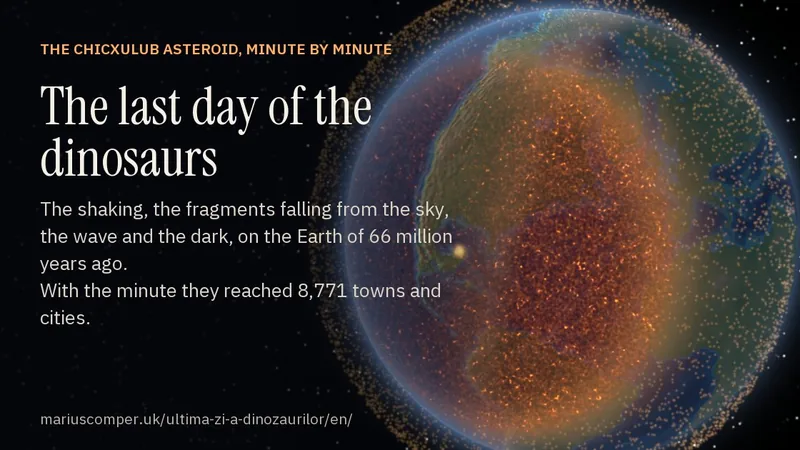
The last day of the dinosaurs: the Chicxulub asteroid, minute by minute
You scroll and the clock runs from a day before the impact to today, on the Earth as it then was, with Europe an archipelago and India an island. Type a town to see how long the seismic waves, the fragments and the wave in the air took to reach the rock beneath it. The crater forms in section, to scale, in ten minutes. At the end, who died out and who was left, with the place of each count, and the whole animation without text.
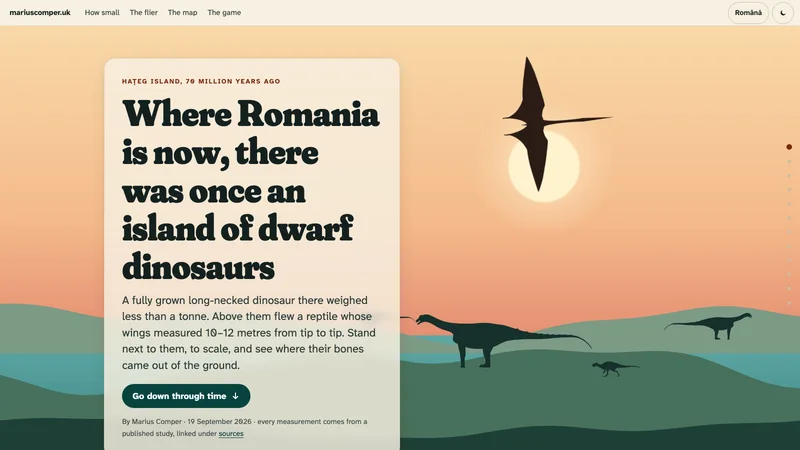
The dinosaurs of Romania: Hațeg Island, to scale
Seventy million years ago Hațeg was an island. A fully grown long-necked dinosaur there weighed under a tonne, and a reptile with 10–12 metre wings flew overhead. Stand next to them, to scale, and see on the map where the bones came from.

Fourteen Societies Live Like You
Run your own life through the sieve of Murdock's sixteen questions and watch the archive of 1,291 societies drain dot by dot, on the grid and on the map; then read how Romania entered world anthropology through twenty-nine pages written in 1913.

Everyone Is a Relative
Pick a relative and see on the map which languages distinguish it; learn why nepot is both grandson and nephew, why văr means “true” and why your child's in-laws are kin in the language and strangers in the Civil Code.

The oxygen line
Lower a probe through 19 measured Black Sea profiles and watch oxygen disappear. At 100 m, one cast retained only 1.2% of its maximum.

You pick first. I pick second.
Pick, roll, and discover why choosing first gives away the advantage.
By what you want to do
What do you want to do now?
Some projects are for reading, others for exploring on a map, for a decision or for playing.
Games & tests
Try a challenge or put your intuition to the test.
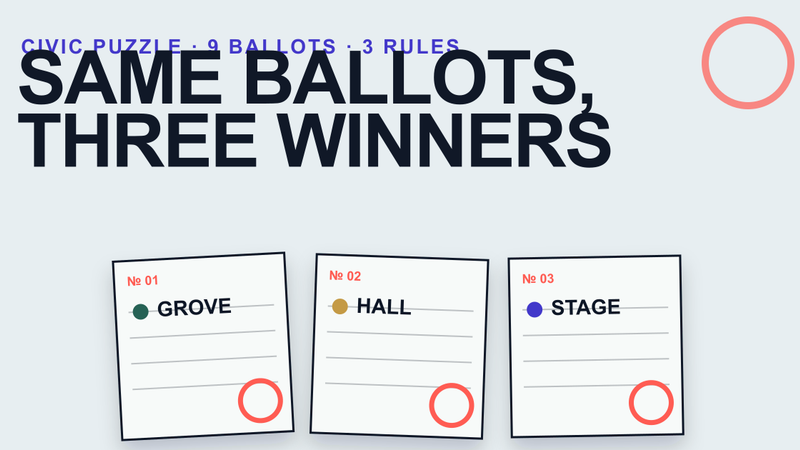 Example 1 of 4Same Ballots, Three Winners
Maps & data atlases
Find places, compare data, discover connections.
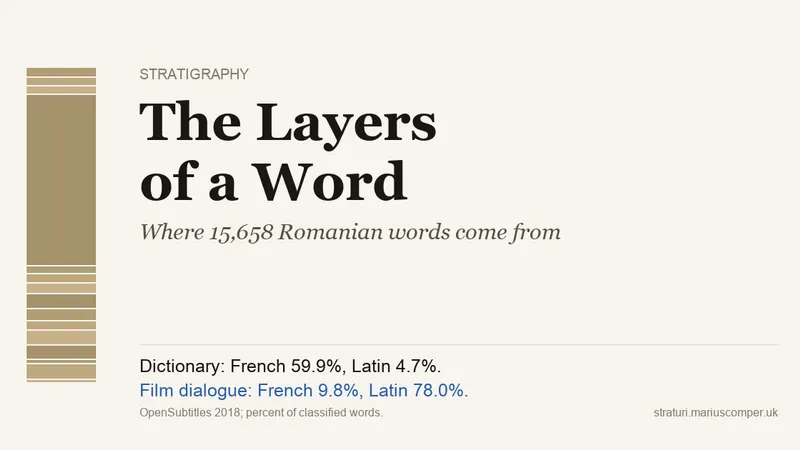 Example 1 of 4In the dictionary, French wins. When you speak, Latin wins
Simulations & models
Change a value and follow its effect.
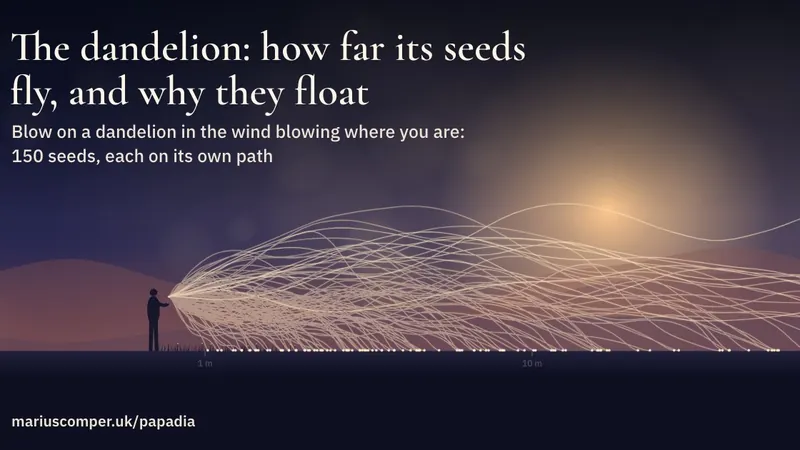 Example 1 of 4The dandelion: how far its seeds fly, and why they float
Guides & tools
Find information for a decision or a task.
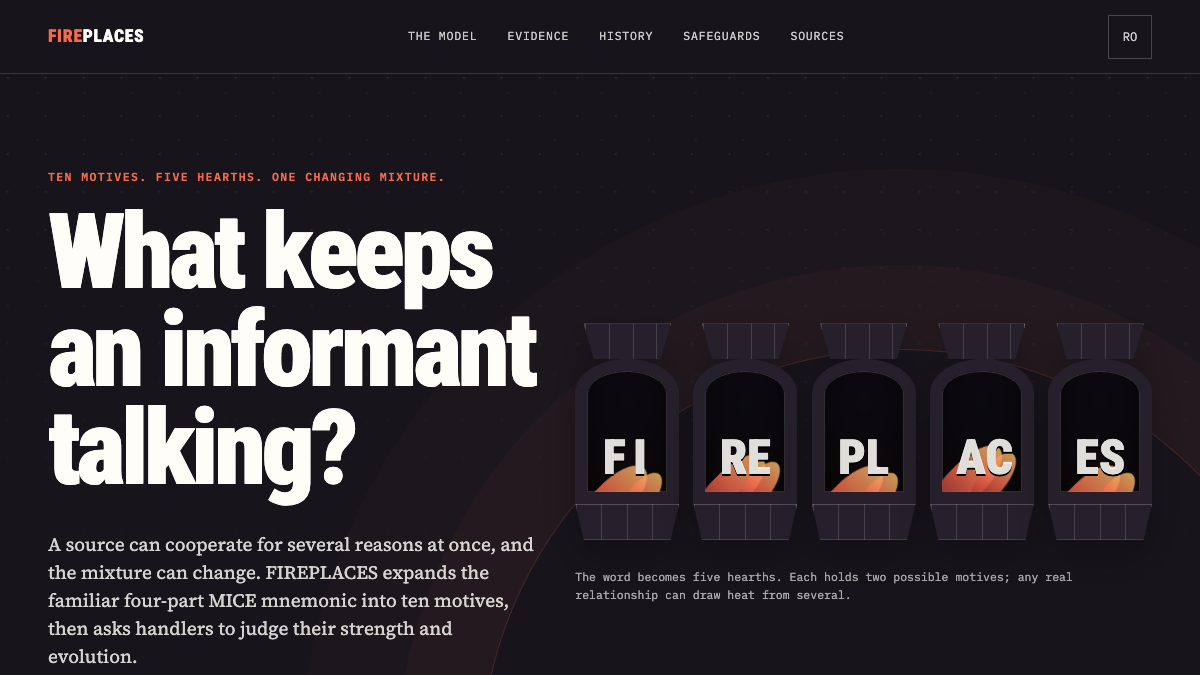 Example 1 of 5FIREPLACES: why informants talk and why motives change
Investigations & audits
Follow a claim back to the evidence.
 Example 1 of 4One control panel. Two businesses.
Articles & explanations
Read an idea, a story or an explanation.
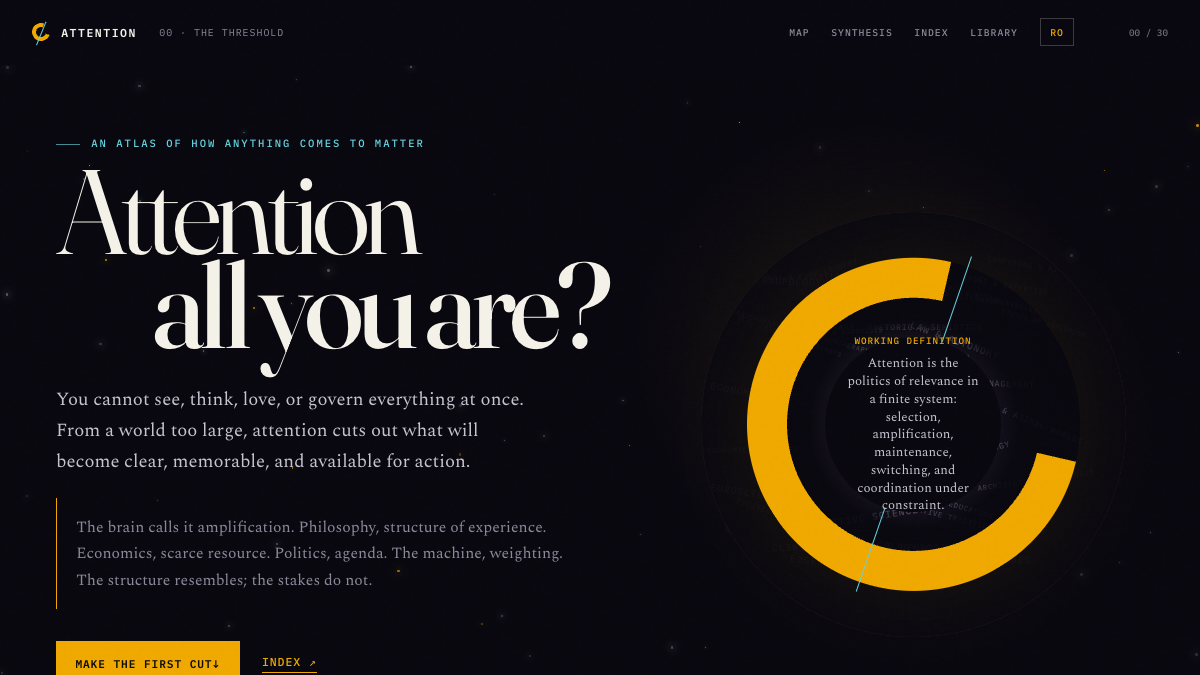 Example 1 of 4Attention — An Atlas of a Cut
Projects where you do something
Choose, move or type, and the data answers.
These projects change with what you do. Each one tells you where to start.

Choose the threshold
Seven, possibly eight
18,214 settlements, 127 rivers, one name-layer at every threshold.

Trace the crops
Roots beneath the plate
Lift 177 countries back to the plants' primary regions of diversity.

Defend the choice
The Swap
You defend, without realizing it, the exact option you rejected.

Link two countries
How many borders away is the world?
Build the route with the fewest land borders.

Write a sentence
The breath of words
Measure the length of your own words.

Choose a year
The light that left
Look at the stars whose light was leaving then.
A Romanian series
Romania, layer by layer
16 works that read Romania through names, people, networks, roads, buildings, heritage, water, migration, health, tourism and time.
Paths
8 paths through the collection
Each path starts from one curiosity and holds four hand-picked projects.
Mechanisms you carry
Inside the body
Pressure, pulse, sight and breathing. Four projects that measure processes the body regulates before we notice them.
More about the body


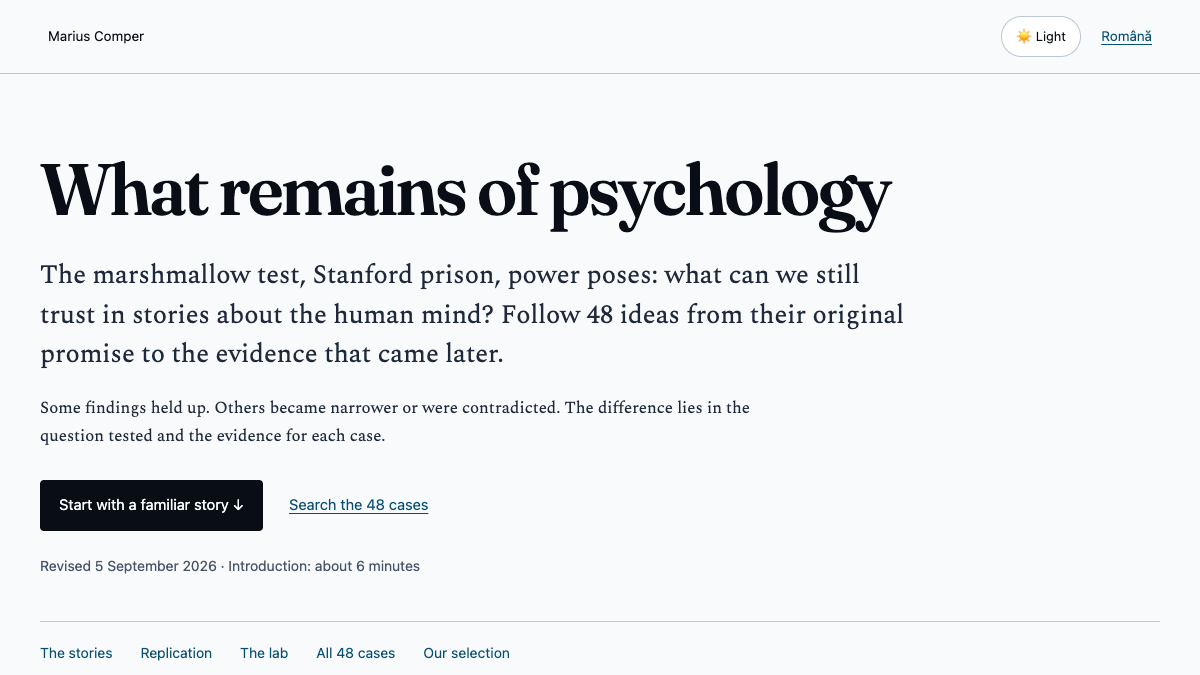
Psychology without easy answers
Your mind fools you. Can you catch it?
An anchor, a loss, a false memory and forty-eight retested ideas: four instruments that test your own mind, ending in your score or verdict, not just an explanation.
More about psychology


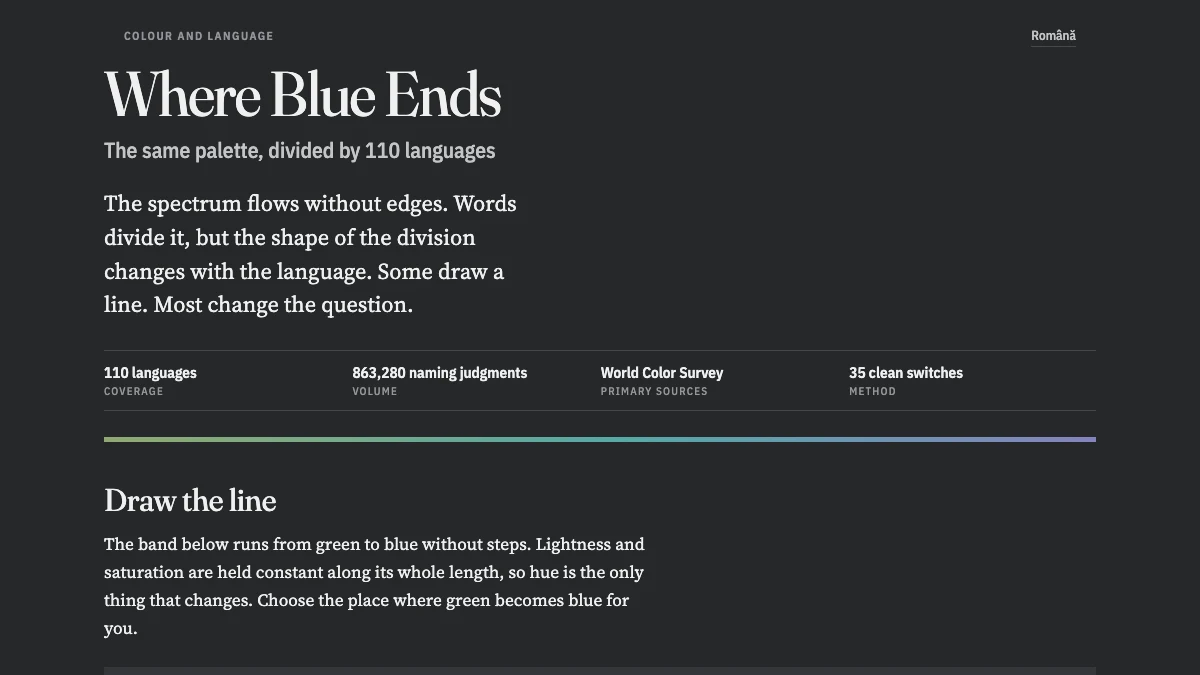
The traces left in speech
Words carry their past
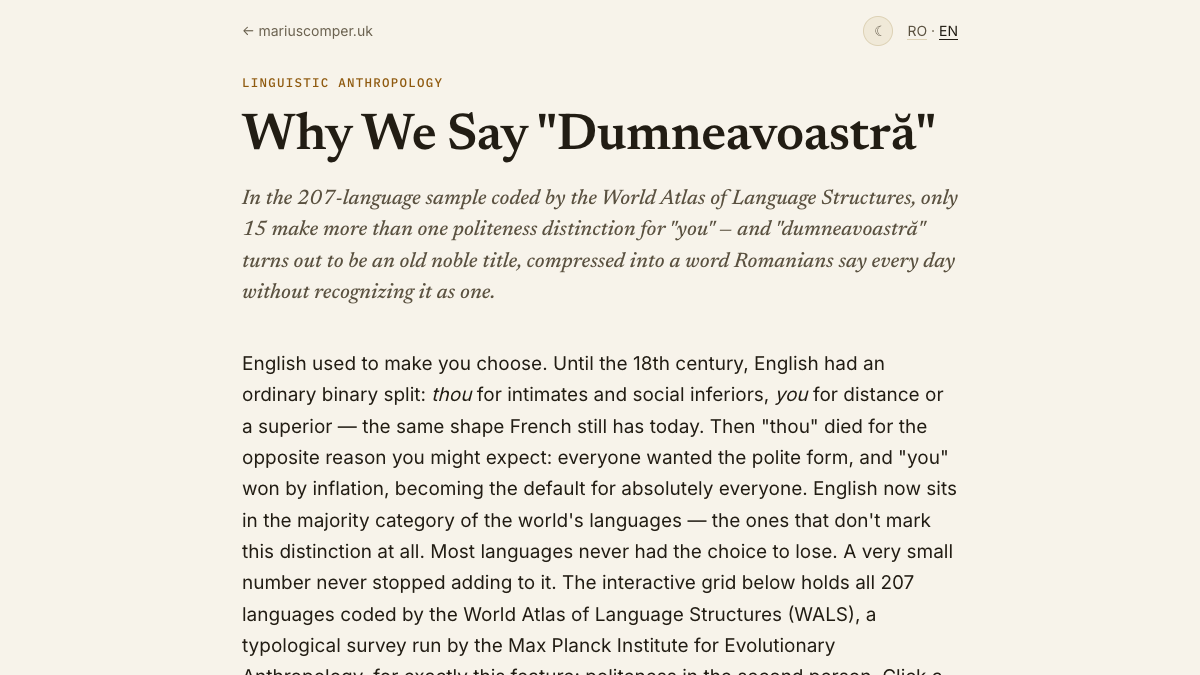
A Homeric riddle, colours split 110 different ways, tea's two trade routes and formality built into how you address a stranger.
More about words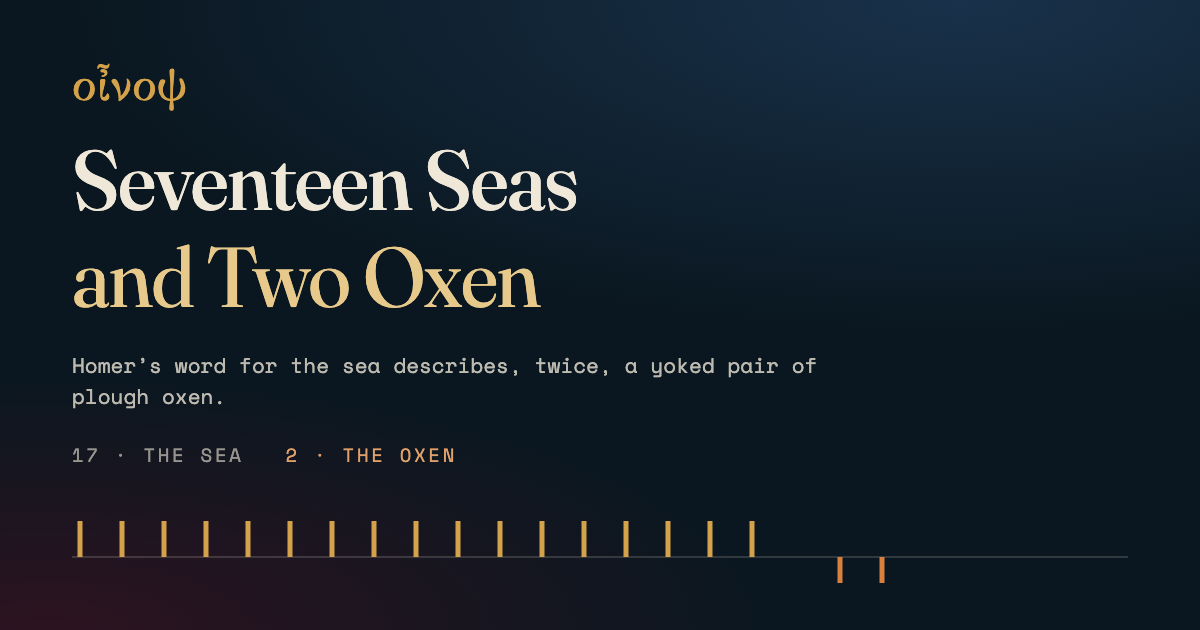
Instruments you already carry
What your senses can measure
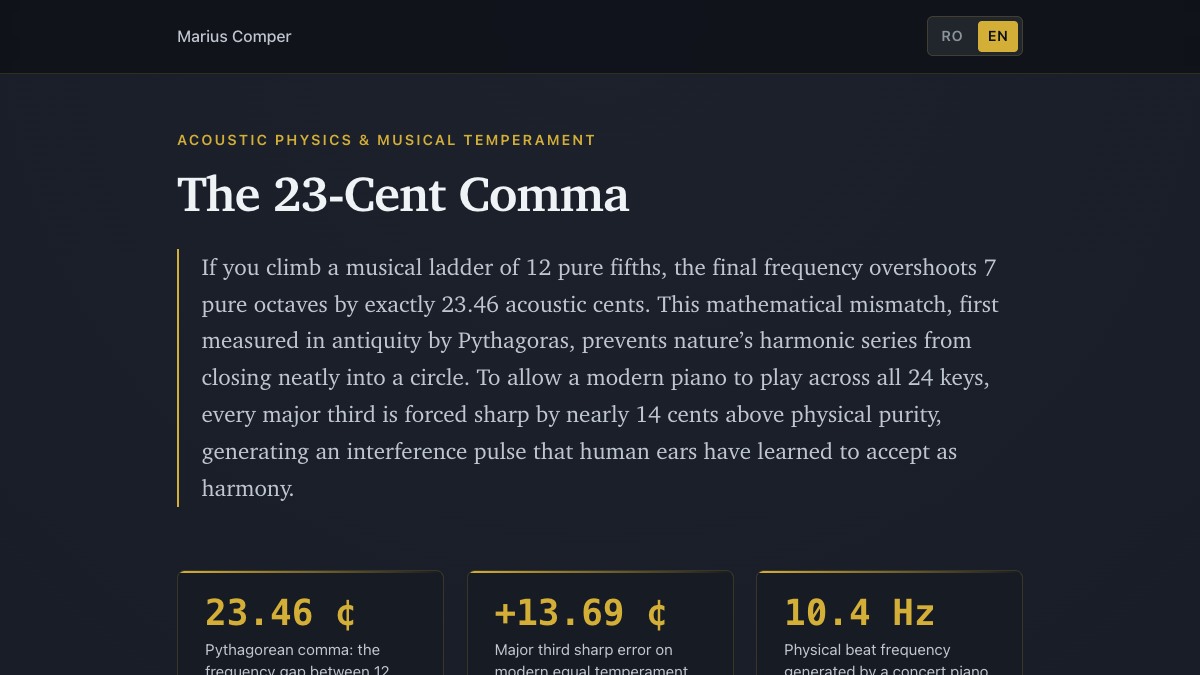
How high a fading tone can climb before you lose it, how fast sound actually travels, why noon by the sun and noon by the clock disagree, and the 23 cents a piano has quietly cheated for three centuries.
More instruments to try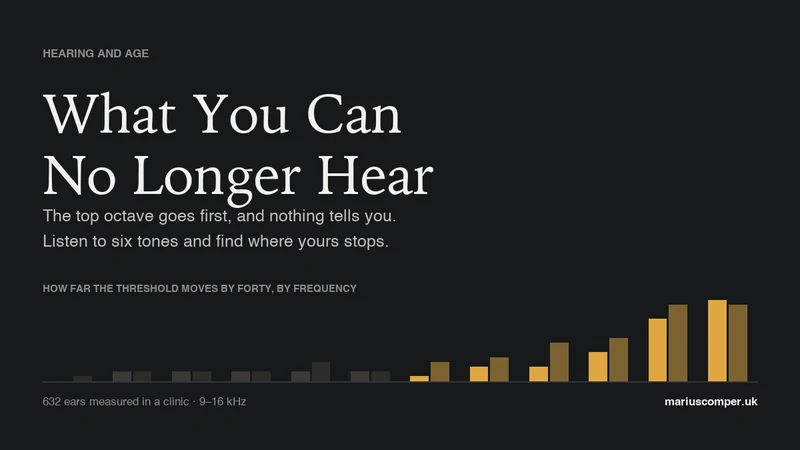


The planet moves
Earth, water, sky
Disappearing stars, a country swallowed by the sea, a sound channel that carries a whale's call across an ocean and depths without oxygen. Four scales for the same planet.
More about climate and nature
Move closer until the story changes
At the scale of small things
A mucus barrier, old bubbles in ice, an electric field and a droplet caught before impact.
More scientific mechanisms


The past still occupies space
History left in view
Cucuteni–Trypillia’s lost cities, a theatre tent surrounded twice by riot police, the ancestors hidden in your family tree and the giant glass building inspired by a water-lily leaf.
More about history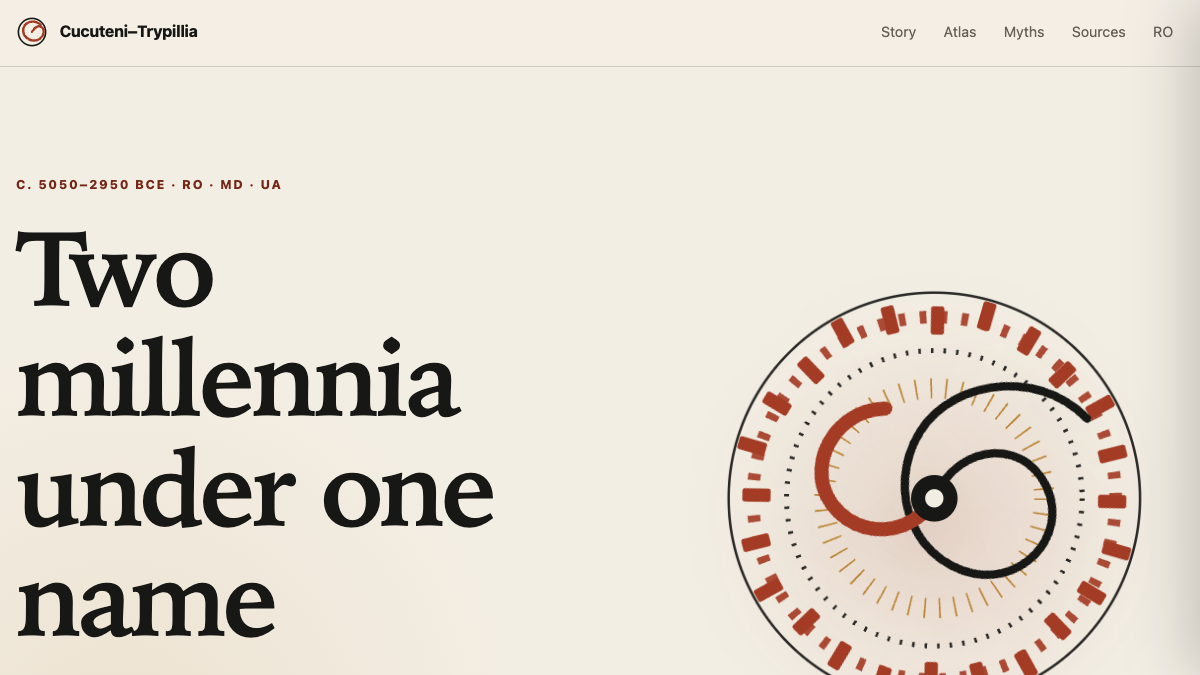


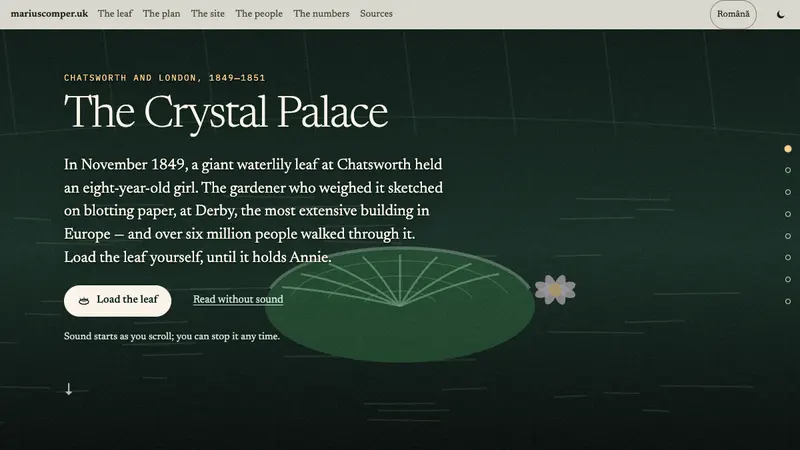
Understanding through trying
Play with precision
Level a beam, cut exactly in half, stop one second and let a machine challenge your intuition.
More projects to play


A selection
Anthropology
Nine comparative datasets, one species
How anthropologists compare a life to every other life on record
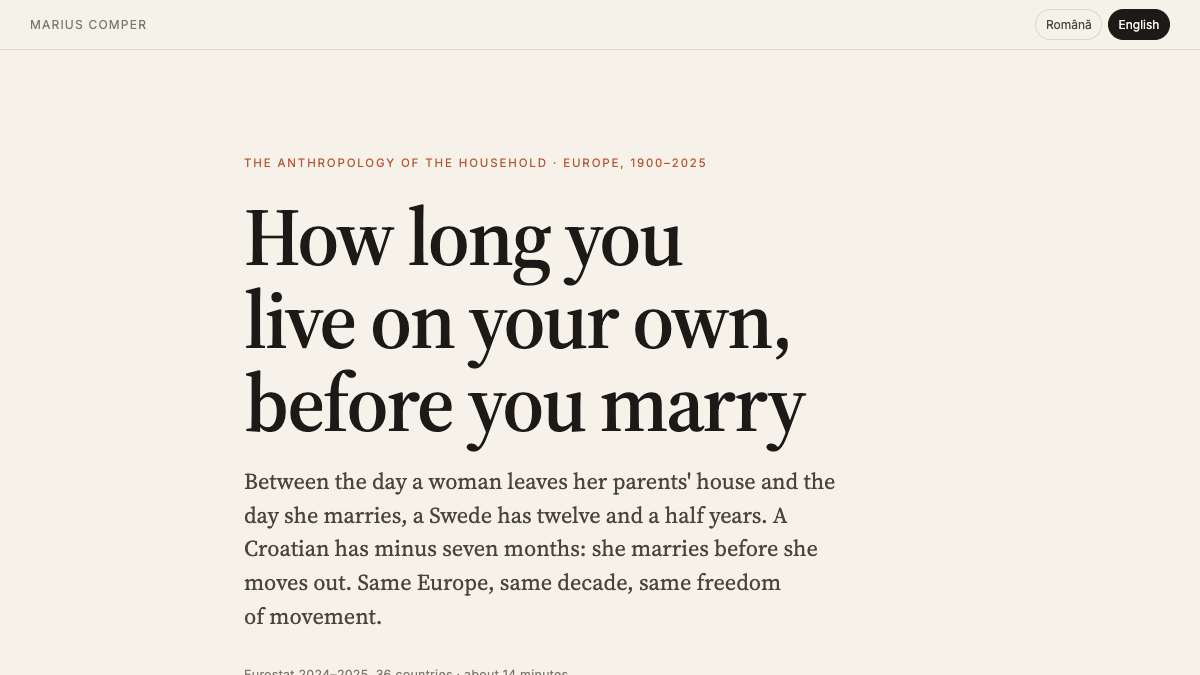
Who inherits the land, what a wedding costs the groom's family, what happens to the body after death, and how a stranger is addressed: the same handful of questions, asked of hundreds of societies and languages at once. Nine projects built on the largest comparative archives in anthropology and linguistics — Murdock's Ethnographic Atlas, the Standard Cross-Cultural Sample, D-PLACE, Kinbank and WALS — each turning a worldwide dataset into something to explore.


Connections
Projects that explain each other
Each group puts side by side works from different worlds that share a mechanism or a question.
Two comparative atlases
Boundaries between colours, attention in 78 languages
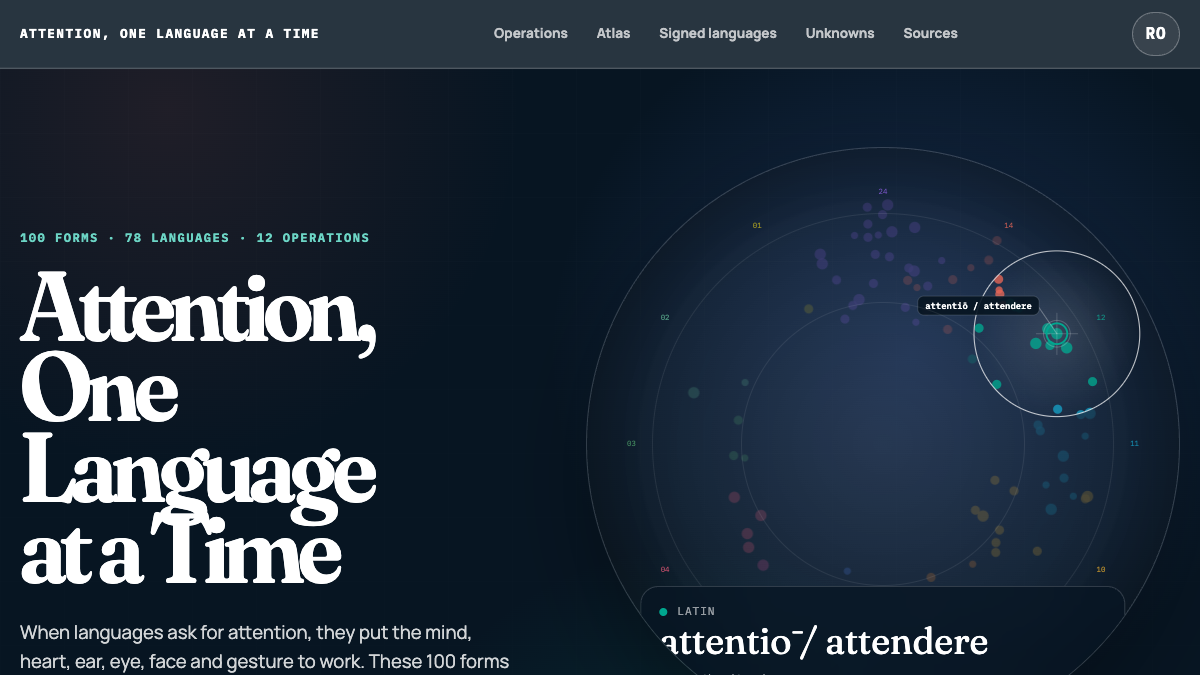
Colour vocabularies show how 110 languages divide the same palette. One hundred forms from 78 languages connect attention with orientation, listening and care.
When information must be used
Tools for decisions too large for a single answer
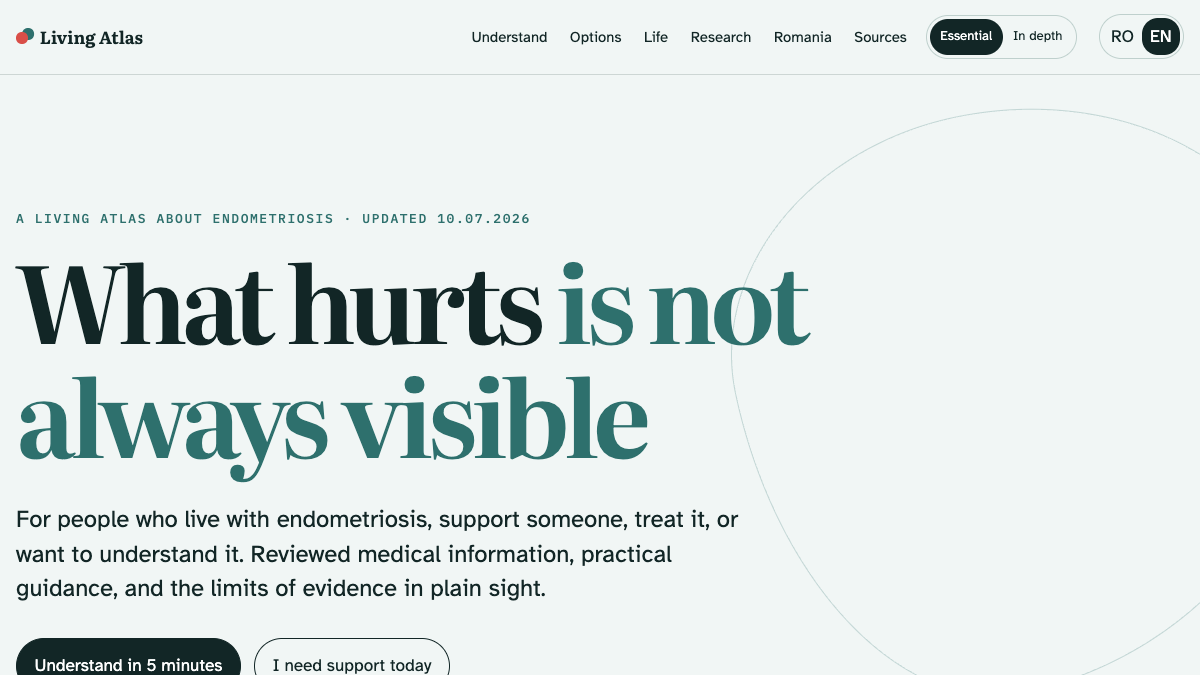
University choices, medical studies and healthcare require comparison, evidence and real access. These guides organise the options and the checks you need to make your decision.
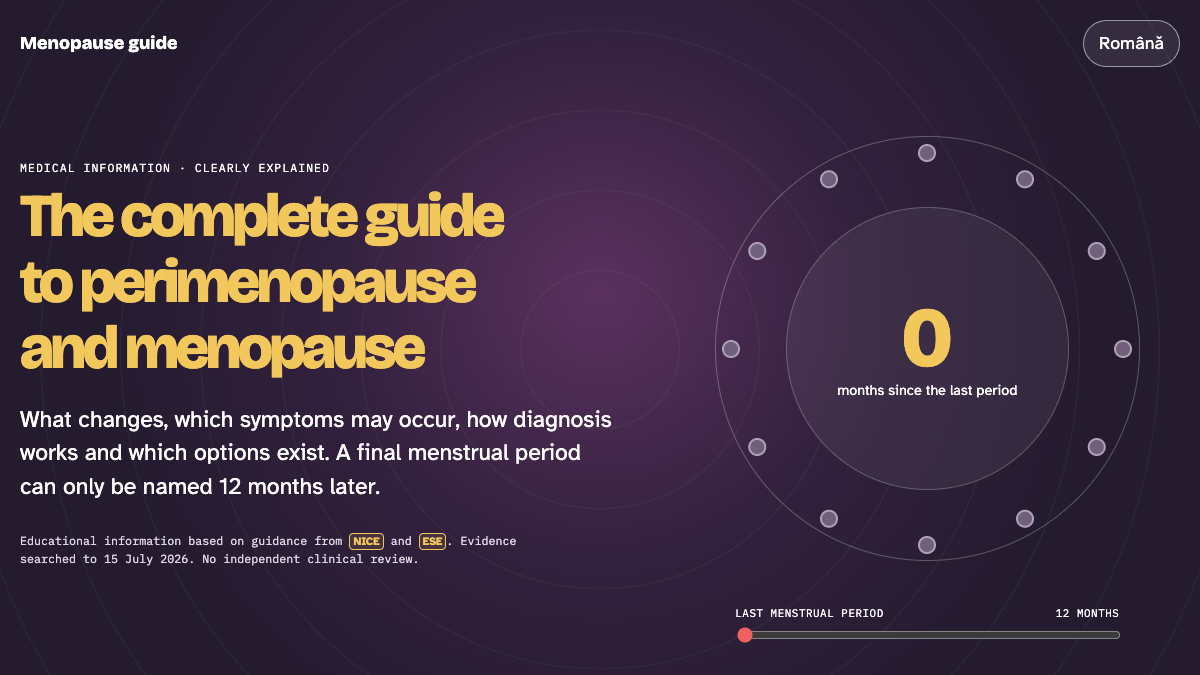
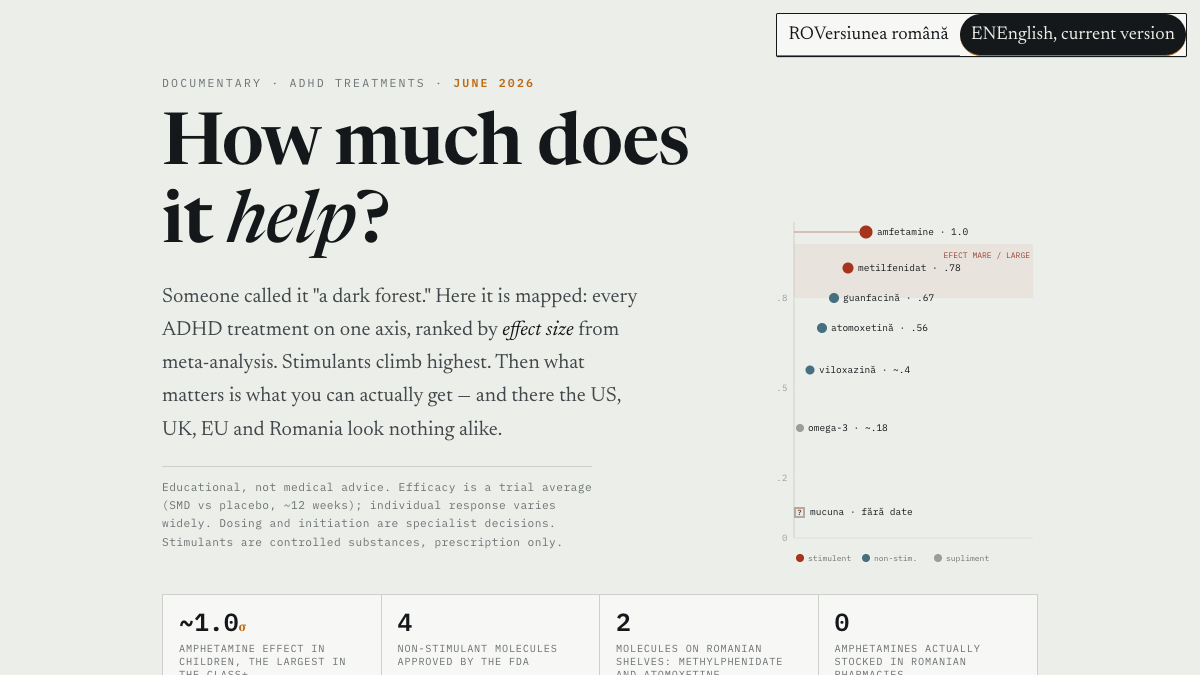
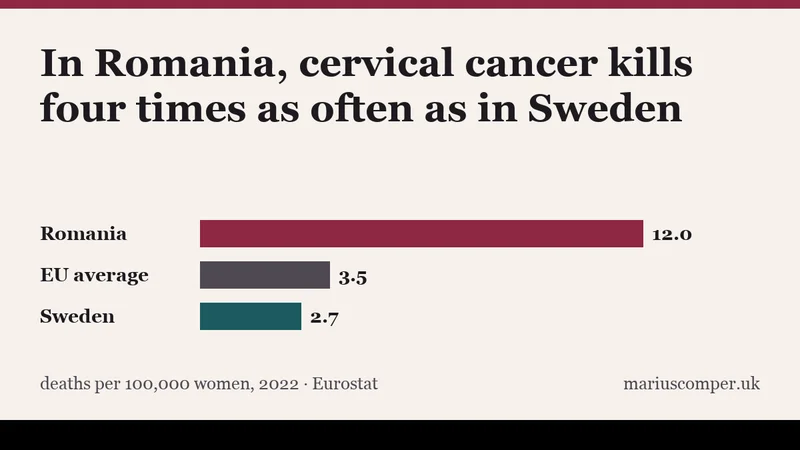
Three promises, one question
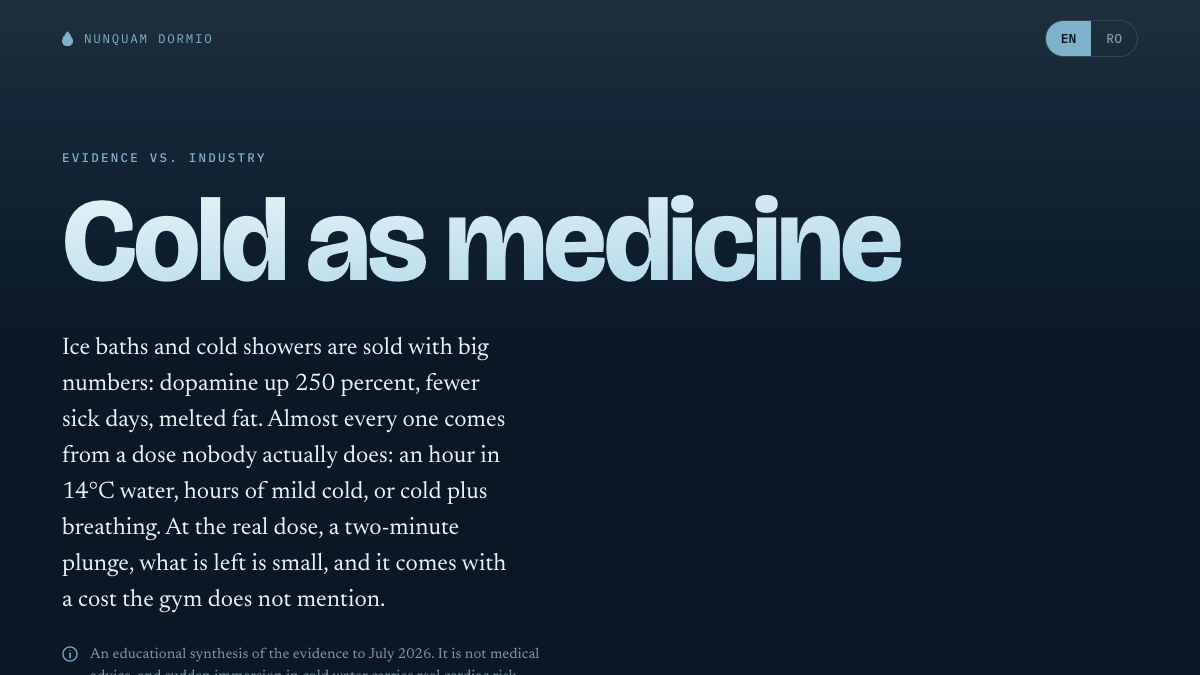
What dose actually produced the headline number
A new weight-loss molecule, an ice bath and an entire drug class all promise large results. In all three, the number that circulates comes from one specific protocol — a dose, a frequency, a study — that most people never actually reproduce.

Four datasets, one world
Romania, One Point on a Global Map
Four pages each take one worldwide dataset — 186 societies on death, 1,291 on everyday life, 207 languages on politeness, 36 countries on marriage age — and turn it into something to explore. Romania appears in all four, but never as the subject: just one point among many, on a much larger map.
Twenty trip-planning guides
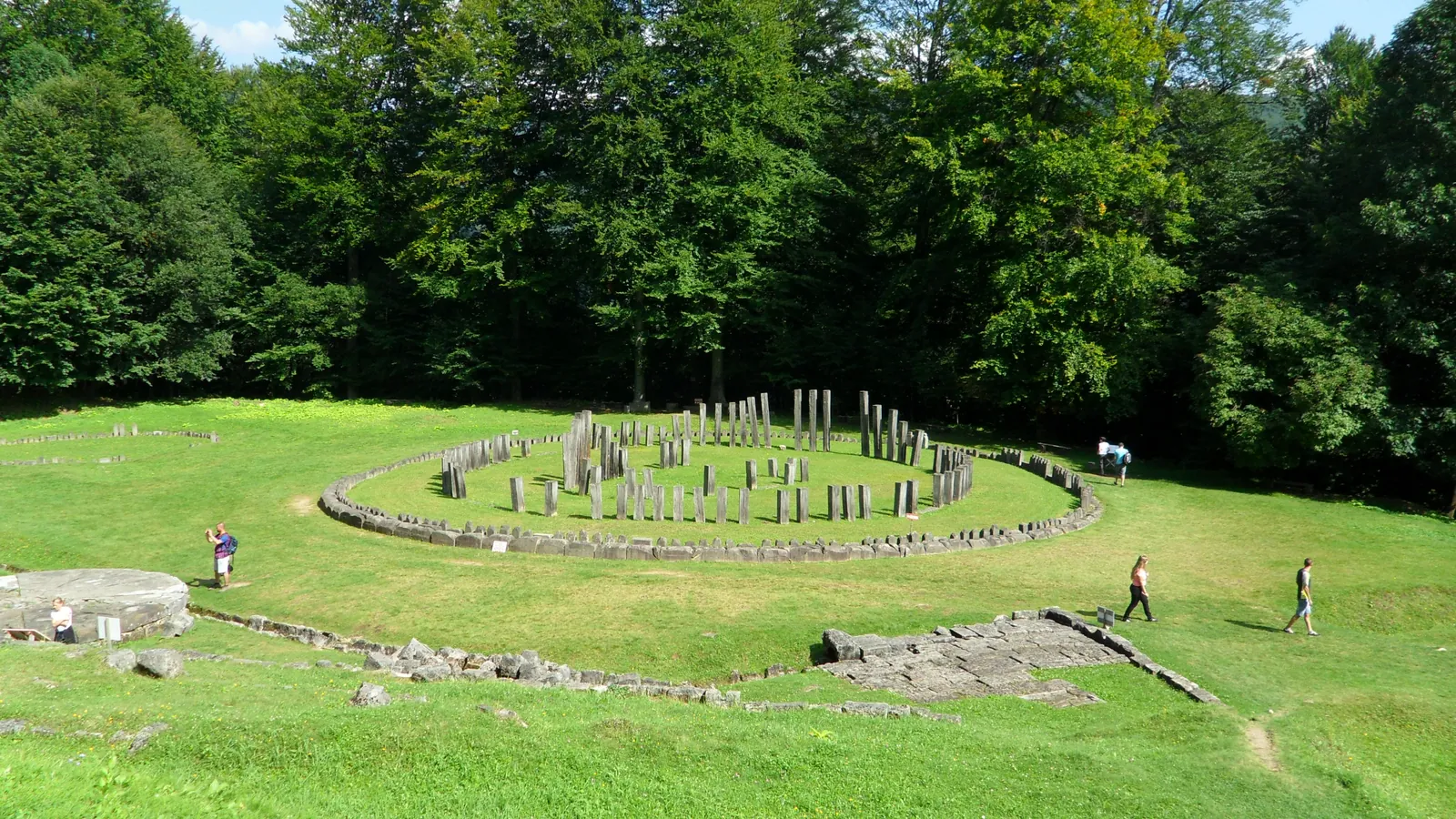
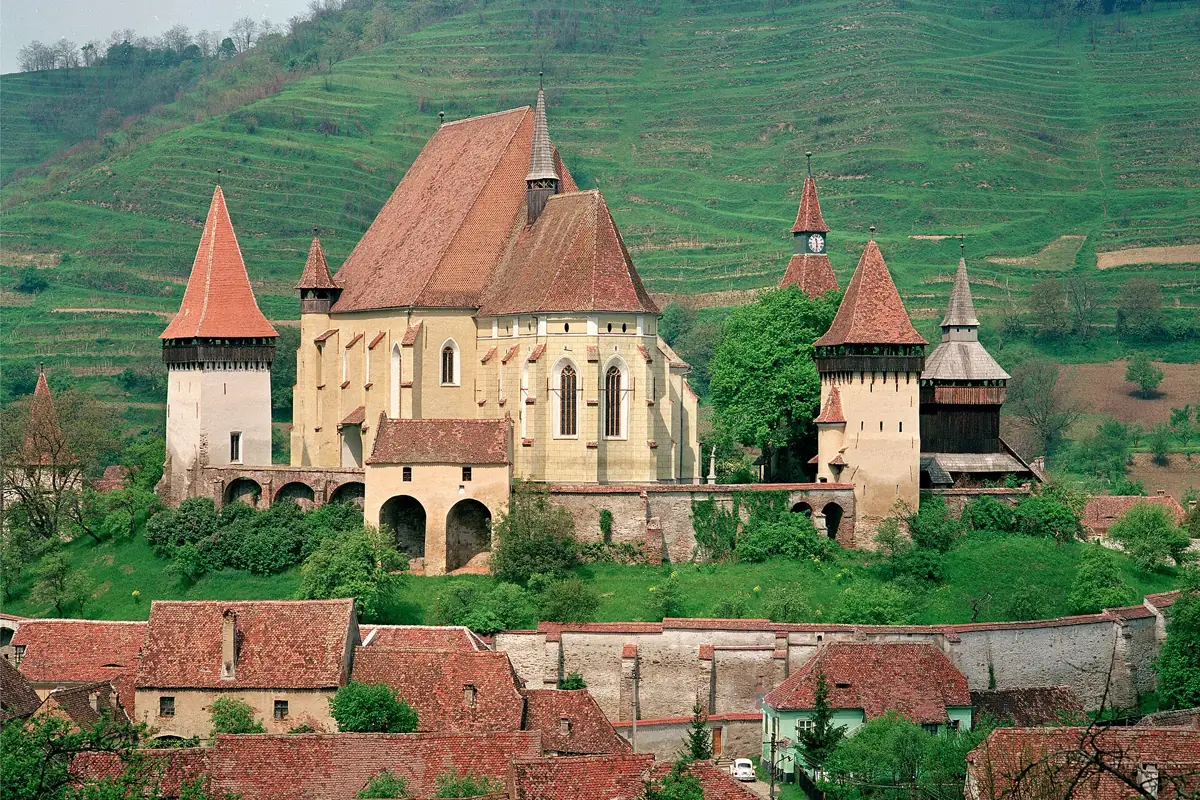
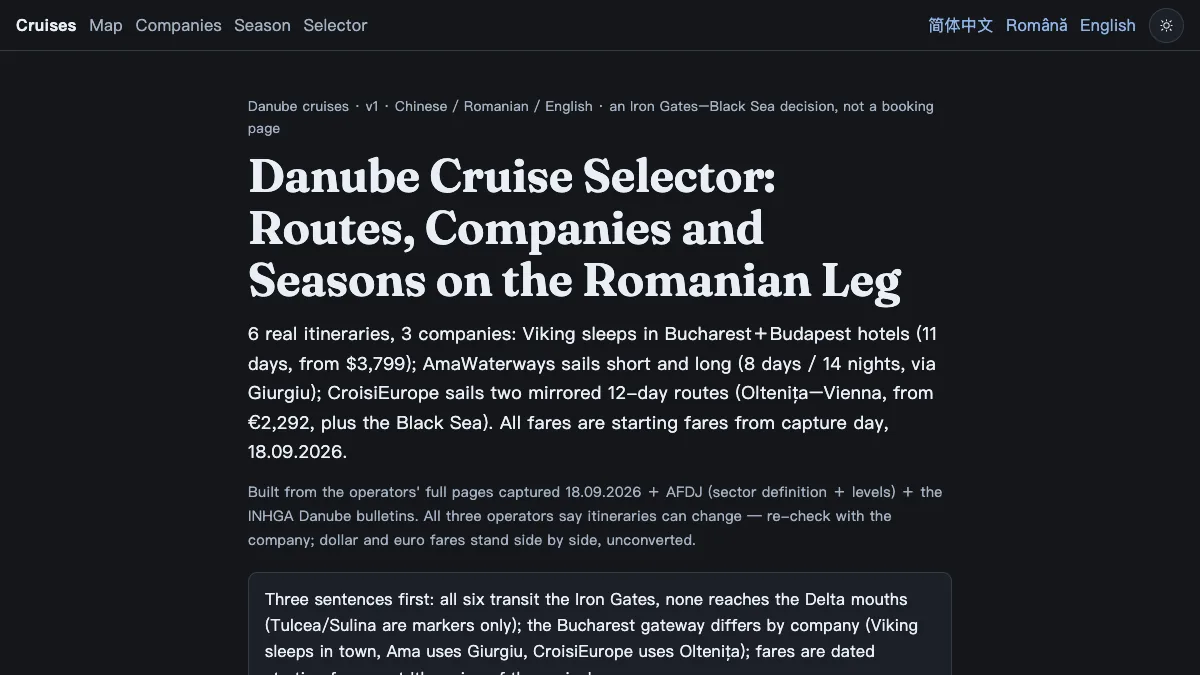
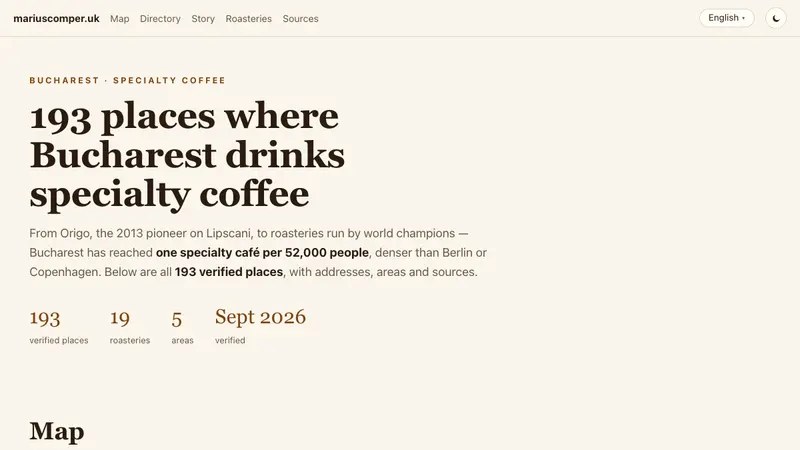
Visiting Romania, with fares and hours
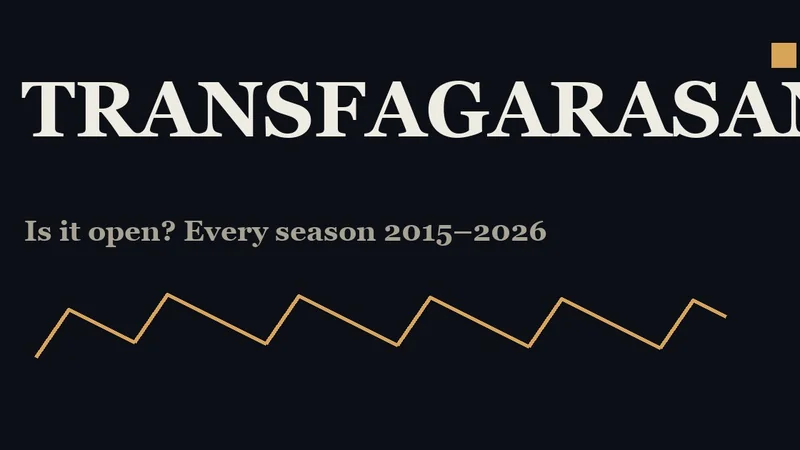
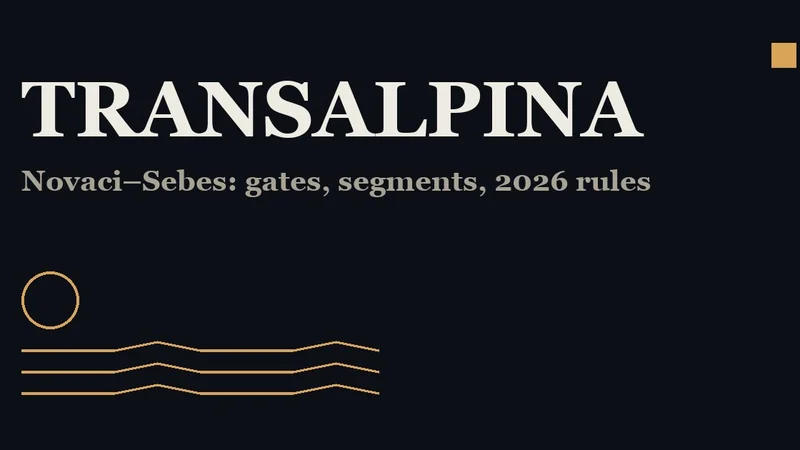
Roads, trains and river cruises, visiting hours and fares, wineries, birds and bears, coffee in Bucharest or a layover at Otopeni. Practical guides to choose where to go, how to get there and what to check before you leave.




Eight works about a past you can check
History you can check
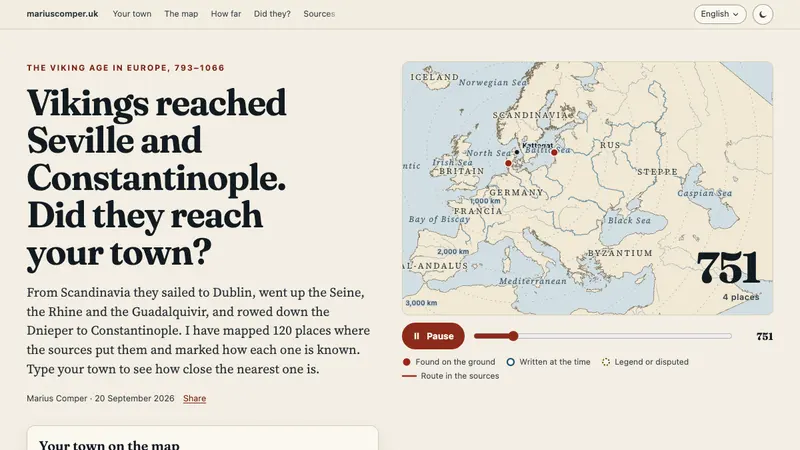
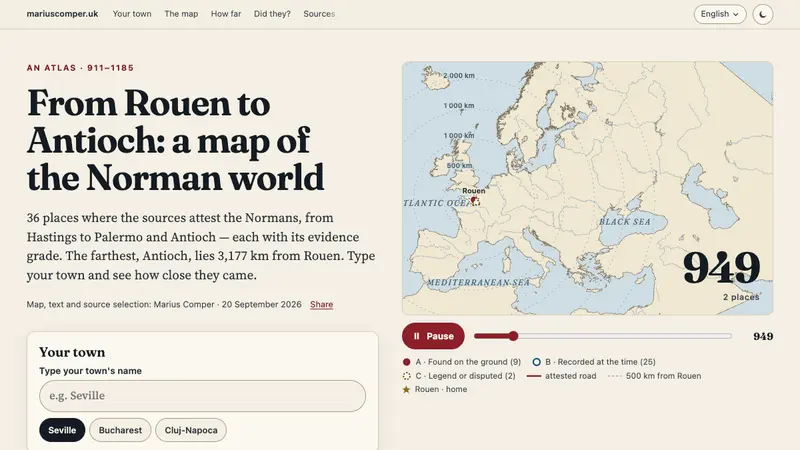
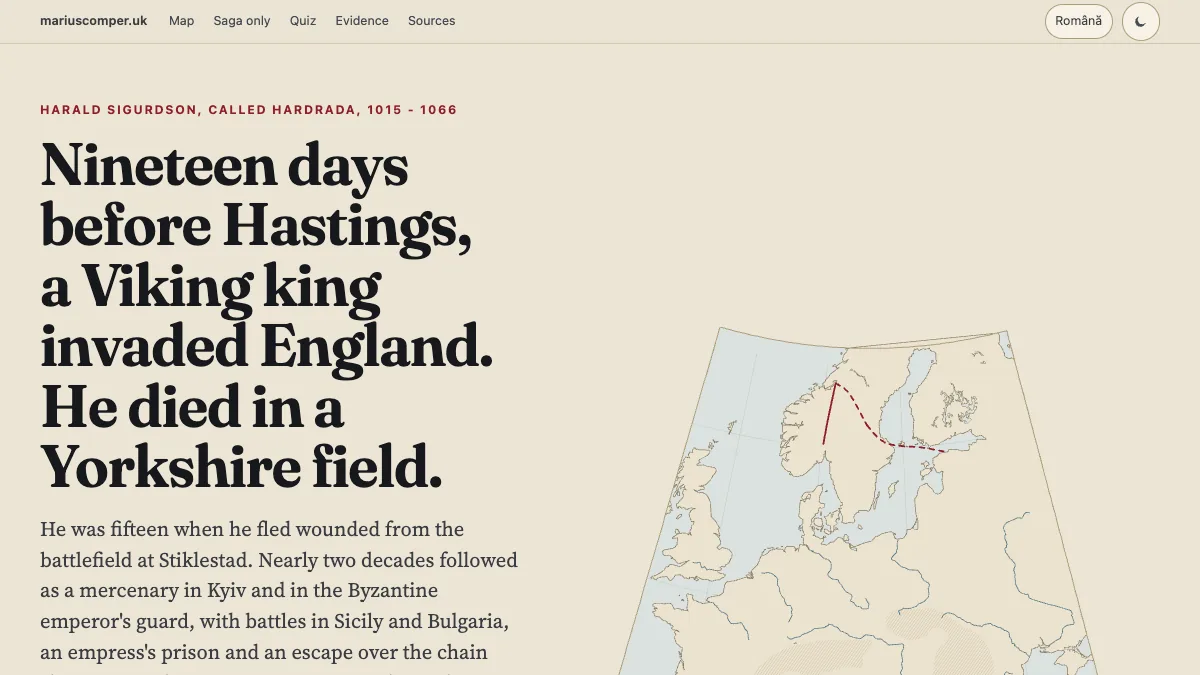
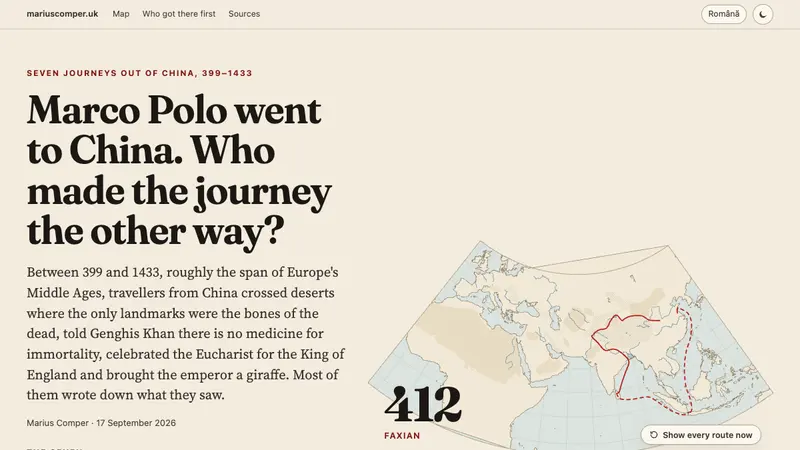
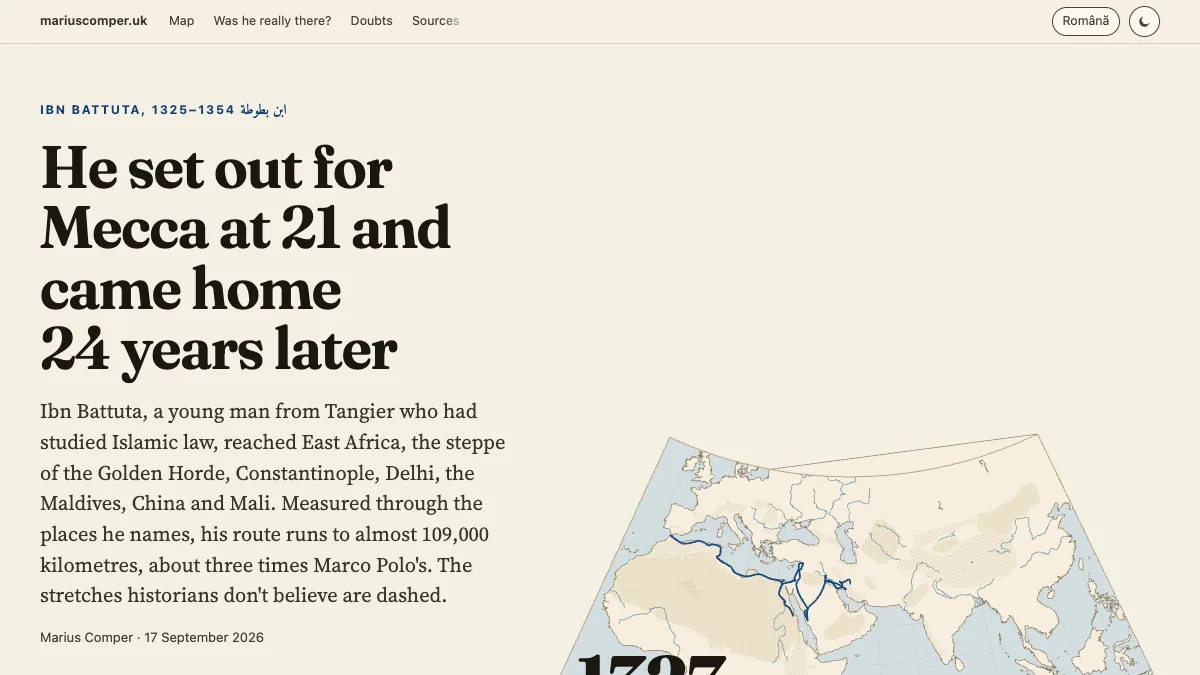
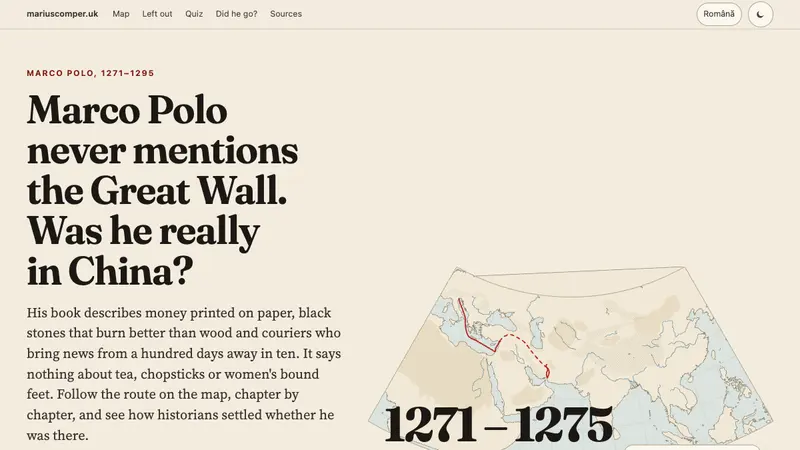
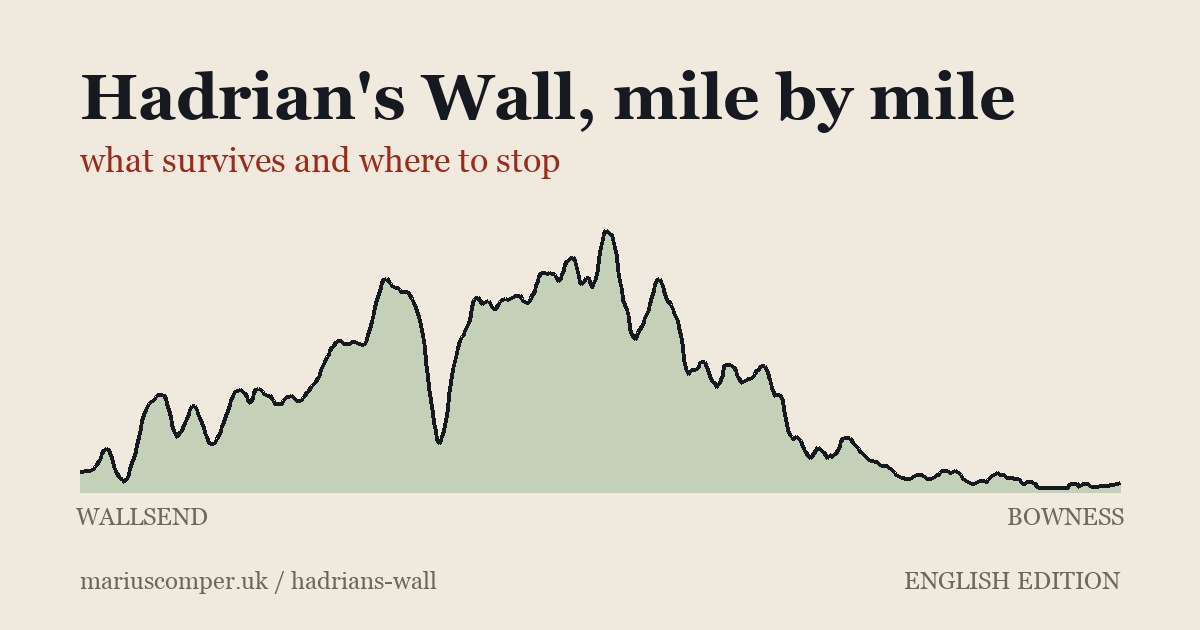
Maps with places sourced one by one, travellers followed along their routes, a Roman wall walked mile by mile and a country drowned beneath the North Sea — from Viking Dublin to Ibn Battuta's thirty years on the road. Every work shows its sources.
A map of the library
What kind of projects each subject holds
Rows are subjects, columns are kinds of project. The darker the cell, the more projects it holds. Choose one to see them all.
| Subject | Games & tests | Maps & data atlases | Simulations & models | Guides & tools | Investigations & audits | Articles & explanations |
|---|---|---|---|---|---|---|
| History | 15 | 129 | 73 | 14 | 24 | 176 |
| Nature & planet | 5 | 88 | 141 | 12 | 11 | 33 |
| Government, money & public life | 5 | 56 | 20 | 23 | 53 | 34 |
| Anthropology & society | 9 | 68 | 27 | 11 | 22 | 44 |
| Language & words | 11 | 31 | 8 | 5 | 7 | 104 |
| Physics & mathematics | 11 | 9 | 119 | 5 | · | 20 |
| Body & health | 7 | 9 | 79 | 16 | 14 | 25 |
| Mind & perception | 42 | 5 | 27 | 3 | 4 | 22 |
| Travel | 2 | 16 | 4 | 33 | 1 | 23 |
| Film, music & art | 3 | 16 | 16 | 2 | 6 | 33 |
| Technology & AI | 1 | 2 | 17 | 10 | 13 | 20 |
| Security & geopolitics | 2 | 2 | 6 | 6 | 24 | 23 |
| Sport | 1 | 1 | · | 2 | 1 | 2 |
All projects
All 1259 projects in English, in one place.
Search for a name, a place or a question. In the list you can filter by subject, by kind of project and by language.
Not sure what you’re looking for? Let the site pick something for you.
About me
I'm Marius Comper. I make these projects because I'm curious, and I welcome any idea that gives me something new to explore.
I use various AI tools, including GPT, Claude, Gemini, Muse Spark and Grok. These projects are also a way to test how those tools are progressing.
Have a question, a source or an idea worth exploring? Write to me. If you spotted a mistake, include the project link and, if you can, a supporting source.
ideas@mariuscomper.uk