64 projects · rules, institutions and defence
Security and geopolitics: when can a veto block a decision?
Change votes in a Security Council simulation, then follow how vetoes, treaties and collective defence worked in documented events.
All projects ↓Security Council · Article 27
When does a decision pass?
Change each seat’s vote and see the result immediately. The simulation starts with every seat voting yes.
The decision would pass.
Fifteen affirmative votes exceed the nine-vote threshold, and no permanent member voted against.
Yes: 15 · No: 0 · Abstentions: 0
A substantive decision needs at least nine affirmative votes and no negative vote from a permanent member. A permanent member’s abstention is not a veto.
The ten elected seats use generic labels; this is neither a year-specific membership list nor a real vote. Article 27(3) also requires a party to a dispute to abstain in certain decisions under Chapter VI and Article 52(3). This exercise does not decide when that exception applies or classify a matter as procedural.
Read Article 27 of the UN Charter ↗A sourced timeline
1946—2004Choose a date. Follow the mechanism.
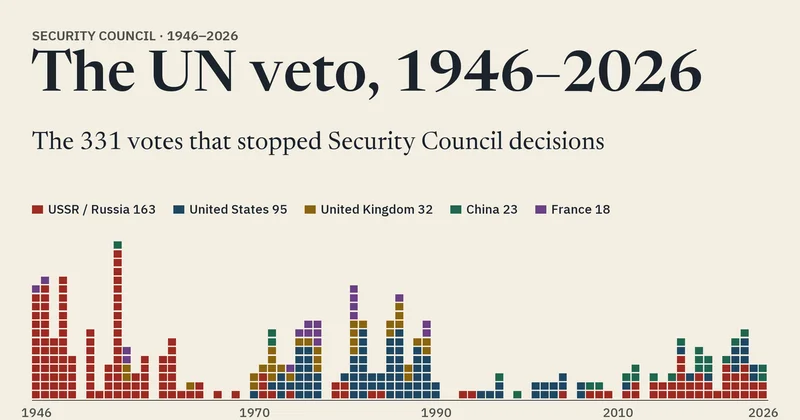
The first recorded veto
The USSR voted against a draft resolution on Syria and Lebanon at Security Council meeting S/PV.23.
A veto applies to a Security Council draft. The UN list warns that many entries concern paragraphs or amendments; the meeting record shows exactly what was put to a vote.
UN record and meeting S/PV.23 ↗UN Charter · voting rule
Article 27 sets how votes are counted.
Each Council member has one vote. Nine affirmative votes decide a procedural matter; Article 27(3) requires nine plus the permanent members’ concurring votes for other matters. UN practice treats a permanent member’s abstention as no veto. The Article also requires a party to a dispute to abstain in certain decisions.
Read Article 27 of the UN Charter ↗Security Council
A veto blocks a draft decision.
A negative vote by a permanent member can prevent adoption of a substantive matter. The UN list notes that many entries concern paragraphs or amendments rather than an entire draft; the meeting record shows what was voted on.
Treaties and cooperation
A treaty starts on a date. Its application needs institutions.
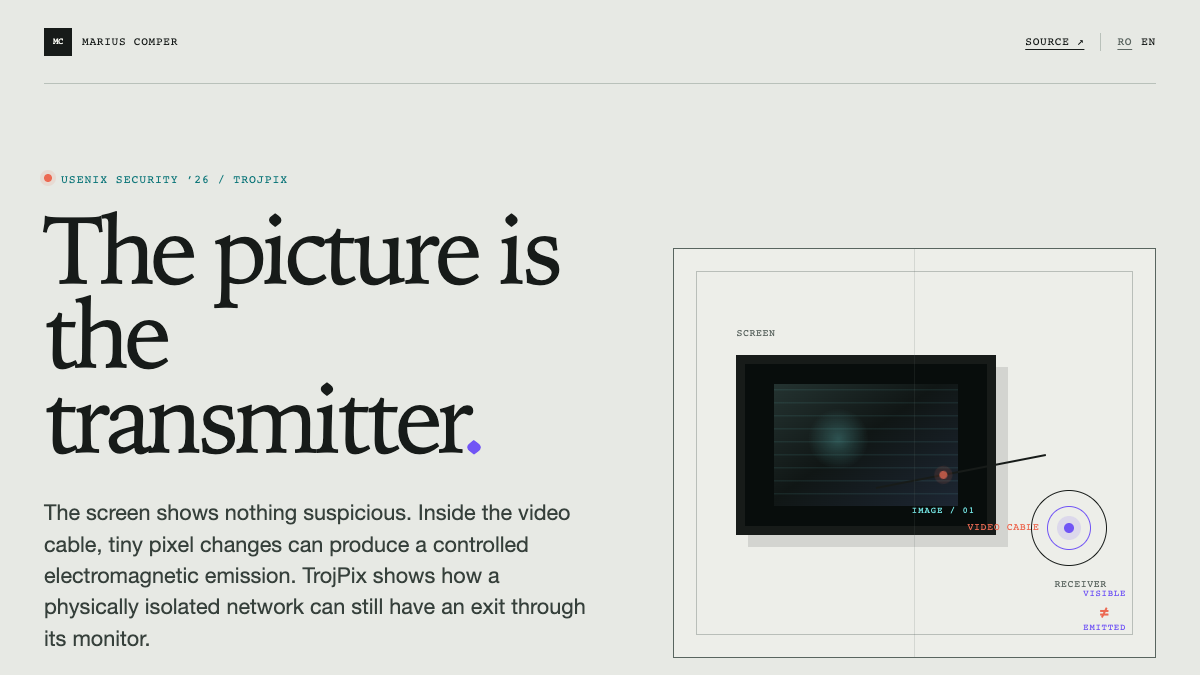
The Non-Proliferation Treaty and the Budapest Convention have different purposes and mechanisms. Their dates do not replace reading their obligations. The projects below follow nuclear alarms, defence plans and cooperation against digital attacks.
Collective defence
Invoking a clause does not decide the response by itself.
NATO’s 2001 timeline distinguishes its initial announcement from the confirmation after evidence was examined. The article leaves each Ally to decide which measures it considers necessary.
Digital infrastructure
An attack can cross networks and institutions.
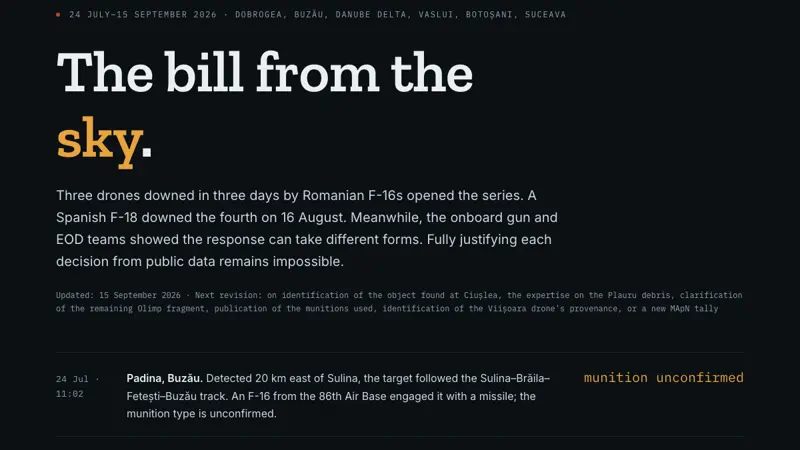
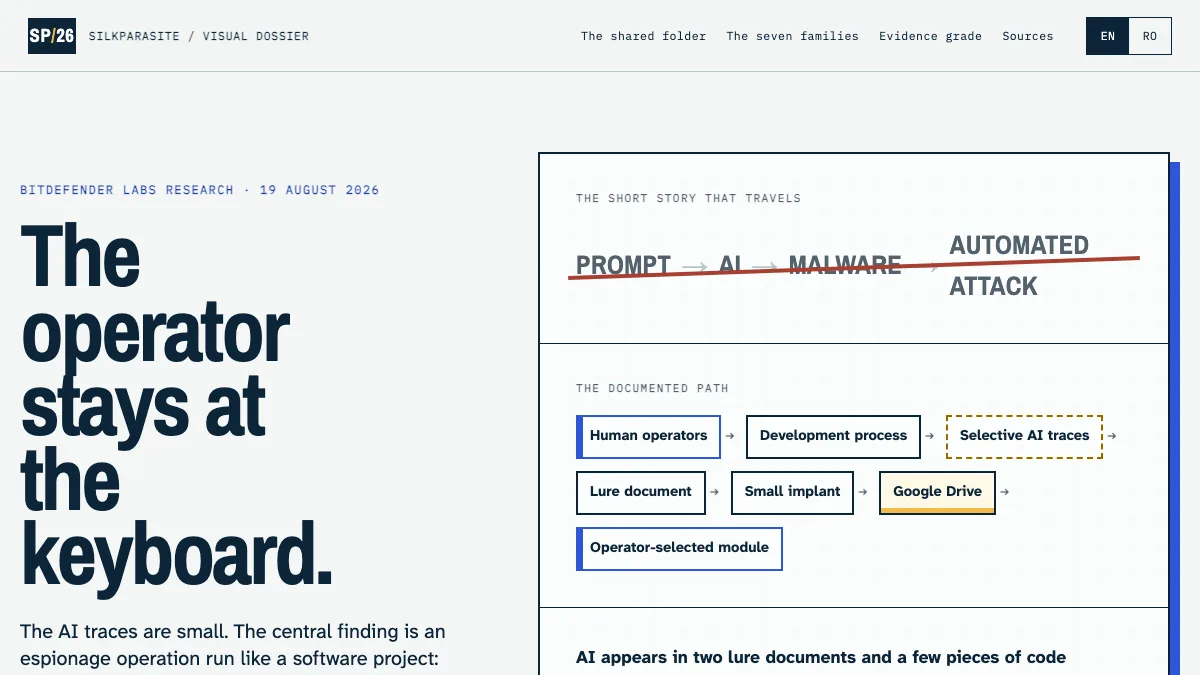
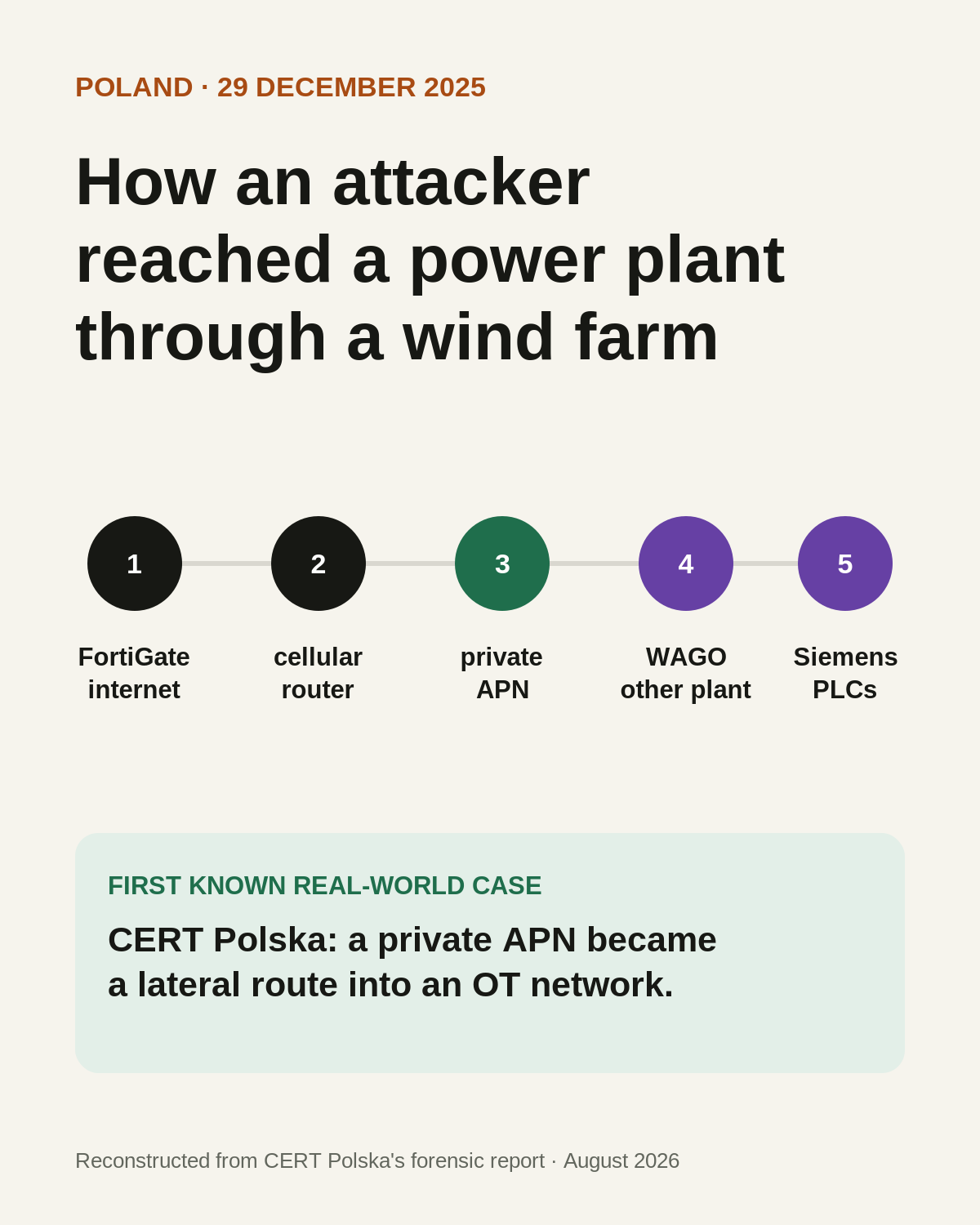
The projects below document technical routes and public responsibilities. Some reconstruct a reported incident; others examine rules, contracts or the records systems keep. Open each project’s timeline and sources.
Records and sovereignty
Some disputes are read in the archive.
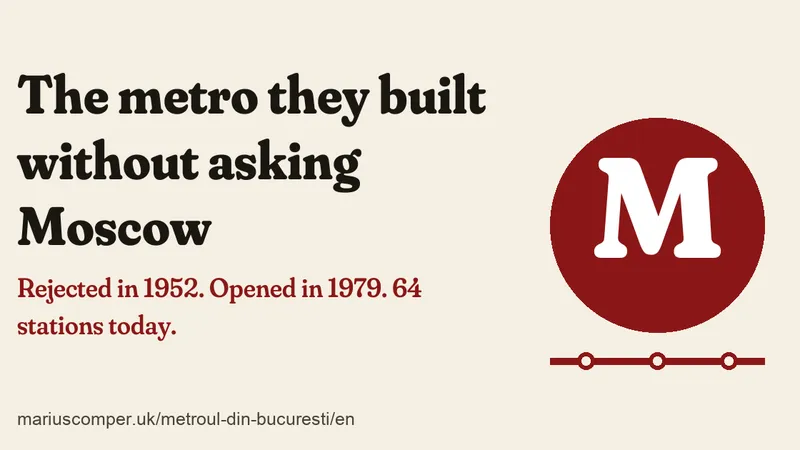
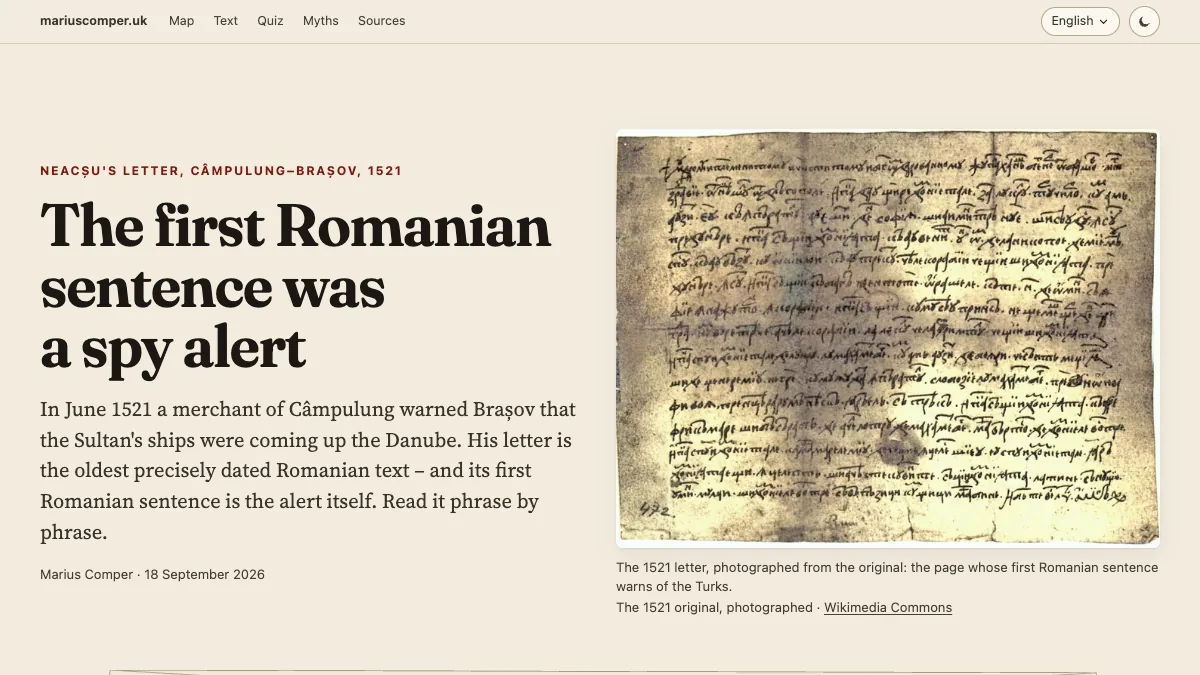
A treaty, a warning letter and a network built under political pressure each show a different part of power. Another project compares Romania’s votes with Moscow’s in the General Assembly, a different body from the Security Council. Each keeps its own sources and period.