
Eight in Ten
Drag the slider from Herodotus to today and watch the strata light up, then type any village or river name and read the ancient form, the etymon, the source and the parallel Hungarian and German names.
Marius Comper · Romania
Rivers, villages, castles, earthquakes, migration, schools, hospitals and history. Each work here starts from one question about Romania and follows it through the data to the end.
Start here
Romania’s ten longest rivers: eight had their names written down before the year 600, centuries before any of today’s villages were mentioned. A map of 18,214 settlements and 127 rivers on which the layers of names settle one by one.
Drag the slider from Herodotus to today and watch the strata light up, then type any village or river name and read the ancient form, the etymon, the source and the parallel Hungarian and German names.
Selected
River names, the Roman frontier, castles, the age of villages, earthquakes, ice and migration. Each is a map you can search for your own town.

How 4,891 river channels across an entire nation funnel into a single outlet.
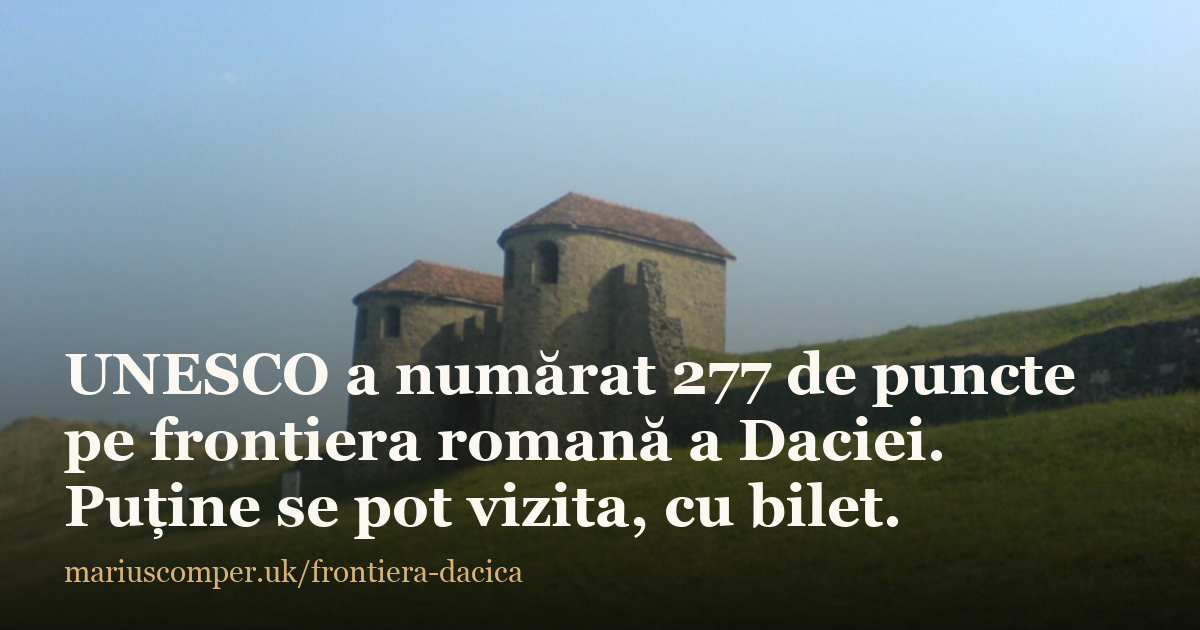
A map of Roman archaeological sites open to the public in Romania, including Porolissum, Drobeta and Ulpia Traiana Sarmizegetusa, with opening hours, tickets and sources.
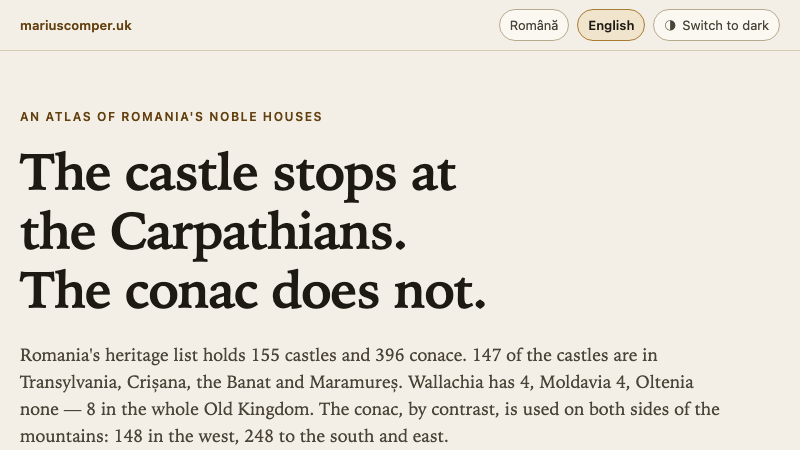
Three words for one landowning class: castel from the Latin castellum by way of Hungarian kastély, conac from the Turkish konak, culă from the Turkish kula and before that the Arabic kulle, a tower. The castle stops at the mountains; the conac crosses; the culă never leaves Oltenia.

Romania has 3,181 ages. In 528 localities there are now more registered people aged 80 or over than children under 10; in 1992 there were 9. Find your locality and see its age fingerprint.

A year-by-year timeline of water, sewerage, gas and district-heating networks for 3,181 Romanian localities from 1990 to 2025. Modernity arrived in layers: 1,065 have piped water but no sewerage, and 56 of 382 district-heating systems remain.
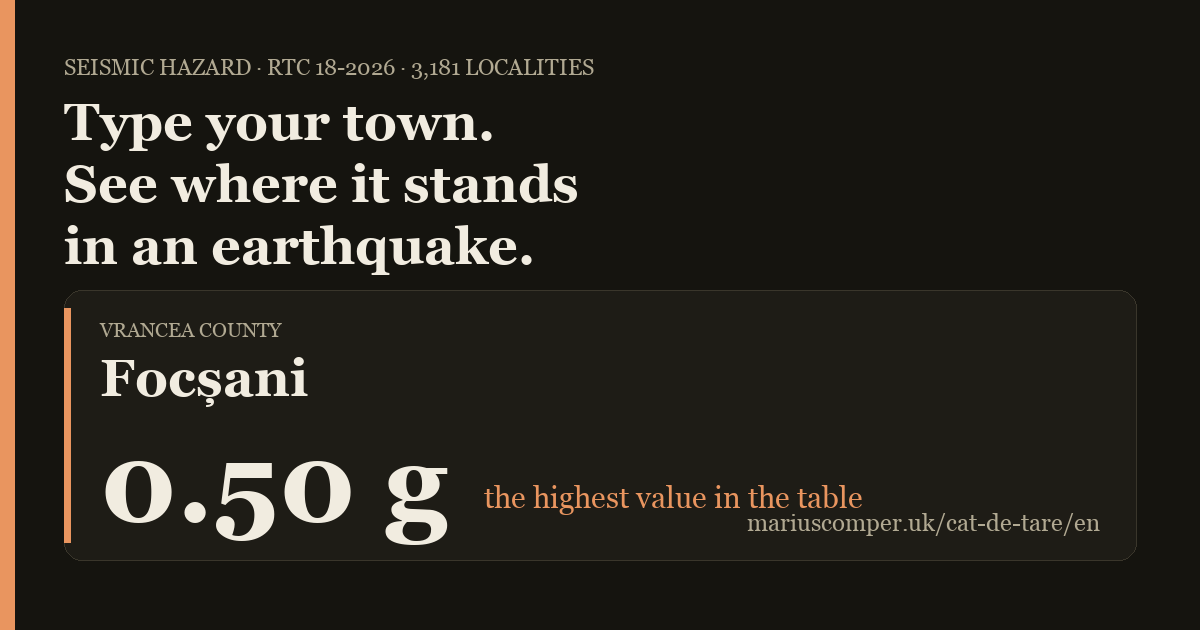
Look up any of Romania's 3,181 localities in the official RTC 18-2026 seismic-hazard table and see its PGA value, national position and comparison with another locality.

Drag the clock through the last 20,000 years: shoreline, glaciers, steppe and forest, a Danube without a delta, dated human sites and vanished megafauna, with your town pinned.

Over 34 years, big cities have stood still or lost population through migration while the communes around them grew by tens per thousand a year. Find your locality and see how Romania has moved.
All
The complete list in publication order, 25 at a time.
Look up any of Romania's 3,181 localities in the official RTC 18-2026 seismic-hazard table and see its PGA value, national position and comparison with another locality.
A map of Roman archaeological sites open to the public in Romania, including Porolissum, Drobeta and Ulpia Traiana Sarmizegetusa, with opening hours, tickets and sources.
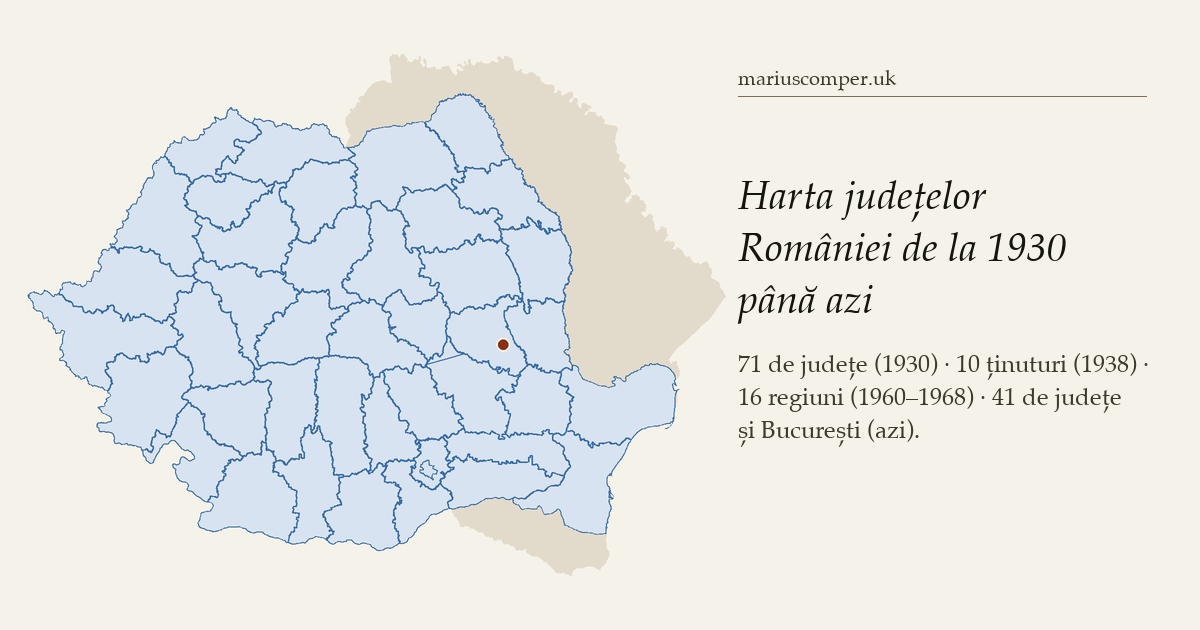
Compare Romania's 1930 counties, 1938 ținuturi, 1960–1968 regions and present-day counties on one map. Search for a commune and see the four units it belonged to.
A map of the 448 virgin and quasi-virgin forests in Romania's national catalogue, the eight Romanian UNESCO components, the catalogue's growth since 2016 and their legal protection.
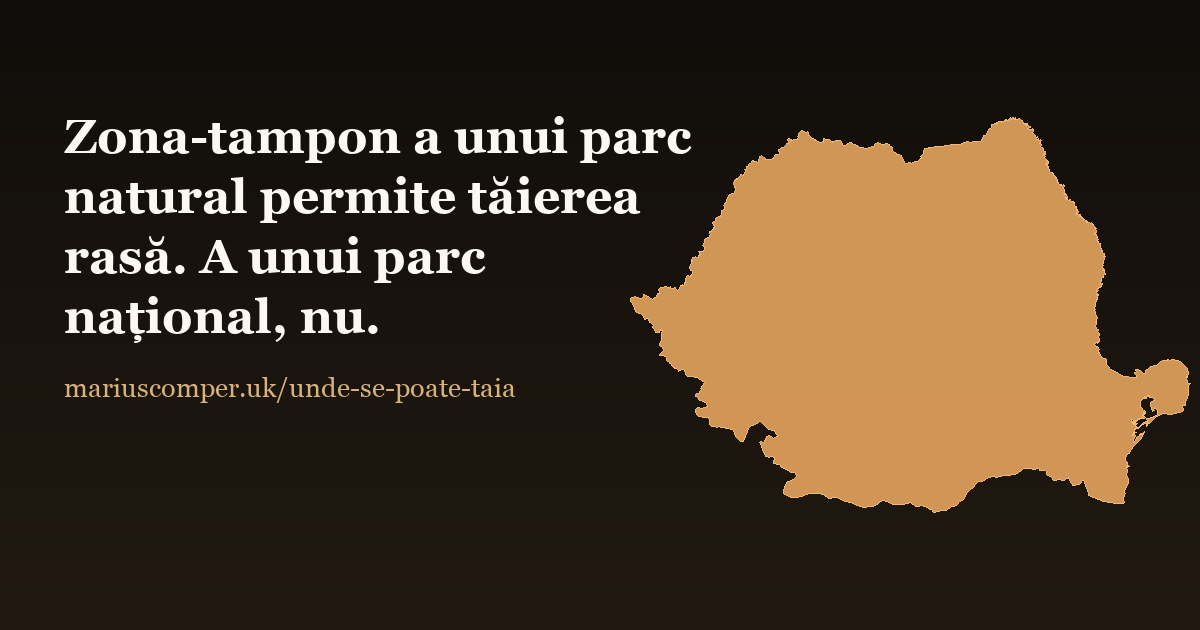
The law divides every Romanian national and natural park into four zones with different logging rules. The map brings together the law and the approving act for each of the 29 parks.
Every Tezaur and Fidelis coupon from 2026, measured against inflation, and a net-return calculator after tax (zero) and inflation — plus four older, already-matured bonds tracked against inflation that actually happened.
Three words for one landowning class: castel from the Latin castellum by way of Hungarian kastély, conac from the Turkish konak, culă from the Turkish kula and before that the Arabic kulle, a tower. The castle stops at the mountains; the conac crosses; the culă never leaves Oltenia.
Seven of the eight monastic sites older than the year 1200 are in the Banat, Crișana and Transylvania. The eighth is in Dobruja. In Moldavia and Wallachia there is not one.
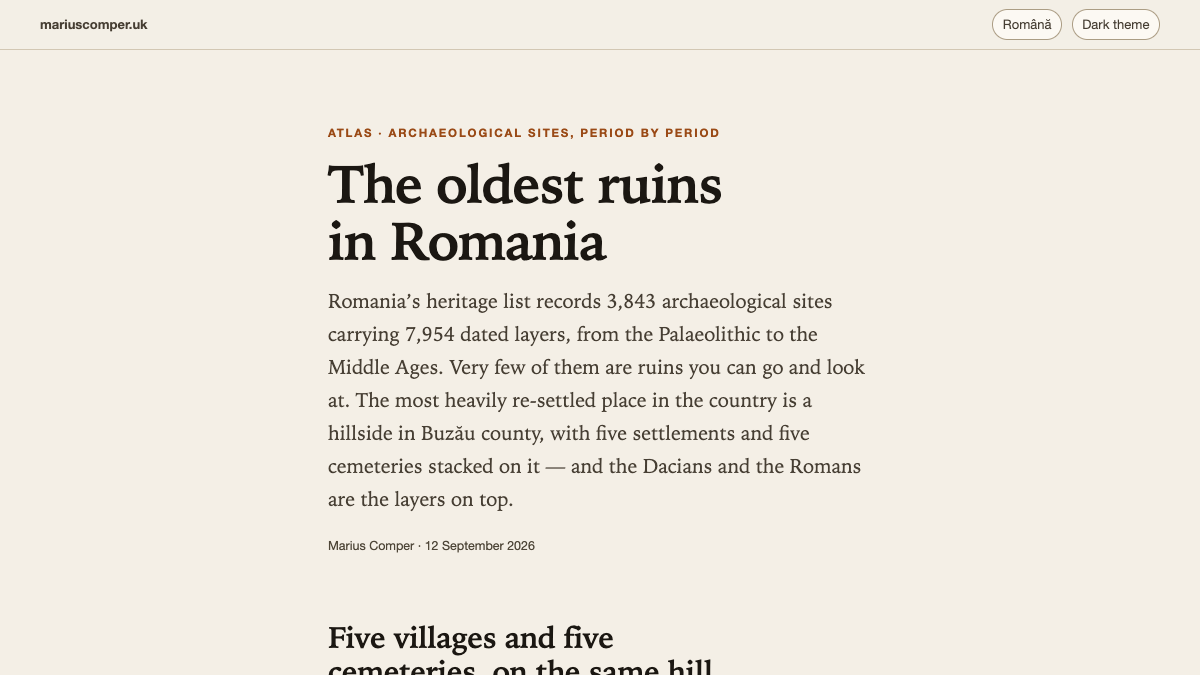
The oldest ruins in the country are neither Dacian nor Roman: they are Neolithic and Bronze Age fortified settlements. And the most heavily re-settled place in the list is a hill in Buzău county, with five villages and five cemeteries stacked on it.
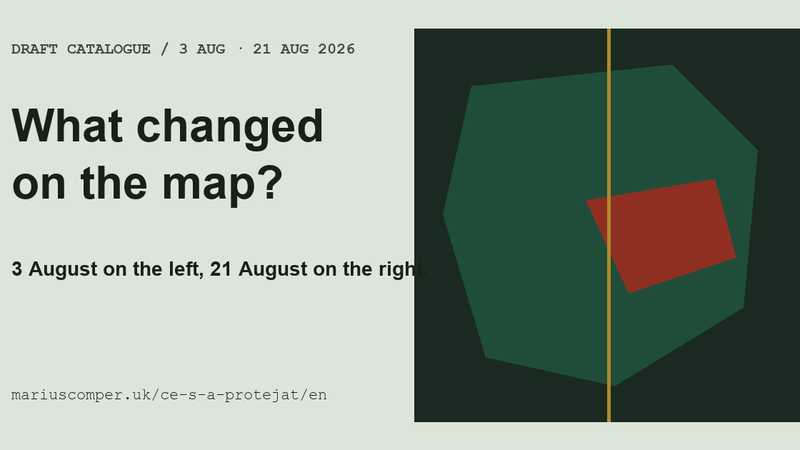
The Environment Ministry republished Romania's draft biodiversity-priority zones on 21 August 2026. The map compares the 3 August file with the 21 August file.
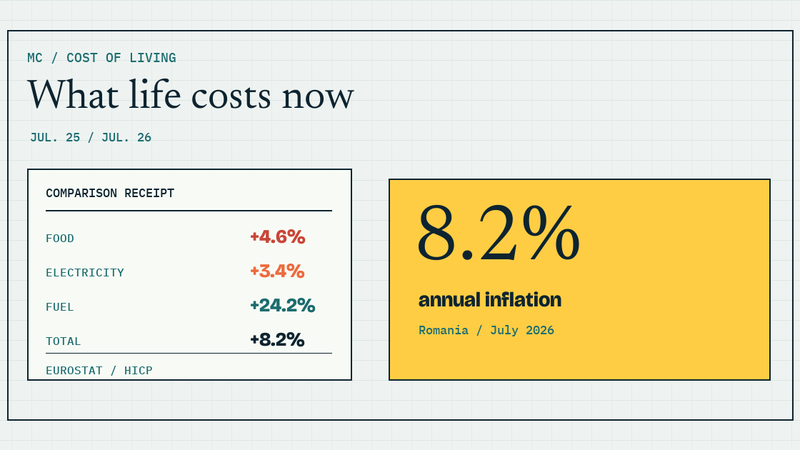
A practical view of how food, energy, fuel, transport and rent moved in Romania.
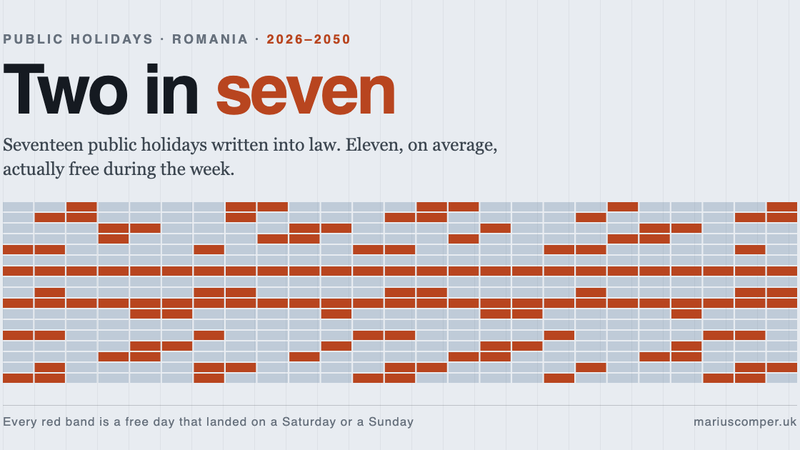
Romania writes more public holidays into law than any other EU country, seventeen of them. On average five a year land on a Saturday or a Sunday. Compare twenty-eight national calendars and see what one rule would change.

95.3% homeowners on paper, 40.5% overcrowding inside the rooms. How the 1990 fire sale produced a nation of asset-rich, cash-poor owners.

19 kilometers of road, 170 deaths in five years, from an official inventory never published in this much detail again since 2012.

The Carpathians are usually treated as the border between two building worlds. Wooden churches ignore it: their density rises the same way on both flanks and falls where the hills end.

The same survey, the same people, the same visit: Romania gives the Union's highest rating for trust in others and has the largest share of people with nobody outside the house to ask for help.

One kilometre in four of Romania's public roads never received a layer bound with bitumen or cement. What decides it is the road's rank: 0.7% on national roads, 30.2% on county and communal ones. Find your county.
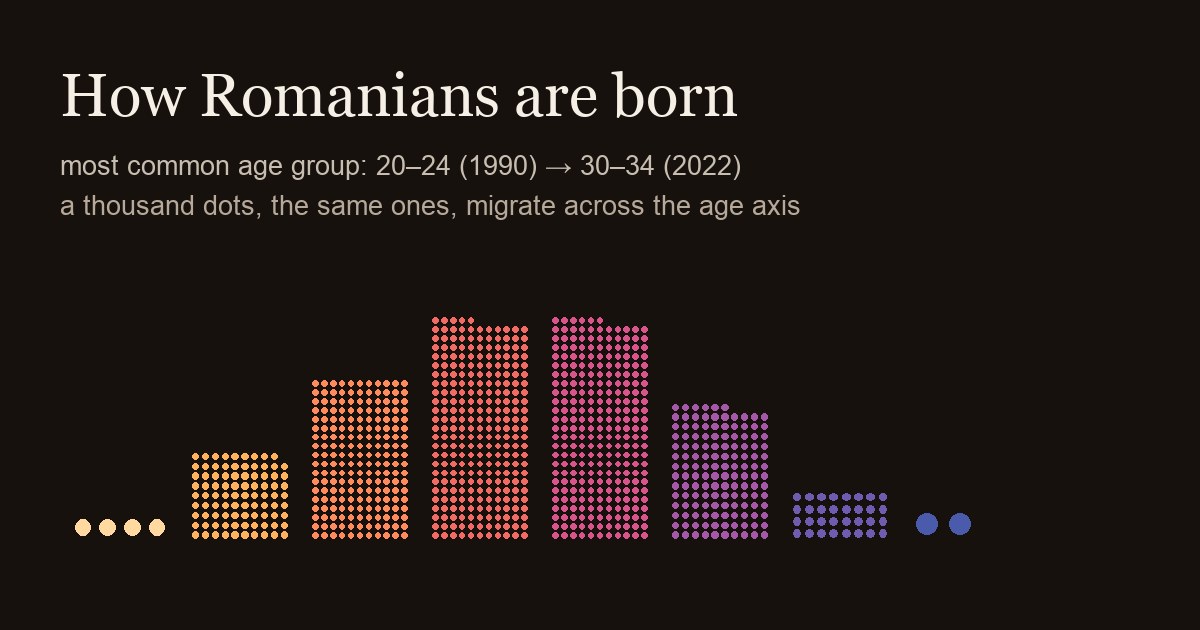
A thousand Romanian births, rearranged by the mother's age, show how the most common age group shifted from 20–24 to 30–34 between 1990 and 2022. Follow the same dots by year, birth order and county.
Over 34 years, big cities have stood still or lost population through migration while the communes around them grew by tens per thousand a year. Find your locality and see how Romania has moved.

For every 100 children born in 2015–2019, Romania has 85 primary-school pupils in 2025: 91 in towns, 79 in communes. Find your locality and see where children gather or disappear between places.

In Fundata, a commune of 656 people, tourists leave 146 overnight stays per resident a year, in a tourist year nearly as balanced as Bucharest's. Explore the tourist signature of all 712 localities.
A year-by-year timeline of water, sewerage, gas and district-heating networks for 3,181 Romanian localities from 1990 to 2025. Modernity arrived in layers: 1,065 have piped water but no sewerage, and 56 of 382 district-heating systems remain.
Romania has 3,181 ages. In 528 localities there are now more registered people aged 80 or over than children under 10; in 1992 there were 9. Find your locality and see its age fingerprint.

The combinatorial explosion of ancestors, a famous genetic study revised twice, and a tool that turns your grandparents' origins into a distribution of generations — not a verdict.

Find places in other counties with a similar profile and compare the values that connect them.

Seventeen million years on one slider: the Badenian sea, the giant lake, the drying that emptied it and today's Black Sea, over a faintly visible Romania, with every county cut along the maps.
Drag the clock through the last 20,000 years: shoreline, glaciers, steppe and forest, a Danube without a delta, dated human sites and vanished megafauna, with your town pinned.

A thousand years of buildings on one map, with a time slider, and the oldest thing still standing in each of the 5,672 localities on the list.

The official Ministry of Finance portal scatters fiscal execution across thousands of unwieldy reports. This register unifies them into a single 2.88 MB Parquet file: own revenues, shared quotas, state subsidies, EU grants, and payroll expenses for every commune, town, and municipality.

Romania's passenger-rail timetable in an open package: seven operators, geocoded stations, scheduled stops and ready-to-use downloads.

Nineteenth-century crude carts, the 1943 low-level air war, and historical pipeline webs cutting through family yards in Prahova Valley.

All 1,583 Romanian passenger stations coloured by how long the train takes from Bucharest, next to the 1939, 1948 and 1977 timetables and the state of the lines that explains the difference.

When the national currency lost three quarters of its purchasing power in a single year, Soviet military optics became a reserve asset and a pyramid scheme absorbed a third of the country's cash. Four physical artifacts show how households improvised capitalism before commercial banking and cable TV.

The same patient-days. A denominator of 290 or 365 days. Different percentages.

At Cernavodă, cooling water follows a physical route. On 2 September, CNSU approved a temporary, modular and reversible plan activated at 1.58 m in the CNE intake basin; on 3 September, INHGA reported 1,500 m³/s at Baziaș and the Energy Ministry said there were no conditions to discuss reopening in the next ten days.

What must keep working after a mine closes: the water route, the services requested and what remains unknown beyond the notices’ 48-month horizon.

The same 20,000-to-one rate produced four maximum outcomes: 75, 150, 250 or 375 stabilised lei.

The law requires the policy on every dwelling. PAID’s 31 July 2026 table shows 24.9%. In Pechea, after the flood, policies rose from 248 to 962.
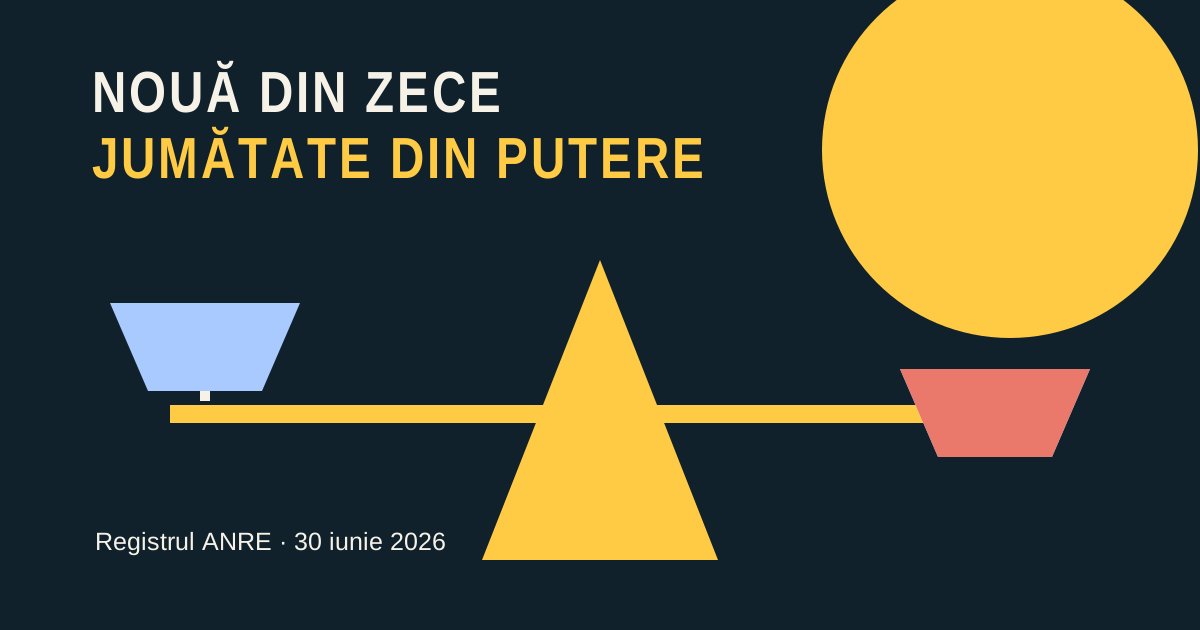
On 30 June 2026, natural persons made up 90.3% of Romania's prosumers and held 51.4% of installed capacity. A typical company had 8.8 times the capacity of a typical natural person.
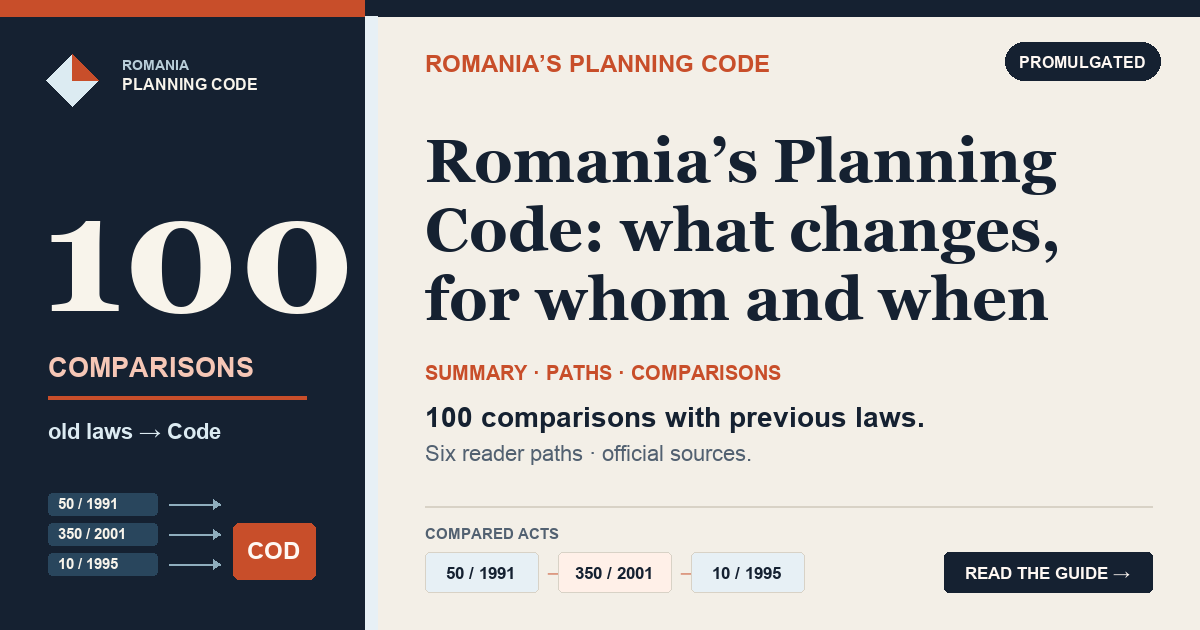
What changes between the previous laws and the Code, what remains in transition and what it means for owners, authorities and professionals.

65% of analysed positions share their time with at least nine others. At Buftea, 341 appear at 08:30 in the same list.

6,118 entries. 199 marked public and functional. A register that reaches the address without saying who opens the door.
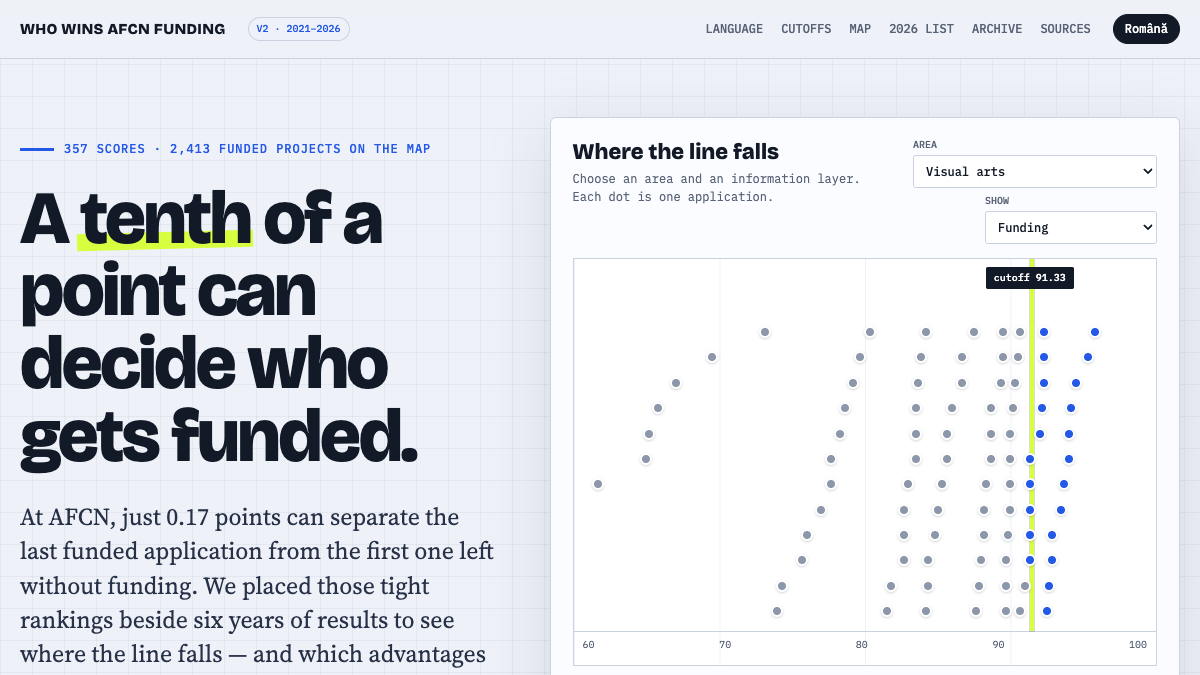
357 projects show how much a tenth of a point can matter.

The Online filter returned 613 records. In 502, the Available channels field named a counter and contained no online link.

Romania has, again, the EU's highest road death rate. But over 25 years, no other member state has cut its rate by less. The race toward zero, year by year, 27 countries.

In 1990, nearly three in ten Romanian brides were under 20. In 2025, it's one in twenty-two. An interactive grid shows how the age at which Romanians marry has shifted, year by year.

Thirty-two years for a hundred and fourteen kilometres of motorway, between 1972 and 2004. At the pace of the last six years, those same kilometres would now take under eighteen months.

Romania's 2021 census: 42.6% of dwellings report wood heat, and 4.97% have no heating at all. An interactive map of all 42 counties.

A source-linked file on L43/2026: bear intervention levels, the parliamentary route, and the controls proposed for identification, counting, blocking and alerts.

Romania's labour shortage is a set of matching failures. A source-backed map of skills, care, place, formal work and migration.

A 2025 genetic census found Romania alone holds over half the brown bears the whole European Union had two years earlier. An interactive map shows the year every other European country lost its wolves — and why Romania is the only one with no year at all.

A rock the size of a park decided the fate of 12,200 km² of sea. Drag the slider through 144 years, 1878–2022, along the real ICJ ruling line.

In 2024, parcels overtook correspondence for the first time. Change the year and see how the two postal belts changed.

Romania has 1.7 million beehives, second place in the European Union. But hives per holding — the real measure of how concentrated an apiculture sector is — puts it mid-table, almost tied with Italy. Greece, with 31% fewer hives, holds nearly double.

An Ottoman island sat forgotten by treaties for 45 years in the middle of the Danube, then a dam drowned it under thirty metres of water.

In 1857, two years before the Titusville well, Bucharest was lighting its streets with kerosene.

Every county code has a fixed ceiling: 1,422,234 possible plates. Bucharest reached it in January 2010 and quietly switched to three digits. Sixteen years later, no other county has passed 30% of the same ceiling — except one, which is growing differently. Look up your county on the dashboard.

An interactive ruler for Romania's direct-purchase thresholds and the values that gather around them in the SICAP register.
How 4,891 river channels across an entire nation funnel into a single outlet.

Half the people, in 204 places.

Romania's largest air destination is Luton, a town of 225,300 people: 1,886,522 passengers in 2024, more than Heathrow, Gatwick and Stansted together. It has held first place without a break since 2015, and every airport in the country has its own Europe — Sibiu flies 63.4% to Germany, Târgu Mureș sends 52.8% to Budapest. Pick an airport and a year and read the departures board.

In 1996, Romania had 11,330 rural schools with their own legal standing. Today there are 2,770. Most of the rest were demoted to dependent status under a larger school.

In 2025, net pay across Romania's 19 economic sectors ranged from 3,368 to 10,801 lei. The national average of 5,536 lei describes none of them.

What 4,946 people and businesses wrote about national packaging registers, costs and cross-border trade.

At Romania's 2024 baccalaureate, the most frequently awarded grade was exactly 5.00. The step below, 4.95, was given almost eight times less often. Search any grade and see what happened at second marking.

A toponymic atlas of the country, dot by dot.

A verifiable reading of Romania's official register of school buildings and seismic-risk classes. What is classified, what is not, and what changed between 2023 and 2026.
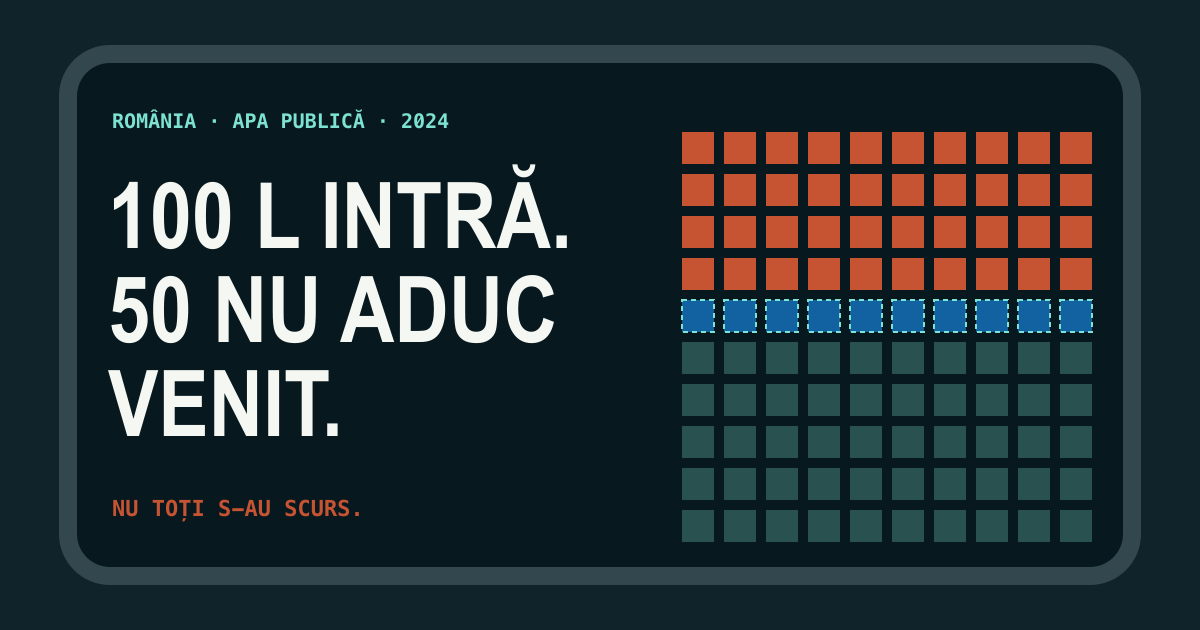
Of every 100 litres entering regional operators' networks, 50 do not generate revenue. ANRSC data on water losses, access and connection.

INS has published Romania’s Q2 2026 GDP flash estimate. GDP fell 0.4% from Q2 2025 on the gross series; the nowcast frozen before publication was minus 0.5%, within a minus 1.3% ... plus 0.3% working range.

In 2024, women were the majority of tertiary graduates in the EU. Change the denominator to see where the difference between fields sits.

The same thousand lei moves when only the sentence changes.
Before you pay or travel, check what the official record actually says.
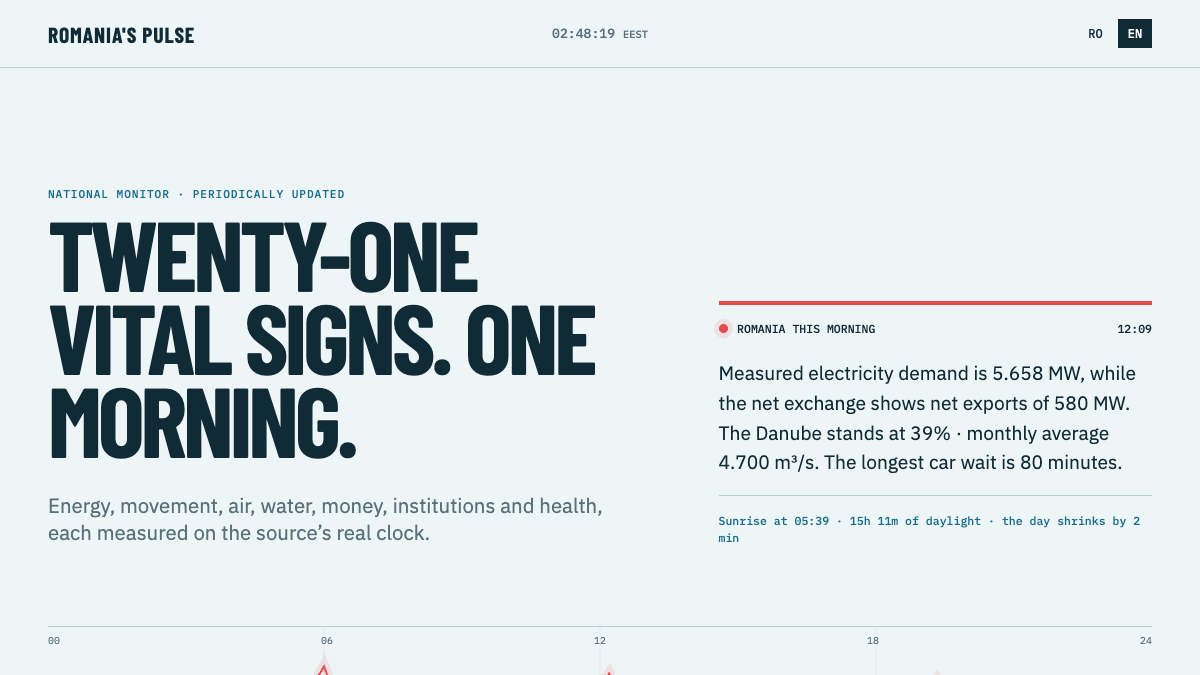
Twenty-one vital signs. A dated snapshot.

A doctor writes the hour of death by hand, on every certificate, every time. Three steps later, on the civil-status record issued through SIIEASC, the hour is gone. The National Institute of Statistics has never published it. What is known instead.
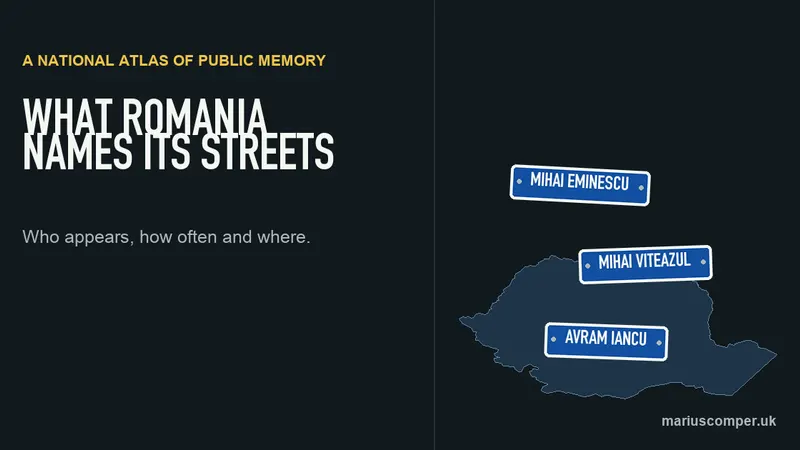
A country’s street map also shows whom it chooses to remember.
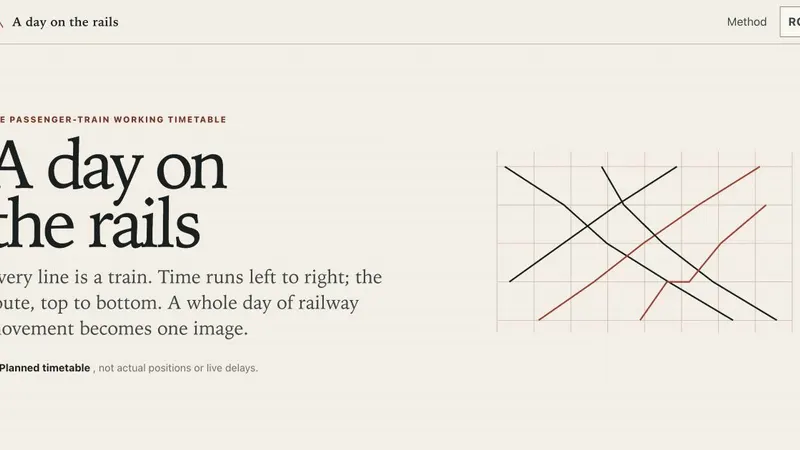
Every line is a train. A whole day becomes one image.
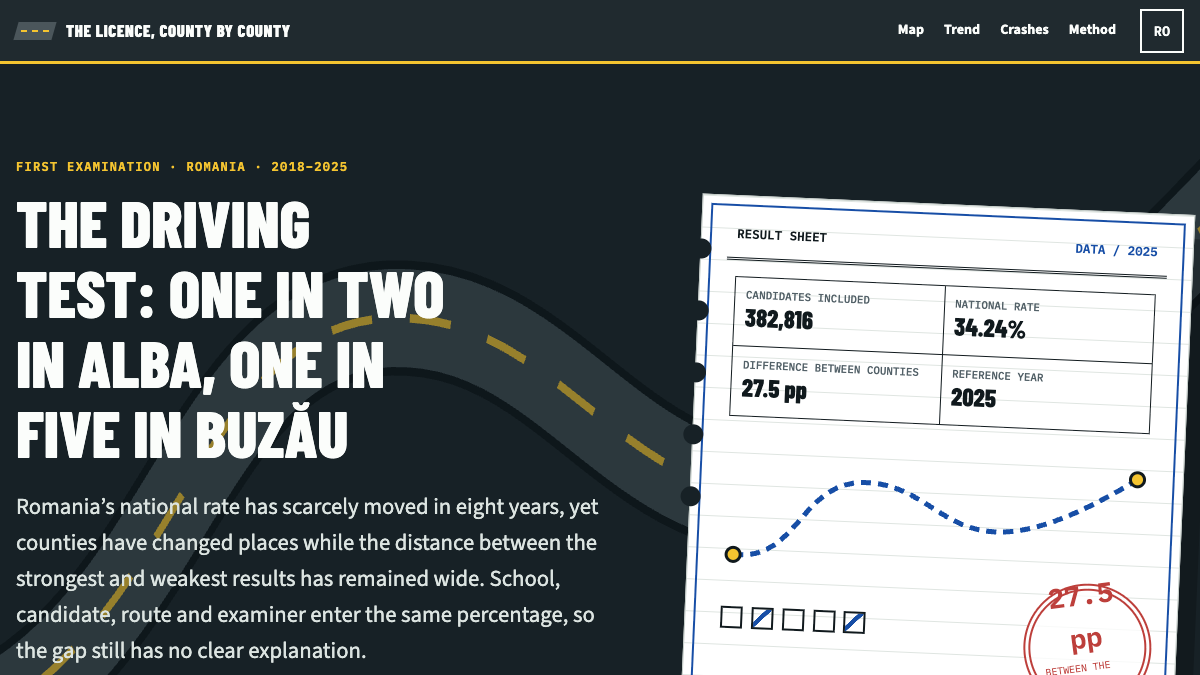
The same test, sharply different results across counties.
Thirty-one letters, thirty-one statistics.
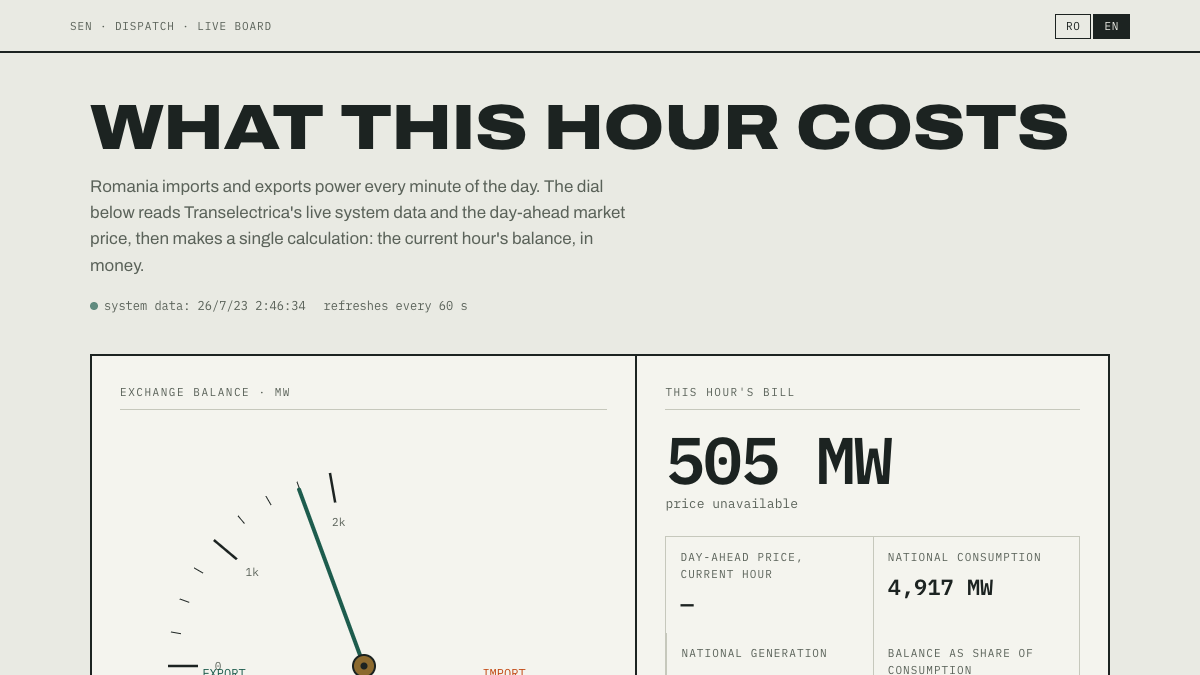
Romania's electricity balance, read in MW and RON per hour.

Romanian initiative and French leverage, traced through documents and turning points.
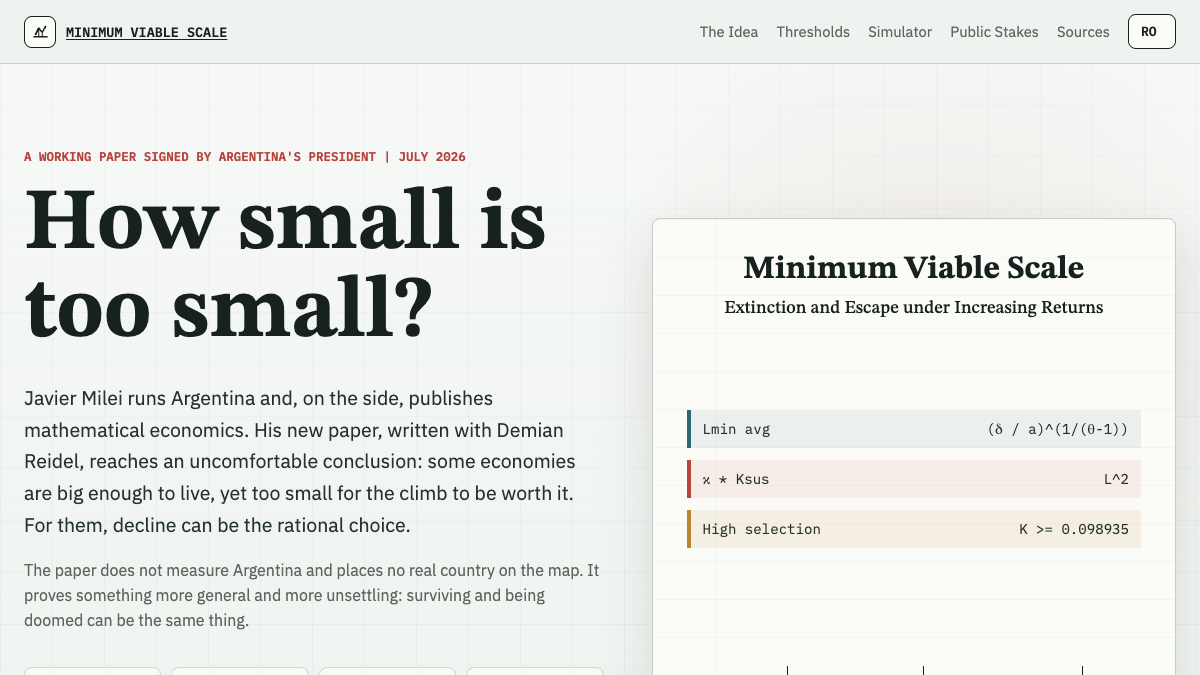
An interactive explainer about Javier Milei's Minimum Viable Scale paper and the threshold at which an economy can take off.
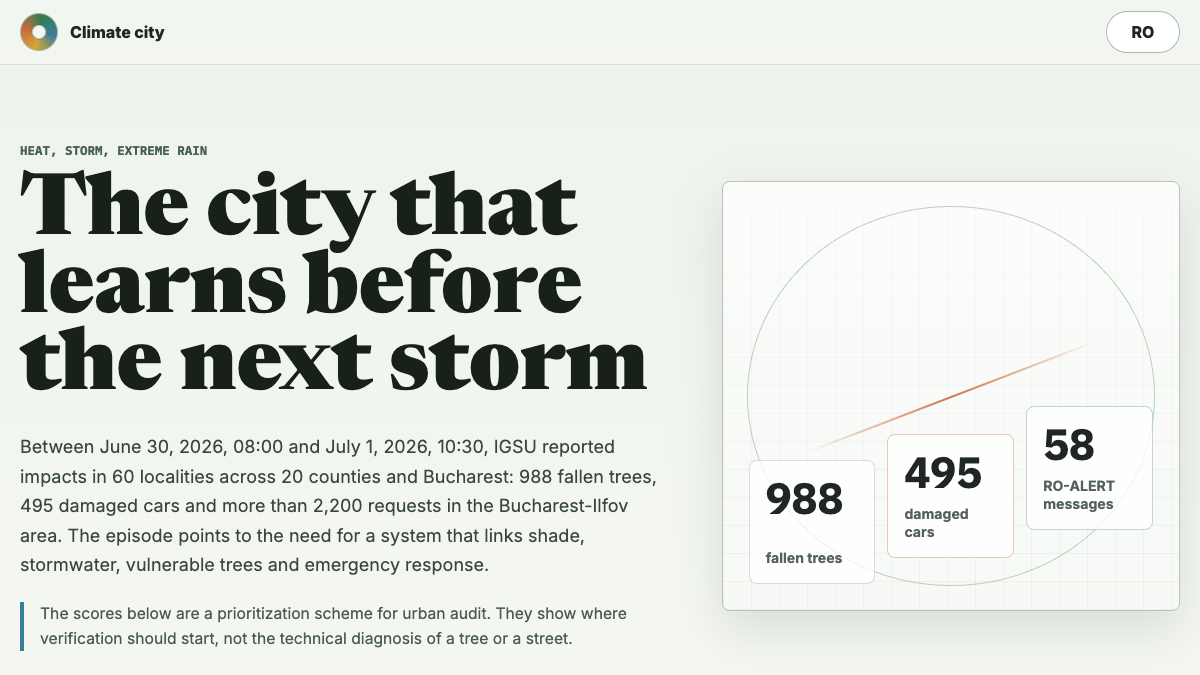
An interactive matrix about heat, storms, extreme rain and the data that can guide Bucharest's response.
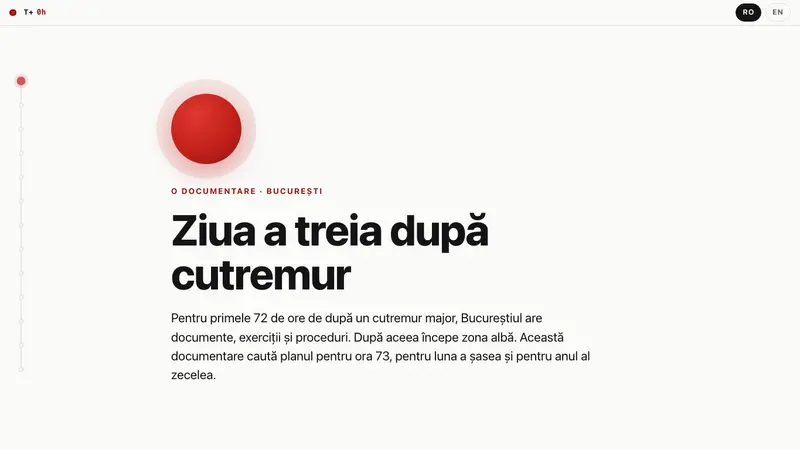
Bucharest has plans and named institutions for the first 72 hours. After that, responsibility for recovery becomes hard to locate.