
URS n.
– Lat. ursus (DEX '09)
CORESI, EV. 447
A WORD THAT REFUSED TO MOVE
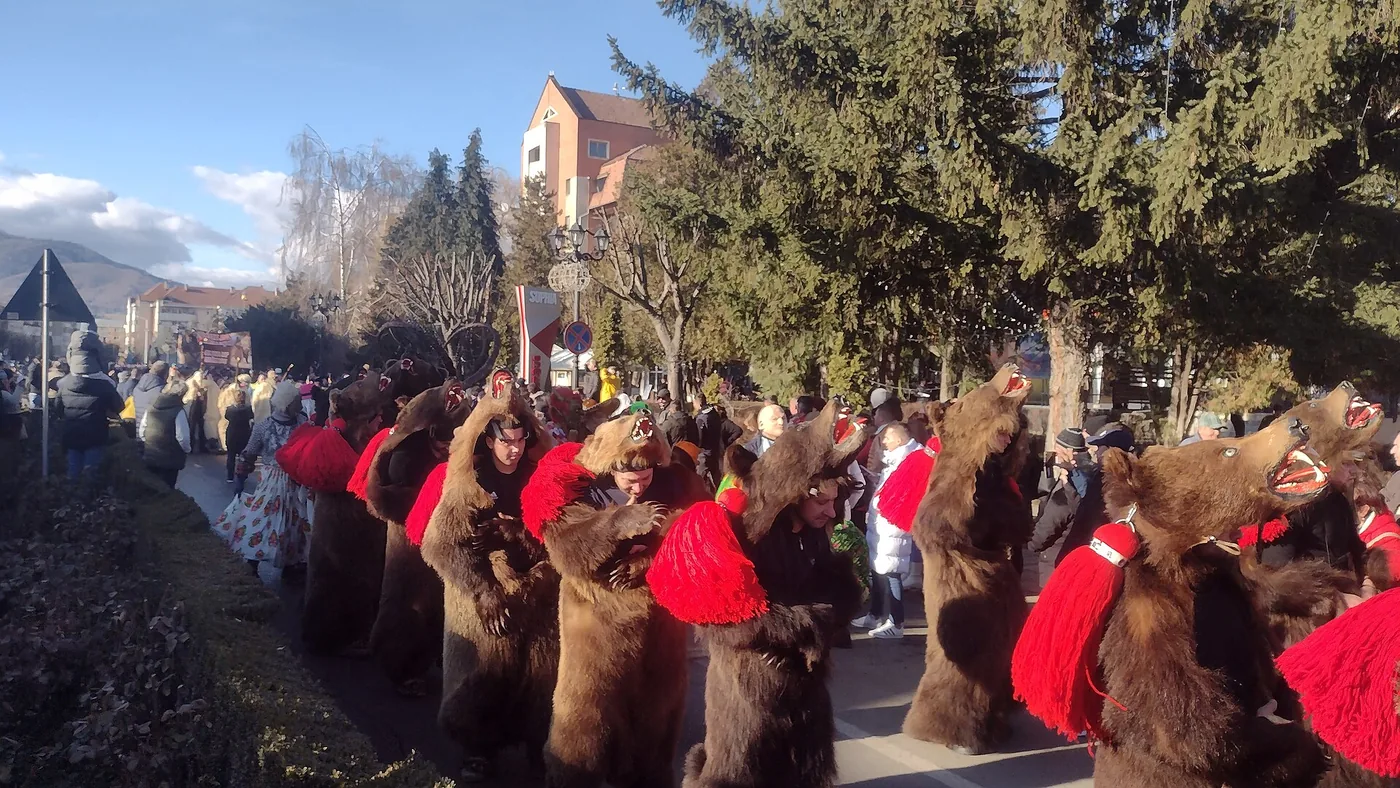
Northern Europe renamed the bear so no one would speak his true name — or so linguists believe. Romanian kept the Latin word untouched, all the way from Rome. And every winter in Moldova, the bear still dies and rises.
The string of names the neighbours gave him:
Urs. The word that refused to move.
What the dictionaries say
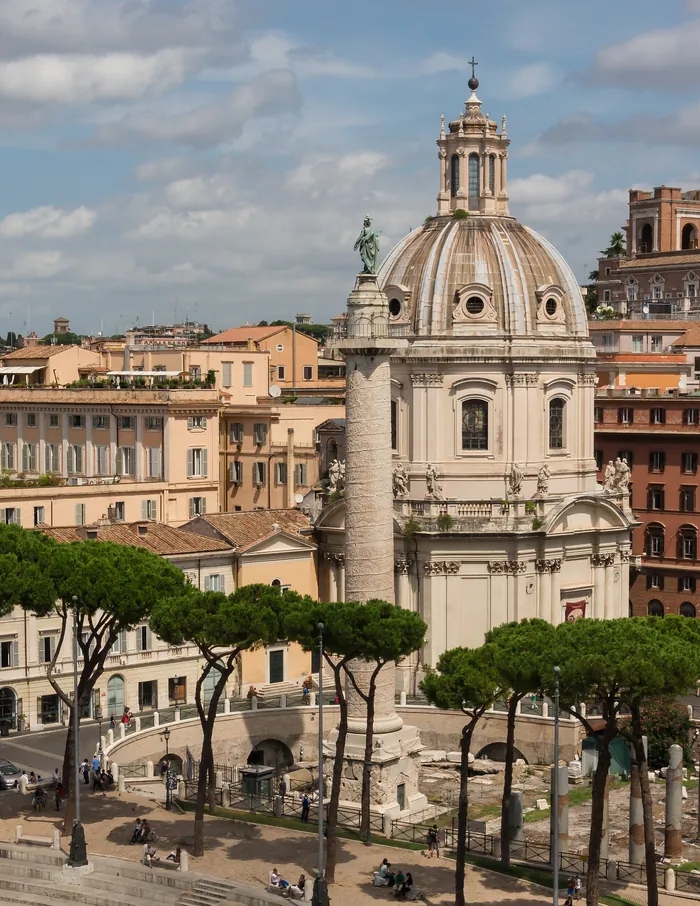
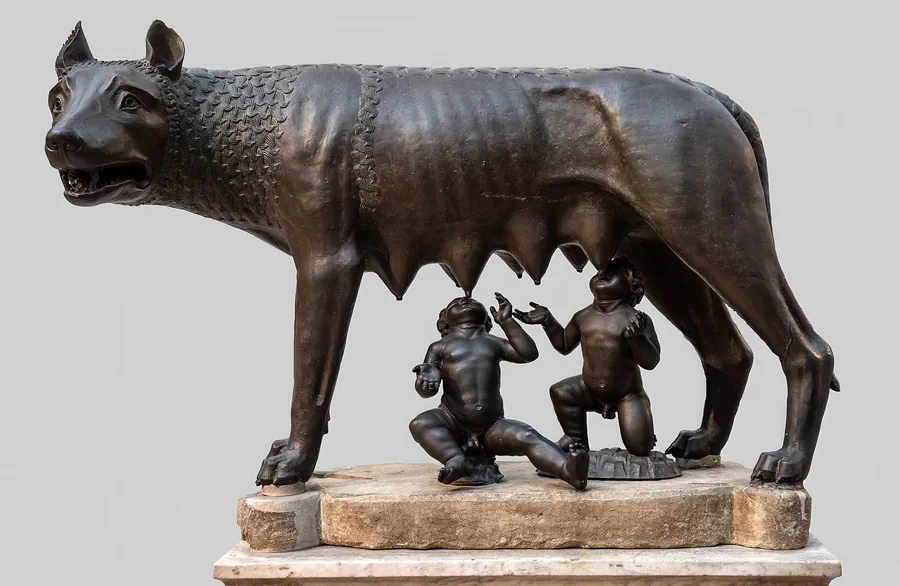
In DEX, urs comes from Latin ursus, and lup from lupus. Both appear in Coresi's Evanghelie cu învățătură, printed at Brașov in 1581. The line is unbroken: from Rome to us, the word never went anywhere.
– Lat. ursus (DEX '09)
CORESI, EV. 447
ml lupus (MDA2)
CORESI, EV. 195/24
The wolf earns one line: proof that urs is no accident. Both words came all the way from Rome without changing their names.
DEX cites the Cazania from the Pușcariu–Procopovici edition (CC2); the note in RRL 4/2023 confirms the imprint: Brașov, 1581.

What the neighbours say
The rest of Europe walked around the old name. Each language baptised its bear again, after something else: appetite, colour, endearment. Four baptisms, each with its gloss.
Russian
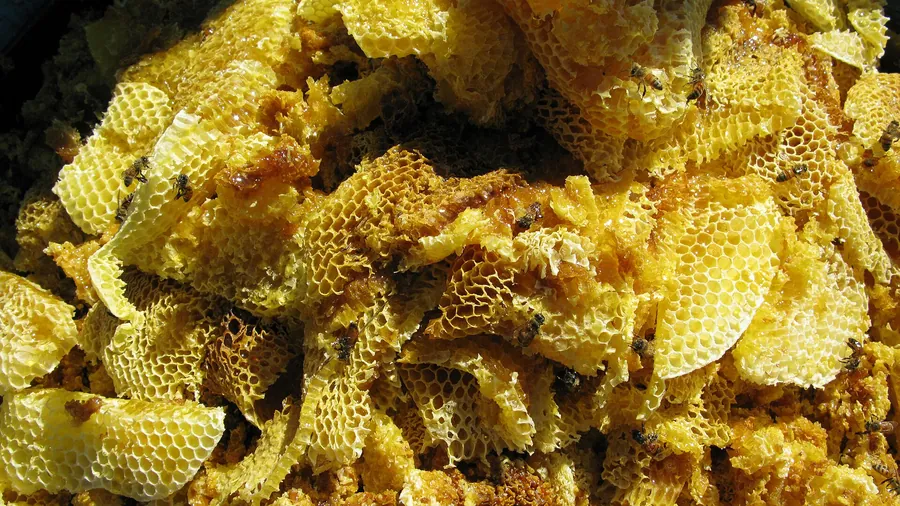
the honey-eater
From med (honey) + ed- (to eat): a taboo replacement of the old name, after Vasmer.
English
the brown one
From Old English bera, from *bero: “the brown (one)”. The verb beran is another root.
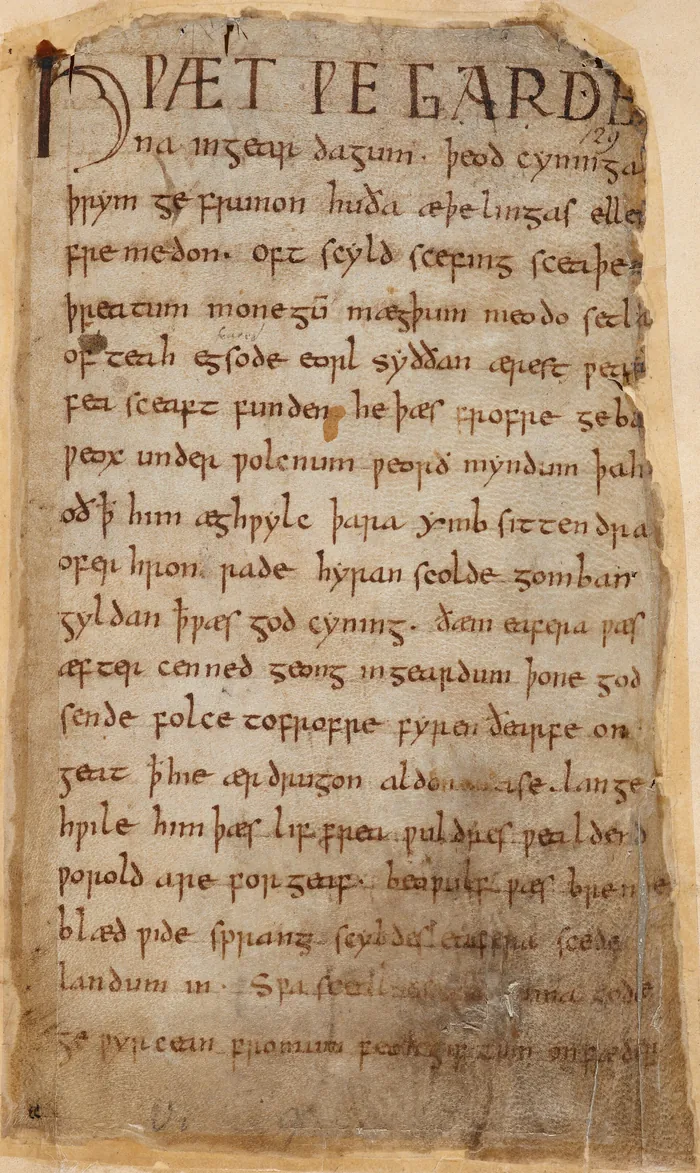
German
the brown one
From Old High German bero, on record in the eighth century; Germans call him “der Braune”.
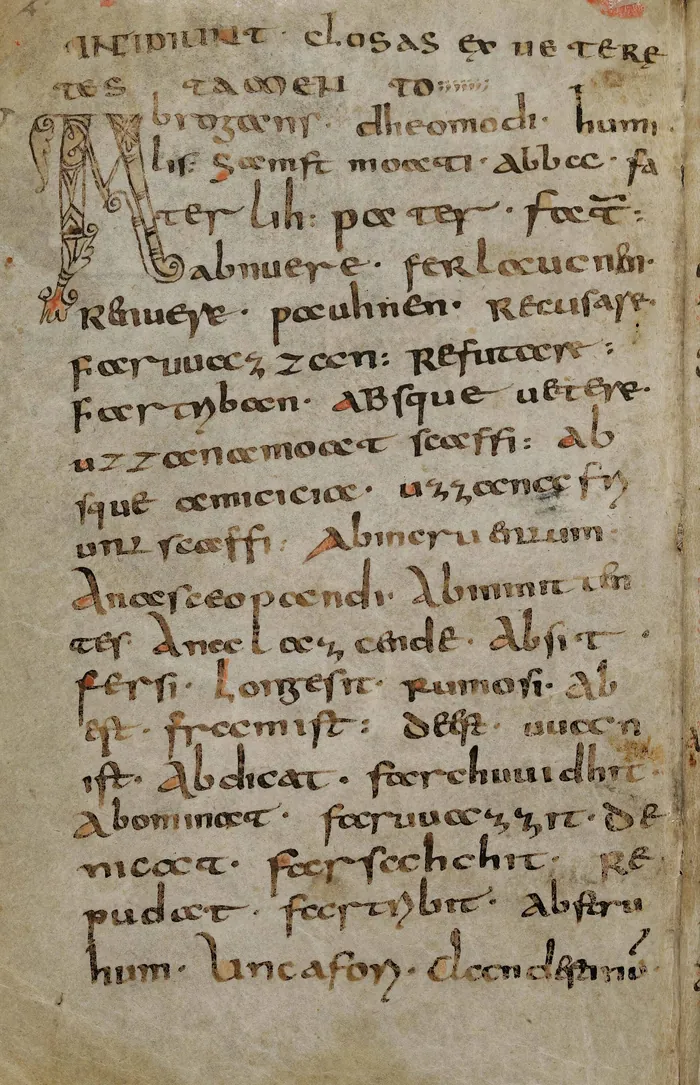
Finnish
the poetic name · honey-paw · the old man of the forest · the king of the forest
Even karhu began as a term of endearment. The full list is in “The Bear and the Year”.
Four rounds, four ruses. Choose how you would name him, then see who named him the same way.
The hunters will not speak his name. You point at his colour — what do you call him?
So chose the Germans and the English: bear and Bär mean “the brown one”. Etymonline · DWDS
You name him after what he eats — what do you call him?
So chose the Russians: medved', from honey + to eat. Vasmer
You coax him like an old relative — what do you call him?
So chose the Finns: metsän ukko, “the old man of the forest”. The Bear and the Year
You give him a title, to keep him at a distance — what do you call him?
The Finns again: metsän kuningas, “the king of the forest”. The Bear and the Year
The game options are invented; the true names are the ones in the verdicts, with their sources.
The strategies and the attested names, in brief.
| Ruse | Name | Who chose it |
|---|---|---|
| Colour | the brown one | the Germans and the English: bear, Bär |
| Appetite | the honey-eater | the Russians: medved' |
| Kinship | the old man of the forest | the Finns: metsän ukko |
| Title | the king of the forest | the Finns: metsän kuningas |
Linguists believe the northern branches ritually replaced the old name, out of hunters' taboo — Etymonline's words are “it is believed”. The theory, not the fact, is all we have.
HYPOTHESIS
Others connect the Germanic word with Latin ferus, “wild”: the wild beast of the northern woods. One line, to keep the theory honest.
Why he mattered so much
The bear was never just an animal. Three stops — Athens, Muri, Moldova — say why his name was walked around.
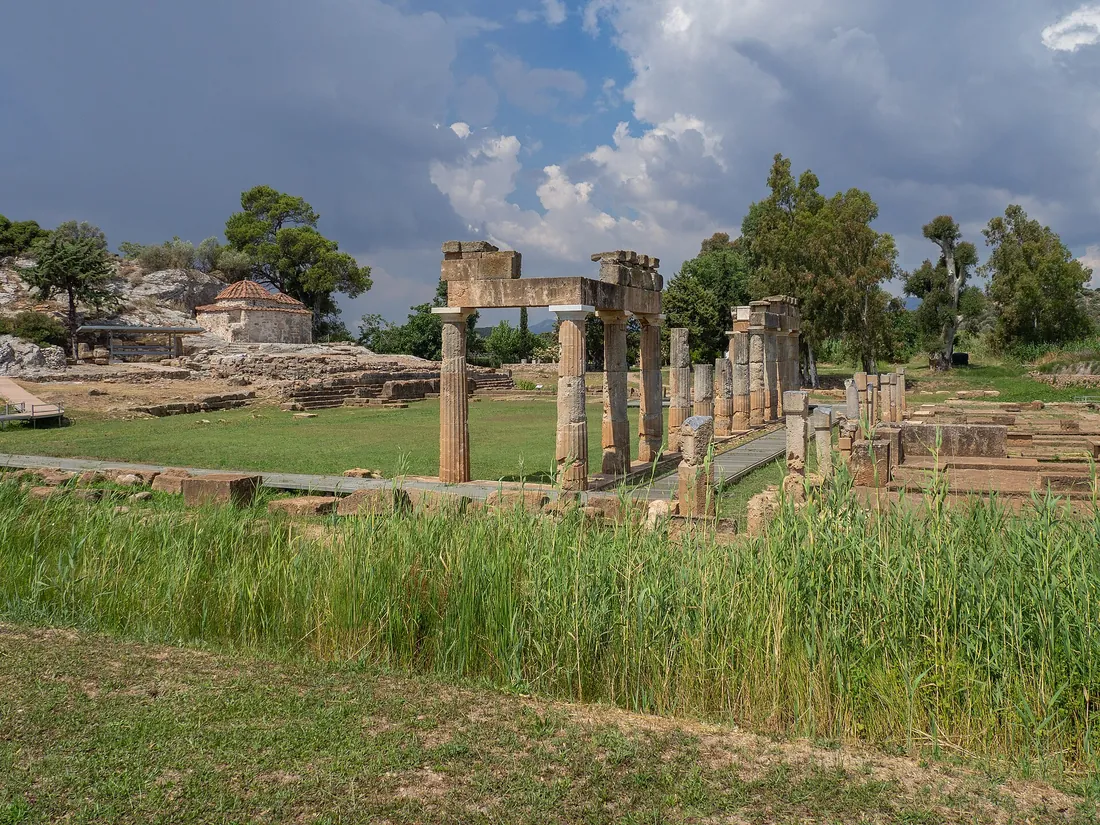
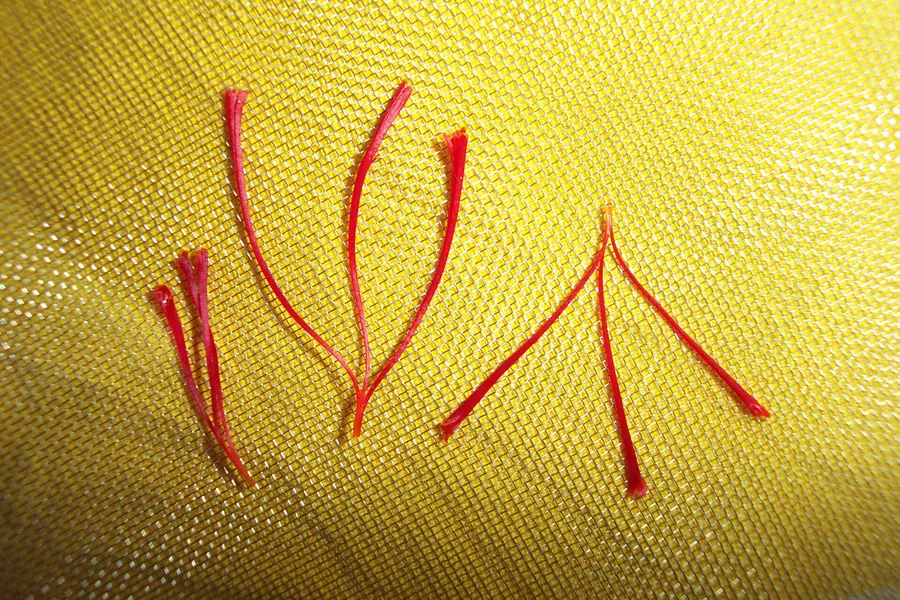
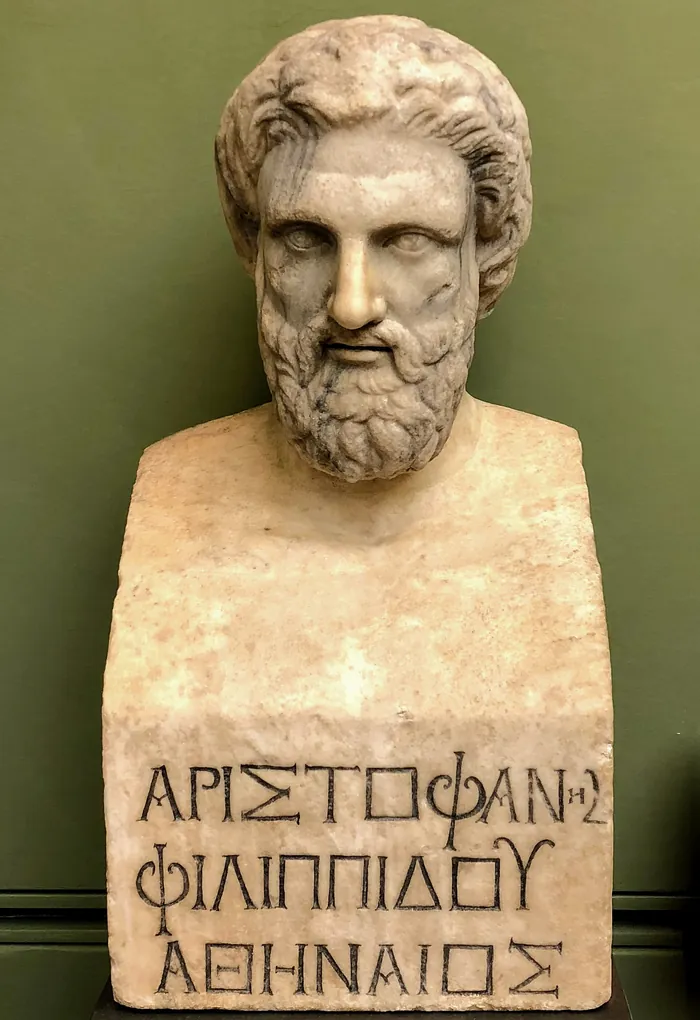
At Brauron, Athenian girls served Artemis as arktoi — she-bears — in saffron robes, with sacred dances, races and sacrifice; the procession set out from the Acropolis, and the Arkteia was held every four years.
“Shedding my saffron robe I was an arktos (bear) at the Brauronia.”
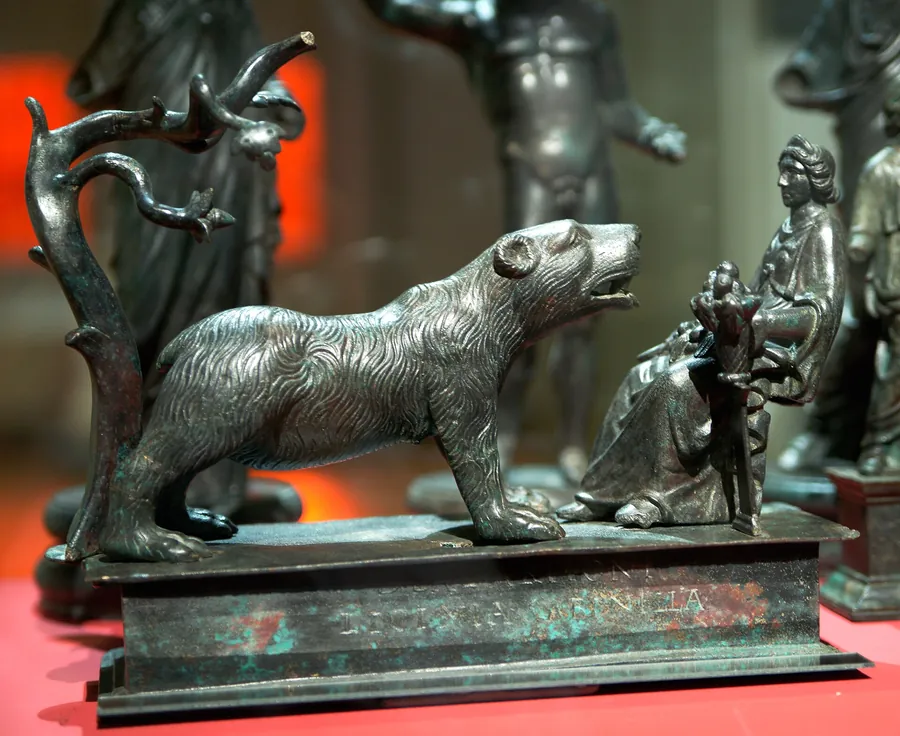
Near Bern, a Gallo-Roman bronze shows the seated goddess face to face with a bear, which seems to hold fruit. The base carries the dedication: Deae Artioni / Licinia Sabinilla — “To the goddess Artio, from Licinia Sabinilla” (CIL 13, 05160). The group is now in the Historical Museum of Bern.
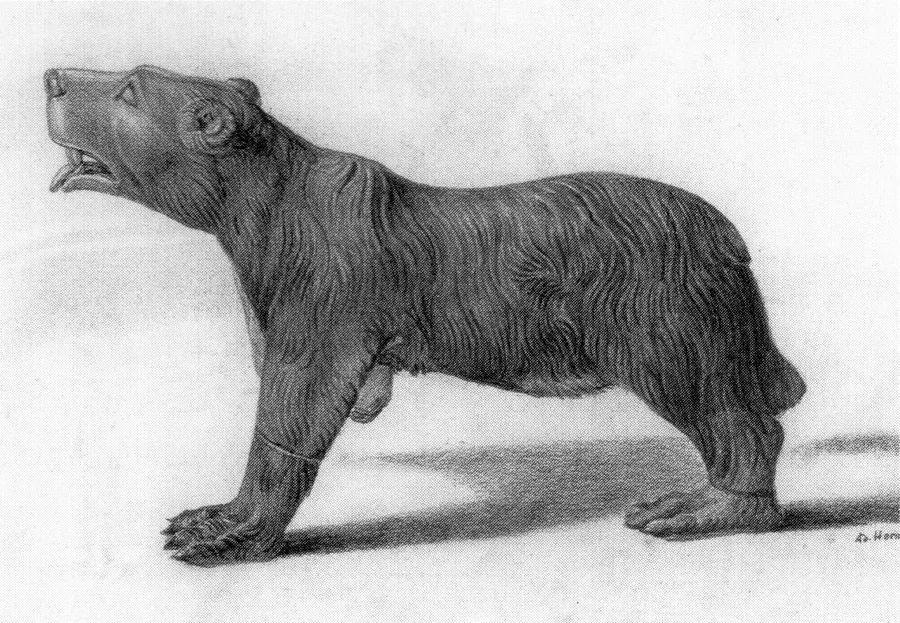
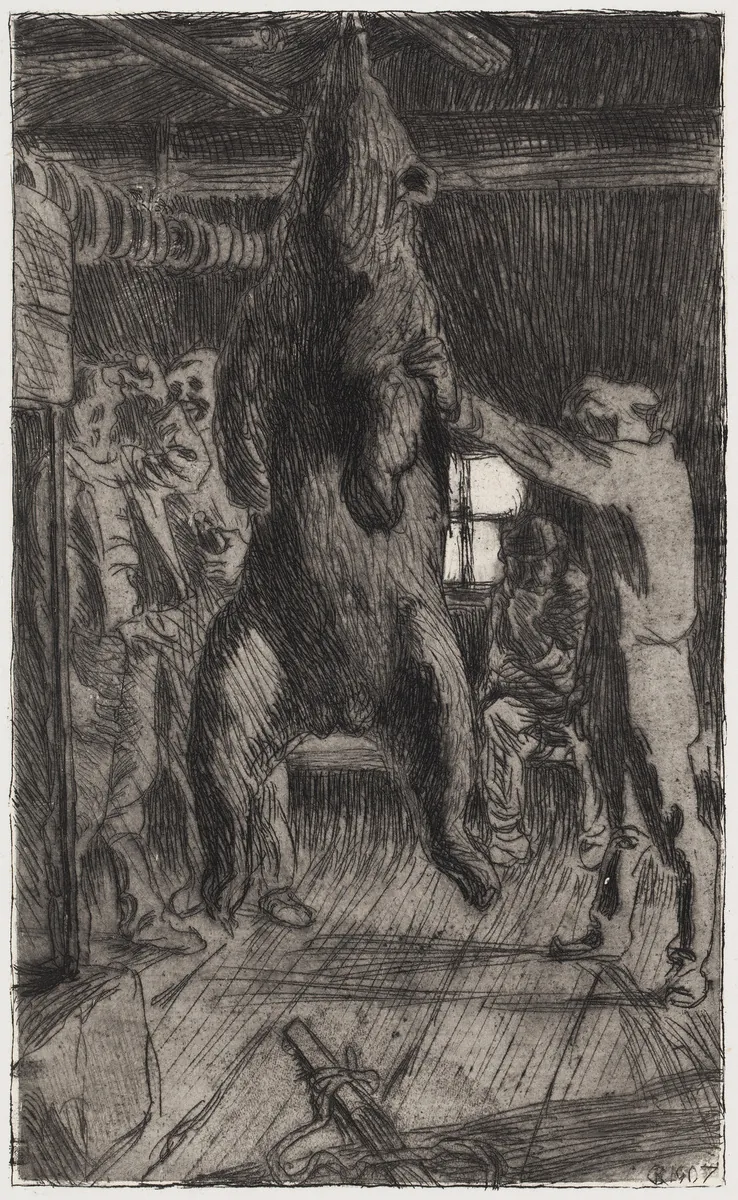
At Comănești and Dărmănești, at New Year, the bear troupes dance through the streets: the bear dies and rises, falls into hibernation and is woken. We are reading ethnography, not biology.
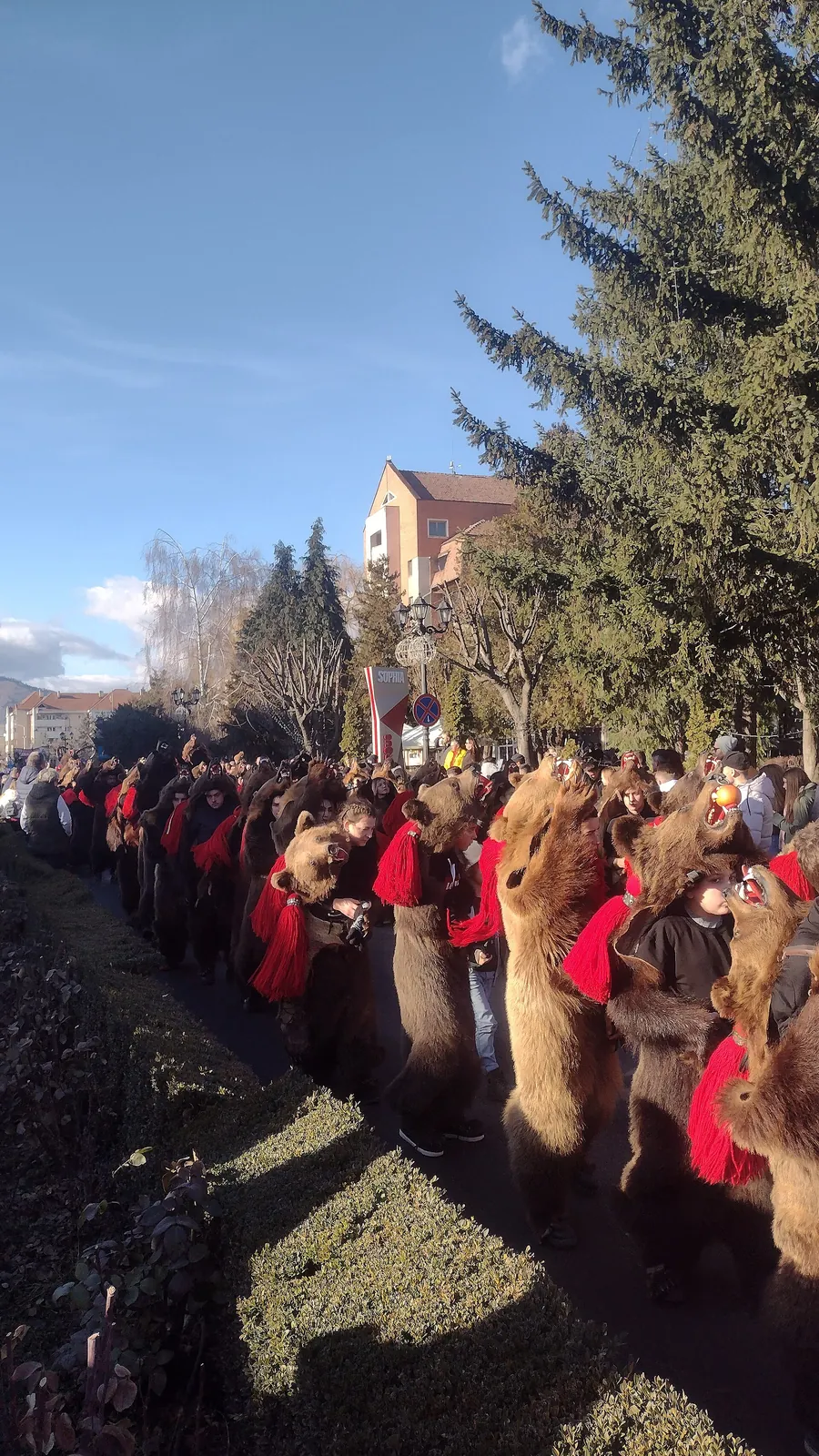
The neighbours baptised their bear again, so they would not call him by name. We always called him the same: urs.
Dictionaries first, then etymologies and ritual. Every risky claim points at its source.
Type: Fraunces, Newsreader and Atkinson Hyperlegible, under the SIL Open Font Licence.


