TWO WORDS, ONE CROSSING
Why does the peasant carry the country's name?
The country's name grew out of dirt, and the peasant kept it. Latin TERRA, soil, rose all the way to fatherland. Latin PAVIMENTUM, a floor of beaten-down stones, sank all the way to soil. The dictionary catches them crossed: under pământ, sense 5: “p. ext. țară, patrie” — “by extension: country, fatherland”.
- TERRA → ȚARA
- soil rose all the way to fatherland
- PAVIMENTUM → PĂMÂNT
- the floor sank all the way to soil
- 1521 · 1848 · 1926
- three dates carry the name through history

The crossing, at a glance:
TERRA rises
TERRA
Latin for soil
MDA2: “E: ml terra”
țeară
Hurmuzaki Psalter, 75r/4
first attestation in Romanian, per MDA2
Țeara Rumânească
1521, Neacșu's letter
“pren Țeara Rumânească”
ȚARA
today: state and fatherland
DER: “1. Stat – 2. Patrie – 3. Cîmp – 4. Popor, lume”
PAVIMENTUM sinks
PAVIMENTUM
Latin for a beaten floor
“a floor composed of small stones beaten down”
pământ
Hurmuzaki Psalter, 69v/16
first attestation in Romanian, per MDA2
sens lărgit românește
Șăineanu, 1929
“[Lat. PAVIMENTUM, pardoseală: cu sens lărgit românește]”
PĂMÂNT
today: soil and country
DEX '09, sense 5: “p. ext. țară, patrie”
The evidence, in short
The paradox on one screen
Open the dictionary at țară: the entry ends “– Lat. terra”. Open it at pământ: “– Lat. pavimentum”. So far, two ordinary etymologies. The twist sits under pământ, sense 5: “Teritoriu, regiune, ținut; p. ext. țară, patrie” — “territory, region, land; by extension: country, fatherland”. The floor-word has come to mean the country.
țară
… – Lat. terra
DEX '09
pământ
5. Teritoriu, regiune, ținut; p. ext. țară, patrie … – Lat. pavimentum
DEX '09
So: țara comes out of soil, and pământ — out of a floor. In the West, the two stayed apart. In Romanian they crossed.
The buried senses
TERRA rises: from soil to fatherland
Under today's țară lie buried senses of soil. MDA2 lists them first, with archaic labels. DER gives the whole ladder, from field to state, in a single word.
- (Îrg) Suprafața globului pământesc Si: pământ (“the surface of the earth, i.e. soil”)
- (Îrg) Uscat (“dry land”)
- (Înv) Țarină (“field”)
- (Înv) Sol (“soil, ground”)
MDA2, senses 1–4 of țară
DER: “1. Stat – 2. Patrie – 3. Cîmp – 4. Popor, lume” (the dictionary's spelling)
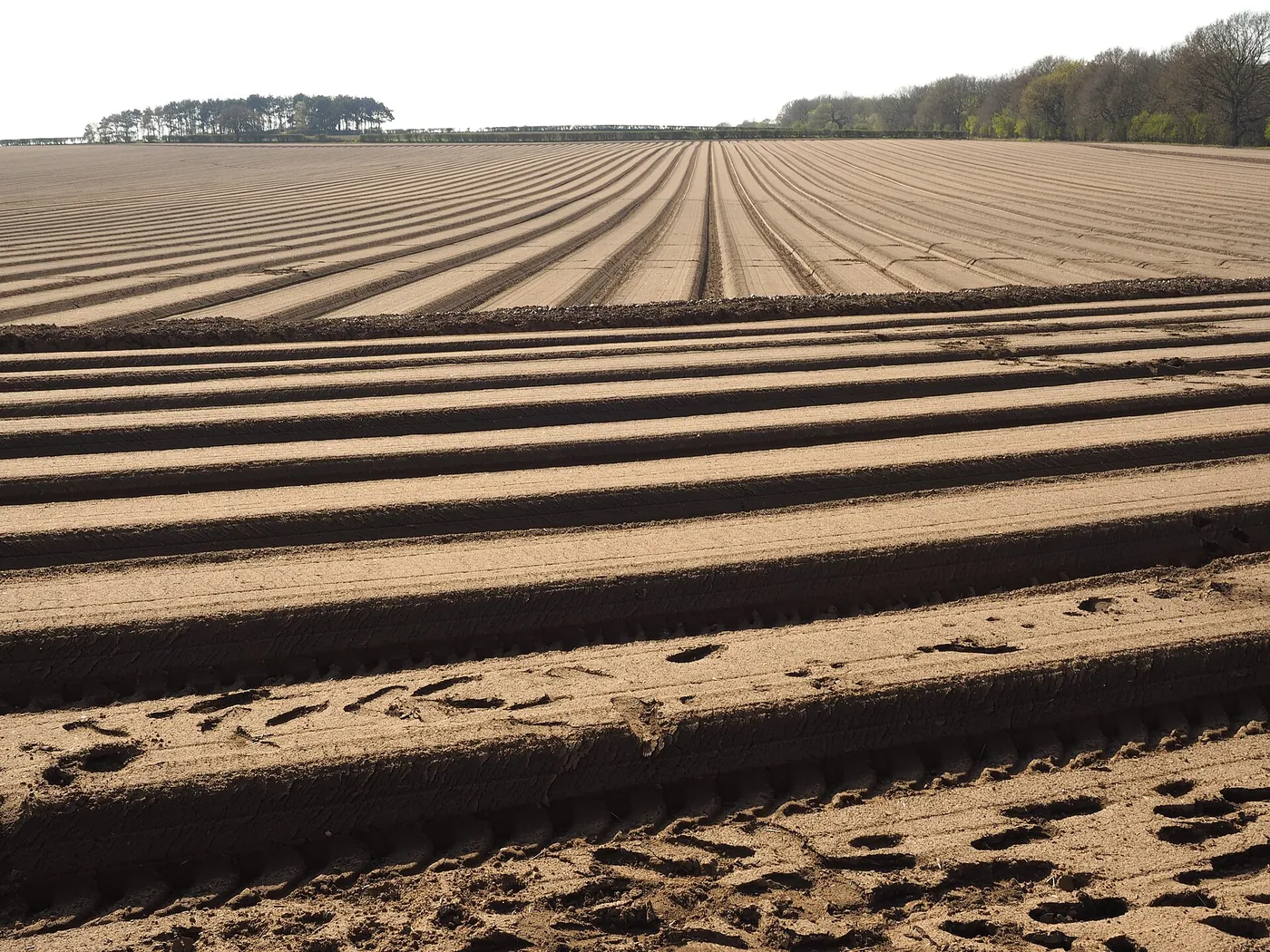
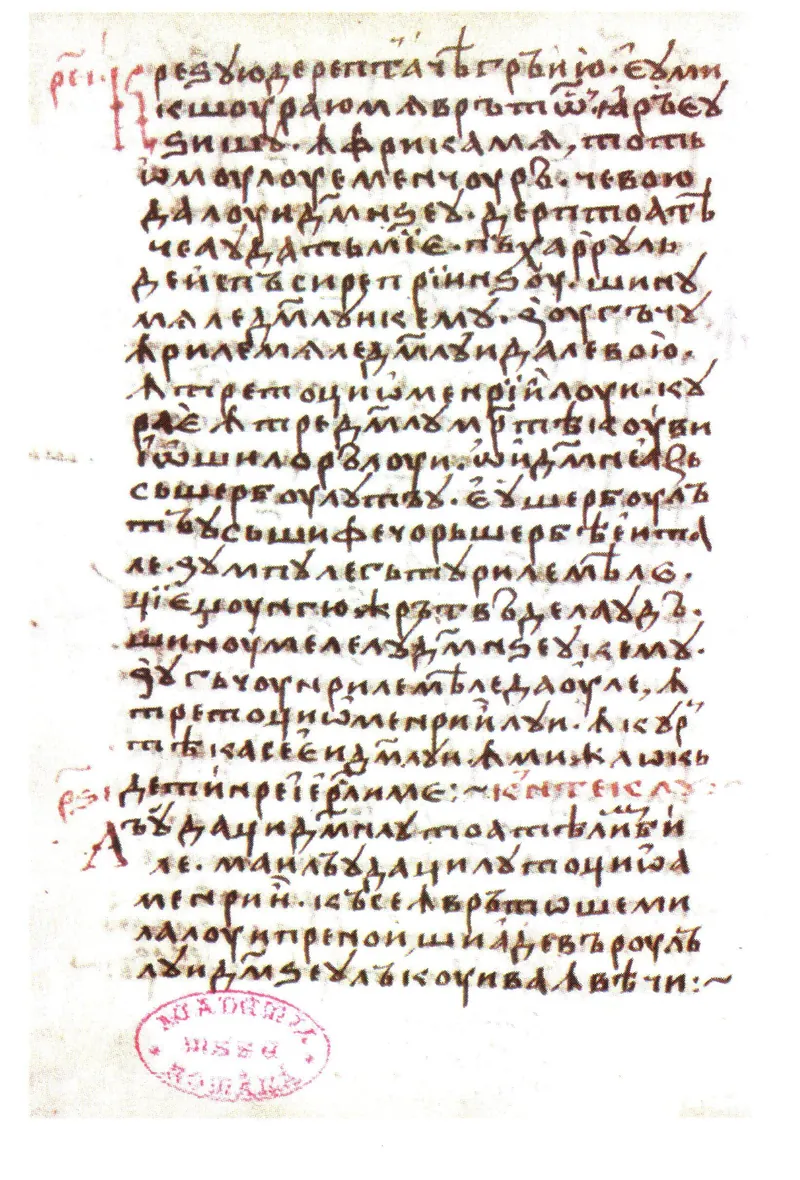
The Hurmuzaki Psalter, dated by watermark to 1491–1504, gives the first attestations in Romanian for both words: țară at 75r/4, pământ at 69v/16 (MDA2).


The sense that widened in Romanian
PAVIMENTUM sinks: from floor to soil
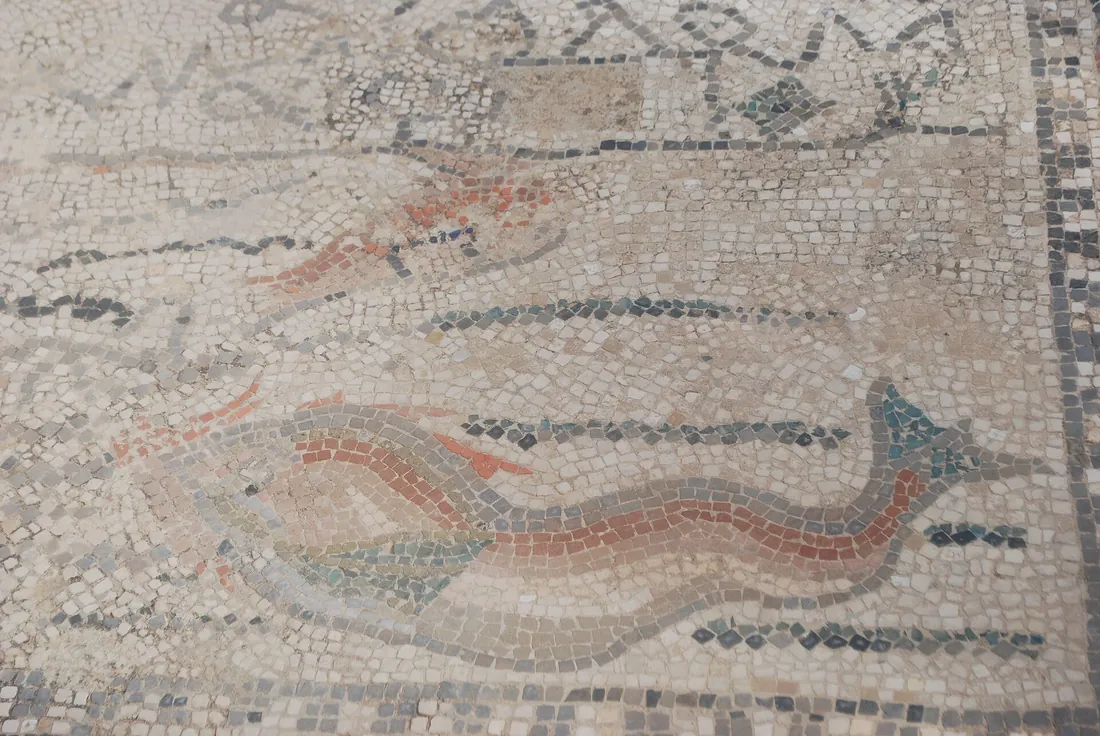
Latin pavimentum was a floor of small beaten-down stones: “a floor composed of small stones beaten down”. Scriban describes it the same way: “bătătură, pămînt bătăturit, paviment, pardoseală” (“beaten ground, beaten earth, pavement, floor”). The widening toward “soil” happened in Romanian — Șăineanu puts it bluntly: “[Lat. PAVIMENTUM, pardoseală: cu sens lărgit românește]”.

What the sister languages escaped
The West kept them apart
In the sister languages, the two senses stayed in separate words — and the “country” sense went to different words, from a different root.
French
terre for soil, pavement for paved ground — recorded in 1156 with the sense “sol pavé”.
English
earth for soil, pavement for paved ground — borrowed in the late 13th century from Old French, from Latin pavimentum, “beaten floor”.
And for “country”:
Italian paese, French pays, Portuguese pais — descendants of Latin pagensis (Rîpeanu, 2001).
The man who carries the name
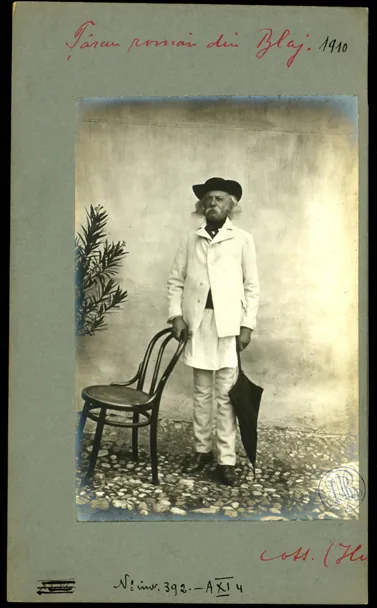
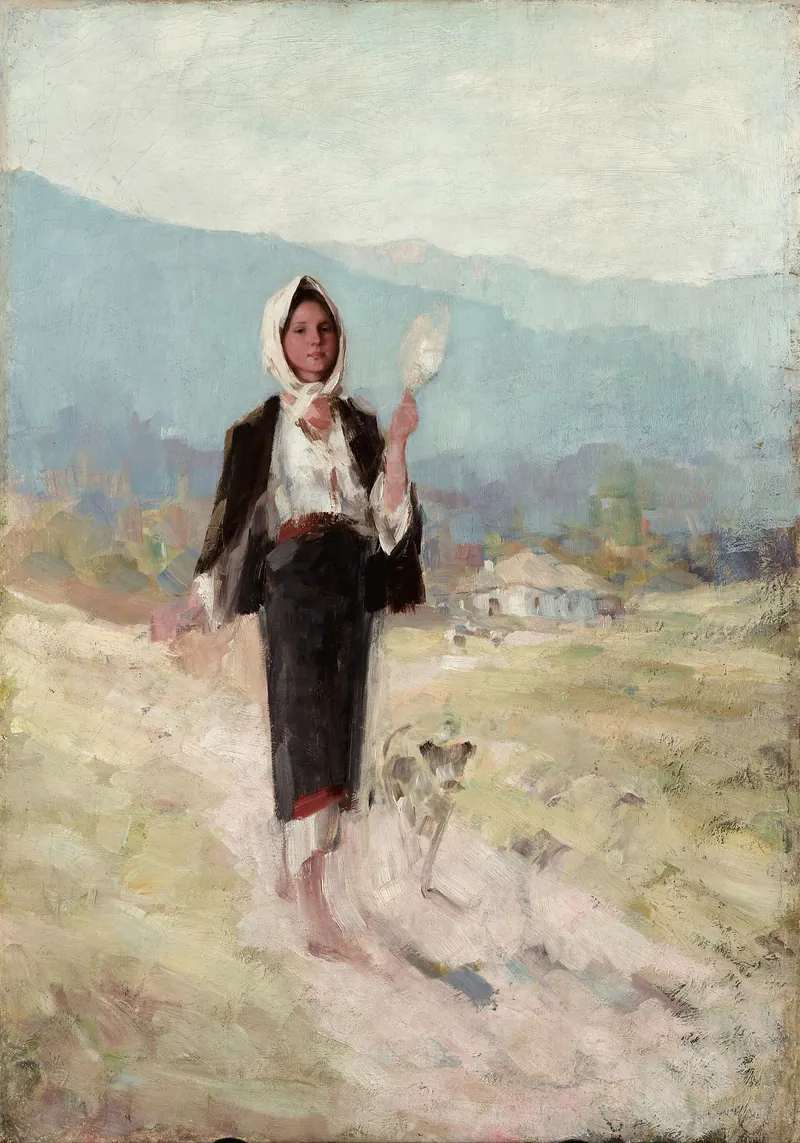
DER lists țăran as a derivative of țară: “Der. țăran, s. m. (sătean)” (“villager”). The derivation runs from țară to țăran, never the other way: the man carries the country's name because the country named him. From here, the name crosses three centuries of dated history.


Six stops, two rails
The Ladder of Senses
Pick a year and see what the words meant then. At 1521, 1848 and 1926 the markers open — find all three.
1400 · Before writing
The TERRA rail
TERRA, the soil: the etymon MDA2 derives țara from (“E: ml terra”).
The PAVIMENTUM rail
PAVIMENTUM, the floor of beaten stones: the etymon of pământ (DEX '09: “– Lat. pavimentum”).
Markers found: 0/3
The three markers:
1521
Reach 1521 to open it.
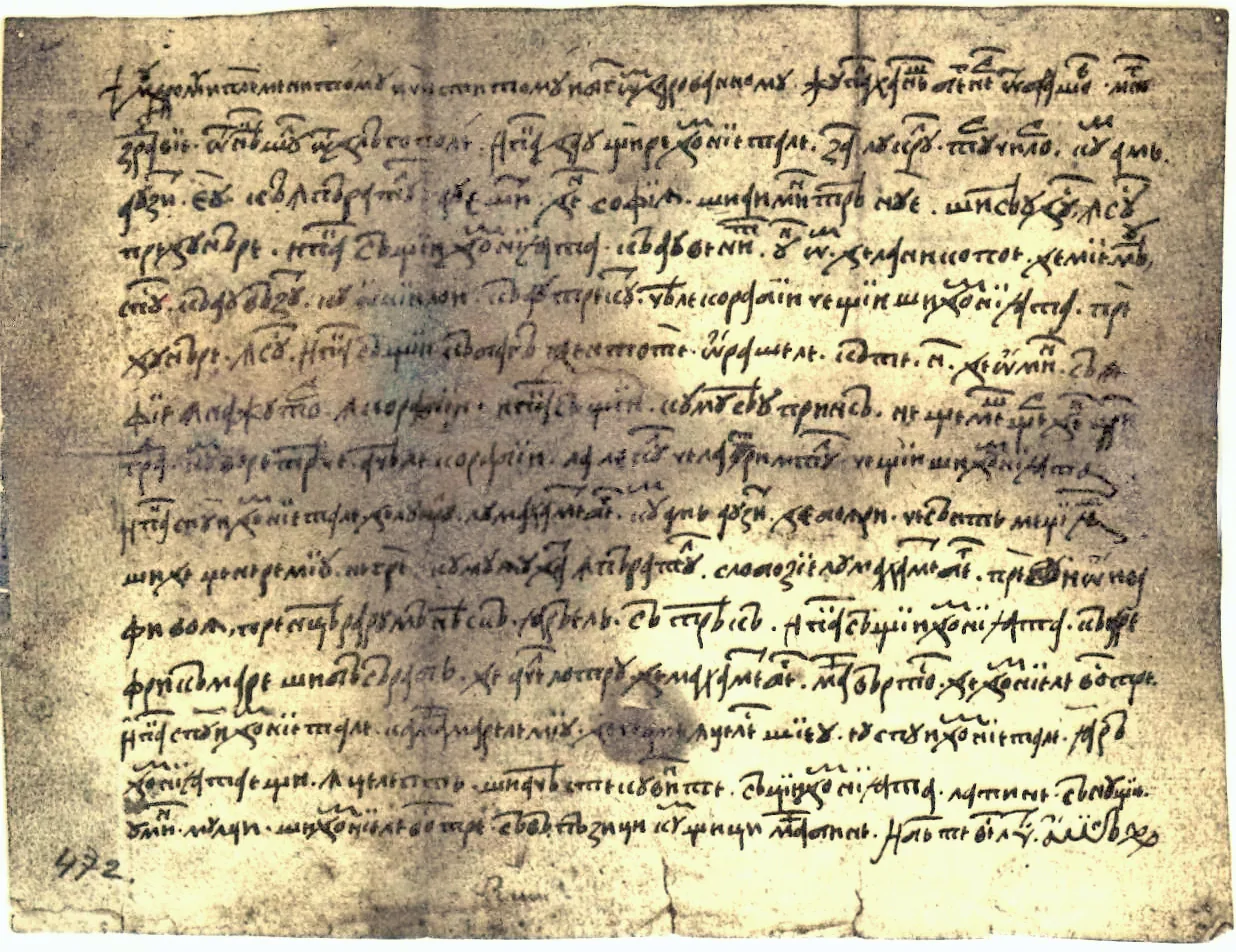
“pre io-i va fi voia pren Țeara Rumânească, iară el să treacă” — 29/30 June 1521, the oldest dated text written in Romanian.
1848
Reach 1848 to open it.
Point 13: “Emanciparea clăcașilor ce se fac proprietari prin despăgubire” (Bălcescu had proposed “împroprietărirea fără despăgubire”). The 14 June decree sets the motto “DREPTATE, FRĂȚIE” on the tricolour.
1926
Reach 1926 to open it.
“merged … as the National Peasants' Party (PNȚ), on October 10, 1926”. Britannica: “fusion of his Transylvanian National Party with the Peasant Party of Ion Mihalache”.
Every stop, on both rails:
| The TERRA rail | The PAVIMENTUM rail | |
|---|---|---|
| 1400 · Before writing | TERRA, the soil: the etymon MDA2 derives țara from (“E: ml terra”). | PAVIMENTUM, the floor of beaten stones: the etymon of pământ (DEX '09: “– Lat. pavimentum”). |
| 1500 · The Hurmuzaki Psalter | țară at 75r/4: first attestation in Romanian (MDA2). | pământ at 69v/16: first attestation in Romanian (MDA2). |
| 1521 · Neacșu writes Țeara | “pren Țeara Rumânească” — the oldest dated text written in Romanian. | No new stop on the PAVIMENTUM rail — the thread continues. |
| 1848 · Islaz and the tricolour | Islaz, 9 June: 22 articles for Țara Românească. Point 13: “Emanciparea clăcașilor ce se fac proprietari prin despăgubire”. | No new stop on the PAVIMENTUM rail — the thread continues. |
| 1926 · The peasants name a party | 10 October 1926: PȚ + PNR → PNȚ. The Peasant Party enters a national party name. | No new stop on the PAVIMENTUM rail — the thread continues. |
| 2009 · The dictionary catches them crossed | țară: “– Lat. terra” (DEX '09). | pământ: “– Lat. pavimentum”, and sense 5: “p. ext. țară, patrie” (DEX '09). |
Three dates
Three stops where the country's name steps out of the dictionary into documents.
29/30 June 1521
Neacșu writes “Țeara”
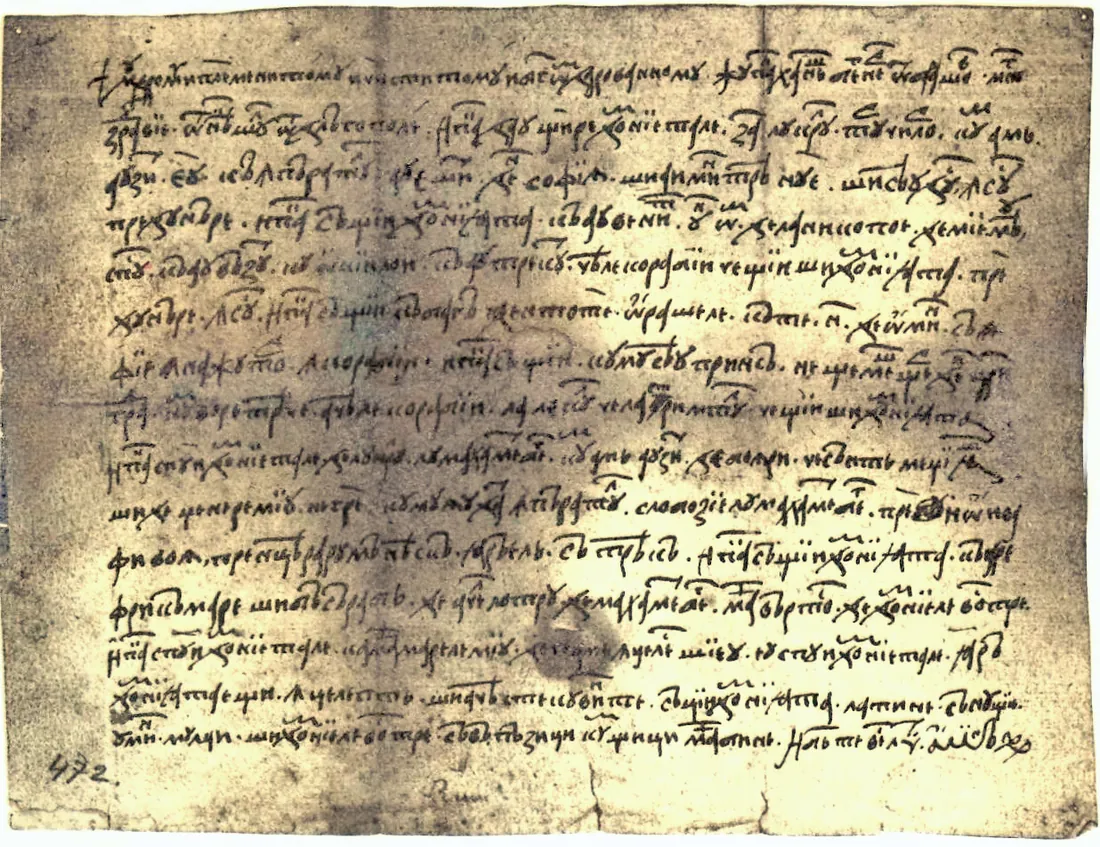
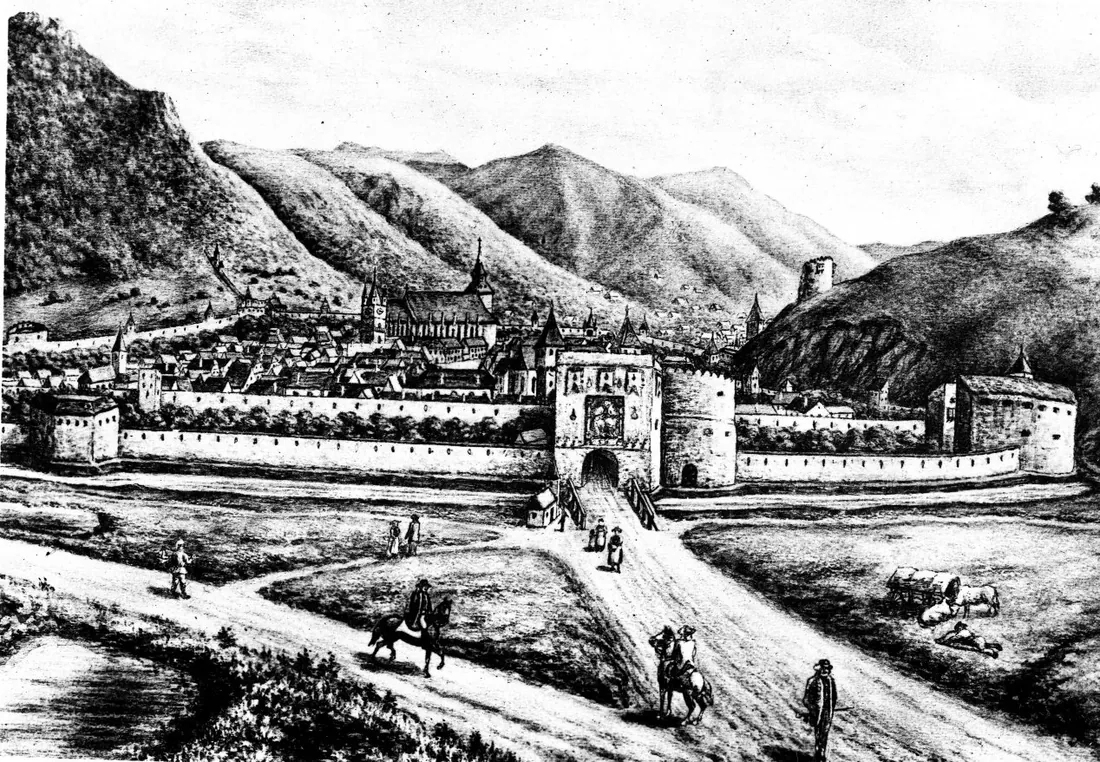
On 29 or 30 June 1521 (the dating is probable), Neacșu of Câmpulung warns the judge of Brașov: “pre io-i va fi voia pren Țeara Rumânească, iară el să treacă”. The letter is “the oldest dated text written in Romanian”. Țara speaks its name in the oldest dated document of the language.


9 June 1848
Islaz: the clăcași become owners
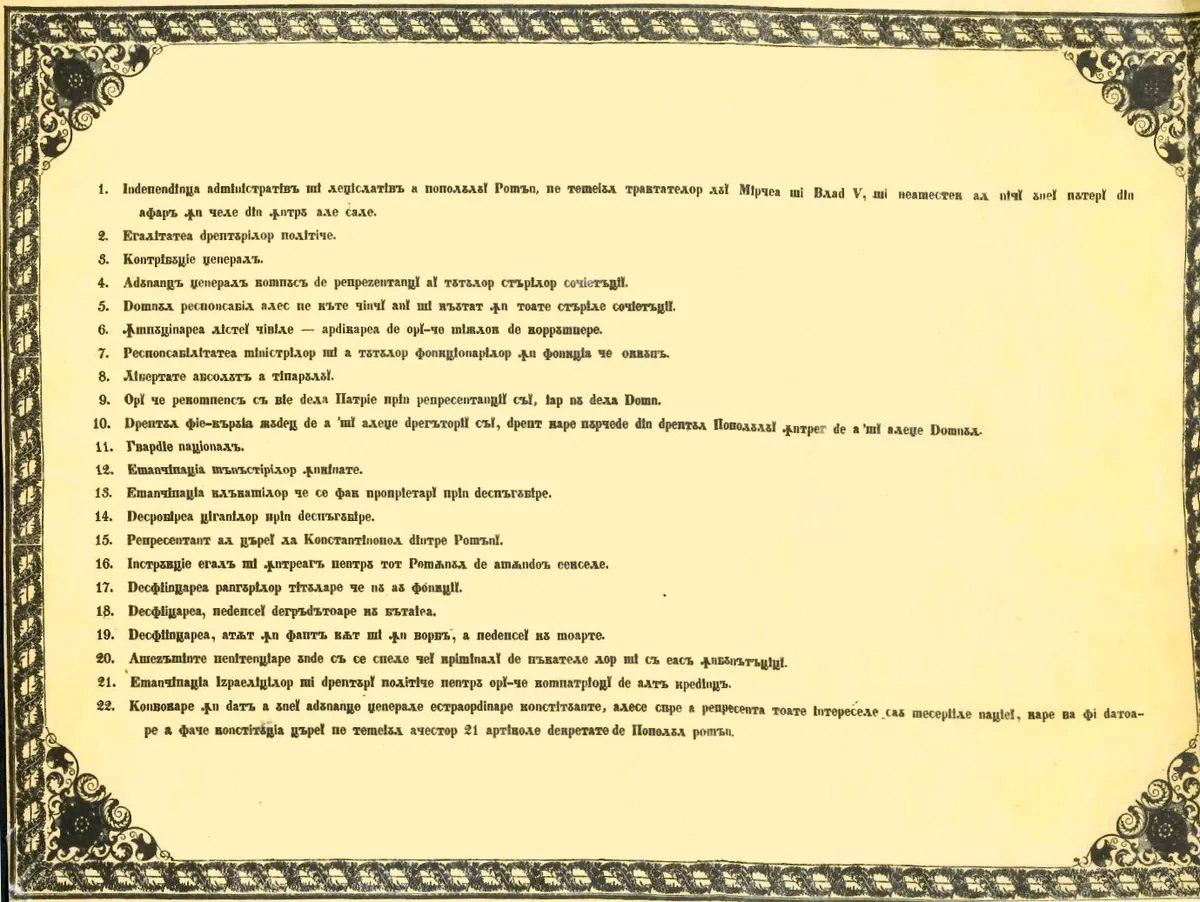
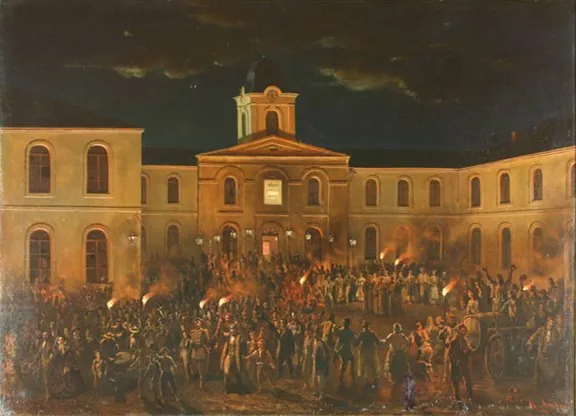
The Islaz Proclamation, 9 June 1848: 22 articles. Point 13: “Emanciparea clăcașilor ce se fac proprietari prin despăgubire” (“the emancipation of the clăcași, who become owners through compensation”). Bălcescu, who drafted the proclamation, had proposed “împroprietărirea fără despăgubire” (“the land grant without compensation”). On 14 June, the tricolour decree adds the motto: “DREPTATE, FRĂȚIE”.



10 October 1926
The peasants name a party
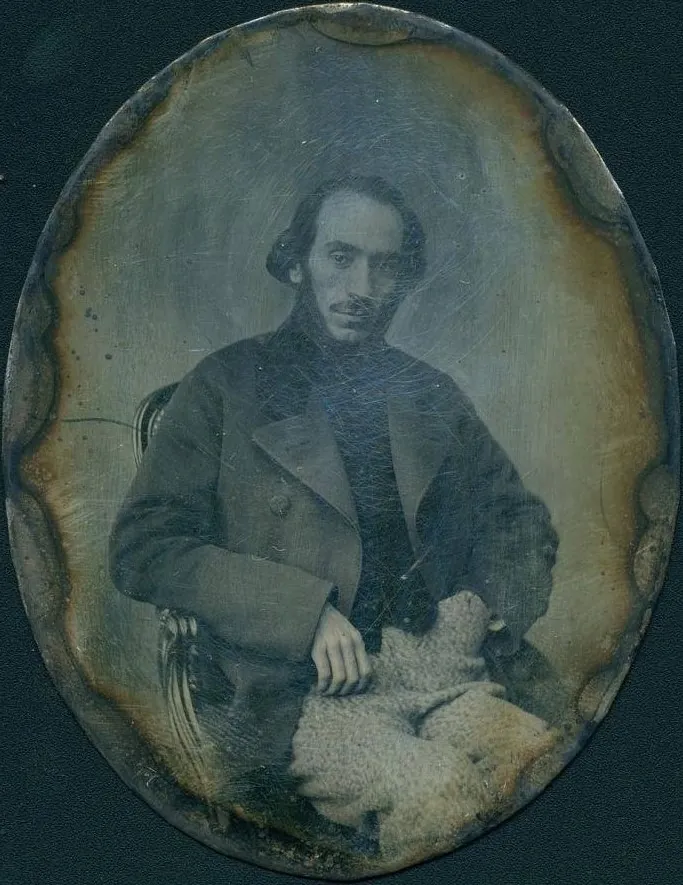
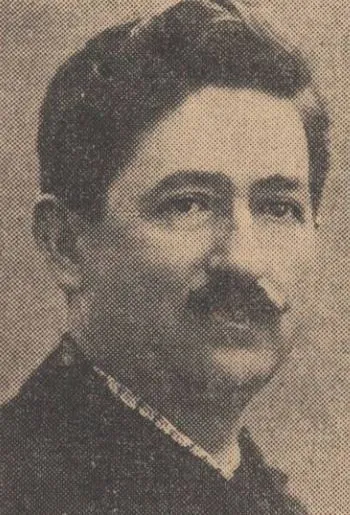
On 10 October 1926, the Peasant Party merges with the Romanian National Party: the National Peasants' Party is born. “formed in 1926 through the fusion of the Romanian National Party … and the Peasants' Party”. The year is confirmed by several sources; the day, by a single account.

What we do not know (and say so)
- The first use of țară or pământ in a charter: undated on this page. The first attestations in Romanian, per MDA2, stay the Hurmuzaki folios (75r/4, 69v/16).
- Any Blaj wording from May 1848: unverified — this page does not quote it.
- The day of 10 October 1926: a single account gives it; the year 1926 is confirmed by several sources.
- How “țeară” sounded in Neacșu's mouth: the spelling “Țeara” is all we have.
- Old Slavic or Hungarian loans for these two words: the dictionaries consulted do not support them.
A good dictionary shows its gaps too. Sometimes the most exact etymology is: we do not know yet.
Neighbouring pages
Two live pages carry the story further; two are being written.
The first Romanian sentence was a spy alert
scrisoarea-lui-neacsu
The Unwritten Jurisprudence: the Carpathian commons
obiceiul-pamantului
In preparation:
How the Romanians' name came to mean serf
rumanul-rob
The village was once a ditch
satul-fossatum
Every dated statement points at its source; the full list sits in Sources.
Sources
Dictionaries first, then documents and studies. Every dated statement points at its source.
Dictionaries
- țară: DEX '09, DER, MDA2, Șăineanu (dexonline)
- pământ: DEX '09, MDA2, Scriban, Șăineanu (dexonline)
- pavimentum (Wiktionary)
- pavement: terre/pavement, earth/pavement (etymology)
Documents and studies
- Neacșu's letter (EN-wiki)
- The oldest dated text (studii.crifst.ro, PDF)
- The 29/30 June 1521 dating (Argesis 2011, PDF)
- The Hurmuzaki Psalter, 1491–1504 (EN-wiki)
- Islaz, point 13: Bălcescu/Heliade (Carpica XXVII, PDF)
- The Islaz Proclamation, 22 articles (PDF)
- The tricolour decree, 14 June 1848 (Pisoschi, PDF)
1926
- The National Peasants' Party (EN-wiki)
- The Peasant Party (EN-wiki)
- The 10 October 1926 merger (EN-wiki)
- The Maniu–Mihalache fusion (Britannica)
Type: Fraunces, Newsreader and Atkinson Hyperlegible, under the SIL Open Font Licence.