ROMANUS → RUMÂN → ROMÂN
How the Romanians' name came to mean “serf” — and back
“Roman had come to mean «a serf bound to the soil», until today it has returned to its old honour.” That is how the lexicographer Scriban summed up, in a single sentence, the journey of our name: from the citizen of Rome to the peasant bound to the soil — and back.
- 16TH–18TH C.
- rumân = peasant bound to the soil in Wallachia
- 1746 · 1864
- two emancipations: the end of serfdom, then land for the tenants
- 1819
- Maior prints the Orthographia Romana at Buda

The word changes its skin before your eyes:
- ROMANUS Latin · citizenLat. romanus — Șăineanu: “[Și rumân = lat. ROMANUS]”
- RVMAN on stone · the same wordin inscriptions, U was written V
- rumân 16th–18th c. · serfDEX: “dependent peasants… serf”
- român 1581–today · nationPalia, 1581–82: “fraților români”
The dictionary, read aloud
Open DEX at “român”. Read the third definition.
“(In the form rumân) The name given, in the Middle Ages, in Wallachia, to the peasants dependent on feudal masters; serf.”
That is all. The people's name, in its old form, also means “serf”. Sentence by sentence: how it got there — and how it got out.
THE RUMÂN BELOW
The form of the many kept the serf sense: the rumân bound to the estate.
THE ETHNIC ROMÂN
The ethno-linguistic form kept the people sense: the Romanians, the Romanian language.
The same word, two social destinies. The split is on record in the 17th century.
Chapter I · where the word starts
Romanus: the citizens
The word is inherited from Latin in a straight line: Șăineanu writes, curtly, “[Și rumân = lat. ROMANUS]”.
Ciorănescu settles the u-form too: “Phonetically, the rumân form is correct.” In other words, unstressed o closed naturally to u — the language's ordinary passage, not a corruption.
So the natural heir of romanus sounds like rumân. But the road from “citizen of Rome” to “peasant” was not made of sounds; it was made of society, and the next chapters walk it.


The u-form is not a mistake. It is the inheritance.
Chapter II · what strangers heard
The Romei of the Carpathians
Before anyone was bound to the soil, foreign travellers already heard, in the mountains, a people calling itself “Romans”. Two testimonies from the 1530s, quoted via the synthesis cited under sources:
Francesco della Valle, 1532
si dimandano in lingua loro Romei
“…in their own tongue they call themselves Romei”; he also notes Sti Rominest? — “Do you know Romanian?”, i.e., in his rendering, “Sai tu Romano”.
Tranquillo Andronico, 1534
now call themselves Romans
“…now call themselves Romans”: the Dalmatian writing in Latin hears them just as the Italian did, two years apart.
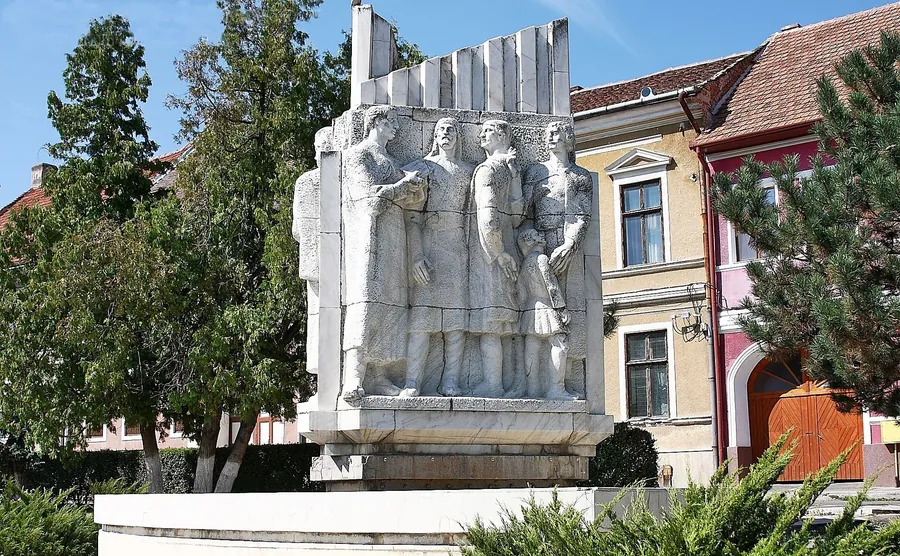

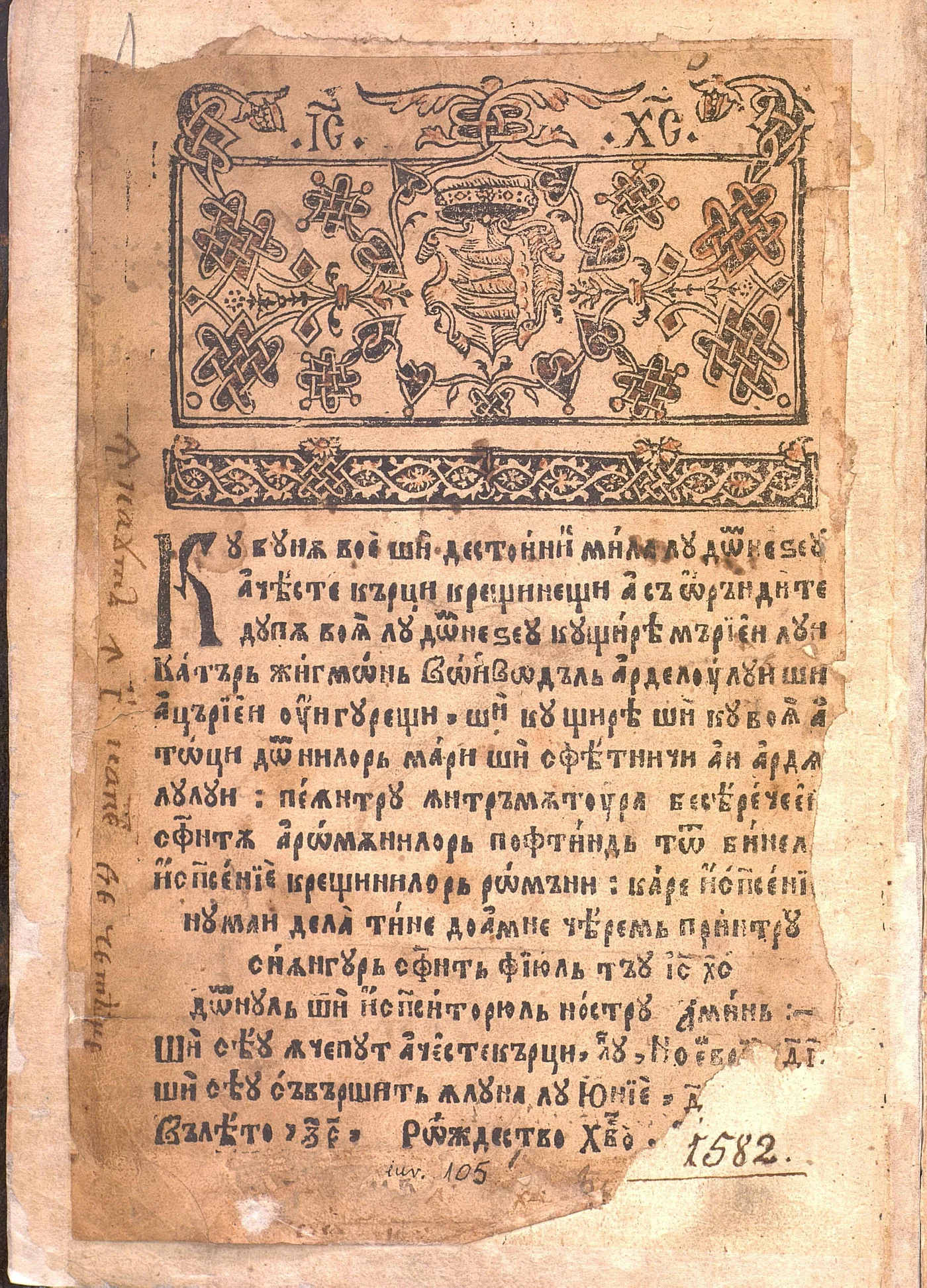
Soon after, the word reaches print: the Palia de la Orăștie (1581–1582) writes to the “fraților români”. An early printed attestation — this page does not claim it is the first; Orăștie honours its book with a monument.
Chapter III · the descent
The Binding, 1595
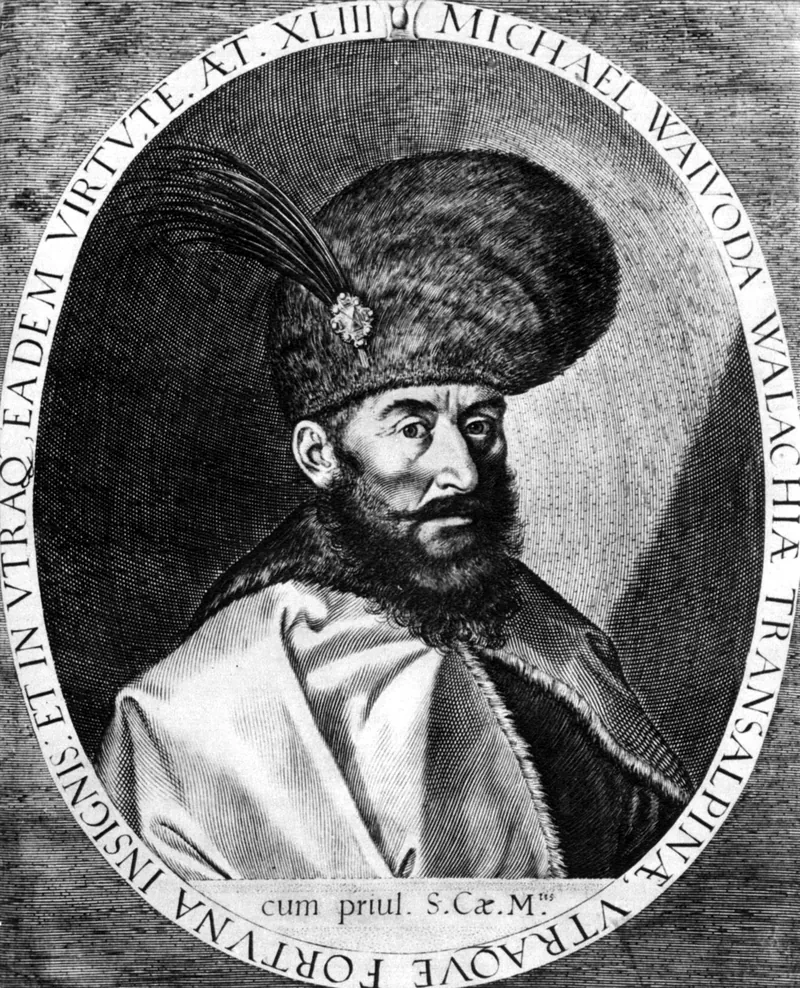
In Wallachia, the people's name slid down the social ladder: from “the common people” to “the people bound to the estate”. Michael the Brave's law froze the slide.
First, the sense: in the 17th century, as serfdom generalized, rumân/român — which had also meant “the common people” — came to mean “bondsman”. The class split is crisp: the lower-class rumân kept the serf sense, while român kept the ethno-linguistic one.
The geography of bondage had its own words: the “serf” sense of rumân was said only in the old order of Muntenia — in Moldavia it was vecin, in Transylvania iobag.
Then, the law. Michael's Binding tied the serfs “for eternity” to the estate on which they lived — and left historians a first-rate mystery: the original act has not survived. The earliest testimony speaking of it is a deed of 24 April 1613, and scholarship splits three ways: some say the law merely codified an old order, others that it banned the return of runaways, others that it bound formerly free peasants too.
What dictionaries quote as “every rumân shall remain forever in this state” is not the 1595 text — it is a lexicographer's paraphrase, Șăineanu's, and this page says so plainly wherever it is used.

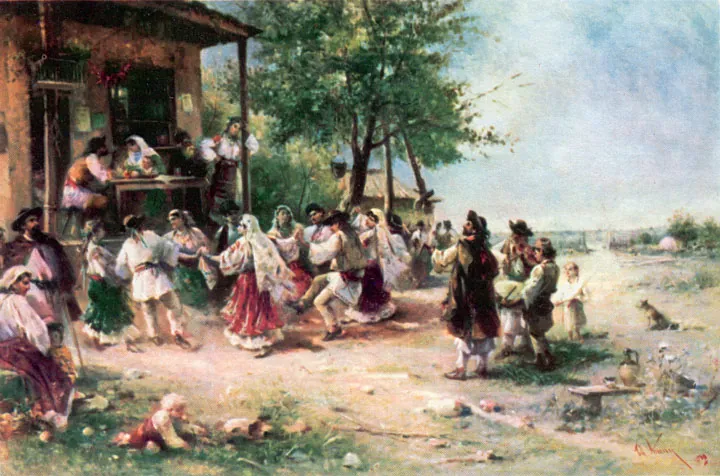

The moșneni — the small freeholders — pressed by taxes, “began to sell themselves (from the 16th c.) to princes, monasteries or boyars, and thus became rumâni”. That is how the class of the soil-bound filled up, person by person.
The name did not fall alone. The people were pushed.
Chapter IV · the war of one letter
The war of the letters: u versus o
For centuries, rumân and român lived side by side. The battle was fought over a single letter — and the Latinists did not invent it, as is often said.
Ciorănescu's verdict is trenchant and double: “Phonetically, the rumân form is correct, while român is owed to the analogy with roman, being the neologistic form of the late 16th century.” In other words: the u is inherited, the o was rebuilt on a Latin model — and the o-form had already been circulating since the late 1500s.
And Scriban caps the legend: “The Român form is used by the cultured world… it is no fabrication of the Latinists!” He also notes the geography of the forms: Român among the cultured and in the north and east, Rumân in the west and the south.
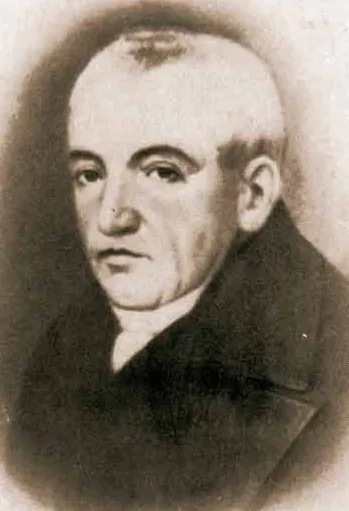
The symbolic moment of the etymological camp remains Petru Maior, with the Orthographia Romana sive Latino-Valachica, printed at Buda in 1819 — the book that wanted Romanian written as close to Latin as possible.

How the vowel was rebuilt:
ROMANUS
LatinATTESTED
(direct inheritance) direct inheritance
rumân
inherited u, phonetically correctATTESTED
(analogy with roman (Ciorănescu)) analogy with roman (Ciorănescu)
român
rebuilt o, since the late 16th c.ATTESTED
The chain shows the dictionaries' verdict, not the unanimity of linguists: every link is quoted, not decreed.
Chapter V · two ways out of bondage
Two emancipations
The story needs two dates, not one: the end of serfdom and, a century later, land for the tenants.
1746: the unbinding
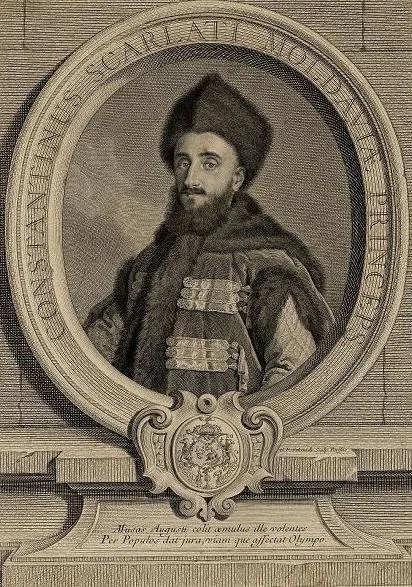
Constantin Mavrocordat abolishes serfdom in Wallachia on 5 August 1746 and in Moldavia on 6 August 1749: peasants gain freedom of movement from one estate to another, for a fee of 10 löwenthaler. After the abolition, the rumân form begins to fade, and spelling settles towards român/românesc.


1864: the land
The Cuza–Kogălniceanu programme passes through the coup of 2 May 1864, which dissolves the hostile parliament; the rural law is promulgated on 14/26 August 1864. It frees the peasants from the corvée and the tithe and makes them free proprietors of their holdings. This is the emancipation of the tenants, not the end of serfdom: serfdom had ended in 1746.
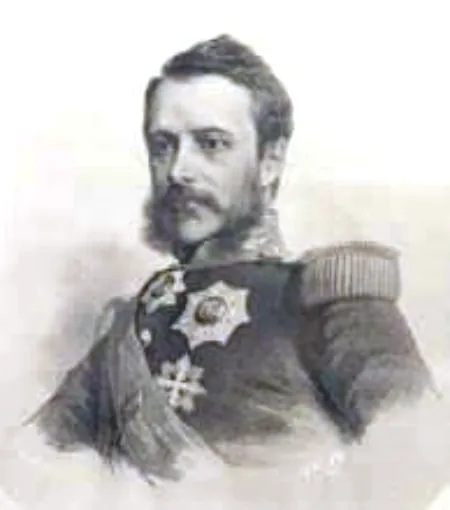

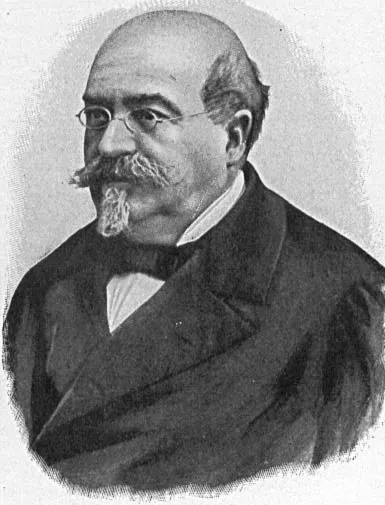

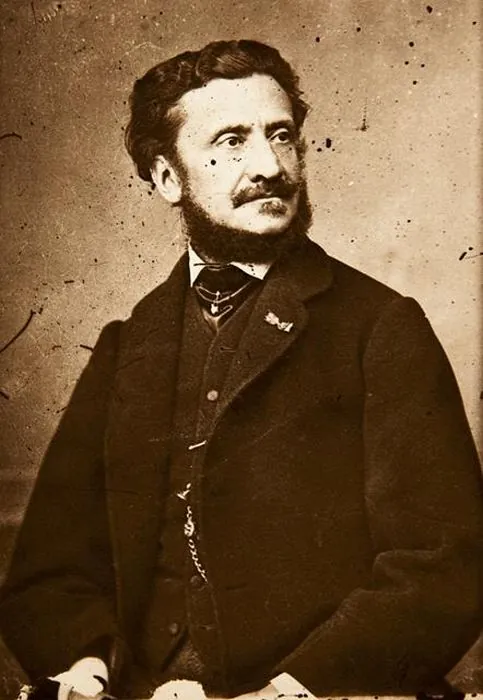

The politics of the Cuza age have their own pages — the currency at leul-1867, the 1848 echoes at era-golescu-grec; here we care only about what the law meant for the people and for the word.
Chapter VI · the restored name
The Român
At the end of the road, the word came home — but living fossils remained.
In Maramureș, people “pronounce rumân, Rumânia” to this day: the old form lives on as regional speech, not as a social state. Nobody is a rumân any more; everybody is român.
And Scriban's sentence remains this page's epitaph and programme: “Roman had come to mean «a serf bound to the soil», until today it has returned to its old honour.”

The Name Engine · scroll
The Name Engine
One word, eight dated stops. Scroll and watch the word rewrite itself, its old senses ghosting away as new ones arrive.
1532
Romei
a living ethnonym
“si dimandano in lingua loro Romei” — Francesco della Valle hears the locals call themselves Romei.
a living ethnonym
“si dimandano in lingua loro Romei” — Francesco della Valle hears the locals call themselves Romei.
Name of Romania, ref. 8
a living ethnonym
“now call themselves Romans” — Tranquillo Andronico, two years later, hears the same.
Name of Romania, ref. 7
an ethnonym in print
“și le-au dăruit voo fraților români” — the Palia de la Orăștie puts the word into print.
Palia de la Orăștie, 1581–1582
a serf bound to the soil
Michael's Binding ties the serfs “for eternity” to the estate where they lived. The original act has not survived.
Michael's bond
a serf, in a surviving deed
The earliest surviving testimony of the Binding: the deed of 24 April 1613.
Michael's bond
a serf, then a free person
Mavrocordat abolishes serfdom (1746 in Wallachia, 1749 in Moldavia); the rumân form begins to fade.
Serfdom in Moldavia and Wallachia
a nation, with an etymological o
Petru Maior prints the Orthographia Romana at Buda: the o rebuilt on a Latin model.
Dacoromania XXIII/2
a citizen with land
The rural law frees the tenants from corvée and tithe and makes them free proprietors.
Land reform in Romania
The years flow; the current form is marked.
Quiz · six quotes
Serf or Roman?
Six true quotes from six centuries of language. Guess what the word was in each: citizen, commoner, serf or nation?
1
Lat. romanus — “Roman, of Rome”
Right: citizen. Here the word means belonging to Rome.
2
“the ethno-linguistical designation rumân/român also denoted common people”
Right: commoner. Before it meant serf, the word meant ordinary people.
3
“si dimandano in lingua loro Romei”
Right: nation. The traveller hears the ethnonym, not a social state.
4
“to the peasants dependent on feudal masters; serf”
Right: serf. The third definition, the one this page was born from.
5
“every rumân shall remain forever in this state” (a lexicographer's paraphrase)
Right: serf. And keep the label: it is a paraphrase, not the 1595 text.
6
“The Maramureș people pronounce rumân, Rumânia.”
Right: nation. The old form, still spoken today, but with the people-sense.
Score: 0/6 Quotes still unguessed.
Debunkings · three myths
Three things that are not true
Each myth below genuinely circulates. Each falls at the first confrontation with the dictionary.
“The Latinists invented român”
NO. Scriban, curtly: “no fabrication of the Latinists”. And Ciorănescu dates the o-form “to the late 16th century” — two centuries before the spelling battle.
“Serfdom was abolished in 1864”
NO. Serfdom was abolished by Mavrocordat, in 1746–1749. The 1864 law freed the tenants from corvée and tithe and gave them land — a second emancipation, not the first.
“rumân was always a slur”
NO. rumân meant in turn “commoner”, “peasant” — Șăineanu gives it as a synonym of peasant — and only then “serf”. It is a documented semantic slide, not an eternal insult.
Sources and method
Every weight-bearing statement on this page points at one of the sources below. Where the source is a tertiary synthesis, the page says so; where the act was lost, the page says so.
Dictionaries (via dexonline)
- DEX '09, s.v. roman — the “in the form rumân: serf” definition
- Șăineanu, s.v. rumân — “subject to statute labour, serf” + the Binding paraphrase
- Scriban — “a serf bound to the soil… old honour”; “no fabrication of the Latinists”
- Ciorănescu, DER — “Phonetically, the rumân form is correct… analogy with roman”
Historical syntheses
- Name of Romania — the “common people → bondsman” arc, the 1532/1534 travellers, the Palia
- Michael's bond — “for eternity”, the lost act, the 24 April 1613 deed
- Serfdom in Moldavia and Wallachia — 5 August 1746 / 6 August 1749
- Land reform in Romania — 2 May and 14/26 August 1864, corvée and tithe, allotments
- History of the Romanian language — unstressed o reduced to u
Studies
Sister pages
- rascoala-1907 — the neighbour from 1907
- leul-1867/" rel="noopener">leul-1867 — the currency of the Cuza age
- era-golescu-grec/" rel="noopener">era-golescu-grec — the 1848 echoes
Method
The 1595 act has not survived.
This page never quotes the “text” of the Binding, because there is none. The only quote labelled as the Binding's is a lexicographer's paraphrase, and it is marked as such.
The travellers' quotes come via a synthesis.
The 1532 and 1534 wordings are given after the cited historical synthesis; checking them against the critical editions remains an open task, noted in the register.
The dictionary is a primary source here.
For a story about a word, the dictionary is a witness, not an appendix: DEX, Șăineanu, Scriban and Ciorănescu are quoted word for word, with a pointer to the consulted page.
The spelling of quotes.
Quotes from old dictionaries and books are rendered in current spelling (rumîn → rumân); the words are the source's.
Type: Fraunces, Newsreader and Atkinson Hyperlegible, under the SIL Open Font Licence.