mariuscomper.uk

Railway atlas · infrastructure

Map of Romania's spectacular railway tunnels and viaducts

From Teliu Tunnel, the classic 4,369.5 m record, to Caracău Viaduct, rebuilt three times, and the new Ormeniș and Homorod tunnels that will surpass it: a map of the railway engineering works that pierced the Carpathians — with verified lengths, free photographs and the disputed tallies, out in the open.

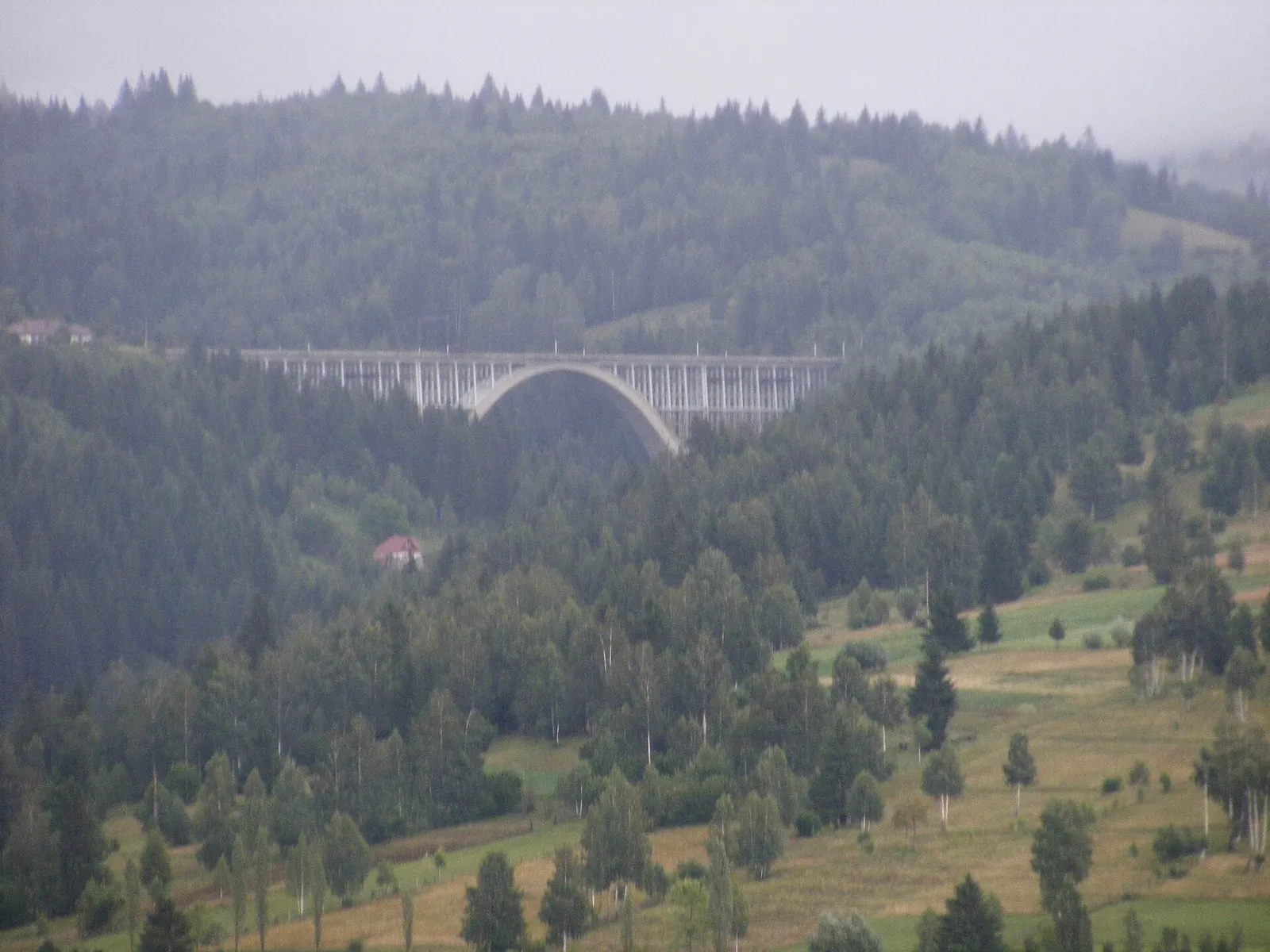
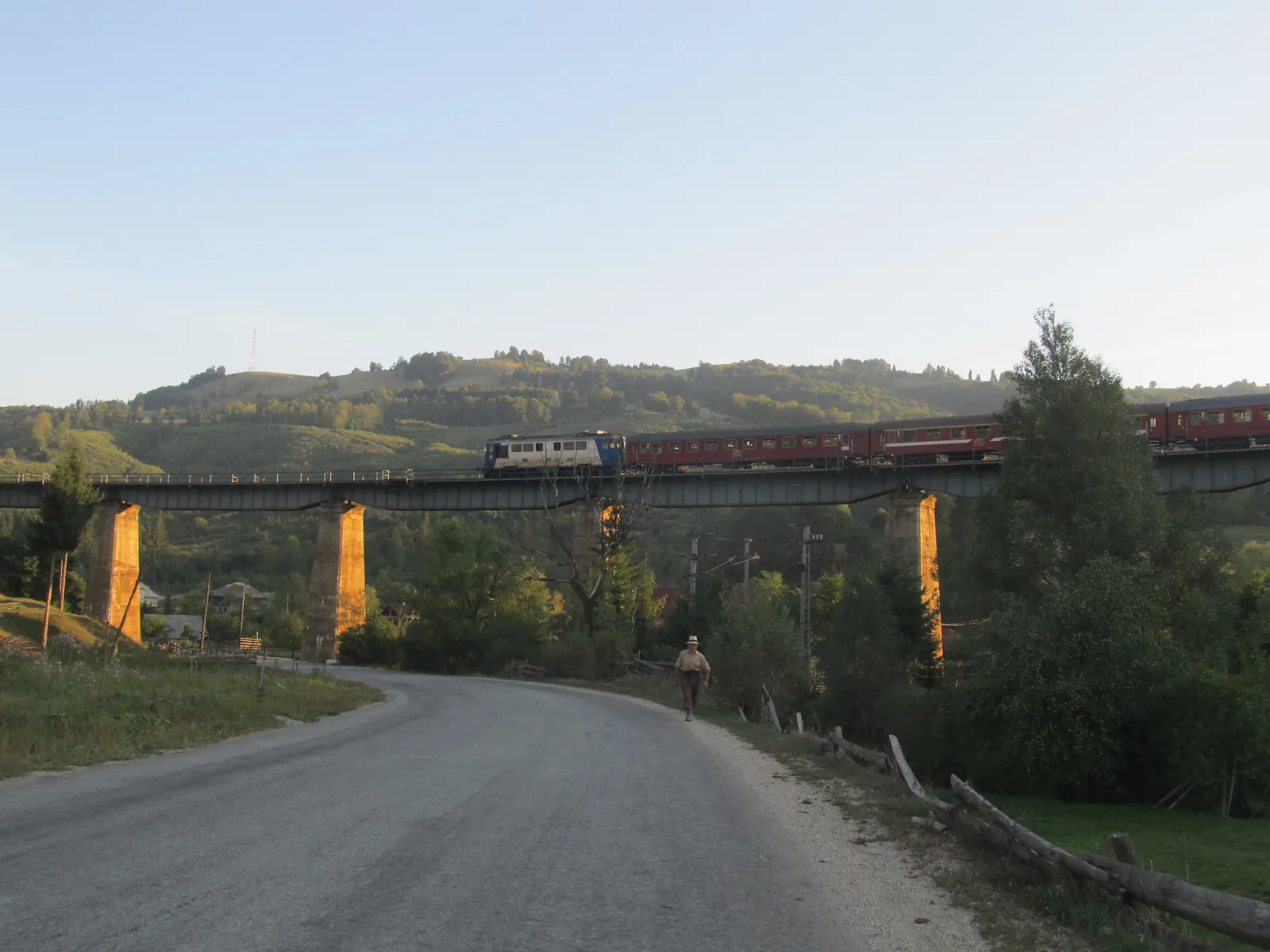
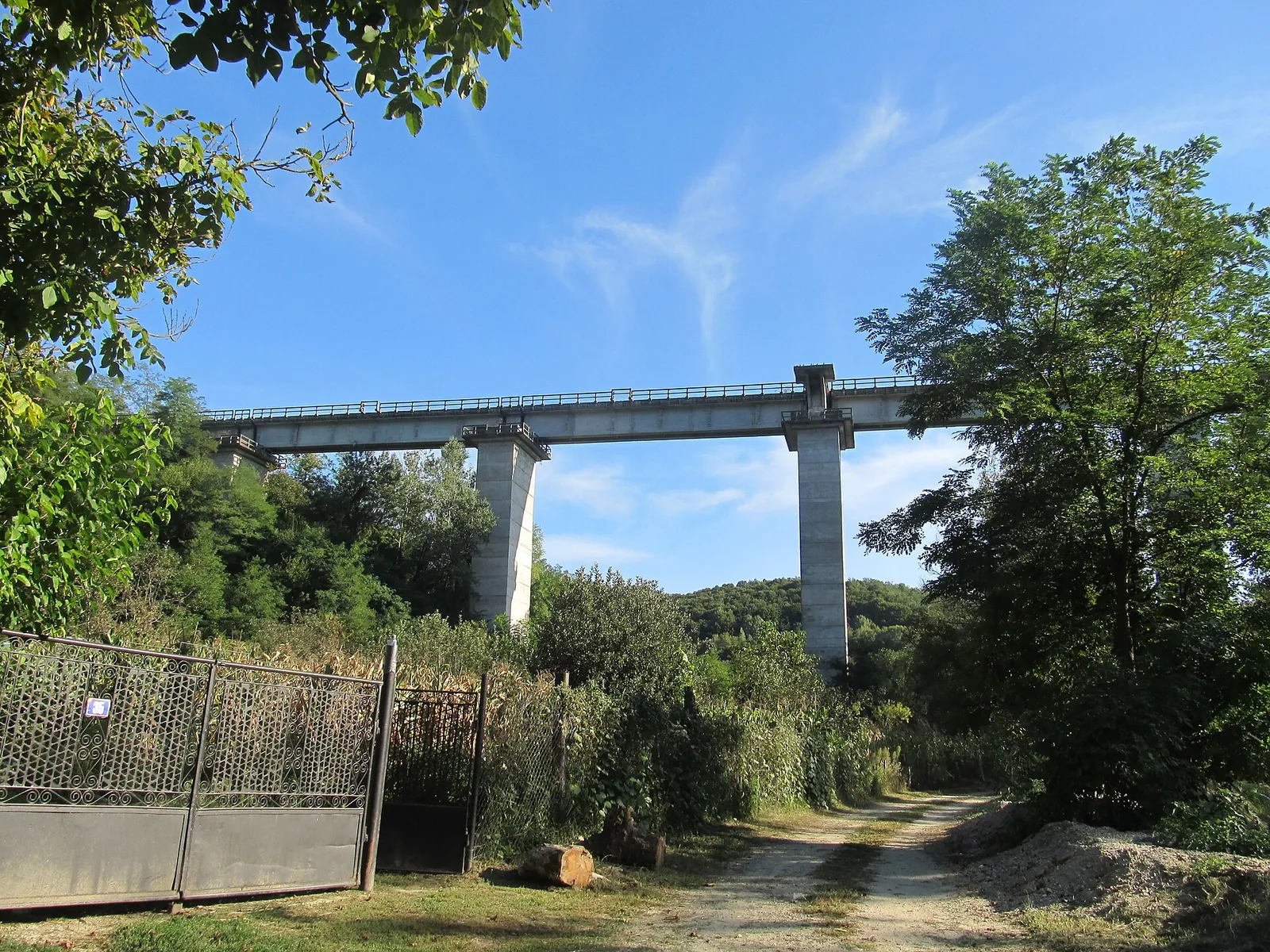
Caracău Viaduct, seen across the valley
Caracău Viaduct (264.80 m, 64.4 m), reopened on 14 September 1946

Photo: Szabi237, CC BY 3.0, via Wikimedia Commons

Share the map

Map

Each dot leads to the object's profile. Large dots are sections — whole lines or works — not portals. The ~ sign means an approximate or source-rounded value.

Positions from verified coordinates (Commons, OSM, Eisenbahnatlas). Outline: project data.

Romania's longest railway tunnels

Three rankings, not one: tunnels trains pass through today, tunnels no train ever passed through — or passes no longer — and the two works that will rewrite the top. Mixed together, they would lie.

In service

  1. Teliu Tunnel4.37 kmEisenbahnatlas rounds to 4,369 m
  2. Berești–Tălășmani Tunnel~3.33 km~3,330 m in press and historic works
  3. Maramureș Tunnel (Șetref)2.388 kmspecialist list
  4. Mestecăniș, bore II (1982)1.688 kmspecialist list
  5. Mestecăniș Tunnel (bores I and II)1.646 kmbore I: 1,646.4 m (1902)
  6. Ciumani Tunnel1.223 km1,223 m in the specialist list
  7. Cârligu Mare 2 (1982)1.211 kmspecialist list
  8. Cârligu Mare 1 (1982)1.117 kmspecialist list
  9. Daneș Tunnel969 mspecialist list
  10. Turdaș Tunnel780 m780 m (CFR/Eisenbahnatlas)
  11. Filești Tunnel (bores I and II)770 m770 m both bores (local press quotes a CFR report)
  12. Drăguioasa (1949)745 mspecialist list
  13. Gârliște, Oravița–Anina (1863)660 mspecialist list

Abandoned, demolished or unfinished

  1. Izvor Tunnel (Sinaia–Pietroșița)5.918 km5,918 m designed, of which ~1,800 m dug (1913, unfinished)
  2. Gibei Tunnel2.24 km2,240 m (specialist list)
  3. Ploștina Tunnel1.91 km1,910 m (specialist list)
  4. Hârlău (1998, unbuilt line)899 mspecialist list
  5. Mănăstirea Turnu (1951–1978, destroyed)592 mspecialist list
  6. Diana Tunnel (Șinca Nouă)535 m535 m, 1908 (specialist list)
  7. Palas Tunnel (Constanța)490 m490 m, 1902 (specialist list)
  8. Cârligu Mic Tunnel (old)~349 m349 m in the specialist list, 451 m per the Commons page (1901–1978)
  9. Posada Mare Tunnel (old)139 m139 m, 1872 (specialist list)
  10. Bușteni Tunnel (old)132 m132 m (specialist list)

Under construction

  1. Ormeniș Tunnel6.916 km6.916 km in the CFR documentation (2025)
  2. Homorod Tunnel5.144 km5.144 km in the CFR documentation (2025)

The record, before and after

Teliu measures 4,369.5 m. Ormeniș is designed at 6.916 km, Homorod at 5.144 km — both twin single-track bores, on the Apața–Cața section. If completed at these lengths, Teliu drops to third place.

  1. Teliu (today)4.37 kmthe historic record
  2. Homorod (works)5.144 kmCFR documentation
  3. Ormeniș (works)6.916 kmCFR documentation

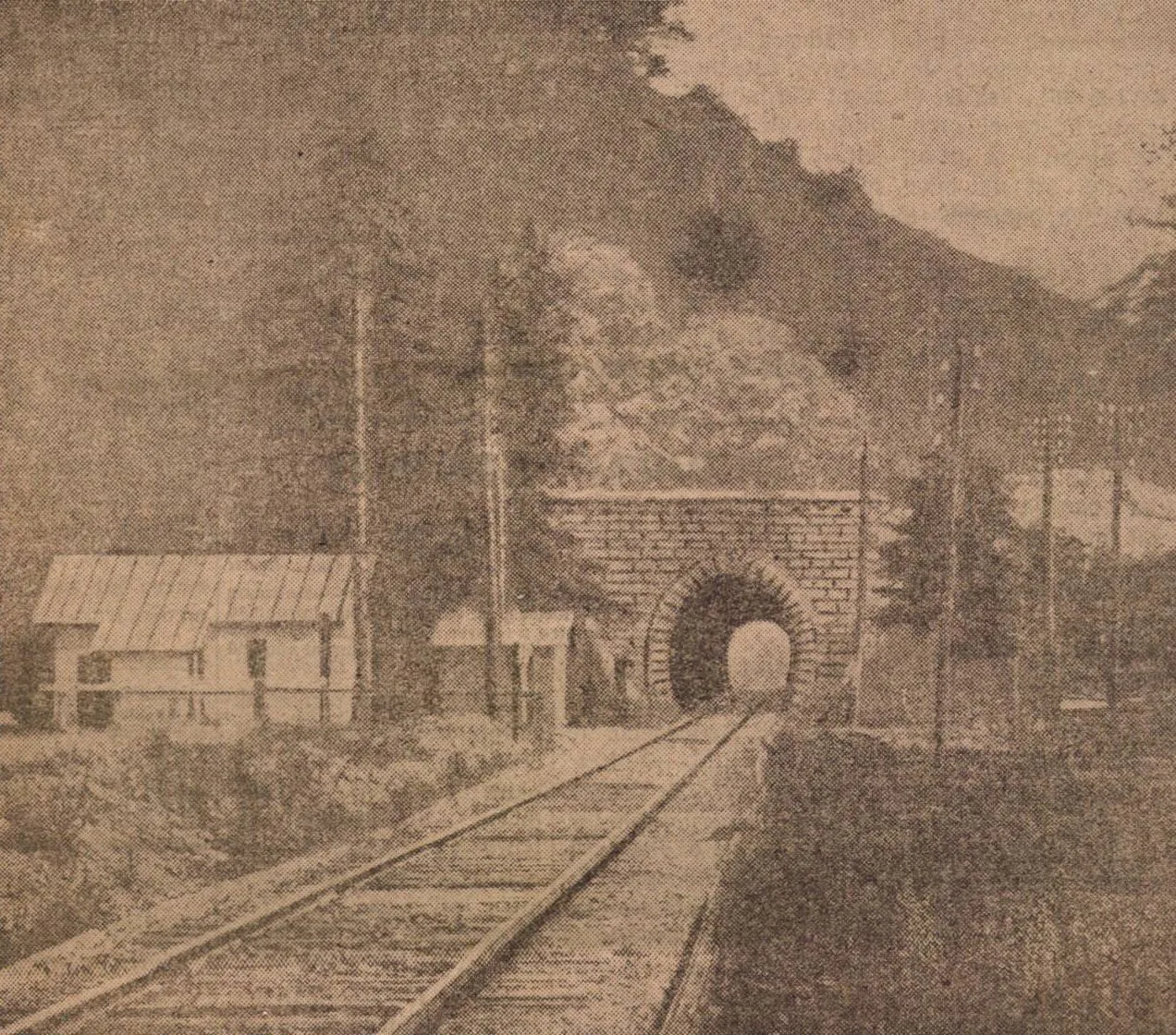
Teliu Tunnel: 4,369.5 m for a road that never reached Buzău

The Brașov–Întorsura Buzăului line is some 37 km long and opened in 1931, with the tunnel ready since 1929. It cost a lot, for what remained of an even bigger plan: extending it over the Carpathians to Buzău, to relieve the Brașov–Ploiești line. The extension was never built.

The tunnel stood isolated after the flood took the Budila viaduct on 30 June 2018. In 2026, Regio trains run again between Brașov and Întorsura Buzăului, daily — you can pass through it on an ordinary ticket.

On the same line, three tunnels and a viaduct

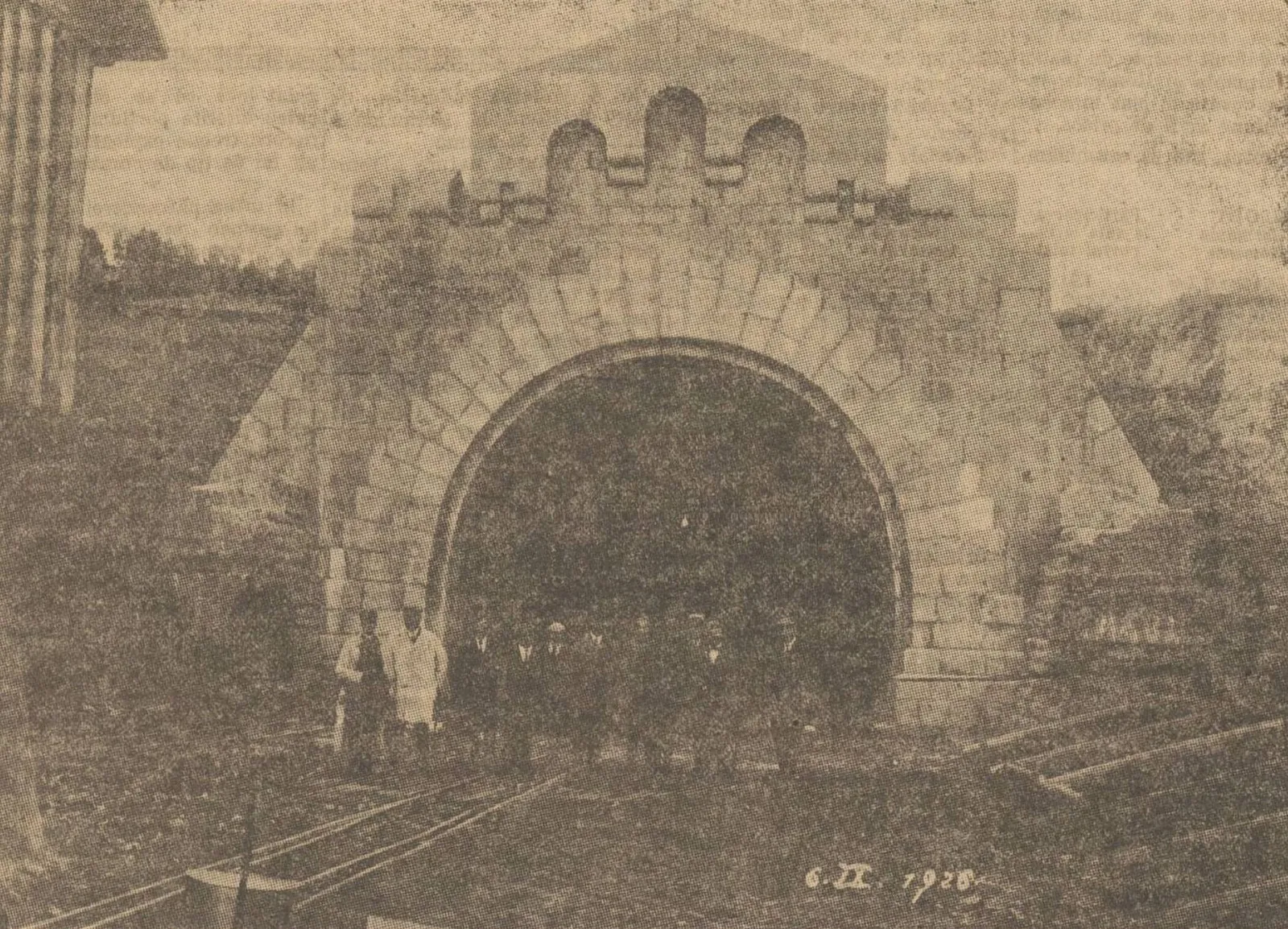
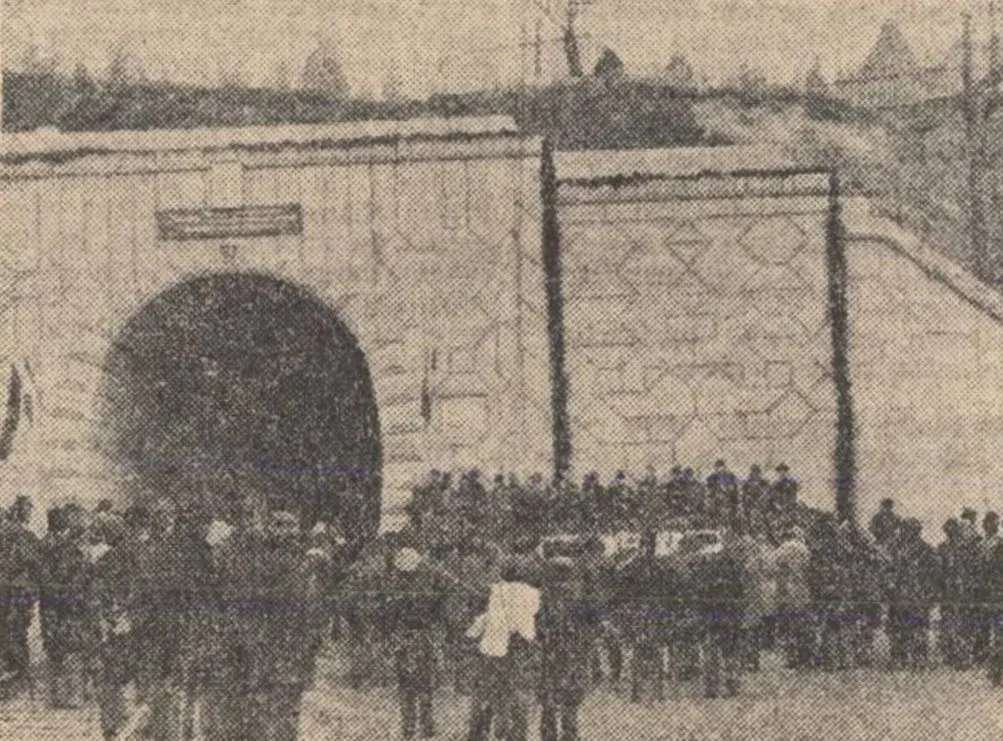
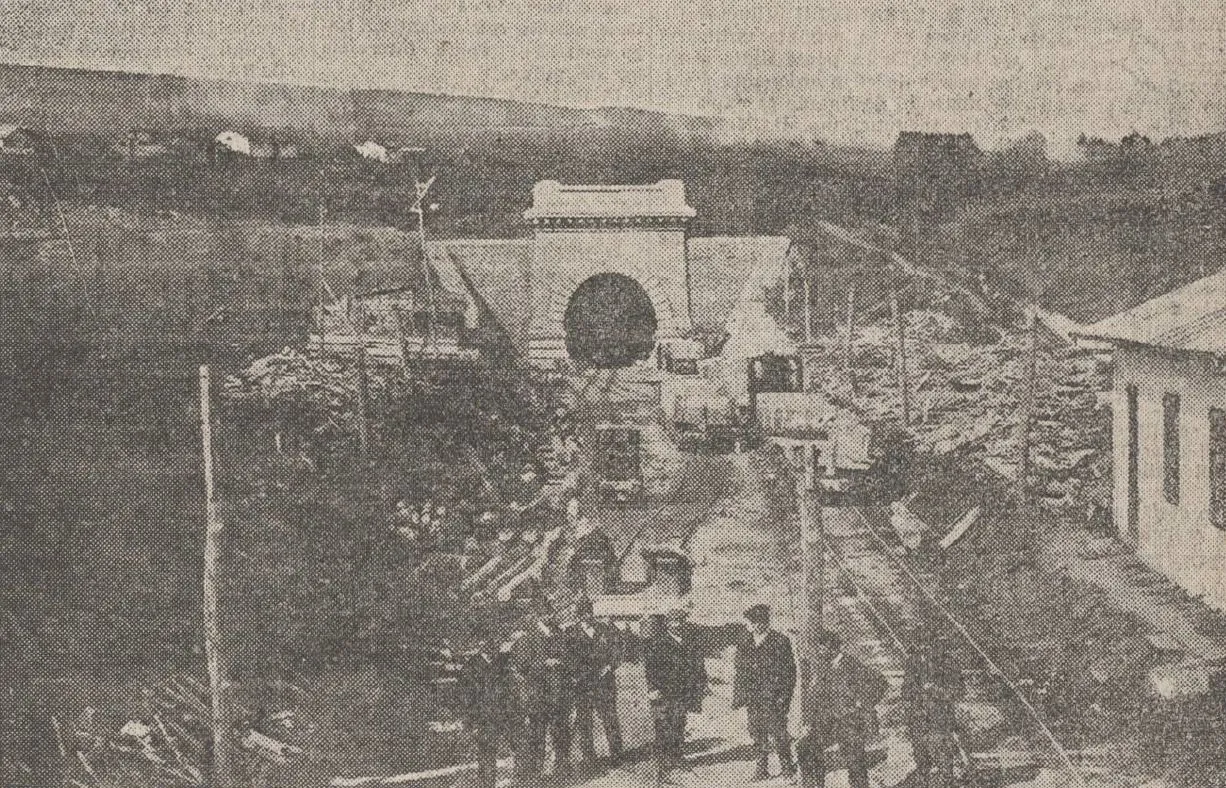
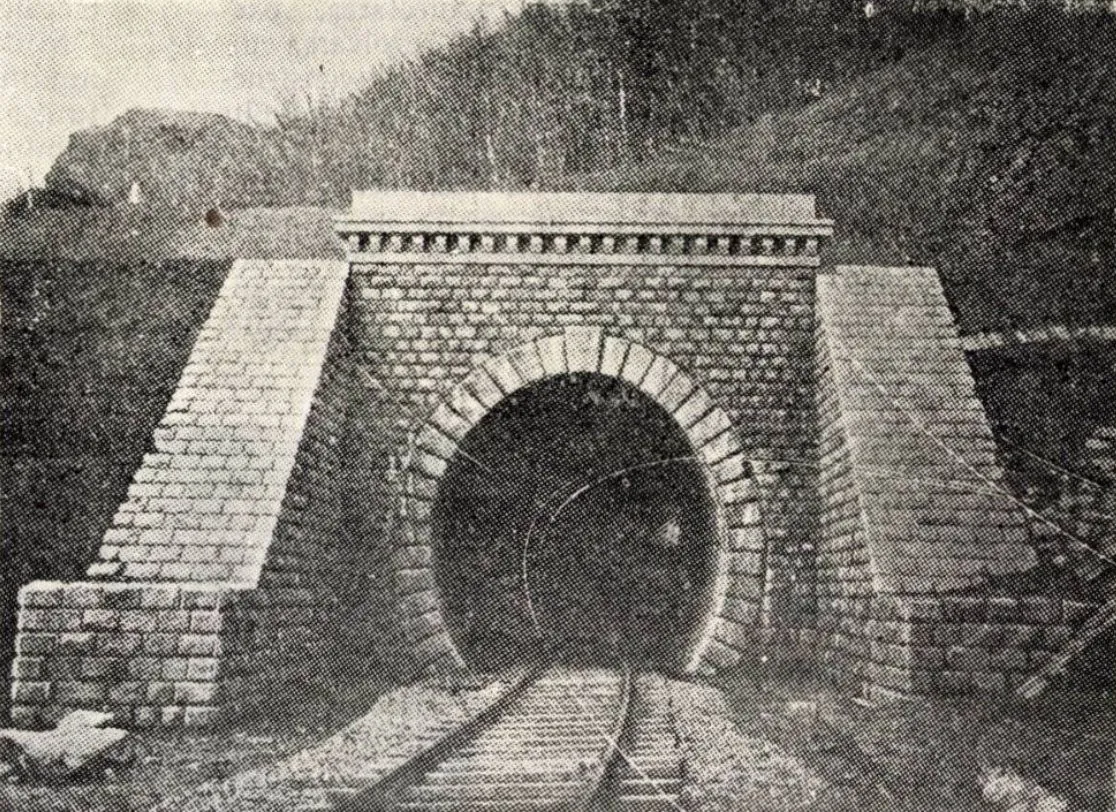
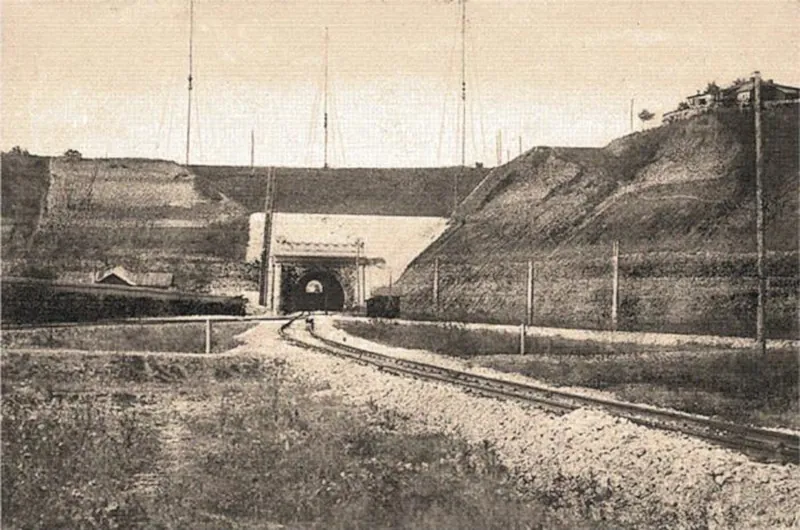
Teliu Tunnel's portal in a 1926 photograph

Photo: Unknown author, Public domain, via Wikimedia Commons

Teliu Tunnel

tunnel in service

Line
Brașov–Întorsura Buzăului (line 403)
County
Brașov County — Teliu
Length
4.37 km · Eisenbahnatlas rounds to 4,369 m; OSM measures 4,366 m
Years
tunnel finished in 1929; line opened in 1931
Passenger trains
yes — Regio Brașov–Întorsura Buzăului, daily (published 2026 timetables)

Romania's longest railway tunnel in service: 4,369.5 m dug in the 1920s for a Carpathian link that never reached Buzău.

Sources: Romanian railway tunnels list (opfer.ro, C. M. Bădită) · Railway history (Transira) — the Brașov–Întorsura Buzăului line · Teliu Tunnel category (Commons)

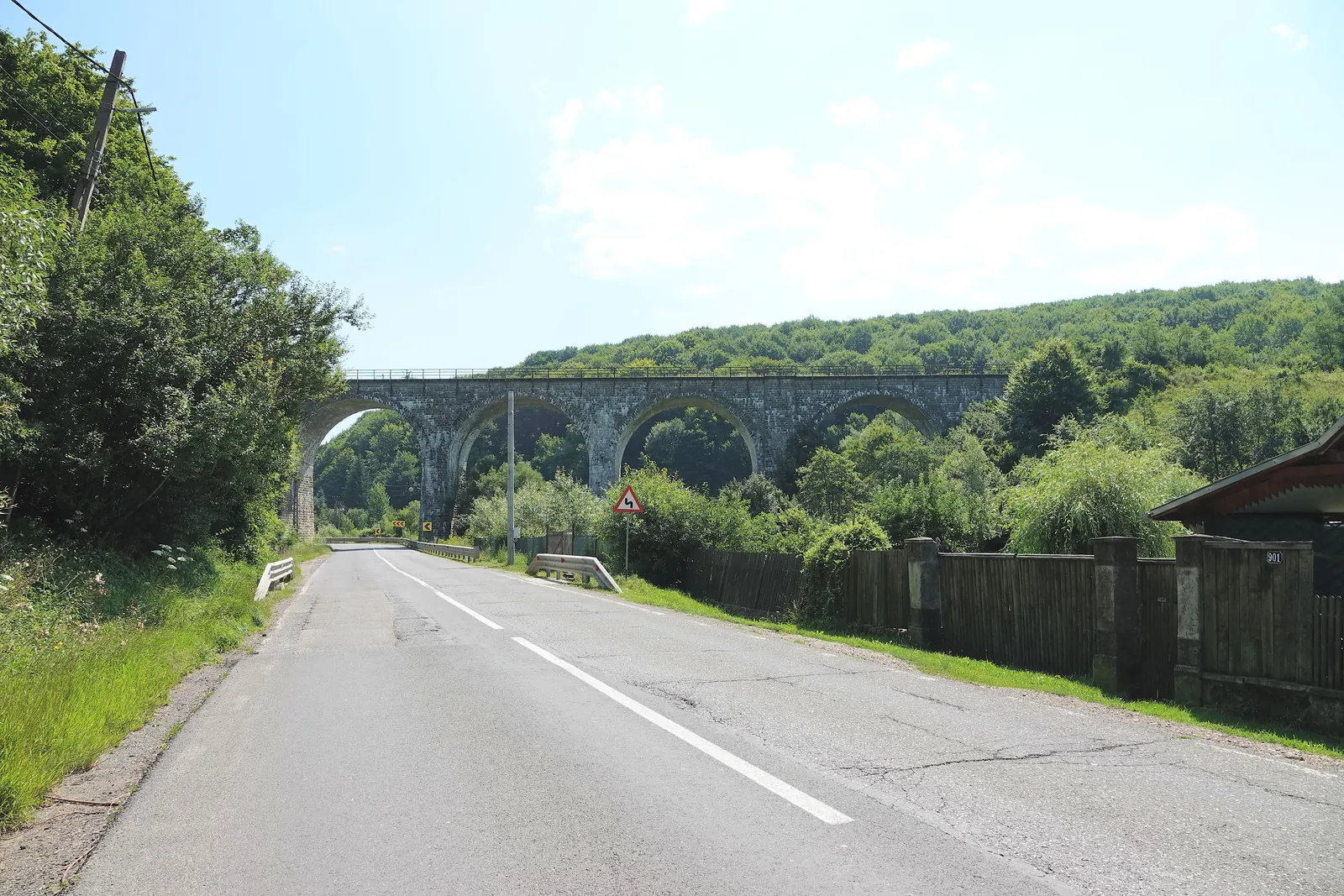
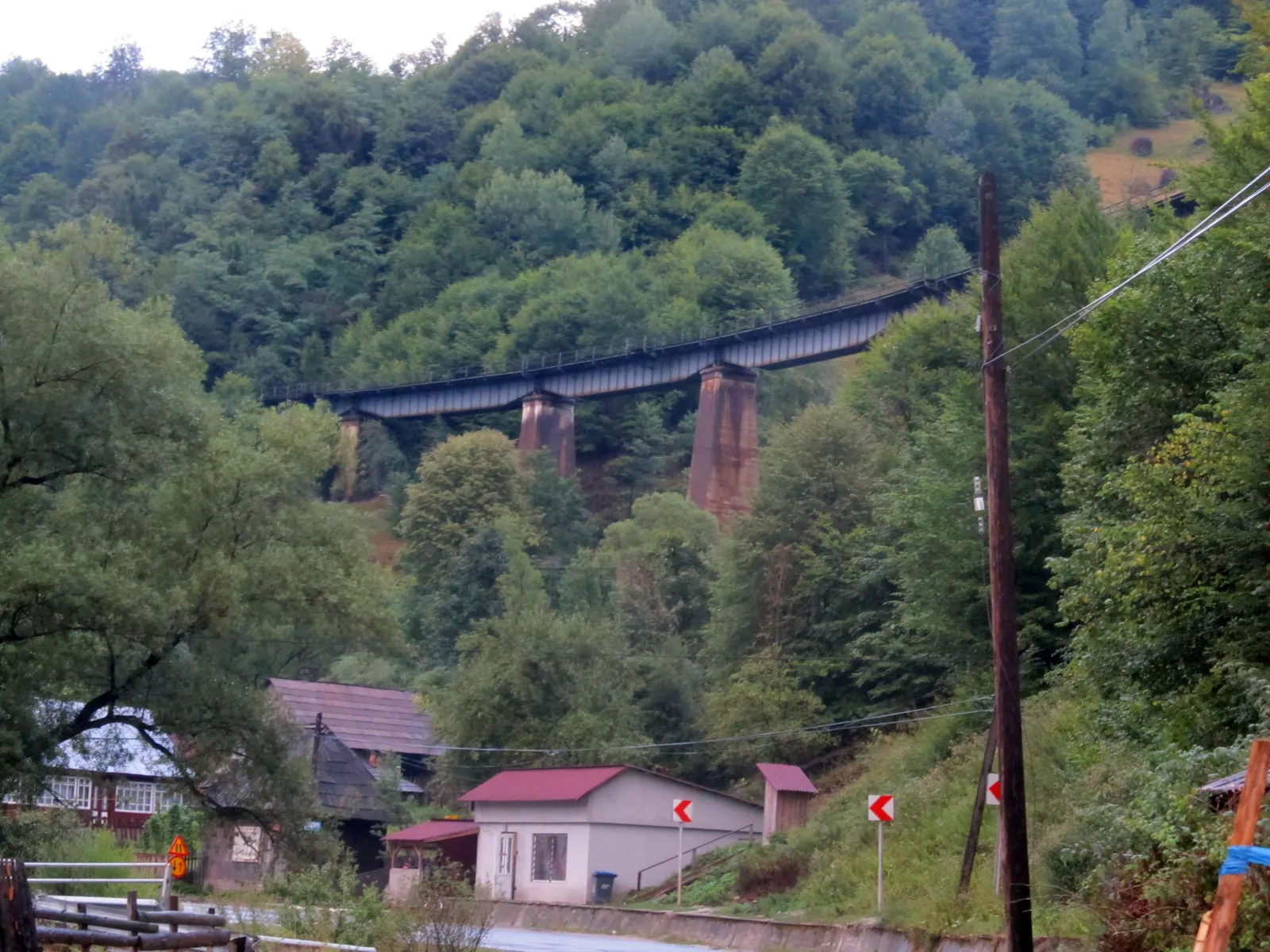
Teliu Viaduct, on the same line as the tunnel

Photo: Nenea hartia, CC BY-SA 4.0, via Wikimedia Commons

Teliu Viaduct

viaduct in service

Line
Brașov–Întorsura Buzăului (line 403)
County
Brașov County — Teliu
Length
~159 m · no published technical source; ~159 m from OSM geometry
Years
with the line
Passenger trains
yes — same line as the tunnel

The record tunnel's smaller neighbour: the viaduct trains to Întorsura Buzăului still cross today.

Sources: Teliu railway viaduct category (Commons)

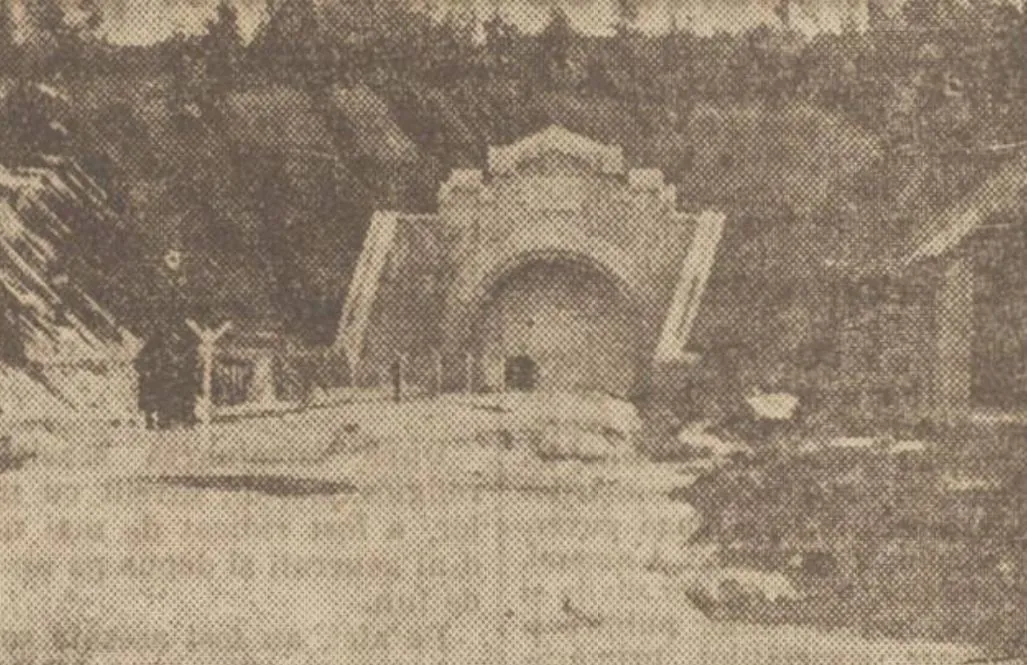
Columbelul Tunnel in a 1929 photograph

Photo: Unknown author, Public domain, via Wikimedia Commons

Columbelul Tunnel

tunnel in service

Line
Brașov–Întorsura Buzăului (line 403)
County
Brașov County — Teliu
Length
~380 m · 380 m (Eisenbahnatlas) / ~377 m (secondary sources) / 378 m (OSM)
Years
with the line; the specialist list records it as “Teliu 1”
Passenger trains
yes — same line as the tunnel

The line to Întorsura Buzăului's second tunnel, photographed in 1929 amid the line's construction works.

Sources: Railway tunnels list (opfer.ro) — “Teliu 1”, 380 m · Eisenbahnatlas Romania — tunnels

Morii Tunnel's portal

Photo: Nenea hartia, CC BY-SA 4.0, via Wikimedia Commons

Morii Tunnel

tunnel in service

Line
Brașov–Întorsura Buzăului (line 403)
County
Brașov County — Teliu
Length
106 m · Commons + Eisenbahnatlas
Years
with the line
Passenger trains
yes — same line as the tunnel

The shortest of the line's three tunnels: 106 m, also from 1931, also in use.

Sources: Morii Tunnel category (Commons)

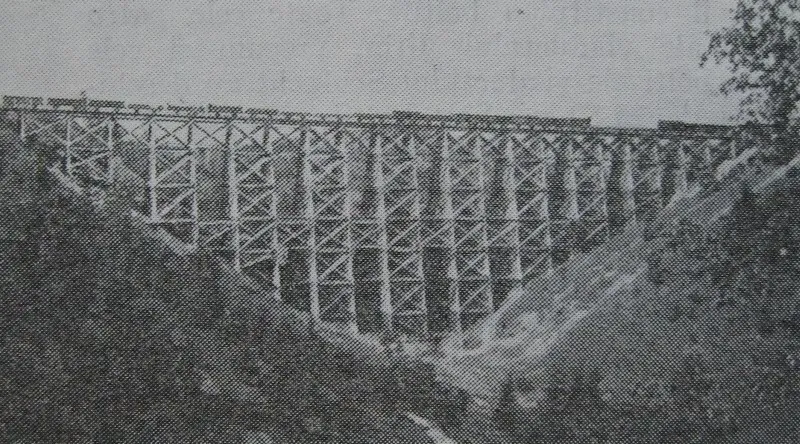
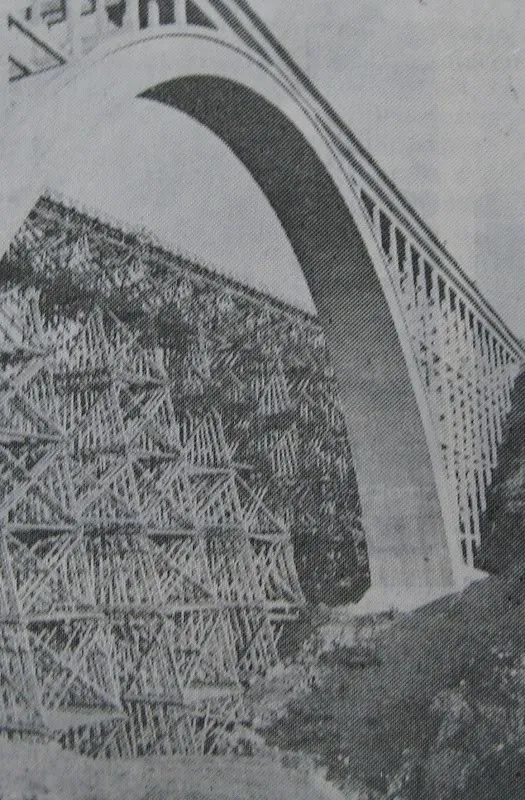
Caracău Viaduct: built three times

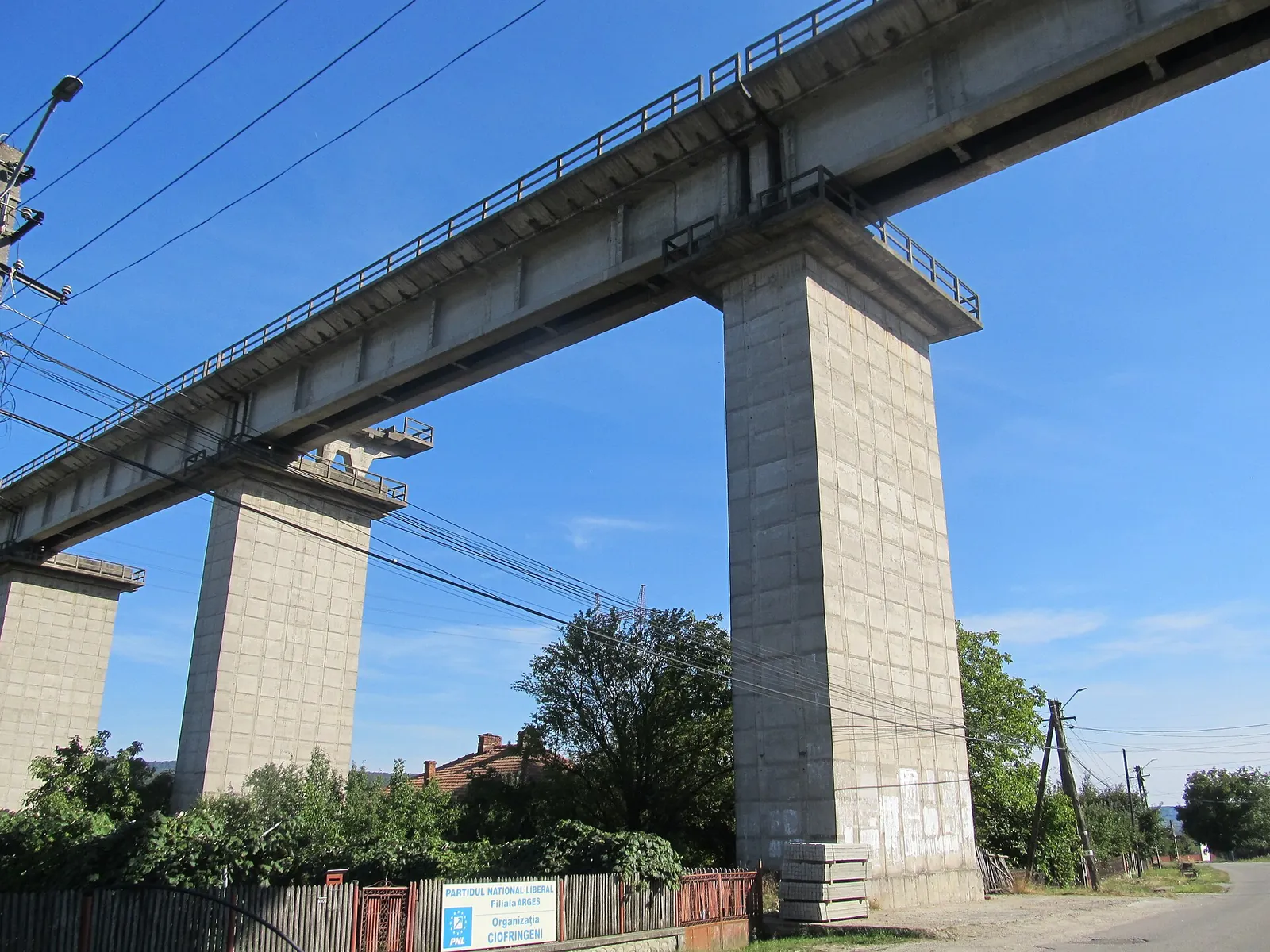
It is 264.80 m long and 64.4 m high, on the Adjud–Siculeni line, and was designed by engineer Elie Radu for the 1897 opening. Today's version has a 100 m central arch span — CFR Călători presents it as Romania's largest concrete arch viaduct.

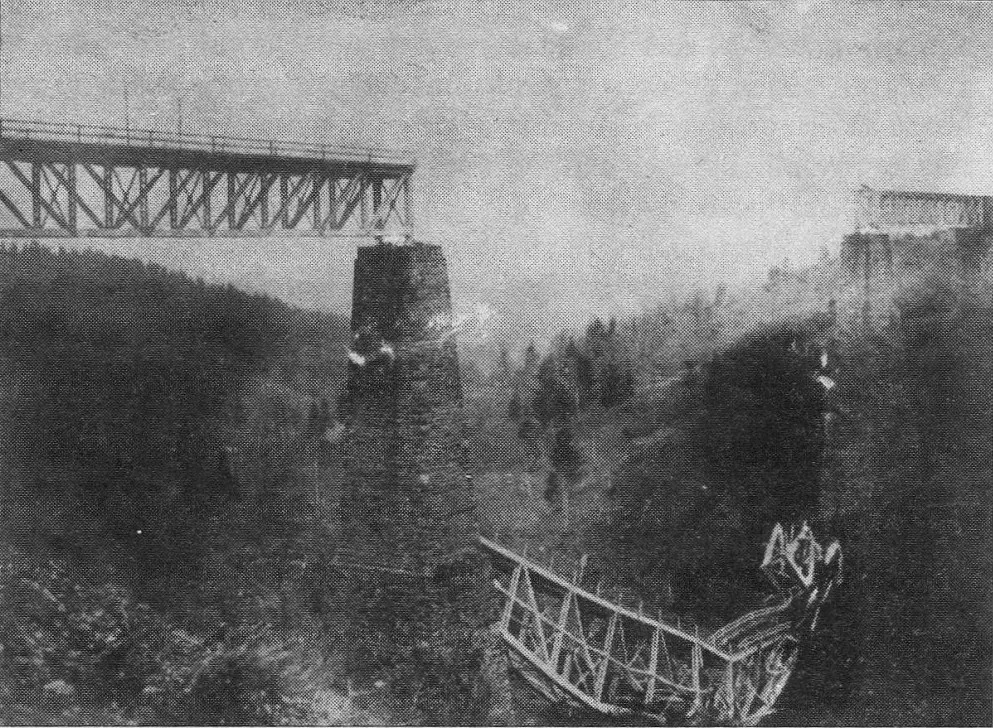
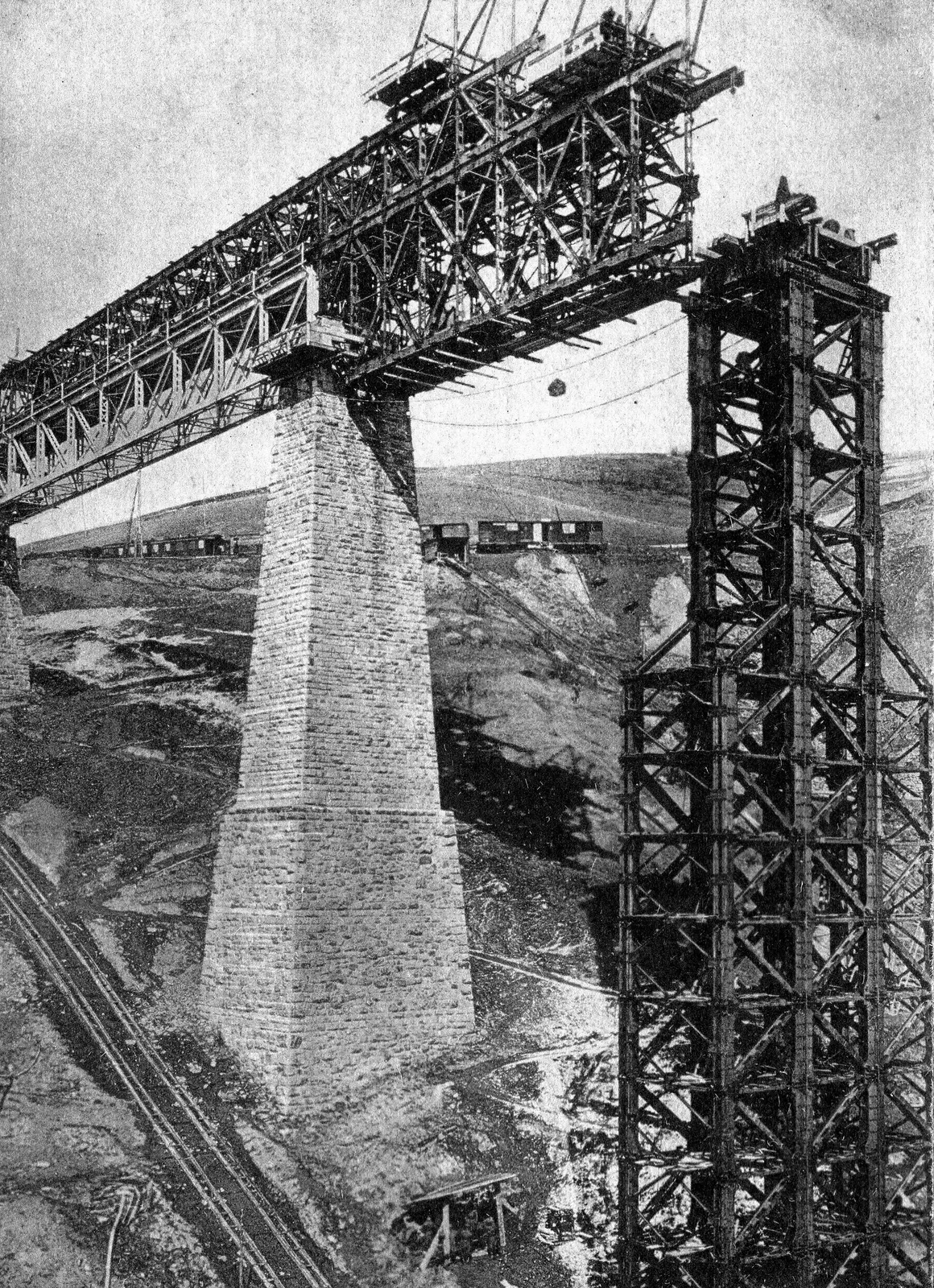
In 1916 retreating troops blew it up; it was rebuilt. In 1944 it was destroyed again; after the war it was rebuilt in reinforced concrete and reopened on 14 September 1946. The railway history calls it the largest engineering work executed at CFR after the Cernavodă bridge.

The same valley, six frames: 1903, 1916, works, 1945, 1946, today

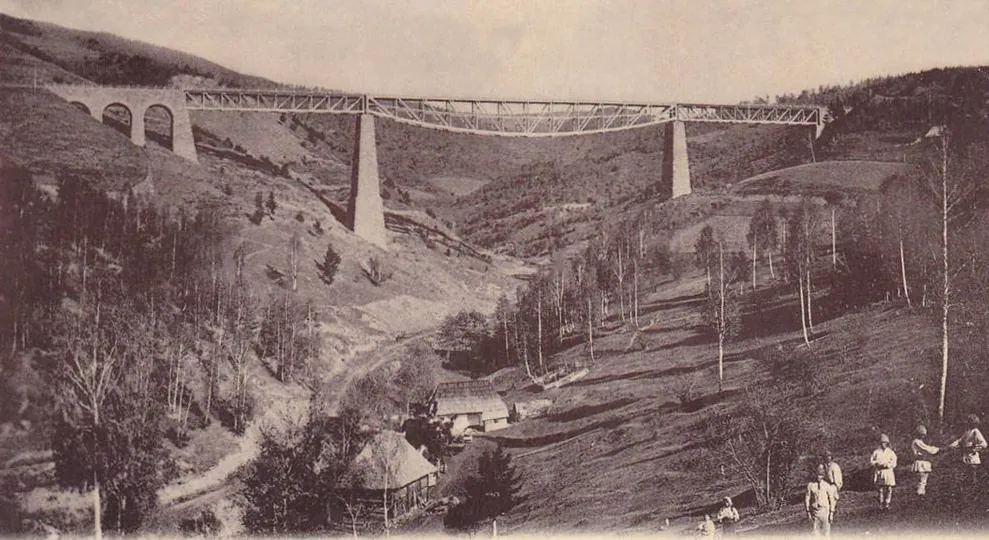
  1. 1903 — the new viaduct, still masonry and steel
    1903 — the new viaduct, still masonry and steel

    Photo: Unknown author, Public domain, via Wikimedia Commons

  2. 1916 — blown up in retreat
    1916 — blown up in retreat

    Photo: Aczél Ödön (1873-1946), Public domain, via Wikimedia Commons

  3. 1916–1918 — rebuilding, in a works photograph
    1916–1918 — rebuilding, in a works photograph

    Photo: Unknown author · Fortepan, image 73723, Public domain, via Wikimedia Commons

  4. 1945 — the stopgap after the second war
    1945 — the stopgap after the second war

    Photo: Unknown author, Public domain, via Wikimedia Commons

  5. 1946 — the new concrete viaduct, at inauguration
    1946 — the new concrete viaduct, at inauguration

    Photo: Unknown author, Public domain, via Wikimedia Commons

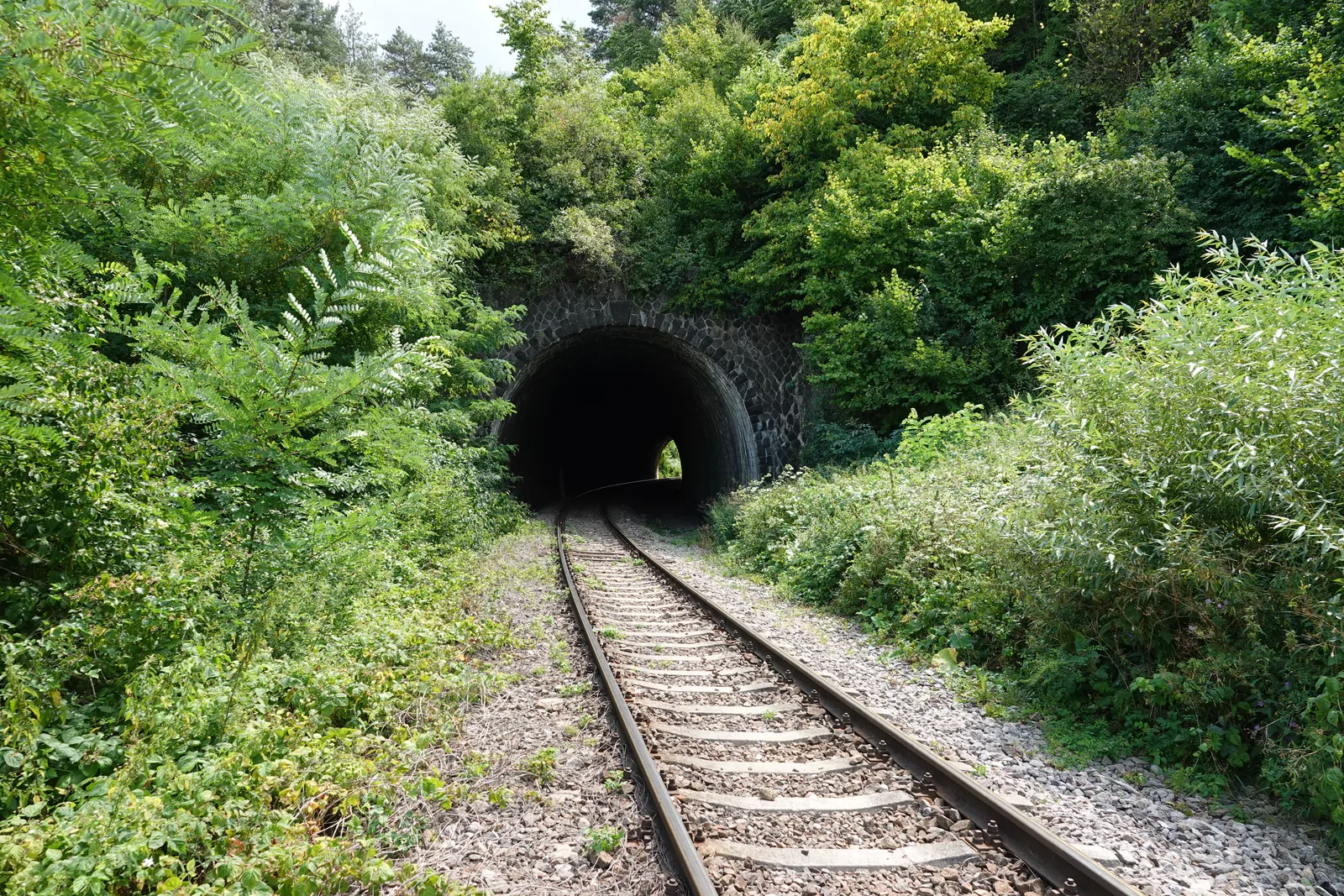
  6. today — 264.80 m, 64.4 m, daily trains
    today — 264.80 m, 64.4 m, daily trains

    Photo: Szabi237, CC BY 3.0, via Wikimedia Commons

Caracău Viaduct today: 264 m long, 64 m high

Photo: Szabi237, CC BY 3.0, via Wikimedia Commons

Caracău Viaduct

viaduct in service

Line
Adjud–Siculeni (line 501)
County
Harghita County — Livezi
Length
264.8 m · 264.80 m long / 64.4 m high (railway history); 100 m central arch
Height
64.4 m
Years
Adjud–Ciceu line, engineer Elie Radu; destroyed 1916, rebuilt, destroyed 1944, rebuilt in concrete and reopened on 14 September 1946
Passenger trains
yes — Regio and InterRegio to/from Miercurea Ciuc (published 2026 timetables)

The problem at Caracău was never building the viaduct once, but building it again — and again: 1897, 1916, 1944, 1946.

Sources: Railway history (Transira) — Caracău 264.80/64.4 m, 14 September 1946 · CFR Călători — Romania's largest concrete arch viaduct · Caracău bridge category (Commons)

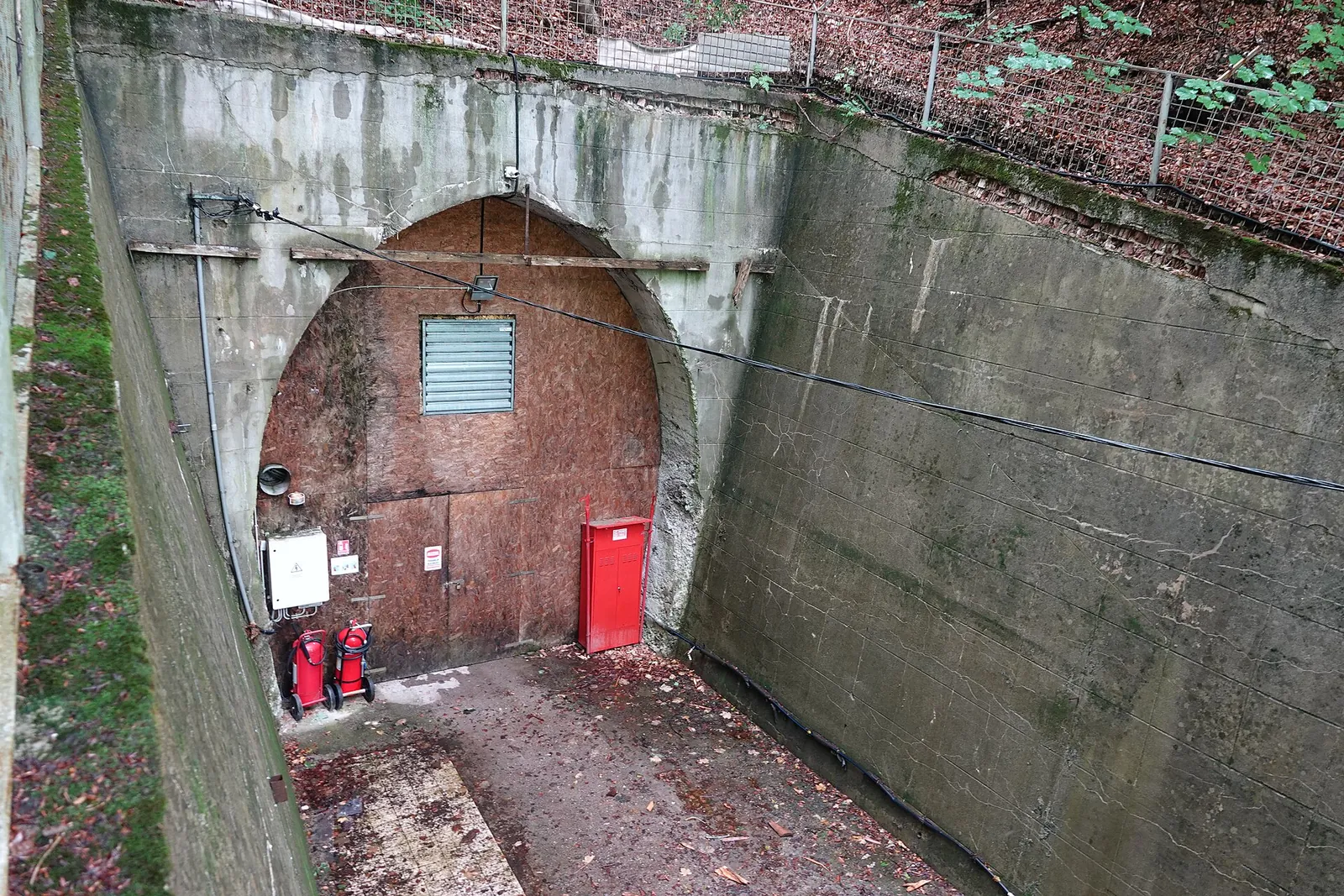
Profile with no verified photograph — centre of the OSM deck (1,218 m).

Ciumani Tunnel

tunnel in service

Line
Adjud–Siculeni (line 501)
County
Harghita County — Ciumani / Livezi
Length
1.223 km · 1,223 m in the specialist list; 1,222 m in Eisenbahnatlas; OSM: 1,218 m
Years
with the Ciceu–Ghimeș line
Passenger trains
yes — Regio and InterRegio to/from Miercurea Ciuc (published 2026 timetables)

1,223 m under the mountain, on the same line as Caracău: the famous viaduct's neighbouring, less photographed tunnel.

Sources: Railway tunnels list (opfer.ro) — Ciumani, 1,223 m

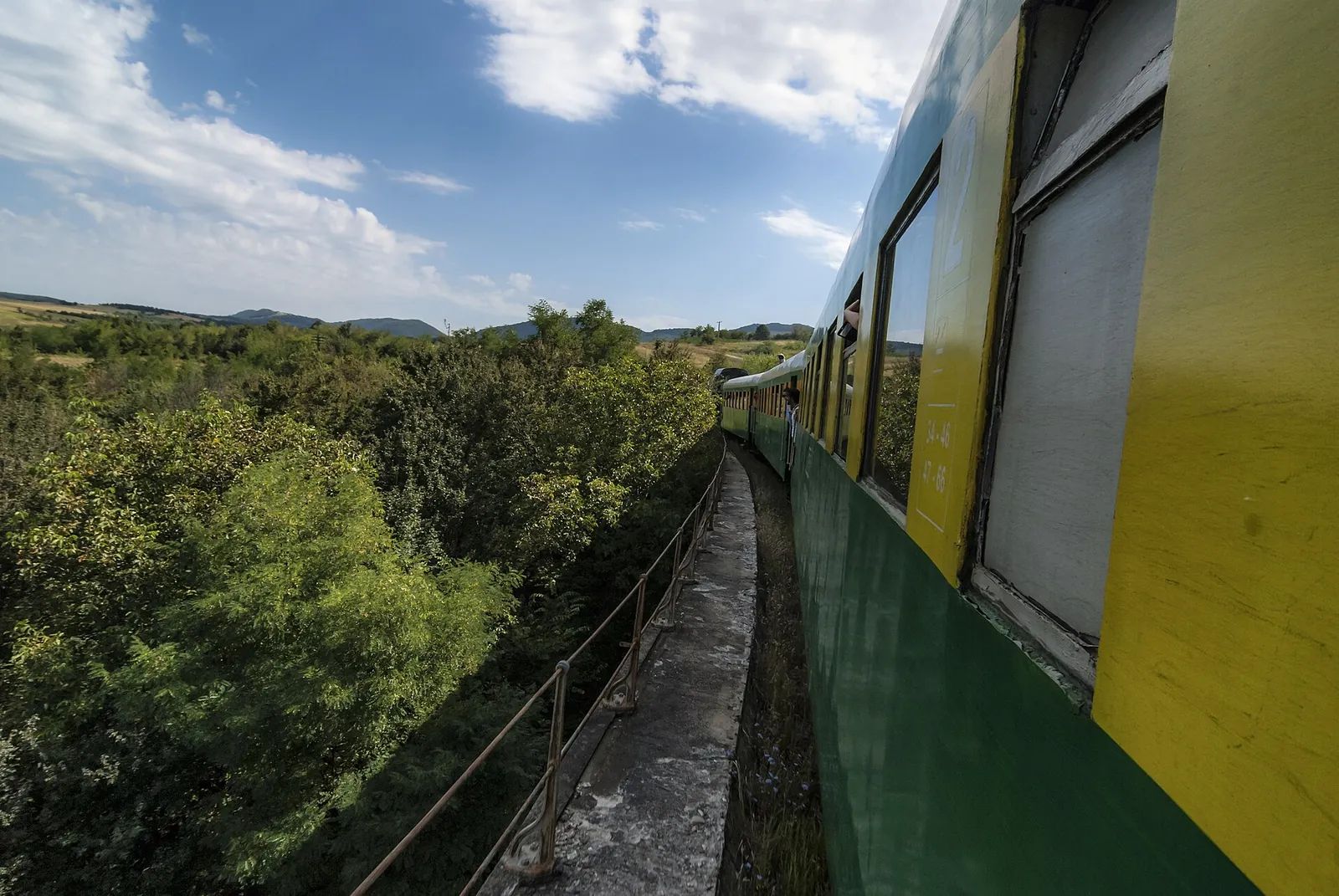
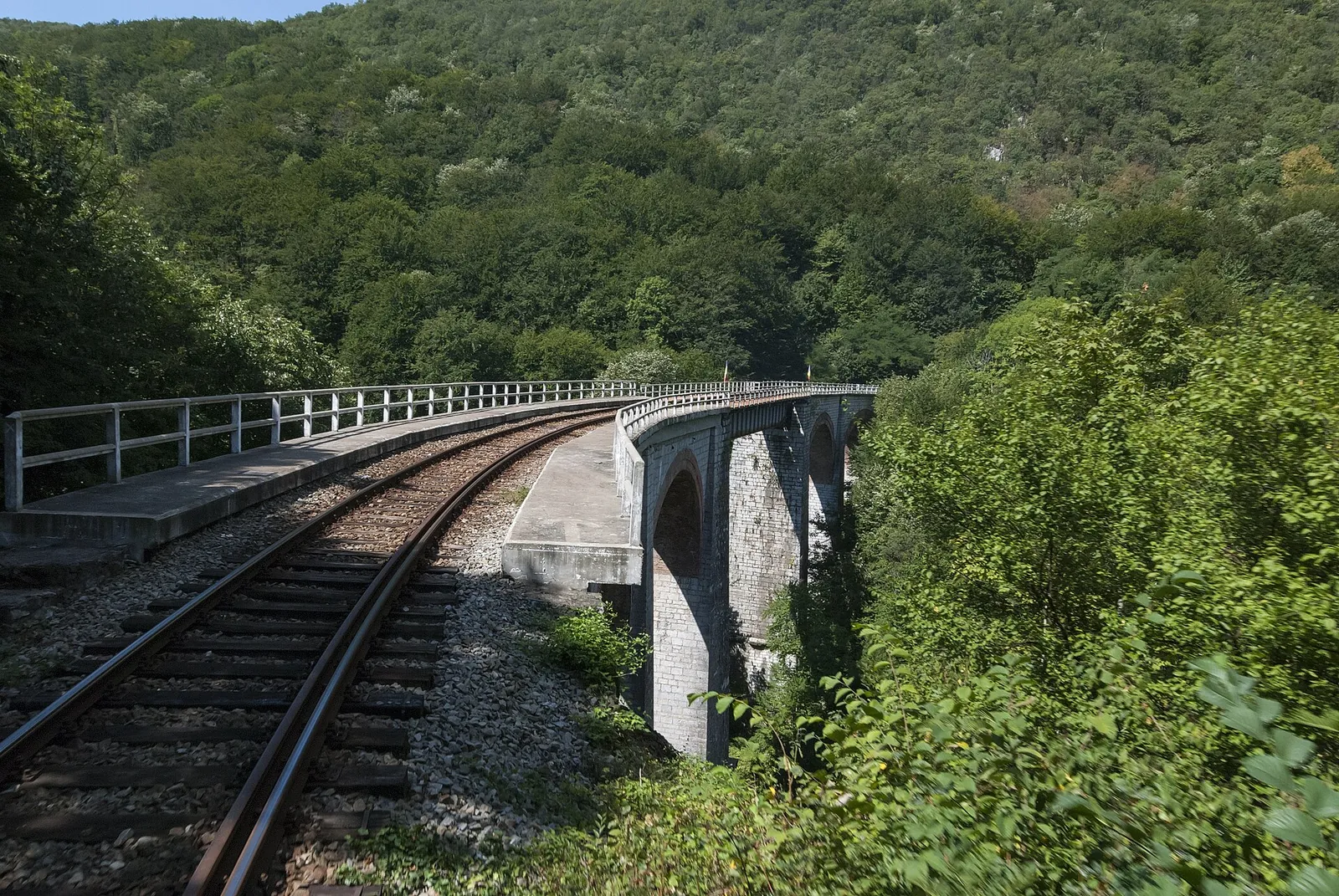
Oravița–Anina: 14 tunnels and 10 viaducts in 33.8 km

It was built between 1861 and 1863, with Austrian capital (StEG), and inaugurated on 15 December 1863. CFR presents it as the first mountain railway in south-eastern Europe; locals call it the Banat Semmering, after the 1845–1854 Austrian line it resembles. It climbs 339–340 m in 33.8 km (other measurements give 33.4 km), with 21‰ gradients and curves of 104 m minimum radius.

It was dug with chisel and pickaxe — dynamite hadn't been invented yet — and cost 5 million guilders. The tunnels total 2,084 m per CFR (2,094 m by adding the inventory lengths), the viaducts 843 m. At Anina the train cannot enter the station directly: it first enters a tunnel, shunts onto a higher track, and only then pulls up to the platform.

The count, out in the open

CFR gives 14 tunnels and 10 viaducts. The numbered inventory confirms the 14 tunnels, in CFR inventory number order. For viaducts, Wikipedia gives 9 instead of 10 — probably a question of what gets counted, so the page keeps the CFR figure and flags the difference.

The route, from Oravița to Anina

CFR tunnels: 1234567891011121314

Schematic, not to scale. Tunnels appear in CFR inventory number order.

A viaduct on the Oravița–Anina line

Photo: Ioan Bodean, CC BY-SA 4.0, via Wikimedia Commons

Oravița–Anina Railway

section in service

Line
Oravița–Anina (line 925)
County
Caraș-Severin County — Oravița–Anina
Length
~33.8 km · 33.8 km (CFR); 33.4 km in other sources — the difference is about measurement points
Years
built 1861–1863 (StEG); inaugurated on 15 December 1863
Passenger trains
yes — CFR Călători tourist trains (September 2026 timetable)

14 tunnels and 10 viaducts in 33.8 km: the first mountain railway in south-eastern Europe, per CFR — the Banat Semmering.

Location: section point (line midpoint), not an object.

Sources: CFR Călători — 160 years since the inauguration · MDPI Sustainability — Oravița–Anina railway heritage · Oravița–Anina railway (Wikipedia)

Jitin Viaduct, the tallest on the line

Photo: Ioan Bodean, CC BY-SA 4.0, via Wikimedia Commons

Jitin Viaduct

viaduct in service

Line
Oravița–Anina (line 925)
County
Caraș-Severin County — Jitin
Length
130.8 m · 130.8 m / 37 m (academic study)
Height
37 m
Years
with the line
Passenger trains
yes — CFR Călători tourist trains (September 2026 timetable)

130.8 m long and 37 m high: the tallest viaduct on the Oravița–Anina line, measured in an academic study.

Location: no verified coordinates — schematic position in the route strip.

Sources: MDPI Sustainability — Oravița–Anina railway heritage

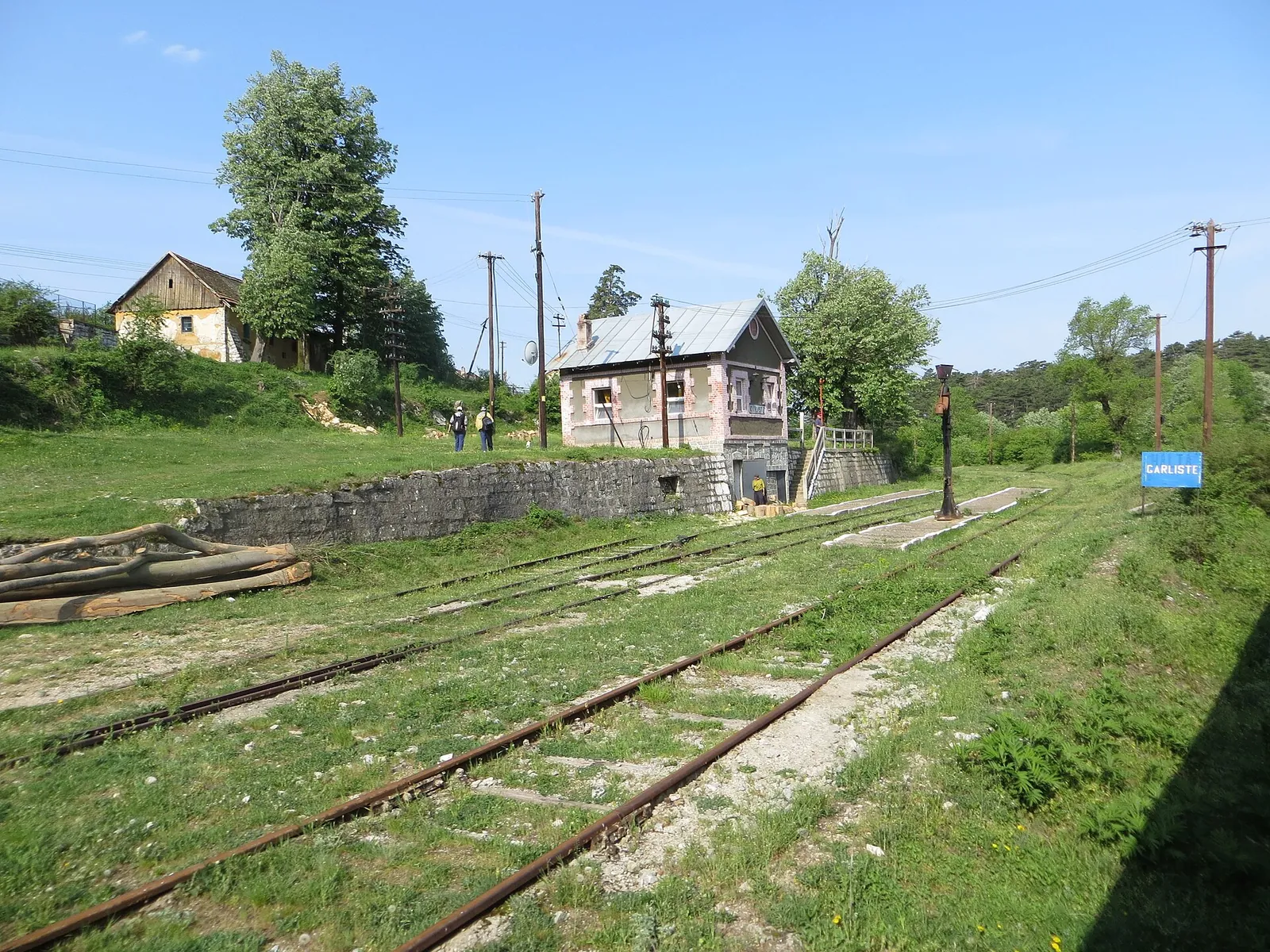
Gârliște station, on the Oravița–Anina line (the tunnel is further on, towards Anina)

Photo: Strainu, CC BY-SA 3.0 ro, via Wikimedia Commons

Gârliște Tunnel

tunnel in service

Line
Oravița–Anina (line 925)
County
Caraș-Severin County — Gârliște
Length
660 m · 660 m (specialist list and oravita-anina.eu); 661 m (MDPI)
Years
with the line; tunnel no. 9 in the CFR inventory
Passenger trains
yes — CFR Călători tourist trains (September 2026 timetable)

660 m — the longest tunnel on the Oravița–Anina line, the ninth of the CFR inventory's 14.

Location: no verified coordinates — schematic position in the route strip (CFR tunnel no. 9).

Sources: Railway tunnels list (opfer.ro) — “9 Anina–Gârliște”, 660 m · Anina–Oravița rail route (oravita-anina.eu)

Bumbești–Livezeni: 31 km of continuous works

Works ran from 1924 to 1948, with a preservation pause between 1931 and 1937: Bumbești–Meri (8 km) opened on 4 November 1941, Meri–Livezeni (23 km) on 31 October 1948, with almost 28,000 young volunteers on site. Electrification came in 1972–1974. Today it is an electrified trunk line, with passenger trains.

Engineering structures per kilometre

  1. Bumbești–Livezeni1.9736+25 structures / 31 km
  2. Oravița–Anina0.7114+10 structures / 33.8 km

Tunnels + viaducts relative to line length, per CFR data.

Why we don't know exactly how many tunnels there are

CFR Călători publishes an exact inventory: 21 bridges, 59 culverts, 25 viaducts and 36 tunnels. An alternative count gives 39 tunnels and 27 viaducts, with no published methodology. The difference is probably about counting convention — what counts as a short gallery, a bridge or a viaduct — so the page keeps the CFR tally and shows the other one alongside, not instead.

The route, from Livezeni to Bumbești

From the CFR inventory (numbers known from the list): 1 Pleșa2 Leurzeaua31 Murga Mică32 Murga Mare33 Zaiceni35 Polatiște37 Strâmbuța 581112151926272829

Schematic, not to scale. The lowest-numbered tunnel is towards Livezeni.

Profile with no verified photograph — section point (gorge midpoint), not an object.

Bumbești–Livezeni (Jiu Gorge)

section in service

Line
Filiași–Simeria (line 202)
County
Gorj/Hunedoara counties — Jiu Gorge
Length
31 km · 31 km Bumbești–Livezeni; works 1924–1948
Years
Bumbești–Meri (8 km) 4 November 1941; Meri–Livezeni (23 km) 31 October 1948; electrification 1972–1974
Passenger trains
yes — electrified Filiași–Simeria trunk line (2026 timetables)

36 tunnels and 25 viaducts in 31 km — or 39 and 27, in an alternative count with no published methodology. One of the country's densest railways, with a tally its sources disagree on.

Location: section point (gorge midpoint), not an object.

Sources: CFR Călători — Filiași–Bumbești–Livezeni (36 tunnels, 25 viaducts) · Railway tunnels list (opfer.ro) — Jiu tunnels with CFR numbers

Profile with no verified photograph — no verified coordinates — CFR tunnel no. 2 in the gorge.

Leurzeaua Tunnel

tunnel in service

Line
Filiași–Simeria (line 202)
County
Gorj County — Jiu Gorge
Length
217.5 m · 217.5 m (specialist list); tunnel no. 2 in the CFR inventory
Years
with the Meri–Livezeni section
Passenger trains
yes — Filiași–Simeria trunk line (2026 timetables)

The country's only S-shaped railway tunnel, per CFR: 217.5 m laid out in a curve.

Location: no verified coordinates — CFR tunnel no. 2 in the gorge.

Sources: CFR Călători — Filiași–Bumbești–Livezeni (the S-shaped tunnel) · Railway tunnels list (opfer.ro) — “2 Jiu–Leurzeaua”, 217.5 m

Other tunnels that matter

Eight short stories, each with its own reason: the post-war Maramureș, the Mestecăniș doubling, the trunk-line newcomers, the Galați pair and the two structures on Salva–Vișeu.

The Salva–Vișeu de Jos line served by the tunnel

Photo: Nenea hartia, CC BY-SA 4.0, via Wikimedia Commons

Șetref Pass, pierced by the tunnel

Photo: Nicu Farcaș, CC BY-SA 4.0, via Wikimedia Commons

Maramureș Tunnel (Șetref)

tunnel in service

Line
Salva–Vișeu de Jos (line 409)
County
Bistrița-Năsăud County — Dealul Ștefăniței / Șetref
Length
2.388 km · specialist list; OSM measures 2,393 m
Years
with the line (28 December 1949, per Eisenbahnatlas)
Passenger trains
yes — CFR Salva–Vișeu/Sighet (published 2026 timetables)

2,388.45 m under Dealul Ștefăniței: the longest railway tunnel opened after the war — and still in use today.

Sources: Railway tunnels list (opfer.ro) — Șetref, 2,388.45 m · Eisenbahnatlas Romania — tunnels

Mestecăniș Tunnel in a 1979 photograph

Photo: Unknown author, Public domain, via Wikimedia Commons

Mestecăniș Tunnel (bores I and II)

tunnel in service

Line
Suceava–Vatra Dornei–Ilva Mică (line 502)
County
Suceava County — Mestecăniș
Length
1.646 km · bore I: 1,646.4 m (1902); bore II: 1,688 m (1982) — specialist list
Years
bore I 1902; bore II 1982
Passenger trains
yes — electrified Suceava–Vatra Dornei–Cluj trunk line (2026 timetables)

Two bores under the same mountain, 80 years apart: 1902 next to 1982, on the trunk line to Transylvania.

Sources: Railway tunnels list (opfer.ro) — Mestecăniș 1 and 2 · Eisenbahnatlas Romania — tunnels

Daneș Tunnel under construction, in 2012

Photo: Nenea hartia, CC BY-SA 4.0, via Wikimedia Commons

Daneș Tunnel

tunnel in service

Line
Brașov–Sighișoara (line 300)
County
Mureș County — Daneș
Length
969 m · specialist list; the first new tunnel after 1989
Years
opened in 2018, on the modernised trunk line
Passenger trains
yes — Brașov–Sighișoara trunk line (2026 timetables)

The first new tunnel opened after 1989: 969 m dug for 160 km/h trains on the Brașov–Sighișoara trunk line.

Sources: Railway tunnels list (opfer.ro) — Daneș, 969 m · CFR SA — Brașov–Sighișoara rehabilitation

Profile with no verified photograph — midpoint of the two parallel OSM decks (786/784 m).

Turdaș Tunnel

tunnel in service

Line
Simeria–Arad (line 200)
County
Hunedoara County — Turdaș
Length
780 m · 780 m (CFR/Eisenbahnatlas); OSM: 786/784 m
Years
opened in 2019, on the modernised trunk line
Passenger trains
yes — Simeria–Arad trunk line, traffic resumed in August 2026 (CFR)

780 m with two parallel bores: the new tunnel on the trunk line to Arad, opened in 2019.

Sources: Eisenbahnatlas Romania — tunnels

Profile with no verified photograph — midpoint of the two parallel OSM decks (771/766 m).

Filești Tunnel (bores I and II)

tunnel in service

Line
Galați–Bârlad (line 700)
County
Galați County — Filești, Galați
Length
770 m · 770 m both bores (local press quotes a CFR report); OSM: 771/766 m
Years
bore I 1896–1898; bore II 1967; rehabilitation completed in 2018
Passenger trains
yes — Regio Galați–Bârlad (published 2026 timetables)

Two parallel tunnels nearly 70 years apart: 1898 and 1967, under the same Galați hill.

Sources: Viața liberă Galați — Filești tunnel, CFR report · Railway tunnels list (opfer.ro) — Filești 1 and 2, 770 m

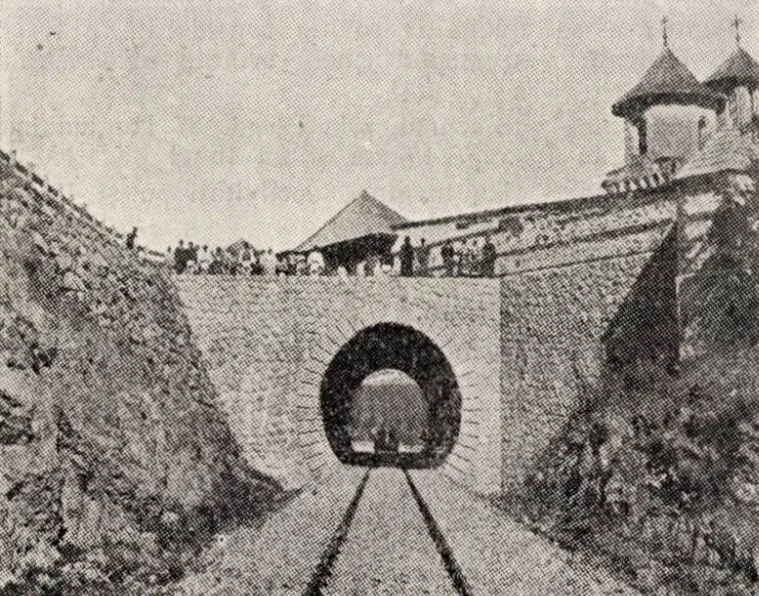
Berești–Tălășmani Tunnel in a historic photograph

Photo: Unknown author, Public domain, via Wikimedia Commons

Berești–Tălășmani Tunnel

tunnel in service

Line
Galați–Bârlad (line 703)
County
Galați County — Berești / Tălășmani
Length
~3.33 km · ~3,330 m in press and historic works; OSM measures 3,320 m
Years
built 1906–1911, in service around 1911/1912
Passenger trains
yes — Regio Galați–Bârlad and Bârlad–Târgu Bujor (published 2025–2026 timetables)

The country's second-longest tunnel in service — 3.3 km at low altitude, not in the mountains.

Sources: Railway tunnels list (opfer.ro) — 3,330 m, 1912 · Road tunnels — tender book with history (apdp.ro, PDF)

Dealul Ștefăniței Viaduct, on the Salva–Vișeu line

Photo: Nenea hartia, CC BY-SA 4.0, via Wikimedia Commons

Dealul Ștefăniței Viaduct

viaduct in service

Line
Salva–Vișeu de Jos (line 409)
County
Bistrița-Năsăud County — Dealul Ștefăniței
Years
with the line
Passenger trains
yes — CFR Salva–Vișeu/Sighet (published 2026 timetables)

The viaduct at the end of the Maramureș Tunnel: the same 1949 line, the same mountains, another engineering structure.

Sources: Dealul Ștefăniței Tunnel category (Commons)

One of the Romuli viaducts

Photo: Nenea hartia, CC BY-SA 4.0, via Wikimedia Commons

Romuli Viaduct

viaduct in service

Line
Salva–Vișeu de Jos (line 409)
County
Bistrița-Năsăud County — Romuli
Years
with the line
Passenger trains
yes — CFR Salva–Vișeu/Sighet (published 2026 timetables)

At Romuli the line crosses a whole string of viaducts — a full day's stretch by train.

Sources: Romuli Tunnel category (Commons)

Olt Valley: old tunnels, new tunnels, and one taken by water

On Piatra-Olt–Podul Olt, the old line (~1900–1901) left three tunnels: Cârligu Mare (613 m), Mănăstirea Turnu (592 m, destroyed) and Cârligu Mic (349 m per the list, 451 m per the photograph — flooded today). The 1978–1982 realignment replaced them with new bores: Cârligu Mic 1 and 2 (617 and 716 m), Cârligu Mare 1 and 2 (1,117 and 1,211 m). Further north, on the same valley, Cozia 1 and 2 (730 and 771 m, 1979).

The old Cârligu Mic Tunnel, flooded today

Photo: Unknown author, Public domain, via Wikimedia Commons

Cârligu Mic Tunnel (old)

tunnel disused

Line
Piatra-Olt–Podul Olt, old route (line 201)
County
Vâlcea County — Cârligu Mic
Length
~349 m · 349 m in the specialist list, 451 m per the Commons page (1901–1978); probably with the flooded areas
Years
1901–1978; replaced by the new bores, now flooded
Passenger trains
no — flooded, replaced by the new tunnels

The tunnel the Olt took back: taken out of service in 1978 and flooded, at 349 m per the list (451 per the photograph's page).

Sources: Railway tunnels list (opfer.ro) — Cârligu Mic (old), 349 m · Cârligu Mic Tunnel category (Commons)

Cornet Tunnel, below Cornet Monastery

Photo: Unknown author, Public domain, via Wikimedia Commons

Cornet Tunnel

tunnel in service

Line
Piatra-Olt–Podul Olt (line 201)
County
Vâlcea County — Cornet
Length
~32 m · length absent from the published lists; OSM geometry suggests ~30 m
Years
year undocumented in the verified sources; neighbouring tunnels date from 1901
Passenger trains
yes — Regio Podu Olt–Râmnicu Vâlcea, calling at Cornet (2026 timetables)

The tunnel below Cornet Monastery: some 30 metres, the shortest named ones on the map.

Sources: Cornetul Tunnel category (Commons)

Ghost railways

Warning: abandoned tunnels are dangerous — collapses, water, gases, total darkness. This page does not encourage going inside them; photographs are taken from portals or archives.

Vâlcele–Bujoreni: the line that never had a train

Designed to link Pitești to Râmnicu Vâlcea over the hills, the line remained unfinished in 1989. Left in the fields: a 2,240 m tunnel (Gibei), a 1,910 m one (Ploștina) and two viaducts (Topolog, Sâmnic) — finished works for trains that never came.

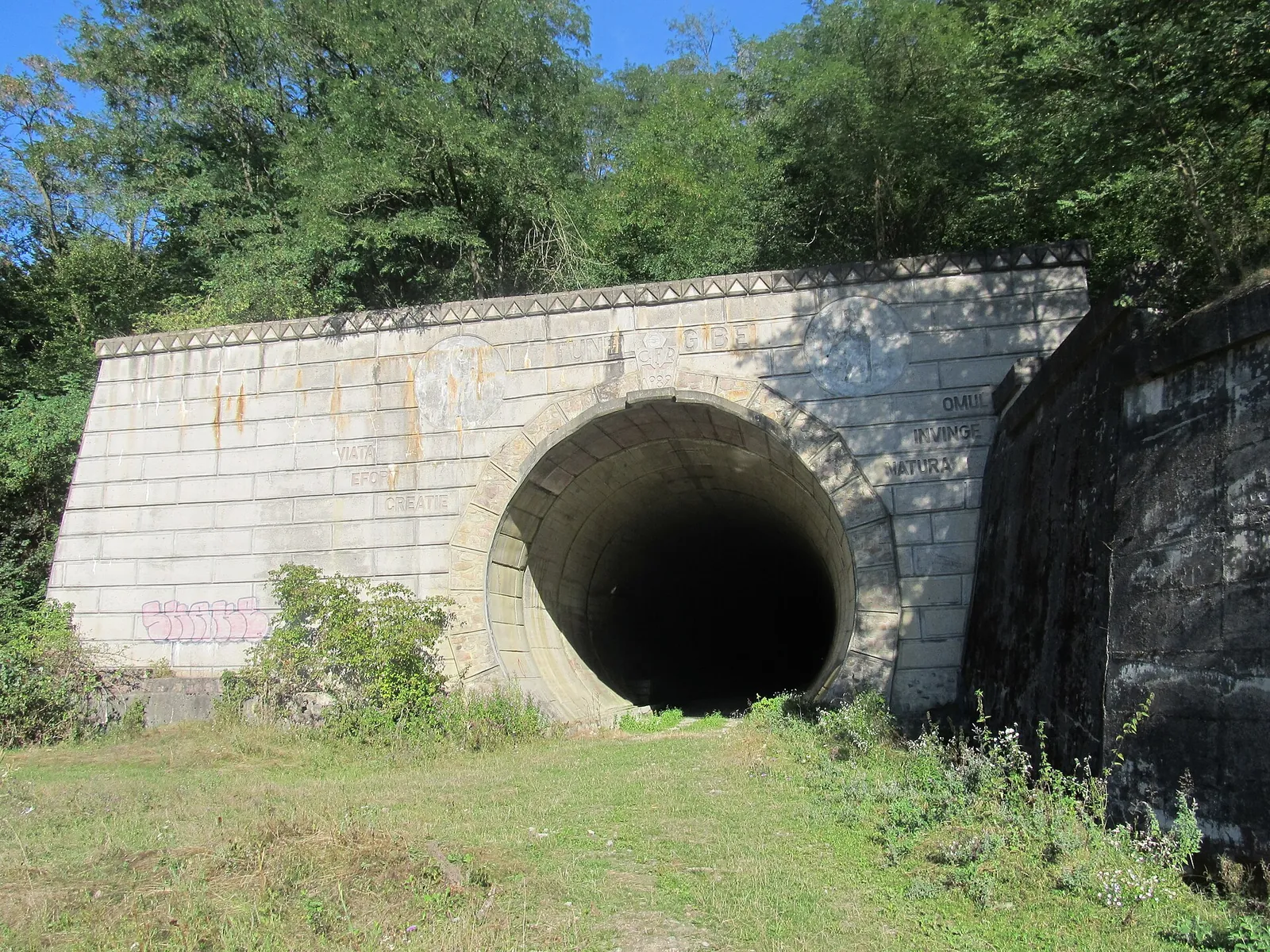
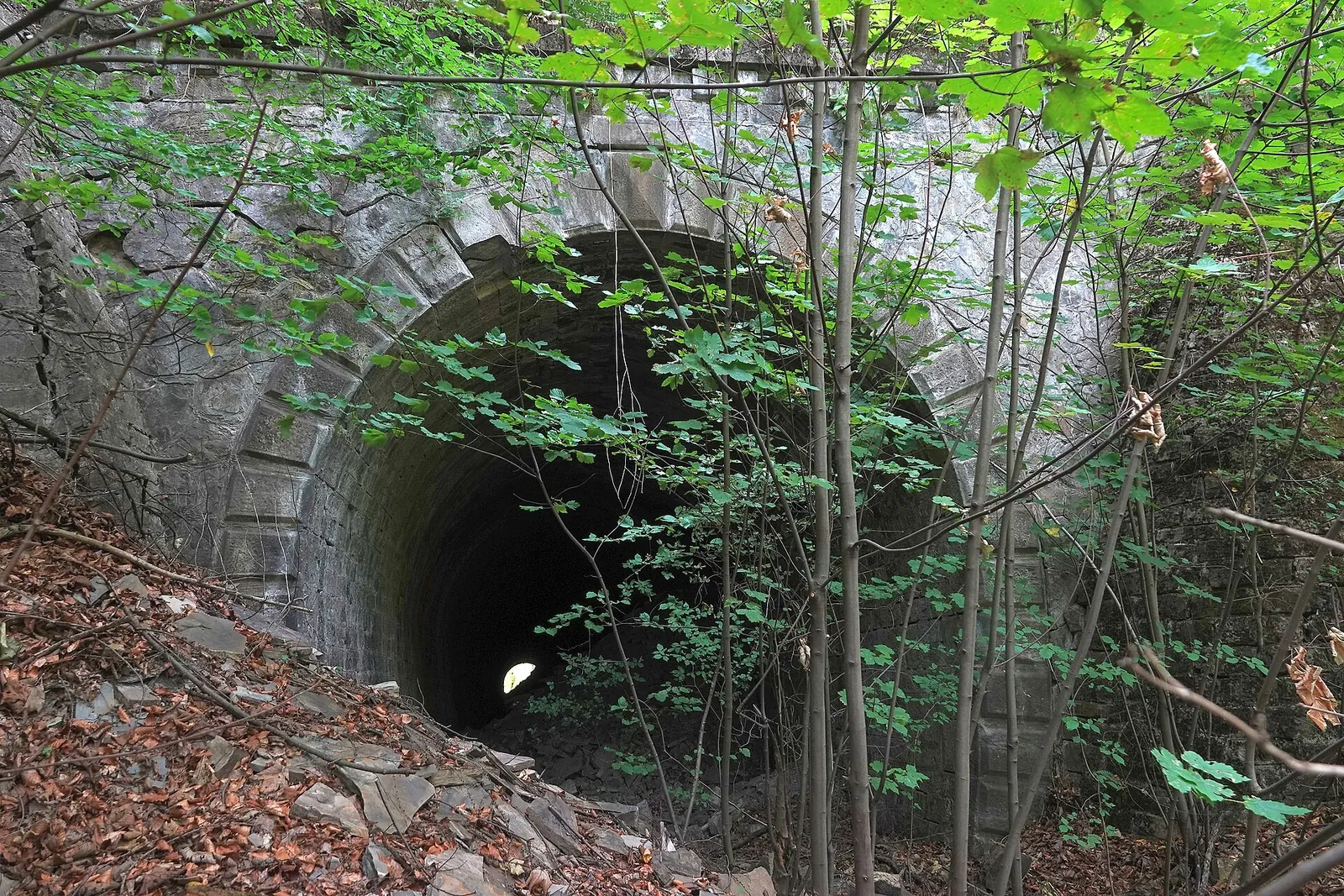
Gibei Tunnel, dug and abandoned before 1989

Photo: Nenea hartia, CC BY-SA 4.0, via Wikimedia Commons

Gibei Tunnel

tunnel unfinished

Line
Vâlcele–Bujoreni, unfinished (line 219)
County
Argeș County — Gibei
Length
2.24 km · 2,240 m (specialist list); ~2,250 m in the press
Years
dug in the 1980s; the line was never finished (SF 1990 in the list)
Passenger trains
no — no train ever ran

2,240 m of tunnel no train ever passed through: Vâlcele–Bujoreni is Romania's ghost railway.

Sources: Railway tunnels list (opfer.ro) — Gibei, 2,240 m · Gibei Tunnel category (Commons)

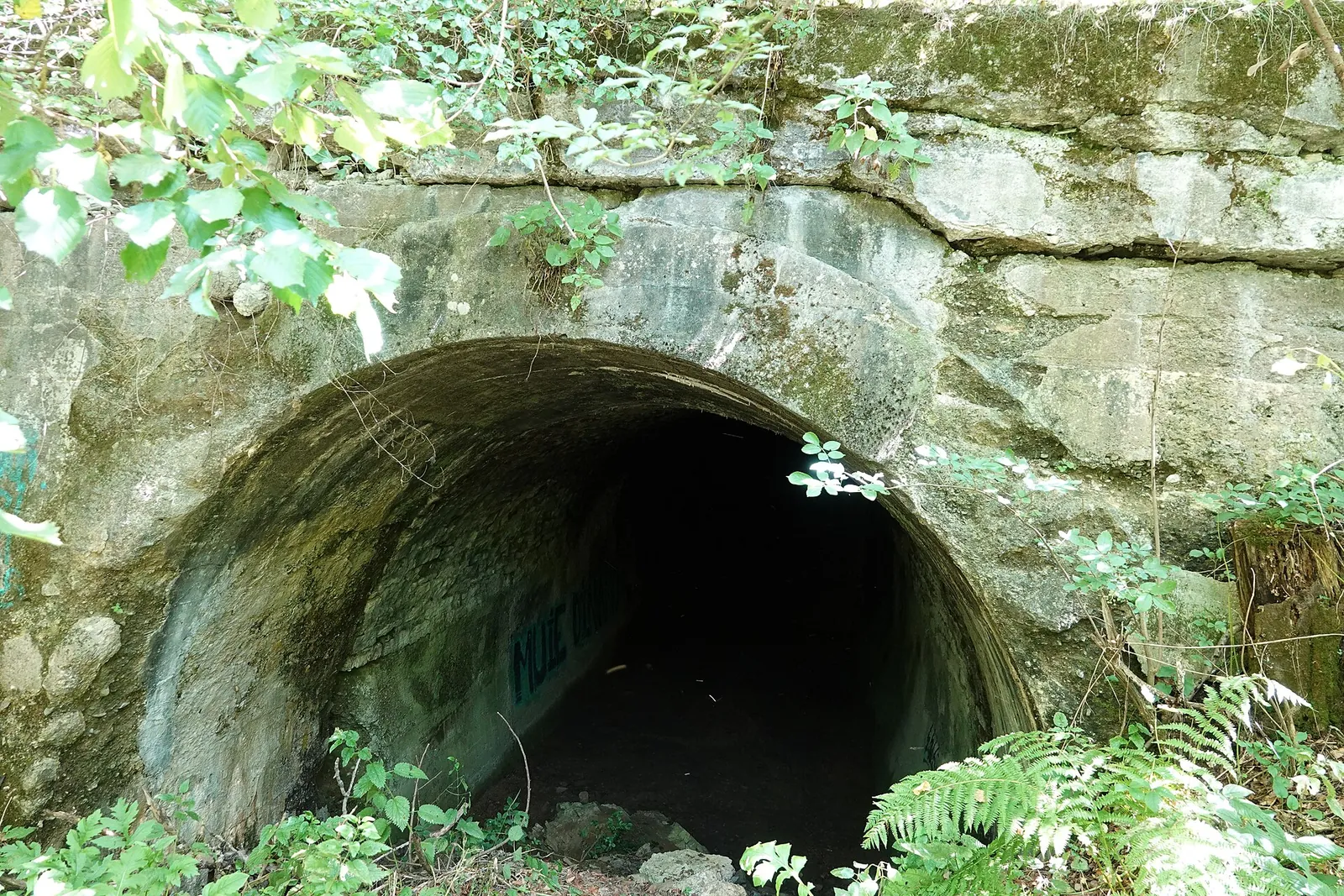
Ploștina Tunnel's portal, on the unfinished line

Photo: Nenea hartia, CC BY-SA 4.0, via Wikimedia Commons

Ploștina Tunnel

tunnel unfinished

Line
Vâlcele–Bujoreni, unfinished (line 219)
County
Argeș County — Ploștina
Length
1.91 km · 1,910 m (specialist list)
Years
dug in the 1980s; the line was never finished (SF 1990 in the list)
Passenger trains
no — no train ever ran

1,910 m — the ghost line Vâlcele–Bujoreni's second tunnel: fully dug, never used.

Sources: Railway tunnels list (opfer.ro) — Ploștina, 1,910 m · Ploștina Tunnel category (Commons)

Topolog Viaduct, on the unfinished Vâlcele–Bujoreni line

Photo: Nenea hartia, CC BY-SA 4.0, via Wikimedia Commons

Topolog Viaduct

viaduct unfinished

Line
Vâlcele–Bujoreni, unfinished (line 219)
County
Argeș County — Topolog
Years
with the unfinished line
Passenger trains
no — no train ever ran

A fully built viaduct for trains that never came — the visible piece of the ghost line.

Sources: Topolog Tunnel category (Commons)

Sâmnic Viaduct, on the unfinished line

Photo: Nenea hartia, CC BY-SA 4.0, via Wikimedia Commons

Sâmnic Viaduct

viaduct unfinished

Line
Vâlcele–Bujoreni, unfinished (line 219)
County
Olt County — Sâmnic
Years
with the unfinished line
Passenger trains
no — no train ever ran

The Vâlcele–Bujoreni line's second witness viaduct: the concrete stayed, the trains didn't.

Sources: Sâmnic Tunnel category (Commons)

Hârlău: 899 m for a line that doesn't exist

Hârlău Tunnel (899 m, 1998) was finished for the Hârlău–Botoșani link, which was never built. A tunnel without a line remains — contemporary with Daneș, but unused.

Izvor Tunnel, abandoned unfinished since 1913

Photo: Nenea hartia, CC BY-SA 4.0, via Wikimedia Commons

Izvor Tunnel (Sinaia–Pietroșița)

tunnel unfinished

Line
Sinaia–Pietroșița, unbuilt
County
Dâmbovița County — Izvor, Moroeni
Length
5.918 km · 5,918 m designed, of which ~1,800 m dug (1913, unfinished)
Years
works started in 1913 and abandoned; about 1,800 of 5,918 m dug
Passenger trains
no — no train ever ran

It would have been the country's longest tunnel — 5,918 m. Some 1,800 were dug, then given up: it was meant to link Sinaia to Pietroșița.

Sources: Railway tunnels list (opfer.ro) — Izvor, 5,918 m unfinished · Izvor Tunnel category (Commons)

Bușteni Tunnel in a 1922 or older photograph

Photo: Unknown author, Public domain, via Wikimedia Commons

Bușteni Tunnel (old)

tunnel demolished

Line
Ploiești–Brașov, old route
County
Prahova County — Bușteni
Length
132 m · 132 m (specialist list)
Years
1879–1960s (demolished in 1961 per Commons; the list records SF 1970)
Passenger trains
no — demolished

132 m from 1879, on the first Ploiești–Brașov route: demolished in the 1960s, when the valley got a new line.

Sources: Railway tunnels list (opfer.ro) — Bușteni, 132 m · Bușteni Tunnel category (Commons)

The abandoned Posada Mare tunnel's southern portal

Photo: Nenea hartia, CC BY-SA 4.0, via Wikimedia Commons

Posada Mare Tunnel (old)

tunnel disused

Line
Ploiești–Brașov, old route
County
Prahova County — Posada
Length
139 m · 139 m, 1872 (specialist list)
Years
1872–late 1930s (SF 1939 in the list)
Passenger trains
no — disused

139 m from 1872: among Romania's first railway tunnels, today an abandoned portal.

Sources: Railway tunnels list (opfer.ro) — Posada Mare, 139 m · Posada Mare Tunnel category (Commons)

Diana Tunnel, on the closed line to Șinca Veche

Photo: Nenea hartia, CC BY-SA 4.0, via Wikimedia Commons

Diana Tunnel (Șinca Nouă)

tunnel disused

Line
Voila–Șinca Veche, closed (line 205 G, former 203C)
County
Brașov County — Șinca Nouă
Length
535 m · 535 m, 1908 (specialist list)
Years
1908–1943 (SF 1943 in the list)
Passenger trains
no — line closed

535 m through which the last train passed in 1943: the tunnel of the line to Șinca Veche, closed in the war.

Sources: Railway tunnels list (opfer.ro) — Diana, 535 m · Diana Tunnel category (Commons)

Palas Tunnel in 1900, two years after opening

Photo: Petru Bogdan, Public domain, via Wikimedia Commons

Palas Tunnel (Constanța)

tunnel disused

Line
Constanța port (line 800)
County
Constanța County — Palas, Constanța
Length
490 m · 490 m, 1902 (specialist list)
Years
1902–1992 (SF 1992 in the list); harbour tunnel
Passenger trains
no — disused

490 m under Constanța, from 1902: the port line's tunnel, taken out of service in 1992.

Sources: Railway tunnels list (opfer.ro) — Palas, 490 m · Palas Tunnel category (Commons)

Alunul–Seciurile: another halted works

On Gorj coal, a line was started that never got anywhere: Seciuri (716 m), Roșia (128 m) and Burlani (61 m) carry SF 1989–1990 in the list — decommissioned before ever entering service. Dobra (550 m) was left with only 200 m dug. Groși (760 m) and Cerna (960 m) complete the landscape of the same generation of halted works.

The next record: Ormeniș and Homorod

On the Apața–Cața section (28.2 km) of the modernised Brașov–Sighișoara trunk line, two tunnel systems are being dug, each with two single-track bores: Ormeniș (6.916 km) and Homorod (5.144 km) — figures from the 2025 CFR documentation. The 2026 works reports round them to ~7.1 and ~5.2 km; the page keeps the documentation figures and notes the roundings.

Profile with no verified photograph — section point (commune centre), NOT the portal — portals are unpublished.

Ormeniș Tunnel

tunnel under construction

Line
Brașov–Sighișoara modernised, Apața–Cața subsection
County
Brașov County — Ormeniș (section)
Length
6.916 km · 6.916 km in the CFR documentation (2025); works reports round to ~7.1 km
Years
under construction; completion estimated February 2028 (CFR, July 2026)
Passenger trains
not yet — under construction

6.916 km in twin bores: the tunnel that will take Teliu's record. Physical progress on the subsection: ~60% in the first half of 2026.

Location: section point (commune centre), NOT the portal — portals are unpublished.

Sources: CFR SA — Brașov–Sighișoara rehabilitation (Apața–Cața section) · CFR SA — Brașov–Sighișoara implementation status, July 2026 (PDF)

Profile with no verified photograph — section point (commune centre), NOT the portal — portals are unpublished.

Homorod Tunnel

tunnel under construction

Line
Brașov–Sighișoara modernised, Apața–Cața subsection
County
Brașov County — Homorod (section)
Length
5.144 km · 5.144 km in the CFR documentation (2025); works reports round to ~5.2 km; early studies gave 5,095 m
Years
under construction (boring started in autumn 2024); completion estimated February 2028
Passenger trains
not yet — under construction

5.144 km in twin bores: the Apața–Cața section's second new tunnel, also past the Teliu record.

Location: section point (commune centre), NOT the portal — portals are unpublished.

Sources: CFR SA — Brașov–Sighișoara rehabilitation (Apața–Cața section) · CFR SA — Brașov–Sighișoara implementation status, July 2026 (PDF)

The works, in brief

Works on Apața–Cața started on 3 November 2020; in July 2026 CFR reported 59.99% physical progress and completion estimated in February 2028. Besides the tunnels: 6.11 km of rehabilitated line, 10.03 km of new line, 6 single-track viaducts, 17 culverts, the Ormeniș and Mateiaș halts. Ormeniș has 13 cross-passages (601 m), Homorod 10 (417 m). Last checked: September 2026.

What they replace

The old line crosses the hills through 1873–1942 tunnels: Beia 1 and 2 (644 and 664 m), Monor (496 m), Big Tunnel–Gledin (Tunelul Mare–Gledin, 930 m), Sălard (382 m), Cornești (328 m, 2018). All fall into the shadow of the two new bores — hence the record jump.

Questions

What is the longest railway tunnel in Romania?

Today: Teliu, at 4,369.5 m, on the Brașov–Întorsura Buzăului line — and you can pass through it on an ordinary Regio. Next: Ormeniș (6.916 km) and Homorod (5.144 km), both under construction on Brașov–Sighișoara. Izvor Tunnel (5,918 m) doesn't count: only ~1,800 m were dug before works were abandoned in 1913.

How many tunnels and viaducts does Oravița–Anina have?

CFR gives 14 tunnels (2,084 m in total) and 10 viaducts (843 m) over 33.8 km. The numbered inventory confirms the 14 tunnels; for viaducts, Wikipedia gives 9 — the page keeps the CFR figure and flags the difference.

How many tunnels are there on Bumbești–Livezeni?

CFR publishes 36 tunnels and 25 viaducts over 31 km, in an exact inventory (21 bridges, 59 culverts). An alternative count gives 39 and 27, with no published methodology. The difference is probably about counting convention.

Which tunnels can I pass through by train today?

All those marked “in service” on the map — from Teliu and Caracău to Oravița–Anina and the Jiu Gorge. The exceptions are marked just as visibly: the Ormeniș/Homorod works and the ghost tunnels, through which no train ever passed, or passes no longer.

What is special about Leurzeaua Tunnel?

Because it isn't straight: CFR describes it as the country's only S-shaped railway tunnel. It is 217.5 m long and tunnel no. 2 in the Jiu Gorge.

Can I visit the abandoned tunnels?

The portals — yes, carefully, from public roads. The interiors — no: collapses, water, gases, total darkness. The page does not encourage going inside and publishes no underground access guidance.

Why was the Vâlcele–Bujoreni line never finished?

It remained unfinished in 1989, although the Gibei (2,240 m) and Ploștina (1,910 m) tunnels were dug, and the Topolog and Sâmnic viaducts built. It is a large unfinished railway works — and among the most photogenic.

Method

The page's lengths come from sources that check each other: the specialist list (opfer.ro), OpenStreetMap geometry and Eisenbahnatlas, alongside CFR data where it exists. Where they differ by small percentages, the page shows the range.

Dots marked with ~ are approximations, source roundings or geometry lengths. Section points (whole lines, works) are not portals and are labelled as such.

Photographs are exclusively reusable: Wikimedia Commons (public domain, CC BY, CC BY-SA) with author, licence and a link to the file page. No press photography, no unclearly licensed images.

The 2026 status (in service / disused / unfinished / under construction) and passenger service are verified in timetables and statements published in September 2026.

Mistakes get corrected: write to the site's contact page with the source, and the page notes the change in the history below.

Sources

Photographs: Wikimedia Commons (authors and licences on each image) · Map: OpenStreetMap (ODbL) · Data: CFR SA, CFR Călători, the opfer.ro specialist list · Cover image (OG): detail from Szabi237's photograph of Caracău Viaduct (CC BY 3.0) · Photographs were resized and converted to WebP; the cover is cropped from a photograph

History