ONE WORD, TEN LANDS
The Welsh are the Wallachians of Britain: one word named them both
Two thousand years ago, Germanic speakers called every Romanised neighbour *walhaz: the foreigner. The word travelled with those who spoke it — from Wales to Wallachia — and every people it touched kept its own name. You carry the word across the map. Here you follow the NAME, never kinship: who called whom WHAT, and what each called themselves.
- *WALHAZ
- “the foreigner, the Roman” — a reconstructed form, marked with an asterisk
- 976
- the Vlachs appear in Skylitzes, between Prespa and Kastoria
- 1185
- the revolt of 26 October leads to the Second Bulgarian Empire
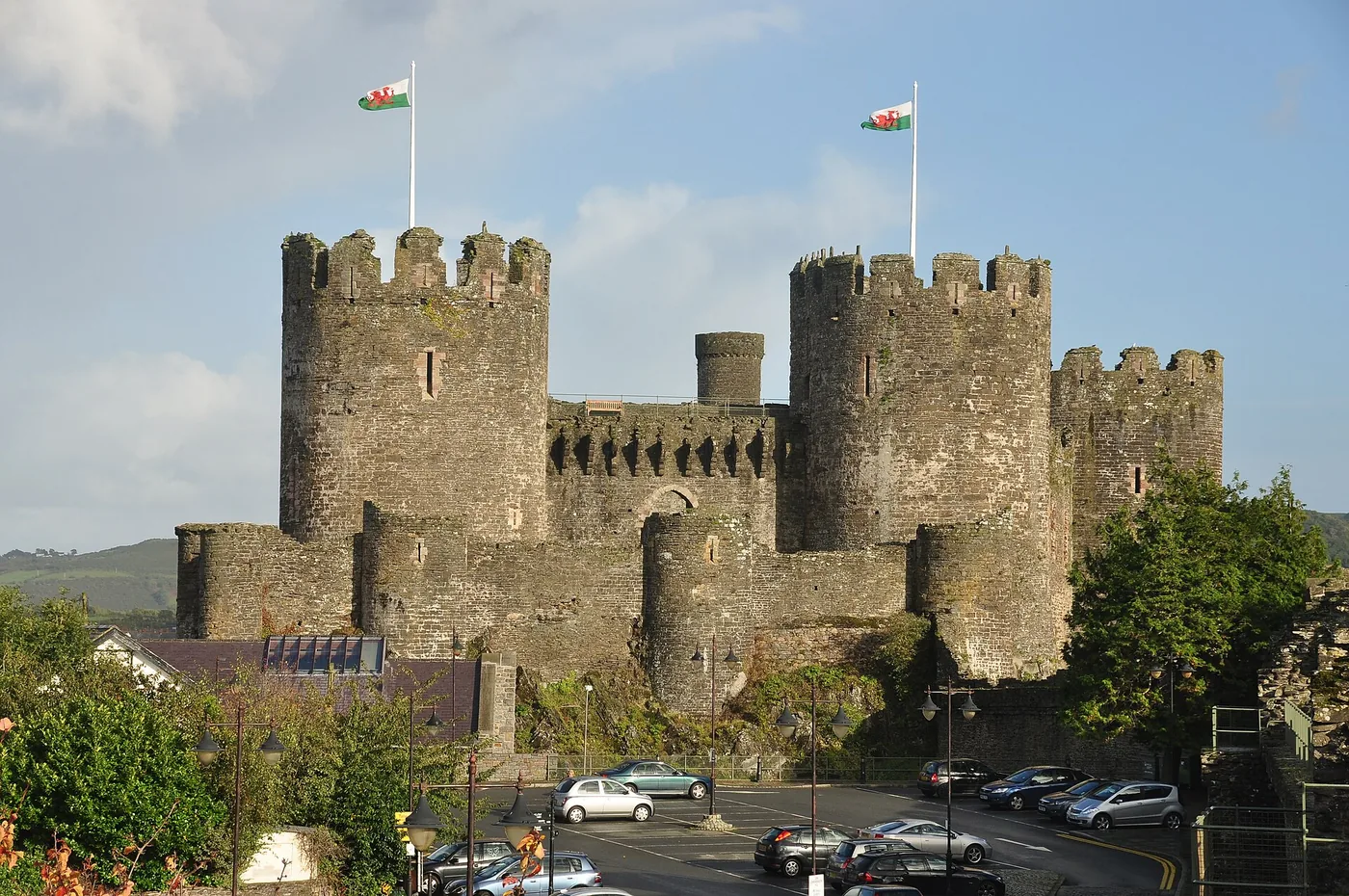

How the word changes shape at the border:
- *walhaz the root
- Wēalas Old English
- Wales Wales
- Walloon Wallonia
- Vlah the Balkans
- Oláh Pannonia
- Eflâk the Ottoman Porte
- Valahia Wallachia
The root: what the asterisk means
Everything starts from a word nobody ever wrote down
Proto-Germanic *walhaz meant “the foreigner” — more exactly “the Roman, the Romance-speaker, the romanised Celt”. It survives in Wales and Welsh, in Cornwall, in English village names like Walworth and Walton. The asterisk tells the truth at a glance: the form is reconstructed by linguists, attested in no document.
Volcae → *walhaz: the standard account, with its hedge
Where does *walhaz come from? The standard account derives it from the name Volcae, the Celtic tribe named by Caesar (Ouólkai in Strabo and Ptolemy): it is assumed the term named the Volcae in particular, because applying Grimm's law produces *Walh-. “Assumed” belongs to the claim; direct proof is missing, and “proven” appears nowhere here.
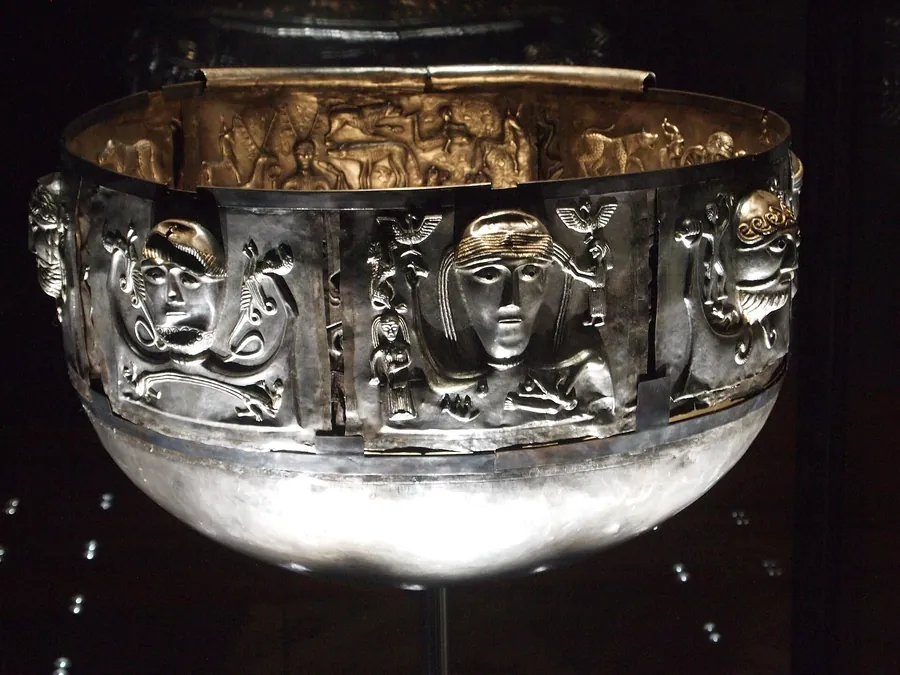

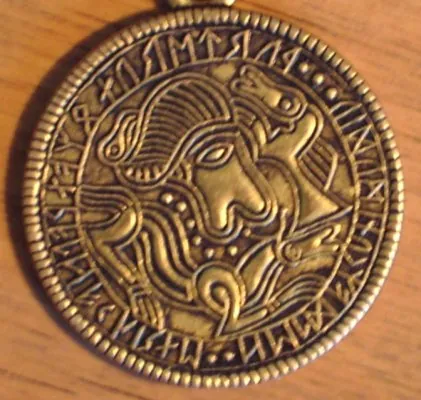

On a bracteate from Tjurkö, some read the form walhakurne — a possible early echo of the same root. This page treats it as a hypothesis, never as proof. HYPOTHESIS
The centre of the piece: two mirrors
Wales and Wallachia: the same pattern, at two ends of Europe
In both cases, the name from outside won on the map, while the name from inside survived at home. The two panels tell the same story in the same order: who gave the name, which name each kept.
Wales / Cymru
THE NAME FROM OUTSIDE
Wales and Welsh come from Old English Wealh (singular), Wēalas (plural) — a descendant of *walhaz. English kept the root in Cornwall, Walworth and Walton too.
THE NAME FROM INSIDE
Cymry (the people), Cymru (the land) — from Brythonic combrogi, “fellow-countrymen”, probably in use before the 7th century.
Wallachia / Țara Românească
THE NAME FROM OUTSIDE
“Wallachia” is an exonym: Romanians called their country Țara Românească, although the form Valahia or Vlahia appears in some Romanian texts. The neighbours added Havasalföld and Havaselve (Hungarian) and Transalpina (chancery Latin).
THE NAME FROM INSIDE
Țara Românească — the name from inside. Muntenia names the eastern half; the spelling Țara Rumânească belongs to other centuries.
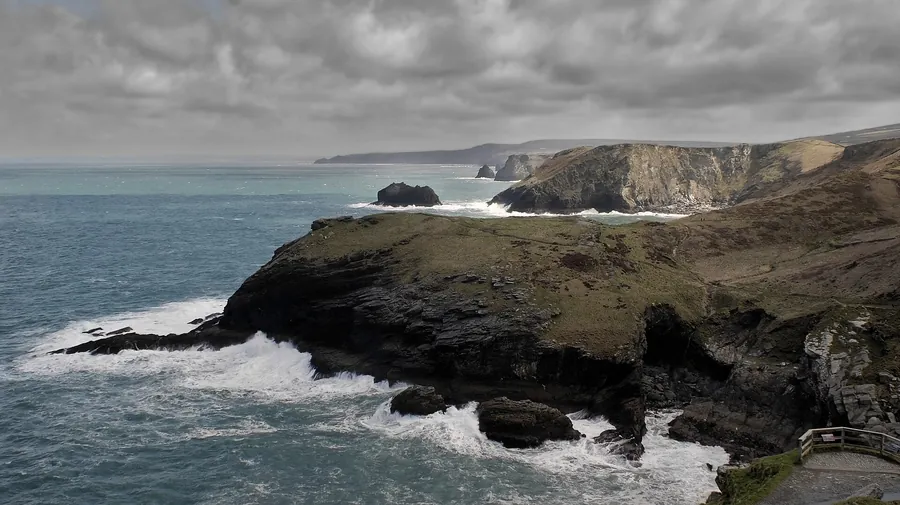

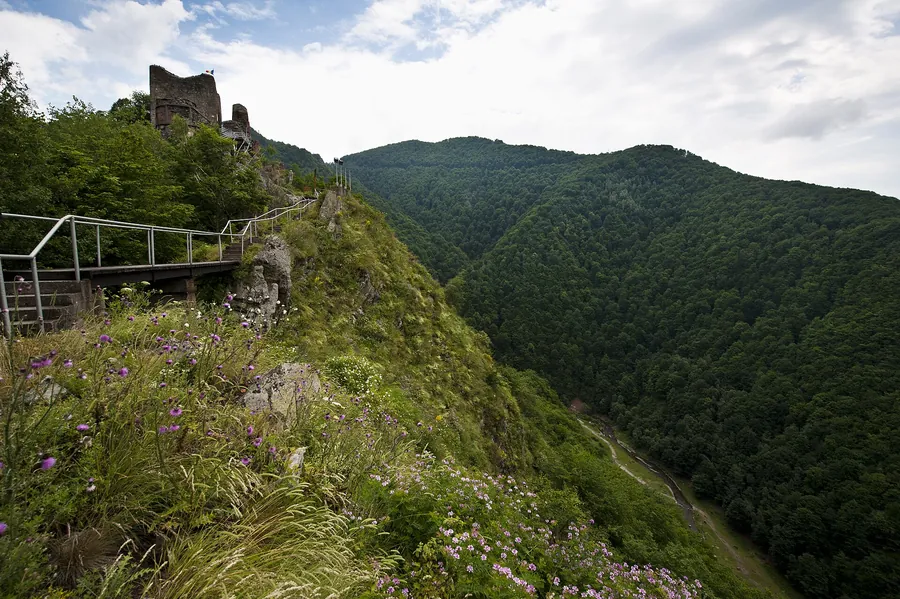

The engine of the piece: one word, ten lands
Carry the word across the map
Ten pins, a single word. Move the years along the axis to light the pins in first-attestation order; choose a pin to learn who called whom what, in which language and with which sense. Everything the mouse does, the keyboard does too.
976 — The Vlachs enter written history
Choose a pin: who called whom what
976
The Vlachs enter written history
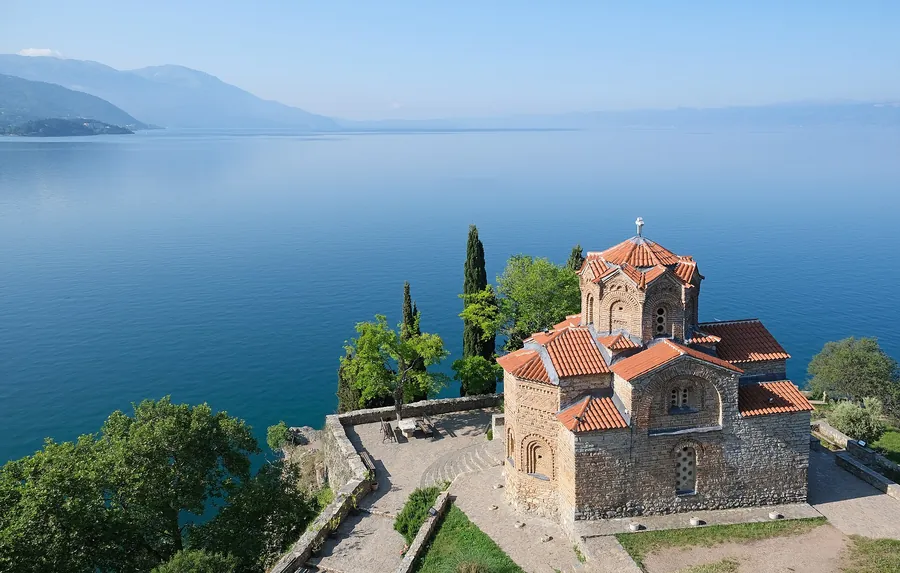
Skylitzes mentions the Vlachs: David of Bulgaria is killed by them somewhere between Prespa and Kastoria. The continuator of Skylitzes calls them hoditōn — caravan guides and guards.
1020
All the Vlachs, a single care
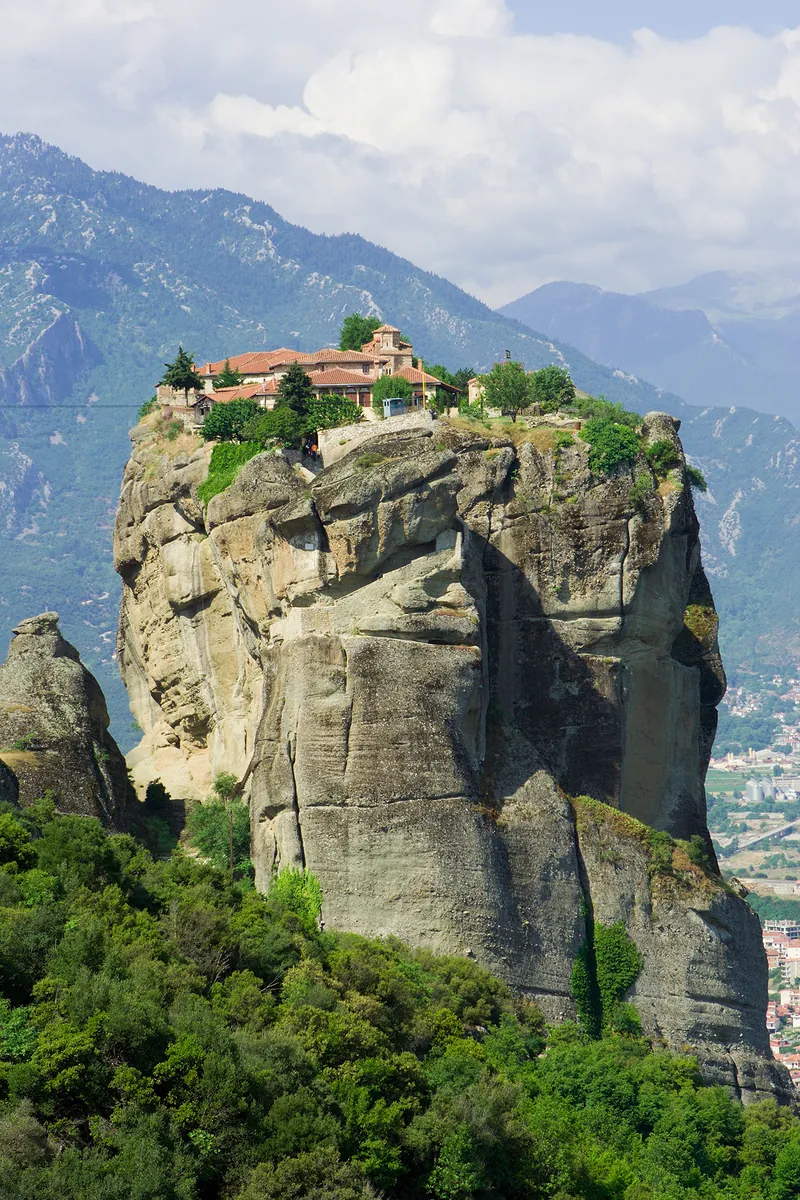
The Archdiocese of Ohrid receives “the spiritual care of all the Vlachs”. One administrative sentence showing how widespread those so named already were.
1025 · 1027
Vlachs on the Axios and in Sicily
The Annales Barenses place Vlachs near the Axios in 1025; two years later, the Byzantine army trying to retake Sicily under Orestes includes many Vlachs recruited from Macedonia. Two distinct years, kept distinct.
1066
The revolt of Thessaly
Kekaumenos writes in the Strategikon (1075–1078) about the revolt of 1066, led by Nikoulitzas Delphinas; the leaders meet in the house of Beriboes, and families and flocks are moved to the mountains of Bulgaria.
1185
26 October: the revolt begins
On St Demetrius' feast day, the Bulgarians and Vlachs of Paristrion rise against the taxes. The revolt ends with the Second Bulgarian Empire — at first, the “Empire of Bulgarians and Vlachs”.
13th–18th c.
The name climbs the Carpathians
Shepherds called Vlachs migrate along the Carpathians to Moravia between the 13th and 18th centuries, and are gradually Slavicised. Why they set out, and exactly when, stays unclear to this day.
Wales 1
Wales, Welsh < Old English Wēalas < *walhaz
The name from inside: Cymry / Cymru < combrogi, “fellow-countrymen”
Who named them: the English (Anglo-Saxons)
The sense: “the foreigners” — the romanised neighbours
Source: EN-wiki Wales §Etymology
Cornwall 2
Cornwall < Corn + Wealas
The name from inside: Kernow (Cornish)
Who named them: the English
The sense: the land of the “foreign” Cornovii — the root on England's map
Source: EN-wiki *Walhaz
Wallonia 3
Walloon < *walha
The name from inside: Walon (Walloon)
Who named them: the Germanic speakers
The sense: “the Celtic and Latin speakers”
Source: EN-wiki Walloons §Etymology
Romansh Switzerland 4
Welsch, Waals, valskr, walhisc < *walhiska-
The name from inside: Romontsch / Rumantsch
Who named them: the Germanic neighbours
The sense: the adjective of *walha: “the foreign, Romance one”
Source: EN-wiki *Walhaz
Italy / Włochy 5
Pol. Włochy, Włosi; Hung. Olasz, Olaszország; Sloven. Lahi
The name from inside: Italia, italiani
Who named them: the Poles, Hungarians and Slovenes
The sense: a living exonym for Italy and Italians
Source: EN-wiki *Walhaz
Moravian Wallachia 6
Moravské Valašsko — the name comes from the exonym “Vlach”
The name from inside: Valaši (Slavicised today)
Who named them: the Slav neighbours
The sense: the “Vlachs” at the end of the Carpathian migration
Source: EN-wiki Moravian Wallachia
Pannonia / Oláh 7
Hung. oláh (“Vlach, Romanian”), olasz (“Italian”)
The name from inside: român
Who named them: the Hungarians
The sense: from Slavic Vlah/Voloh, through contact
Source: EN-wiki *Walhaz
Balkans / Vlah 8
Gr. Vláhoi/Blachoi, Alb. vllah, Slav. Vlah/Voloh
The name from inside: rumân, armãn
Who named them: the Greeks, Slavs and Albanians
The sense: first “the Romanics”; later also “shepherd, nomad”
Source: EN-wiki Vlachs
Wallachia 9
Wallachia; Zemli Ungro-Vlahiskoi; Havasalföld; Transalpina
The name from inside: Țara Românească
Who named them: every neighbour, each in their own tongue
The sense: “the land of the Vlachs”, said from outside
Source: EN-wiki Wallachia §Etymology
Eflak 10
Ulak, Ilak, Iflak → Ott. Eflâk, Eflâk Prensliği
The name from inside: Țara Românească
Who named them: the Muslim sources, the Ottoman chancery
The sense: “Wallachia”, plus the Rüsûm-i Eflakiye tax: one sheep and one lamb per household, on St George's Day
Source: EN-wiki Vlachs §Ottoman Empire
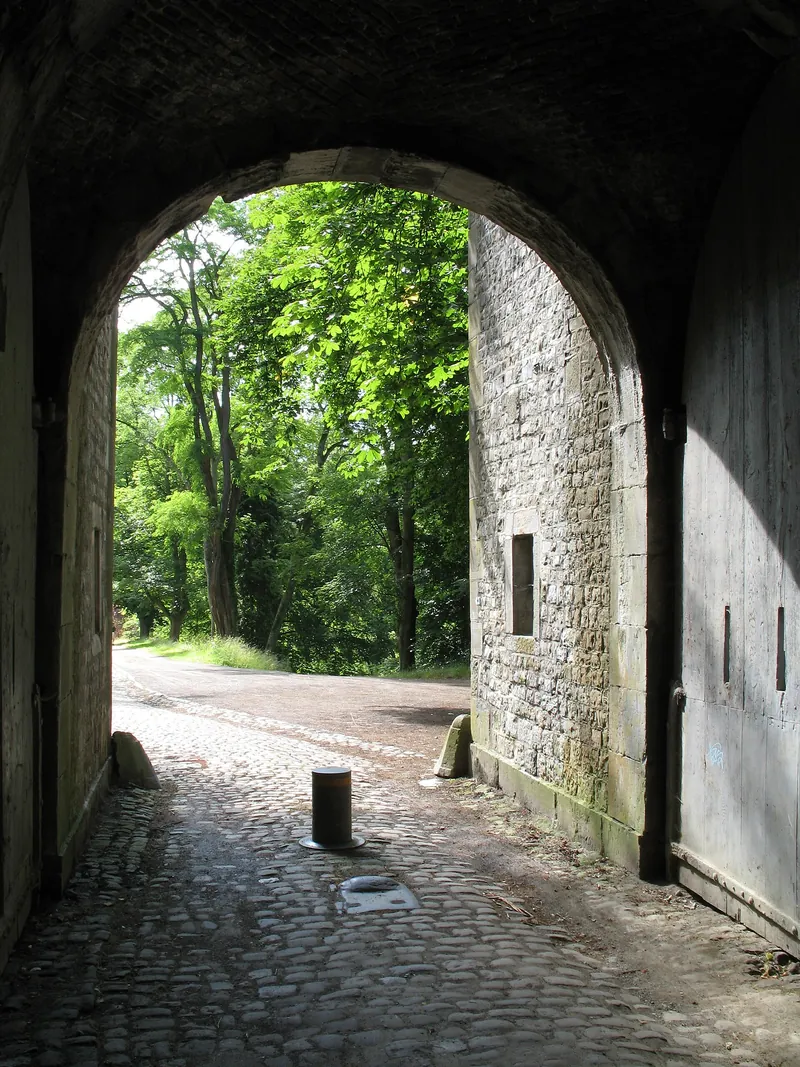

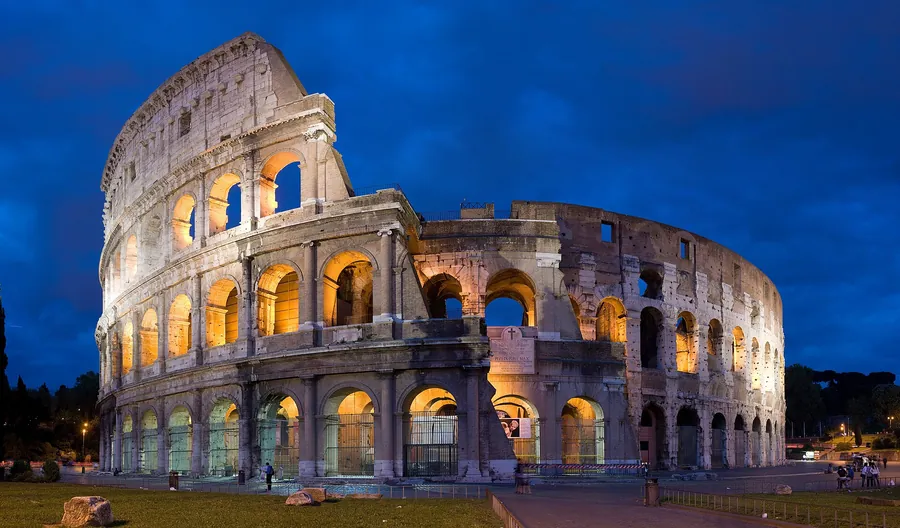

The Byzantine hinge: four dates
The first times the Vlachs enter the documents
Four stops before 1100. Each says only that, by that date, the word was already there — the people, of course, had been there long before.
Prespa–Kastoria
976
Vlachs
Skylitzes mentions them: David of Bulgaria is killed by Vlachs between Prespa and Kastoria. The continuator calls them hoditōn — caravan guides and guards.
sighting 1 of 4
Ohrid
1020
all the Vlachs
The Archdiocese of Ohrid receives “the spiritual care of all the Vlachs” (after Miskolczy 2021). The chrysobull is quoted here no further than the sentence the cited source transmits.
sighting 2 of 4
Axios · Sicily
1025 · 1027
Vlachs
The Annales Barenses place them near the Axios in 1025; in 1027, the army of Orestes for Sicily includes many Vlachs recruited from Macedonia. Two distinct years, kept distinct.
sighting 3 of 4
Thessaly
1066
Nikoulitzas
Kekaumenos writes in the Strategikon (1075–1078) about the revolt of 1066: Nikoulitzas Delphinas, the house of Beriboes, families and flocks moved to the mountains of Bulgaria.
sighting 4 of 4
A record tells us a word was already in use on that date; it rarely tells us the year it was borrowed.
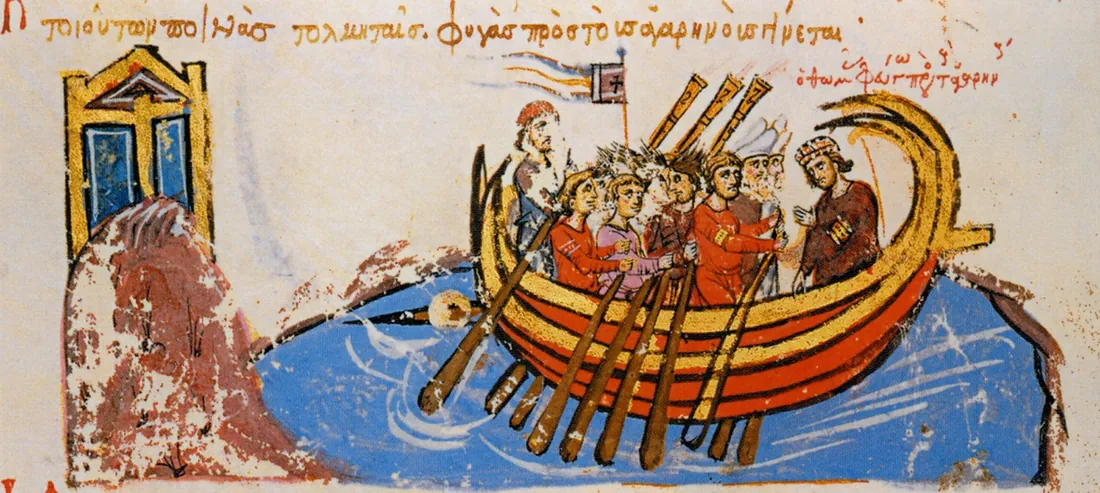



The hinge of 1185: the revolt
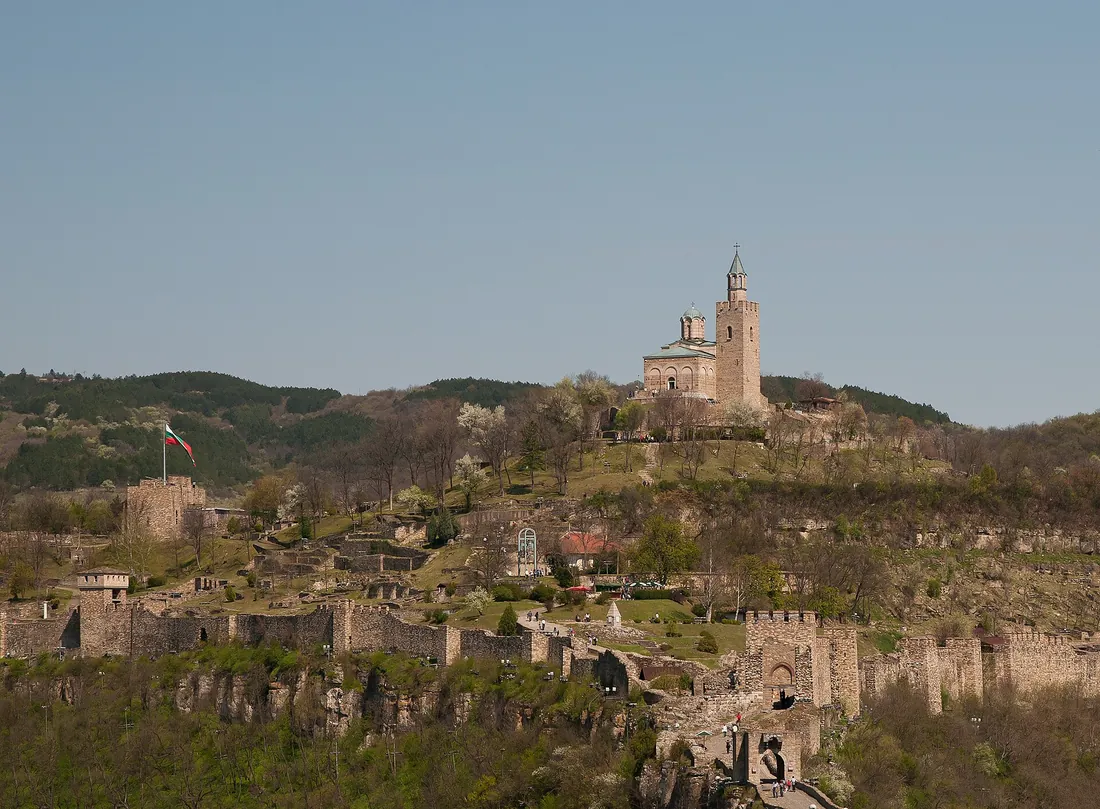
26 October 1185: Bulgarians and Vlachs rise
The cause was the tax. The traditional date of the beginning — 26 October 1185, the feast day of St Demetrius — comes from a single account and is kept as such. The ending is well known: the Second Bulgarian Empire, at first the “Empire of Bulgarians and Vlachs”.
The revolt breaks out in Paristrion, led by the brothers Asen and Peter.

The end of the road: Moravia
The last valley still called Wallachia
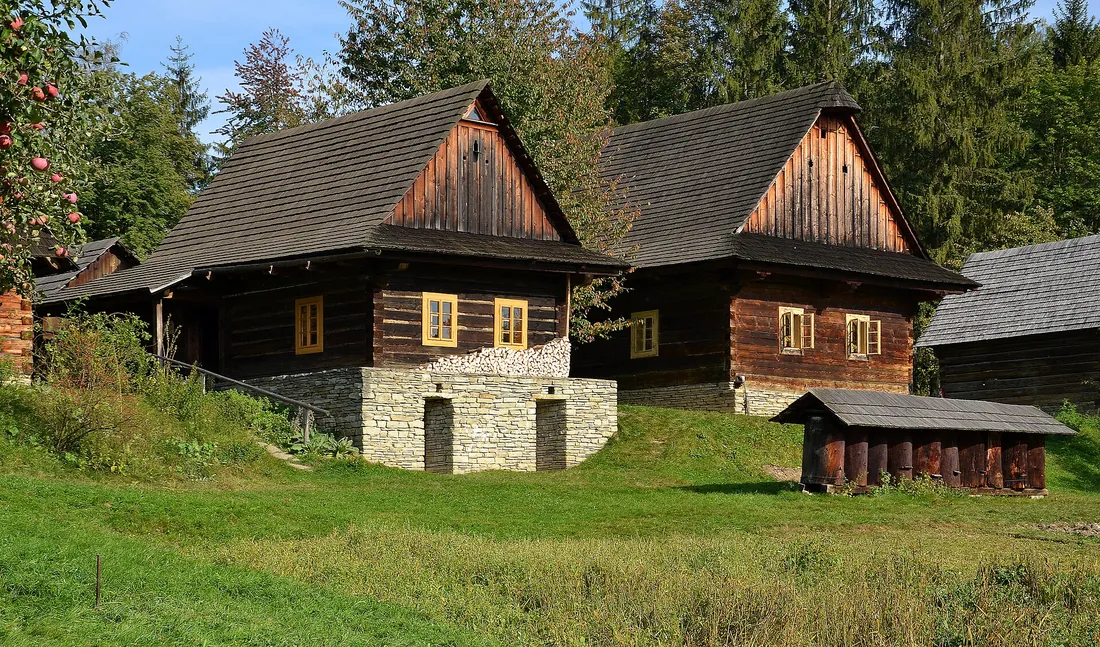
Moravské Valašsko — Moravian Wallachia — with Vsetín, Valašské Meziříčí and Rožnov pod Radhoštěm: the name comes from the exonym “Vlach”, and the dialect keeps a pastoral lexicon of Romanian origin — košár and kotár, čutora, fujara, koliba, bača.
Shepherds called Vlachs moved up along the Carpathians to Moravia between the 13th and 18th centuries (Kamusella) and were gradually Slavicised. Why they set out, and exactly when — unclear to this day, and this page keeps the hedge of its source.
The pastoral lexicon travels with the name: Moravian bryndza opens the sibling page, which follows the shepherd words out of Romanian.

The name from inside: rumân
Romanians called themselves rumâni, then români — from Latin romānus, “Roman”. Aromanians call themselves armãni. The 13th- and 14th-century testimonies date the attestation, never the birth of the word.
Meanwhile the exonym “Vlach” slid towards the social sense: shepherd, nomad — Slovaks say Valasi, Czechs Valaši. The name travelled because OTHERS carried it; every people kept its own name.
What we do not know (and say so)
- How firm the Volcae → *walhaz derivation stands. “Assumed” belongs to the standard account; the works of Schrijver and Ringe were never checked here.
- The text of the 1020 Ohrid chrysobull beyond the sentence transmitted through Miskolczy.
- The exact start of the migration to Moravia and the Lozovan–Kamusella primary sources; this page keeps the hedge “unclear exactly why and when”.
- Hour- or legend-level detail for 26 October 1185: the traditional date comes from a single account.
- The genetics sentence quoted in passing by the sources: a single study demands caution, so this page never uses it.
Sometimes the most honest etymology reads: we do not know yet.
The name arrived; the people keep their names
You carried a single word through ten lands. The sibling story follows the shepherd words out of Romanian — from the sheepfold, across the Carpathians.
Sources
The name first, then the documents, then the quarantined card. Every risky claim points at its source.
The root and the mirror
- *walhaz, Volcae, the *walhiska- family (EN-wiki)
- Wales, Wealh/Wēalas, Cymry < combrogi (EN-wiki)
- Walloon < *walha (EN-wiki)
- Wallachia, Țara Românească, Eflâk (EN-wiki)
The Vlachs in the documents
- Vlachs, Skylitzes, Ohrid, Kekaumenos (EN-wiki)
- The uprising of Asen and Peter, 1185 (EN-wiki)
- Ivan Asen I, the ethnic controversy (EN-wiki)
- Moravian Wallachia, the Carpathian migration (EN-wiki)
The quarantined card
The sibling page
Type: Fraunces, Source Serif 4 and Atkinson Hyperlegible, under the SIL Open Font Licence.