FROM PERSIA, ON FOOT
One word walked here from Persia
Romanian has three words for one shepherd: cioban, păstor, păcurar. The one you use every day is a traveller: the shepherds of Persia said something like čupân, the Ottoman Turks borrowed it as çoban, and the flocks carried it across the Balkans to us. Walk with the flock, stop by stop.
- Three millennia
- a single trade: from *fšupāna- to cioban
- 1705
- Cantemir writes Istoria ieroglifică, the first record
- 3 words
- one shepherd: cioban, păstor, păcurar

How the word changes costume at each stop:
- چوپان Persia
- çoban Anatolia
- τσοπάνος Balkans
- cioban Romania
- чабан Steppe
- csobán Hungary
The living map: the word's road
The word's road
Six stops, from Persia to the steppe. Scroll and the map follows you: the stop you are reading lights up, the rest go dim. Tap a marker to jump to its chapter, play the thread to watch the road draw itself, or find your own shepherd word.
Touch a marker to jump to its chapter.
Where does your shepherd word live?
Pick a form and the map flies to its stop.
- Persia · čupân → #persia
- Anatolia · çoban → #anatolia
- Balkans · τσοπάνος → #balcani
- Romania · cioban → #romania
- Steppe · чабан → #stepa
- Hungary · csobán → #stepa
1 Persia · the old name
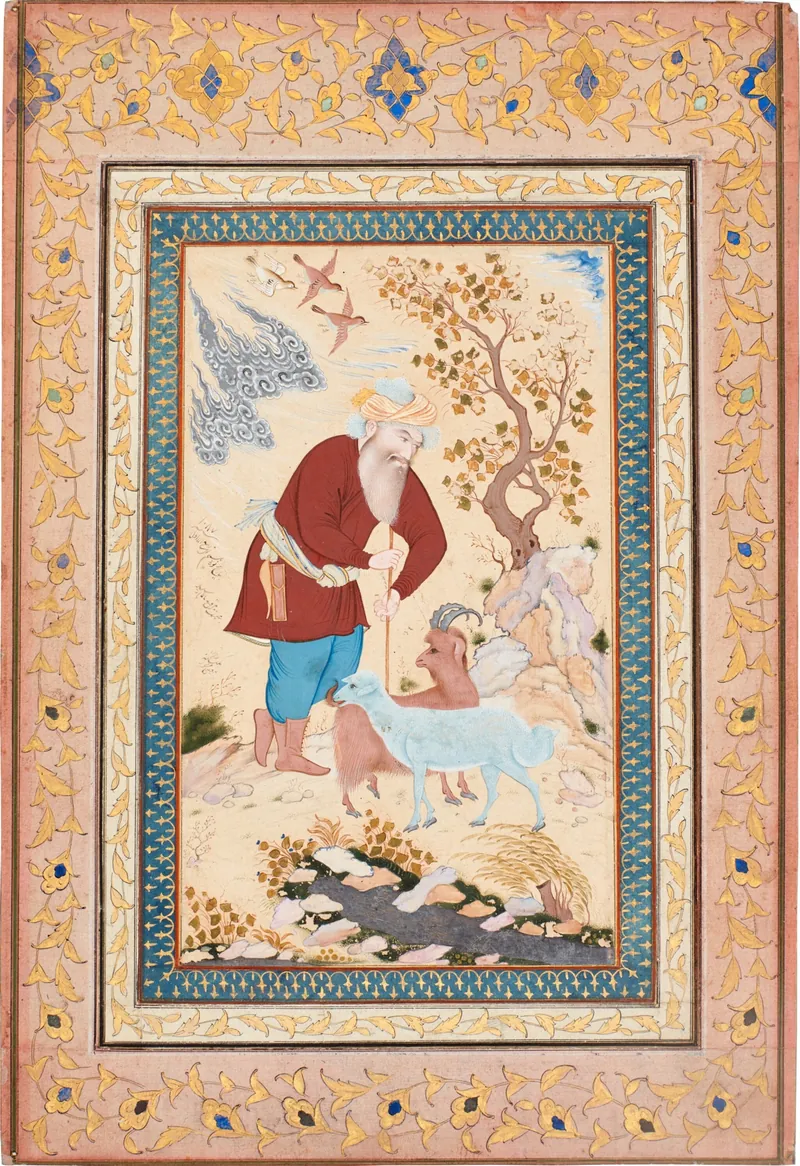
The shepherd with an old name
Start with three millennia and a single trade. Every link names its source, and the asterisk stays in sight: what is reconstructed looks reconstructed.
The Turkish dictionaries carry the word çoban back step by step: Turkish inherits it from Ottoman Turkish, Ottoman borrows it from Persian, Persian inherits it from Middle Persian, and down at the root sits an Old Persian form nobody ever saw written anywhere — which is why it wears an asterisk.
The asterisk is no disgrace, it is a museum label: *fšupāna- means “this is how we think it sounded, from what survived further up the thread”. Everything else on this page starts from the attested links, not from it.
*fšupāna-RECONSTRUCTED
Old Persian · reconstructed form
šubānSUPPORTED BORROWING
Middle Persian · handed on
čōpān / čupânSUPPORTED BORROWING
Classical Persian · “shepherd”
çobanSUPPORTED BORROWING
Ottoman Turkish · “shepherd”, borrowed from Persian
3 millennia of shepherding in a single word
On the map: the eastern end of the thread. The thread starts here, westward.



2 Anatolia · çoban
The word learns Turkish
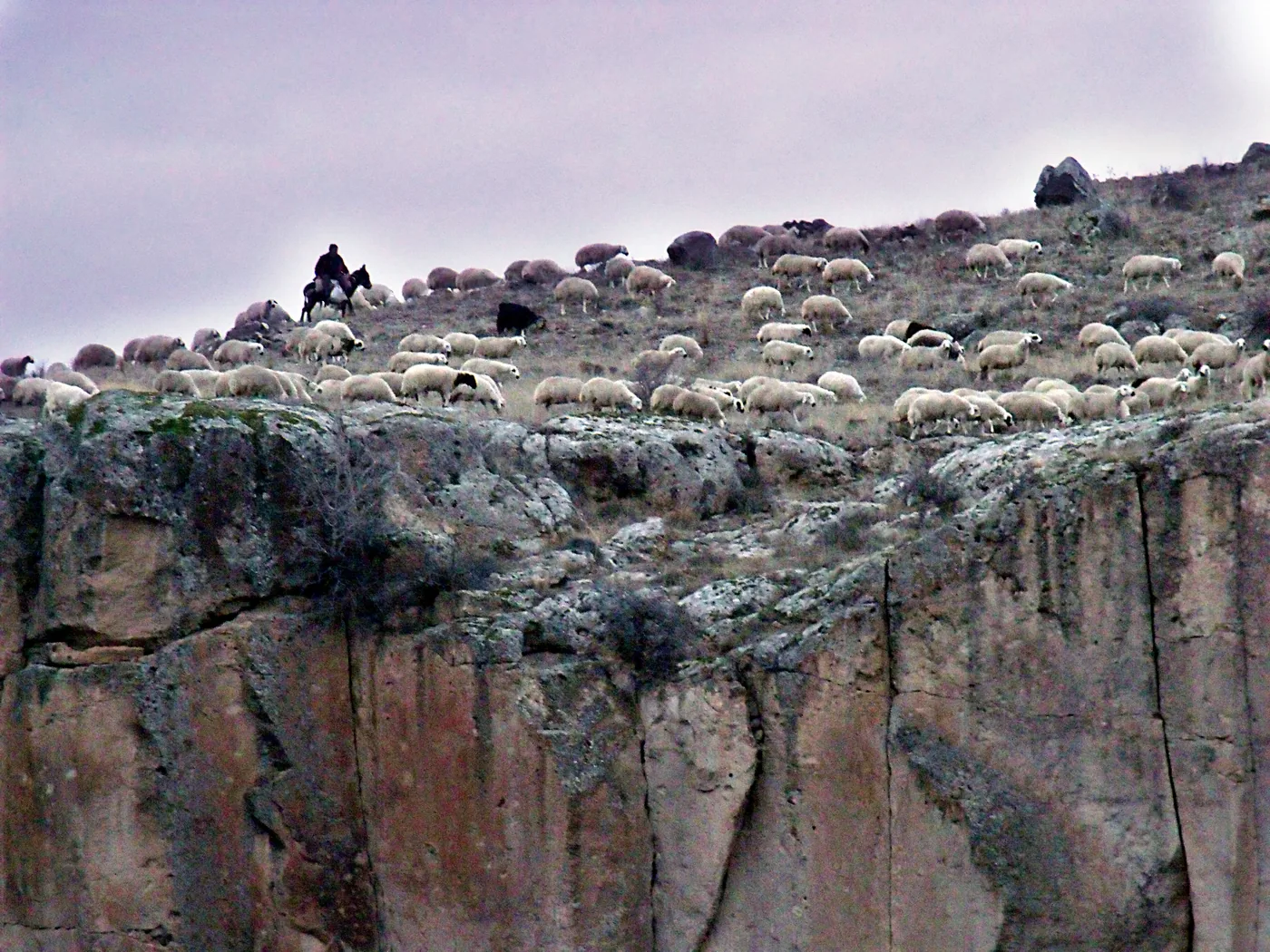
In the Ottoman world, čupân becomes çoban. And the people who carry it from one season to the next are people who never sit still: the Yörük nomads.
Yörük is, in the Ottoman chancery, an administrative and fiscal term for nomad groups — in use from about 1430 — and its people are semi-nomadic: twice a year they move their flocks between the summer and the winter pasture.
Here the word also grows a shadow: the Ottoman dictionaries record, beside “shepherd”, a figurative sense — “boor”. It is an Ottoman shadow, not a Romanian one; the page leaves it where it found it.
A Yörük year
YAYLA
the summer pasture, high in the mountains
KIŞLAK
the winter quarters, down on the plain
2 moves a year: yayla ↔ kışlak
On the map: the thread crosses the Anatolian mountains. From here the word walks to the Balkans with the flocks.


3 Balkans · the fan
The fan
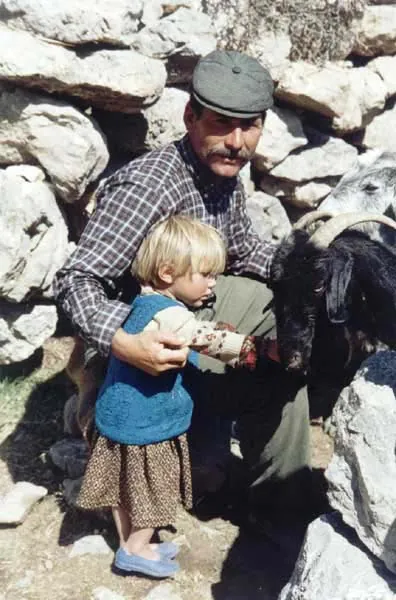
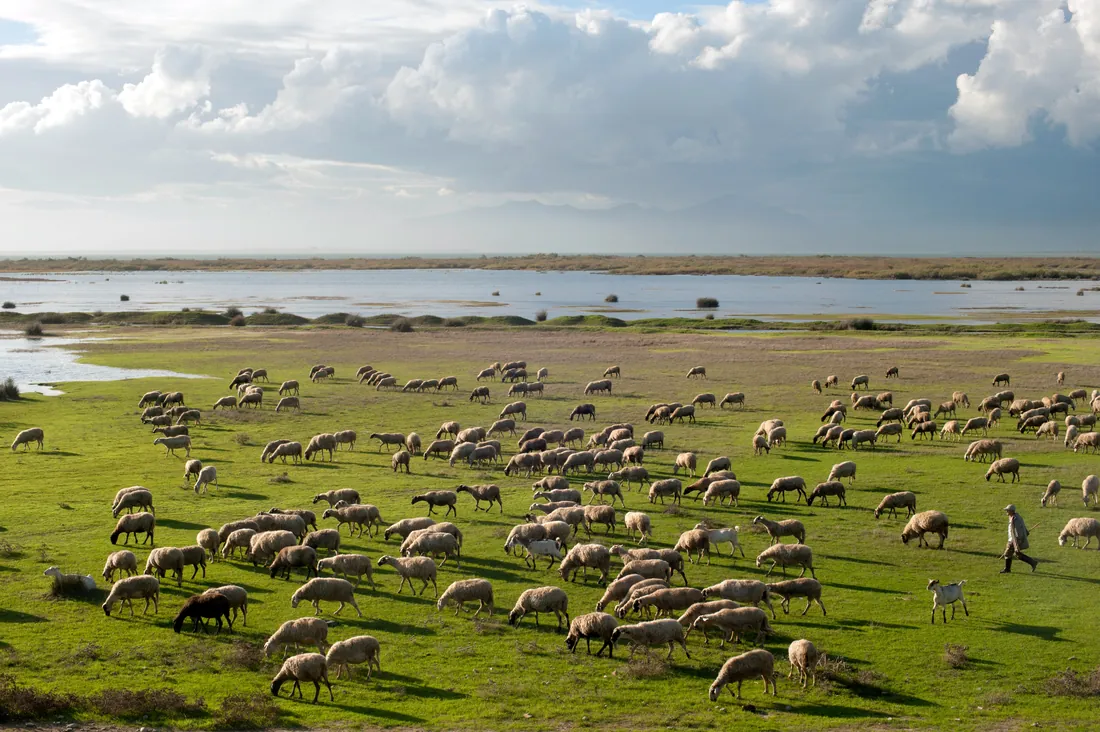
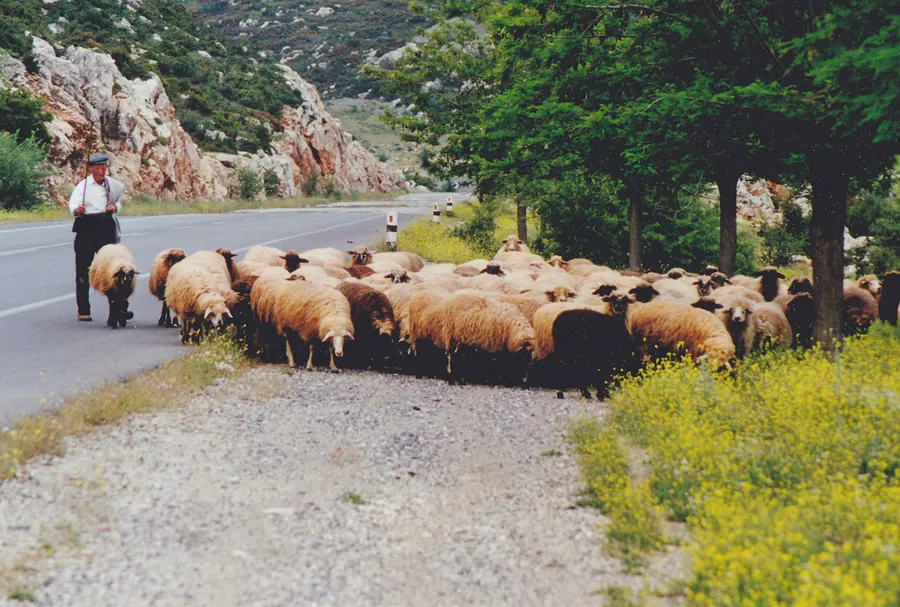
Once across into Europe, the word opens like a fan: every Balkan language catches it differently. The same roads are walked by the Vlachs — Romance-speaking transhumant shepherds.
The cognate ring comes from the etymological dictionary: Greek, Albanian, Bulgarian, Serbian — the same Ottoman loan in four new costumes. We know no first record for any of them here, so the page dates none.
The Vlachs are the Romanized, Romance-speaking population who practiced transhumance as herdsmen and shepherds; their mountain hamlets, the katuns, are on record from the 14th century in medieval Bosnia. Two pastoral worlds — the Ottoman and the Vlach — cross on the same roads, and words walk with the flocks. That is this page's inference from two sources set side by side — not a dated encounter, because none is attested as such.
The same loan, other languages
The Balkan forms of çoban. Where no verified record exists, we show the form alone, with no date.
- ÇOBAN Turkish
- τσοπάνης / τσοπάνος GreekSUPPORTED BORROWING
- čoban AlbanianSUPPORTED BORROWING
- čoban(in) BulgarianSUPPORTED BORROWING
- čoban(in) SerbianSUPPORTED BORROWING
4 Balkan languages, a single loan
On the map: the stop where the thread widens. Tap the neighbouring markers to compare the forms.


4 Romania · three words
Three words for one shepherd
Here the traveller meets two Latin words: one of church and carol, one old and regional. Three words, three registers — each with its record.
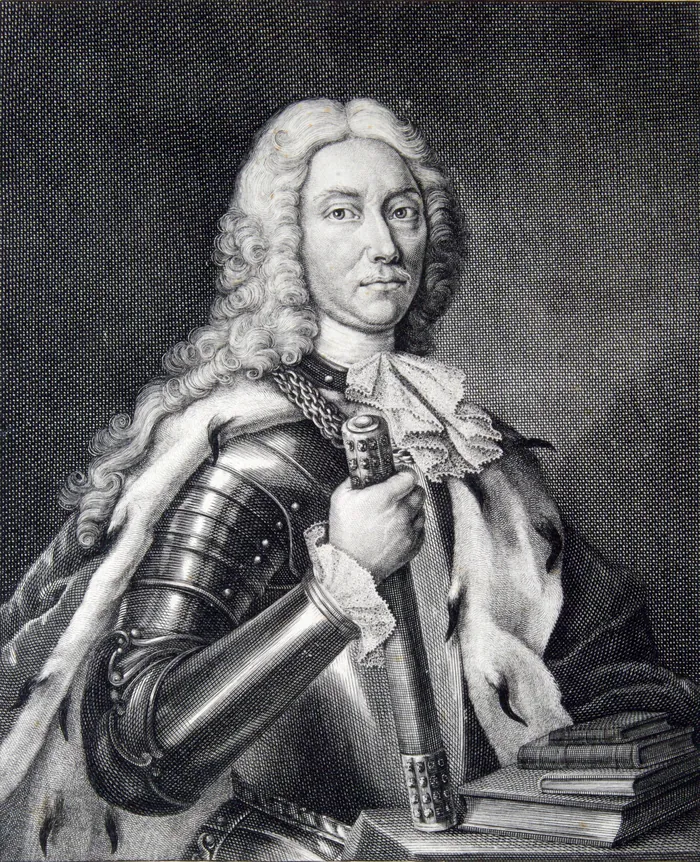
Cioban comes from Turkish çoban — so says the DEX, without dating the loan. Its first Romanian record is in Cantemir's Istoria ieroglifică, a work written in 1705 and counted as the first Romanian historical novel.
Păstor comes from Latin pastor and lives in church and carol: “Trei păstori se întâlniră”. Păcurar comes from Latin pecorarius, is marked “old and regional”, and is on record in the Palia de la Orăștie of 1581 — the first partial Old Testament translation.
The three shepherds
| The word | Where from | Where it lives |
|---|---|---|
| cioban | from Turkish çoban (DEX) | every day · on record in Cantemir, Istoria ieroglifică |
| păstor | from Latin pastor (DEX) | church and carol · “Trei păstori” |
| păcurar | from Latin pecorarius (DEX) | old and regional · on record in the Palia, 1581 |
The folk register has a sting too: ciobănos means “rustic, uncouth”. But the Ottoman figurative “boor” stays Ottoman — the page does not stick it onto Romanian.
1705 the year of the first record: Cantemir, Istoria ieroglifică
On the map: the stop called home. Here the thread meets the two Latin words.


5 Steppe · the echo
The steppe echo
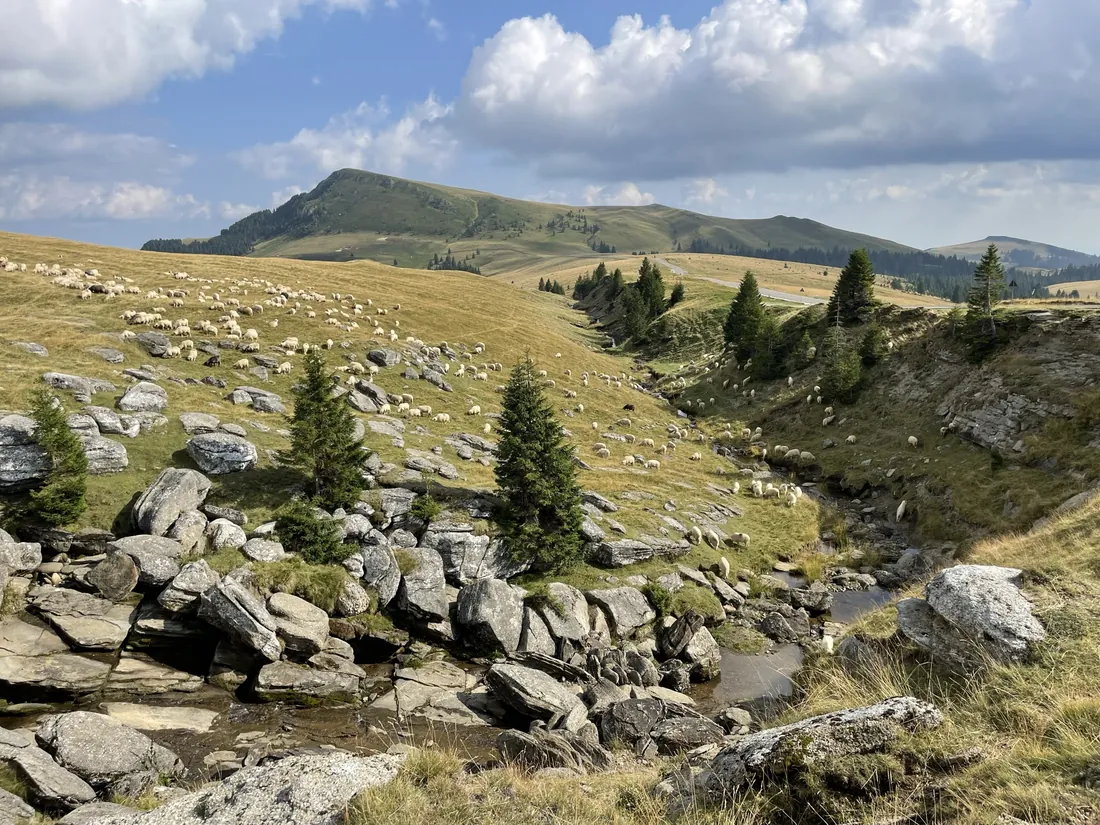
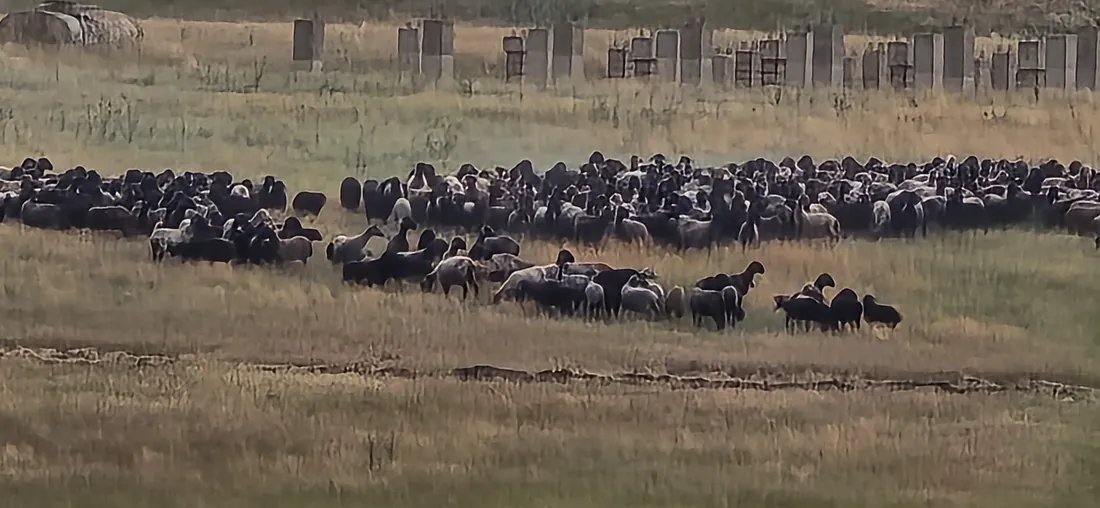
The road does not end with us: eastward, the same Persian word echoes through the steppe tongues — and Hungarian seems to have taken it from Romanian itself.
Russian and Ukrainian have čaban / чабан, “shepherd”, borrowed from the Turkic languages, which have it from Persian; Polish has czaban. The direction is documented, the dates are not — the page dates no steppe loan.
And Hungarian csobán(y) comes from Romanian, after Edelspacher — possibly Ruthenian and Polish too. As for the supposed Bulgarian route: it “does not seem certain”, says the dictionary; which is why you will not read it here as fact.
- čupân Persian
- çoban Turkish
- čaban / чабан Russian, Ukrainian
- czaban Polish
Back westward: csobán(y), Hungarian — from Romanian (Edelspacher).
⇢ the return road draws dotted: what is uncertain looks uncertain
On the map: the dotted thread eastward and the return westward. The broken line is a promise of caution.


6 Close · the register
Why three?
Because a language keeps three shepherding duties: the everyday, the festive and the old.
CIOBAN
every day
from Turkish çoban — the word of the flock, the sheepfold and Miorița: “Cu trei ciobănei”.
PĂSTOR
church and book
from Latin pastor — the word of the pulpit and the carol: “Trei păstori se întâlniră”.
PĂCURAR
old and regional
from Latin pecorarius — the word of long ago, on record in the Palia de la Orăștie, 1581.
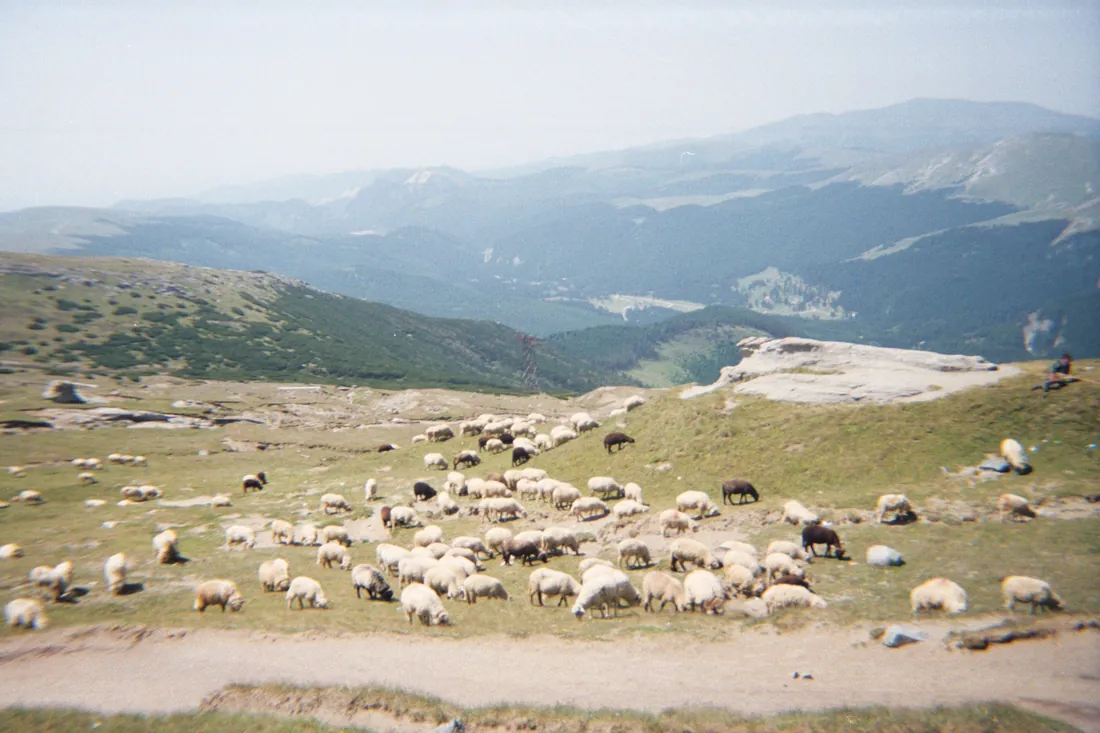
And the roads still walk: transhumance — the seasonal droving of livestock — has stood since 2023 on the UNESCO intangible-heritage list, with Romania among the states parties.
Two sister roads
The reverse road: the cheese words walked north-west with the Vlach shepherds.
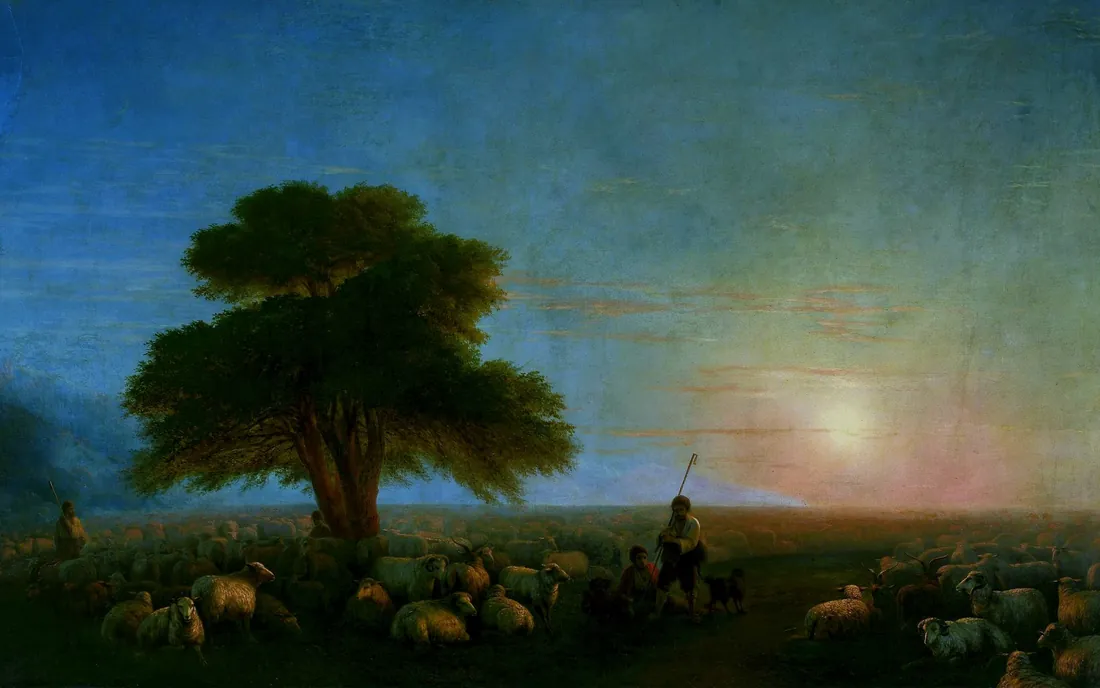
A real shepherd, who walked his roads with books in his pack.
2023 transhumance joins the UNESCO list, with Romania among the states parties
On the map: the western end of the thread. The word's road is over; the flocks' is not.

Which shepherd?
Four lines, three words. Pick the right shepherd for each — with a sourced verdict for every answer.
1 “Trei turme de miei / Cu trei ciobănei”
Miorița, in Alecsandri's collection
Right: cioban. Alecsandri's version in Poezii populare says “Cu trei ciobănei” — the everyday register.
2 “Trei păstori se întâlniră / Și așa se sfătuiră”
a carol
Right: păstor. The carol belongs to the church register of Latin pastor.
3 A word first on record in Cantemir's Istoria ieroglifică
the dictionary, via the DLR
Right: cioban. The DLR records it at CANTEMIR, IST. — Istoria ieroglifică, 1705.
4 “(Înv. și reg.) Păstor, cioban. – Lat. pecorarius”
the DEX, gloss quoted exactly
Right: păcurar. That is how the DEX gives it: old and regional, from Latin pecorarius.
Score: 0 of 4
What we do not know (and say so)
- By which road and in which year cioban entered Romanian. The DEX names only the source language; the Bulgarian hypothesis is doubted.
- The first records of the cognates — Greek, Albanian, Bulgarian, Serbian, Ukrainian, Russian, Polish, Hungarian. Which is why the page dates none.
- Whether any Yörük ever met any Vlach to hand the word over. This page's hinge is an inference about roads, not a dated encounter.
- The dating of the Codicele Voronețean — we cite only the DLR code, with no century.
- The Palia's exact printing dates before the PDF is confronted: 1581 is the DLR attestation year, the rest stays to verify.
A good dictionary does not fill every gap. Sometimes the most exact etymology is: we do not know yet.
Sources
Dictionaries first, then records and studies, then pictures. Every risky claim points at its source.
Dictionaries
- cioban: DEX, DER, DLR
- DER, the cognate ring (educalingo)
- păstor: DEX, DLR
- păcurar: DEX, DLR
- Ottoman Turkish چوبان: the Persian chain (en.wiktionary)
- Turkish çoban: the Ottoman inheritance (en.wiktionary)
Records and studies
- Cantemir, 1705, the first novel (Studia UBB, PDF)
- Yörük, a term from ~1430, yayla ↔ kışlak (Asfar)
- Yörük, an administrative-financial term, from 1430 (İnalcık, Cedrus, PDF)
- Transhumant Vlachs, katuns from the 14th c. (EN-wiki)
- Transhumance, 2023, Representative List (UNESCO)
- “Trei păstori”, the carol text (Mama Lisa)
Sister roads
Type: Fraunces, Newsreader and Atkinson Hyperlegible, under the SIL Open Font Licence.