GEAM · CAM · JĀM
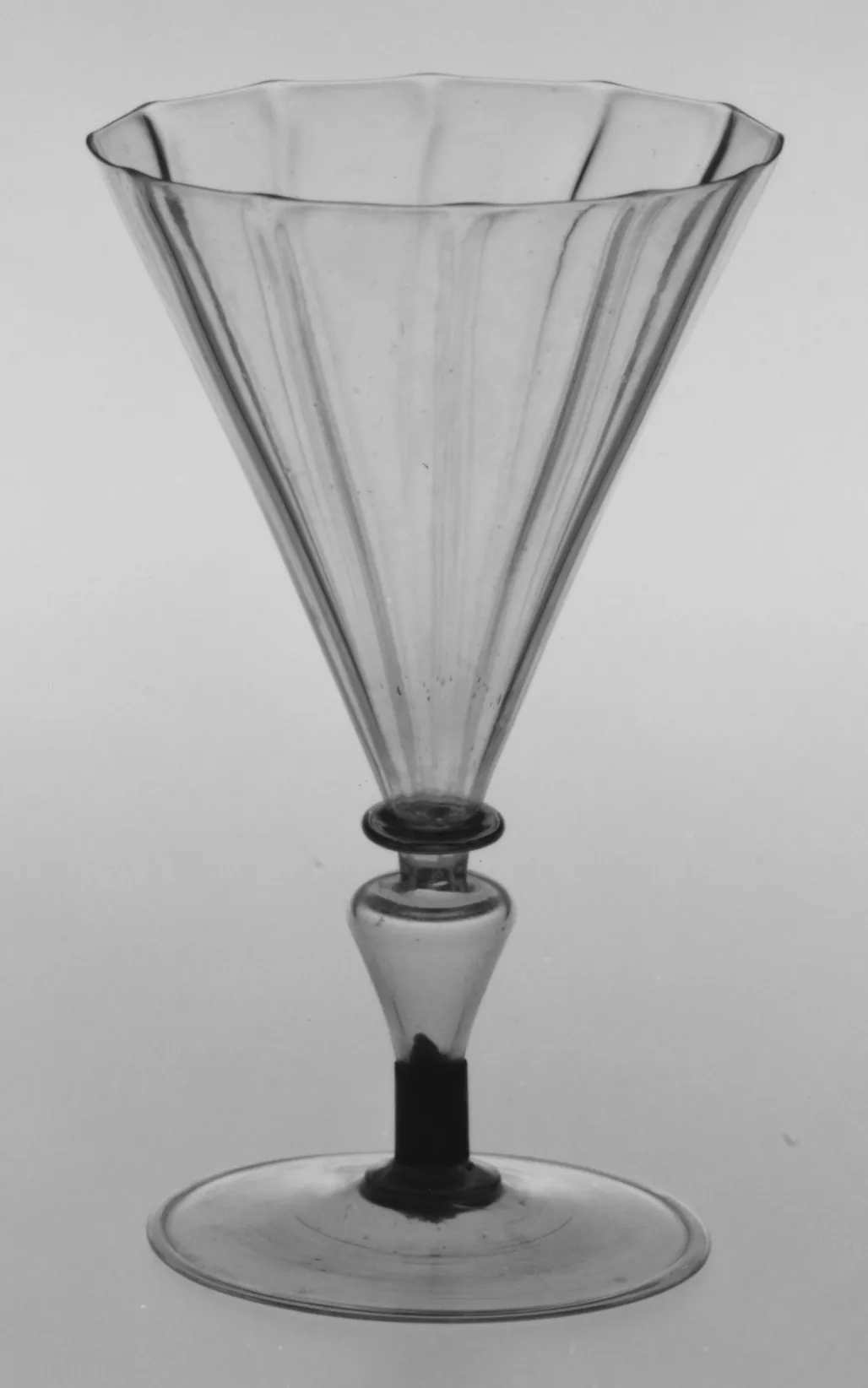
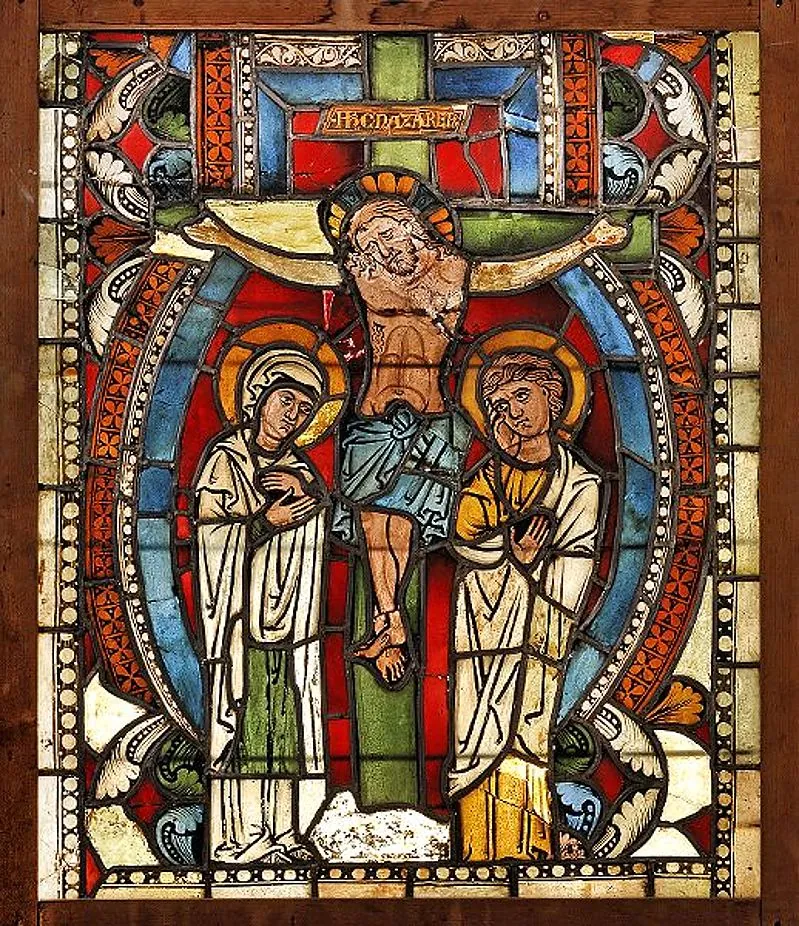
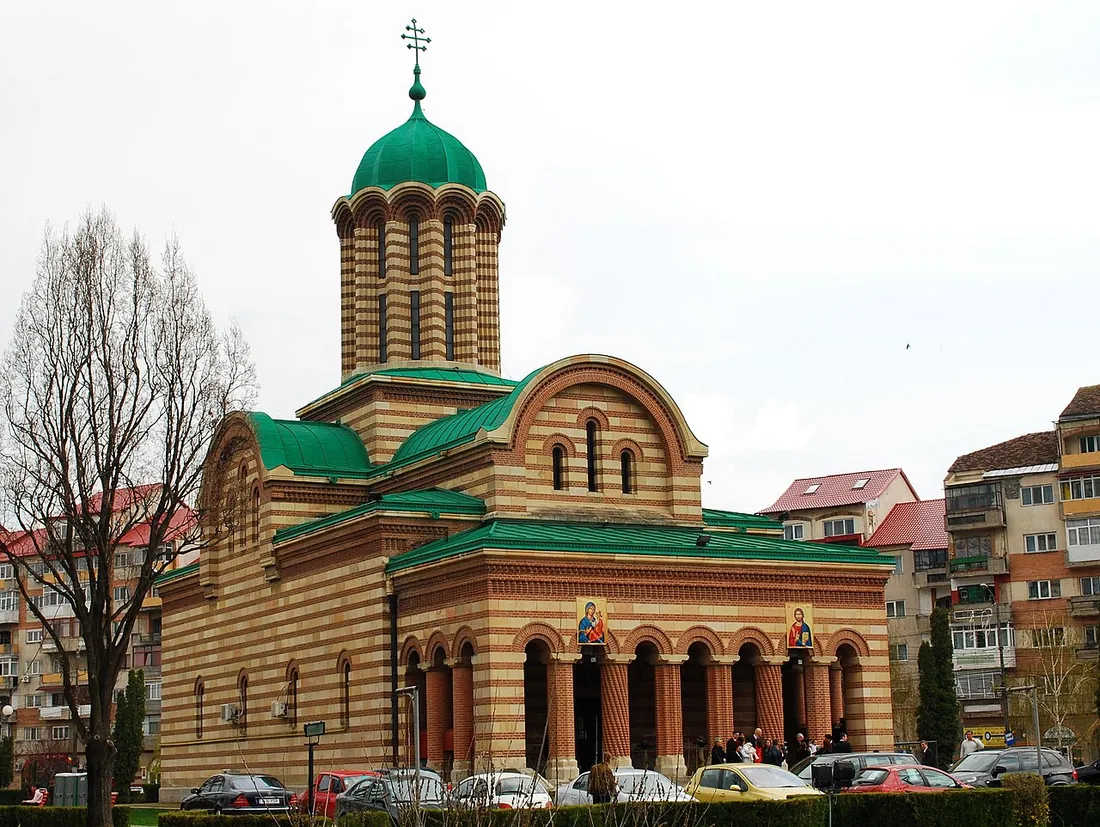
How did the goblet fit into the window?
Geam comes from Turkish cam — glass, pane, window; cam comes from Persian jām — goblet, mirror. The frame entered with the pane, in 1805: cercevea. And the material long belonged to sticlă, since Coresi.
- 1805
- geam + cercevea, the same page
- 3 in 1
- cam = glass, pane, window, in Turkish
- 0×
- the jām-mirror in Romanian: no trace
The page machine
The pane, shard by shard
Seven shards, five languages. Press each piece: see which language it comes from and which dictionary holds it. The RO/LA/SL/TR/FA labels show the language; the goblet is the pane itself.
geam today's Romanian RO
DEX '09: “– Din tc. cam” — pane; window “P. gener.”. (DEX)
cercevea the frame RO
DEX '98: “– Din tc. çerçeve” — the pane's frame; MDA2: the same 1805 page. (DEX)
cam Turkish TR
TDK: “Farsça cām” — material; sense 3 “bk. pencere”; (esk.) kadeh. (TDK)
camlık the Turkish veranda TR
TDK: “► camekân” — “cam bölme; camlık”. Geamlâc, at the source. (TDK)
jām Persian FA
Steingass, p. 350: “A cup… glass… a looking-glass, a mirror” — goblet and mirror. (Steingass)
fenestra Latin LA
DEX: “Lat. fenestra” — the opening; Romanian kept it for the hole. (DEX)
stǐklo Slavic SL
DEX: “Din sl. stĭklo” — the material, since Coresi; panes are made of it. (DEX)
The ea rule does NOT enter the machine: no dictionary states it — the four pairs (cam→geam, perde→perdea, çerçeve→cercevea, döșeme→dușumea) stand as pattern, not law.
At home
Frame, lorgnette, wind: 1805–1876
The 19th century fits and writes — ledgers note, novels smash; from 1805, geam flows: frames, lorgnettes, doors, wind.
1805: the double page
MDA2: “At: (a. 1805) IORGA, S. D. VIII, 41” — the same page for geam and cercevea: frame and pane enter together. The sentence itself: unfound. (MDA2)
1844: Kogălniceanu
Ghica, 1777, told in 1844: “Cerceveaua însă era prea strâmtă; și, în minutul cînd strica geamurile cu pumnul…” — window, frame, panes, in one sentence. (Kogălniceanu)
1844: Alecsandri
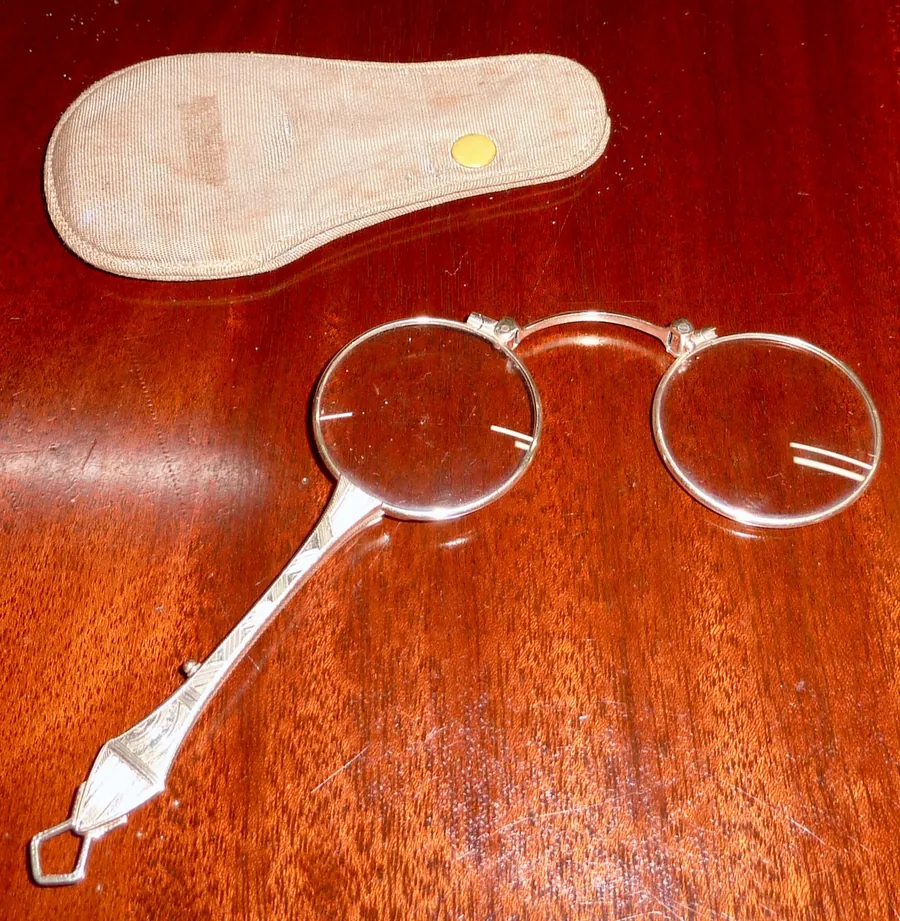
Iorgu de la Sadagura (premiered 18 Jan 1844): “Ce dracu are de se uită la mine prin geam?…” — the lorgnette, the lens sense. (Alecsandri)
1653–1876: before and after
Paul of Aleppo, 1653: the church with “glazed sashes” at Târgoviște (1836 English transl.). Eminescu, Călin: “Vântul jalnic bate-n geamuri” (1876, textbook dating). (Paul, Eminescu)
What was not found
Cantemir, Neculce (only geamie, geambaș), Țiganiada (only geamănă), Pann — zero pane-geam. Tariffs and ledgers: unsearched. And geamăn ← Lat. geminus (DEX): another word, set here as fence. (holes)

The same pane, other languages
Cousins: from the Balkans, via cam
Five cousins, one channel: Bulgarians write the whole road, the rest keep the word — and the ea pattern binds four pairs.
Bulgarians: the academy writes the road
RBE: ДЖАМ “…Стъкло… на прозорец… 2. Прозорец… — От перс. през тур. cam”. The only academy writing the whole road. (RBE)
Serbs and Croats: reg. džam
HJP: “džȁm… reg. 1. staklo 2. zastakljeno okno… tur. cam ← perz. ǧām”. Standard Serbian: no academic quote. (HJP)
Macedonians, Albanians, Greeks
Mk. џам “прозорско стакло; прозорец” (official, no etymology). Alb. xham, 7 senses (FGJSSH, no etymology). Gr. τζάμι ← Turkish ← Persian (tertiary). (official + DER)
The ea pattern
cam→geam, perde→perdea (1693), çerçeve→cercevea (1805), döșeme→dușumea (Heliade) — four DEX-verified pairs. Observed pattern, not stated rule. (DEX)

Who saw the pane
Four witnesses
From DEX to TDK and Steingass: four dictionaries, each seeing one shard.
DEX: geam
“GEAM… 1. Placă de sticlă… 2. P. gener. Fereastră. – Din tc. cam.”
The explanatory dictionary, s.v. geam
The Romanian sheet: pane + window by generalization. The most cited seal.
DER: the Balkan cousins
“Tc. cam…, cf. ngr. τζάμι, alb. ğam, bg. džam… geamgiu… din tc. camci… geamlîc… din tc. camlik…”
Ciorănescu, DER, s.v. geam
Three cousins and two children, in one entry: geamgiu and geamlâc, Turkish too.
TDK: cam
“Farsça cām… 3. bk. pencere… 4. (eskimiş) kadeh…”
TDK, the Turkish dictionary
The donor with documents: from Persian, with the window inside.
Steingass: jām
“جام jām, A cup… glass… a looking-glass, a mirror…”
Steingass, p. 350
The goblet's root: cup, glass, mirror. The goblet we drink the sense from.
Where we stand
What we know and what we reconstruct
Four drawers for the whole page: the pane, the stars, why it holds, and what stays open.
What we know
geam ← cam (every dictionary) ← jām (TDK, Nişanyan, RBE, Scriban); Turkish extends alone glass→pane→window; Romanian attests from 1805.
What we reconstruct
nothing starred: jām is attested Persian, cam is attested Ottoman. The page needs no reconstruction.
Why it holds
geamgiu ← camcı + geamlâc ← camlık (double Turkish echo); cercevea the same 1805 page; sticlă holds the material since Coresi.
What stays open
the 1805 sentence — unfound; any geam before 1805 — tariffs unsearched; the jām-mirror — no Romanian trace; the ea rule — unstated.
Three stops
Three dates
The whole road on one frame: the double page, the fist, the wind.
Iorga
1805
MDA2: “At: (a. 1805) IORGA, S. D. VIII, 41” — geam + cercevea, the same page. The sentence: unfound.
stop at 1 of 3
Kogălniceanu
1844
“…strica geamurile cu pumnul” — Ghica, 1777, told in 1844. The triple: window, frame, panes.
stop at 2 of 3
Eminescu
1876
“Vântul jalnic bate-n geamuri” — Călin. Textbook dating, verified text.
stop at 3 of 3
1693 perdea · Heliade dușumea · 1844 Alecsandri · 1850 “ușă cu geamuri” · Odobescu geamlâc.
The road of the pane
jām
the goblet, in Persian
cam
glass and window
geam
the pane, at home
Where the pane fogs
Three question marks, no winner
The pane is solid — the edges are not. The page verdict: DISPUTED
Where is the 1805 sentence?
MDA2 gives the exact page: IORGA, S. D. VIII, 41. Volume VIII is missing from Commons; no scan found. The dating is cited, the sentence is not invented.
Straight from Persian?
No Romanian dictionary says so: all stop at Turkish (only Scriban notes “[d. pers.]” at the Turkish etymon). RBE: “От перс. през тур. cam”. Verdict: via Turkish.
And the ea rule?
Four pairs, zero statements: no dictionary states the a→ea rule. The page shows the pattern and stays silent where the sources do.
No disputed pane gets a single uncited truth on this page: datings stand with their holes beside them, channels stand with witnesses, patterns stand without laws.
What is NOT disputed: geam ← cam ← jām; the frame entered with the pane; sticlă as material — on these all sources agree.
Test yourself
Which is older?
Six landmarks from the page, shuffled. Set them from the oldest to the newest.
Move each card to its place, 1 to 6. Keys 1–6 move the chosen card; cards also drag by finger.
- 1844
Kogălniceanu: “strica geamurile”
Place - 1653
Paul of Aleppo: “glazed sashes”
Place - 1876
Eminescu: “bate-n geamuri”
Place - 1693
MDA2: perdea
Place - 1850
“ușă cu geamuri”
Place - 1805
MDA2: geam + cercevea
Place
Score: 0 of 6
The right order, oldest first:
- 1653 — Paul of Aleppo: “glazed sashes”
- 1693 — MDA2: perdea
- 1805 — MDA2: geam + cercevea
- 1844 — Kogălniceanu: “strica geamurile”
- 1850 — “ușă cu geamuri”
- 1876 — Eminescu: “bate-n geamuri”
The settled row: 1653 Paul of Aleppo, 1693 perdea, 1805 geam + cercevea, 1844 Kogălniceanu, 1850 “ușă cu geamuri”, 1876 Eminescu. 1876 is textbook dating.
Sources
First the Persian-Turkish thread, then the Romanian years and the glass rivals; the neighbours last. Every risky claim points at its source.
The Persian-Turkish thread
- TDK: cam (dictionary)
- Nişanyan: cam (dictionary)
- Steingass: jām, p. 350 (dictionary)
- Redhouse, 1890, p. 636 (scan)
- RBE: джам (dictionary)
The Romanian years
- DEX '09: geam (dictionary)
- DEX '98: cercevea (dictionary)
- DEX: geamgiu (dictionary)
- DEX: geamlâc (dictionary)
- Eminescu: Călin (Wikisource)
The glass rivals
- DEX: fereastră (dictionary)
- DEX: sticlă (dictionary)
- DEX: vitrină (dictionary)
- DEX: geamăn — fence, not derivation (dictionary)
Catalogue neighbours
- articolul-de-la-coada: the tail machine
- verbul-a-fi: the melting machine
- dușmanul-gând-rău: the autopsy
- gagiu: the two-box trial
- bogatul: the Slavic scales
- oastea: the Latin reversal
- sufletul-și-duhul: the bellows
- prietenul: the scale
- dragostea: the thread
- hotarul: the line
Type: Fraunces and Source Serif 4, under the SIL Open Font Licence.