Five clinical outposts · from −240 metres to +1,010 metres · 1905–2023
The air machines of the Carpathians: when architecture was the only prescription
In the 1930s, when tuberculosis had no chemical cure, Romania erected a network of machine-like buildings across the Carpathian Mountains and deep underground, engineered to serve as medical instruments. From the salt chambers of Trotuș (−240 metres) to the ten-story Art Deco monolith in the Bucegi Range (+1,010 metres), therapy was prescribed in air flow, solar angles, and atmospheric pressure. The advent of streptomycin dismantled this clinical doctrine within a single generation, leaving behind monumental structures rendered obsolete by a single molecule.
0 Four construction sites, one single year
In 1936, on four Carpathian mountain slopes, four massive construction sites opened simultaneously: at Moroeni, Marila, Dobrița, and Turia. The state was not erecting conventional hospitals, but autonomous biological machines.
The National League against Tuberculosis — coordinated around Dr. Marius Nasta, trained under Ion Cantacuzino — pursued a doctrine in which the building itself was the medical prescription. In an era when Koch's bacillus claimed tens of thousands of young lives without any chemical remedy, the sanatorium was not a restful retreat, but a desperate mechanical bid to buy time. Five-year mortality for open cavitary forms frequently exceeded 50%, and clinical procedures were invasive: artificial pneumothorax to collapse the diseased lung, thoracoplasty via rib resection, and endless hours on recliners in freezing mountain air.
Swiss Alpine sanatoriums had established the regimen of air and sun rest (*Liegekur*). The Romanian 1936 campaign scaled this discipline across a nationwide network of reinforced concrete, systematically mapped across precise altitudes and isotherms.
Dr. Nasta (1890–1965) subsequently shifted state strategy toward active prophylaxis — mandatory BCG vaccination, chemotherapy, and local dispensary networks. In 1949, he founded the Phthisiology Institute in Bucharest. Yet the mountain buildings of the 1930s stand as material evidence of a brief era when geography was the only substitute for pharmacology.
I The inversion: healing underground
While mountain sanatoriums pursued direct solar radiation on high ridges, medicine at Târgu Ocna turned to the opposite pole: healing 240 metres deep, in continuous darkness and stable temperatures, inside a solid salt formation.
Salt extraction at Târgu Ocna dates back to the 14th century (first recorded in 1380). The Trotuș mine, which houses the speleotherapy complex, was opened in 1970 following an old empirical observation: salt hewers rarely developed asthma or chronic pulmonary infections. Prior to chemotherapy, dry sodium chloride aerosols offered a mechanical method to thin secretions and reduce bacterial load.
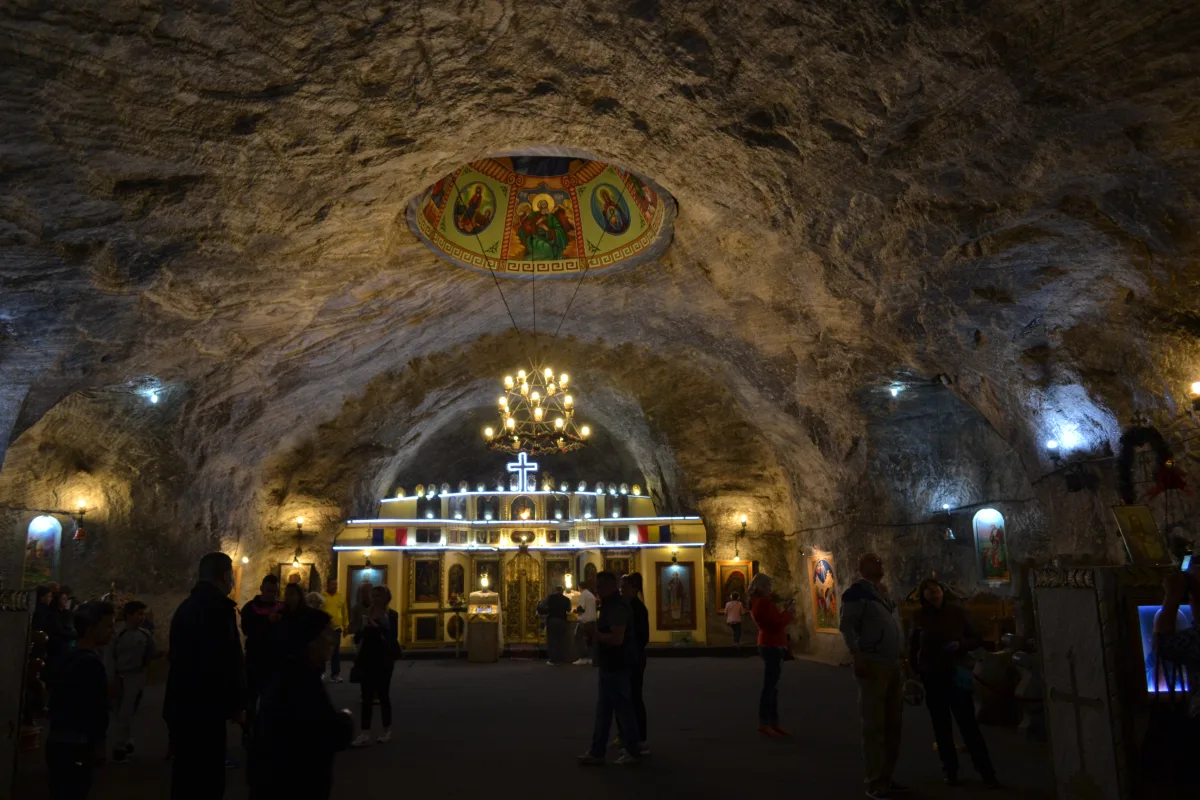
The underground of Târgu Ocna is an inverted landscape. Where mountain sanatoriums relied on sun terraces on high ridges, here there are windowless rooms, illuminated by electric lamps. Instead of the wind whistling through conifers, there is the echo of water drops against rock salt. Patients descend by bus through winding subterranean galleries.
The underground complex offers unexpected facilities: a saltwater subterranean lake, an artificial waterfall, and sports courts 240 metres beneath the surface. Yet its most striking feature is Saint Barbara Church, Europe's first subterranean Orthodox church carved directly out of solid rock salt in 1992.
↝ Modern speleotherapy treats asthma, allergic rhinitis, and chronic bronchitis rather than active tuberculosis. But its kinship with the sanatorium network is functional: the identical quest for an extreme, sterile microclimate, and the shared conviction that the physical environment itself is the medicine. The difference is that this environment lies not on a mountain peak, but deep beneath the Earth.
II The boyar manor and the children
The Cantacuzino-Deleanu Manor was built around 1730 by Hetman Iordache Cantacuzino-Deleanu on the rolling plateau of Deleni (Iași). With over 30 rooms and an expansive footprint of 2,230 square metres, the ensemble is a Class A historical monument. It weathered two centuries as a noble residence before being converted into a prophylactic redoubt for children.
The preventorium was not a sanatorium in the strict clinical sense. In the medical vocabulary of the era, the distinction was vital: mountain sanatoriums isolated adult patients with open, cavitary, and infectious tuberculosis, whereas the preventorium gathered contact or asymptomatic children (aged 2 to 16) from high-risk households. Showing no active pulmonary lesions, they received hypercaloric diets, formal schooling, and prophylactic heliotherapy to arrest the onset of active disease.
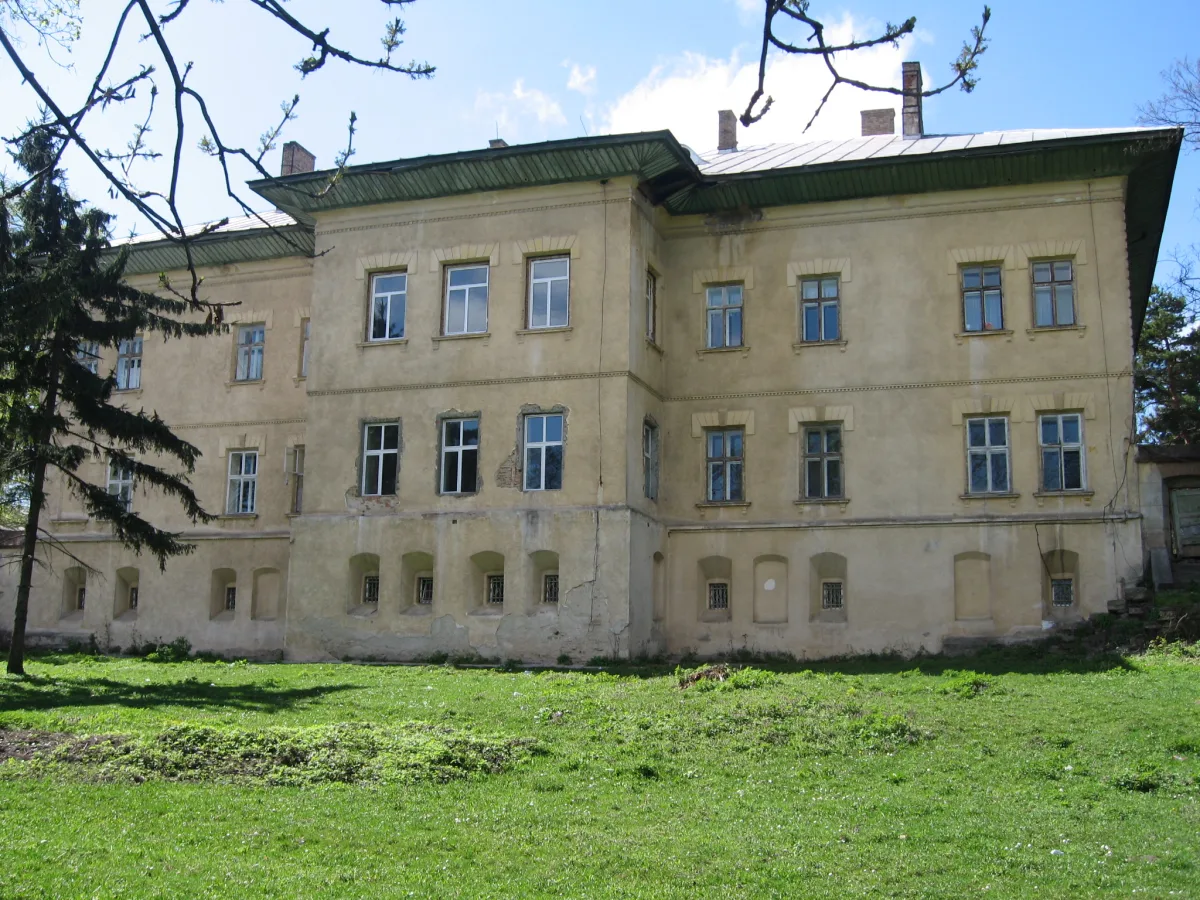
The massive stone walls that once repelled military raids became a sanitary barrier: they shielded children from active transmission in impoverished homes while protecting the wider community. The ensemble encompasses the Church of the Dormition (1669) and formed an indispensable prophylactic link in the national plan directed by Marius Nasta.
Today, the manor functions under the Iași Public Health Directorate, but the absence of comprehensive restoration funding accelerates its decay — a living paradox in which a masterpiece of Moldavian Baroque serves simultaneously as a pediatric facility and an endangered monument.
↝ In the oral memory of the Hârlău community, the manor was frequently perceived as a lazaretto. The enforced separation of young children from their families for months or years under strict quarantine left deep psychological imprints, transcending the technical nomenclature of the League's registries.
III Between bells and coughing
On the Simon mountain plateau at 650 metres elevation, a single site consecutively assumed three extreme callings: hesychastic prayer, political incarceration, and phthisiological asceticism. Documented since the 15th century, the Bisericani Monastery survived Cuza's secularization and was converted into a political prison in 1872 under King Carol I.
In 1905, Dr. Ion Cantacuzino recognized that the heavily ozonated air of the dense coniferous forests improved the respiratory health of inmates. He launched his third national sanatorium project, reconfiguring monastic cells and cloister walls into the Bisericani Sanatorium Hospital.
Bisericani preserves one of the most thoroughly documented acoustic environments in Romanian medicine. In 1916, author Gala Galaction recounted how the bells of the princely church built by Prince Ștefăniță reverberated through the pine canopy and down the Bistrița valleys, describing the tolling as a harmonious, hypnotic presence washing over the patient pavilions.
IV The monster in the forest
In the Banat Mountains near Oravița, Marila originated in 1878 as an elite climatic resort of the Austro-Hungarian Empire. Viennese physician Moritz Hoffenreich promoted the microclimate — sheltered from prevailing winds by dense beech and coniferous forests — as the direct equal of the Swiss Alpine climate.
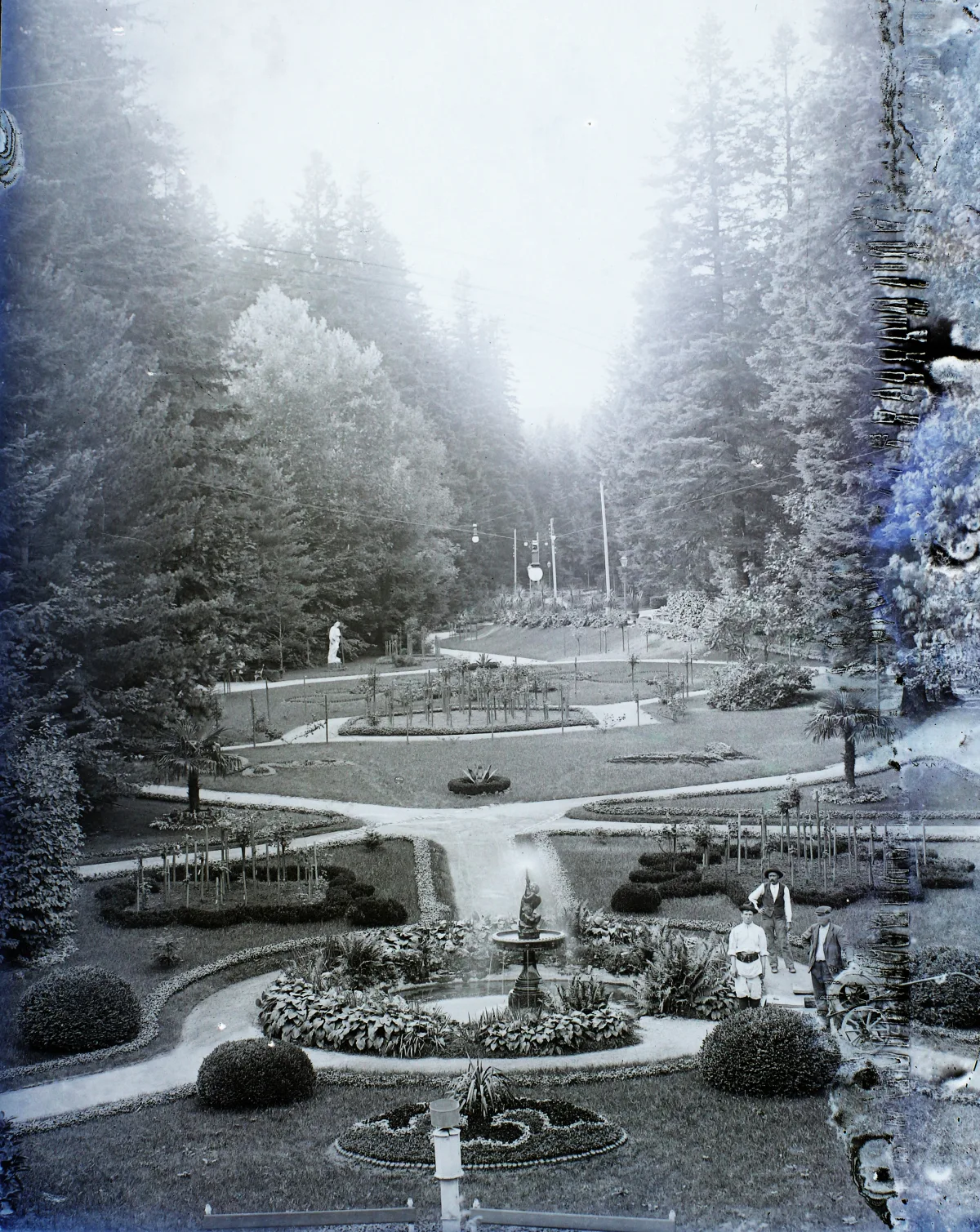
The modern reinforced-concrete sanatorium was constructed as one of the National League's four major 1936 investments. Architect Grigore Ionescu incorporated an exceptionally rare engineering solution for the period: sliding anti-seismic rollers beneath the foundations, designed to decouple the superstructures from seismic ground vibrations and protect post-thoracotomy patients.
After decades of chronic underfunding and moisture ingress, the concrete framework failed catastrophically in February 2023 when a major wing collapsed under its own weight. With mountain vegetation reclaiming hallways and balconies, the concrete monolith is cordoned off as a safety hazard, slated for partial demolition by regional authorities.
V The machine in the cloud
At 1,010 metres elevation, on a precipitous ridge in the Bucegi Natural Park, stands the grandest commission of the 1936 campaign: a ten-storey complex accommodating 600 beds, designed by Italian architect Antonio Viecelli under the coordination of Daniel Renard — the master architect of the Constanța Casino.
At the time of its commissioning, Moroeni was the second largest sanatorium in continental Europe. The building is a listed monument representative of Romanian functionalist Art Deco (LMI code DB-II-m-B-17591), marrying structural symmetry and terraced volumes with geometric medical bas-reliefs.
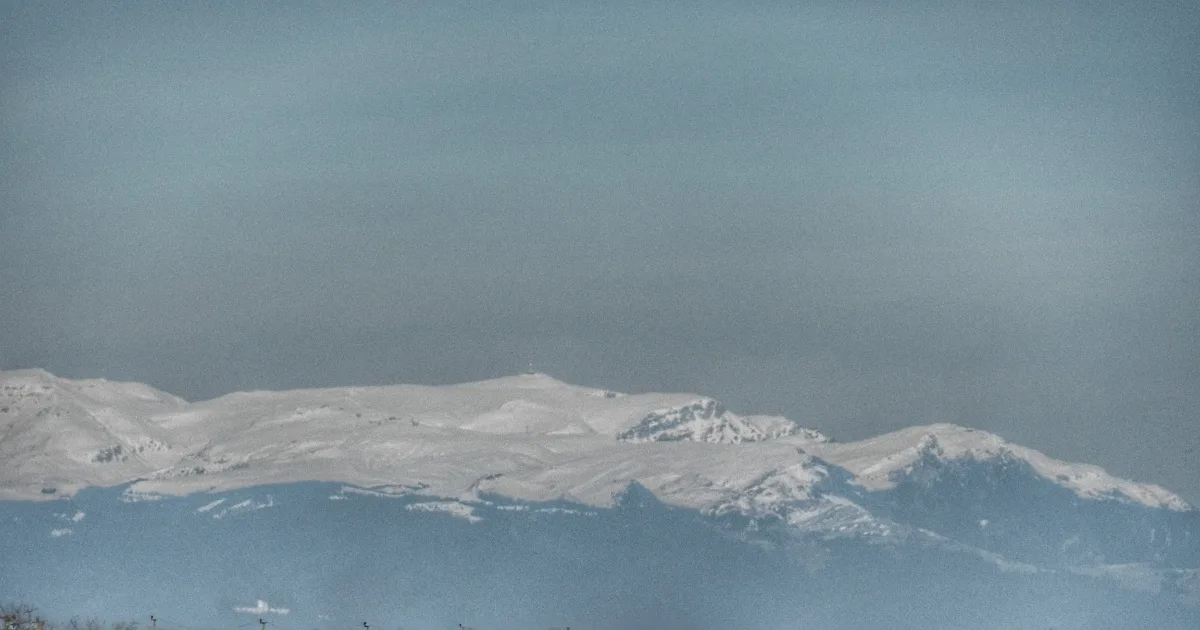
↝ The popular media label of Moroeni as "Bauhaus" or "Brutalist" is inaccurate. Its point of contact with modernism lies strictly in Le Corbusier's concept of the "healing machine" — optimizing solar angles, staggering facade setbacks to prevent casting shadows on lower cure terraces, and enforcing airtight sanitary circulation, much like Alvar Aalto's Paimio sanatorium. Yet its plastic detailing, fluting, and facade reliefs remain decisively Art Deco.
Here at 1,010 metres, patients were wheeled out onto expansive solarium terraces in their beds according to an unbending schedule, regardless of sub-zero winter temperatures. The facility hosted pioneering milestones in national pulmonary medicine: Romania's first diagnostic bronchoscopy and first planigraphic X-ray tomography.
Today, the compound functions as a satellite department of the Târgoviște County Emergency Hospital. Sized to treat hundreds of contagious patients through solar therapy and rarefied alpine air, it operates at minimal capacity — a concrete colossus whose founding clinical rationale was made obsolete by synthetic pharmacology.
VI What remains of the air machines
The isolation of streptomycin in 1944 and the emergence of triple chemotherapy in the 1950s dismantled an entire architectural philosophy in less than two decades. Confronted with synthetic molecules capable of sterilizing bacillary lesions within the patient's own home, hundreds of thousands of tons of reinforced concrete cast across the Carpathian ridges became suddenly superfluous.
The fate of these clinical machines was uneven: Bisericani remains an active pulmonary hospital on the Simon plateau; Moroeni and Deleni survive at a fraction of their planned scale, struggling against structural decay; Marila was swallowed by the forest and partially collapsed in 2023; and Târgu Ocna, anchored 240 metres beneath the surface within an aseptic salt formation, continues to offer speleotherapy for asthma and respiratory illnesses, insulated from climatic swings above.
Across the Romanian ridges stands an infrastructure without equal in Southeastern Europe: the material evidence of an era when humanity sought to assemble healing out of stone, concrete, and wind, right on the precipice of the biochemical revolution that rendered it all redundant.
Sources, archives, and evidence
Documentation for this investigative dossier draws upon public archives, the history of medicine, and attested photographic records. Marks ↝ indicate analytical connections drawn by the author. Marks ⟐ designate oral folklore or historically refuted legends.
- National League Against Tuberculosis — 1936 concurrent construction program, Dâmbovița County Prefecture archival collections (National Archives of Romania).
- Dr. Marius Nasta (1890–1965) — National tuberculosis control strategy and founding of the Phthisiology Institute (1949), Bucharest.
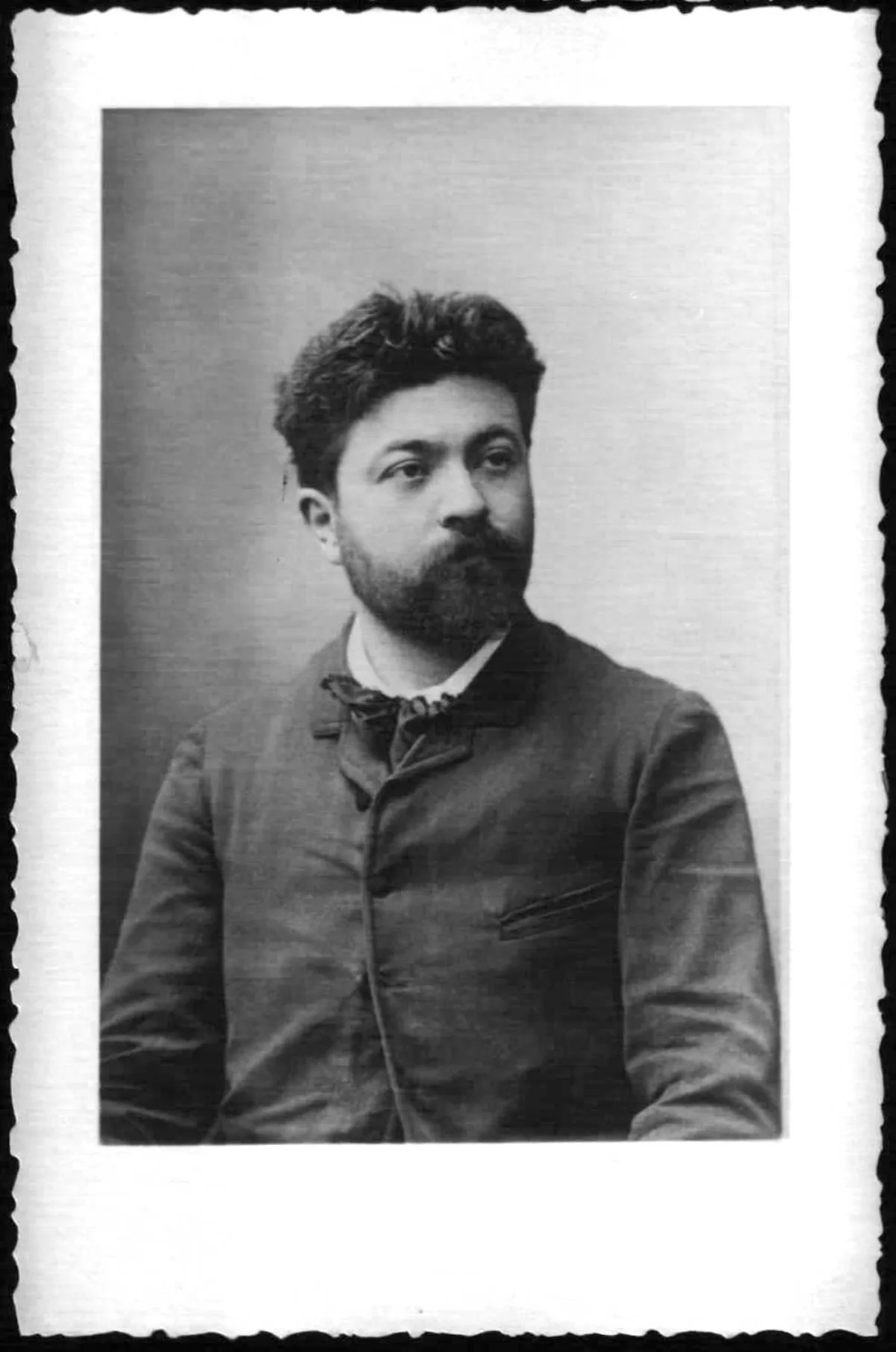
- Prof. Dr. Ion Cantacuzino (1863–1934) — Founding of the Bisericani Sanatorium (1905); archival portrait: Pocor / Wikimedia Commons (CC BY-SA 3.0).
- Moroeni Sanatorium — LMI code: DB-II-m-B-17591; architects Antonio Viecelli and Daniel Renard; documentary photograph: Dacia la putere / Wikimedia Commons (CC BY-SA 4.0).
- Bisericani Sanatorium — Dr. Ion Cantacuzino; Gala Galaction (1916), evoking monastery bells; Neamț Public Health Directorate historical files.
- Târgu Ocna Salt Mine — Trotuș mine (1970); microclimatic studies by Dr. Iu. Simionca (1972–1990); Saint Barbara Church (1992); photograph: Andrei Dan / Wikimapia (CC BY-SA 3.0).
- Deleni Preventorium — Cantacuzino-Deleanu Manor (~1730), Class A monument (LMI code: IS-II-m-A-04146); restoration by Nicolae Ghika-Budești; photograph: Cezar Suceveanu / Wikimedia Commons (CC BY 3.0).
- Marila Sanatorium — Dr. Moritz Hoffenreich (1878); Prof. Dr. Arch. Grigore Ionescu (1936–1937); historic park image (1908): Fortepan / Magyar Földrajzi Múzeum, ID 86455 (Public Domain).