Paganus → Păgân
How the villager became the heathen
Romanian păgân (heathen) comes from Latin paganus, which meant “villager”. The cities turned Christian first, and the villages held to the old gods — at least on the inherited theory; a second theory moves the word to the barracks, where paganus meant “civilian”. The dictionaries say where the word comes from, not which road it took.
- paganus
- “villager, civilian” — the Latin word it all starts from (DER; REW 6141)
- six languages
- Romance cognates in DER, from Italy to Portugal
- two theories
- the village or the soldier; neither beyond doubt

Chapter 1 · Evidence
What the dictionaries say
The word first, the story after. Three dictionaries, one parentage: from Latin paganus.
“păgîn … Lat. paganus (Diez, I, 300; Pușcariu 1244; Candrea-Dens., 1308; REW 6141), cf. … It., Sp. pagano, Prov., Cat. pagá, Fr. païen, Port. pagao.”
Dicționarul etimologic român (DER), via dexonline. For the semantics, DER points to J. Zeiller, Paganus, Fribourg 1917.Two more voices confirm the parentage. DEX ’09 ends briefly: “Lat. paganus.” And the Micul dicționar academic gives “E: ml paganus”, attested in the Hurmuzaki Psalter (7r/22).
Six cousins in six languages
This is how the inheritance of paganus sounds in the sister languages — every pair, after DER:
- Romanian păgân at home
- Italian pagano from paganus
- Spanish pagano from paganus
- Provençal pagá from paganus
- Catalan pagá from paganus
- French païen from paganus
- Portuguese pagão from paganus
Chapter 2 · Two theories
The village or the soldier
The dictionaries give the word; the road from “villager” to “unbeliever” is told by theories. There are two, and neither is beyond doubt.
First theory · the inherited one
The village theory
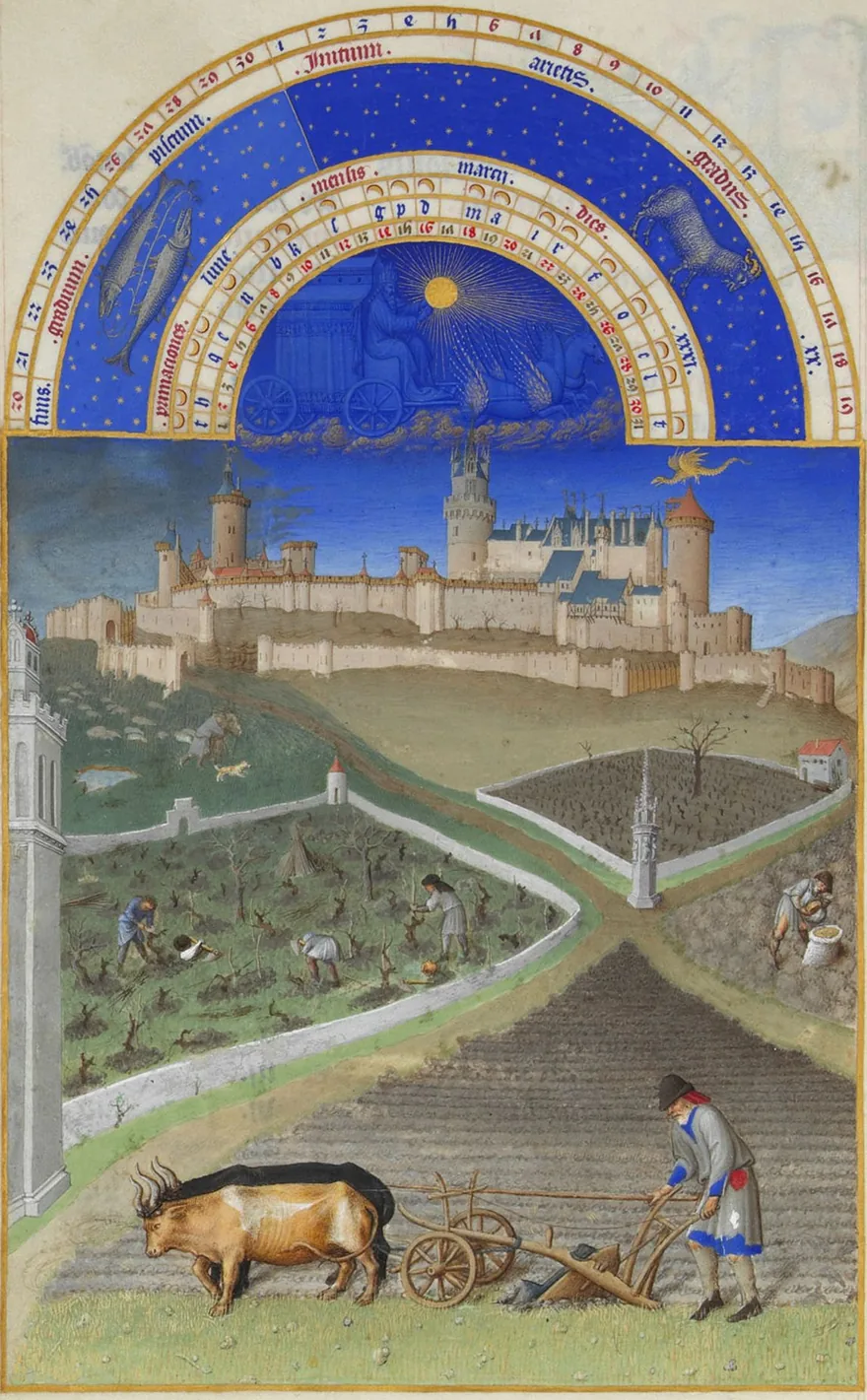
The Empire’s cities turned Christian first; the villages held to the old gods. The word for “villager” would thus have become the word for “unbeliever”.
“Lat. PAGANUS, villager (the country folk escaping the influence of the triumphant Christianity of the cities: hence the religious sense of non-Christian or idolater).”
In the nineteenth century, Trench told the same story; the English dictionaries remember it under his name.
Second theory · the one with the old attestation
The soldier theory
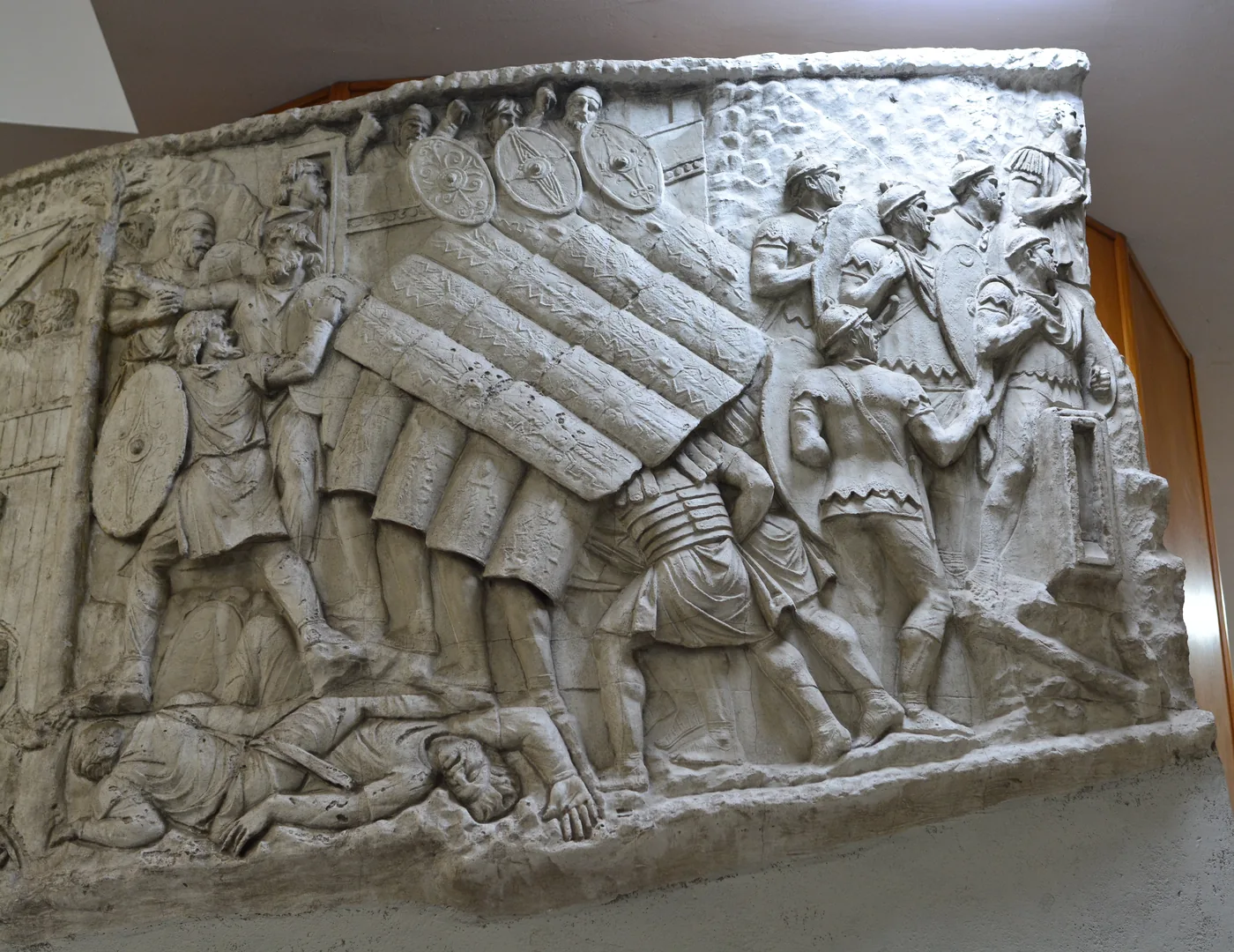
In Roman barracks-talk, paganus meant “civilian” — unenlisted. The first Christians would have taken the word up together with the image of Christ’s army: whoever was no soldier of Christ was paganus.
“Milites Christi were ‘Christ’s soldiers, the Christians’, and the rest were pagans.”
Tertullian uses the word in the religious sense around the year 202; Augustine uses it the same way.
The chronology objection
The religious sense of paganus is older than the time when the villages could have lagged behind the faith: the word is attested among Christians before the village story could have happened. That is why some judge the soldier theory sturdier.
The village theory is the one everybody knows; the soldier theory has on its side an attestation from around 202. The reader decides with both on the table.

Chapter 3 · Company
The Christian layer from Latin
Păgân did not come alone from Latin. Four words of the faith stood beside it from the same Christian Latin — all with a straight parentage in DER.
biserică
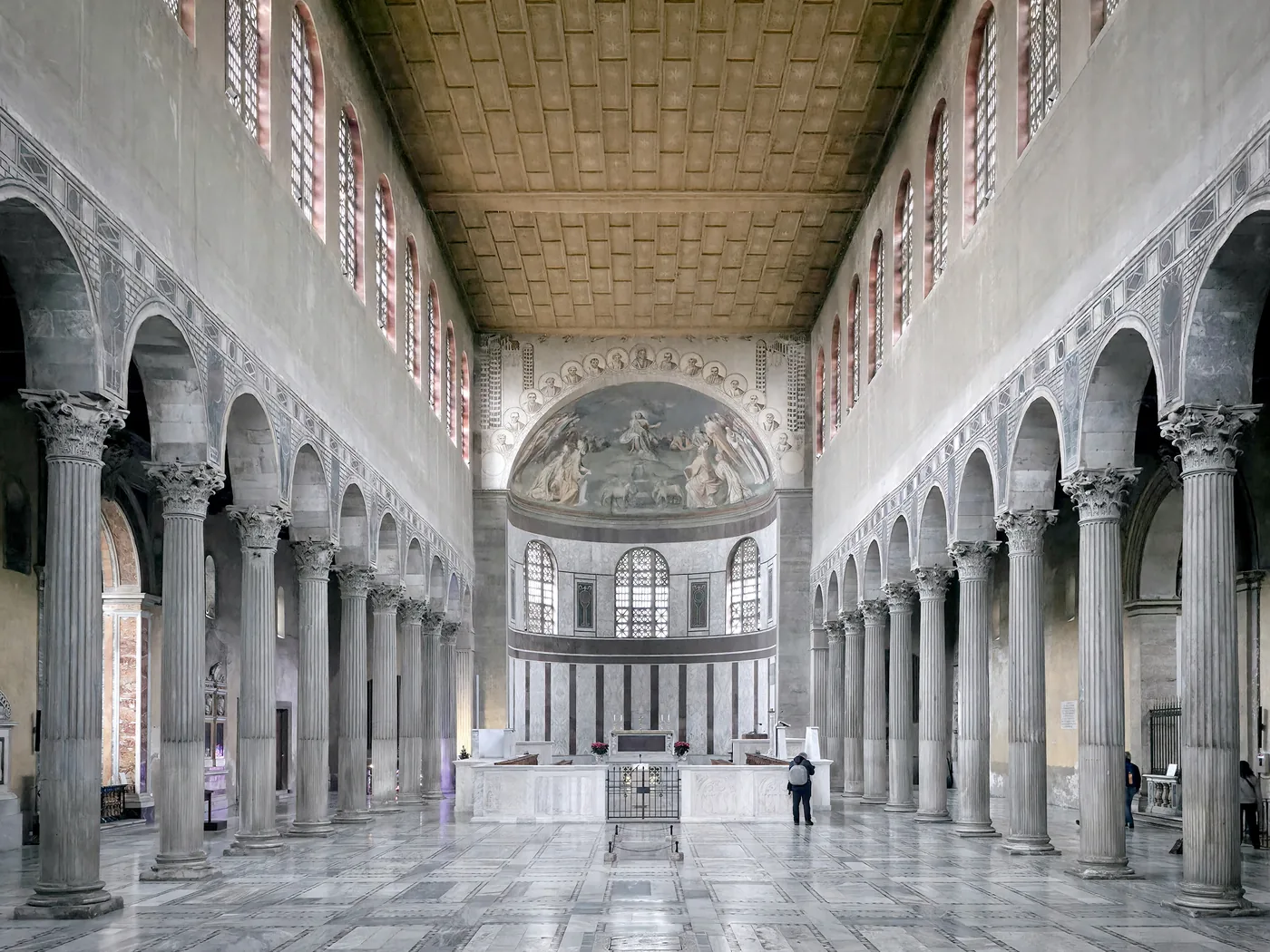
from basilica (REW 972). “A building for Christian worship”, says DER. The newer basilică is the neological doublet, which came later.
Dumnezeu
from domine deus (REW 2734). Italian fused the same: domeneddio; Old Provençal and Old French had domerdieus, damnedieu.
cruce
from crucem, the accusative of crux (REW 2348). The cousins: Italian croce, French croix, Spanish and Portuguese cruz.
înger
from angelus (REW 458a). Italian angelo, French ange; Provençal, Catalan and Spanish angel, Portuguese anjo.


Game · five rounds
Match the Latin with the Romanian
Five Latin words are looking for their Romanian heir. Pick the answer, read the explanation, collect points. The score stays on your device.
Score: 0 / 5 · 0 rounds played
Round 1 · PAGANUS
DER: “Lat. paganus.” The old senses — “villager, civilian” — died out; the religious one stayed.
Round 2 · BASILICA
DER: “Lat. basilica” (REW 972). Basilică, with an a, is the neological doublet.
Round 3 · DOMINE DEUS
DER: “Lat. domine deus” (REW 2734) — the same fusion as Italian domeneddio.
Round 4 · CRUCEM
DER: “Lat. crucem” (REW 2348), the accusative of crux.
Round 5 · ANGELUS
DER: “Lat. angelus” (REW 458a) — like Italian angelo and French ange.
Three wrong sayings
Often heard. They do not hold:
“Păgân comes from Slavic.”
DER cuts it short: “the Romanian word cannot come from Slavic”. Slavic pogan comes from Latin itself — and indeed, says DER, it is “somewhat possible” it passed through Romanian.
“Păgân means a cruel man.”
“A man evil at heart, cruel, merciless” is a figurative DEX sense, the fifth. The first sense is religious: one who worships gods or idols.
“The village story is proven fact.”
It is a nineteenth-century theory with a chronology objection at its ribs. The honest telling sets it beside the soldier theory.
What we do not know (and say so)
U1. Which theory is right — the village or the soldier. The dictionaries give the word; nobody gives the verdict.
U2. When the change of sense happened. Tertullian uses it around 202; the start of the road is unknown.
U3. Whether Slavic pogan passed through Romanian. DER says “somewhat possible” — a possibility, not a fact.
U4. What Zeiller’s Paganus (Fribourg, 1917) argues. DER sends us there for the semantics; the reading is still to do.
Sources
The dictionaries and pages this one is built from:
DER, DEX ’09, MDA2, Șăineanu and Scriban, via dexonline — the “păgân” entry (C01–C06, C14)
DER, via dexonline — “biserică” (C07), “Dumnezeu” (C08), “cruce” (C09), “înger” (C10)
Online Etymology Dictionary — “pagan” (C04, C05, C12) and “heathen” (C11)
J. Zeiller, Paganus, Fribourg 1917 — cited by DER, not read here (C13)
Renderings from Romanian: Marius Comper. Every image carries its credit underneath.