mariuscomper.uk
English

January 1859 · Iași–Bucharest

The 1859 union

On 5 January 1859, Iași elects Alexandru Ioan Cuza as its prince. On 24 January, Bucharest elects the same man. The Convention's text did not require two different men — that was the unionists' reading; the Porte and Austria called the double election a breach of the Convention. This is the story of the 19 days that united Moldavia and Wallachia.

How was Cuza's double election possible in January 1859?

The page seal: 5 and 24 January 1859

19days between the Iași vote and the Bucharest vote
2elective assemblies, at Iași and Bucharest
1single man elected to both thrones
3years from the double election to the unitary state
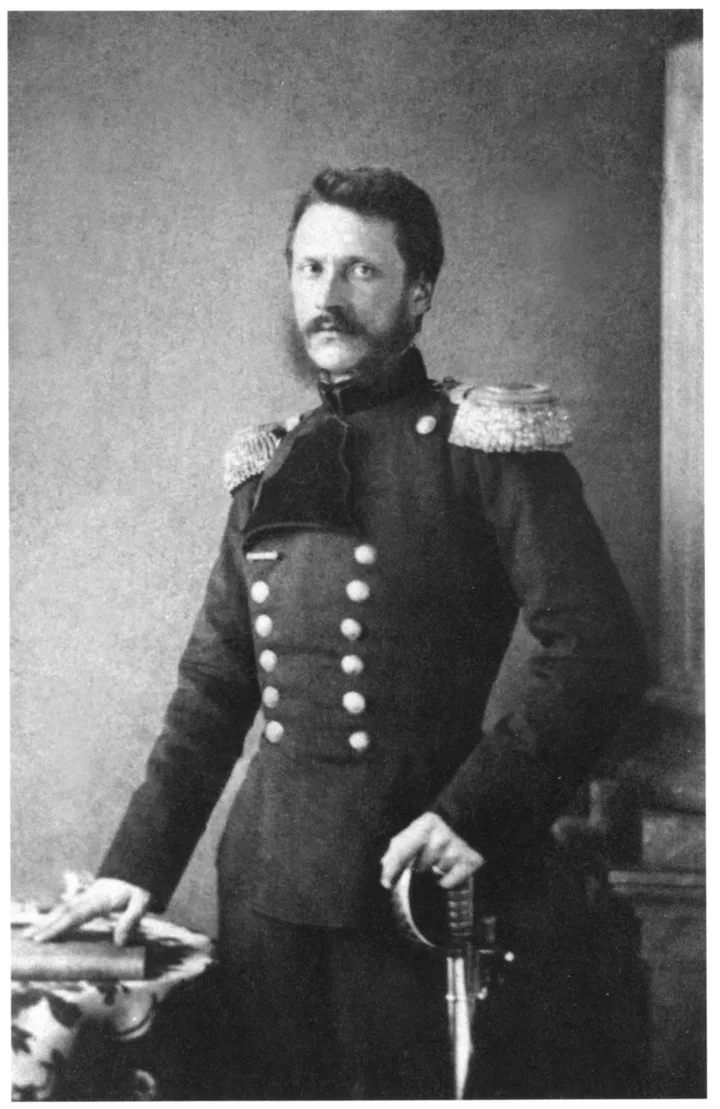
Alexandru Ioan Cuza in a colonel's uniform, in the union years.
Alexandru Ioan Cuza in a colonel's uniform, in the union years. Photograph by Carol Popp de Szathmári (1812–1887), before 1873. Via Wikimedia Commons, public domain.

The timeline: seven stops, one thread

Drag the slider or press the stops from the Convention to the unitary state. The map keeps pace with you: the red seal marks the thrones Cuza holds.

The timeline: seven stops, one thread Transylvania Carpathians MOLDAVIA WALLACHIA Danube Paris Convention · 1858 FocșaniCentral Commission Iași Bucharest

Schematic map, not to scale. Positions are indicative and borders approximate.

The dossier: three sheets

Three papers hold the whole story: the provision read as a loophole, the later account, and the motion of the decisive day.

Sheet 1 · The Convention

The paper read as a loophole

  • Two principalities under one name: the United Principalities of Moldavia and Wallachia, under the suzerainty of the Porte.
  • Each with its own prince, elected for life by the elective assembly, with its own government and laws.
  • Two shared bonds, both at Focșani: the Central Commission and the High Court.
  • The text did not require two different men — the unionists' reading; the Porte and Austria called the double election a breach of the Convention.

Basis: Encyclopaedia Britannica, ninth edition, Roumania article (1875–1889), public domain; for the unionists' reading and the Porte's protest, the Calafat teaching sheet.

Sheet 2 · Later account

How a 1911 encyclopedia recorded it

The passage belongs to the 11th edition of the Encyclopaedia Britannica, printed in 1911. The text is in the public domain; the Romanian rendering is signed Marius Comper.

In default of a foreign prince, he was himself elected prince of Moldavia by the assembly at Jassy (17th Jan. 1859), and prince of Walachia by the assembly at Bucharest (5th Feb.). He thus became ruler of the united principalities, with the title Prince Alexander John I.

Encyclopaedia Britannica, 11th edition, 1911 · public domain · via Wikisource

Sheet 3 · Bucharest

The Boerescu motion

On 24 January, in the sitting of the elective assembly at Bucharest, deputy Vasile Boerescu proposes the Prince of Moldavia for the throne of Wallachia. The motion is carried unanimously. Outside, near the Assembly, the gathered crowd awaits the news.

Basis: the Annals of Târgu Jiu University, the Calafat teaching sheet and the Romanian Government Union Day message.

What remains

The loophole was a reading of the law.

The Convention required two princes, but did not say they must be two different men. The electors chose the same name twice; the Porte and Austria called it a breach.

19 days.

That is all that separates the Iași vote from the Bucharest vote. When Paris ruled in April, the double election was already an accomplished fact.

First the man, then the state.

The double election produced the personal union of 1859. The single government and parliament of January 1862 produced the state.

In brief, the whole thread

In August 1858, the great powers decide at Paris that Moldavia and Wallachia shall remain separate countries, each with the prince elected by its own assembly. On 5 January 1859, the assembly at Iași elects Colonel Alexandru Ioan Cuza as prince, unanimously. On 24 January, the assembly at Bucharest elects the same man, again unanimously. Paris recognises the double election between April and August 1859, the firman of 22 November (4 December New Style) 1861 unites the administration, and from January 1862 a single government and a single parliament rule from Bucharest. Dates follow the Old Style; New Style, the elections fall on 17 January and 5 February.

Method: what we know and whence

  1. Dates on this page follow the Old Style used by Romanian historiography for 1859: 5 and 24 January. New Style, these are 17 January and 5 February 1859.
  2. Both elections were unanimous, on period and historians' accounts. The exact deputy counts vary from one account to another, so this page gives no tally.
  3. The firman by which the Porte recognises the administrative union is dated 22 November Old Style (4 December New Style) 1861: one date in two styles, not a span. The official recognition of 23 December 1861 is the formal proclamation, a distinct event.
  4. Renderings from English period texts are signed Marius Comper. The Convention provisions are the author's summaries, checked against the Roumania article in the ninth edition of the Encyclopaedia Britannica; the unionists' reading and the Porte's protest are documented from the Calafat teaching sheet.

Sources

Portrait: photograph by Carol Popp de Szathmári, via Wikimedia Commons, public domain.

↑