
DEX: the definition
“An elderly person” — but also father, mother, parents, in familiar speech.
The etymology, in the dictionary's words: “Lat. betranus (= veteranus)” — Latin, through the popular form.
VETERANUS
WORDS FROM THE ROMAN ARMY
Romanian “bătrân” — old man — comes from Latin veteranus, the Roman soldier who had finished his service. The sense had already widened in Vulgar Latin, so Romanian inherited a soldier and received an old man. And the word entered twice: once as bătrân, once as veteran.
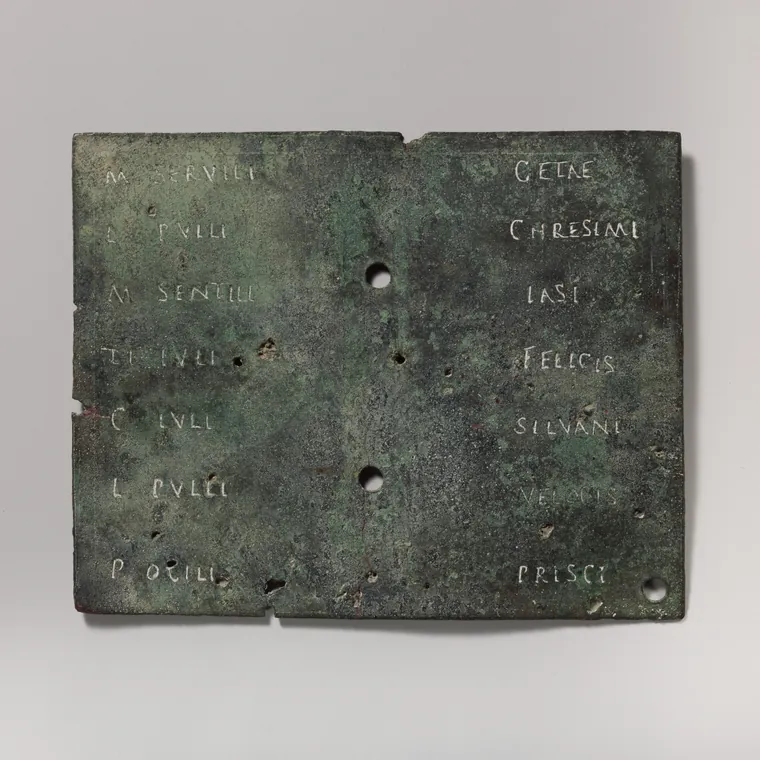
How the soldier becomes grandpa:
BĂTRÂN
veteranus, “tried soldier” — through popular Latin *betranus — down to bătrân.
One root, three Romanian words:
“Bătrân” comes from Latin veteranus, through the popular form *betranus (DEX). Lewis & Short give it as “old tried soldier”, and Șăineanu shows the sense had already widened in Vulgar Latin. Modern veteran re-entered late, through French — the same Latin word, a second time.
What the dictionaries say
Open the dictionary at bătrân and you find a soldier: veteranus, through the popular form betranus, from vetus — old.
“An elderly person” — but also father, mother, parents, in familiar speech.
The etymology, in the dictionary's words: “Lat. betranus (= veteranus)” — Latin, through the popular form.
VETERANUS
Scriban spells out the line: Latin veteranus, popular vetranus and betranus, from vetus, veteris — old.
“Lat. VETERANUS, lit. old soldier, sense generalized already in Vulgar Latin.” By the time it reached Romanian, the soldier was already old.
“A Roman soldier discharged after his military service, receiving a series of privileges at discharge.”
The etymology: “From French vétéran, Latin veteranus” — re-entered through French. DN lists it among the neologisms.
NEOLOGISM
The cousin: vechi comes from popular Latin veclus (= vetulus) — the same root, vetus.
DLRLC illustrates the sense with verses. Both stay quoted after the dictionary.
Sînt grei bătrînii de pornit,
Dar de-i pornești sînt grei de-oprit.
George Coșbuc, quoted after DLRLC
QUOTED AFTER DLRLC
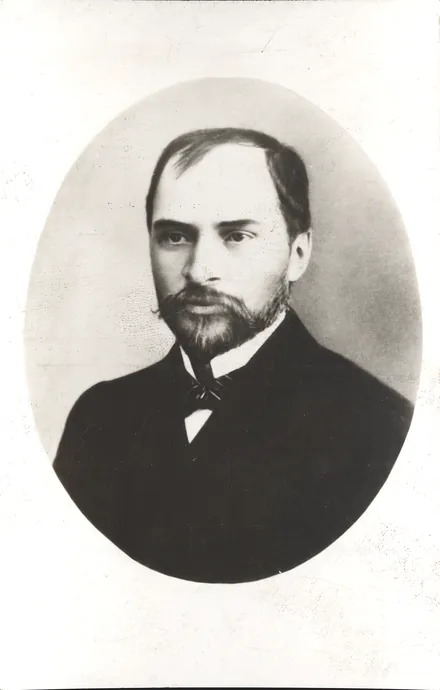
…își făcea cuib de mulți ani într-un tei foarte bătrîn.
Ion Creangă, quoted after DLRLC
QUOTED AFTER DLRLC
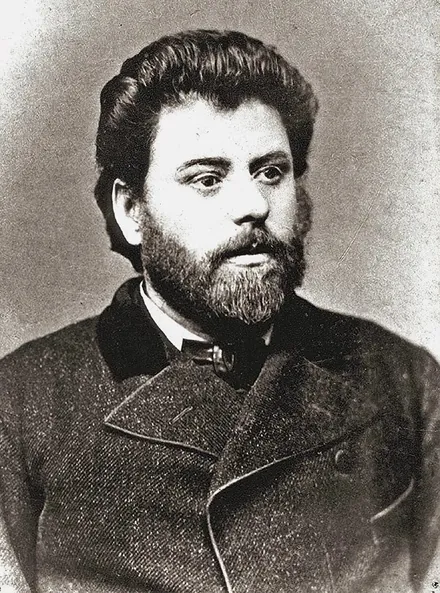
2 Romanian lives for one Latin word: bătrân and veteran.
The map of the word
VETERANUS split into two roads: the popular one, which greyed together with its sense, and the learned one, which returned late, in uniform.
VETERANUS
“tried soldier” — Lewis & Short
The sense had already widened in Vulgar Latin (Șăineanu): Romanian inherited a soldier and received an old man.
Re-entered late, through French: first the discharged soldier, then any former combatant.
Both roads start from the same word; they do not show a single letter-by-letter change.
The man inside the word
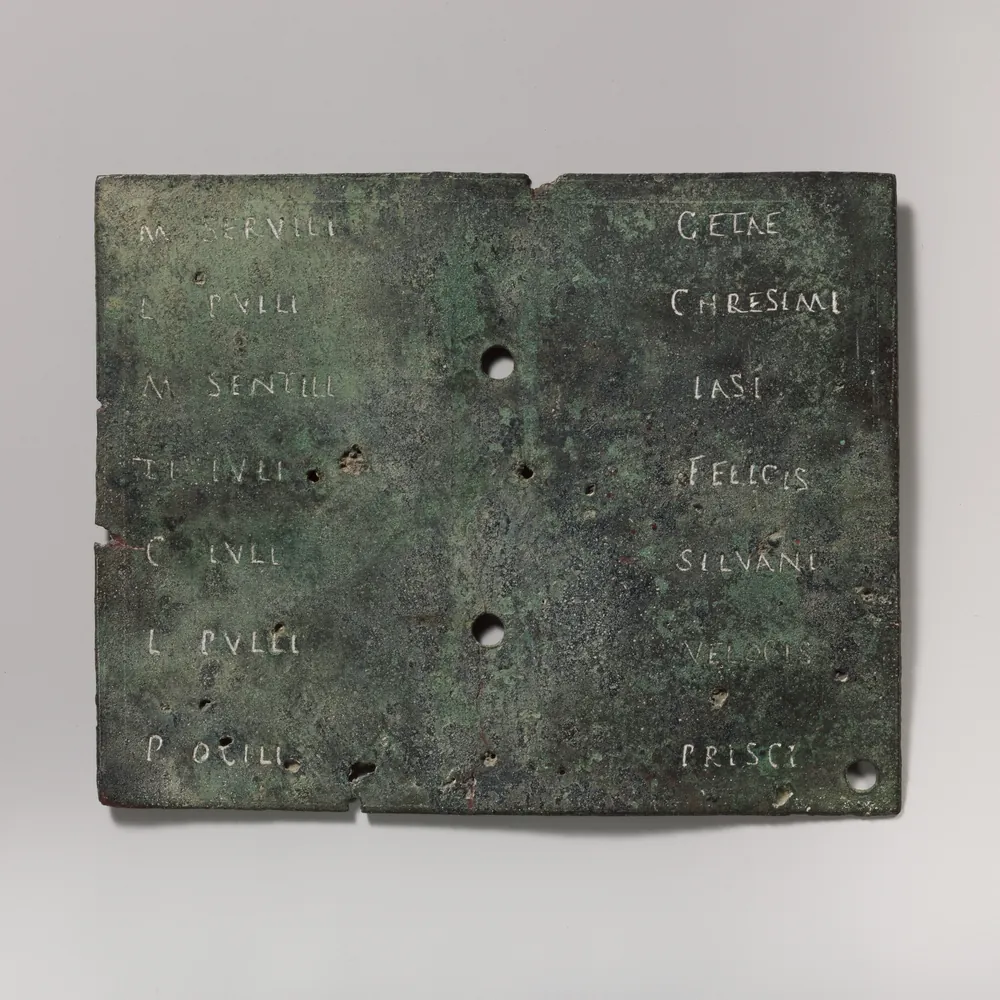
Before he was any grandpa, veteranus was a precise man: the soldier who had finished his service and received a bronze document.
“VETERANUS: an old tried soldier, a veteran soldier, a veteran.” Figurative: “experienced, skilled”.
“A Roman soldier discharged after his military service, receiving a series of privileges at discharge.”
The military diploma: two bronze tablets hinged together. On the back of the second, the witnesses' names; inside, the proof of honorable discharge (honesta missio) or of citizenship.
The soldier's game
Six cards. Sort them into camps: bătrân, veteran, or both.
An 80-year-old grandpa
A discharged Roman soldier, with land
A ten-year-old plum brandy
A fourth-year student
Mircea the Elder
A 70-year-old soldier, back from war
Three common mistakes
“Veteran is an old Romanian word.”
It is a neologism, re-entered through French (DN). The old, inherited one is bătrân.
“Veteranus was any soldier.”
He was the tried, tested soldier — the one who had finished his service (Lewis & Short).
“Soldiers brought the word to Dacia.”
Lovely, but unproven: the dictionaries give the line, not the year or place it entered Romanian.
Dictionaries first, then the object. Every risky claim points at its source.
| C01 | Bătrân < Latin betranus (= veteranus); old person, old thing, parents. | DEX '09/'98 | DEX |
|---|---|---|---|
| C02 | The popular road: veteranus → vetranus and betranus < vetus. | Scriban | Scriban |
| C03 | VETERANUS = old soldier; sense generalized in Vulgar Latin. | Șăineanu | Șăineanu |
| C04 | Veteran < French vétéran < veteranus; discharged Roman soldier, with privileges; neologism. | DEX, DN | DEX |
| C05 | Veteranus: old tried soldier; figurative experienced, skilled. | Lewis & Short | Lewis |
| C06 | Diploma: bronze tablets; witnesses on tablet 2; honesta missio, citizenship. | the encyclopaedia | the |
| C07 | Witnesses: Coșbuc, Creangă; the “cel Bătrân” epithet; old brandy. | DLRLC | DLRLC |
| C08 | Vechi < popular Latin veclus (= vetulus). | DEX | DEX |
| C09 | Bătrân < Vulgar Latin *betranus < veteranus. | CADE | CADE |
| C10 | Senior students = “bătrâni”, against the “boboci” freshmen. | DEXI | DEXI |
The Romanian dictionaries are read in dexonline's transcriptions of the printed editions, with the edition and year on every row. Latin comes from Lewis & Short, through Perseus; the diploma from the encyclopaedia — as an object only. The literary quotes stay after DLRLC. Renderings: Marius Comper.
That was the farewell that prays — adio. This is the grandpa who was a soldier. adio


