GADJO · AGHADJIK · GAGIU
When did the outsider become the guy?
Gagiu — “the guy” — is a former outsider: Romani gadjo, “the non-Rom”, or Turkish aghadjik, “the little aga”? The Romanian dictionaries do not even agree on the direction: DEX builds it from gagică + -iu, backwards, DER straight from Romani gağo. And the “civilian” is rebutted with the quote attached.
- 2 docks
- Romani gadjo vs Turkish aghadjik
- 1926
- gagică in CADE, the first dated entry
- 1 rebuttal
- Matras vs Hancock, quote attached
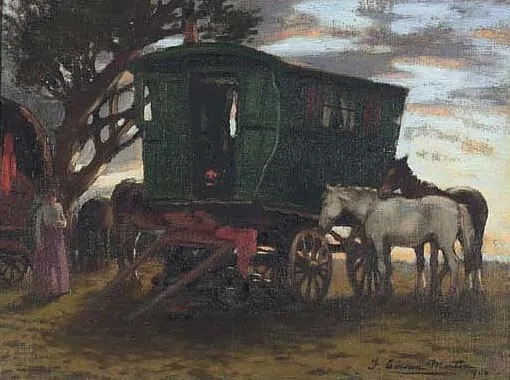
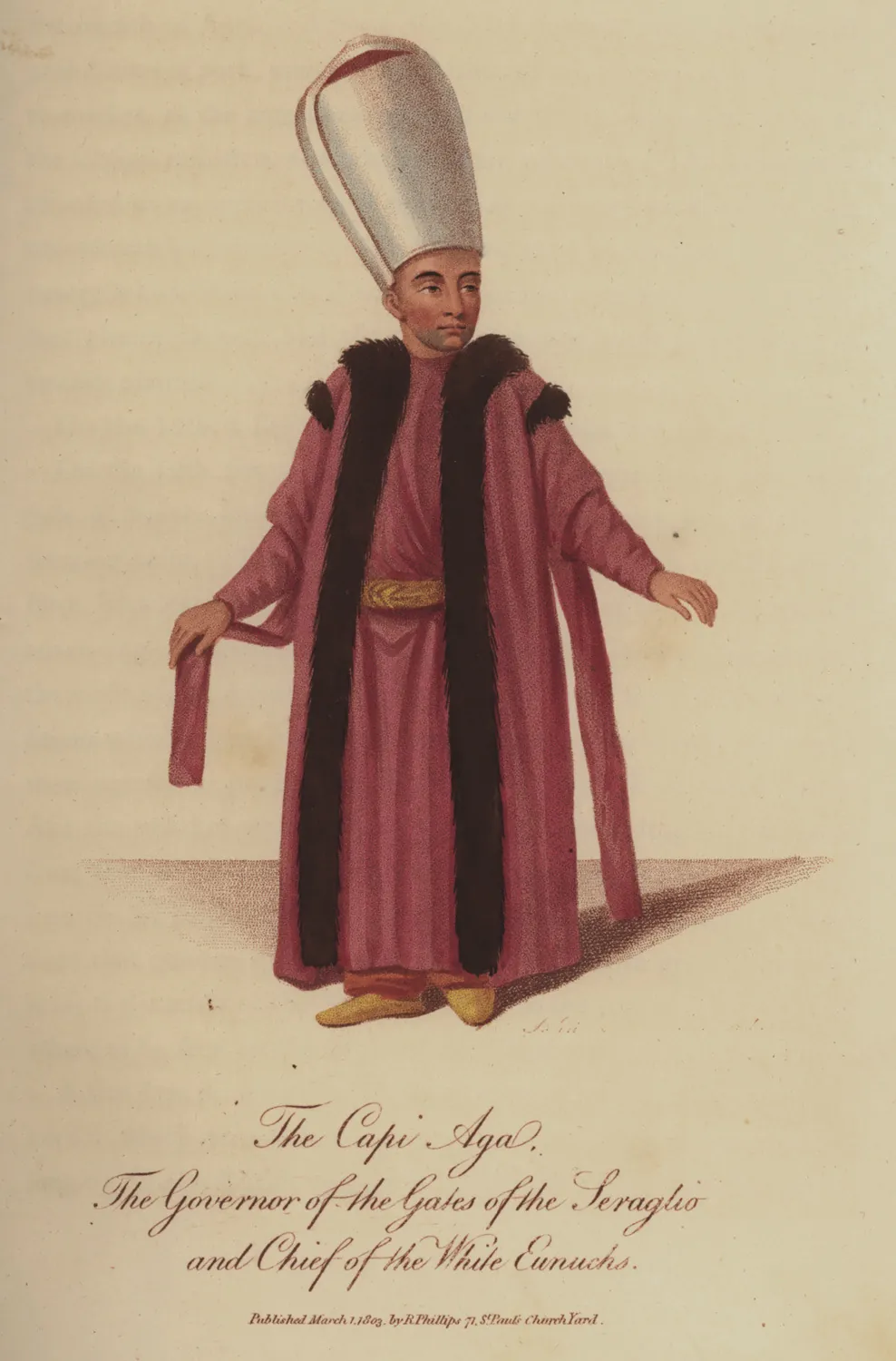

The page's machine
The trial, exhibit by exhibit
Seven exhibits, two docks. Tap each piece: see which dictionary says so and how much it weighs. The RO/ROM/TR/REC tags name the language or status; where the exhibit is disputed, the tag says so.
gagiu today's Romanian RO
DEX '09: “Om, persoană, tip, individ” — from Gag[ic] + -iu, built backwards, from the feminine. (DEX)
gagică the mother feminine RO
DEX '09: “Din țig. gaği “(femeie) nețigancă”” — she is the Romani link, not he. (DEX)
gağo, gaği in Romani ROM
DER: “Țig. gağo, gaği “romîn”” — the Romanian, i.e. the non-Rom. Citing Bogrea, Graur, Juilland. (DER)
gadžo the non-Rom ROM
Rombase/Graz: from Old Indian gārhya “domestic” — farmer, villager, head of the house, husband. (Rombase)
*gajjha the missing link RECONSTRUCTED DISPUTED
Matras: Pischel (1900) HYPOTHESISED the Middle Indian form *gajjha, unattested — the presumed bridge to gadjo. (Matras)
ağacık Turkish TR
TDK: “a word uttered when approaching an ağa with affection” — an endearment to an aga, not a proven etymon. (TDK)
aghadjik the rival TR DISPUTED
Onomastic 1963, the ONLY source: “țig. gagio “om” < tc. aghadjik “domnișor”” — inside a proper-names entry. (Onomastic)
“Civilian” does NOT enter the dock as fact: Hancock says gajjha meant “civilian”, Matras answers that “there is no Old Indian word gajjha meaning civilian” — the confrontation plays out among the witnesses.
How it climbed out of slang
Career: from slang to family
Gagiu climbed step by step: from slang to familiar-colloquial, with each dictionary's dated stamp.
1926–31: gagică enters first
CADE: “GAGICĂ sf. ⊕ Ibovnică, amantă [țig.]” — the feminine opens the file, with the Gypsy label in plain sight. (DEX)
1939: Scriban makes it a boss
“gagíŭ … Pop. Șef (în argot). S. f. Amantă” — plus a pigeon breed called gagii. The slang boss, with an ornithological pedigree. (DEX)
1996→2009: the slang label falls
DEX '96 keeps it at (Arg.); DEX '09 drops the label, and marks gagică (Fam.). DOOM 2 (fam.) → DOOM 3 (fam., pop.). The climb is dated. (DEX)
DEX vs DER: who comes from whom?
DEX: gagiu from gagică + -iu (backwards, from the feminine). DER: gagiu from Romani, gagică the derivative. Two authorities, two directions — this page shows both. (DEX; DER)
What was not found
Păsculescu (L. P. 103) is cited as the first attestation, with no year and no fetched text. DLR shows no definition; Tiktin, unverifiable. The holes stay visible.
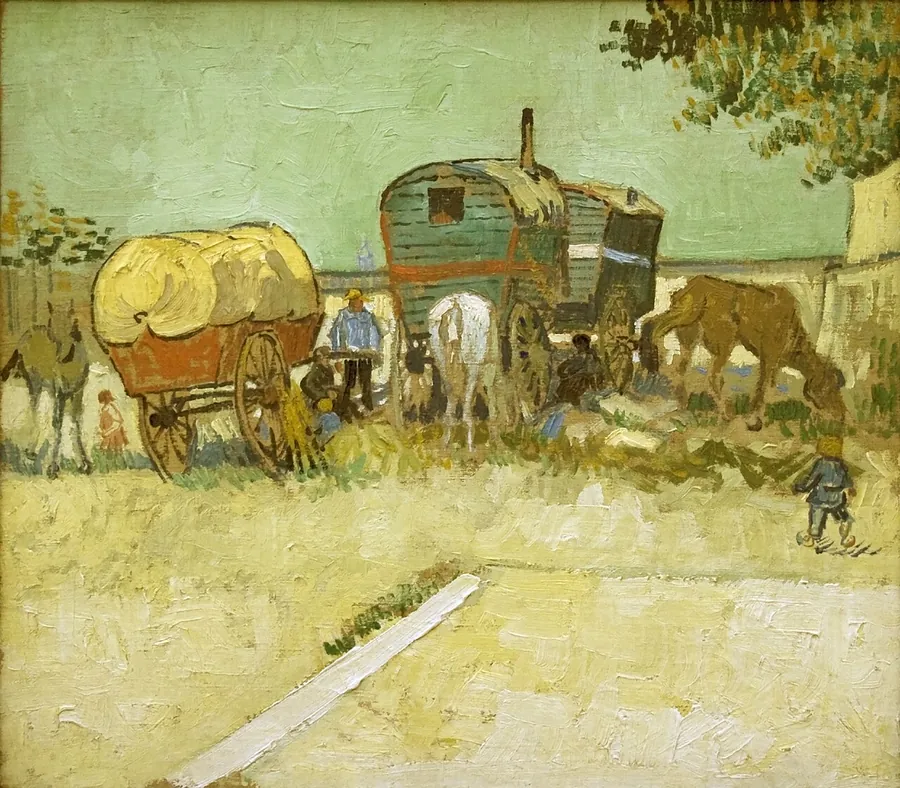

The same outsider, other quarters
Cousins: gadgie, gachó, gadjo
From Scotland to Andalusia, the same Romani word left the community and became “the guy” — each with its own dictionary.
Scots gadgie: the perfect parallel
From Romani gaʒe, the plural of gaʒo (“the non-Roma”) — sense: “A man”, in Scotland “a stranger”. Outsider → guy, as with us. (dictionary)
English gorger: with a warning
“Someone who is not a Romani, Sinti, Gypsy, or Traveller” — solid sense, etymology flagged “incomplete” by the dictionary. Cited with a warning. (dictionary)
Spanish gachó: from Caló
DLE: “Del caló gachó. Hombre, individuo” — and gachí: “Mujer, especially young and beautiful”. The whole pair, like gagiu/gagică. (DLE)
French gadjo: even the slang
Larousse: “terme désignant un non-gitan”. Wiktionnaire adds the slang sense: “Tout homme”, any man. With 2000–2022 citations. (Larousse; dictionary)
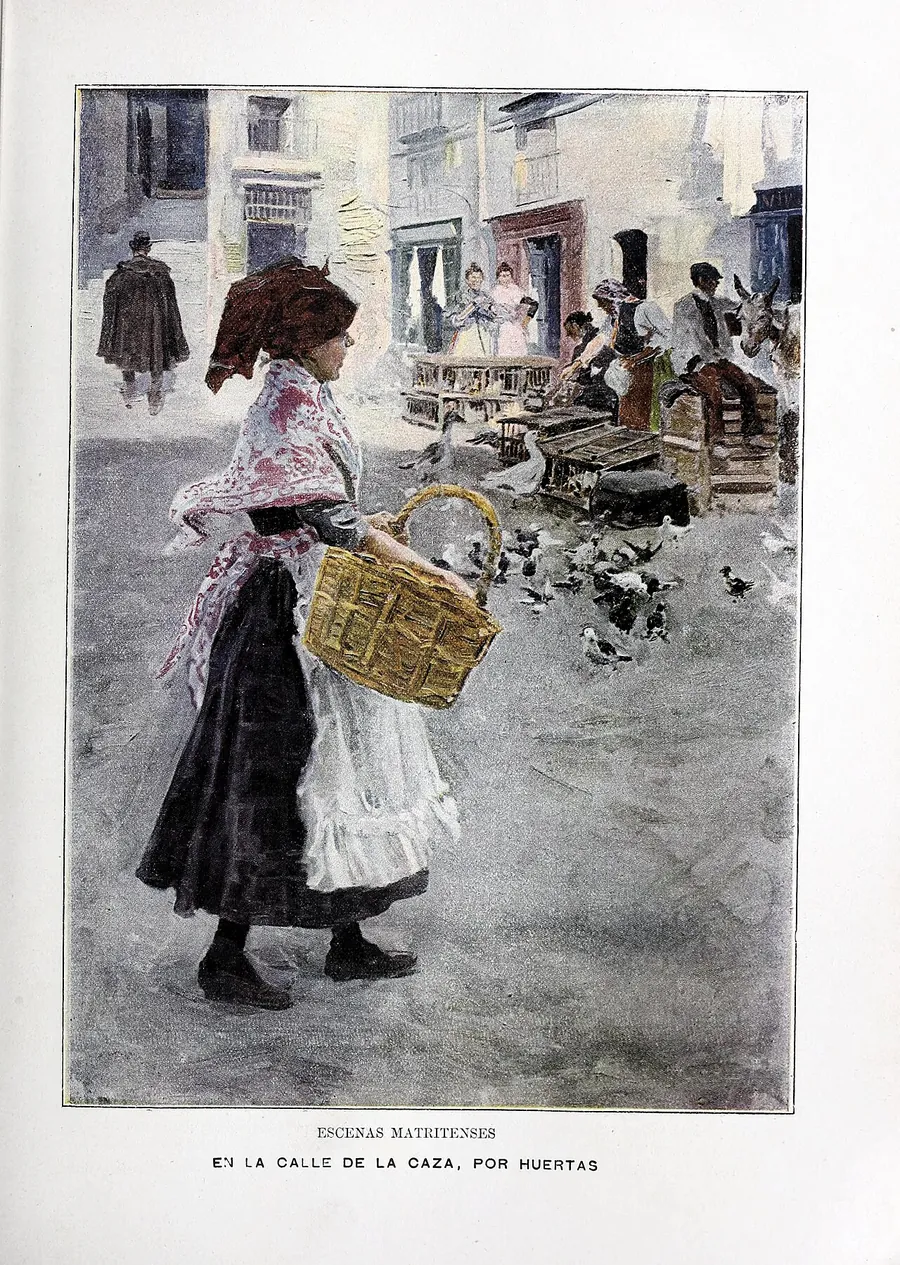

Who testifies
Four witnesses
From DER to DLE: four dictionaries in four languages, each telling its own stretch.
DER, 1958–66
“Țig. gağo, gaği „romîn” (Bogrea, Dacor., II, 441; Graur 152; Juilland 164).”
Ciorănescu, DER, s.v. gagiu
Romani gağo/gaği, with three citations. Plus gagică as the derivative — the DER direction.
Matras
“There is no Old Indian word gajjha meaning 'civilian'. The attested form is … garhya meaning 'domestic'.”
Matras, Mystification (PDF)
The rebuttal that closes the “civilian” dock: the attested form is garhya “domestic”; *gajjha is Pischel's hypothesis.
TDK
“ağacık … Ağalara sevgiyle yaklaşıldığında söylenen bir söz.”
TDK, Güncel Türkçe Sözlük, s.v. ağacık
Official Turkish: ağacık is an endearment to an aga. That is all — no bridge to gagiu here.
DLE
“gachó … Del caló gachó. Hombre, individuo.”
Diccionario de la lengua española, s.v. gachó
The Spanish Academy: gachó from Caló, “man, individual”. The Madrid cousin testifies.
Where we stand
What we know and what we reconstruct
Four drawers for the whole page: the conviction, the hypotheses, why it holds, and what stays open.
What we know
Gagiu/gagică come via Romani (DEX + DER agree on the Romani link); “the guy” climbs from (Arg.) to (Fam.) between 1996 and 2009.
What we reconstruct
Pischel 1900: Middle Indian *gajjha, unattested, between gārhya “domestic” and gadžo. Hypothesis, not attestation.
Why it holds
Five dictionaries in five languages (DEX, DER, Rombase, TDK, DLE) each tell their stretch; the cousins (gadgie, gachó, gadjo) confirm the pattern.
What stays open
Hancock's “civilian” (rebutted by Matras); aghadjik (one source, proper names); the DEX-vs-DER direction.
Three stops
Three dates
The whole road on one rail: the English slang, the Romanian dictionary, the dropped label.
Hotten
1873
Slang Dictionary, London: “Gorger, a swell” — a well-dressed boss. Derived from “gorgeous”, NOT from Romani: a sense parallel, not an etymon.
stop 1 of 3
DER
1958
Ciorănescu starts the etymological dictionary: gagiu ← “Țig. gağo, gaği “romîn””. The Romani conviction, with citations.
stop 2 of 3
DEX '09
2009
The (Arg.) label falls off gagiu; gagică moves to (Fam.). The guy is welcomed into the family.
stop 3 of 3
1926–31 CADE · 1939 Scriban · 1996 DEX '96 · 2021 DOOM 3.
The road of the guy
gārhya
domestic, in Old Indian
gadžo
the non-Rom, in Romani
gagiu
the guy, with us
Where linguists fight
Three disputes, no winner
The Romani link is convicted — the details are not. The page's verdict: DISPUTED
“Civilian” or “domestic”?
Hancock: gajjha supposedly meant “civilian”. Matras: no such word “exists”; garhya “domestic” is attested, and *gajjha is Pischel's (1900) hypothesis. One author against philology.
DEX or DER: who comes from whom?
DEX: gagiu from gagică + -iu (backwards). DER: gagiu from Romani, gagică the derivative. Both pass through Romani — but in opposite directions. This page does not choose.
Aghadjik: etymon or lookalike?
One source (Onomastic 1963, proper names) derives Romani gagio from Turkish aghadjik “domnișor”; TDK attests ağacık as endearment but no bridge to gagiu. Rival on the table, unproven.
No disputed exhibit gets a single truth on this page: mechanisms stand with their source beside them, and the alternatives stay on the table.
What is NOT disputed: the Romani link (DEX + DER), the Arg.→Fam. climb, and the outside cousins (gadgie, gachó, gadjo) — every source agrees on those.
Test yourself
Which is older?
Six landmarks from the page, shuffled. Put them from oldest to newest.
Move each card to its position, 1 to 6. Keys 1–6 move the chosen card; cards drag with a finger too.
- 1958
DER begins: Țig. gağo, gaği
Position - 1873
Hotten: “Gorger, a swell”
Position - 2009
DEX '09: the (Arg.) falls
Position - 1926–31
CADE: gagică enters first
Position - 1996
DEX '96: (Arg.) on both
Position - 1939
Scriban: “Șef (în argot)”
Position
Score: 0 of 6
The right order, oldest first:
- 1873 — Hotten: “Gorger, a swell”
- 1926–31 — CADE: gagică enters first
- 1939 — Scriban: “Șef (în argot)”
- 1958 — DER begins: Țig. gağo, gaği
- 1996 — DEX '96: (Arg.) on both
- 2009 — DEX '09: the (Arg.) falls
The settled row: every landmark in its place.
Sources
The docks first, then the career, then the cousins; neighbours last. Every risky claim points at its source.
The Romani dock
- Rombase/Graz: gadžo ← gārhya (dictionary)
- Matras: the “civilian” rebuttal (PDF)
- Hancock: “civilian”, rebutted (essay)
- gadjo in English (dictionary)
The Turkish dock
The Romanian career
- DEX '09: gagiu ← Gag[ic] + -iu (dictionary)
- DEX '09: gagică ← țig. gaği (dictionary)
- DER: Țig. gağo, gaği (dictionary)
Cousins
- gadgie: outsider → man (dictionary)
- gorger, with a warning (dictionary)
- DLE: gachó ← caló (academy)
- DLE: gachí (academy)
- Larousse: gadjo (dictionary)
- Hotten 1873: “Gorger, a swell” (book)
Catalogue neighbours
- articolul-de-la-coada: the tail machine
- verbul-a-fi: the melt machine
- dusmanul-gand-rau: the word autopsy
Type: Fraunces and Source Serif 4, under the SIL Open Font Licence.