DANUBIUS · ISTER · ONE RIVER
Why does the Danube have two ancient names?
Herodotus calls the whole river Ister, from the Celts to the Black Sea. Strabo cuts it at the cataracts: Danuvius above, Ister below. Romanian keeps both — Dunăre and Histria. Where is the boundary, and what does each name mean?
- Ister
- Herodotus's name for the whole river
- cataracts
- Strabo's boundary between the names
- Dunăre + Histria
- what Romanian kept of both
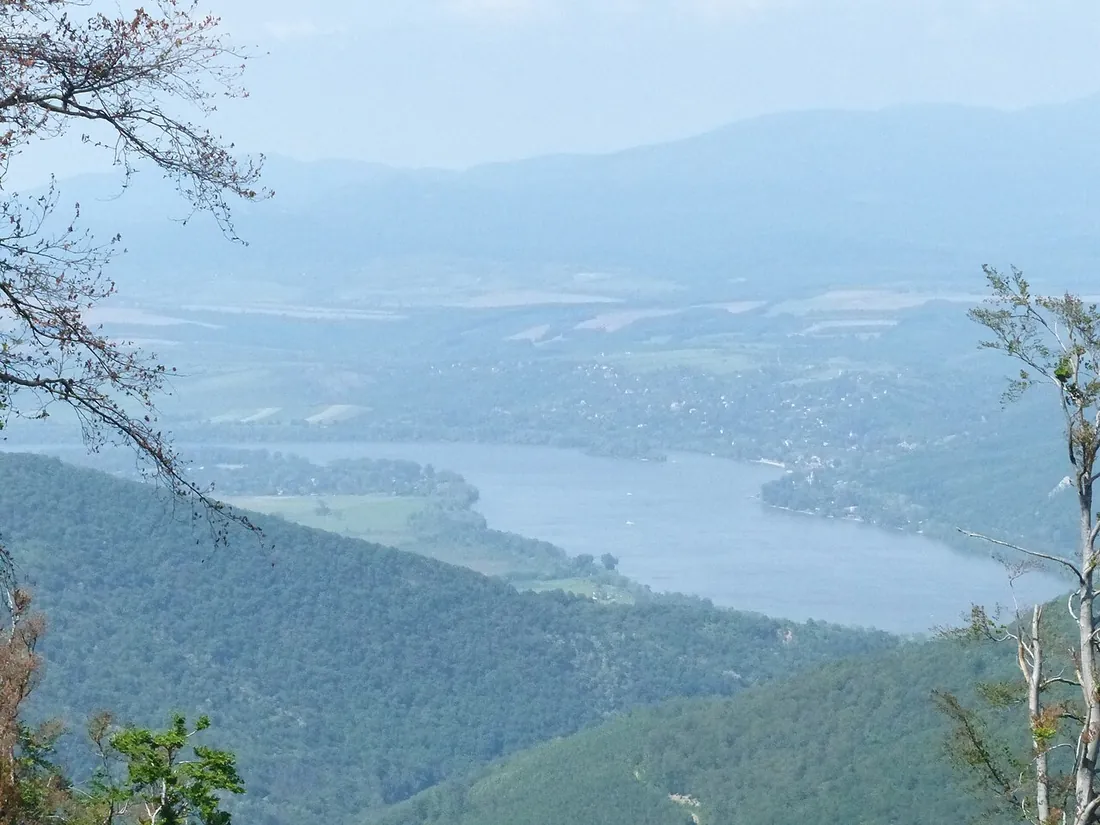
Four witnesses, two names
What each one calls it
Five centuries pass from Herodotus to Tacitus; the name moves, gets cut at the cataracts, then blends back together.
Herodotus, ~450 BC
“The Ister flows from the Celts through the middle of Europe and out to the Black Sea at Milesian Istria.”
Histories 2.33 (Godley transl.)
For Herodotus, Ister is the whole river. He botches the source (Pyrene) and nails the mouth: five mouths, the greatest known river.
Caesar, 52 BC
“…rectaque fluminis Danubi regione pertinet ad fines Dacorum — the Hercynian forest runs along the Danube to the Daci.”
Gallic War 6.25
The Latin name shows up in Caesar, for the German and Dacian stretch. No boundary.
Strabo, ~AD 18
“Danuvius they called the upper part, from the sources to the cataracts… Ister the lower, from the cataracts to the Pontus.”
Geography 7.3.13 (Jones transl.)
The only ancient to draw the boundary: the cataracts. Dacian country above, Getic below.
Tacitus, AD 98
“Danuvius… donec in Ponticum mare sex meatibus erumpat — out into the Pontic sea through six mouths.”
Germania 1
Tacitus uses Danuvius for the whole river, mouths included. The names have blended.
From sources to mouths
The course with two names
Three stops on one river: above, the boundary, below. The Roman map draws it as one line; the name cuts it in two.
The sources
Tacitus starts it at Mount Abnoba; Șăineanu, in the Black Forest. This stretch was never Ister: it is Danuvius country.
The cataracts
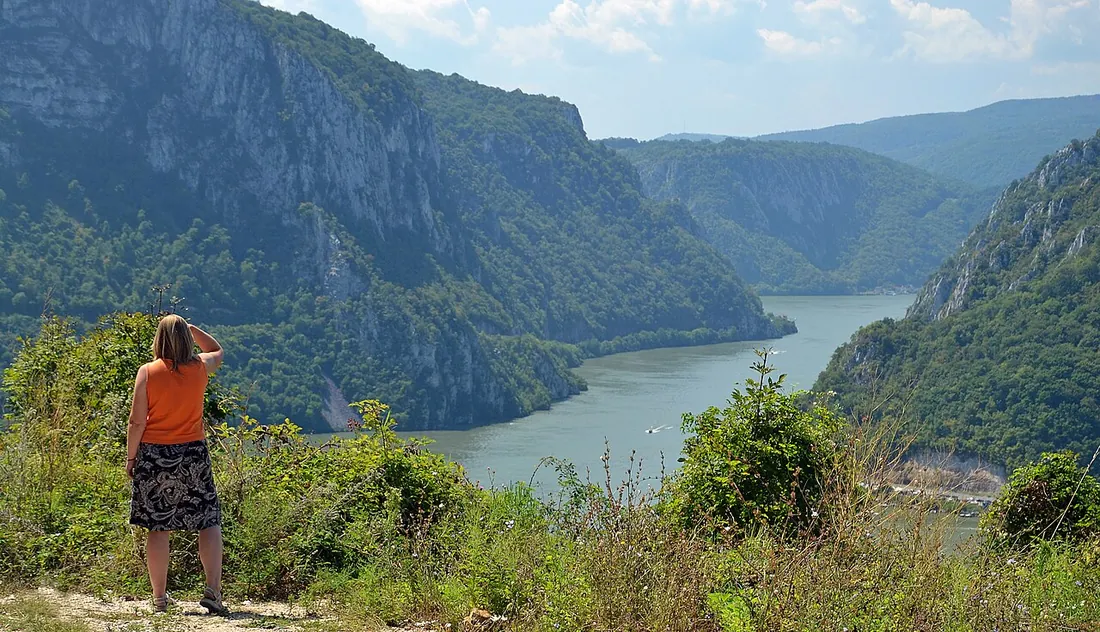
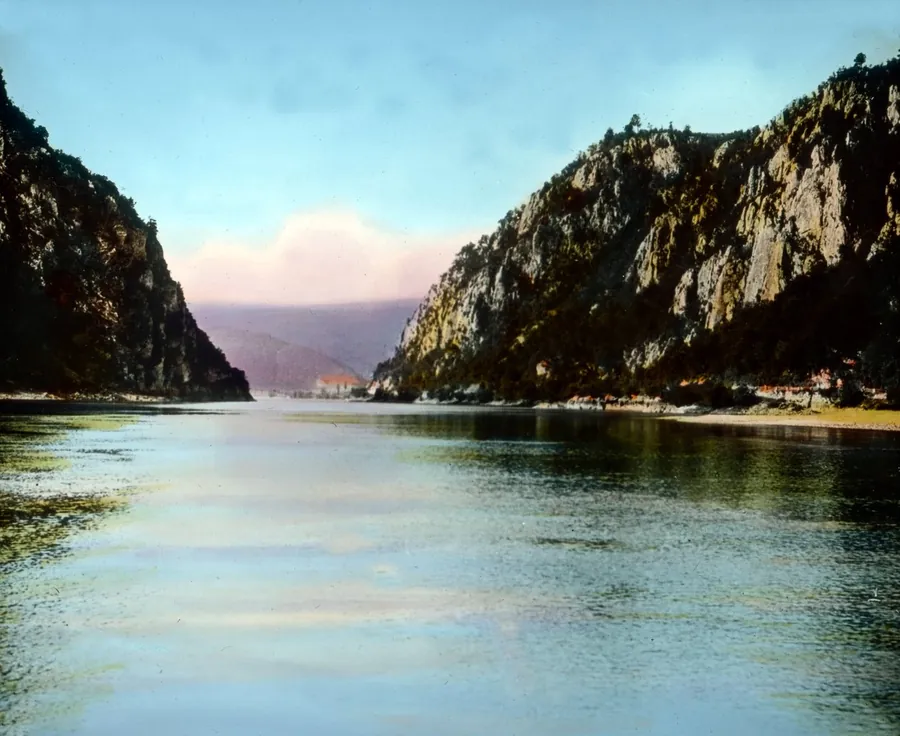
Strabo moves the name at the cataracts — today's Iron Gates, below Belgrade. The only ancient boundary between Danuvius and Ister is here, not at Vienna.
The mouths
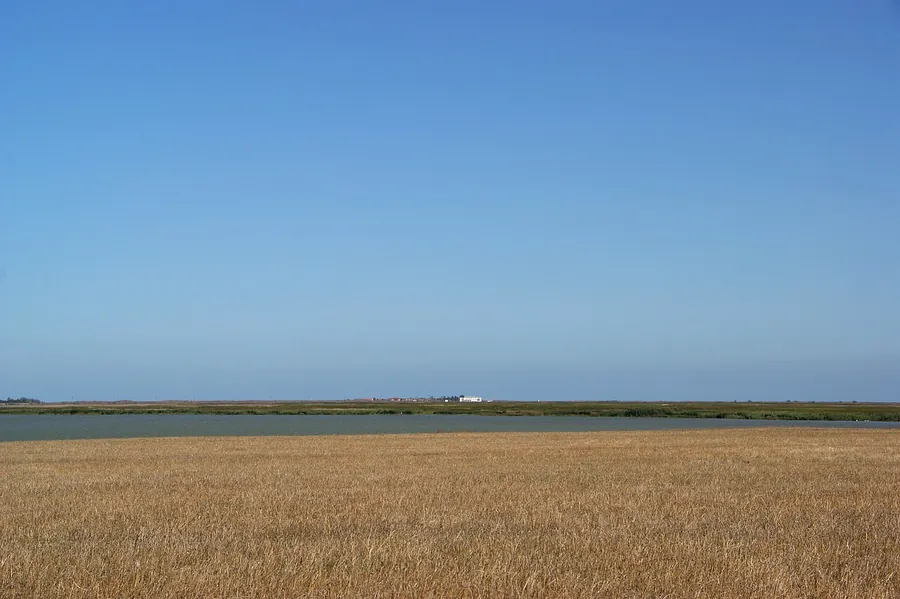
Five mouths in Herodotus, six plus a seventh through marshes in Tacitus, three today (Șăineanu). The count belongs to the author, not the water.




The upper name
Danubius: the river that flows
Danubius comes from an old word that meant 'river' itself: *dānu-. The Don, the Dnieper and the Dniester still carry it.
“Dérivation en –io- d'un th. i.e. *dānu- qui désigne le fleuve en avestique, dānu-, et en ossète don”
Delamarre 2012, in Boucherit 2014 RECONSTRUCTION
The sisters
The Don
The Greeks' Tanais: bare *danu-, no suffix. In today's Ossetic don still means 'river'.
The Dnieper
Danapris to the ancients, from Scythian *Danu-apara — 'the river behind'.
The Dniester
Danastius to the ancients, from Scythian *Danu-nazdya — 'the river in front'.
The Donwy
A Welsh river from the same Celtic *dānu-: proof the root reached the Atlantic.
Eridanos
Read by Delamarre as Celtic *ēri-dānos — 'the Western river'.
Which channel brought *dānu- to the Danube — Celtic or Iranian — is still argued; Zeuss (1837) called it Celtic, and the western attestations back him. The -uvius suffix stays open: no segmentation has authority.
Where we stand
What we know and what we reconstruct
Four drawers for the whole page: what is attested, what is reconstructed, why the reconstruction holds, and what stays unknown.
What we know
Herodotus calls the whole river Ister; Strabo cuts it at the cataracts (Danuvius above, Ister below); Romanian Dunăre comes via Slavic 'Dună' (Șăineanu); Histria is Milesian, 7th century BC.
What we reconstruct
The root *dānu- 'river' and its family: Don, Dnieper, Dniester. Celtic transmission, after Zeuss 1837.
Why it holds
The forms are alive today: Avestan dānu-, Ossetic don. Five rivers on one skeleton are no coincidence.
What stays unknown
The meaning of Ister. The Thracian label is all we have; Donaris and Matoas are curiosities, not answers.
Three stops
Three dates
The whole road on one rail: the city, the witness, the boundary.
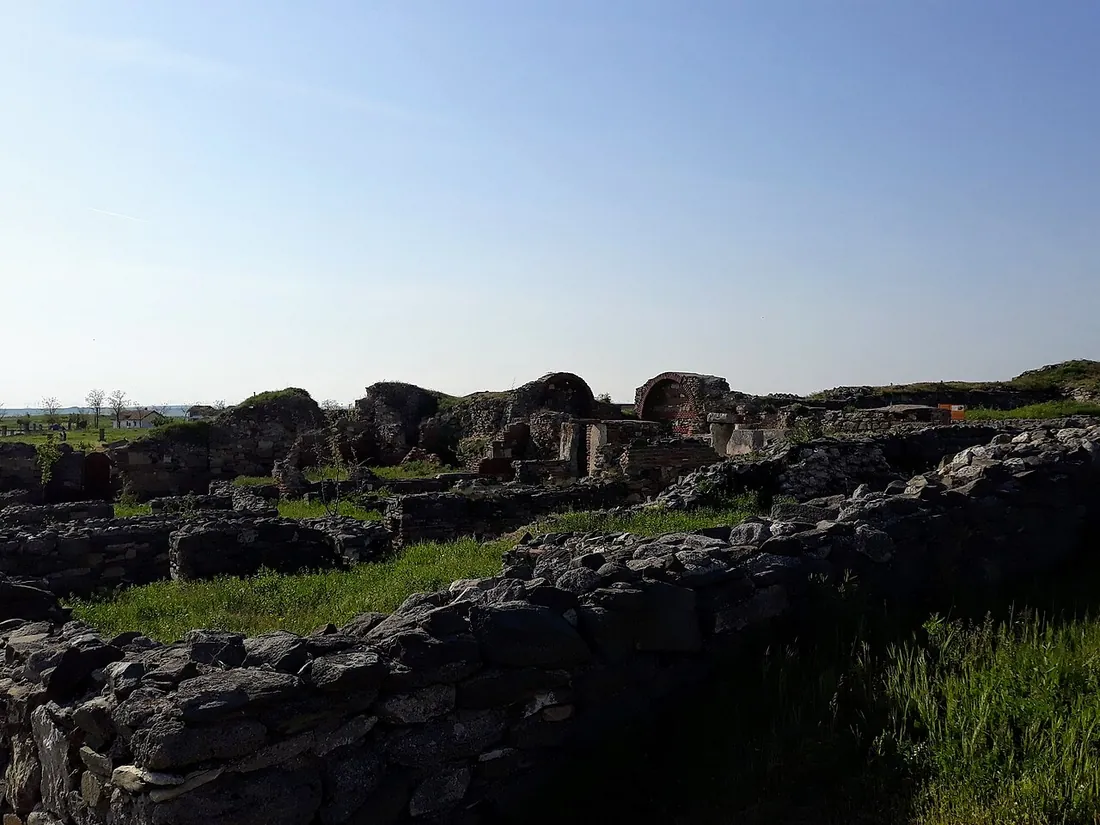
Histria
7th c. BC
Milesians found Istros at the Ister's mouths; Eusebius gives 657/656.
stop 1 of 3
Herodotus
~450 BC
One river, one name: Ister from the Celts to the Pontus, five mouths.
stop 2 of 3
Strabo
~AD 18
The boundary at the cataracts: Danuvius above, Ister below.
stop 3 of 3
Caesar 52 BC · Tacitus AD 98 · Pârvan digs Histria from 1914.
The road of the names
Ister
the Greek name of the whole river
Danuvius · Ister
Strabo cuts them at the cataracts
Dunăre · Histria
Romanian keeps them both
The lower name, in brief
And what does Ister mean?
Three answers with names — and no settled meaning. The page's verdict: UNKNOWN
The Thracian
Zeuss (1837): Ister is the Thracian name of the lower course. No meaning beyond the label — and that is still where things stand.
Donaris
DE records Donaris as 'the Geto-Dacian name'. A *Donaris ancestor of Dunăre is discussed; nothing settled.
Matoas
Stephanus of Byzantium knew a further name for the river: Matoas (apud Smith 1854). An ancient curiosity, not an etymology.
No meaning of Ister is established: a gloss without a named linguist is invention. The Vienna trap falls here too: 'the boundary at Vindobona' is Victorian handbook convention (Smith 1854: 'Vindobona or Sirmium'), not ancient testimony.
The classical position: Zeuss 1837 (via Ferguson 1862). Adriatic Istria takes its name from Ister as well, but through an error: the Greeks believed a Danube arm reached the Adriatic (Britannica 1911).
What Romanian kept
Dunăre and Histria
The upper stretch became Dunăre, through a Slavic channel; the lower stayed Histria, on Lake Sinoe's shore. The river's name also became a common noun.
Dunăre, via Slavic
The only dictionary to etymologize the proper name is Șăineanu: Dunăre from a primitive 'Dună' (Hung. DUNA, Slav. DUNAVŬ), with an analogical -re ending. No direct hop from Latin.
dunăre, a common noun
DEX: 'Din n. pr. Dunăre'. The river became a measure: dunăre de apă, dunăre de mânios, a se face dunăre turbată. MDA2 first attests it in Zanne (1895).
Istru, the lower course
Șăineanu: 'the Geto-Greek name of the Danube, especially of its lower course'. Exactly Strabo's stretch.
Histria, the city
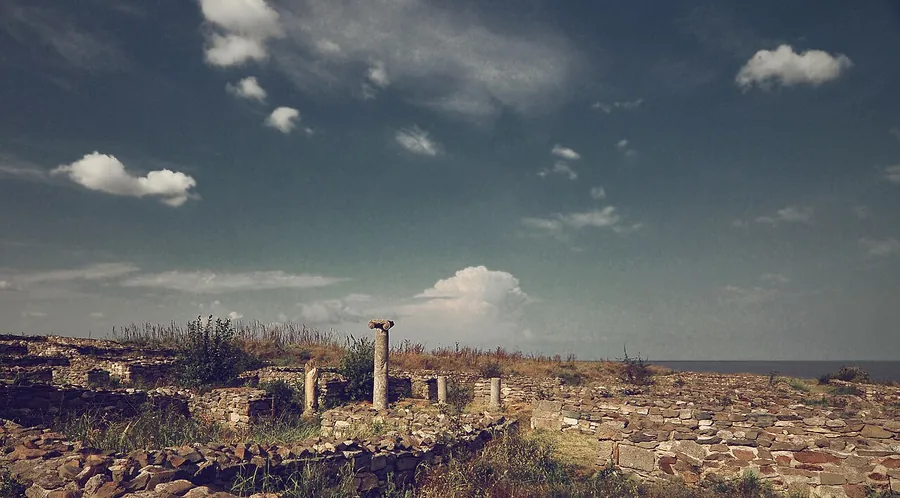
Milesians, 7th century BC; the first coins on Romania's territory were struck here (5th century BC); Pârvan digs from 1914. Today's commune says Istria, the site Histria.


Test yourself
Which is older?
Six witnesses from the page, shuffled. Put them from oldest to newest.
Move each card to its position, 1 to 6. Keys 1–6 move the chosen card; cards drag with a finger too.
- 1521
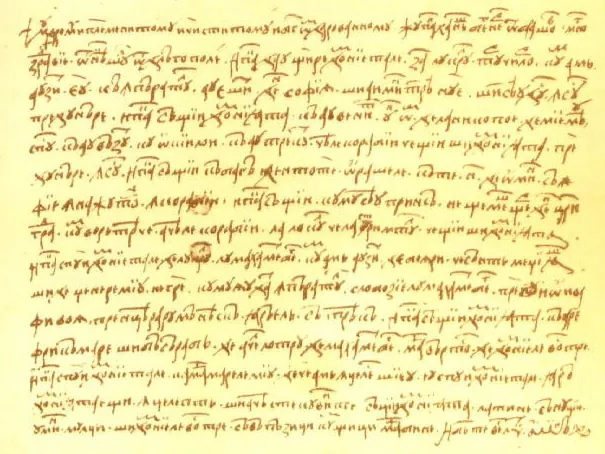
Neacșu writes Dunăre
Position - ~450 BC
Herodotus: one river, one name
Position - AD 98
Tacitus: Danuvius to the Pontus
Position - 657 BC
Milesian Histria at the Ister's mouths
Position - ~AD 18
Strabo cuts at the cataracts
Position - 52 BC
Caesar writes Danubi
Position
Score: 0 of 6
The right order, oldest first:
- 657 BC — Milesian Histria at the Ister's mouths
- ~450 BC — Herodotus: one river, one name
- 52 BC — Caesar writes Danubi
- ~AD 18 — Strabo cuts at the cataracts
- AD 98 — Tacitus: Danuvius to the Pontus
- 1521 — Neacșu writes Dunăre
The settled row: every witness in its place.
Sources
The ancients first, then the names and dictionaries, then the neighbours. Every risky claim points at its source.
The ancients
- Herodotus 2.33: Ister from Celts to Istria (Perseus)
- Herodotus 4.47–48: five mouths, greatest river (Perseus)
- Strabo 7.3.13: the boundary at the cataracts (LacusCurtius)
- Caesar 6.25: fluminis Danubi (Latin Library)
- Tacitus, Germania 1: Danuvius (Latin Library)
- Smith 1854: Danubius, late usage (Perseus)
The names
- Delamarre in Boucherit 2014: *dānu- and the sisters (PDF)
- Ferguson 1862 after Zeuss 1837: Celtic/Thracian (Gutenberg)
- Istros/Histria: Princeton Encyclopedia (Perseus)
- Istria: Britannica 1911, the Adriatic error (Wikisource)
Romanian
- dunăre/Dunăre: DEX, MDA2, Șăineanu, DE, on dexonline
- Istru: Șăineanu, on dexonline
- Histria: DE, on dexonline
- Neacșu's letter: transcription
Neighbours
Type: Fraunces and Source Serif 4, under the SIL Open Font Licence.