ONE COIN, THREE DATES
Why is your small change named after a Croatian viceroy?
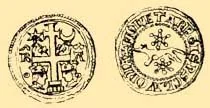
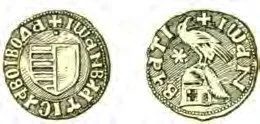
Open DEX at ban-the-coin and you find “Et. nec.”: origin unknown. Open the medieval coin tray and you find something else: the banovac, the Croatian bans' silver denarius, with the running marten and MONETA REGIS PER SCLAVONIA. Struck at Zagreb from about 1260, it circulated — after Mihaescu 1967 — in the Romanian lands from about 1270; its name stuck to any small coin, and Vlaicu Vodă put it on his own ban in 1365.
- Et. nec.
- what DEX says about ban-the-coin
- 1260 · 1365 · 1867
- three dates, one coin
- 40 → 100
- parale in a leu before 1867, bani after
Starting point: the dictionaries
What the dictionaries say
Two entries, one word. One knows where it comes from; the other does not.
ban¹ n.
“A monetary unit worth a hundredth of a leu… – Et. nec.”
DEX '09 BAN1
Et. nec. = etymology unknown: the dictionary does not consider the origin established.
ban² n.
“The title borne by the dignitary the prince delegated to govern Oltenia… Governor of a border region in the Hungarian kingdom. – Cf. Hung. ban, Serb. ban.”
DEX '09 BAN2
First academic attestation
[At: N. TEST. (1648), ap. GCR I, 126/28 / Pl: ~i / E: nct]
MDA2
The 1648 New Testament attests the coin; E: nct is the same ignorance, abbreviated.
The old hypothesis, retired OUTDATED HYPOTHESIS
“Originally, the ban must have been a coin bearing the effigy of the ban who had it struck”
CADE
Dictionaries no longer buy it — with good reason: the Oltenian ban, the prince's dependent, struck no coin of his own (after Ștefănescu 1965, in Mihaescu 1967).
Romanian quotes rendered in English for this page; the originals sit one tap away.
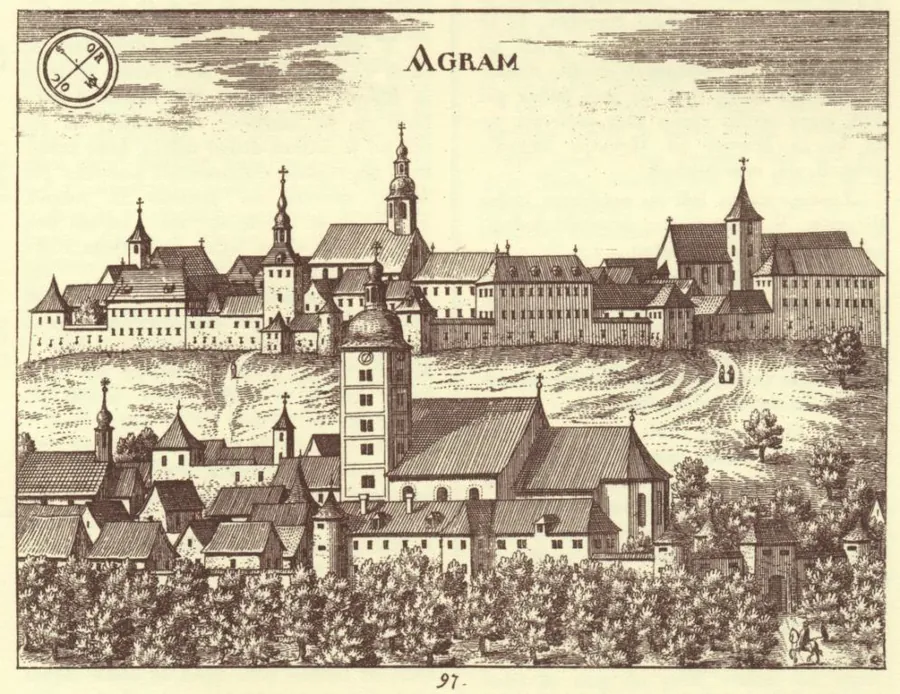
The coin: Croatia, 13th century
The marten on the coin
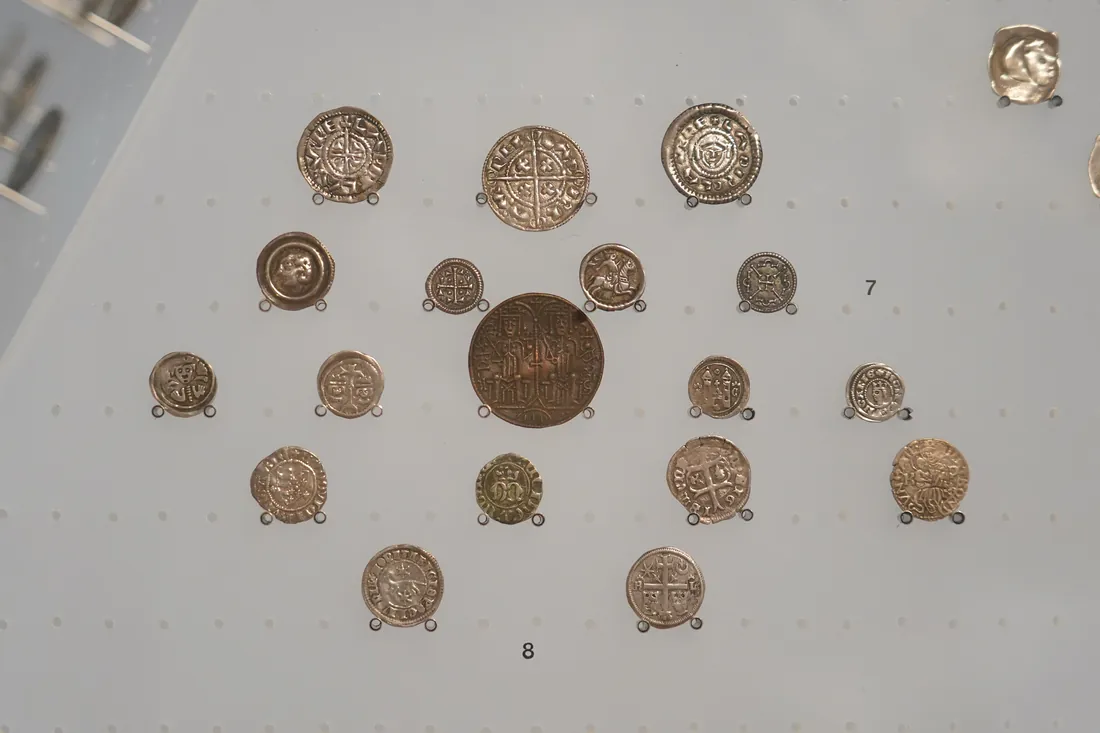
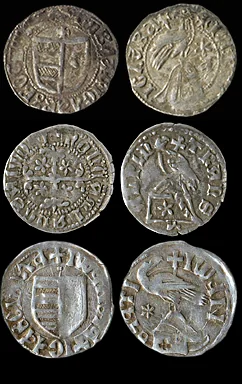
The banovac (banski denar): the silver coin the bans and dukes struck in Slavonia from the early 13th to the mid-14th century, on the Salzburg model.
Legend
MONETA REGIS PER SCLAVONIA or MONETA DUCIS PER SCLAVONIA, around the running marten.
Marten
Croatian kuna means marten. The animal gives the coin its face and its nickname.
Mint
First at Pakrac, then at Zagreb from 1260 — hence moneta banalis and denarius Zagrabiensis.
Silver
King Béla IV's silver. Its quality drove the neighbours' coins out; the Hungarians imitated it.





The hypothesis that ties it together
The road to Wallachia
Haralambie Mihaescu gathered the pieces in 1967: ban-the-coin starts from ban-the-governor, through the bans' coins. The pre-Roman hypothesis stays inconclusive; he doubts Germanic bannum ever reached the Romanians.
“It started from the term ban “provincial governor”… in our country it meant “coin, money” in general”
Mihaescu 1967 AFTER MIHAESCU 1967
The bold step RECONSTRUCTION
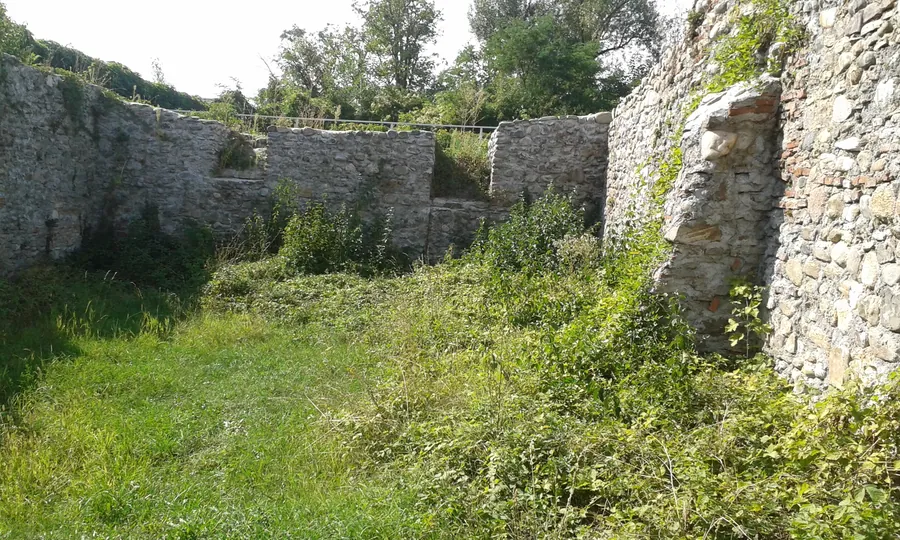
After Mihaescu 1967, resting on one piece found at Curtea de Argeș (Moisil 1920), denarii banales, or simply bani, would have circulated in Romanian-inhabited lands from about 1270, and their name would have widened to any coin. Almost a century later, Vlaicu found it naturalized.
Reconstruction: one cited specimen, plus inference — and nothing named beyond it.
The Argeș piece bore the initials R L = rex Ladislaus (1272–1290).
Vlaicu, 1365
Wallachia's first own coinage: after Iliescu, in Mihaescu 1967, the prince strikes coin in 1365 — and by the first half of the 15th century he has two denominations: ducat and ban. The “coin” sense looks like a Romanian innovation, born north of the Danube; Romanian texts show it from the 16th century.
The customs take bani
1413, Bran
“trei bani, pedestrul un ban — three bani, a pedestrian one ban”
1422
“calul slobod trei bani, pedestrul un ban — a free horse three bani, a pedestrian one ban”
1424
“un cal neîmpovărat un ban… trei bani — an unladen horse one ban… three bani”
No specimen of that early ban has reached us. The gap stays on the table, in sight.





Three stops
Three dates
The whole road on one rail: the mint, the reign, the law.
The mint at Zagreb
1260
Pakrac → Zagreb: the banovac begins as moneta banalis, a silver marten denarius.
stop 1 of 3
Vlaicu's ban
1365
Wallachia's first own coinage: ducat + ban, with a word already naturalized.
stop 2 of 3
The law
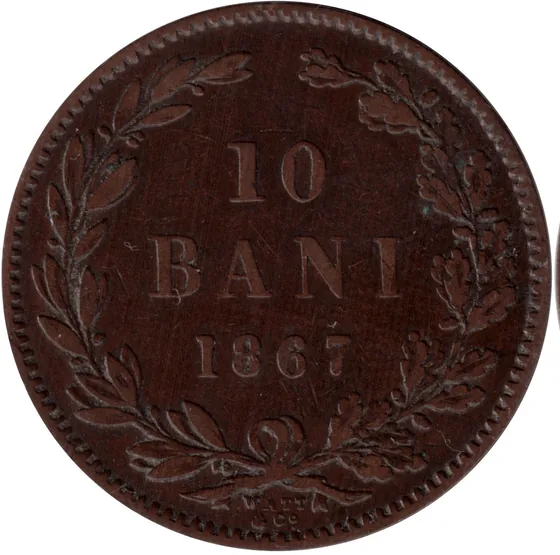
1867
1 leu = 100 bani: 5 g silver 835‰ or 0.3226 g gold 900‰. The 40-parale division is replaced, after BNR.
stop 3 of 3
Voted 29 Mar/10 Apr, Senate 14/26 Apr, Monitorul no. 89, 22 Apr/4 May 1867 (old/new style).
The word's road
Ban
the title: the governor
banovac
the bans' coin, from 1260
ban
the small change, from 1365 to this day
The other small coin
Para: the Persian piece
The word comes from Persian pâre, “piece”.
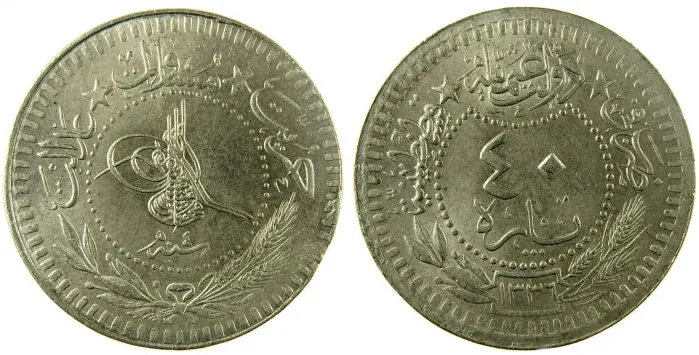
The Ottoman para: 3 akçe from 1640; the 1688 kuruş is worth 40 para.
The fictitious leu of the Organic Regulation divides into 40 parale (1831–1832), after BNR. AFTER BNR
The 1867 law divides it into 100 bani and buries para as a unit of account, after BNR. AFTER BNR
The word outlives the coin: parale, “nici două parale”; MDA2 lists para among the ban's synonyms.

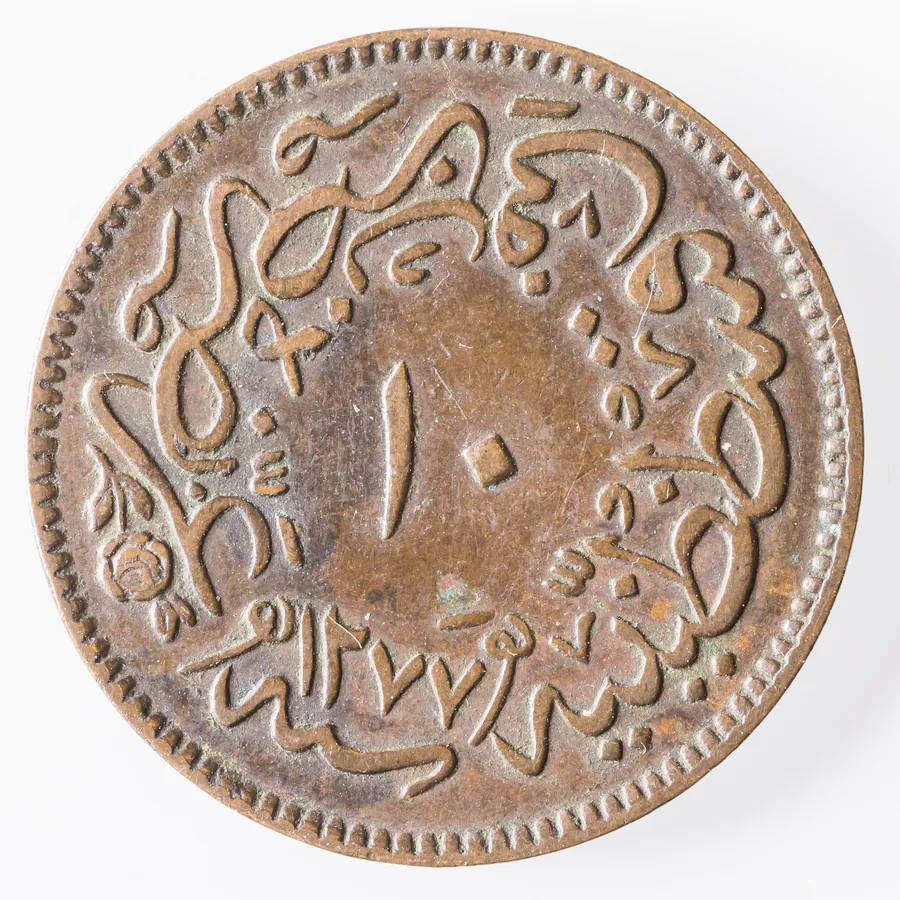

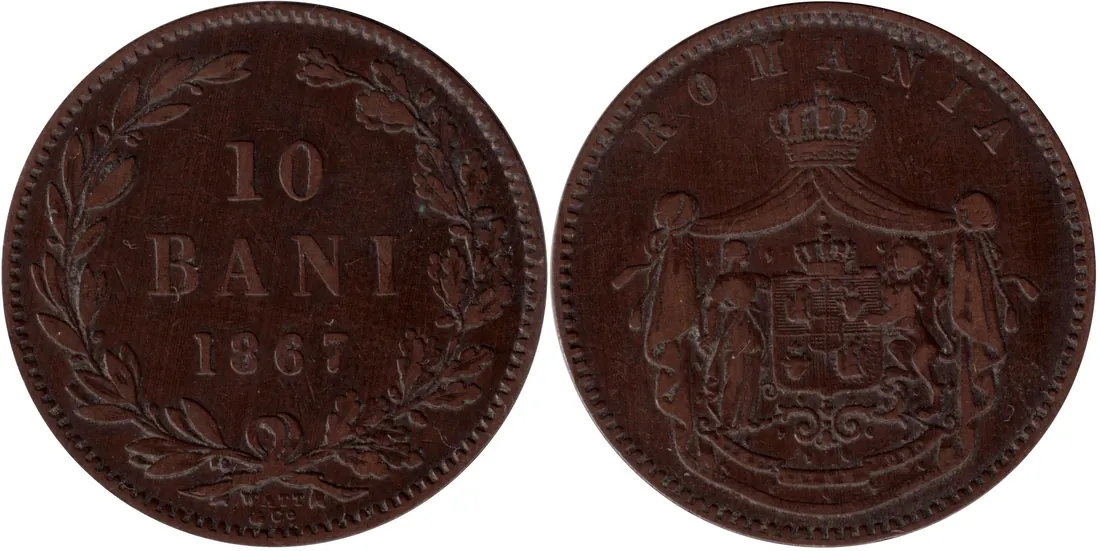

The lion on one card
The leu takes its name from the Dutch lion thaler (leeuwendaalder), arrived around 1600 and a unit of account by 1831/1832. The whole story — the romanat, the deaths of 1947, 1952 and 2005 — lives at leul-1867.
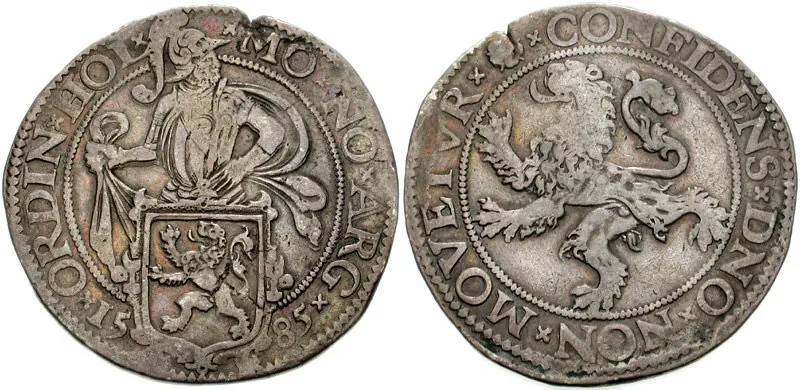

The title's origin
An honest dispute
Where does ban-the-governor come from? Four named answers — and no winner. This page's verdict: disputed. DISPUTED
The rich man
bajan “rich”: a Mongol word, probably Avar, into Romanian through Hung. bán — Cioranescu, after Berneker.
The warden
bân “lord, guard” and marz-bân “border warden” — Sakač, Rački.
The Croat
Of Croatian origin — Miklosich.
The Hun
A Hunnic guess, noted by Kinnamos in 1180–1183: a 12th-century supposition.
The Avar derivation is judged unconvincing: the title never appears among the Avars (Ančić).
Earliest attestation: βο(ε)άνος in Constantine Porphyrogenitus, around 950. The Severin banate: 1233–1526.
Test yourself
Who came first?
Six dates from this page, shuffled. Put them in order, oldest first.
Move each card to its place, 1 to 6. Keys 1–6 move the chosen card; cards also drag by finger.
- 1648
The New Testament: first academic attestation
Place - 1260
The mint moves to Zagreb
Place - 1867
The law: 1 leu = 100 bani
Place - 1413
Bran customs take “trei bani”
Place - 1688
The kuruş is worth 40 para
Place - 1365
Vlaicu strikes his own coin
Place
Score: 0 of 6
The right order, oldest first:
- 1260 — The mint moves to Zagreb
- 1365 — Vlaicu strikes his own coin
- 1413 — Bran customs take “trei bani”
- 1648 — The New Testament: first academic attestation
- 1688 — The kuruş is worth 40 para
- 1867 — The law: 1 leu = 100 bani
The settled row: every date in its place.
Sources
Dictionaries first, then the 1967 thesis and the Croatian coin, then the neighbours. Every risky claim points at its source.
Dictionaries
Thesis and coin
- Mihaescu 1967: the origin of ban-the-coin (PDF)
- banovac: Hrvatska enciklopedija
- para: Para (currency)
- the title: Ban (title), origin and research
Neighbours
Type: Fraunces and Source Serif 4, under the SIL Open Font Licence.