A SET TABLE, TWO THOUSAND YEARS
You eat Latin every day
Sit at a Romanian table and you speak Latin unawares: masă, pâine, sare, vin, lingură come straight from mensa, panem, sale, vinum, lingula. The words run unbroken; the address where they were spoken for two thousand years stays debated.
- 6
- Latin inheritances on the table, from mensa to manducare
- 301
- the year Diocletian capped wheat at 100 denarii
- 79
- the year Vesuvius carbonized the bakery loaves
- mensa → masă
- panem → pâine
- sale → sare
- vinum → vin
- lingula → lingură
- manducare → a mânca
The table
Six inherited objects sit at the table; three newcomers wait at the door. Select an object to see its chain: the Romanian word, the Latin ancestor, the change, the Roman anchor.
Framed objects answer to touch and to the Enter key.
masă n.
← mensa
The ns cluster simplifies: mensa loses its n on the road.
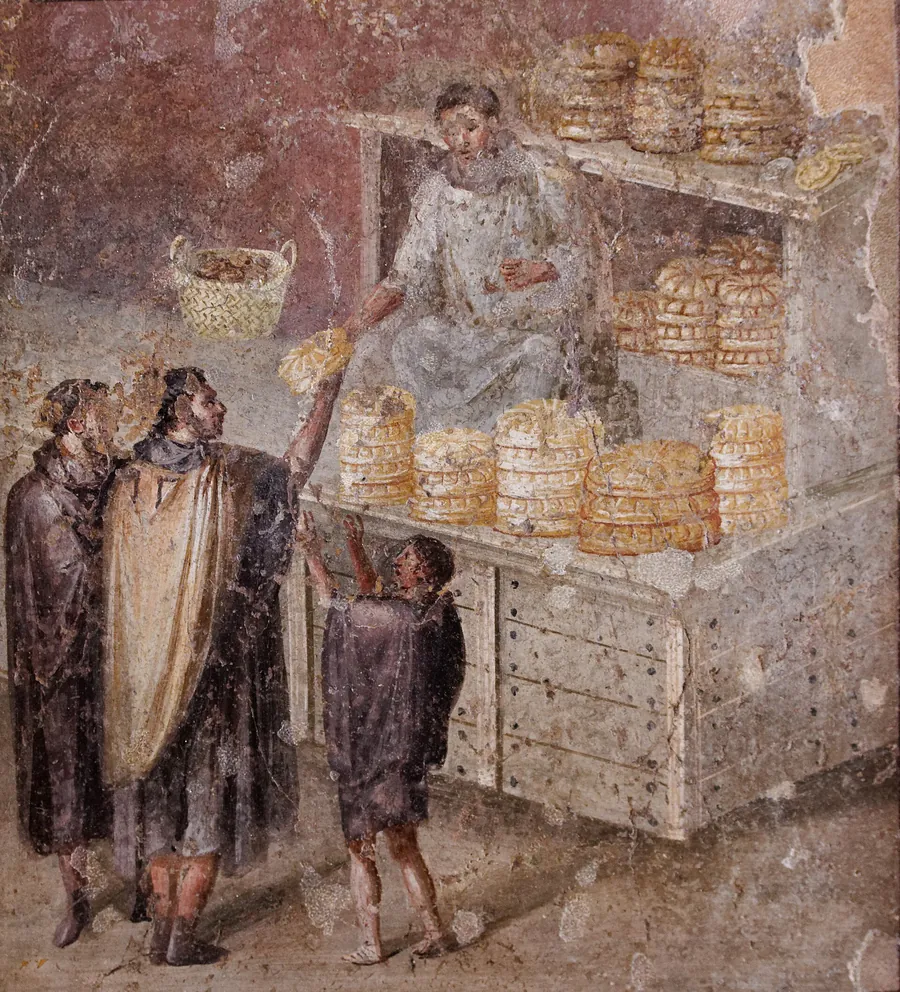
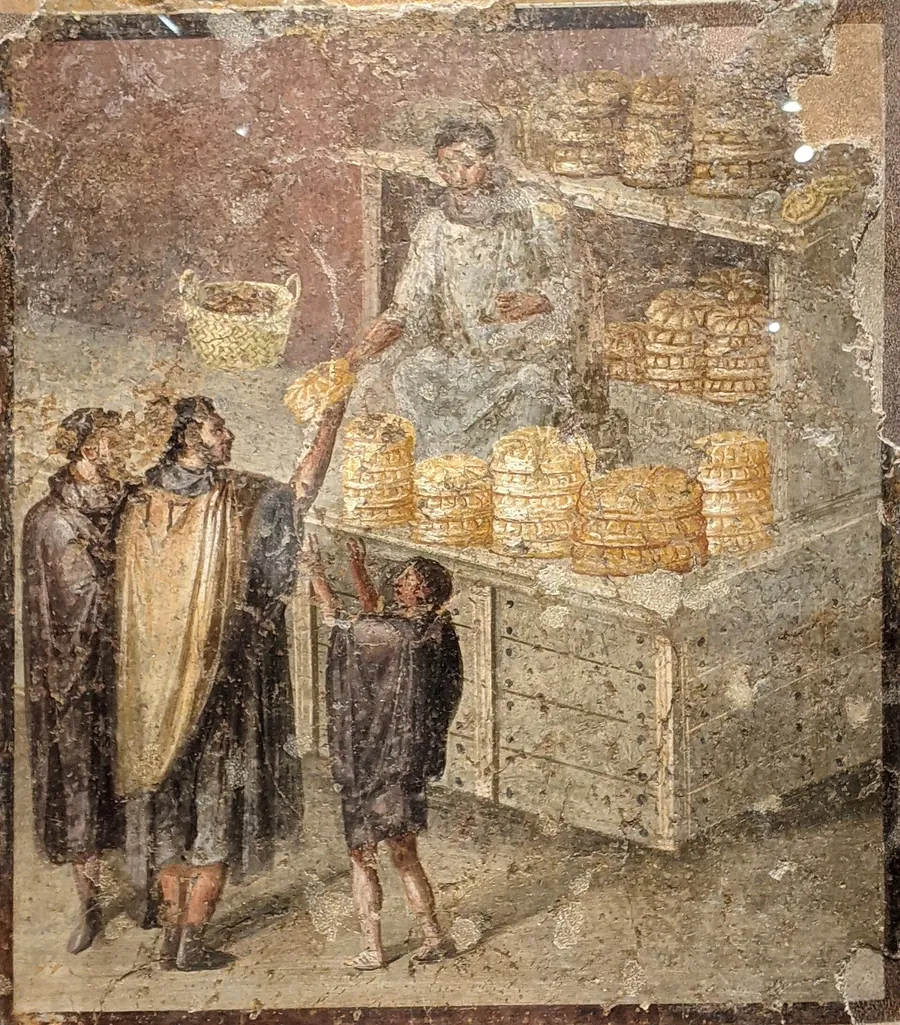
Roman anchor: the counter in the bread-sale fresco, MANN 9071 — a merchant's table, painted.
DEX: Lat. mensa.
pâine n.
← panis, panem
A turns to â, the final e falls away: panem tightens into pâine.
Roman anchor: the carbonized loaves from the bakery of Modestus, Pompeii VII.1.36–37, AD 79.
Kin to Aromanian pani.
DEX: Lat. panis.
sare n.
← sale, the vulgar form of sal
L between vowels turns to r: the regular pattern called rhotacism.
Roman anchor: the spiced salt in Diocletian's edict — 8 denarii the sextarius.
Kin to Italian sale and French sel.
DEX: Lat. sal, salis.
vin n.
← vinum
The final u falls away: vinum stays vin.
Roman anchor: Conditum paradoxum — the honeyed, peppered wine from the book called Apicius, I.1.
DEX: Lat. vinum.
lingură n.
← lingula, diminutive of lingua
The unstressed u falls, l turns to r: lingula arrives as lingură.
Roman anchor: Roman table spoons — a cochlear-type one, at the MET, is pictured alongside.
DEX: Lat. lingula.
a mânca v.
← manducare, the verb for “to chew”
D falls away, u turns to â: manducare tightens into mânca.
Roman anchor: Sala cattabia — the soaked bread from the book called Apicius, IV.1.
DEX: Lat. manducare; “a mesteca în gură și a înghiți”, to chew and swallow.
furculiță n.
Furcă + -uliță: a Romanian-made diminutive, parallel to Latin furcilla — parallel, never inherited.
DEX: furcă + suf. -uliță.
Six inheritances, in turn
Each object tells its chain at length: the dictionary, the change, the Roman proof.
THE INHERITANCE · I
Masă: mensa
The furniture at the middle of the house carries a Roman canteen name.
- Lat. mensa
- DEX, the furniture sense
- lost n
- mensa → masă
Mensa meant, at Rome, the table food goes on. Romanian kept the word for the furniture at the middle of the house and carried it onward, into sayings and birthdays.
That the Roman table truly looked like a table stands in frescoes: the baker's counter in MANN 9071, loaves stacked on it, and the still life with bread and figs, set out on a slab.
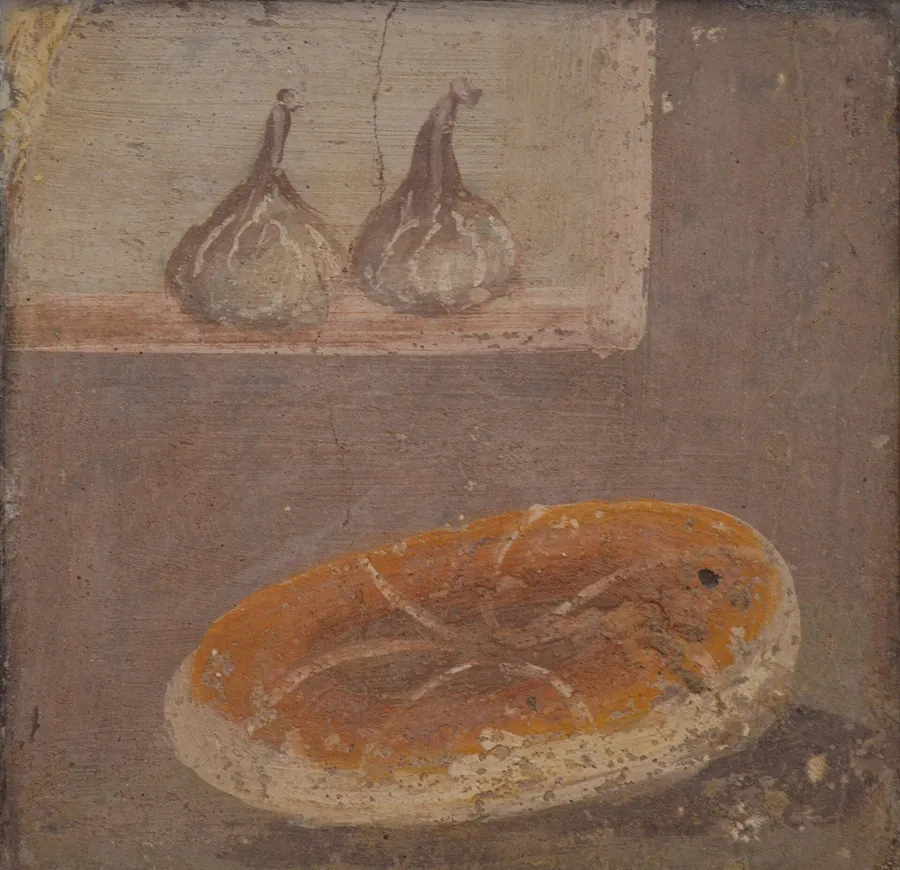

Worth keeping: masă is the word for the table — the object and the name travelled together.
THE INHERITANCE · II
Pâine: panem
The round loaf, scored in eight, baked at Pompeii and bakes still.
- Lat. panis
- DEX; Șăineanu gives the panem form
- VII.1.36–37
- the bakery of Modestus, Pompeii
- AD 79
- carbonized loaves, leavened crumb
Panis quadratus — the “squared” bread of the Romans — ran round and scored, to break in eight. In the bakery of Modestus, dozens of such loaves met the eruption and carbonized: blackened outside, the leavened crumb kept within.
The photograph shows one such loaf, in a museum: black, cracked, scored. Alongside, the bakery of Popidius Priscus, with its mills and oven — the bread factory of Pompeii.
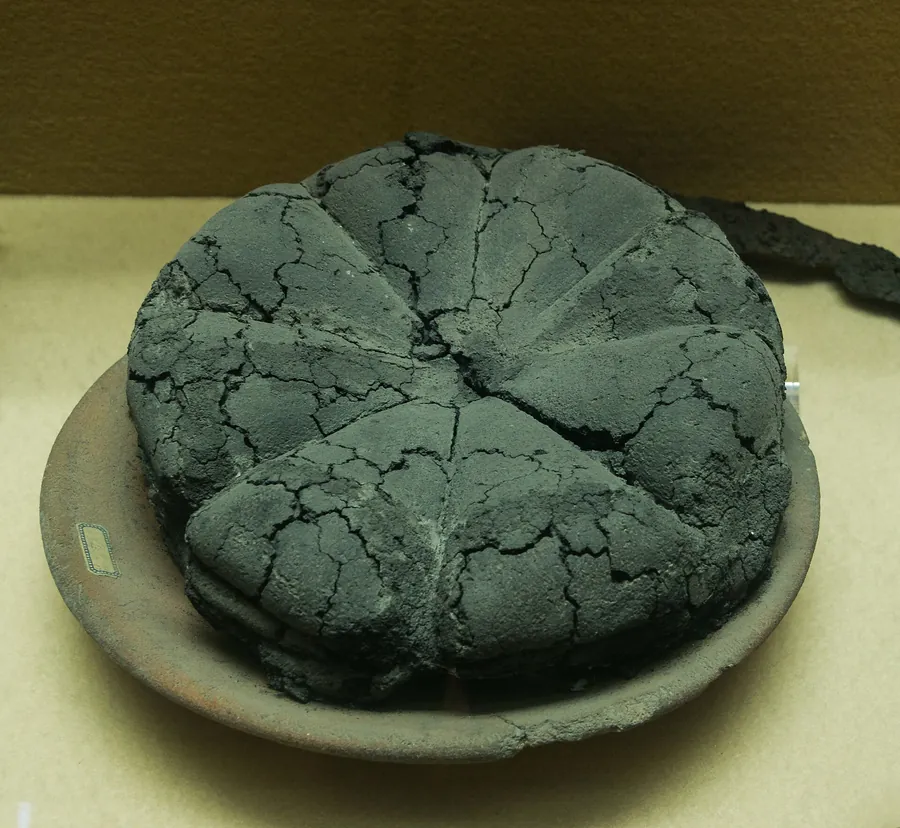

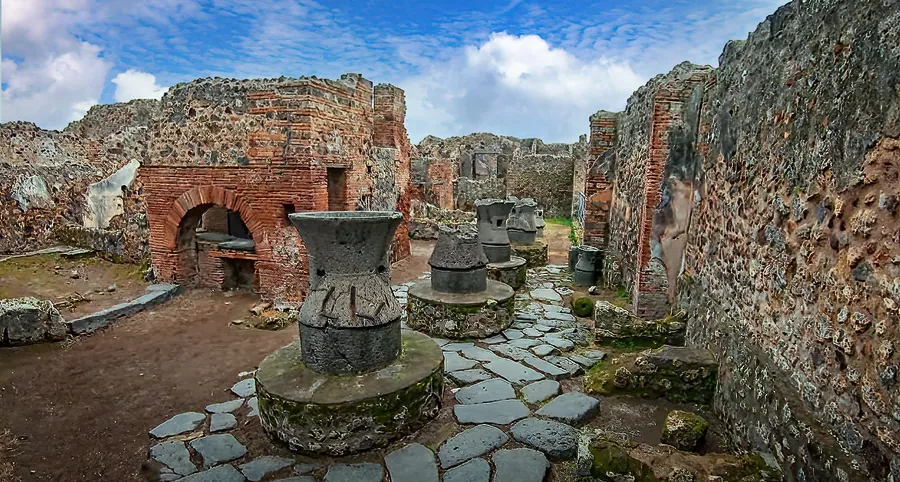

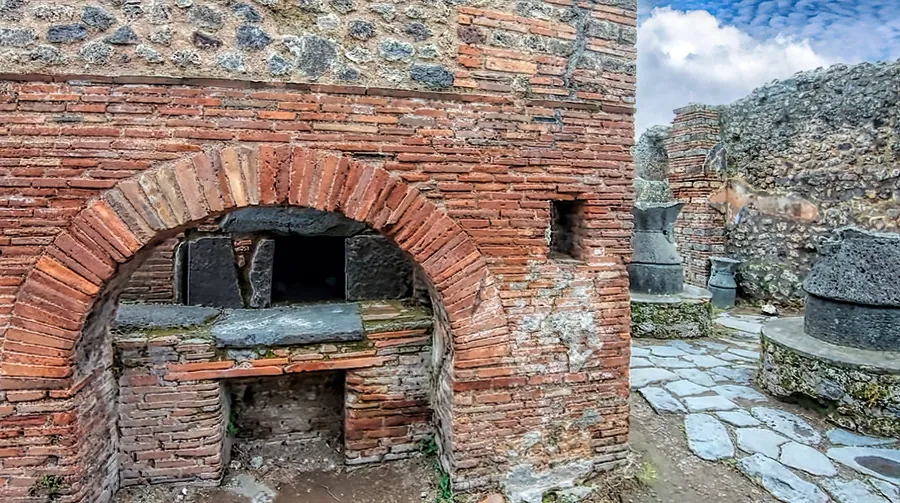

Worth keeping: today's bread has eight ancestors in a museum case.
THE INHERITANCE · III
Sare: sal
Salt named the salary. Salt wages for soldiers stay a story.
- Lat. sal, salis
- DEX; the vulgar form sale
- 8 denarii
- spiced salt, the sextarius, in the 301 edict
Salarium comes from sal — the dictionaries say the link plainly. The tale of Roman soldiers drawing their pay in salt appears in no Roman source: Merriam-Webster says nothing in the word's known history supports it, and the classicist Peter Gainsford shows there is no evidence — the soldiers were paid in coin.
Salt itself fills Diocletian's edict: spiced salt carried a ceiling of 8 denarii the sextarius, the same as ordinary wine.
Salarium < sal: solid. Pay in salt: no Roman source shows it.
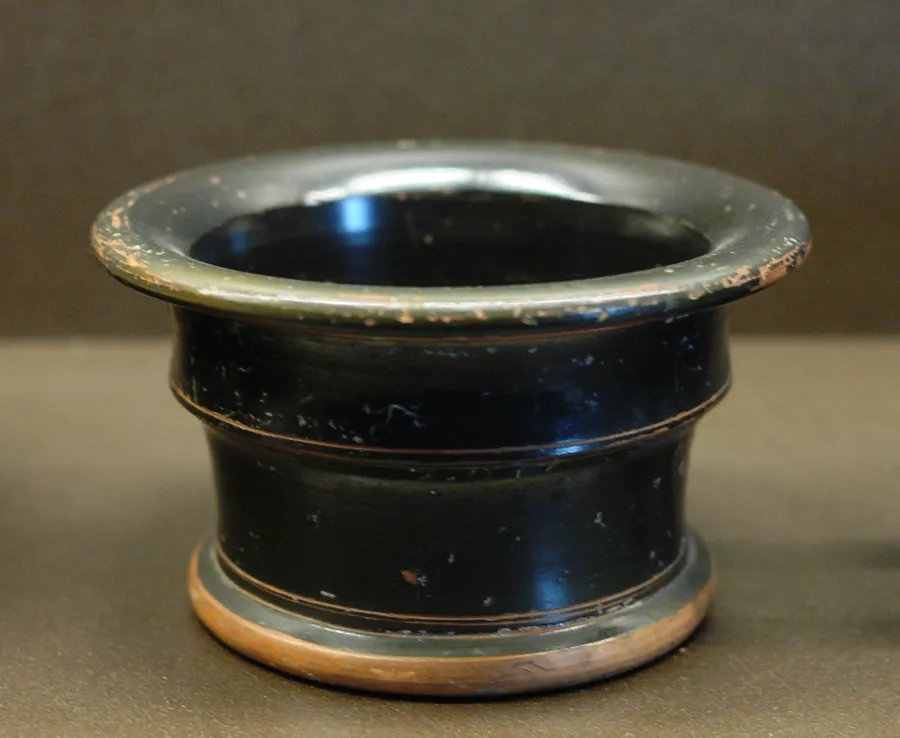

Worth keeping: the salary comes from salt; the soldiers don't.
THE INHERITANCE · IV
Vin: vinum
The Romans drank their wine with honey, with pepper, sometimes with snow.
- Lat. vinum
- DEX
- 8 / 24 denarii
- ordinary / spiced wine, the sextarius, in the edict
Conditum paradoxum — “the spiced wine, the surprising one” — runs thus: “mellis pondo XV in aeneum vas mittuntur… vini lenis sextaria XVIII”: fifteen pounds of honey into a copper vessel, then eighteen sextarii of light wine. The recipe adds pepper, mastic, saffron and roasted date stones.
In Vehling's translation: the honey and wine warm over a slow fire, stirred throughout, “add 18 sextarii of light wine” — and at the end the wine clears with charcoal.
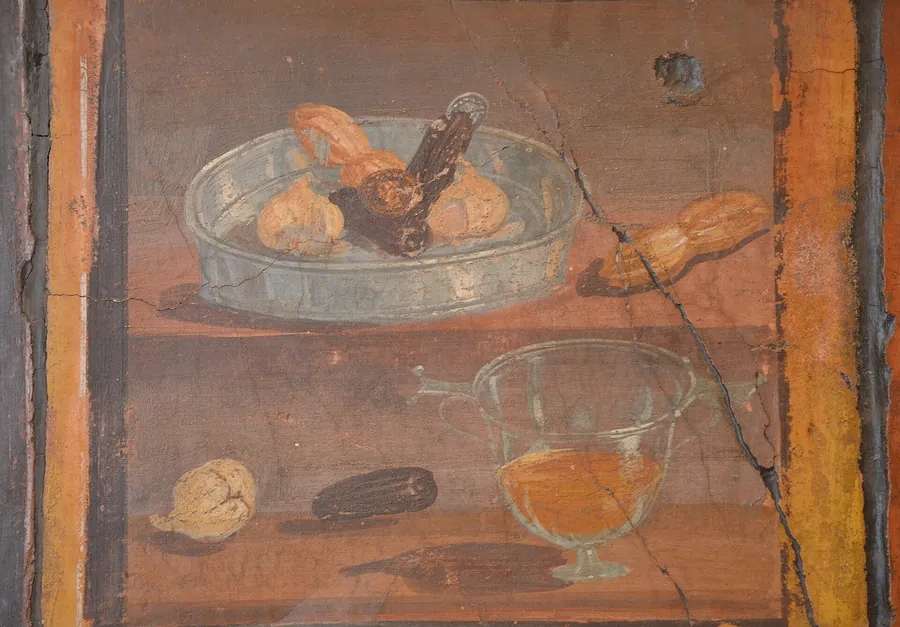

Worth keeping: spiced wine had an edict price — 24 denarii the sextarius.
THE INHERITANCE · V
Lingură: lingula
The spoon is a little tongue: the Latin diminutive of lingua.
- Lat. lingula
- DEX; diminutive of lingua, “tongue”
- lingură = little tongue
- the diminutive, exactly translated
Lingula meant “small tongue” in Latin and named the spoon, the ladle, the skimmer — every tool with a hollowed “tongue”. Romanian kept one alone and called it lingură.
The Romans ran several spoon types; the pictured one is a cochlear, sharp-handled — a cousin of the lingula, never the lingula itself.
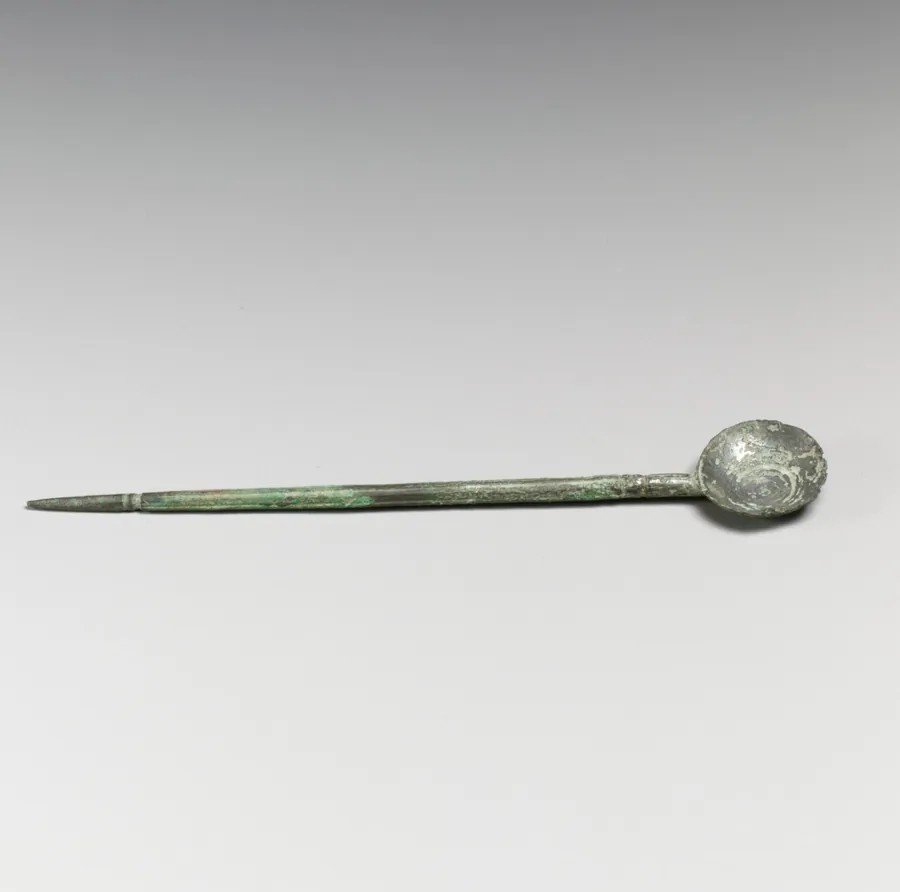

Worth keeping: each time you say “lingură”, you say “little tongue”.
THE INHERITANCE · VI
A mânca: manducare
The chew that ate eating: the verb for “to chew” became the verb for the meal. English ears miss the pun, so here it is plainly: mânca sounds like the chewing it names.
- Lat. manducare
- DEX; from mando, “to chew”
- “to chew in the mouth”
- what DEX says “a mânca” means
Manducare meant “to chew”, and spoken Latin shortened the word to *manucare, the form “a mânca” starts from. In Romanian, the chewing verb became the eating verb: “a mânca” means, by DEX, “a mesteca în gură și a înghiți” — to chew in the mouth and swallow. Old Romania walked the same road entire.
Roman food itself shows in the Sala cattabia: “panem ex posca maceratum exprimes” — “the bread soaked in posca, press it out” — cheese, cucumbers, pine nuts, then “super frigidam collocabis et sic appones”: “set it on ice and serve it so”.
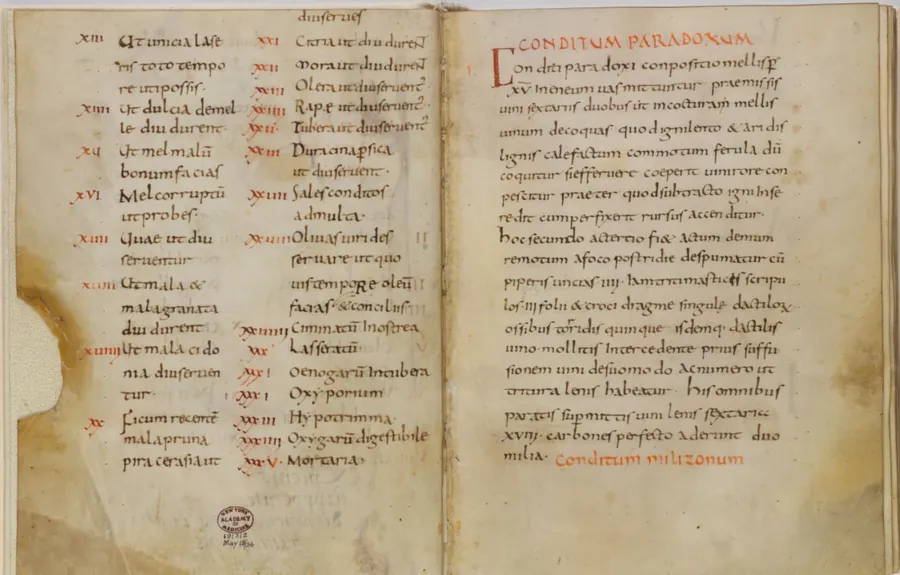

Worth keeping: the book called Apicius — late 4th, early 5th century — cooks to this day.
The newcomers
Three arrived late and show it: their names betray their road.
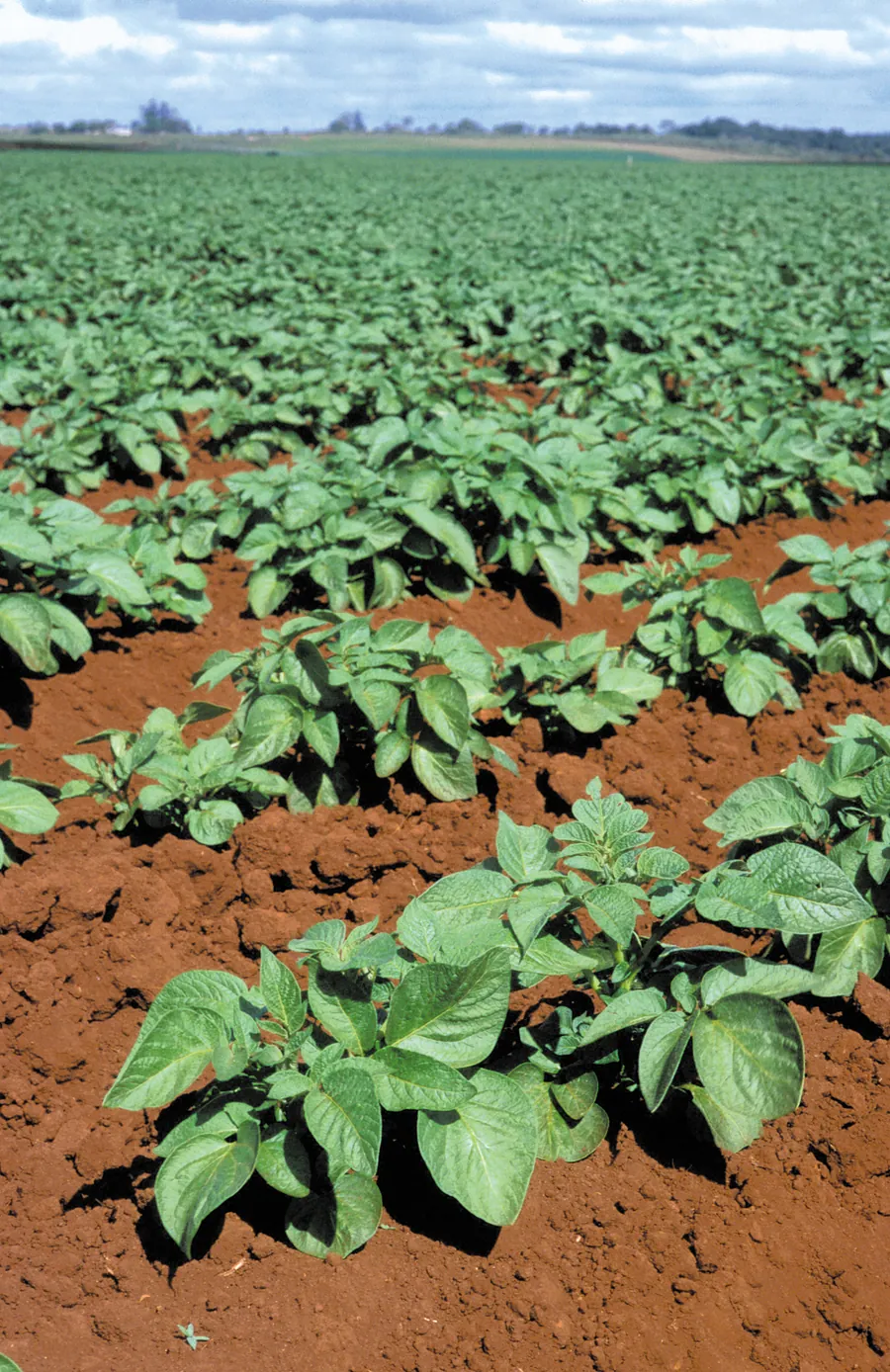

Cartof: Kartoffel
From German Kartoffel — a borrowing, never an inheritance.
The potato reached Europe late, carried by the Spaniards toward the end of the 16th century. When it reached Romanian speech nobody knows — so the page dates it nowhere.
The dateless newcomer: borrowed, never inherited.
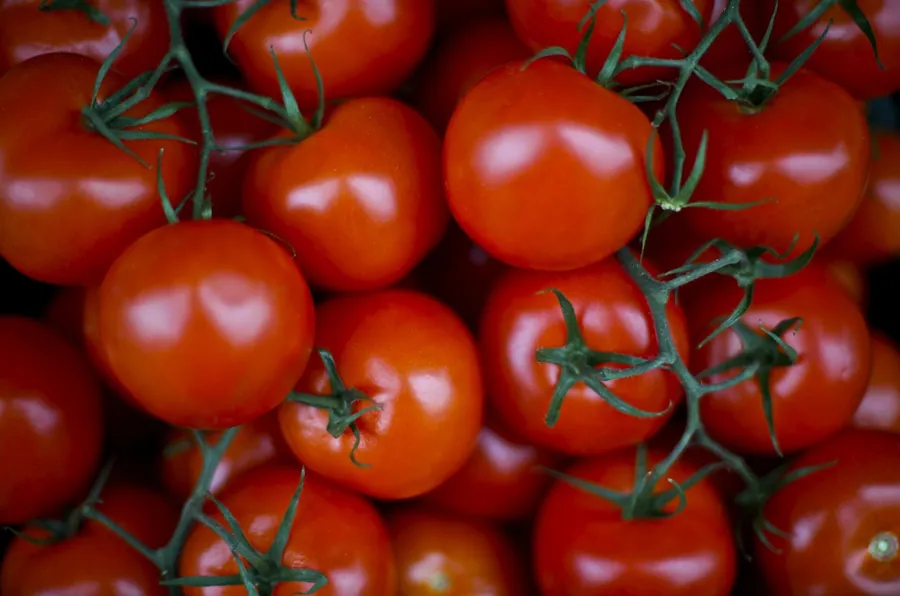

Roșie: “the red one”
From roșu, “red” — a Romanian nickname for a New World fruit.
The tomato kept none of its home name. Romanians called it “roșie”, meaning “the red one”, after its colour — a home-made word for a guest.
The home-christened newcomer: a Romanian name, an American fruit.
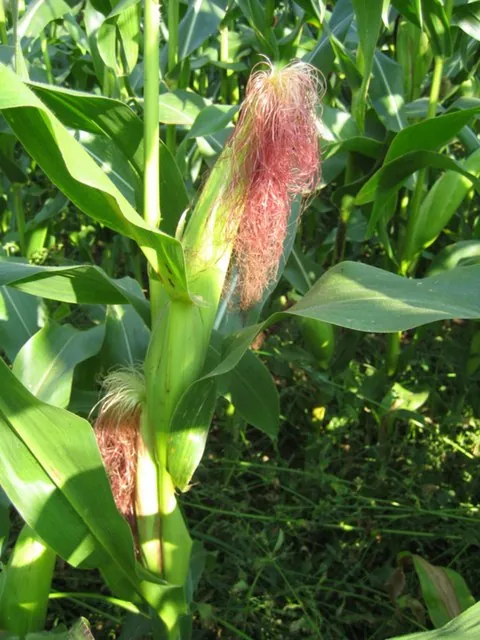

Porumb: palumbus
From Latin palumbus, “dove” — a Latin word, an American plant.
Porumb is the table's trick: the name comes from Latin, the plant from America. The round grains recalled doves, and Nicolae Costin names the plant in 1694 — around 1680 in Muntenia, around 1690 in Moldavia.
The disguised newcomer: Latin dress, American passport.
The Roman receipt
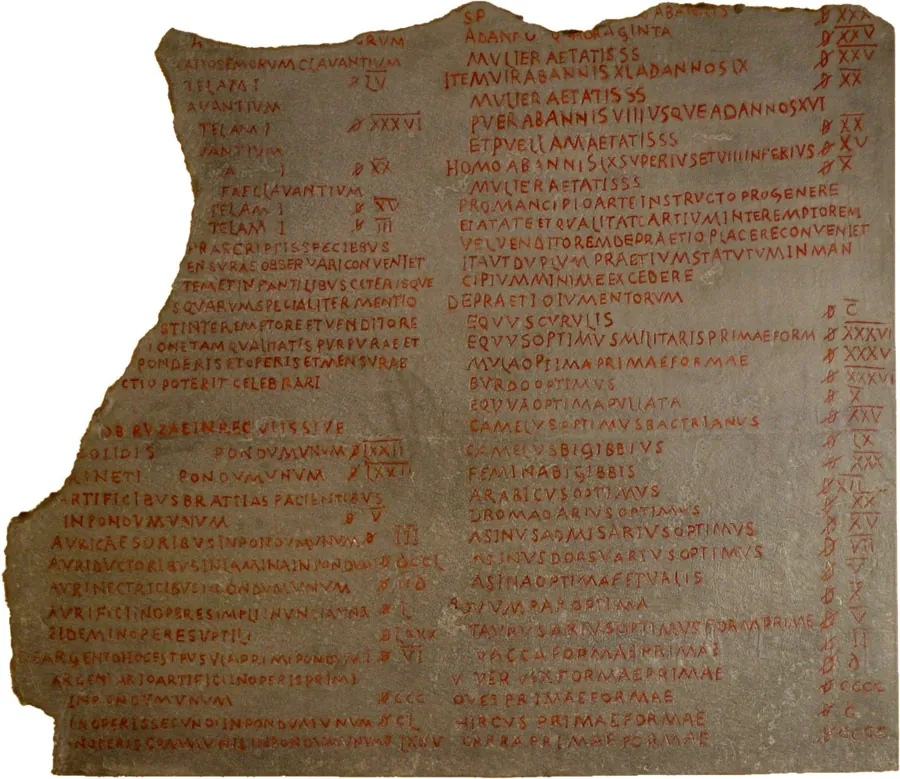
Between 20 November and 10 December 301, Diocletian capped the prices of more than 1,200 goods. Our table's receipt runs thus:
| Item | Quantity | Price |
|---|---|---|
| Wheat | 1 double modius (17.51 l) | 100 |
| Barley | 1 double modius | 60 |
| Ordinary wine | 1 sextarius (0.547 l) | 8 |
| Spiced wine | 1 sextarius | 24 |
| Pork | 1 pound (327.45 g) | 12 |
| Salt pork, first quality | 1 pound | 16 |
| Spiced salt | 1 sextarius | 8 |
| Honey, best quality | 1 sextarius | 40 |
| Vinegar | 1 sextarius | 6 |
| Ordinary oil | 1 sextarius | 12 |
| A baker's day, with keep | 1 day | 50 |
“If anyone should, in his boldness, strive against the form of this statute, he shall undergo a capital penalty.” — the edict's preamble, in Kropff's translation
- The denarius ran then as a unit of account: payments went in other coins, mostly nummi.
- Lactantius, an enemy of Diocletian, says the edict wrecked trade and was withdrawn — Kropff asks whether we can trust him.



Sources
Dictionaries first, then the cookbook and the edict, then the debate. The claims table ties each sentence to its proof.
The claims table
| ID | Claim | Evidence |
|---|---|---|
| C01 | masă ← mensa | DEX: Lat. mensa |
| C02 | pâine ← panis / panem | DEX: Lat. panis; Aromanian pani |
| C03 | sare ← sale, from sal | DEX: Lat. sal, salis |
| C04 | vin ← vinum | DEX: Lat. vinum |
| C05 | lingură ← lingula, “little tongue” | DEX: Lat. lingula; diminutive of lingua |
| C06 | a mânca ← manducare, “to chew” | DEX: Lat. manducare |
| C07 | furculița = furcă + -uliță | DEX '09; furcilla only parallel |
| C08 | cartof < German Kartoffel, dateless | DEX: from German Kartoffel |
| C09 | roșie ← roșu, “the red one” | NODEX: from roșu |
| C10 | porumb ← palumbus; Costin, 1694 | ~1680 Muntenia / ~1690 Moldavia |
| C11 | salarium < sal, solid; pay in salt, unsupported | Merriam-Webster; Gainsford |
| C12 | Apicius: ca. 390/450; I.1, IV.1 | Bibliotheca Augustana; Vehling |
| C13 | The edict: 301, over 1,200 prices | the Kropff translation after Giacchero/Mommsen |
| C14 | Pompeii: carbonized loaves, AD 79 | Modestus VII.1.36–37; nunc.ch; Monaco |
| C15 | Speech unbroken, address debated | Pop / Schramm, condensed from the survey |
| C16 | 6 inherited · 3 newcomers | the page's own count |
Dictionaries
- DEX online: masă
- DEX online: pâine
- DEX online: sare
- DEX online: vin
- DEX online: lingură
- DEX online: mânca
- DEX online: porumb
- DEX online: roșie
- DEX online: furculiță
- DEX online: cartof
Latin sources
- Apicius, Conditum paradoxum (I.1), Latin text
- Apicius, Sala cattabia (IV.1), Latin text
- Apicius in Vehling's English (public domain)
- The prices edict, the Kropff translation (PDF)
History and debate
- Leavened Roman bread: Modestus (nunc.ch)
- Panis quadratus: 8 sections (Tavola Mediterranea)
- Salary and salt: Merriam-Webster
- Salary and salt: Gainsford (phys.org)
- Origin of the Romanians: the survey (EN-wiki)
- The tomato, a New World fruit (EN-wiki)
Type: Fraunces, Newsreader and Atkinson Hyperlegible, under the SIL Open Font Licence.