How the city filled with factories, and how it emptied
Squares are the factories as they were. When one changes, it becomes a disc in the colour of what stands on its site today.
1853–1914
The first factories, by the railway and the river
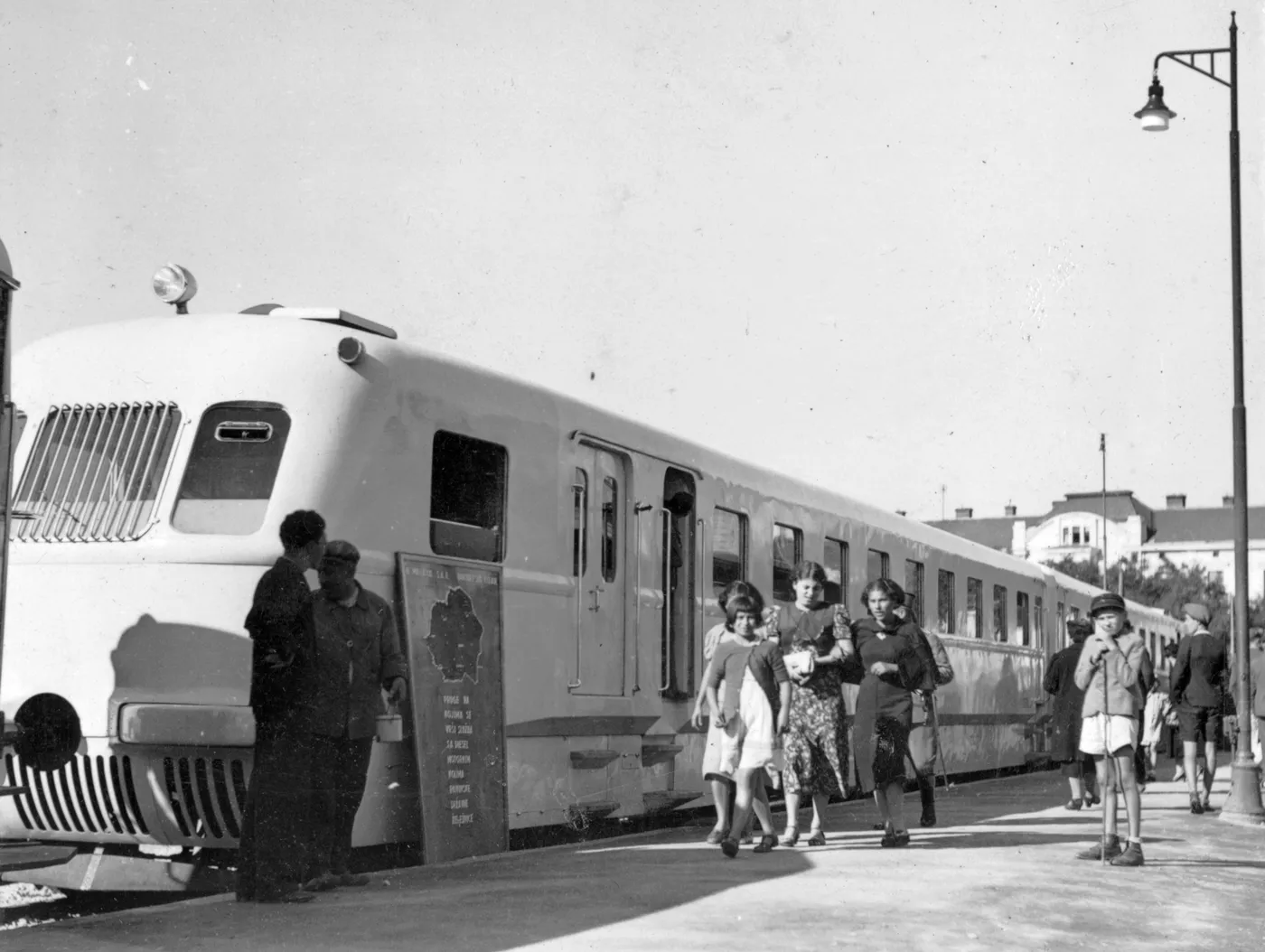
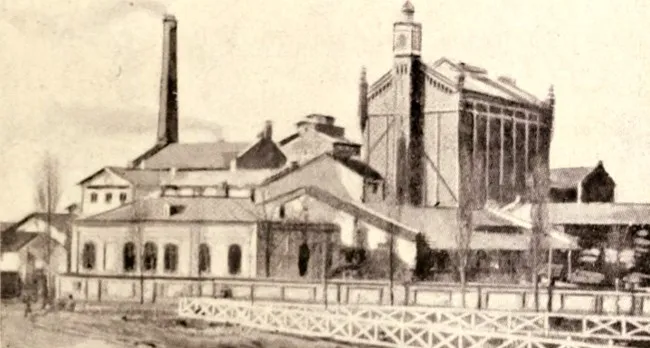
Assan's steam mill started in 1853, Lemaitre's foundry in 1864, Luther's brewery in 1869, the railway works on Calea Griviței in 1897. In the industrial survey of 1901–1902, Bucharest held 195 of the country's 625 large industrial firms, with 15,617 people.
Gabriel Constantin, BMIM XX, 2006
1918–1940
Malaxa, Ford and the country's first industrial centre
Nicolae Malaxa bought the land at Faur in 1921, and in the 1930s built the Republica works next door. Ford Romania bought land in Floreasca in 1934; IOR started in 1936. In 1924–1928 Bucharest was "the country's first industrial centre".
BMIM XX, 2006; Wikipedia; the press cited in the table below
1948–1989
The platforms
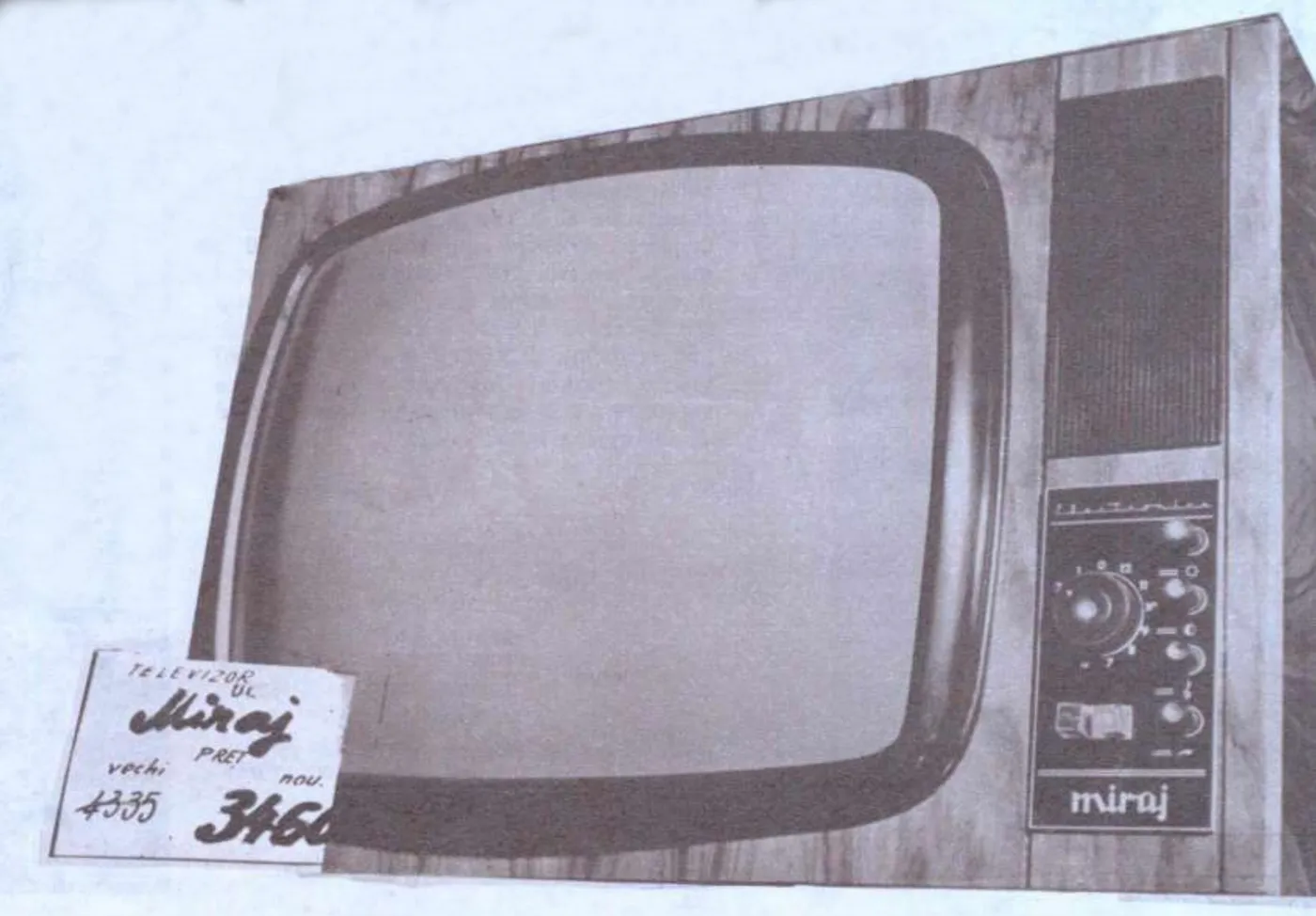
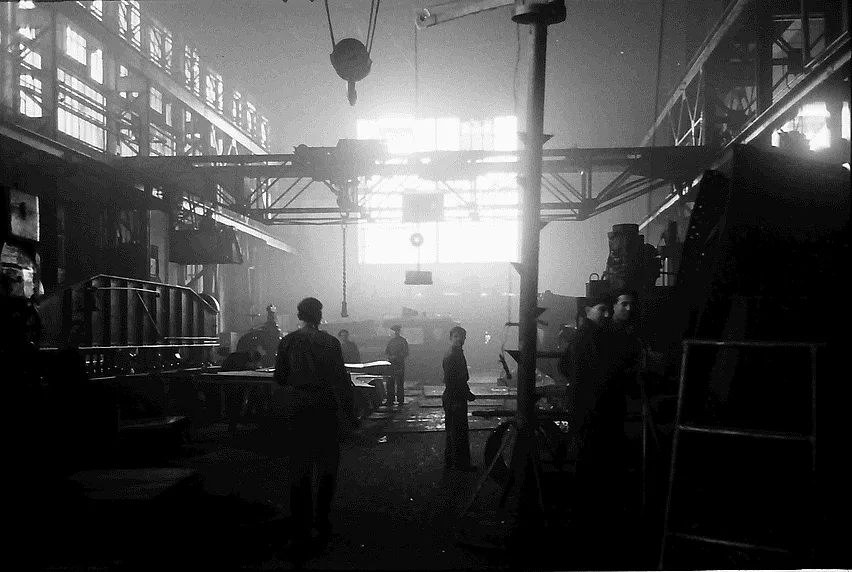
After nationalisation, factories grew into whole industrial districts: Faur and Republica in the east, Militari in the west, IMGB and Vulcan in the south, Pipera in the north. The 2000 city plan names about two dozen industrial zones and puts the largest, Militari and Republica–Faur, at 20,000 to 30,000 employees each. In 1991, 463,366 people in Bucharest were employees in manufacturing.
PUG București 2000, annex A5.3; INS TEMPO FOM104A
1990–1995
The first five years
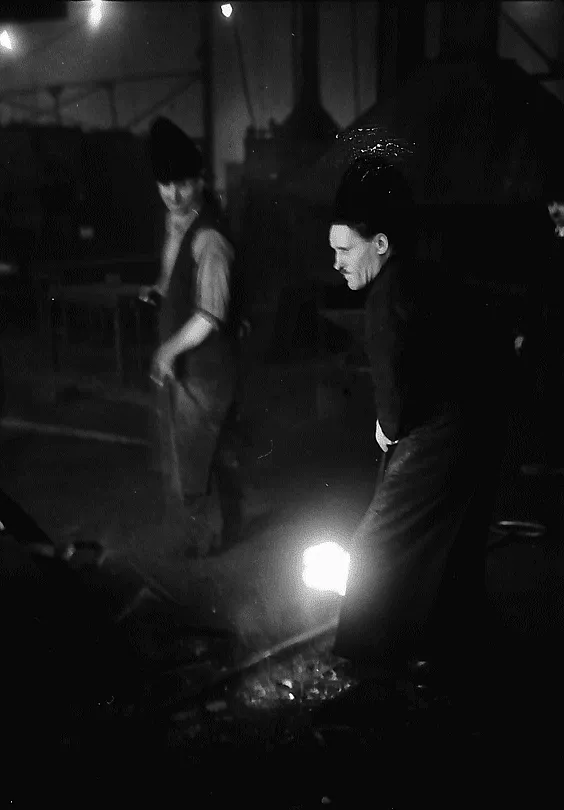
In five years, Bucharest's industry lost 168,342 jobs, 124,912 of them in machine-building alone. The factories still stood, but they emptied.
PUG București 2000, annex A5.3
2003–2025
Malls
Romania's first Cora hypermarket opened in 2003 on the site of the Granitul concrete works. Then came AFI Cotroceni on UMEB's land (2009), Promenada on the FEA plant's (2013), Mega Mall on Electroaparataj (2015), Veranda on Prodplast (2016), IKEA on Anticorosiv (2019). Of the 74 factories on the map, 13 became malls or shops.
Cotidianul 2011; Economica; Bugetul.ro 2026
2004–2026
Offices
The Iride offices stand on part of the Electronica site, an office campus on Timpuri Noi, Campus 6 on Pumac, Sema Parc on Semănătoarea. The hall where Ford assembled cars now sits beside the One Tower. 8 factories on the map became offices.
ZF 2015; The Diplomat 2026; Capital 2017
2008–2026
Homes
Then came the flats: Gran Via Park on Electrotehnica, AFI City on Laromet, the HILS blocks beside the Republica hall, the Fosta Fabrică scheme beside the Luther brewery buildings. 11 factories on the map became homes or are turning into homes right now.
Economica 2021; Forbes 2025; HILS 2025
2019–2026
Ruins and plots that wait
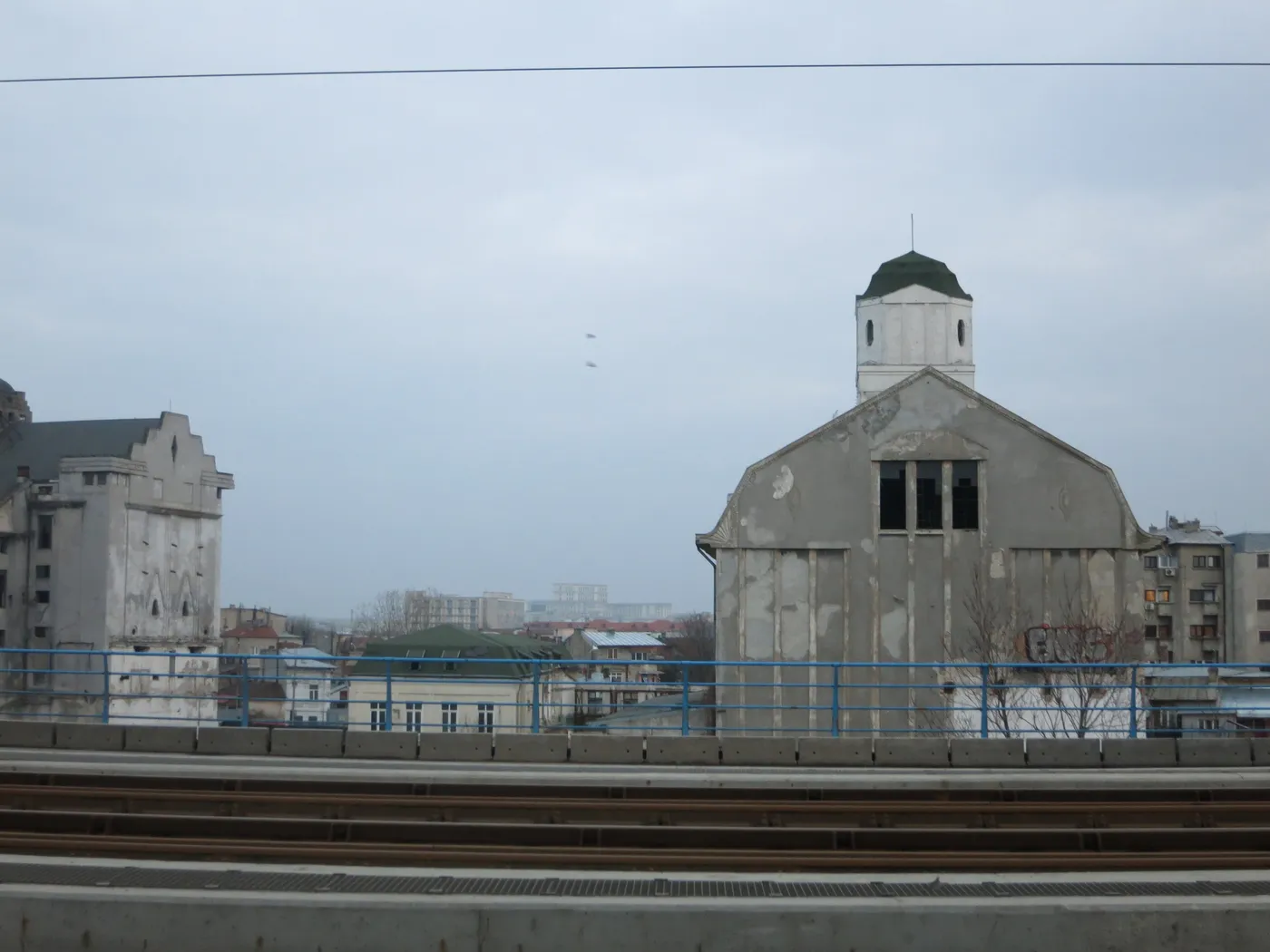
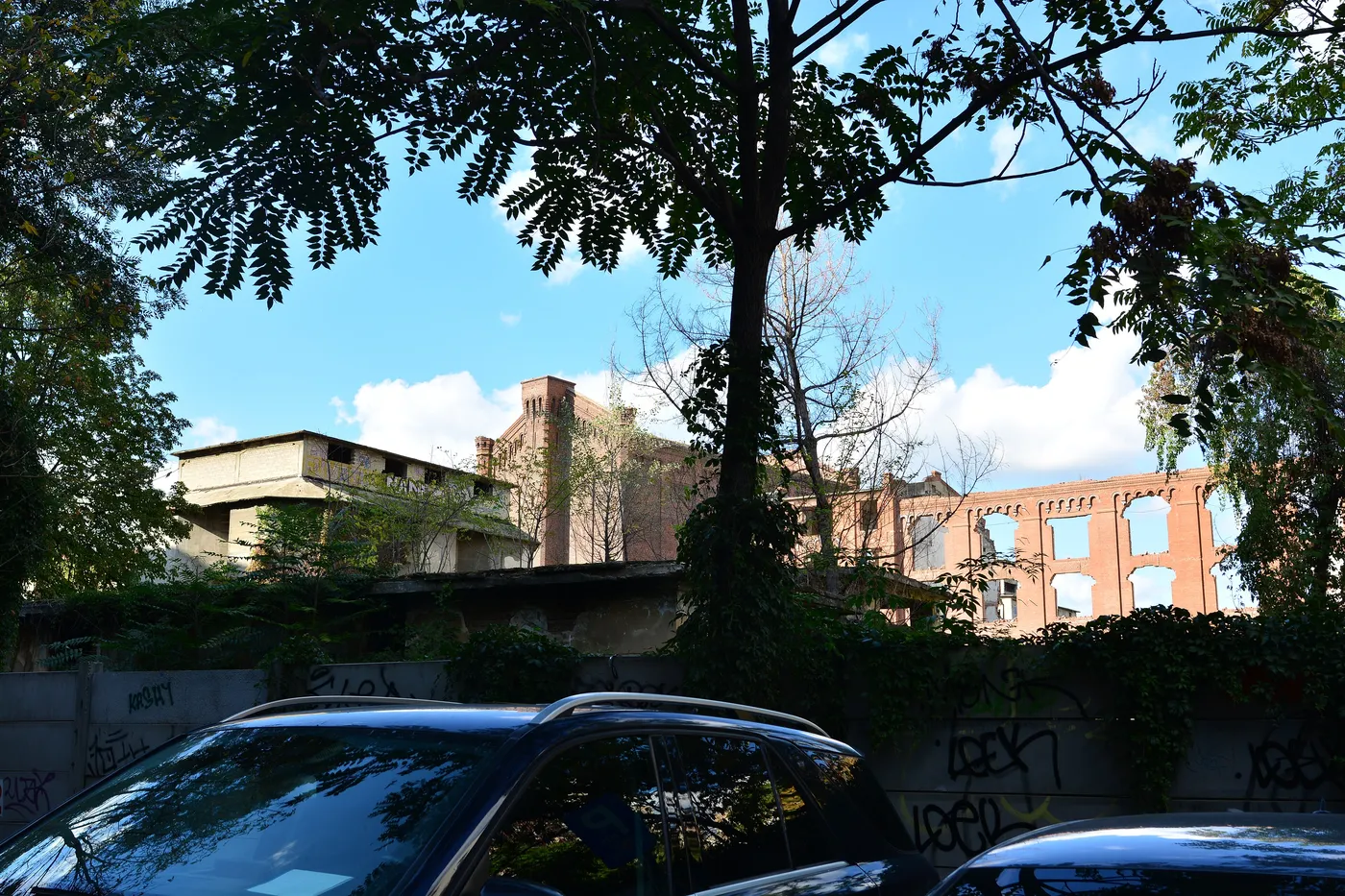
13 sites are ruins, empty halls or cleared plots waiting for a project: IMGB, where the buildings came down and the planned district has been on hold since 2023, Assan's Mill, the Bragadiru brewery. Another 13 are rented out piecemeal or met some other fate.
Economedia 2025; Sector 2 town hall, 2024
2025
What still works
16 of the 74 factories on the map still make something on the same ground: the Grivița works repair carriages, IOR makes optics, Romaero repairs aircraft, the Mint strikes coins. In 2025, 89,063 people in Bucharest were employees in manufacturing, fewer than one in five of the 1991 number (the first year with county data, when the city still included the Ilfov farm sector).
Find your street and see what stood near you.
INS TEMPO FOM104I; company reports, 2025–2026