THE WORD THAT FLEW OUT OF THE HIVE
How did the beehive learn to fly?
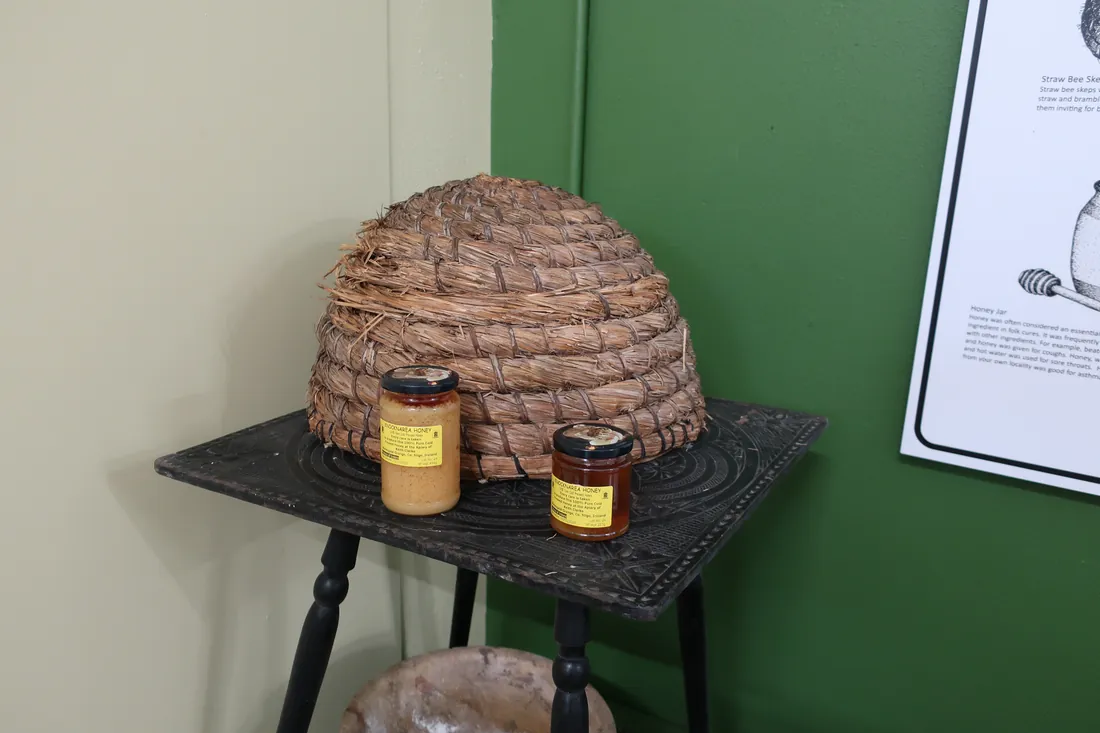
Latin alvina meant the hive; Romanian albina means the insect. The house gave its name to its tenant, while the West kept Latin's bee, apis.
- ALVINA
- Latin for beehive
- ALBINA
- Romanian for bee
- APIS
- The West kept Latin's word for the bee
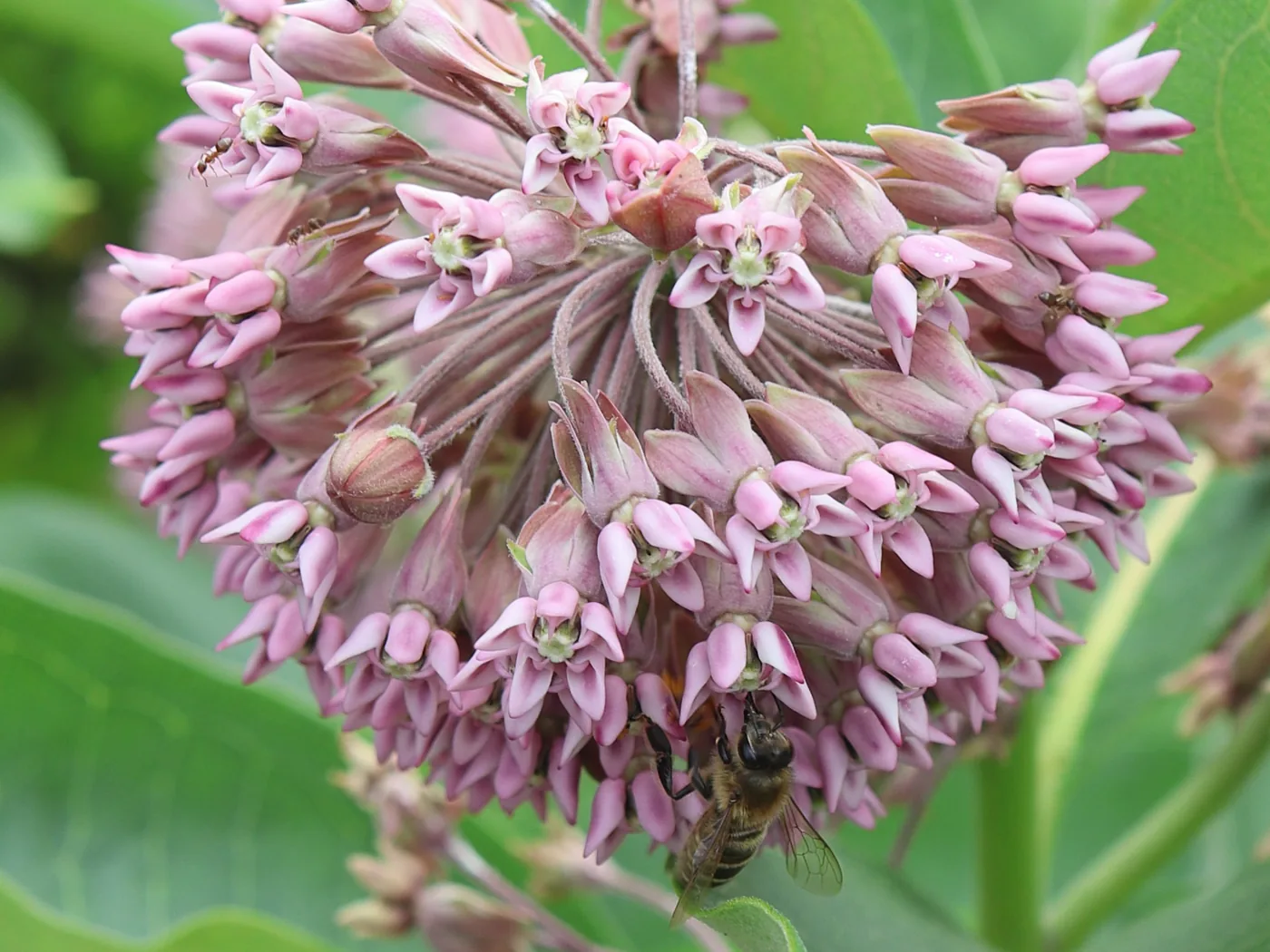

The flip, at a glance:
Romanian: the bee
One letter and one sense part the hive from the bee.
What the dictionaries say
The hive gave its name to the bee
Every dictionary says the same thing: albină comes from Latin alvina, hive. Dictionaries part ways on the details: how the leap happened, and what became of stup and prisacă.
The DEX verdict
Lat. alvina “hive”
MDA2 gives “ml alvina, hive”; CADE points to “Lat. alvīna, from alvus”; Șăineanu gives “Lat. ALVINA, hive”; Scriban starts from “Lat. pop. alvina”. Five dictionaries, one origin.
The mechanism, after DER
“Mr. alvină, megl. albină, istr. albire. Lat. alvīna “hive”, der. from alvus (Pușcariu 59; Candrea-Dens., 48; REW 393).”
DER proposes the leap through a probable ellipsis, (musca) alvina, where muscă means swarm, a sense current in beekeeping. Probable: the dictionary itself holds the hypothesis under the word “probabil”. HYPOTHESIS

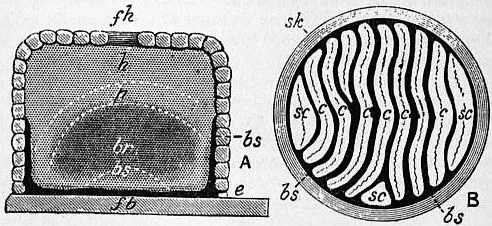

Words, on branches
The Splitting Map
Six Latin roots, seven words of today. Pick a root and follow the branches toward the Romanian, Italian, French, and Spanish forms, with the source of every step.
Pick a Latin root:
albina
ALVINA beehive
alvus
Latin: cavity, hive-belly
alvina
Latin: beehive; DEX 2009: Rom. albină < alvina 'hive'
(musca) alvina
DER proposes (probably): ellipsis from 'musca alvina'
albină
Romanian: the insect; the hive's name passed onto the bee
alvină / albină / albire
dialects: Aromanian alvină, Megleno-Romanian albină, Istro-Romanian albire
The split, in brief
The same map contents, as a table: every word of today with its root and its steps.
| Word | Root | Steps | Sources |
|---|---|---|---|
| albina | ALVINA | alvus, alvina, (musca) alvina, albină, alvină / albină / albire | DER, DEX '09, Șăineanu |
| ape | APIS | apis, ape | Treccani |
| abeja | APICULA | apicula, abeja | RAE DLE |
| abeille | APICULA | apicula, abelha, abeille | Wiktionary |
| miere | MEL | mel, *melem, miere | DEX, DER |
| ceară | CERA | cera, ceară | DER |
| fagure | FAVUS | favus, *favulus, fagure | DER, DEX / DER |
Italian, French, Spanish
The West kept the bee
Italian, French, and Spanish never renamed the insect after its house. They kept Latin's word for the bee, apis, or its diminutive, apicula.
ape
Italian
Treccani: “s. f. [Lat. apis]”. Latin's bee, shortened by the centuries, still the same.
abeja
Spanish
The Spanish Academy dictionary: “Del lat. apicŭla”. The Latin diminutive gave the Spanish bee.
abeille
French
From Old Occitan abelha, from Lat. apicula; it displaced Old French ef. The sourcing here follows Wiktionary.
Honey, wax, honeycomb
The Latin pantry
Honey, wax, and honeycomb kept their Latin names. Two neighbouring words, stup and prisacă, split the dictionaries into two camps.
miere
Lat. *melem, from mel. DEX says it short: “Lat. mel”.
ceară
Lat. cēra; cf. It., Prov., Cat., Sp., Port. cera, Fr. cire.
fagure
DEX: Lat. *favulus. DER: fag from favus, and fagur either from *favulus or a reconstituted singular; the v/g confusion is frequent in Romanian. Both hypotheses stand here in view.
stup: disagreement
DEX: Lat. *stypus.
DER: Slavic, from Serb. stup “pillar”, from Slav. stlŭpŭ; Latin *stupus from Gr. στύπος “does not seem more convincing”.
DISPUTED
The page picks no camp: it shows both etymologies.
prisacă: disagreement
DEX: “Et. nec.”, etymology unknown.
DER: Slavic, from Slav. prisĕkati “to cut”: a clearing, then an apiary. DER also gives prisăcărit, “beehive tax”.
DISPUTED
DAR records prisacă in the chroniclers: Ureche, Costin, Cantemir, Neculce.
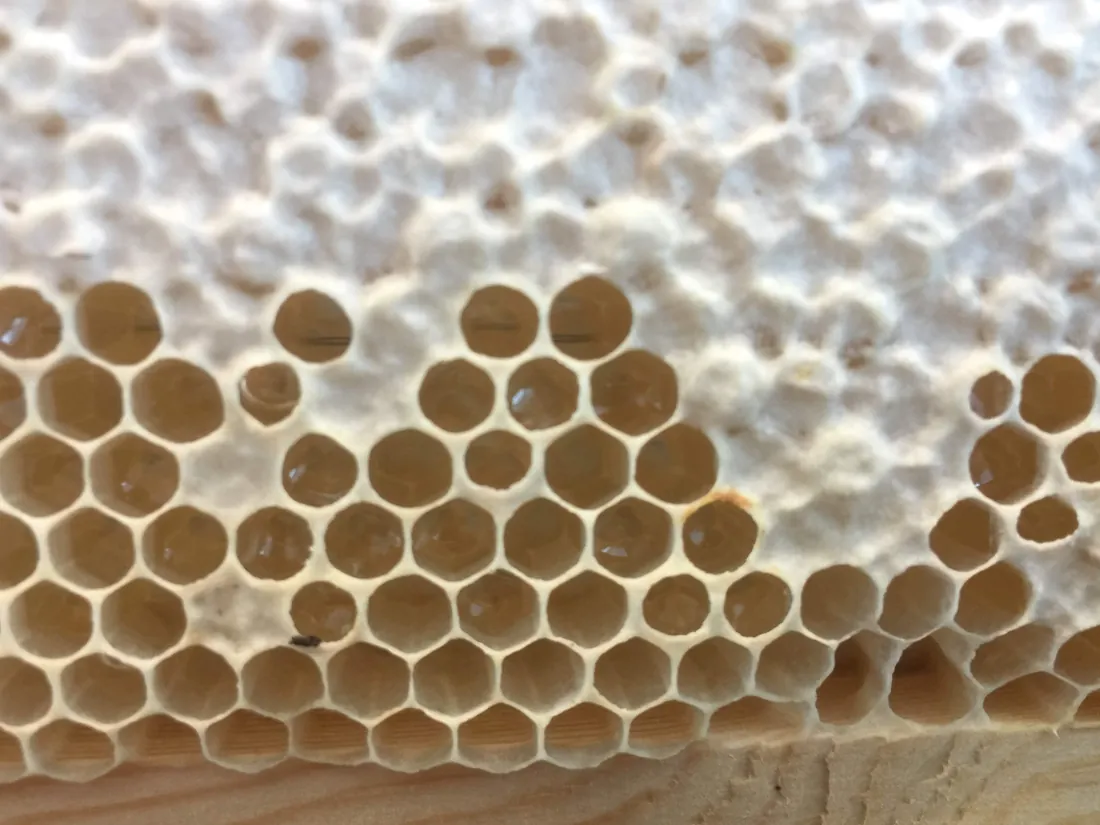


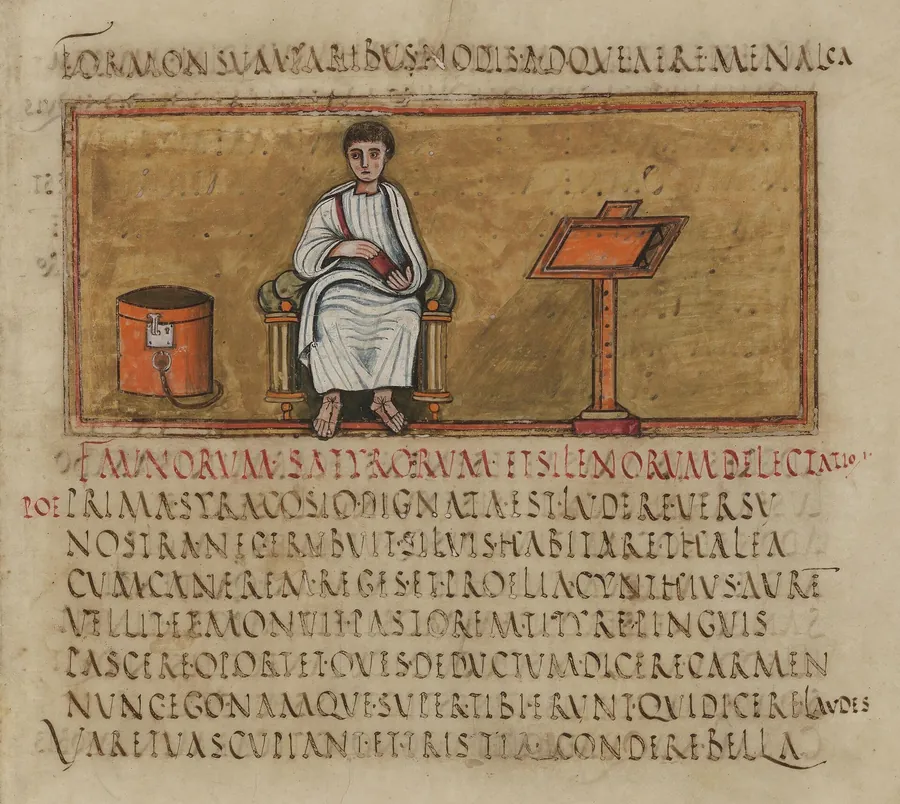
The Georgics, book IV
Bees born from the ox
Romans believed bees could be born from ox flesh. Virgil describes the craft of Aristaeus in the Georgics; the passage below is Roman belief, told by a poet, never a science that worked.
[281] But if anyone’s whole stock has failed him, and he knows not how to restore the race in a new line, then it is also time to reveal the famed device of the Arcadian master [Aristaeus], and the mode whereby often, in the past, the putrid blood of slain bullocks has engendered bees.
Aristaeus loses his bees to sickness and hunger, his mother, the nymph Cyrene, bids him sacrifice four bulls and four heifers, and on the ninth dawn the bees swarm from the carcasses (4.315–558, in the Fairclough translation).

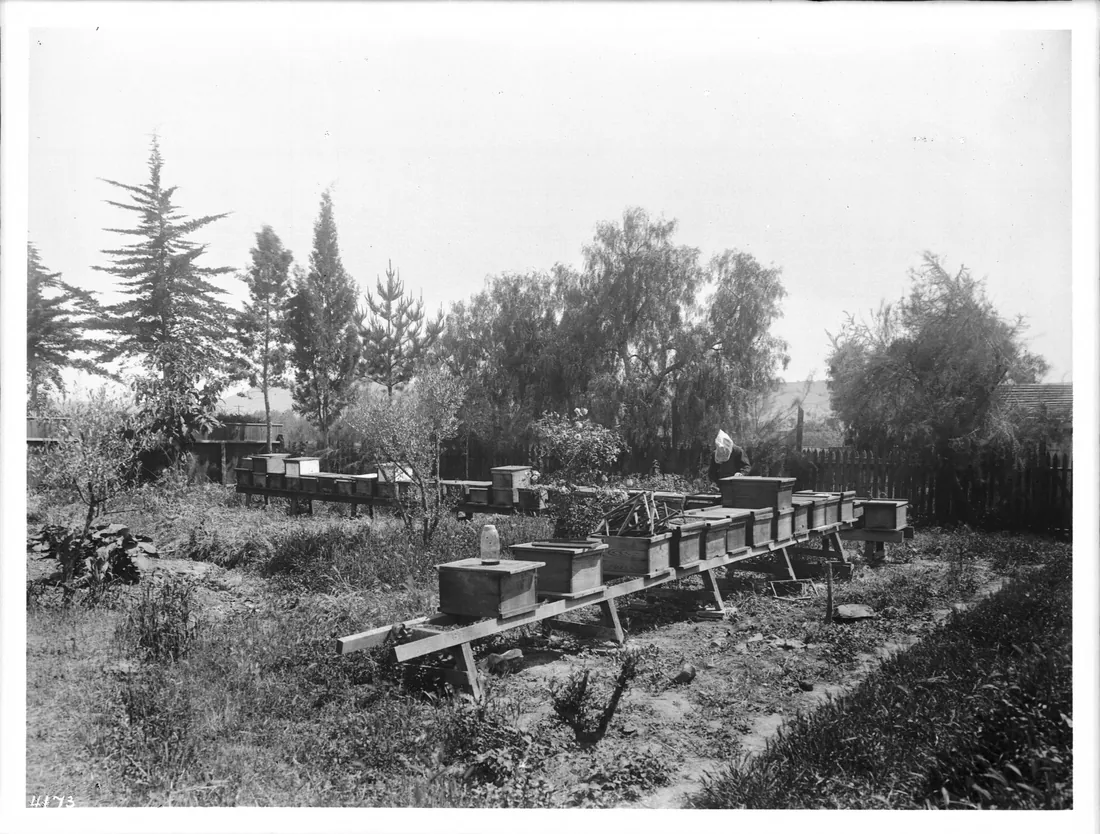
Moldavia and Wallachia
Taxes on beehives
Hives were counted for tax. Three names for the same tax survive: albinărit, stupărit, and prisăcărit.
albinărit
beehive tax, from albină
stupărit
beehive tax, from stup; DER also gives the sense of beekeeping
prisăcărit
beehive tax, from prisacă; DER: “beehive tax”
The historical Romanian taxes table; DER, entry prisacă
No princely charter is cited here by name: apiary donations confirmed by princes still wait for a citable document.




Figures with a year
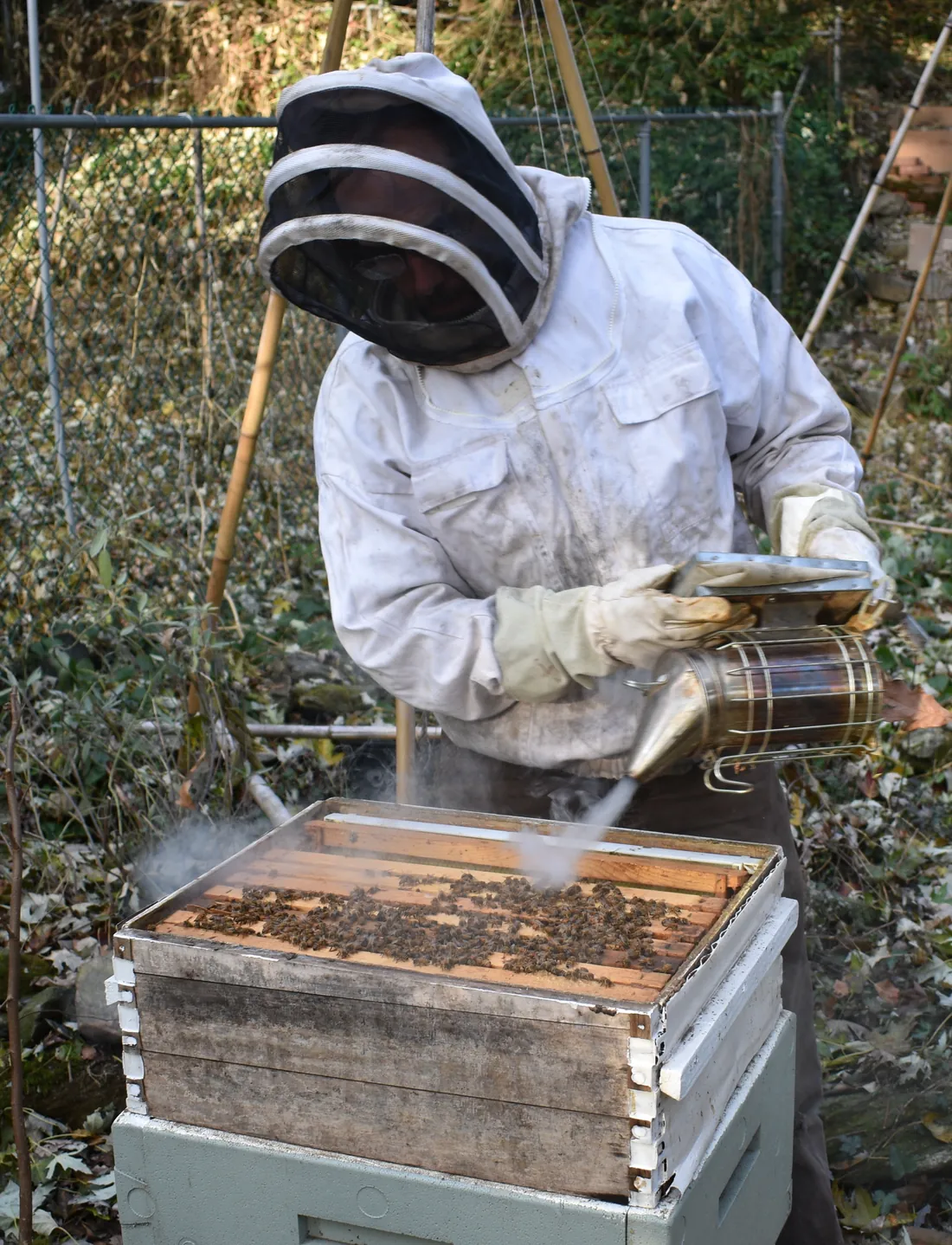
Honey today
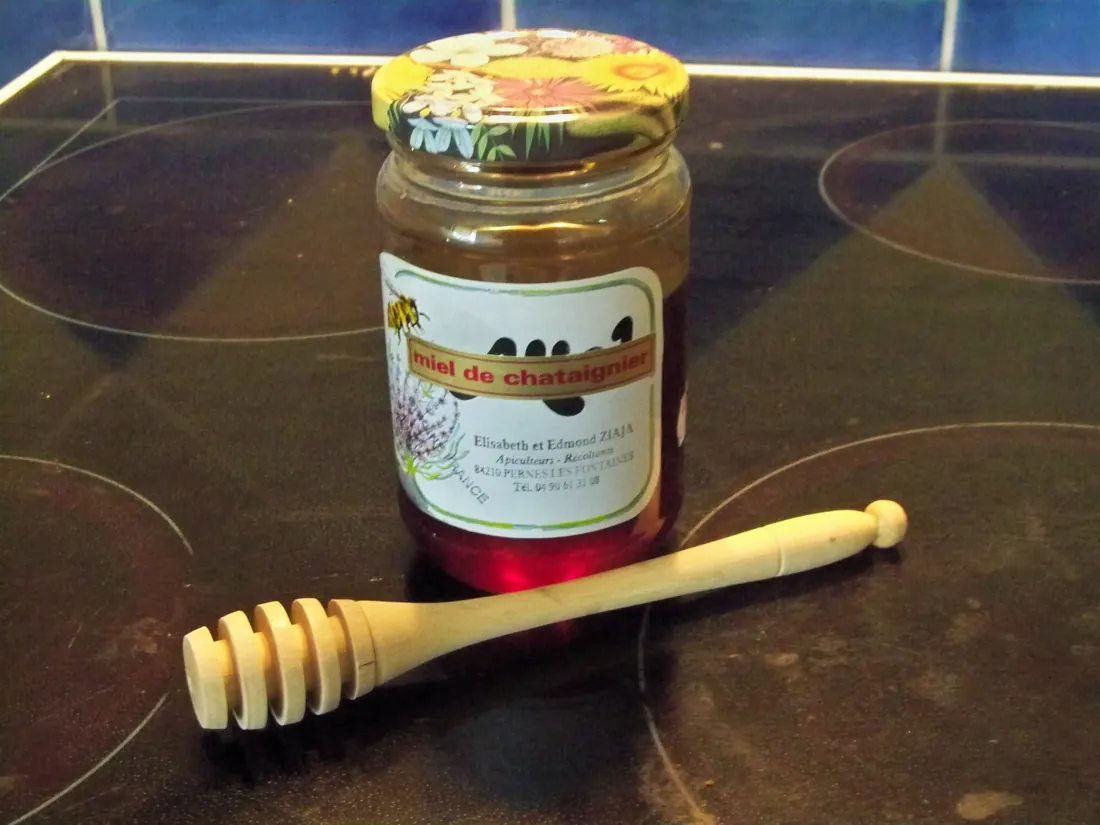
In 2011, Romania was the third honey producer in the Union, with 24,127 tonnes, after Spain, with 34,000, and Germany, with 25,831. Union output covered 61.6% of consumption.
European Commission report, COM(2013) 593
Rankings move from year to year; the figures here carry the year 2011.

What people say, after the dictionaries
Three sayings recorded in dictionaries, not one more.
“albinele roiesc de la Dumineca mare pînâ la Sîm-Pietru”
CADE; translation by Marius Comper: “bees swarm from Whitsunday till Saint Peter's”
“l-au mușcat albinele de limbă”
CADE; translation by Marius Comper: “the bees have stung his tongue”
“Harnic ca o albină”
Scriban; translation by Marius Comper: “busy as a bee”

What we do not know (and say so)
- Which work of Coresi holds the first record of the bee: MDA2 points to “CORESI, ap. HEM”, with no work or year identified here.
- No apiary donation was verified in a citable document; the taxes section cites only the taxes' names.
- The French abeille lane is sourced here from Wiktionary; the TLFi dictionary could not be consulted directly.
- The honey figures are the 2011 ones; newer rankings were not verified.
One hive named an insect, and the insect carried the name further than the hive.
Sources
Dictionaries first, then the Latin text, then history and figures. Every risky claim points at its source.
Dictionaries
- albină: DEX, DER, MDA2 (dexonline)
- miere: DEX, DER (dexonline)
- ceară: DER (dexonline)
- fagure: DEX, DER (dexonline)
- stup: DEX, DER (dexonline)
- prisacă: DEX, DER, DAR (dexonline)
- ape (Treccani)
- abeja (RAE)
- bletë (Wiktionary)
- abeille (Wiktionary)
The Latin text
History and figures
Type: Fraunces, Newsreader and Atkinson Hyperlegible, under the SIL Open Font Licence.