BOG · BOGAT · UBOG
Why does God hold the rich man's share?
The rich man is the one held by God — Slavic bogatŭ, from bogŭ, “god” or “share, wealth”. On the other pan sits ubog, the godless one — except the Romanian pan is empty: dexonline answers “Cuvântul ubog nu este în dicționar”. The mirror lives in Polish, Russian and Serbian.
- 2 pans
- bogat the endowed vs ubog the godless
- 2 senses
- bogŭ: “god” or “share” — Vasmer gives both
- 0 ubog
- Romanian lacks it from the dictionary
The page's machine
The scales, weight by weight
Seven weights, two pans. Tap each piece: see which dictionary says so and which pan it falls on. The RO/SL/LA tags name the language; where the weight is disputed, the tag says so.
bogat today's Romanian RO
DEX '09: “Din sl. bogatŭ” — no label: a standard word. Plural bogați, stress bogát. (DEX)
bogăție the wealth RO
DEX '09: “Bogat + suf. -ie” — wealth is made from bogat, at home. Plural bogății. (DEX)
bogatŭ Old Slavic SL
DER: “Sl. bogatŭ” — pointing at Bulg. bogat and Alb. bugat. The Slavic link, sealed. (DER)
bogŭ god-share SL
Vasmer: “От *bogъ „бог” или *bogъ „достояние, доля”” — god OR share, wealth. The mother ambiguity. (Vasmer)
ubogŭ the godless SL
Vasmer: “образовано с приставкой u-… От *bogъ „богатство”” — made with the u- prefix, from wealth. The mirror. (Vasmer)
ubogi · ubog the neighbours SL
Polish ubogi “poor”, Serbo-Croatian ubog “(dated) poor”, Russian убогий “wretched, poor”. The mirror lives next door. (dictionaries)
fortunātus Latin LA
Schulze, via Vasmer: bogat formed like Lat. fortunātus — “хранимый богами”, kept by the gods. The scholarly analogy. (Vasmer)
Ubog does NOT enter the Romanian pan: dexonline answers “Cuvântul ubog nu este în dicționar” — the mirror lives in Polish, Russian and Serbo-Croatian, not with us.
What it brought from home
Dowry: stress, kin, senses
The word behaved Romanian from the day it entered: final stress, regular plural, a whole family of derivatives — all documented.
Stress and plural: bogát, bogați
DOOM 3: bogát, pl. bogáți; bogățíe, pl. bogățíi. Nothing spectacular — precisely the proof of nativization. (DEX)
Derivatives: a well-off family
DER: bogătan/bocotan, bogătaș, bogătate, bogăție, îmbogăți, îmbogățitor. DEX lists none inline — DER is the inventory. (DER)
Old senses: numerous, stout
DER sense 4: (Înv.) “Numeros”. MDA2: (Reg.) “Corpolent”. Wealth was once measured in people, and in flesh. (DER; MDA2)
First attestations, no years
MDA2: bogat “At: COD. VOR. 117/14”, bogăție “At: CUV. D. BĂTR. II, 451” — shelfmarks, not years. This page prints no year. (MDA2)
Bogdaproste, the neighbour
Another Slavic journey, an already published piece: MDA2 “E: bg бог да прости”, attested in 1746. A bridge to the neighbour, not confusion. (MDA2)

The same endowment, other tongues
Cousins: bogat to four horizons
From the Balkans to Russia, the same bogatŭ dresses the rich man — while Roman luck minds its own business.
Bulgarian богат: bog + -at
RBE: the one holding material goods in abundance. Surface analysis: бог (“god”) + -ат. Plus богатство, “wealth”. (RBE; dictionary)
Serbo-Croatian bogat: v. Bog
HJP: “prasl. i stsl. bogatъ…, v. Bog” — see Bog. The Zagreb dictionary sends the rich man to God. (HJP)
Polish and Russian: since the 1300s
bogaty, first attested in the 14th century; богатый, with the parallel “Latin dīs, dīves (akin to deus, dīvus)” on its page. (dictionaries)
Fortuna: the Roman luck
L&S: fortūna, “chance, hap, luck, fate, fortune (good or ill)”. English fortune comes from the same place, around 1300. Another logic: the lot, not the god. (L&S; dictionary)
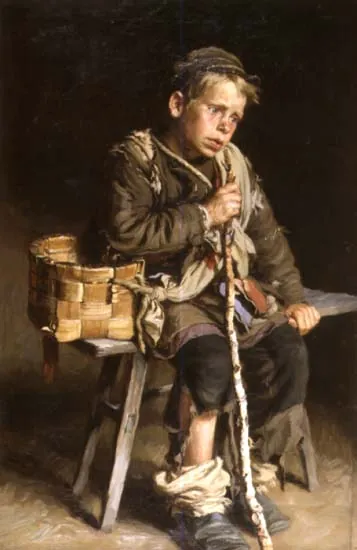

Who holds the scales
Four witnesses
From DEX to Vasmer and Zagreb: four dictionaries each holding one corner of the scales.
DEX '09
“BOGAT, -Ă, bogați, -te … – Din sl. bogatŭ.”
The Explanatory Dictionary, s.v. bogat
The Romanian seal: from Old Slavic. Identical in DEX '98.
DER
“…în romanică nu s-a păstrat cuvîntul lat. care exprimă această noțiune.”
Ciorănescu, DER, s.v. bogat
The golden remark: Latin's word for the notion survived in no Romance tongue; Romanian filled the hole with Slavic.
Vasmer
“От *bogъ „бог” или *bogъ „достояние, доля”.”
Vasmer, s.v. бога́тый
The mother ambiguity, in the original: from bogŭ “god” or bogŭ “wealth, share”.
HJP
“prasl. i stsl. bogatъ …, v. Bog.”
Hrvatski jezični portal, s.v. bogat
Zagreb sends the rich man to God: see Bog.
Where we stand
What we know and what we reconstruct
Four drawers for the whole page: the scales, the root, why it holds, and what stays open.
What we know
Bogat ← Old Slavic bogatŭ ← bogŭ (“god” or “share”); bogăție is made at home (Bogat + -ie); ubog is missing from Romanian.
What we reconstruct
The PIE root *bʰeh₂g- “to divide” (dictionary, tertiary) — the dividing from which both god and share descend.
Why it holds
Vasmer + DEX + DER + the Bulgarian and Croatian academies tell the same chain, each on its own stretch.
What stays open
“God” or “share”?; why no ubog?; bugăt — kin or lookalike?; the attestation years.
Three stops
Three dates
The whole road on one rail: the old witness, the dictionary, the seal.
Poland
sec. XIV
bogaty, first attested in the 14th century — the oldest dated witness of the family. (dictionary)
stop 1 of 3
DER
1958
Ciorănescu starts the etymological dictionary: “Sl. bogatŭ” — with the remark about the Romance tongues.
stop 2 of 3
DEX '09
2009
The seal: “Din sl. bogatŭ” — with bogați for plural and bogát stressed on the end.
stop 3 of 3
1955–57 DLRLC · 1998 DEX '98 · 2010 MDA2 · 2021 DOOM 3.
The road of the rich man
bogŭ
god-share, in Slavic
bogatŭ
the endowed one, in Slavic
bogatul
the rich man, with us
Where the scales tip
Three question marks, no winner
The chain is solid — the meanings are not. The page's verdict: DISPUTED
“God” or “share”?
Vasmer himself writes “или”: bogat from *bogъ “бог” or *bogъ “достояние, доля”? God-held or share-endowed? The dictionary does not choose — nor does this page.
Why no ubog?
Polish, Russian, Serbo-Croatian and Bulgarian have it (Vasmer lists болг. убо́г, сербохорв. у̀бог); Romanian has none at all. No dictionary says why — the hole stays visible.
Bugăt: kin or lookalike?
The dexonline tree links the lexeme bugăt to bogat — with “etimologie: necunoscută MDA2”. It looks like family; it is declared unknown. An open question, not kinship.
No disputed weight gets a single truth on this page: mechanisms stand with their source beside them, and the alternatives stay on the table.
What is NOT disputed: bogat ← Slavic, bogăție made at home, the neighbour ubog mirror — every source agrees on those.
Test yourself
Which is older?
Six landmarks from the page, shuffled. Put them from oldest to newest.
Move each card to its position, 1 to 6. Keys 1–6 move the chosen card; cards drag with a finger too.
- 2009
DEX '09: “Din sl. bogatŭ”
Position - 1955–57
DLRLC: wealth in the plural
Position - 2021
DOOM 3: pl. bogáți
Position - 1958
DER begins: Sl. bogatŭ
Position - 2010
MDA2: shelfmarks, no years
Position - 1998
DEX '98: the same seal
Position
Score: 0 of 6
The right order, oldest first:
- 1955–57 — DLRLC: wealth in the plural
- 1958 — DER begins: Sl. bogatŭ
- 1998 — DEX '98: the same seal
- 2009 — DEX '09: “Din sl. bogatŭ”
- 2010 — MDA2: shelfmarks, no years
- 2021 — DOOM 3: pl. bogáți
The settled row: every landmark in its place.
Sources
Slavic first, then Romanian, then the cousins; neighbours last. Every risky claim points at its source.
Slavic
- Vasmer: бог — god or share (dictionary)
- Vasmer: бога́тый — the fortunātus analogy (dictionary)
- Vasmer: убо́гий — the u- prefix (dictionary)
- The *bogъ/*bogatъ/*ubogъ reconstructions (dictionary)
Romanian
- DEX '09: “Din sl. bogatŭ” (dictionary)
- DER: Sl. bogatŭ + the remark (dictionary)
- DEX '09: bogăție ← Bogat + -ie (dictionary)
- dexonline: ubog is missing (dictionary)
Cousins and mirrors
- RBE: богат (academy)
- HJP: bogat, v. Bog (dictionary)
- bogaty, 14th c. (dictionary)
- богатый + dīs/dīves (dictionary)
- ubogi “poor” (dictionary)
- L&S: fortūna (dictionary)
- fortune, c. 1300 (dictionary)
Catalogue neighbours
- articolul-de-la-coada: the tail machine
- verbul-a-fi: the melt machine
- dusmanul-gand-rau: the word autopsy
- gagiu: the two-dock trial
- bogdaproste: the Slavic neighbour
Type: Fraunces and Source Serif 4, under the SIL Open Font Licence.