Bucharest · 11/23 February 1866
The night Cuza left
At 5 a.m. on 11 February 1866, eight officers woke Alexandru Ioan Cuza and made him sign away the throne; by dawn he was riding to a merchant's house and three lieutenants ruled Romania. Every name below is sourced; every legend is labelled.
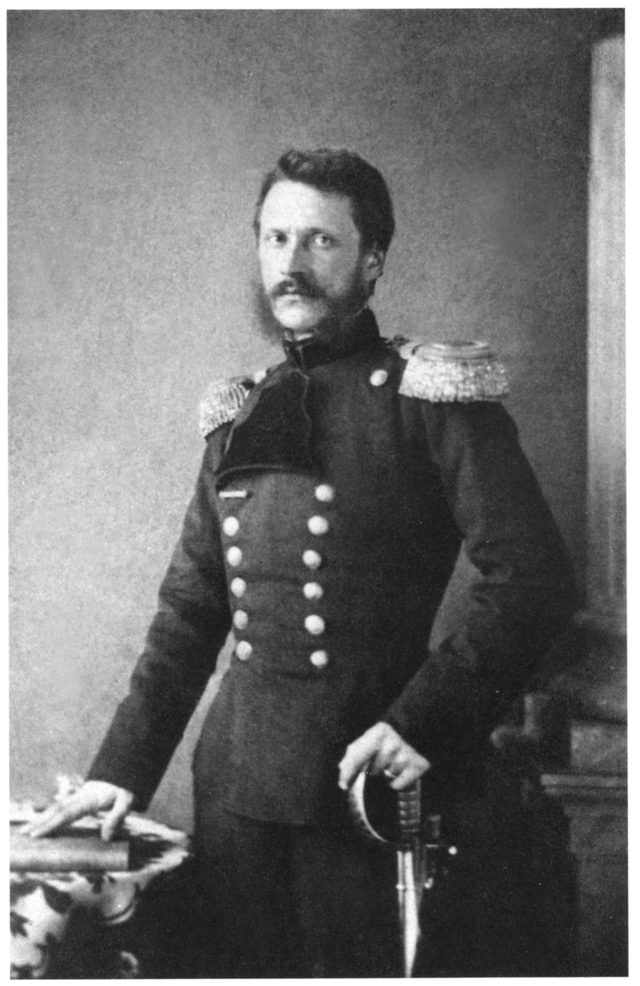
Romania's throne was emptied in a single night, without a shot fired in anger and without a crowd in the street. The men who did it can all be named: eight officers who entered the palace, and the liberal and conservative politicians who had plotted with them for months.
What follows is that night station by station, the plan, the scare, the bedroom, the signature, the stairs, the dawn, in the words of the 1866 press and the histories that agree on every material fact except one: whether the officers came at four or at five. The page takes the majority reading and shows its work.
The night, station by station
This is the centerpiece of the page: six stations from the evening of 10 February to dawn on the 11th (Old Style; 22 to 23 February New Style), each placed on a schematic plan of the palace quarter. Clock time is shown only where the sources give it, 5 a.m., and the rest are ordered beats, not guessed hours.
Travel the stations in order, or jump to any one of them; the chapters below tell the same night in full.
Open each station, or travel with the buttons. The plan is schematic, drawn for this page, not an archival drawing.
Station 1 of 6
The plotseara, 10 februarie
Evening, 10 February. Liberals and conservatives, the 'monstrous coalition', have their officers in place, and Lecca's pistol shot is agreed as the signal that the Domn has signed. Rosetti waits on two channels of news: officers of Lecca's guard, and lookouts in the Kretzulescu church tower.
The visitornoaptea
Night. An unforeseen event: Maria Obrenović, the Domn's mistress, arrives at the palace, a fine observer, who could have exposed the conspiracy. The plan holds its breath.
The wingnoaptea, spre ora 5
The eight officers cross the palace to the wing facing the Kretzulescu church, toward 5 a.m. Before the bedroom, asleep on a sofa, they find Nicolae Docan, Cuza's cousin; he is overpowered without a sound.
The bedroomora 5
5 a.m. The conspirators wake the Domn and force him to sign the abdication. On, legend says, the back of Pillat or Lipoianu, with a pistol at his head; the 1866 press says a prepared formal paper. The page keeps both, labelled.
The stairsdupă ora 5
After 5 a.m. Cuza dresses in civilian clothes and is led out between two rows of soldiers ordered to stand with their backs turned, so as not to see the former Domn. A carriage waits at the door.
Dawnîn zori, 11 februarie
Dawn, 11 February. The carriage reaches Costache Ciocârlan's house, facing St. Gheorghe church; Haralambie, at Rosetti's urging, proclaims the three-man lieutenancy: Golescu, Catargiu, Haralambie.
Chapter I
The evening
10 February 1866 – evening · The coalition
- Chapter
- 1866
- Officers in the palace group
- 8
- Coalition leaders named on this page
- 7
By February 1866 Alexandru Ioan Cuza had ruled the United Principalities for seven years, and had spent the last of them ruling alone: after the coup of 2 May 1864 dissolved the Assembly, liberals who hated the personal regime made common cause with conservatives who hated the land reform. The pro-Cuza press called the alliance the 'monstrous coalition', and the name stuck.
Cuza himself had signalled that he would go: in December 1865 he wrote to Napoleon III and to Parliament that he was ready to leave the throne to a foreign prince, as the ad-hoc divans of 1857 had asked. The opposition took encouragement, and made its own timetable.
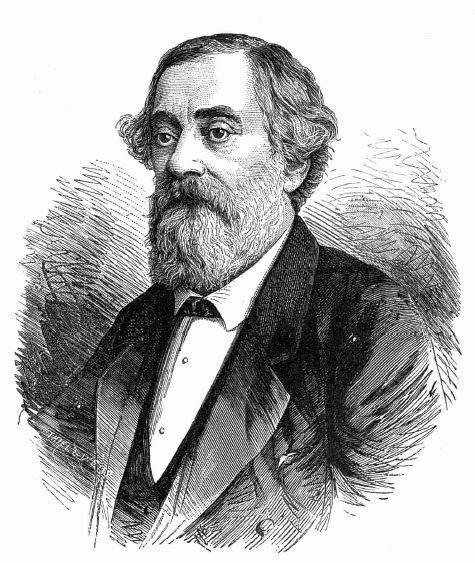

The plan needed the army, and the army delivered colonels Haralambie, Călinescu and Crețulescu, major Lecca, and captains Pilat, Berindei, Candiano-Popescu and Costescu, eight officers for the palace itself, with more conspirators (Lipoianu, Mălinescu, Handoca, Gheorghiu) around them. The signal was agreed in advance: a pistol shot fired by Lecca would announce that the Domn had abdicated.
Rosetti, waiting outside, had arranged two channels of news: officers of Lecca's guard, and young lookouts posted in the tower of the Kretzulescu church across from the palace. Then, before the signal, came the one thing no one had planned, a visitor.
Maria Obrenović had arrived at the palace, a fine observer, who could have exposed the conspiracy.
Independența Română, on the unforeseen event of the night
Meanwhile, the lookouts in the Kretzulescu tower watched the palace windows, and reported the visitor.
Chapter II
The palace
11 February 1866 – 5 a.m. · The entry
- Chapter
- 1866
- Hour of entry, majority reading
- 5 a.m.
- Hour in the Britannica minority reading
- 4 a.m.
The eight officers entered the palace in the night of 10/11 February 1866, 22/23 February by the New Style calendar, and made for the wing facing the Kretzulescu church. Romanian histories put the entry at 5 in the morning; the Britannica line, followed by one English article, says 4. This page follows the majority and documents the minority.
Before the princely bedroom, on a sofa, slept Nicolae Docan, Cuza's cousin, the only sleeper between the conspirators and the Domn. He was overpowered where he lay, and the bedroom door opened on the sleeping prince.
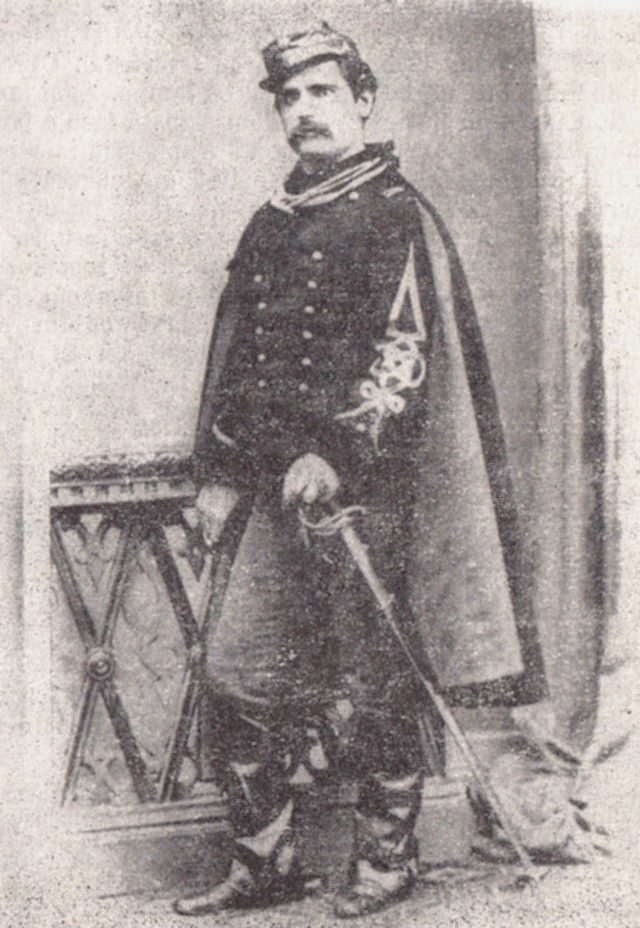

What happened next took minutes. The officers woke Cuza and, with weapons drawn, ordered him to sign the abdication; he did not resist, and no blood was shed, the Gazeta Transilvaniei telegram stresses both facts.
The speed was the point: a sleeping palace, a small armed group, and a capital that would wake to a signed act rather than a battle. By the time the city stirred, the only question left was where to take the man who was no longer Domn.
Before the princely bedroom, on a sofa, sleeps Nicolae Docan, Cuza's cousin.
Independența Română, on the wing toward the Kretzulescu church
Meanwhile, below the bedroom stood officers of Lecca's own guard, the conspiracy's eyes inside the palace.
Chapter III
The signature
11 February 1866 – dawn · The act
- Chapter
- 1866
- Words of the act
- 35
- Bloodshed reported in 1866
- none
The act Cuza signed that morning survives word for word, and it is short: thirty-five words that hand 'the helm of government' to a Princely Lieutenancy and a minister chosen by the people, dated 11 February 1866. It invokes the wish of the whole nation and the pledge of 1859, the seven-year oath to leave the throne to a foreign prince.
Legend says he signed it on the back of one of the officers, Pillat or Lipoianu, the story goes, while the other held a pistol to his head. The very history that records the legend calls it a legend; and the contemporary press says he signed 'a prepared formal paper'. The page keeps the paper and the legend side by side.
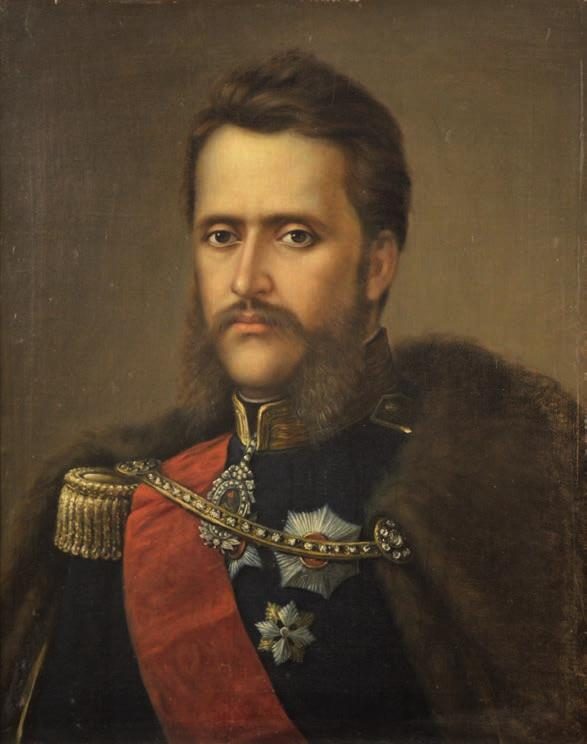

Then the Domnitor dressed as a civilian. He was led down and out between two rows of soldiers under strict orders to stand with their backs turned, so that they would not see the former Domn, the plotters feared what the sons of enfranchised peasants might do if they watched their prince marched out.
A carriage waited at the door. Cuza was helped in, and the small convoy left the palace quarter for the house of Costache Ciocârlan, a liberal who had been arrested alongside Rosetti and Brătianu on 3 August 1865, facing the church of St. Gheorghe.
We, Alexandru Ioan I, in accordance with the wish of the whole nation and the pledge I took upon ascending the Throne, do lay down today, 11 February 1866, the helm of government into the hands of a Princely Lieutenancy and of the Minister chosen by the people.
The abdication act (English rendering of the Romanian original)
Meanwhile, in the corridor, two rows of soldiers stood with their backs turned, ordered not to look at the man they had sworn to guard.
Chapter IV
The morning
11 – 13 February 1866 · The aftermath
- Chapter
- 1866
- Lieutenants by dawn
- 3
- Days to the Brașov road
- 2
By dawn Bucharest had new rulers: a three-man Princely Lieutenancy, the liberal Nicolae Golescu, the conservative Lascăr Catargiu, and colonel Nicolae Haralambie for the army, proclaimed, at Rosetti's urging, by Haralambie himself, with Ion Ghica forming the government.
The same day, 11 February, the Lieutenancy and the government convened the Senate, which proclaimed a Belgian prince, Philippe of Flanders, as Domnitor in Cuza's place. He refused almost at once, through the Belgian consul, rather than offend Napoleon III, and the throne stayed empty for the plebiscite and the prince of the mirror page, carol-i-1866.

The day after the abdication Cuza wrote to Nicolae Golescu that only a foreign prince could guarantee Romania's future, a line the new lieutenant read as hypocrisy. Two days after the night, on 13 February, the former Domnitor left Bucharest for Brașov with his wife, his mistress and his two sons, and the country held its breath: villages feared for the land reform, and the Porte massed troops on the Danube.
Seven years of reign ended in one night and two days of packing; the funeral oration would later say that not his mistakes but his great deeds brought him down. He died in exile at Heidelberg in 1873, and at least 30,000 peasants came to his burial at Ruginoasa, the countryside voting, too late, on the night of 11 February.
Only a foreign prince… can guarantee Romania's future.
Cuza to Nicolae Golescu, the day after the abdication
Meanwhile, across town, senators were being convened to give the empty throne to a prince who would refuse it within hours.
Hold the coalition past dawn
Five decisions from the real night. Every correct answer is what the sources say actually held.
-
1
Who enters the palace?
It is the night of 10 February. The coalition has officers and politicians ready. Who goes through the palace door?
The answer
The eight: Haralambie, Călinescu, Crețulescu, Lecca, Pilat, Berindei, Candiano-Popescu and Costescu. The politicians waited outside for the signal.
-
2
How will you know he signed?
Rosetti waits in the dark outside. No telegraph, no runner can be trusted. What is the agreed signal?
The answer
Lecca's pistol shot was to announce that the Domn had abdicated; Rosetti's other channel was the lookouts in the Kretzulescu tower.
-
3
Where does the carriage go?
The act is signed; Cuza is in civilian clothes. Bucharest must not see its former Domn. Where do you take him?
The answer
To Ciocârlan's, facing St. Gheorghe church, a liberal who had shared a cell with Rosetti and Brătianu months before.
-
4
Who proclaims the new power?
Dawn is coming and Romania has no ruler. Someone must speak the lieutenancy into being. Who?
The answer
Haralambie proclaimed it: Golescu the liberal, Catargiu the conservative, Haralambie for the army. The Senate met later, for a different job.
-
5
What does the Senate do?
It is 11 February and the throne is empty. The Senate is convened. What does it vote?
The answer
Philippe of Flanders, proclaimed the same day, and refused almost at once, rather than offend Napoleon III.
No decision taken yet.
The night in figures
Every figure below is recomputed against the sources at build time.
- 8
- officers who entered the palace
- 3
- lieutenants ruling by dawn
- 7
- years of reign, 1859 to 1866
- 5
- o'clock in the morning, the majority reading
- 2
- days from the night to the Brașov road
- 30,000
- peasants at the Ruginoasa burial
Three stories to examine
Legends grow fast around a bloodless coup. Each of these is checked against what the sources actually say.
The whole country drove him out
No crowd stormed anything that night. The palace was taken by eight named officers; the politicians behind them, Rosetti, Brătianu, Catargiu, Ghica and a handful of others, can also all be named. The 1866 press stresses that no blood was shed and Bucharest stayed calm: this was a barracks-and-drawing-room plot, not a rising.
He signed on an officer's back
The story, Pillat or Lipoianu bent double as a desk, a pistol at the Domn's head, is told as legend by the very history that records it. Against it stands the 1866 telegram in the Gazeta Transilvaniei: Cuza was taken from his bed and made to sign 'a prepared formal paper'. Take the paper; keep the legend labelled.
He fled into exile that same night
He did not. Cuza spent what was left of the night at Ciocârlan's house and left Bucharest only two days later, on 13 February, travelling via Brașov with his wife, his mistress and his two sons. The throne was empty on the 11th; the man crossed the border later.
Sources and method
The night's beats follow the Independența Română account [IR], used only where it agrees with the two Romanian histories [W1][W2] or with the 1866 press [P2]; names, the act's text and the morning's politics come from [W1] and [W2].
The hour is the page's worked example of honest disagreement: 5 a.m. is the majority reading (Romanian histories, the English coalition article), 4 a.m. the Britannica-derived minority, shown, not averaged.
What the sources do not prove stays marked: clock times before 5 a.m. (D3), three conspirators' first names (D4), the 11 to 13 February whereabouts (D5), and one loose date in Filitti (D6). See SOURCES.md. Nothing is invented to fill these gaps.
The evening
The palace
The signature
The morning
Images
- Photo by Carol Popp de Szathmary, public domain · Wikimedia Commons
- Portrait photograph, public domain · Wikimedia Commons
- Engraving, public domain · Wikimedia Commons
- Oil painting by Mișu Popp, public domain · Wikimedia Commons
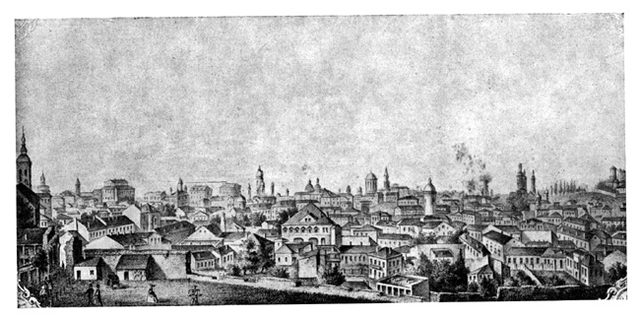
- Lithograph by J. R. Huber, 1866, public domain · Wikimedia Commons
