ESSE · FIERI · ONE VERB
Why do sunt, ești, este look nothing alike?
Sunt, ești, este — three faces that look nothing alike, because they come from different Latin verbs melted into one: esse and fieri. English does the same with be/is/was, French with être. The melt has visible seams — and on sunt, linguists still fight over the recipe.
- 2 verbs
- esse + fieri melted into one
- 1521
- fie, sânt, ești, e — all in Neacșu's letter
- 1 dispute
- where sunt comes from: sint or sunt?
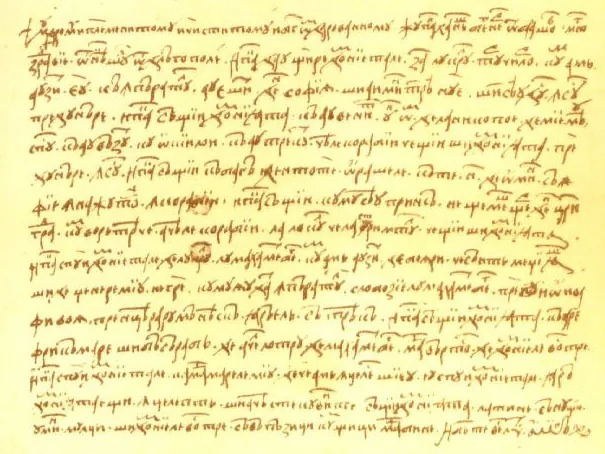
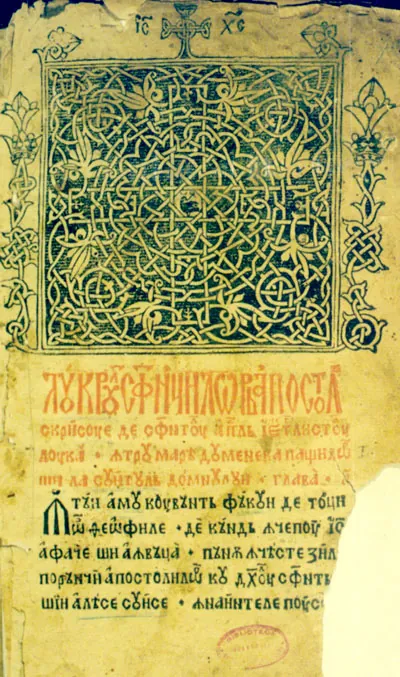
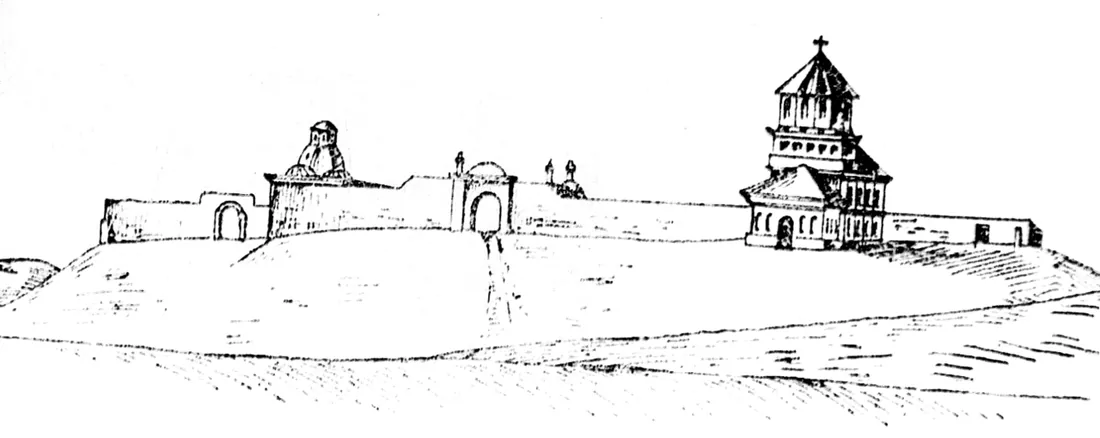
The page's machine
The melt, form by form
Tap each form: see which Latin verb it comes from and by which mechanism. The ESSE/FIERI tags are series-level; where the exact mechanism is disputed, the tag says so.
sunt I/they ESSE DISPUTED
Series: present ← esse. The mechanism is disputed: sint + -unt (Coteanu 1992) or sunt + unt (Goția & Corcheș 2010)?
ești you sg. ESSE
Analogical from est + i (4th conjugation pattern) + the -ști ending (dorești). (Goția & Corcheș 2010)
este he/she ESSE
Generated from est + the -it ending, still in Danube Latin. (Goția & Corcheș 2010)
e he/she, short ESSE
The reduced variant of este; in 1521 the only 3rd-person form (Neacșu has no este).
suntem we ESSE
First semu < simus (subjunctive, not sumus); the modern form, analogical after the 3rd plural. (Coteanu; Goția & Corcheș)
sunteți you pl. ESSE
First seți < sitis; the modern form, analogical after the 3rd plural. (Coteanu; Goția & Corcheș)
eram I/we, was ESSE
Series: imperfect ← esse. The person-by-person match is not elucidated in the page's sources.
fui · fusei I, once was ESSE
Series: perfect ← fui. Alive in the Oltenian vernacular and in literary writing. The doublet mechanism, not elucidated here.
fi infinitive FIERI
fieri → fiere → fire → fi. Total convergence: the only form with an undisputed etymology.
fie let it be FIERI DISPUTED
Probably < fiat/fiant — but the 2022 thesis (Maiden, as cited) says even the subjunctive may come from fieri's indicative.
fiind gerund FIERI
Stem fi- + -înd; no exact Latin form citable in the page's sources.
fost participle FIERI
Probably formed in Romanian from fuse, on the model pus < puse — a hypothesis, not a certainty.
Stare does NOT enter the machine: Latin stare separately gave a sta (a sta în picioare). No trace of sedere anywhere.
Where the melt shows
Seams
The melt did not come out smooth: short and long forms survived side by side, plus a dying perfect and a voted spelling.
Short and long
The short series: s, îs (mi-s, nu-s, eu îs) — direct leftovers of sum/sunt. The long series (sunt, suntem, este): analogically rebuilt, to save the forms from dying. (Goția & Corcheș 2010)
Semu and seți
In the 16th century the 1st and 2nd plural were semu and seți, from subjunctive simus/sitis — not sumus/estis. They held on in Transylvania and Banat into the 20th century. (Coteanu 1992)
Fui lives in Oltenia
The simple perfect is dead almost everywhere, but in the Oltenian vernacular it is alive (recent actions), and in literary writing it appears routinely. (Romanian verbs)
A fost beats era
'Tatăl meu a fost român' — Romanian prefers the compound where French and Italian demand the imperfect. The auxiliary is still a avea (< habēre), even for a fi. (Romanian verbs)
Sânt versus sunt
After 1989 the Academy returned to the sunt spelling for the present of a fi — with debates that continue. (Firică 2009)
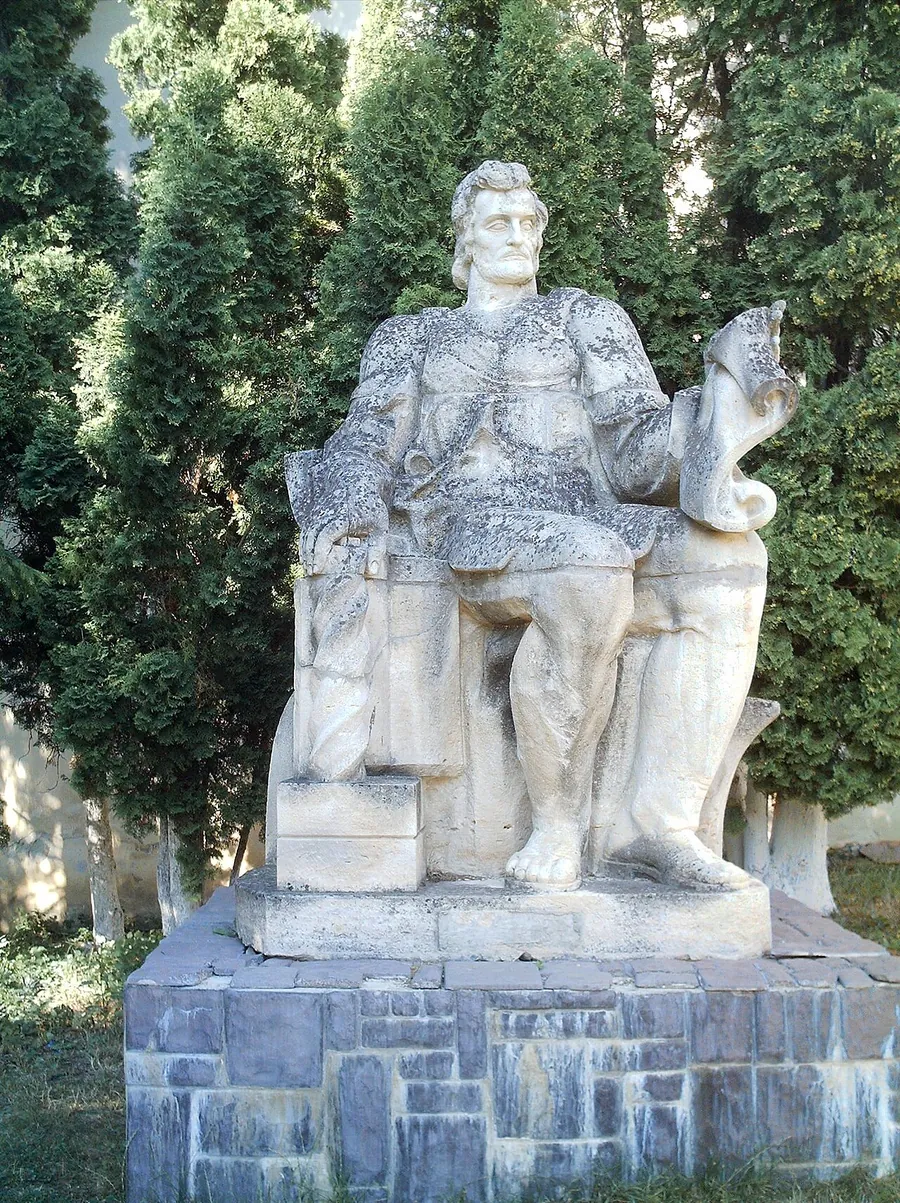

The same trick, other languages
Cousins: English and French
Suppletion in 'be' verbs is a world champion: the copula ranks first in suppletion frequency across languages (Veselinova, WALS). English melts three roots, French two verbs.
English: three roots
be/been/being from one root ('to become'), am/is/are from another ('to be'), was/were from a third ('to dwell'). Lass: 'a collection of paradigm fragments'. (Etymonline; Wikipedia Suppletion)
French: two verbs
The present (suis, es, est…) and the infinitive être from esse; the imperfect (étais) and the participle (été) from stare. 'All other forms of être are from svm rather than sto.' (Romance copula)
Who took the verb apart
Four witnesses
From the 1521 letter to the 2022 thesis: five centuries of forms, two of explanations.
Neacșu, 1521
“să fie în ajutor… de boiari ce sânt megiiaș… domniiata ești înțelept… aimintrea nu e… pre io-i va fi voia.”
Neacșu's letter (transcription)
Fie, sânt, ești, e, fi — all in the first letter. Este is missing: the 3rd person is only e.
Coteanu, 1992
“a existat cîndva, înaintea secolului al XVI-lea, un sintunt, din păcate neatestat. El este predecesorul lui sîntu.”
Limba română XLI (PDF)
The sint + -unt thesis, with the phonological argument: u could not become î. Plus the old su/ești/e/semu/seți paradigm.
Goția & Corcheș, 2010
“Sursa… poate fi tot atât de bine și sunt + unt, nu neapărat *sintunt.”
Dacoromania XV (PDF)
The counter-thesis: nasal u does give â/î (adânc, osânză) — so sunt + unt is just as possible.
Maiden, 2022
“Most (conceivably all) forms of the subjunctive… are in origin present indicative forms.”
ZrP, as cited (paywalled text)
A new thesis: subjunctive fiu would come from indicative fio, not fiam. Not read in full here — quoted with due hedges.
Where we stand
What we know and what we reconstruct
Four drawers for the whole page: the solid melt, the mechanisms, why they hold, and what stays disputed.
What we know
Present/imperfect/perfect come from esse; infinitive fi from fieri; stare separately gave a sta. By 1521 the paradigm is ready.
What we reconstruct
The analogical mechanisms: est+i (ești), est+-it (este), simus→semu→suntem, sint/sunt + -unt (sunt).
Why it holds
Two peer-reviewed Romanian studies (1992, 2010) give the same old series; the forms live in 16th-century texts.
What stays disputed
The base of sunt (sint or sunt?), the origin of subjunctive fiu, the mechanism of fost and fiind.
Three stops
Three dates
The whole road on one rail: the letter, the psalter, the linguist.
Neacșu
1521
The first letter: fie, sânt, ești, e, fi. The 3rd person is only e — este is missing.
stop 1 of 3
Scheiana
1573
The psalter copied in 1573–78: iaste, sâmtu, săntu, fură, fu, era. The old paradigm, whole.
stop 2 of 3
Coteanu
1992
The sintunt thesis: sîntu from sint + -unt, before the 16th century. With a phonological argument.
stop 3 of 3
1570 Coresi's Missal · 2009 Firică: the spelling · 2022 Maiden: the thesis.
The road of the melt
esse + fieri
two Latin verbs
sunt · este · fi
the forms mix
a fi
a single verb
Where linguists fight
Three disputes, no winner
The melt itself is undisputed — which series each form belongs to, is. The page's verdict: DISPUTED
Sunt: sint or sunt?
Coteanu: *sintunt (sint + -unt), since u does not give î. Goția & Corcheș: sunt + unt just as possible (adânc, osânză, Fr. sont). A third voice (Maiden, as cited): generalization of sunt.
Fiu: subjunctive or indicative?
Traditionally: fiu < fiam. Maiden 2022 (as cited): fiu/fii/fim/fiți cannot phonetically come from FIAM — they would come from indicative fio/fis. Fie < fiat stays probable.
Fost and fiind: how?
Fost, probably from fuse on the model pus < puse (a hedged hypothesis). Fiind: fi + -înd segmentation, with no Latin etymon citable in the page's sources.
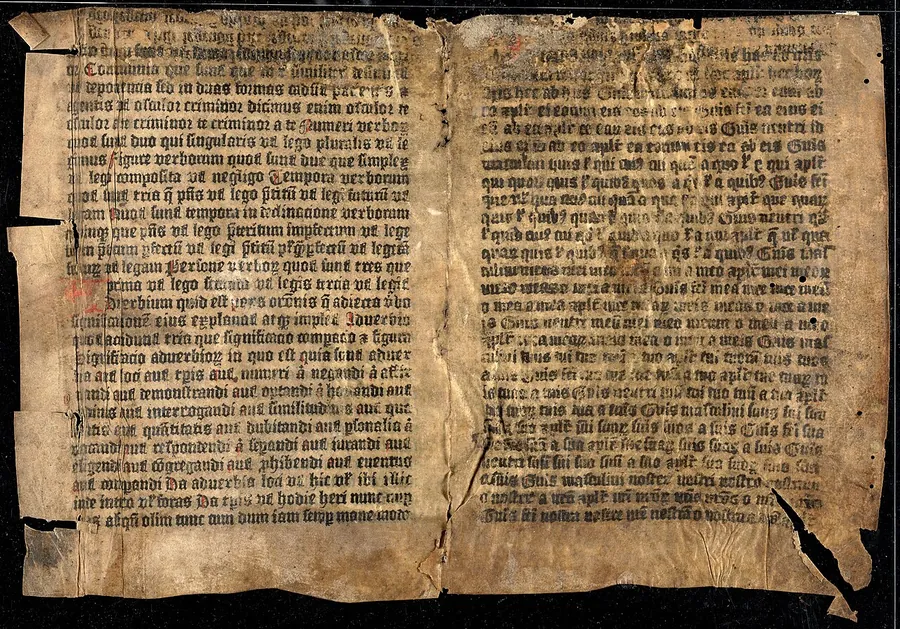

No disputed form gets a single certain etymon on this page: mechanisms stand with their source beside them, and the alternatives stay on the table.
What is NOT disputed: infinitive fi < fieri, present/imperfect/perfect series < esse, and that stare separately gave a sta — every source agrees on that.
Test yourself
Which is older?
Six landmarks from the page, shuffled. Put them from oldest to newest.
Move each card to its position, 1 to 6. Keys 1–6 move the chosen card; cards drag with a finger too.
- 2010
Goția & Corcheș: sunt + unt
Position - 1521
Neacșu: fie, sânt, ești, e
Position - 2022
Maiden: the indicative thesis
Position - 1573
Scheiana: iaste, fură, fu
Position - 2009
Firică: the spelling
Position - 1992
Coteanu: sintunt
Position
Score: 0 of 6
The right order, oldest first:
- 1521 — Neacșu: fie, sânt, ești, e
- 1573 — Scheiana: iaste, fură, fu
- 1992 — Coteanu: sintunt
- 2009 — Firică: the spelling
- 2010 — Goția & Corcheș: sunt + unt
- 2022 — Maiden: the indicative thesis
The settled row: every landmark in its place.
Sources
Linguists first, then the texts, then the cousins. Every risky claim points at its source.
Linguists
- Coteanu 1992: sintunt, the old paradigm (PDF)
- Goția & Corcheș 2010: sunt + unt, the long series (PDF)
- Maiden 2022: the indicative thesis (abstract; paywalled text)
- Fi < fieri; e a variant of este (dictionary)
- Fost < fuse, probably (dictionary)
- Firică 2009: the spelling return after 1989 (abstract)
The texts
- Neacșu 1521: fie, sânt, ești, e (transcription)
- The Scheiană Psalter: iaste, fură, fu (text)
- The Scheiană Psalter: 1573–78 dating (context)
- Coresi's Missal, Brașov 1570 (study)
Cousins and frames
- The Romance copula: Romanian, French (survey)
- Romanian verbs: fui in Oltenia, a fost/era (survey)
- Be: the English melt (etymological dictionary)
- Am < *es- (etymological dictionary)
- Was: the past from wesan (etymological dictionary)
- Veselinova, WALS 79: the copula first in suppletion
Catalogue neighbours
Type: Fraunces and Source Serif 4, under the SIL Open Font Licence.