PRIETEN · PRIJATELЬ · DRUGЪ
Prietenul: the one who wishes you well
Prieten comes from Slavic prijatelь — “the one who wishes you well”, from prijati “to be well-disposed” + -telь. Slavic had a whole scale, drugъ–prijatelь–prijaznь; Romanian kept a single rung, attested since 1642. And the whole scale is written in dictionaries.
- 3 rungs
- drugъ · prijatelь · prijaznь, the Slavic scale
- 1642
- “fă priiaten pre Domnul”: the first firm-date attestation
- 0×
- prijatelь is missing from the Gospels: drugъ stands there
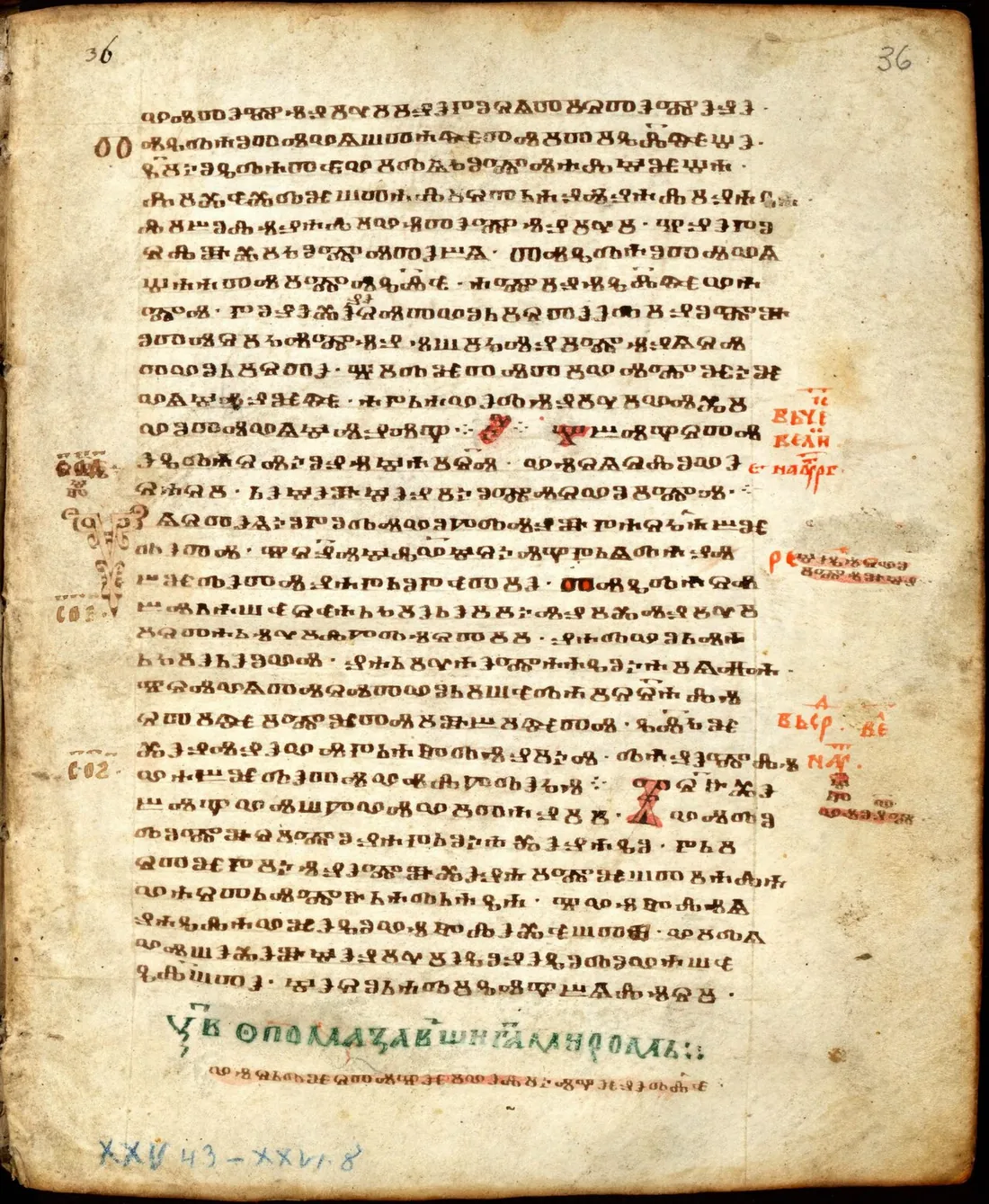
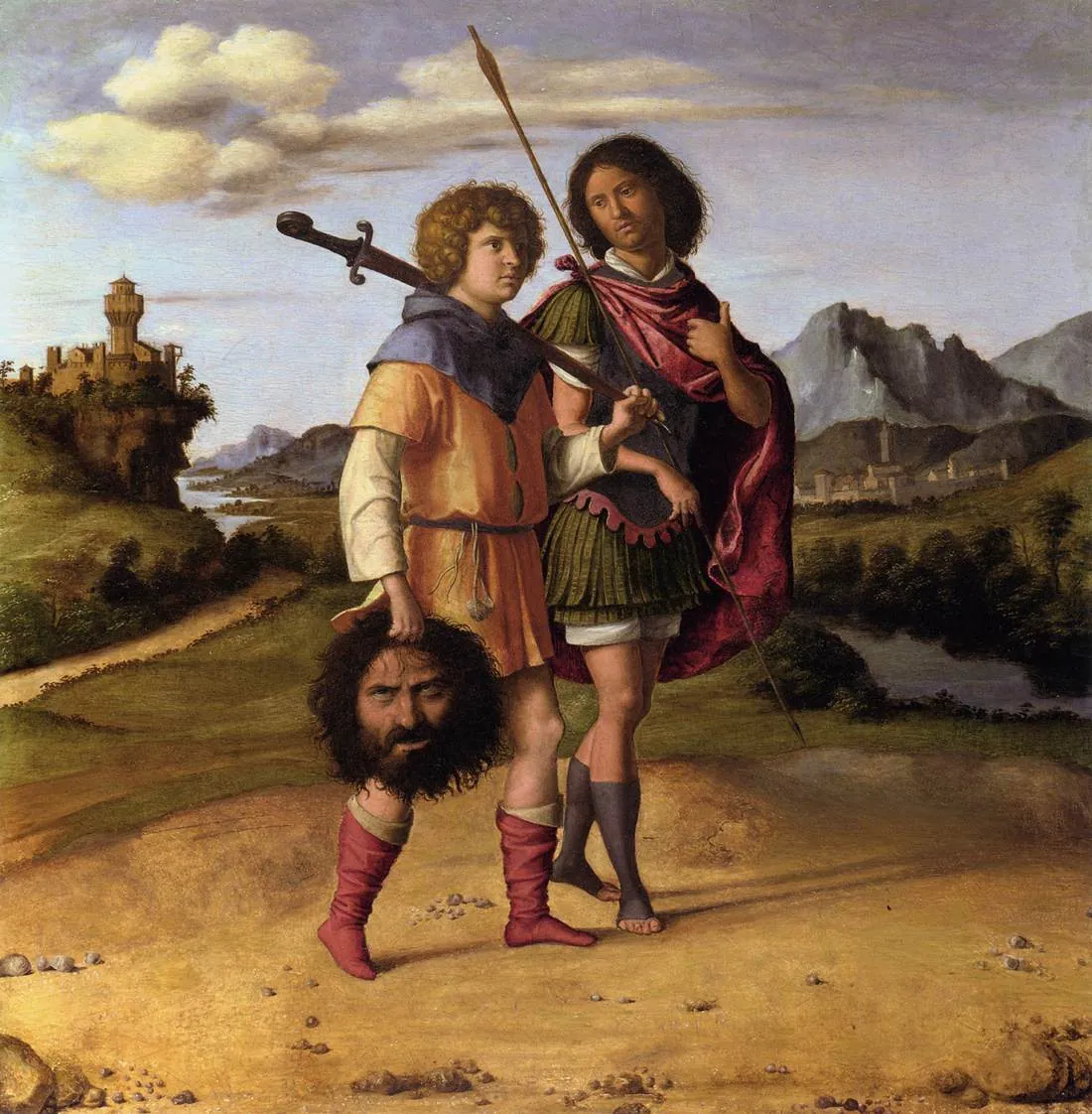
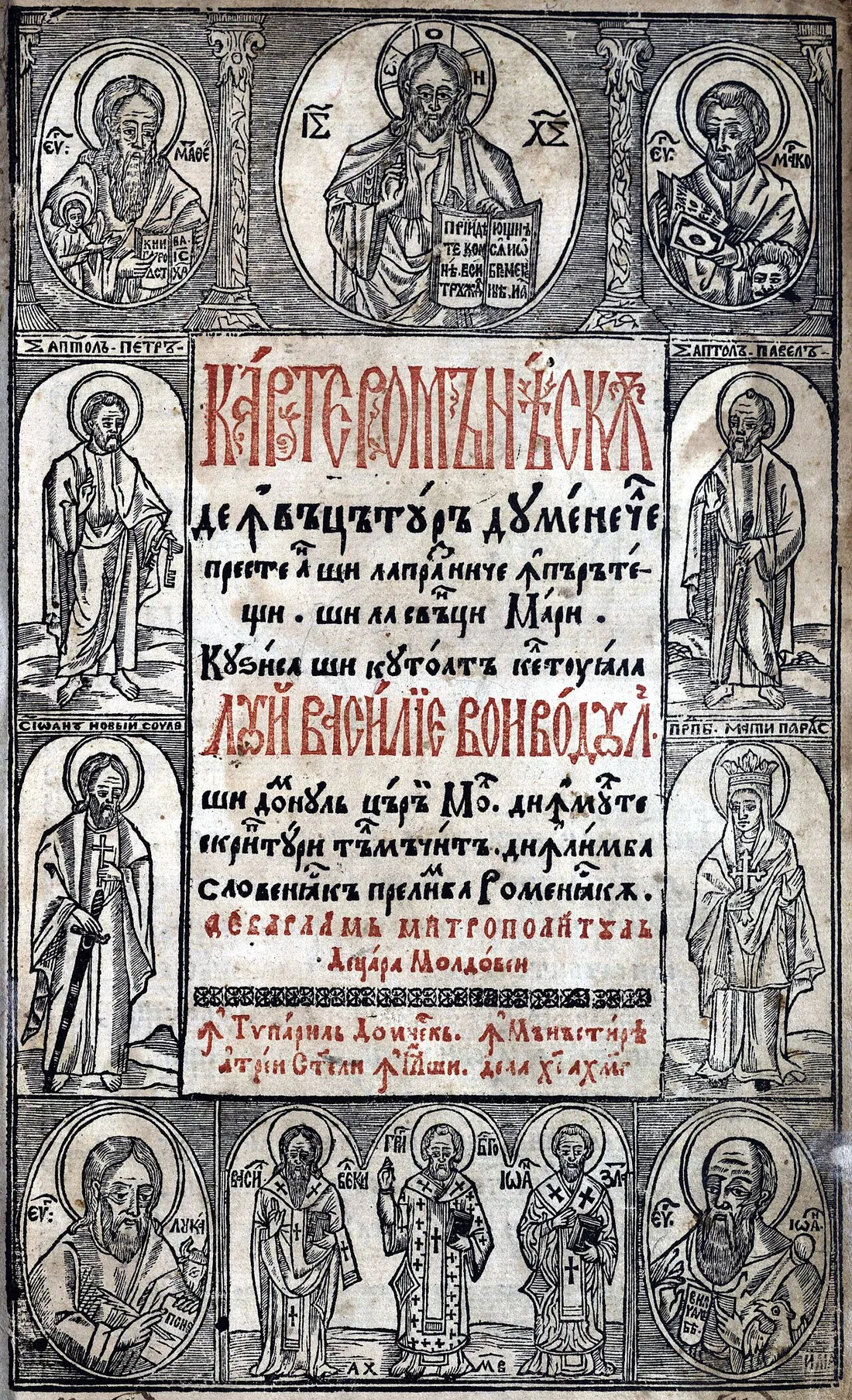
The page machine
The scale, rung by rung
Seven rungs, three languages. Press each piece: see which language it comes from and which dictionary holds it. The RO/LA/SL labels show the language; the agent suffix -telь is the scale itself.
prieten today's Romanian RO
DEX '09: “– Din sl. prijatelĩ” — with Slavic ĩ. Plural prieteni, feminine prietenă. (DEX)
amic the neologism RO
DER: “Lat. amicus, 19th c.” — brought in with re-Latinization; it never pushed the Slavic loan out. Prieten stays. (DER)
prijatelь Old Slavic SL
SJS, III, p. 331: “přítel, друг, приятель, Freund: — φίλος; amicus” — Euchologium, Rila. (SJS)
prijati to be well-disposed SL
Derksen: “*prijati v. 'please, favour'” — the verb the friend comes from, not “to take”. (Derksen)
drugъ the Gospels' friend SL
SJS: “přítel, druh… — φίλος, ἑταῖρος; amicus, socius” — Jn 15: “vy druzi moi este”. (SJS)
amicus Latin LA
The SJS gloss for prijatelь; translations map the continuants onto amicus, the friend in Latin. (SJS)
proximus the neighbour LA
Dosoftei, Ps 14: renders proximo as “prietin” — “Ș-a prietin scădere / Nu va face-ntr-avere”. (Dosoftei)
pri-jęti does NOT enter the scale: “to take to oneself” is the trap homograph (приꙗти “to be well-disposed” vs приѩти “to receive”, with the nasal) — it stands in the dispute, with Vasmer's verdict beside it.
At home
Silence, then the flood: 1642–1673
The 16th century is silent — Scheiana lacks the word; from 1642, prieten flows: teachings, sermon books, law codes, psalms, chronicles.
Silence: Scheiana, zero
The Scheiană Psalter (ms. c. 1482) has no prieten: Ps 37 “Soții miei și vecinii miei… și apropiații miei”. Neither does Gaster, pp. 1–67 (Coresi, Palia). (Scheiană)
1642: the firm date
Melhisedec, Teachings, Câmpulung: “dă săracilor și fă priiaten pre Domnul”. The oldest attestation with a year on it. (Gaster I, 96)
1643–1673: the flood
Varlaam: “priiatni de priiatni”; Meletie 1644: “…nu a iubi numai prietenii tăi”; the 1652 Pravila: “priiatenii, vecinii… cu arme”; Dosoftei 1673: five psalms; Costin: “Priiateni pre nimini n-are”. (Gaster)
The old triplet and the rivals
Varlaam, Dosoftei and the Pravila set them side by side, not against each other: “priiatni de priiatni. Și soț de soț”. The rivals never formed a stable pair: amic (Lat., 19th c.), tovarăș (Ukr./Russ.), ortac (Serbo-Cr. ortak, reg.), soț–tovarăș (pop.). (DEX)
Forms: from priiaten to pretin
Gaster II, 509: priiaten, priiatin, prietin, priaten, prieteșug… Mold. prietin, Trans. pretin, Olt. preten; the feminine prietenă is a Romanian derivation. (Gaster, DER)
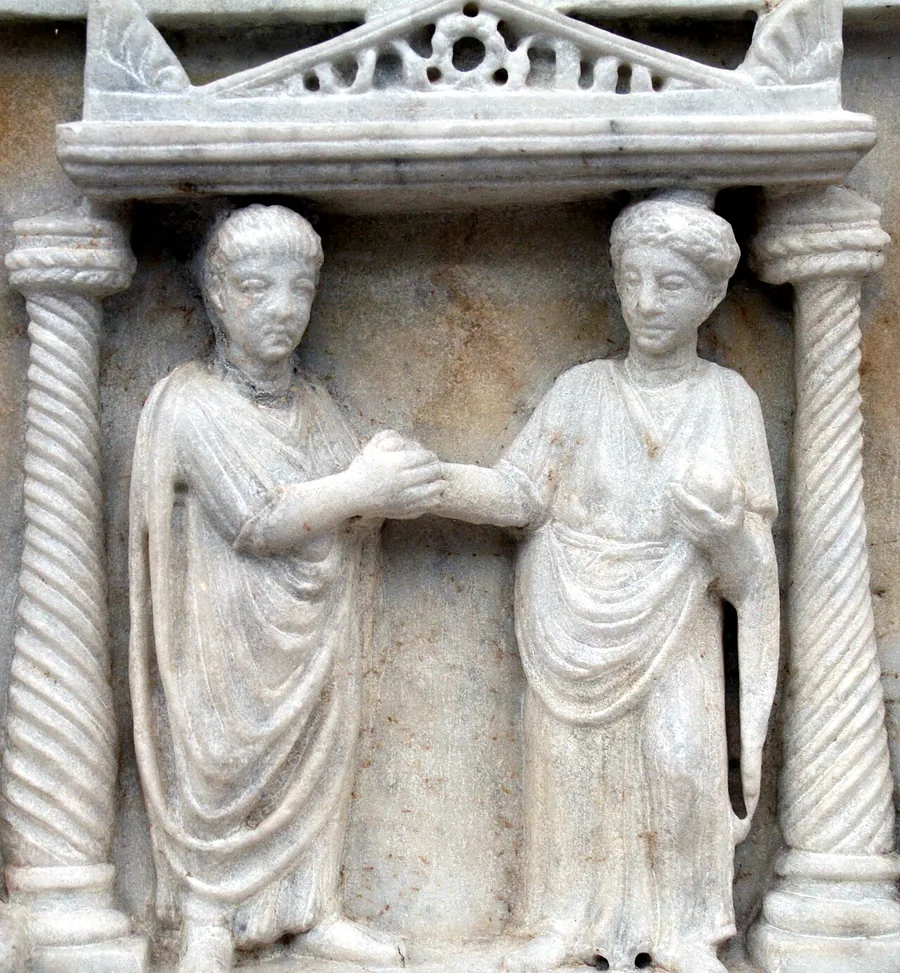

The same scale, other languages
Cousins: from drug to in-law
Eight cousins, one scale: Russian splits it in two, Ukrainian holds it paired, Serbian stretches it to the in-law.
East: друг against приятель
Ozhegov: друг is “связан… дружбой”, приятель is “близкий… знакомый” — the bond against the acquaintance. Ushakov ranks друг above приятель, with дружба beside it. Kataev: “Приятелей… много, а настоящих друзей всего один”. (Ozhegov, Ushakov)
West: Czechs, Slovaks, Poles
Czech přítel, a trusted “kamarád” (SSJČ); Slovak priateľ, “v núdzi poznáš” (KSSJ); Polish przyjaciel, between “stosunki serdeczne” and the euphemism “kochanek” (PWN). The middle of the scale, three ways. (SSJČ, PWN)
South: Bulgarians and Serbs
Bg. приятел: “близост, обич и доверие” (RBE). Sr./Cr. prijatelj: HJP also gives the ethnological sense — “otac jednoga od bračnih drugova prema ocu drugoga”: the friend as in-law. A single citation. (HJP)
Leakage toward kinship
Old Czech: pl. přátelé = “relatives” (SSJČ); Banat c. 1700: “Consaguineus. Pretien” (Lex. Mars.); MDA2: (Trs) “rudă”. At the edges, the friend leaks toward kin. (SSJČ, DLRLV)

Who heard the friendship
Four witnesses
From DEX to SJS and Rejzek: four dictionaries, each hearing one rung.
DEX: prieten
“PRIETEN, -Ă … Persoană de care cineva este legat printr-o afecțiune deosebită… – Din sl. prijatelĩ.”
The explanatory dictionary, s.v. prieten
The Romanian sheet: definition + Slavic ĩ. The most cited seal.
DER: the final consonant
“Sl. prijateli… Alterarea consoanei finale… se datorează mai curînd unei confuzii cu sl. prijętinŭ “plăcut”.”
Ciorănescu, DER, s.v. prieten
The etymological verdict: the -n comes from “plăcut”, not from ieftin.
SJS: ПРИꙖТЕЛЬ
“přítel, друг, приятель, Freund: — φίλος; amicus, susceptor (Euch 80b, 65a; Ryl 2b; Const 11…)”
SJS, III, p. 331
Old Slavic with documents: Euchologium, Rila, Constantine. The heaviest sheet.
Rejzek: the well-wisher
“Psl. *prijatelь … “kdo přeje dobro, kdo má rád” — from *prijati + -telь.”
Rejzek, Czech etymological dictionary
The definition as derivation: the friend is “the one who wishes you well”.
Where we stand
What we know and what we reconstruct
Four drawers for the whole page: the scale, the stars, why it holds, and what stays open.
What we know
prieten ← prijatelь (SJS, Euch./Rila) ← prijati “to be well-disposed” + -telь; drug above приятель (Ushakov); Romanian attests from 1642, with the prieten–soț–vecin triplet.
What we reconstruct
*prijatelь, *prijati, PIE *priH- “to love, hold dear” — Skt priyá- “dear”, Goth frijōnds “friend”, Eng. friend. Starred forms, not documented ones.
Why it holds
DEX + DER + SJS + Vasmer + Derksen + Rejzek tell one family; the 19th-century amic never pushed the Slavic loan out (Jakubowicz after Boryś); the Gospels keep drugъ apart.
What stays open
“At: PSALT, 181” — which psalter?; the feminine prietenă — first attested when?; the 16th century — a hole; the plural stress — unmarked.
Three stops
Three dates
The whole road on one rail: the firm date, the psalms, the allies.
Melhisedec
1642
Câmpulung, Teachings: “fă priiaten pre Domnul” — the friend with a year on it, for the first time.
stop at 1 of 3
Dosoftei
1673
Uniev, the Psalter in verse: five psalms with prietin; Ps 14 renders proximo — the neighbour becomes the friend.
stop at 2 of 3
Neculce
1733–43
Chronicle (ms. c. 1733–1743): “muntenii sunt prieteni cu moscalii”; “prieten lui Costantin-vodă și dușman lui Mihai-vodă” — allies, not pals.
stop at 3 of 3
1643 Varlaam · 1644 Meletie · 1652 Pravila · c. 1670 Costin · 1879 Cihac.
The road of the friend
prijati
to be well-disposed, in Slavic
prijatelь
the one who wishes well
prieten
the friend, at home
Where the scale tangles
Three question marks, no winner
The scale is solid — the homographs are not. The page verdict: DISPUTED
To take or to wish well?
“pri-jęti, the one taken to oneself” sounds good, but no dictionary says it: Vasmer explicitly separates приятный (from jęti, “to take”) from the prijati family. The trap sits in the homographs: приꙗти “to be well-disposed” vs приѩти “to receive”. A verdict with the source beside it: the prijati family.
prijaznь: mother or sister?
Rejzek: *prijaznь “is derived from *prijati” — the sister of *prijatelь, not the mother. Affection does not give birth to the friend; both come out of goodwill. (Rejzek, Vasmer)
Where is the 16th-century prieten?
Scheiana: zero. Gaster, pp. 1–67 (Coresi, Palia): zero. MDA2 says “At: PSALT, 181” — the siglum undeciphered, the psalter unknown. The hole stays visible.
No disputed rung gets a single uncited truth on this page: the mechanisms stand with their source beside them, and the homographs stay on the table.
What is NOT disputed: prieten ← prijatelь ← prijati + -telь; the Gospels' drugъ; the years 1642–1673 — on these all sources agree.
Test yourself
Who is closer?
Six rungs of friendship, shuffled. Set them from the most intimate to the most estranged.
Move each card to its place, 1 to 6. Keys 1–6 move the chosen card; cards also drag by finger.
- 3
prieten — affection on trust (DEX)
Place - 1
drugъ — the Gospels' word for φίλος
Place - 6
neprieten — the opposite: enemy (DER)
Place - 2
prijatelь — the one who wishes you well (SJS)
Place - 5
tovarăș — bound by a common cause (DEX)
Place - 4
amic — the friend from Latin, 19th c. (DER)
Place
Score: 0 of 6
The right order, most intimate first:
- 1 — drugъ — the Gospels' word for φίλος
- 2 — prijatelь — the one who wishes you well (SJS)
- 3 — prieten — affection on trust (DEX)
- 4 — amic — the friend from Latin, 19th c. (DER)
- 5 — tovarăș — bound by a common cause (DEX)
- 6 — neprieten — the opposite: enemy (DER)
The settled row: drug is the bond itself (дружба), prijatelь the well-wisher, prieten our rung, amic less personal (Wiktionary), tovarăș of the cause, neprieten the opposite.
Sources
First the Slavic scale, then the Romanian dictionaries and the cousins; the neighbours last. Every risky claim points at its source.
The Slavic scale
- SJS, s.v. ПРИꙖТЕЛЬ (scan)
- CCMH: the Old Slavic texts (corpus)
- Suprasliensis, f. 42v: prijaznь (edition)
- Derksen: *prijatelь, *prijati (scan)
- Vasmer: приятель (mirror)
- Vasmer: splitting off приятный (mirror)
The Romanian dictionaries
- DEX '09: prieten (dictionary)
- DER: the final consonant (dictionary)
- DEX: amic (dictionary)
- DEX: tovarăș (dictionary)
- DEX: ortac (dictionary)
- DEX: soț (dictionary)
Cousins
- HJP: prijatelj + the in-law (mirror)
- SSJČ: přítel, přátelé = kin (dictionary)
- PWN: przyjaciel (dictionary)
- Ozhegov: друг (mirror)
- en.wiktionary: prieten (tertiary)
Catalogue neighbours
- articolul-de-la-coada: the tail machine
- verbul-a-fi: the melting machine
- dușmanul-gând-rău: the autopsy
- gagiu: the two-box trial
- bogatul: the Slavic scales
- oastea: the Latin reversal
- sufletul-și-duhul: the bellows
Type: Fraunces and Source Serif 4, under the SIL Open Font Licence.