The story
An auction list with 349 names, in 1851. Chains on the streets of Iași, remembered fifty years on. One free summer, in 1848. And two laws that priced a soul at ten ducats, in 1855 and 1856.
Chapter I
The Heleșteni auction
10 May – 16 September 1851 · the last auction lists
- Chapter
- 1851
- The estate
- Heleșteni, Roman county
- The souls
- 349 in four bands
- The dowry
- 15,500 ducats
On 10 May 1851, the Divan of Moldova – the highest court of the land – signs a decision: part of the estate of the late vistiernic Alecu Sturza will go under the hammer to pay his debts. Among the assets, entered soul by soul, are the Gypsies living on his Heleșteni estate, in Roman county.
On 16 September 1851 the decision appears in the Buletin, the official gazette printed at Iași, with the complete list appended: four bands, each under its Giude – Ștefan son of Iordaki Kostaki heads the first – with the heads of families, their wives, sons and daughters, ages and trades: smiths, weighers, fiddlers, goldsmiths, sieve-makers. Gaster, who transcribed the list in 1923, counts 94 men, 85 women, 86 boys and 84 girls: 349 souls.
The widow, Elenco Sturza, had claimed 15,500 ducats – her dowry. What the auction itself raised, no record says: Gaster searched the documents and found nothing. Six years earlier, the Bucharest papers had announced the sale of 200 families of the late Serdar Nika at a ducat below the usual price, for buyers taking five families at a time. People, priced in bulk, in the newspapers' columns.
Appended to it was a complete list of the Gypsies in question.
M. Gaster on the Buletin list, 1923
Meanwhile The same year, Wallachia orders the treasury to buy out any slave brutalized by his master.
The widow's dowry
15,500
ducats
Elenco Sturza's dowry would have bought, at the Wallachian price of 10 ducats a soul, the freedom of 1,550 people.
Chapter II
Chains on the streets of Iași
1837 – 1844 · the witness and the categories
- Chapter
- 1837 – 1844
- The treasury's price
- 185 souls for 86,328 lei
- The capitation
- 30 lei a family
- The green issue
- 6 February 1844
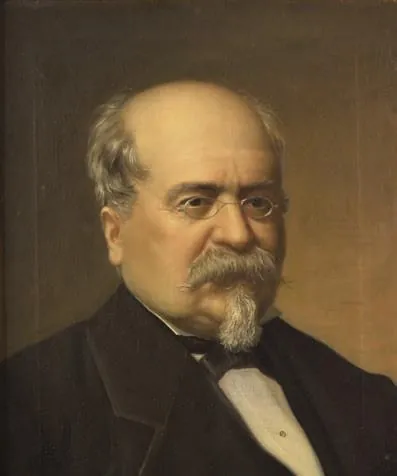
Mihail Kogălniceanu is an old man when he remembers being young in Iași: human beings wearing chains on their hands or feet along the town streets, some with iron horns hung from the forehead and roped around the neck. Beatings, hunger, private prisons, people thrown naked into the snow or into frozen rivers. A horrible spectacle, he writes, crying out to heaven.
The law, he says, treated Gypsies as a thing – sold and bought as a thing – though, by mockery, the unit was called a soul: I own so many Gypsy souls, I have sold and bought so many Gypsy souls. The slaves belonged to the prince, to the monasteries, or to the boyars; those settled on an estate were called vătrași, after vatră, the hearth. The first record of their slavery north of the Danube is a deed of 1385: Prince Dan I gives Tismana monastery forty households of slaves.

Step by step, the laws begin. Wallachia's treasury buys private Gypsies at market price: 185 souls for 86,328 lei between 1833 and 1839. In 1843 Wallachia frees its state Gypsies; on 31 January 1844 Moldova frees the monastery Gypsies, on 14 February its state Gypsies, and Moldavia's state spoon-makers alone then count 2,925 families with 10,051 souls. The young men of Iași – Negri, Alecsandri, Rolla, Rallet, Mavrogheni, with Kogălniceanu as their orator – carry their thanks to Prince Mihail Sturdza, and Kogălniceanu's paper prints a special issue on green paper, the colour of hope.
The law treated Gypsies as a thing, sold and bought as a thing.
Mihail Kogălniceanu, 1891
Meanwhile In 1839, Moldavian slaves win the right to buy their own freedom first whenever their master puts them up for sale.
Approximately
250,000
people freed
After almost six centuries of slavery – about 716 Heleșteni lists.
Chapter III
The summer they were free
June – September 1848 · the revolution's decree
- Chapter
- 1848
- The proclamation
- Islaz, 9/21 June
- The decree
- 26 June
- The commission
- 3 members
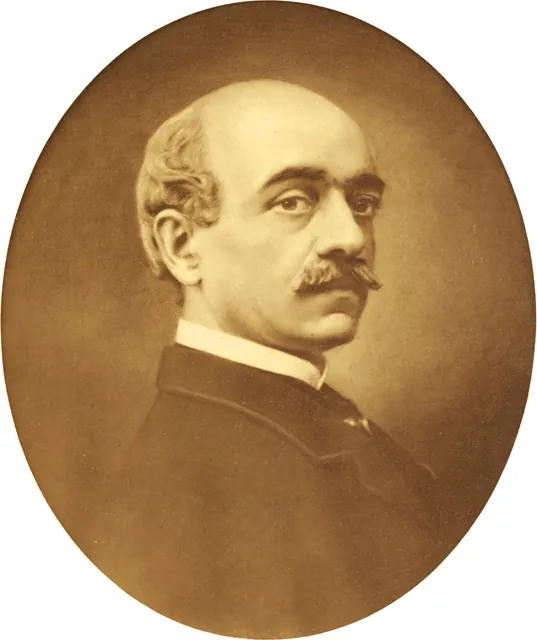
At Islaz, on 9 June 1848, the Wallachian revolution proclaims that the Romanian people cast off the inhumanity and the shame of keeping slaves. Seventeen days later, the Provisional Government in Bucharest decrees it: privately owned Gypsies are free people.
A three-man Commission for the liberation of the slaves – Ioasaf Znagoveanu, Cezar Bolliac, Petrache Poenaru – sets to work. The freed receive liberation certificates; the former owners are to be compensated by the state. Some owners free their slaves asking nothing; others stall. In Dâmbovița county, Nicolae Băleanu fights to keep the Roma working in his cloth factory.

In September the revolution is crushed, and on 28 September the Gypsies are returned to their previous state. The seed, Kogălniceanu will write, had been thrown. In Moldova, his own programme – the Wishes of the National Party, printed at Cernăuți in August – had demanded the same abolition.
The times of slavery are over and the Gypsies of today are our brothers.
The Provisional Government, 1848
Meanwhile Alecsandri's magazine România Literară will later be suppressed for demanding that white slavery fall next.
Chapter IV
Ten ducats a soul
28 November 1855 – 20 February 1856 · the two laws
- Chapter
- 1855 – 1856
- Moldova's draft
- Mavrogheni and Kogălniceanu
- Moldova's vote
- 10/22 December
- Wallachia's law
- 8/20 February
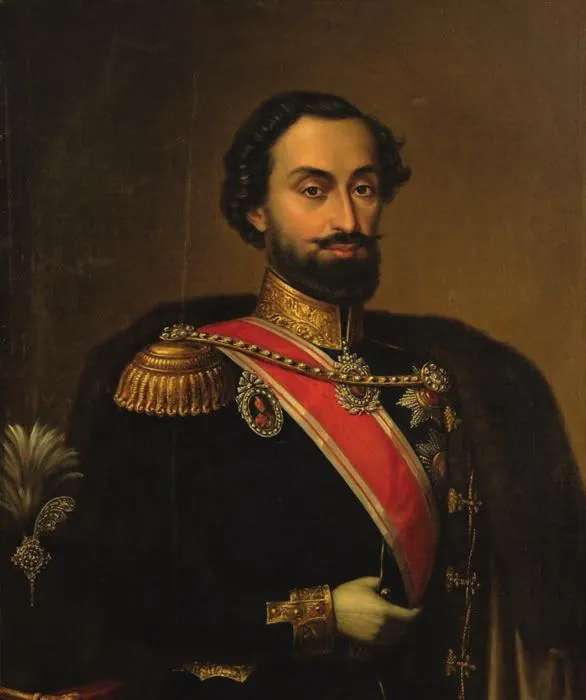
On 28 November 1855, Prince Grigore Ghica of Moldova puts the question to his Administrative Council: slavery must be abolished, and a bill drafted. The draft is written by Petre Mavrogheni and Mihail Kogălniceanu. On 10 December the Divan votes it – Kogălniceanu remembers unanimity and enthusiasm. Slavery is abolished forever in the Principality of Moldavia, the preamble says; all who tread Moldavian soil are free men.
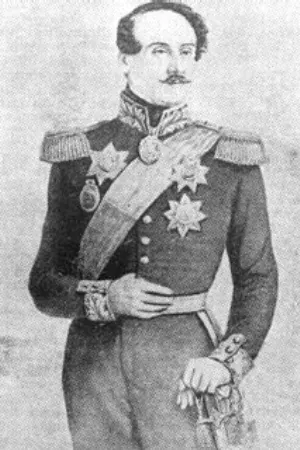
The owners are paid: 8 ducats for a lingurar or a vătraș, 4 for a lăieș, nothing for invalids and babies – in state bonds at ten percent, and waivers earn a ten-year tax exemption. In Wallachia, Prince Barbu Știrbei – who had called slavery a monstrosity in a memorandum the previous June – promulgates his law on 8 February 1856: every private Gypsy freed, 10 ducats a soul, in instalments, from a Compensation Fund fed by the taxes of the freed themselves.


The newspapers print the owners' waivers almost daily, and the lists of names are published. In June 1856 the Moldavian Finance Department counts 334 owners claiming compensation and 264 waiving it: 16,023 vătrași and 4,566 lăieși to be paid for – 4,613,112 lei – plus 10,424 souls freed for nothing. The returns are partial; some districts have not reported. Some 250,000 people, Achim concludes, were freed from slavery.
Slavery is abolished forever in the Principality of Moldavia, all who tread Moldavian soil are free men.
Preamble of the Moldavian law
Meanwhile The 20th of February is still the commemoration day, by a law of 2011.