A 1,500-YEAR-OLD NICKNAME
Why do Romanians call Germans “the mute ones”?
The Slavs could not understand their Germanic neighbours, so they called them “the mutes”. Romanian inherited the word and still uses it, long past hearing the insult in it.
- “THE MUTES”
- what the Slavs called the Germanic neighbours whose language they did not understand
- 6TH–12TH C.
- from Jordanes' Sclaveni to the guests of Géza II
- 8 LANGUAGES
- one word, from Poland to Greece
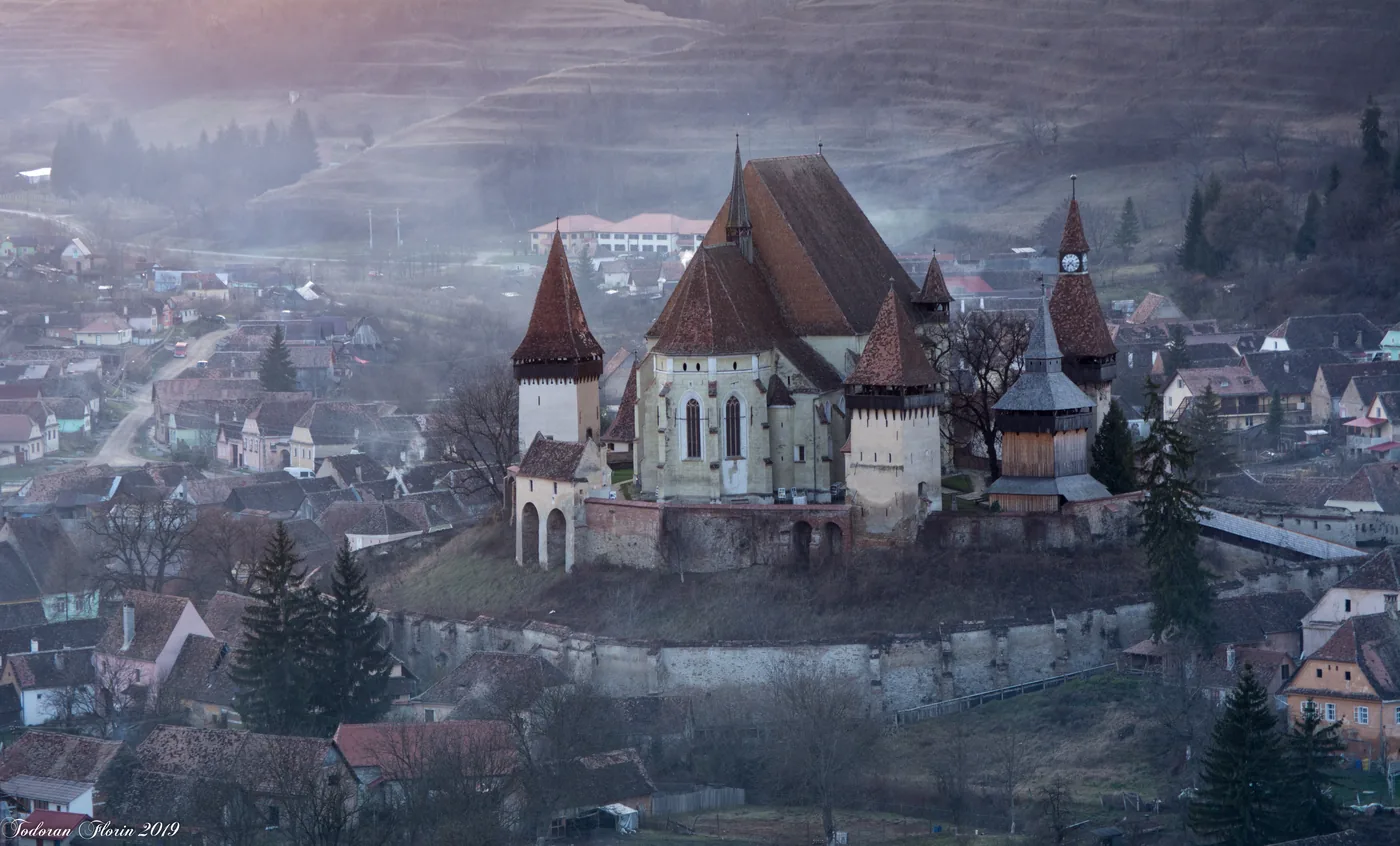

How the word changes shape from country to country:
- němьcь Old Slavic
- Niemiec Poland
- Němec Czechia
- német Hungary
- neamț Romania
The dictionary: what the word says about itself
The insult you use every day
What the dictionaries say
DEX '09
“NEAMȚ, nemți, s. m. German or Austrian man. – From Slav. němĩcĩ.”
Șăineanu, 1929
“Slav. NIEMITI, from NIEMU, mute: the Slavs considered as «mutes» their German neighbours whose language they did not understand.”
DER
“Sl. němĭcĭ, from němŭ «barbar», cf. Greek némtzis, Bulg. němec, Alb. nemets, Hung. nemet, Pol. niemiec.”
Three dictionaries say the same thing: the word comes from Slavic and starts from “mute”. DER glosses němŭ as “barbar”, the foreigner, not the speechless man.
An everyday word today
The insult is audible only in the etymology. In today's dictionary neamț is a neutral word, and DEX marks as colloquial only some set phrases built on it. This page is about the history of a sound, not about people today.
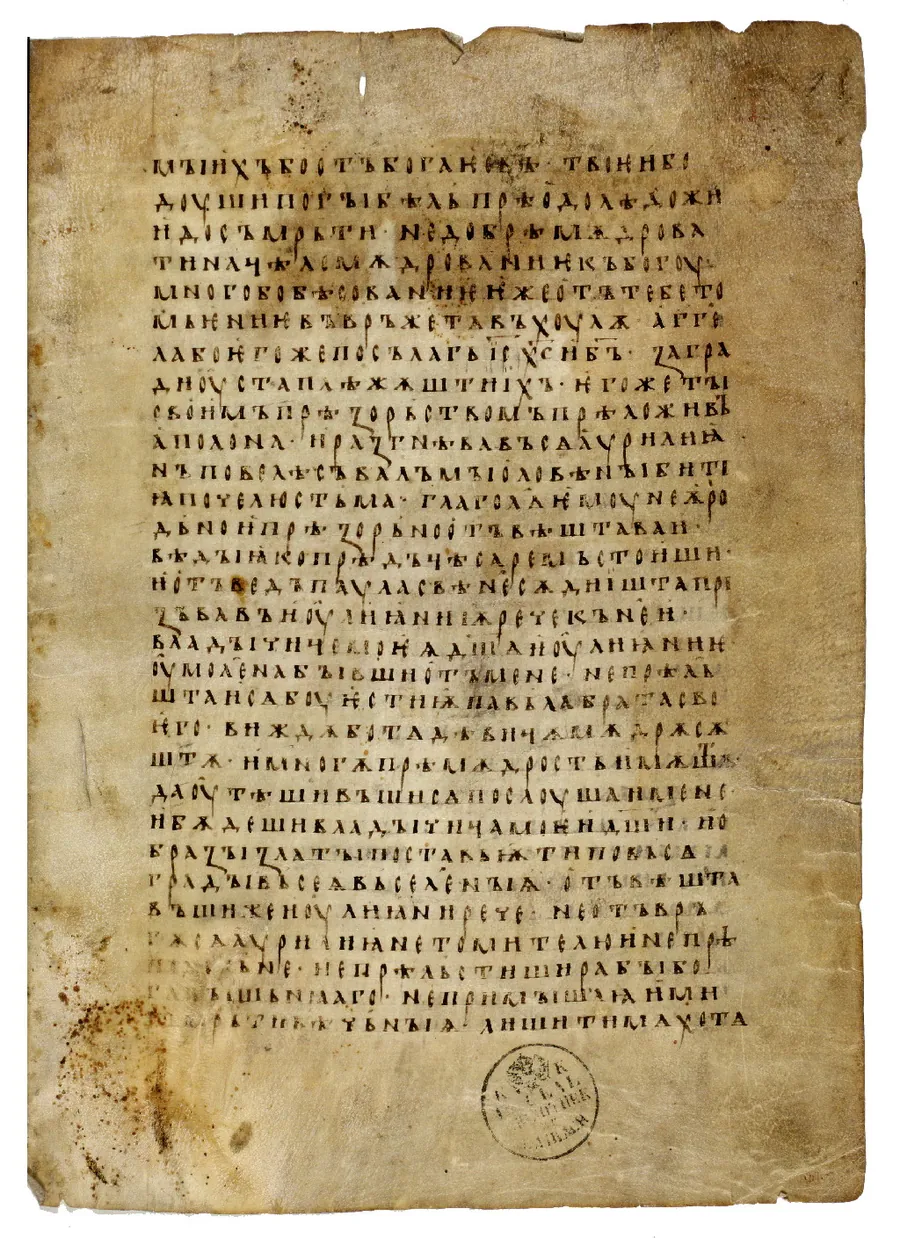

The mirror pair: the other half of the story
“We speak, they are mute”?
In the traditional story — told here as a traditional story, not as settled fact — the Slavs called themselves “the speaking ones”, from slovo, “word”, while the neighbours stayed “the mutes”. The “mutes” half is certain: for the “speakers” half, linguists have not agreed for over a century.
Three candidates, no winner
The Britannica wrote as early as 1911 that the name of the Slavs had been derived “from slovo, a word, or slava, glory”, but “no explanation is satisfactory”. Today's lexicography prefers a third lead, a water name, and files slovo and slava under obsolete or alternative etymologies.
slovo, “word”TRADITIONAL STORY
The lovely story: the Slavs, “the speaking ones”. Traditional, not proven.
slava, “glory”HYPOTHESIS
The old rival of slovo, cited since 1911. It commands no consensus either.
a water nameHYPOTHESIS
Today's preferred lead: a hydronym such as *Slovǫta, an old name of the Dnieper. Not certain either.
From here on: wherever “the speaking ones” appears, read “in the traditional story”.
The mechanism: everyone names their neighbours by sound
Everyone does this
The Slavs invented nothing. Every people baptizes its neighbours after the sound of incomprehension, and two examples survive in words we still use.
Greek ears
barbaros
The Greeks heard foreign tongues as babble: barbaros, from the root *barbar-, the echo of unintelligible speech. The barbarians were simply all who were not Greek.
Germanic ears
walhaz
The Germanic peoples called “foreigners” walhaz. The word travelled through Old Slavic, as Vlach, all the way to the Romanians themselves: hence Wallachia.
The map: the word travels 1,500 years
The journey, mapped
Five stops, from the sixth-century Sclaveni to today's eight languages. Each stop moves the map to its place.
Schematic map: the shapes show neighbourhoods, not borders.
Between the Vistula and the Dnieper · c. 550
The country of the Sclaveni
Jordanes seats the Venethi here, “chiefly called Sclaveni and Antes”. Procopius adds, in the 1911 Britannica's account, that Sclaveni and Antae spoke the same language.
Between the Elbe and the Vistula · Common Slavic
The contact zone
Slavic and Germanic speech meet here, and incomprehension gets a name: němьcь, “one who does not speak [Slavic]”. The word's journey starts here.
Greece and Germania · since antiquity
The mirror
In the south, the Greeks hear barbaros; in the west, the Germans hear walhaz. The same mechanism, different ears — and walhaz will head east, toward the Vlachs.
Transylvania · 1141–1162
The guests of Géza
King Géza II calls German guests to guard Transylvania's borders. The six-century-old insult will find here the neighbours it will describe.
From Poland to Greece · today
Today's map
Eight languages speak one word: Niemiec, Němec, Nemec, német, не́мец, némtzis, nemets, neamț. Romanian carries it beside a self-name inherited from Rome.
The evidence: who saw it and what survived
The witnesses, from Jordanes to the Saxons
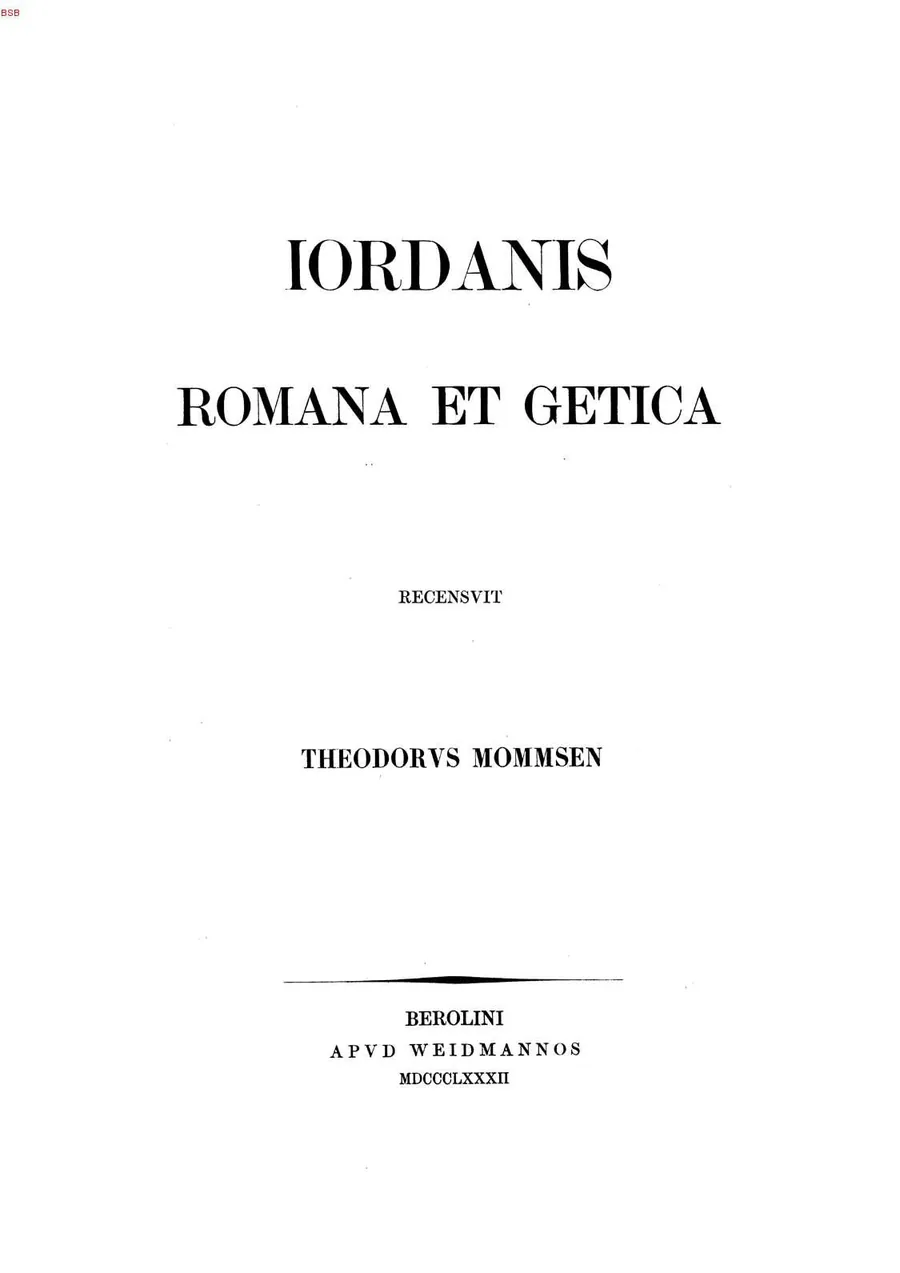
Jordanes, sixth century
“Beginning at the source of the Vistula, the populous race of the Venethi dwell… yet they are chiefly called Sclaveni and Antes.”
The next passage describes their extent, from Noviodunum and Lake Mursian to the Dniester and the Vistula. Mierow's translation is in the public domain and is quoted word for word.

Procopius, paraphrased
Procopius distinguishes the Antae from the Sclaveni, but says both peoples spoke the same language and were formerly called Spori. The account comes from the 1911 Britannica; this page paraphrases it rather than quoting it directly.
What stayed in the ground
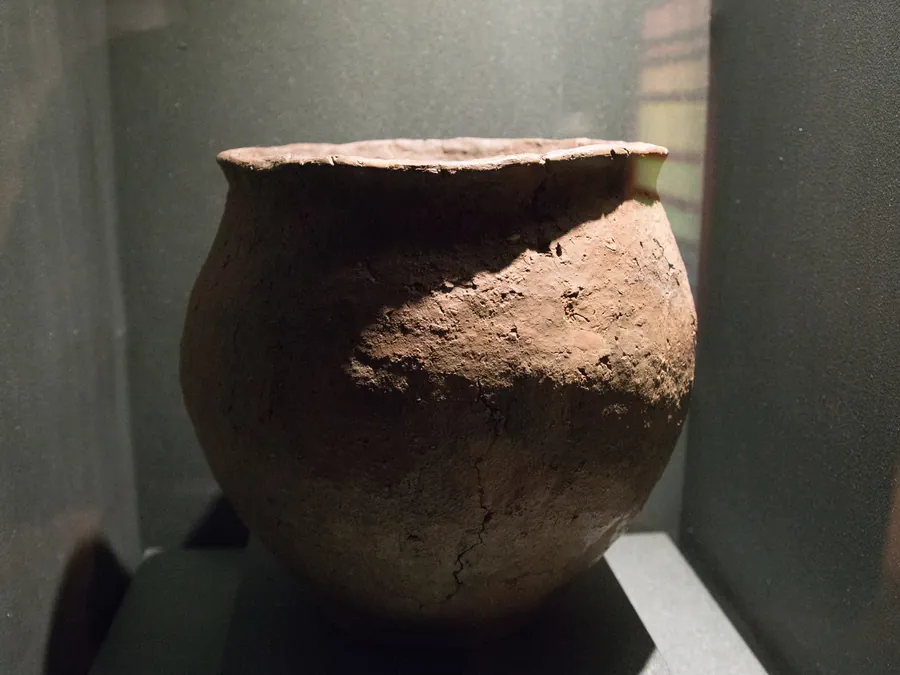
Three objects from the centuries of contact: handmade pots and dress fittings.

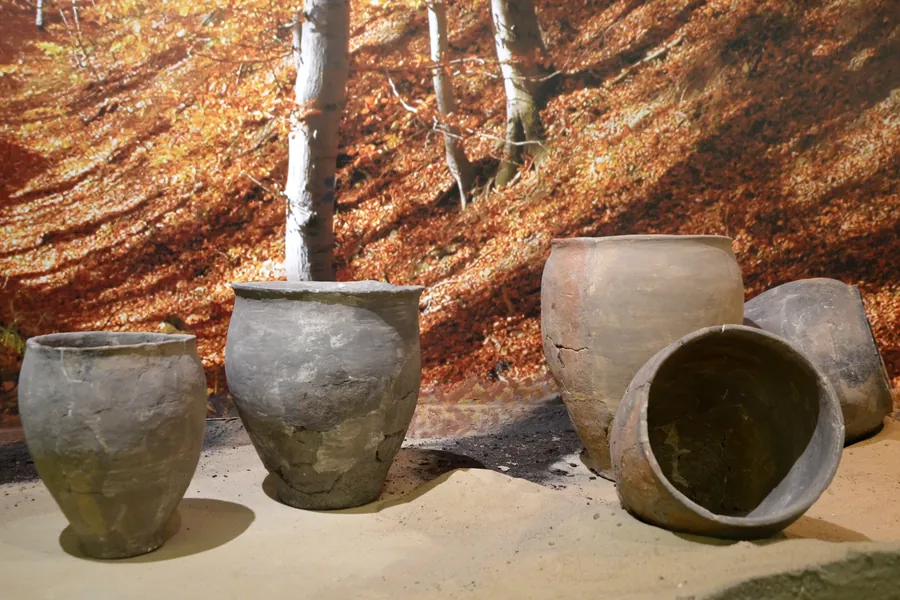

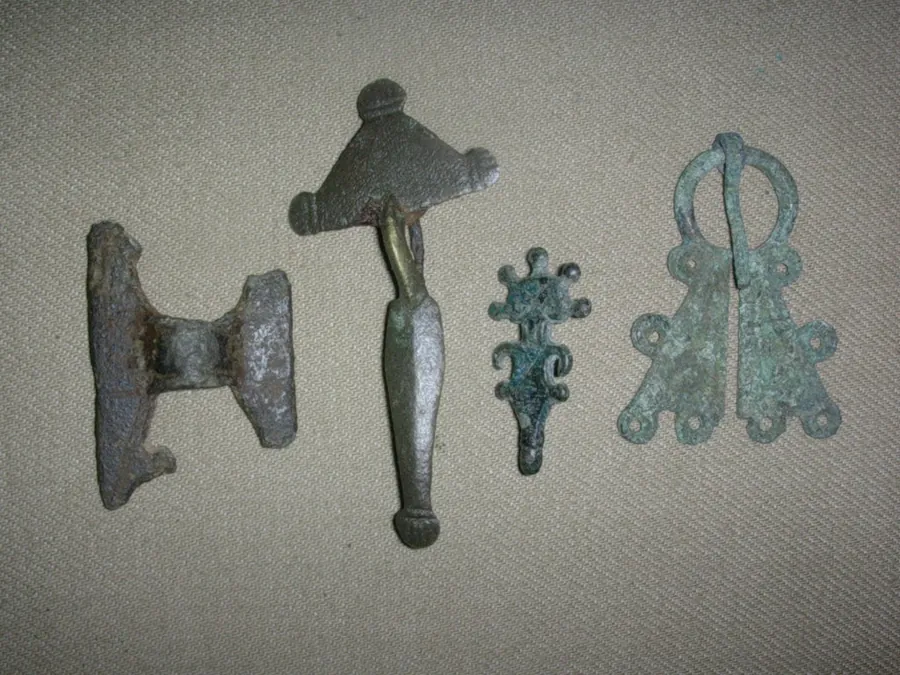

The guests of Transylvania
The colonization of Transylvania by Germans, later known as the Transylvanian Saxons, began under King Géza II of Hungary, between 1141 and 1162. The settlers guarded the borders; the fortified churches still carry their name.
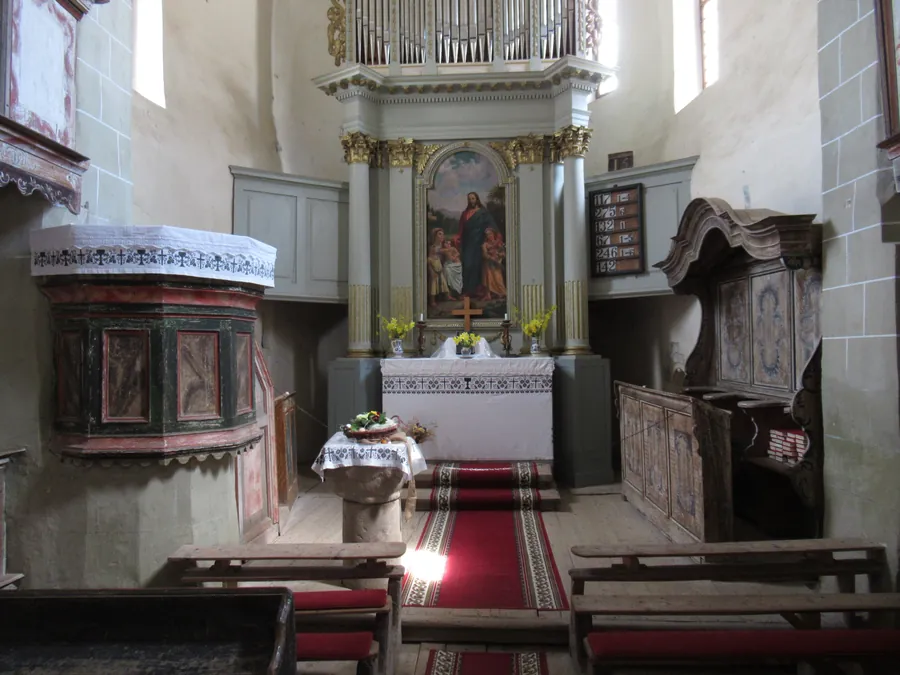

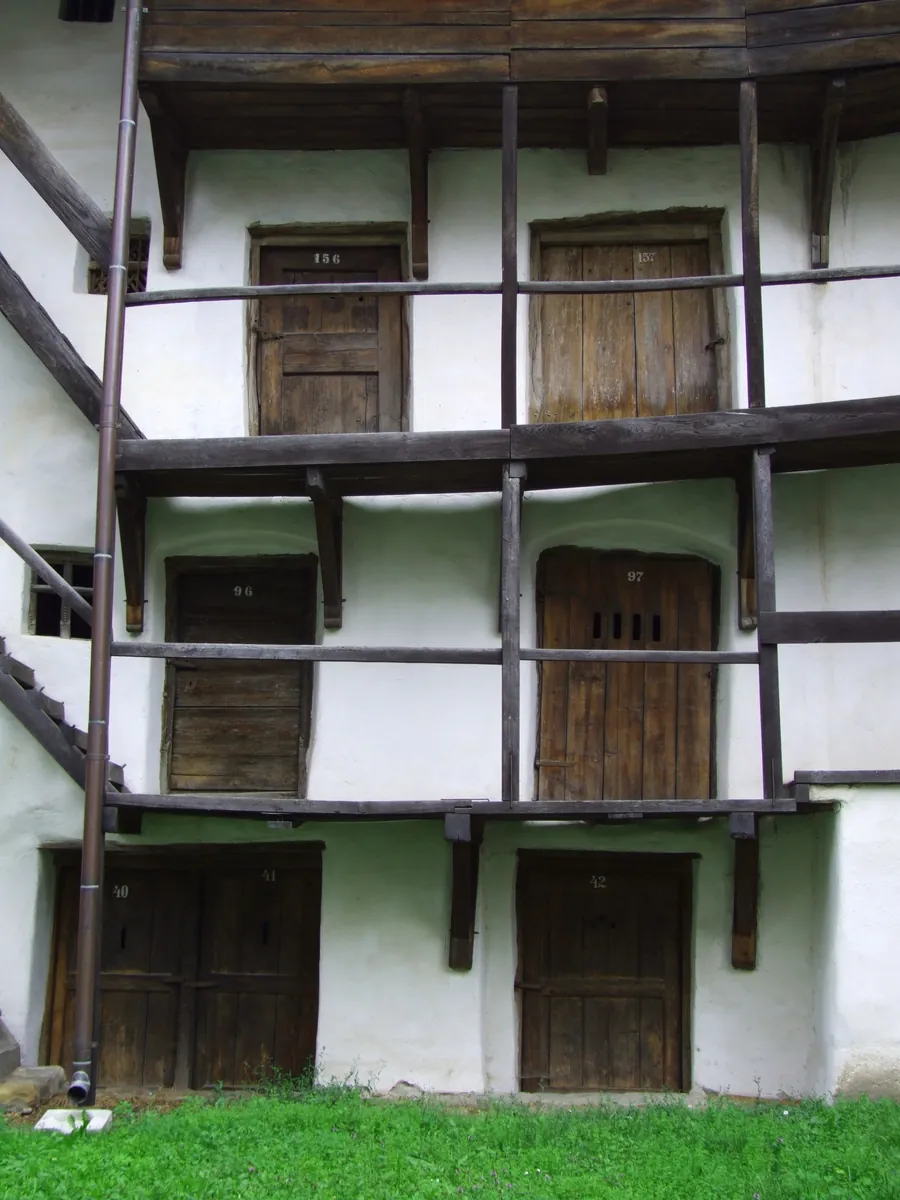

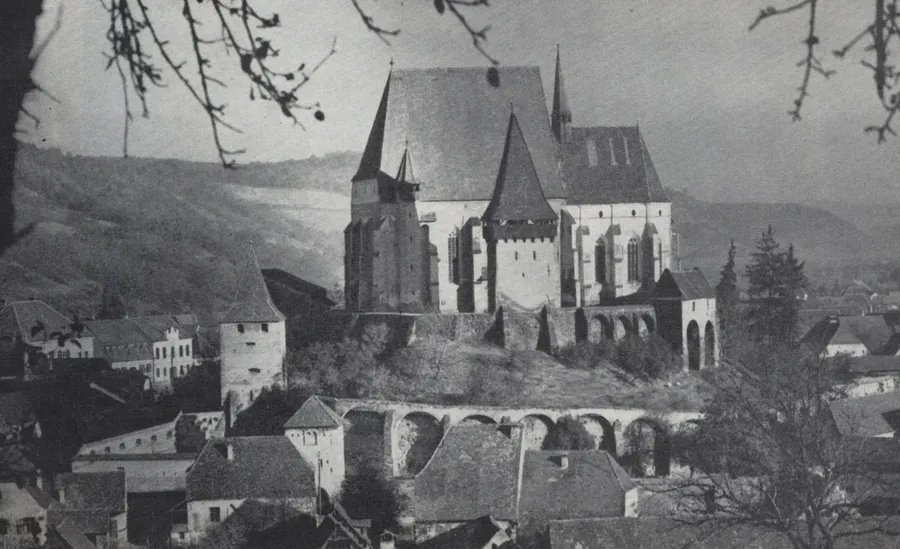

The double inheritance: a Roman name, a Slavic insult
The Romanian paradox
Romanian kept Rome's name for itself and the Slavic insult for Germans. The neighbours kept their share too: the Germanic word for foreigners reached, through Slavic, the Romanians themselves — the Vlachs.
The story of the self-name, from Roman to Romanian →
The word, taken apart
Old Slavic němьcь means, piece by piece, “one who does not speak [Slavic]”: němъ, “mute”, plus the suffix -ьcь. A rival theory ties it to the name of the Germanic Nemetes tribe, with folk etymology from němъ — this page notes it and moves on with the “mute” sense, which the Romanian dictionaries support.
Five cognates, after DER
The Romanian etymological dictionary lists, beside the Slavic form, the cognates of five languages:
- Greek némtzis
- Bulg. němec
- Alb. nemets
- Hung. nemet
- Pol. niemiec
Find a cognate
Pick a language: the map flies to it, the rest dim, and the link to Old Slavic draws itself.
Pick the language
neamțATTESTED
DEX '09: “German or Austrian man. – From Slav. němĩcĩ.”
NiemiecATTESTED
DER: Pol. niemiec. Today's Polish form.
NěmecATTESTED
A direct descendant of Slavic němьcь, like the Polish.
NemecATTESTED
A direct descendant of Slavic němьcь, like the Czech.
németATTESTED
DER: Hung. nemet. Borrowed from Slavic.
не́мецATTESTED
DER: Bulg. němec. Written не́мец, read némec.
nemetsATTESTED
DER: Alb. nemets. Borrowed from Slavic.
némtzisATTESTED
DER: Greek némtzis. Borrowed from Slavic.
Old Slavic němьcь, from němъ, “mute” RECONSTRUCTED
Six countries, one word
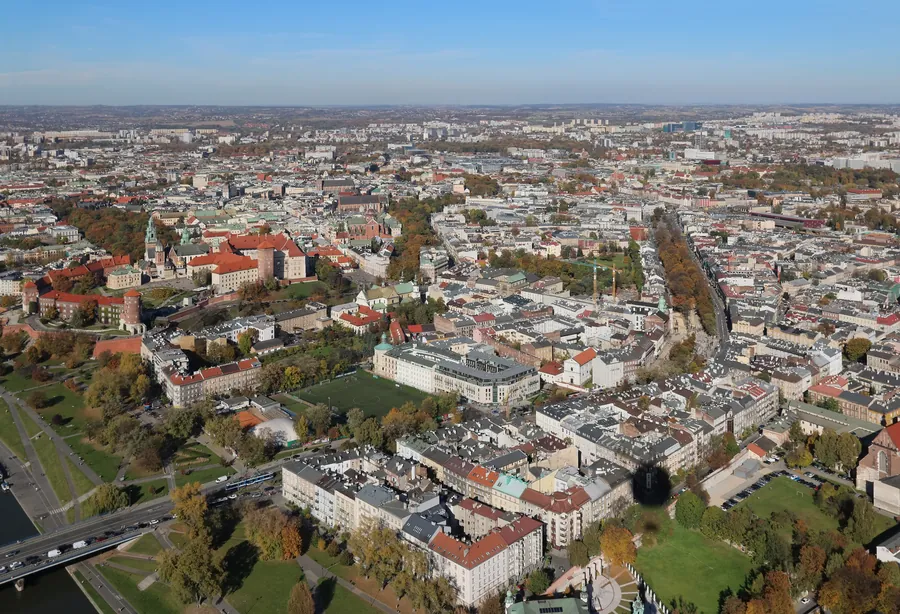

Poland
Niemiec
Kraków: Wawel and the old town, seen from a balloon.
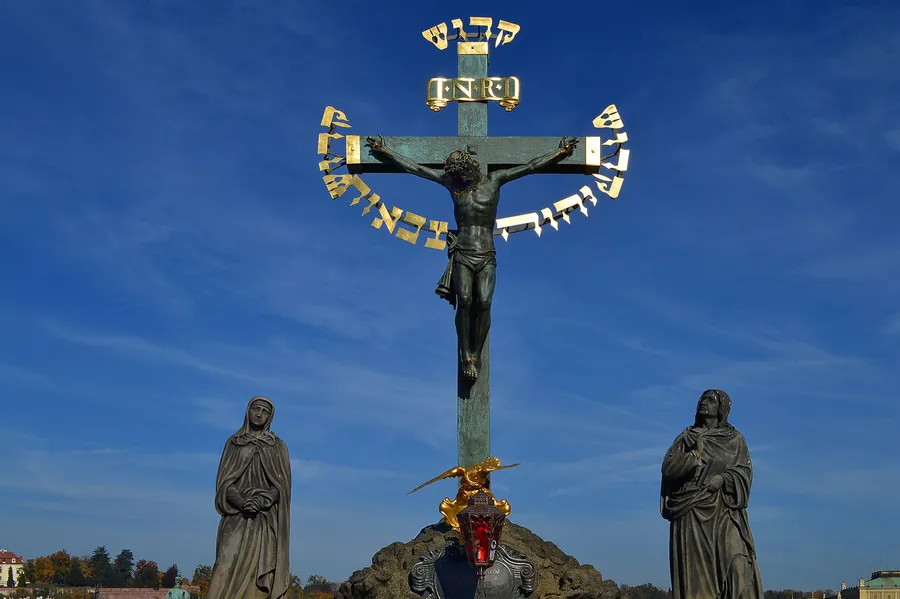

Czechia
Němec
Prague: Charles Bridge over the Vltava.
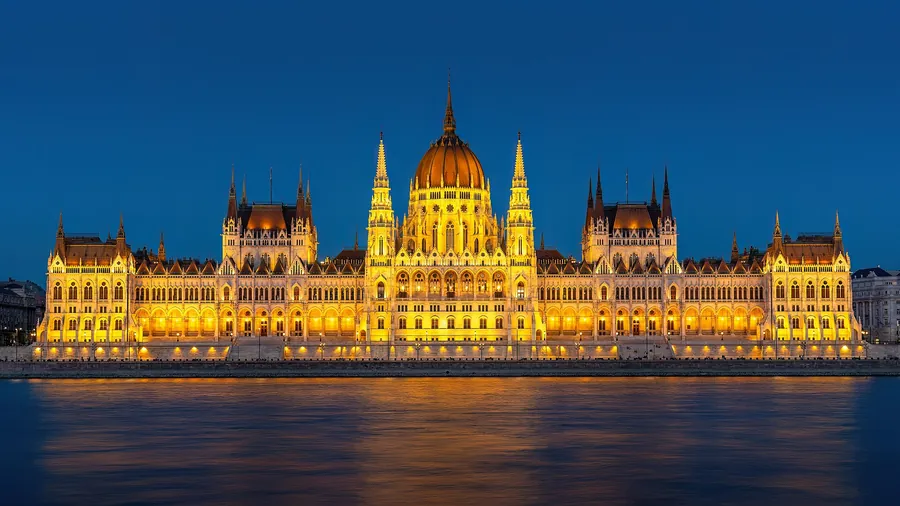

Hungary
német
Budapest: Parliament on the Danube bank.
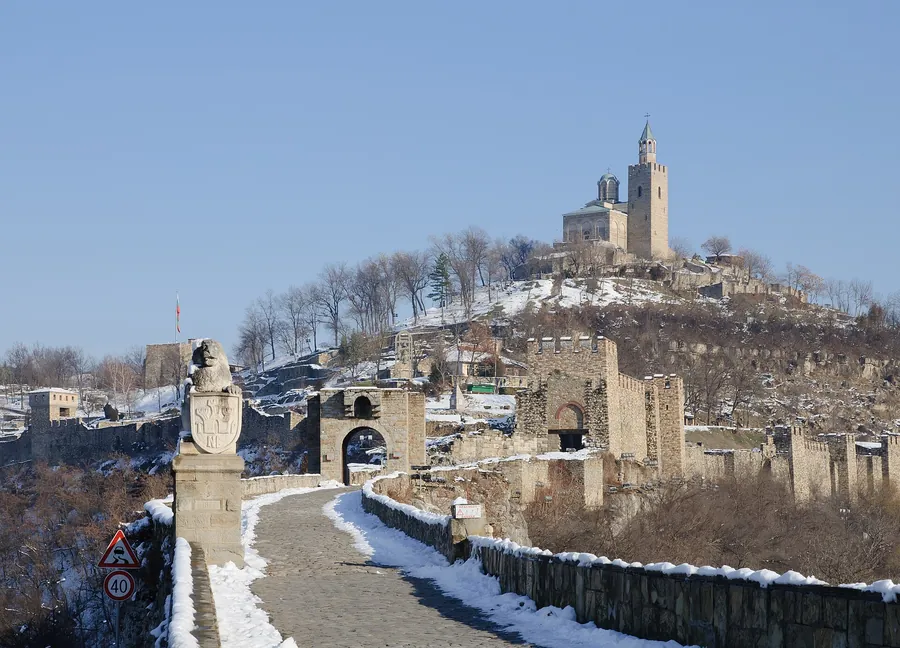

Bulgaria
не́мец
Veliko Tarnovo: the Tsarevets fortress.
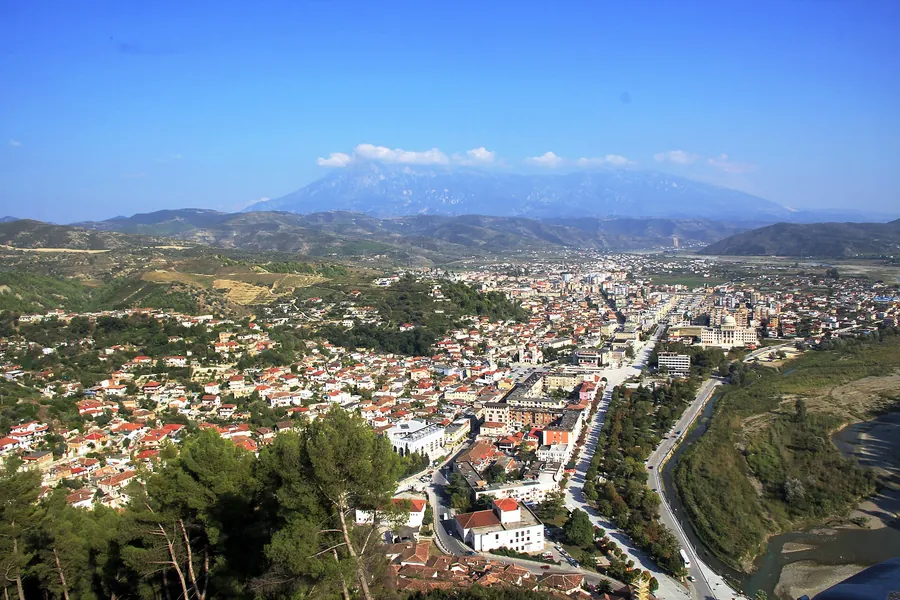

Albania
nemets
Berat: the old town, seen from the castle.
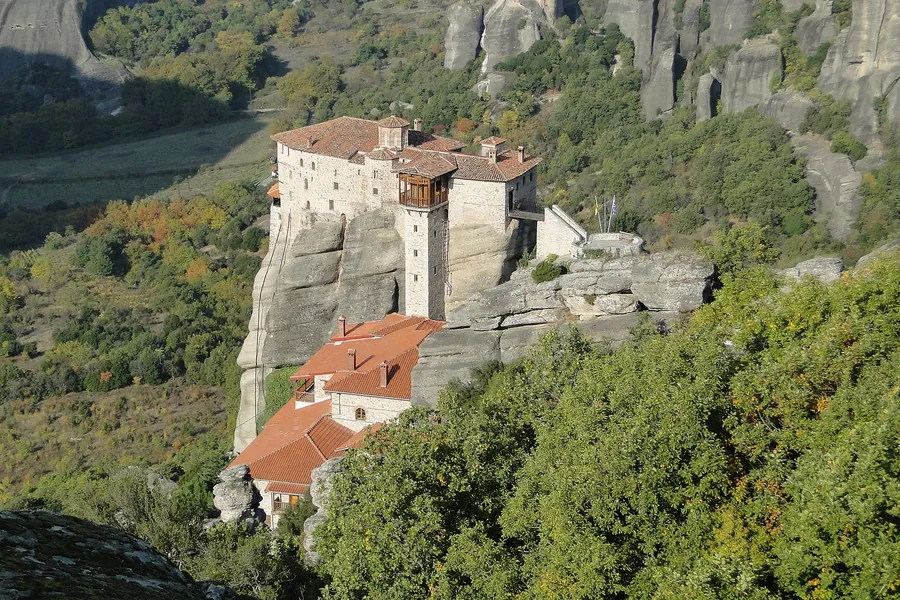

Greece
némtzis
Meteora: the Roussanou monastery.
Test yourself: five questions
Whose ears are these?
Five questions from this page. The score stays here, on this device, until you clear it.
What did Slavic němъ mean?
“Mute” — hence němьcь, “one who does not speak [Slavic]”. DER also glosses it as “barbar”, the foreigner.
question 1 of 5
Who called whom “the mutes”?
The Slavs called the Germans so: the neighbours whose language they did not understand, after Șăineanu, 1929.
question 2 of 5
What do we know for sure about “the Slavs, the speaking ones”?
The traditional story, disputed: since 1911, “no explanation is satisfactory”.
question 3 of 5
How did the Greeks hear foreign tongues?
As babble: barbaros, the echo of unintelligible speech, for all who were not Greek.
question 4 of 5
Where did Germanic walhaz, “the foreigner”, end up?
With the Romanians: through Old Slavic, walhaz became Vlach — the Romanians' own name.
question 5 of 5
Score: 0 of 5
The link is in the clipboard.
Sources
Dictionaries first, then the old witnesses and modern etymologies. Every risky claim points at its source.
Dictionaries
- neamț: DEX '09, MDA2, Șăineanu, DER
- němьcь: the Proto-Slavic reconstruction, with descendants
- slověninъ: the Proto-Slavic reconstruction, with the three leads
Old witnesses
- Jordanes, Getica, transl. Mierow 1915
- Procopius, in the 1911 Britannica's account: the Slavs
- The Saxon settlement under Géza II, 1141–1162
Modern etymologies
- barbaros: from *barbar-, the echo of foreign speech
- walhaz, through Vlach, to the Romanians and Wallachia
Neighbouring stories
Type: Fraunces, Newsreader and Atkinson Hyperlegible, under the SIL Open Font Licence.