A FEELING WITH NO PARENTS AND NO TRANSLATION
Why can't anyone translate the way you miss home?
Dor has a thin birth certificate — Latin dolus, pain — and no foreign equivalent. And the doina, the song of dor, has not even that: the dictionary writes Et. nec.
1 FEELING · 0 TRANSLATIONS
DOR
longing
…but dor can be appetite too
nostalgie
…but dor also looks ahead
Sehnsucht
…but dor can be a toothache too
Three honest attempts, three places they don't fit. Each pointer leads to its DEX '09 sense.
File one: the feeling
The child with the thin certificate
DEX '09 gives dor seven senses, from nostalgia to “În dorul lelii”, and sends it back to popular Latin dolus, from aching.
- 1. the wish to see a loved one again; nostalgia
- 2. the state of striving and aspiring; endeavour
- 3. suffering from love for one far away
- 4. (folk) physical pain — “dor de dinți”, a tooth's ache
- 5. appetite, a taste for food or drink
- 6. erotic attraction
- 7. (folk) “În dorul lelii” — aimless, pointless
From pain to dor
Latin dolus meant pain. Today “mi-e dor de cer” — I miss the sky (Vlahuță, via CADE) — aches nowhere; it yearns. The leap from “aching” to “missing” is the piece's first room.
Lat. pop. dolus (< dolere „a durea”)
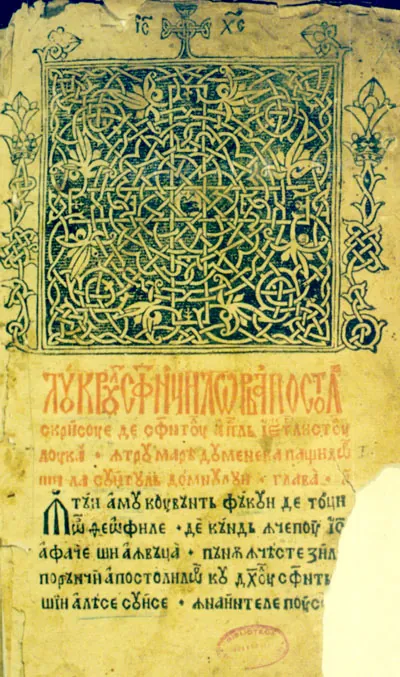
MDA2 records it in 1574, in the Tetraevanghel: “E: ml dolus «durere»”. Four and a half centuries of paper, a single parent.
The title stands in one defensible sense: no satisfying origin story, no foreign equivalent.
For dor, “without parents” never means “of unknown etymology” — the etymology exists, and it is thin.
- 7
- senses, from nostalgia to “În dorul lelii”
- 1
- thin parent: Latin dolus, pain

File two: the song
The true orphan
For the doina, DEX '09 says only: Et. nec. MDA2 agrees: E: nct — unknown.
DOINĂ … Et. nec.
DEX '09
doină … E: nct
MDA2 (2010), first record: Asachi
DLRLC records the regional forms daină (Isac) and dăină (Bibicescu). Forms, not parents.
Scriban (1939) guessed a Germanic tone, dôn — and noted Lithuanian dainá in passing: “poate din mgerm. dôn, tôn … litv. dainá, doĭnă”.
Șăineanu (1929) thought the doina would derive from an exclamation of tenderness — “ceeace ar explica dela sine existența sinonimului litfan daină”.
DER prefers Slavic daljina, “distance” — and admits that “celelalte explicații par insuficiente”. The same DER notes that the doina's feeling “corespunde celui exprimat de cuvântul portughez saudade”.
The verb doini appears late, in Eminescu (O. I 32); the noun doină, in Asachi. Records have their order; the page draws no hierarchy from it.
- 0
- certain parents of the doina
- 11
- cards on the board, no final verdict

.jpg)


The thousand-kilometre bridge
The coincidence from the north
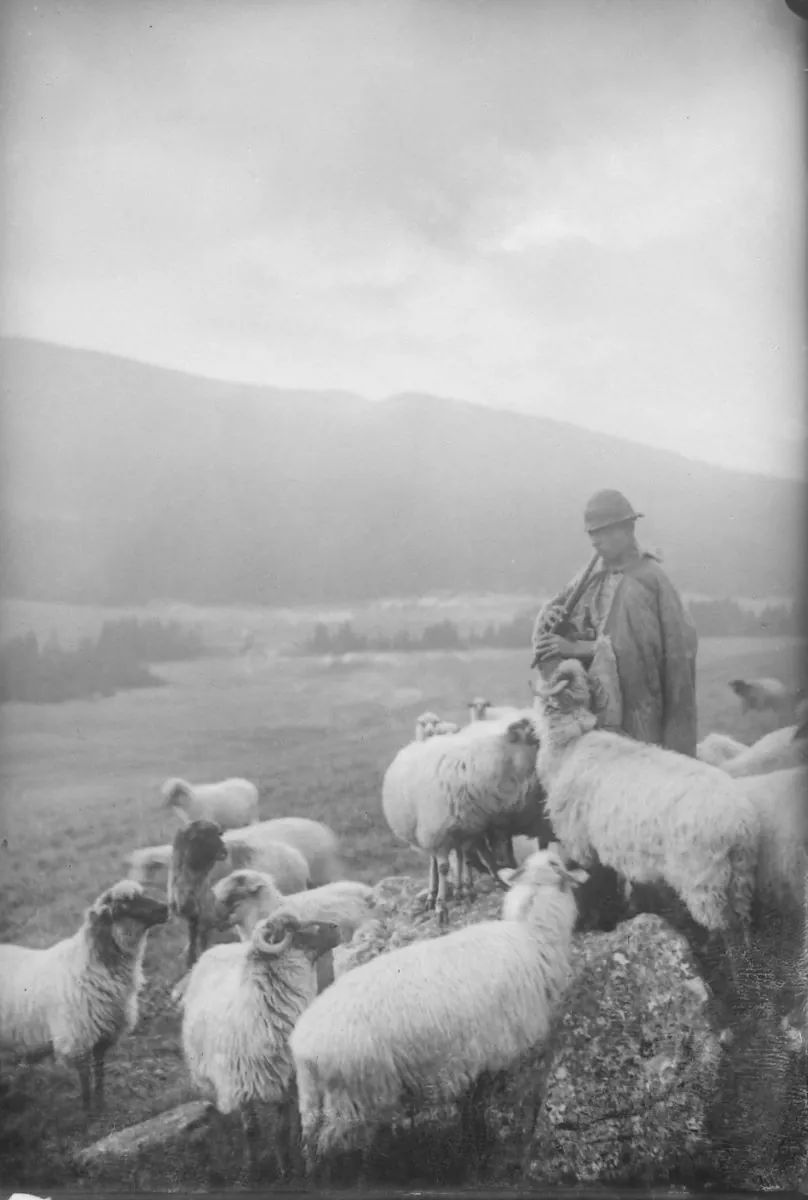
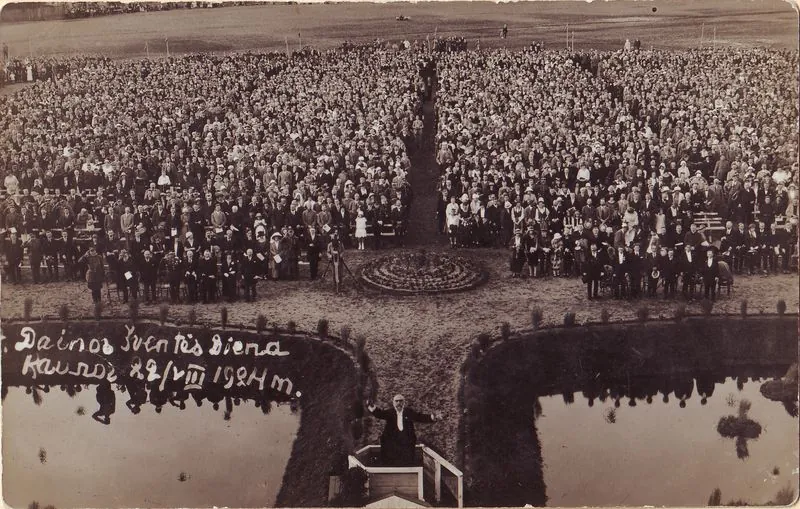
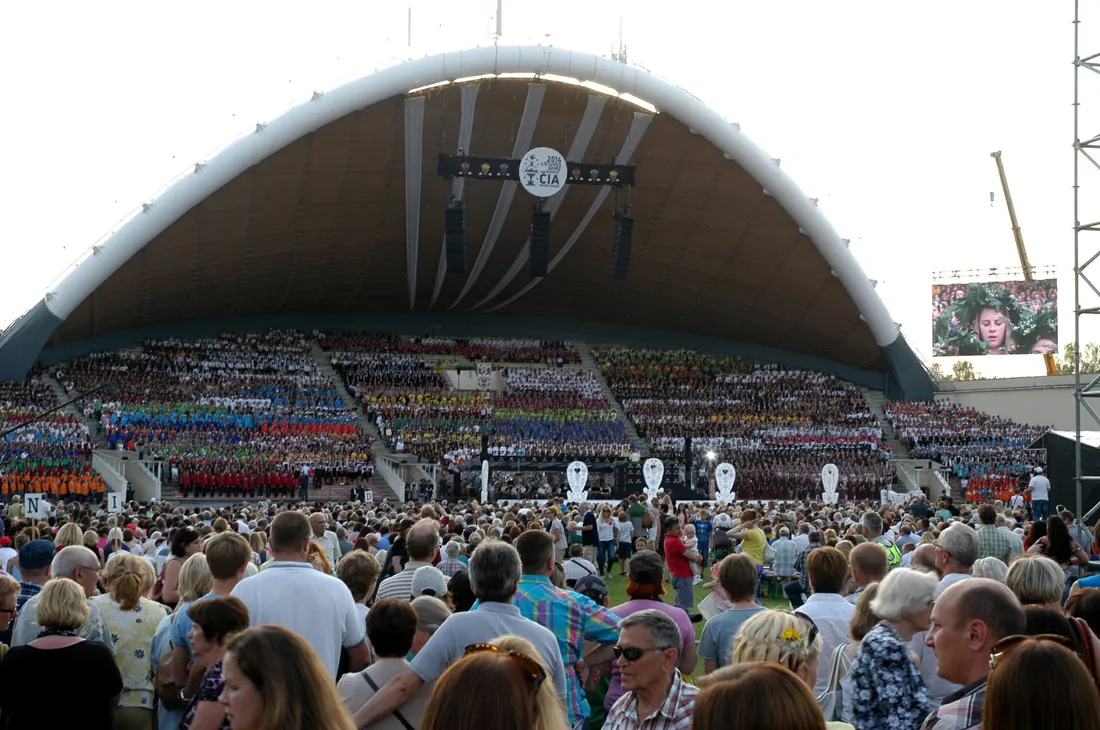
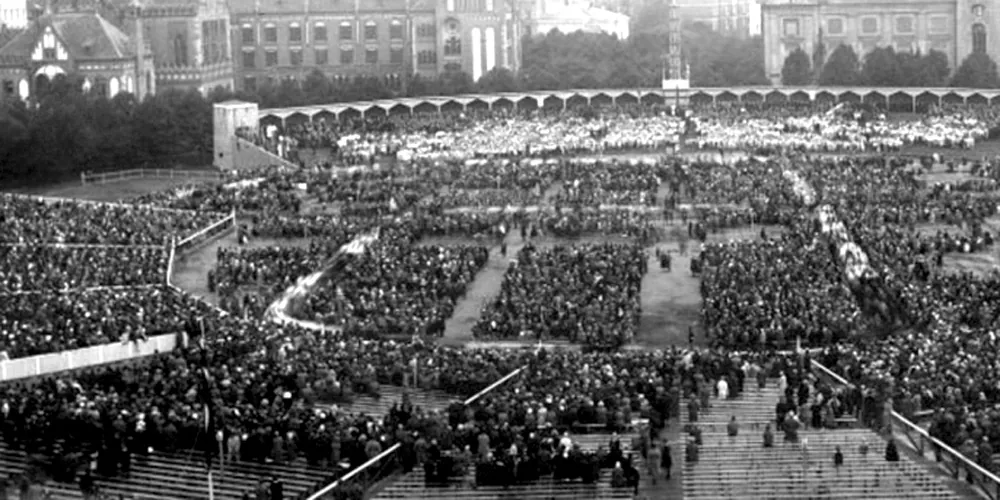
In the north, Lithuanians sing their dainas. The dictionaries notice the parallel; nobody claims kinship.
The distance is over a thousand kilometres: Bucharest–Vilnius measures 1142 km straight across the globe. Coordinates and formula sit in the source table.
The weakest witness is Wiktionary: it traces Lithuanian daina to Proto-Balto-Slavic *dainā and adds, at the end, “Also, compare perhaps Romanian doină”. That is all: one “perhaps”, in a tertiary source.



The company
The untranslatable club
Dor is not alone. Three feelings guard one unexportable shade each, each with its named witness.
The feeling is real; the scholarship stays cautious.
saudade
Portuguese
“Sentimento evocatório, provocado pela lembrança de algo bom vivido ou pela ausência de pessoas queridas” — Caldas Aulete, tracing it to Latin solitate(m).
Not nostalgia: Aulete defines it by the absence of loved ones, not by the past.
hiraeth
Welsh
“grief or sadness after the lost or departed, longing, yearning, nostalgia, wistfulness, homesickness” — Geiriadur Prifysgol Cymru, via We Learn Welsh (2023).
Not homesickness: the Welsh dictionary puts mourning before home.
toska
Russian: тоска
“No single word in English renders all the shades of toska.” — Nabokov, the commentary to his Eugene Onegin translation, vol. 2 (1964). The Russian witness: Ushakov — “Тоска по родине”.
Not pure nostalgia: Ushakov also records “скука”, boredom.
No further entries: without a named witness from a dictionary or from literature, a word stays outside the club.
The engine of the piece
Suspect board
Every hypothesis for the doina, plus the dictionaries' verdicts — each with an exact quote, a named proponent and a stamp. Filter, search, count. The page convicts nobody and picks no winner: the stamps reproduce the verdict of the source quoted on each card.
No card answers to these filters.
D1
Slavic daljina, “distance”
DER (Ciorănescu), 1958–1966 — the dictionary's preference
Sl. (sb.) daljina „depărtare”, ca sb. haljina › haină
A name explained by the feeling of solitude and dor, matching Portugal's saudade.
PREFERRED BY DER
Slavic
D2
a Thracian word
B. P. Hasdeu, Columna lui Traian, 1882 — via DER
Pentru Hasdeu, Col. lui Traian, 1882, 397 și 529, este cuvânt trac
Hasdeu placed the doina in the old Thracian stock. DER lists it among the explanations it finds insufficient.
OPEN
Thracian
D3
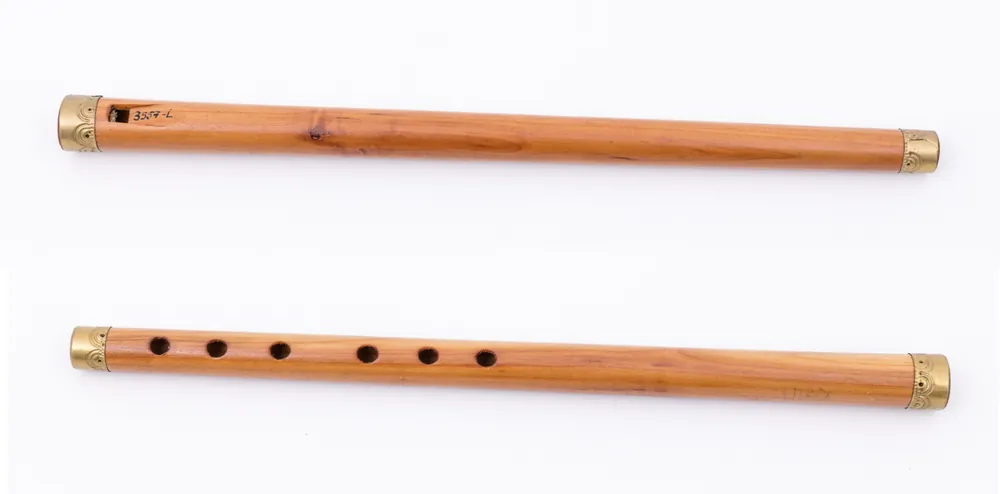
Serbian/Croatian dvojnica, “shepherd's flute”
Cihac, II, 98 — via DER
din sb., cr. dvojnica „fluier ciobănesc” și legat de lituan. dainá „cîntec popular”
The one hypothesis tying the doina to the flute and, at once, to Lithuanian dainá.
OPEN
Slavic
D4
Middle German dôn, tôn, “tone, echo”
Scriban, Dicționaru limbii românești, 1939
poate din mgerm. dôn, tôn, ton, răsunet, cîntec … litv. dainá, doĭnă
A dated guess, “perhaps” included — with Lithuanian dainá noted in passing.
SCRIBAN 1939
Germanic
D5
Latin dolĕre
an old theory, noted with reservations by Tiktin — via DER
O veche teorie, amintită cu rezerve de Tiktin, consideră doină ca der. de la lat. dolĕre
Doina from “aching”, as moină would come from mollis. The reservations are part of the quote.
OPEN
Latin
D6
an exclamation of tenderness
Șăineanu, Dicționar universal, 6th ed., 1929
numele doinei s'ar trage … dintr'o exclamațiune de duioșie (ceeace ar explica dela sine existența sinonimului litfan daină)
Both conditionals stay: “would derive”, “would explain”. A dated witness, 1929.
ȘĂINEANU 1929
Exclamation
D7
Lithuanian dainá, “folk song”
the parallel the dictionaries note; weakest witness: Wiktionary
Also, compare perhaps Romanian doină
Wiktionary traces Lithuanian daina to Proto-Balto-Slavic *dainā and adds this “perhaps”. No kinship anywhere.
OPEN
Baltic parallel
D8
—
DEX '09 — the verdict
DOINĂ, doine, s. f. Specie a liricii populare … – Et. nec.
The empty birth certificate: etymology unknown.
VERDICT: UNKNOWN
Verdict
D9
—
MDA2 (2010) — the verdict
[At: ASACHI, P. 75/13 / V: (îvr) doli~, (reg) dai~ / Pl: ~ne / E: nct]
“nct” means unknown. First record: Asachi.
VERDICT: UNKNOWN
Verdict
D10
(probably) a native word
DE (1993–2009)
DÓINĂ (probabil cuv. autohton)
The one dictionary daring a parenthesis — with “probably” inside.
DE: PROBABLY
Verdict
D11
—
MDTL (1979)
DOINĂ (etimologie incertă) … s-au emis păreri diverse
The literary-terms dictionary does not choose: it records the views, from Hasdeu to Cantemir.
MDTL: UNCERTAIN
Verdict
The attempt
Translate dor
Five DEX '09 senses, three trial translations each. Pick, read the verdict, count. Every verdict stands written below, from the start.
Attempt 1 of 5
Sense 1: the wish to see a loved one again; nostalgia.
“Mi s-a făcut dor de frățiorul meu.” (Caragiale, via DLRLC)
Pick the translation that looks best.
“Longing” yearns from afar. Missing your little brother demands return, not distance.
“Nostalgia” looks back. Sense-1 dor looks ahead, toward meeting again.
“Homesickness” knows only home. Sense-1 dor also fits “dor de cer”, missing the sky.
Attempt 2 of 5
Sense 2: the state of striving and aspiring; endeavour.
“Ale tale doruri toate / Numai eu știu să le-ascult.” (Eminescu, O. I 110, via DLRLC)
Pick the translation that looks best.
“Aspiration” climbs toward a goal. Eminescu's doruri ask for a listener, not a rung.
“Ambition” wants rank and success. Sense 2 mentions neither rank nor success.
“Desire” wants an object. Sense 2 is a state of striving, object or none.
Attempt 3 of 5
Sense 3: suffering from love for one far away.
“Mă apuca dorul de tine, Gheorghe…” (Bujor, via DLRLC)
Pick the translation that looks best.
“Lovesickness” is love's illness. Sense 3 is distance's suffering — love walks, distance aches.
“Heartache” aches in the chest. Sense 3 sets feet walking: go, seek, see.
“Yearning” is gentle and long. Sense 3 seizes — the dictionary's verb is “a apuca”, to grip.
Attempt 4 of 5
Sense 4 (folk): physical pain. “Dor de dinți.”
“Dor de dinți.” (DEX '09, sense 4)
Pick the translation that looks best.
This one fits: “pain” translates it whole. In sense 4, dor still means what Latin dolus meant.
This one fits: “ache” translates it whole. In sense 4, dor still means what Latin dolus meant.
This one fits: “toothache” translates it whole. In sense 4, dor still means what Latin dolus meant.
Attempt 5 of 5
Sense 5: appetite, a taste for food or drink.
“De dorul fragilor mănânci și frunzele.” (DEX '09, sense 5)
Pick the translation that looks best.
“Craving” is the body's demand. Missing strawberries demands the whole summer, leaves and all.
“Appetite” sits at table. Missing strawberries walks you out of the house, into the woods.
“Hunger” is fed with bread. Missing strawberries is fed with nothing but strawberries.
0 of 5 tried
Dor 5, translations 0. The one sense that fit English was pain — where dor still means what it meant two thousand years ago.
Text copied.
The patrimony
From Alecsandri to UNESCO: four stops
Four dated stops: the collector, the poet, the philosopher, the list.
1852 · 1853 · 1866
The collector
1852, Iași: the first fascicle — Poezii poporale. Balade (old songs). 1853, Paris: Doine și lăcrimioare, the first volume of original verse. 1866: the whole Poezii populare collection in one volume.
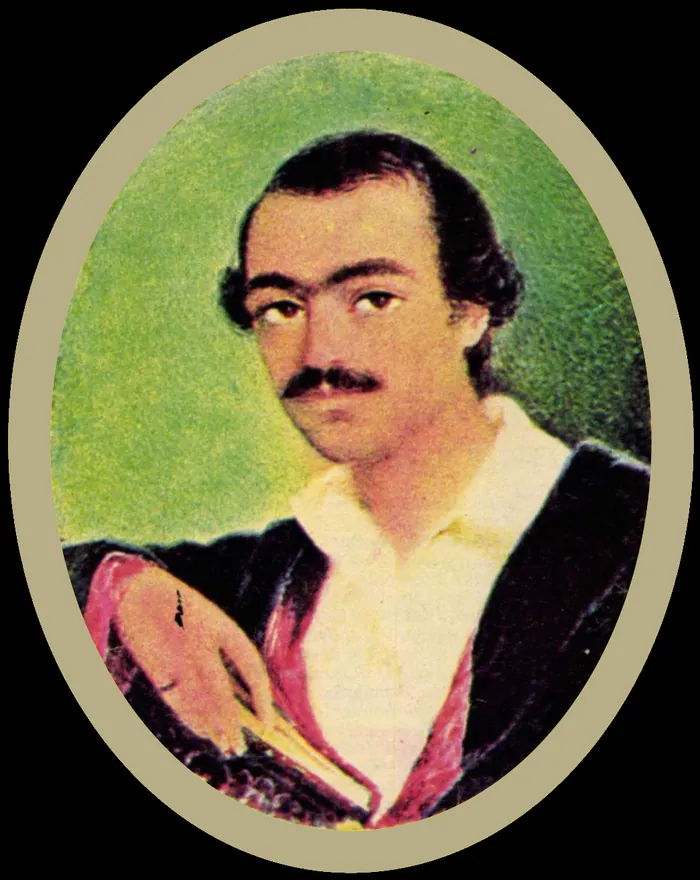

O. I 32 · O. I 216
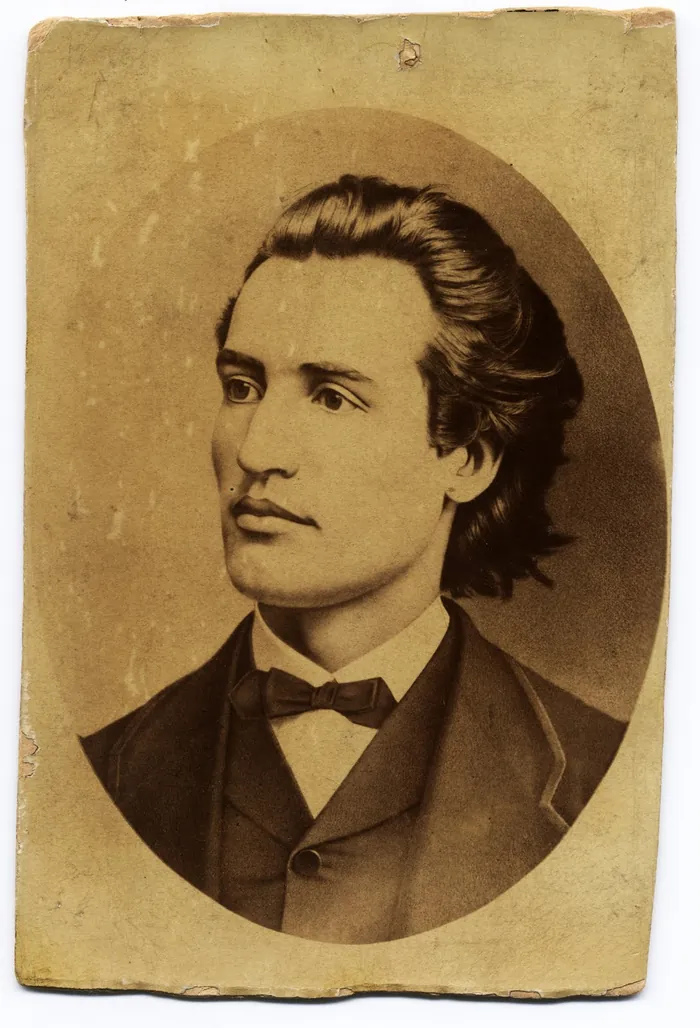
The poet
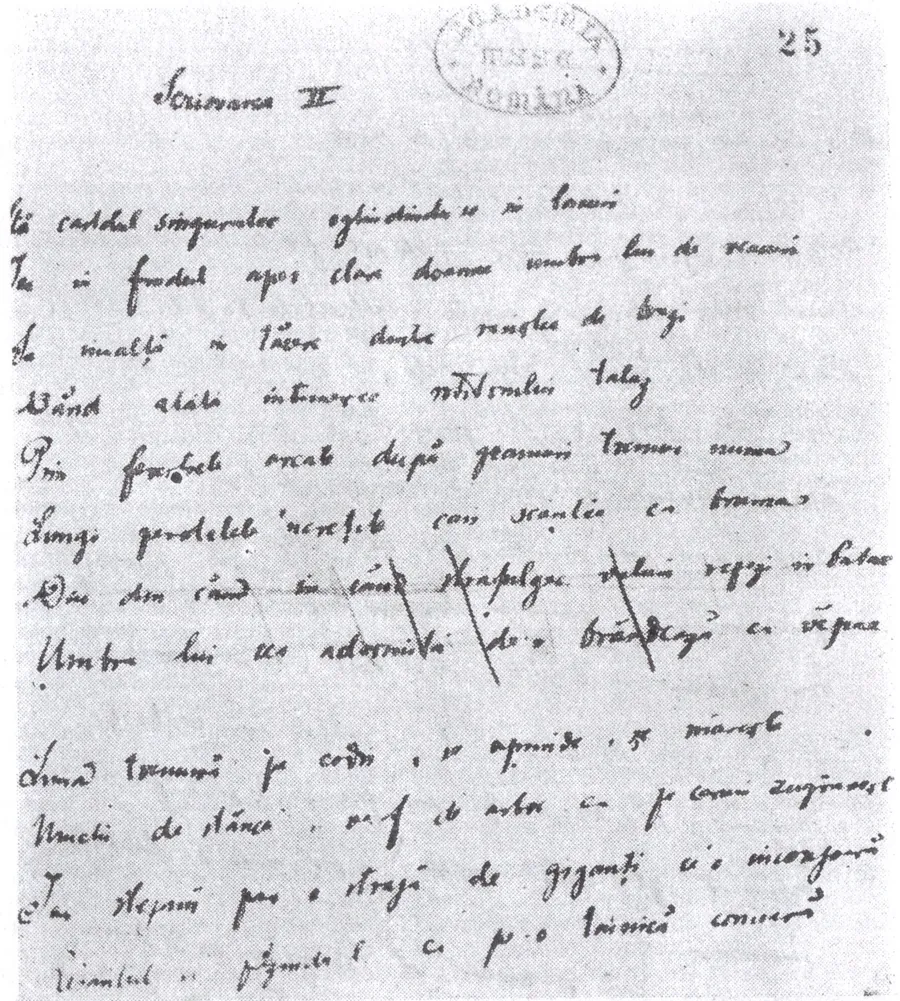
In “Epigonii”, Eminescu has Alecsandri sing the doina “from the leaves” (O. I 32) — the doina sung by the king of poetry himself. And “Mai am un singur dor” (O. I 216) carries dor to the seaside.
Ș-acel rege-al poeziei…
Ce din frunze îți doineșteMai am un singur dor:
În liniștea serii


1936
The philosopher
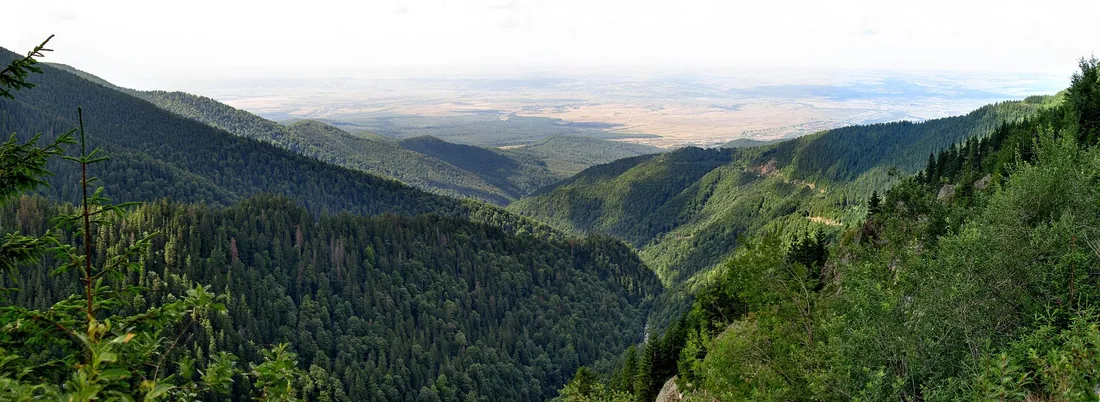
Blaga builds his mioritic space from the folk doina: Spațiul mioritic (Bucharest: Cartea Românească, 1936). The doina link is documented in Noema (2005).
.jpg)
2009 · 4.COM
The list
The doina joins the UNESCO Representative List: “Inscribed in 2009 (4.COM) on the Representative List of the Intangible Cultural Heritage of Humanity” (file 00192).
The numbers
0
certain parents of the doina
11 cards on the board, no final verdict
7
DEX senses for dor
from a single root of pain
Three myths
Each with the dictionaries' answer beside it.
Dor comes from dolor.
DER calls the derivation an error: Cipariu and Meyer “plecau în mod eronat de la lat. dolor”. The parent left standing: dolus.
REJECTED BY DER
The doina's link to Lithuanian daina is proven.
The dictionaries notice the parallel; nobody claims kinship. The weakest witness, Wiktionary, writes “compare perhaps”.
OPEN
Dor is the only untranslatable feeling.
The club admits on record saudade (Aulete), hiraeth (the Welsh dictionary) and toska (Nabokov, Ushakov).
OPEN
Sources
Dictionaries first, then records and studies. Every risky claim points at its source.
| ID | Claim | Source |
|---|---|---|
| C01 | DEX '09: seven senses of dor, down to “Lat. pop. dolus”. | DEX '09 |
| C02 | DER dor: Latin dolus, six authorities, Romance sister-forms. | DER (Ciorănescu) |
| C03 | DER dor: the named error — Cipariu and Meyer, from dolor. | DER (Ciorănescu) |
| C04 | MDA2 dor: TETRAEV. (1574) record; “E: ml dolus”. | MDA2 |
| C05 | DEX '09 doină: the definition and “Et. nec.”. | DEX '09 |
| C06 | MDA2 doină: “E: nct”, Asachi record. | MDA2 |
| C07 | DLRLC: the regional variants daină, dăină. | DLRLC |
| C08 | Scriban (1939): “perhaps from Middle German dôn, tôn”, the “litv. dainá” note. | Scriban |
| C09 | Șăineanu (1929): the exclamation of tenderness, “sinonimului litfan daină”. | Șăineanu |
| C10 | DER doină: daljina preferred, Hasdeu/Cihac/Scriban/Tiktin surveyed. | DER (Ciorănescu) |
| C11 | Wiktionary daina: *dainā and “compare perhaps Romanian doină”. | Wiktionary (tertiary) |
| C12 | UNESCO: the doina, 2009 (4.COM), Representative List, file 00192. | UNESCO ICH |
| C13 | Alecsandri: 1852 first fascicle, 1853 Doine și lăcrimioare, 1866 volume. | Chronology |
| C14 | Eminescu, “Epigonii” (O. I 32): the doina lines; DLRLC cites. | Wikisource, DLRLC |
| C15 | Eminescu, “Mai am un singur dor” (O. I 216): title and stanza. | Wikisource, DLRLC |
| C16 | Blaga, Spațiul mioritic (1936); the doina link (Noema, 2005). | Noema IV/1, JSTOR |
| C17 | saudade: “Sentimento evocatório…” (Aulete), from Latin solitate(m). | Caldas Aulete |
| C18 | hiraeth: “grief or sadness after the lost…” (GPC, via WLW, 2023). | GPC, We Learn Welsh |
| C19 | toska: Nabokov, the Onegin commentary, vol. 2 (1964); Ushakov. | Nabokov 1964, Ushakov |
| C20 | Bucharest–Vilnius: 1142 km (haversine, 44.43N 26.10E with 54.69N 25.28E). | page calculation |
| C21 | doini: verb recorded in Eminescu, O. I 32 (MDA2). | MDA2 |
We picked no winner. Every origin claim carries the dictionary that said it, the year it was said, and the exact words — including the word “unknown” where the dictionary stays silent. What the dictionaries only notice, the page only notices.
Type: Fraunces, Newsreader and Atkinson Hyperlegible, under the SIL Open Font Licence.