DRAGOSTE · DRAGOSTЬ · DRAGЪ
Why is love called dearness?
Dragoste comes from Slavic dragostь — “dearness”, from dragŭ “dear” + -ostь. Slavic still keeps the word for joy, charm, price; only Romanian keeps it for love, attested since 1561. And the verdict is written in dictionaries.
- 1561
- “dragostea lu Dumnezeu”, at Coresi
- 0×
- dragostь in the canonical Old Slavic texts
- 1871
- The Glossariu declares it dead — wrongly
The page machine
The thread, link by link
Seven links, three languages. Press each piece: see which language it comes from and which dictionary holds it. The RO/LA/SL labels show the language; the -ostь suffix is the thread itself.
dragoste today's Romanian RO
DEX '09: “– Din sl. dragostĭ” — with Slavic ĭ. Feminine noun, love. (DEX)
drag the dear one RO
DEX '09: “– Din sl. dragŭ” — loved, dear, priceless. MDA2: old “scump”. (DEX)
dragostь Old Slavic SL
ESSJa, V, p. 76: “*dorgostь… Производное с суфф. -ostь от прилаг. *dorgъ” — with no Slavic form cited. (ESSJa)
dragŭ the Slavic dear SL
Derksen, p. 113: “*dôrgъ… 'dear'… Etymology unclear” — OCS dragŭ “dear”. No PIE root. (Derksen)
ljubiti the rival SL
DEX, s.v. iubi: “– Din sl. ljubiti” — the second Slavic verb of love, on another thread. (DEX)
amor Latin LA
Glossariu 1871, p. 232: “DRAGOSTE, s. f., amor, caritas” — the proposed replacement. (Glossariu)
caritas Latin mercy LA
Same page: “amore, caritate, affectione” — the “curatu romanice” words called in. (Glossariu)
PIE does NOT enter the machine: Derksen says “Etymology unclear”, Vasmer “вероятно”, Brückner “Innych odpowiedników brak” — the root is missing with documents, not with a hole.
At home
From Coresi to the Bible: 1561–1688
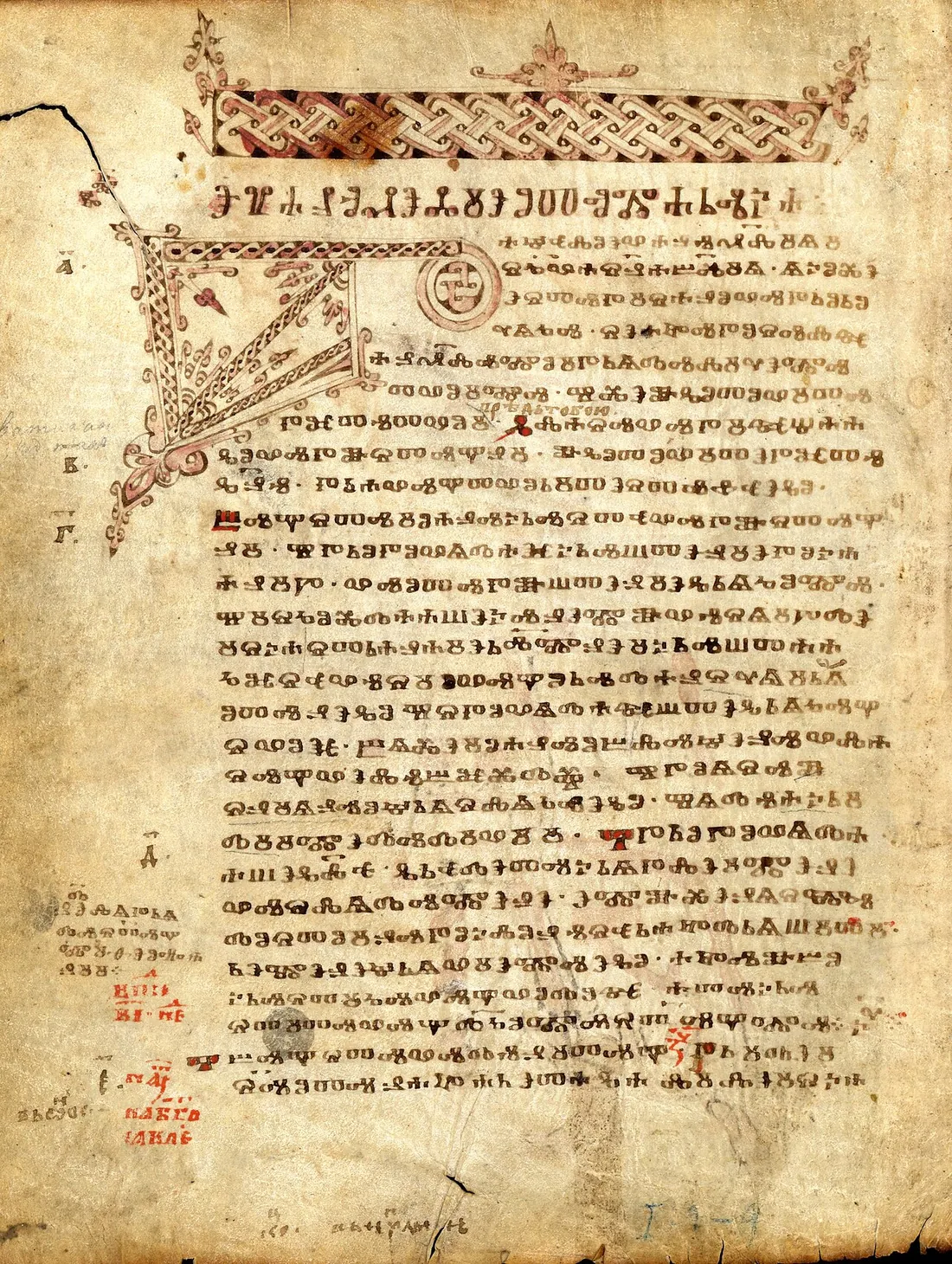
The 16th century speaks early — the Tetraevangelion cannot wait; from 1561, dragoste flows: missals, sermon books, psalms, bibles.
1561: the Tetraevangelion
Coresi, Brașov, Lk 11:42: “…trecut judecata și dragostea lu Dumnezeu”. Timuș ed. 1889, p. 147. The oldest citable page. (Coresi)
1570: the same press
The Missal: “și dragostea domnului și a tatălui… fie cu toți voi” (2 Cor 13:13). Same decade, another book — not “EV. 33”. (Coresi)
The drăg- family
a îndrăgi (Coresi, EV. 54); drăgăstos (Varlaam, Cazania 1643); drăgălaș (Dosoftei 1673); drăguț (Anon. Car., c. 1700). From dragoste + -os, from drag + -uț. (MDA2, DEX)
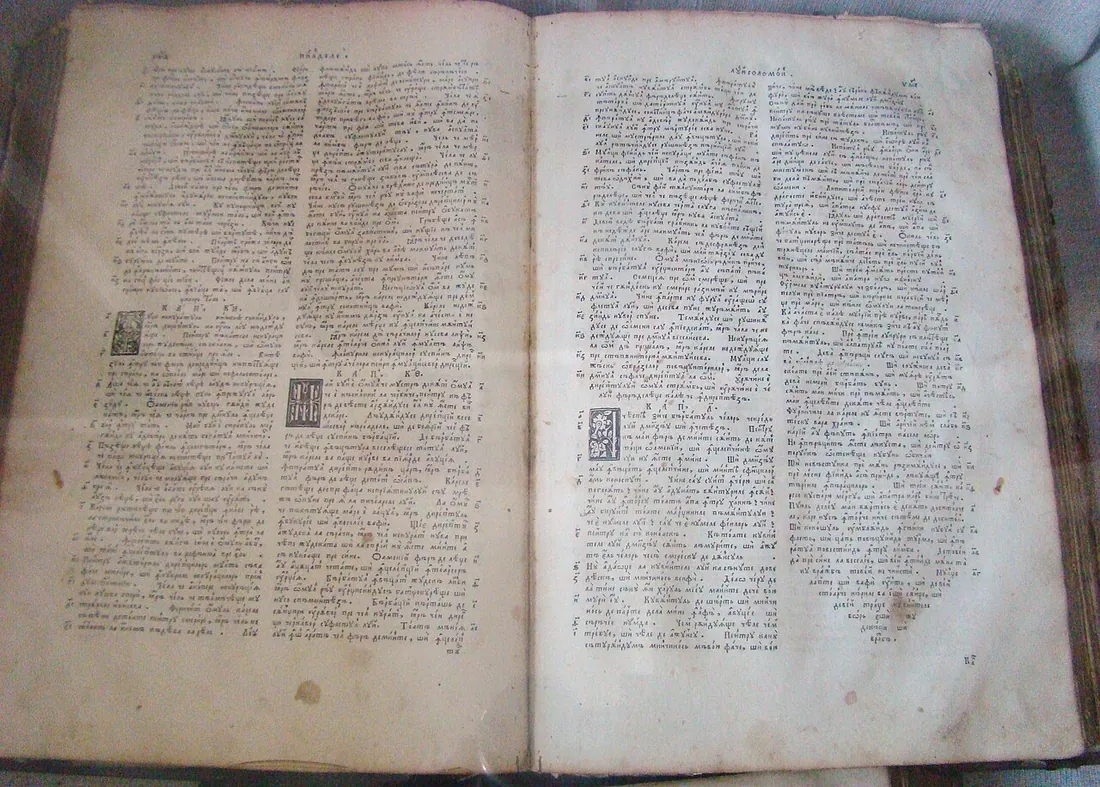
1688: the Bible
1 Cor 13: “…și dragoste nu am… Dragostea mult îngăduiaște…” (list 871); Song 8: “tare e ca moartea dragostea”. After the Latin scan, uncollated. (Biblia)
What was not found
Palia 1582: suspected, unquoted. Dosoftei: no verse with dragoste found. The “milostenie” sense: no dictionary gives it — the page does not claim it. (holes)

The same word, other senses
Cousins: joy, charm, price — anything but love
Eleven cousins, none of them in love: Bulgarian keeps joy, Serbian keeps charm, the East keeps price — or nothing.
South: joy and charm
Bg. драгост: “Приятно чувство, удоволствие, радост” — pleasant feeling, pleasure, joy; archaic and poetic (RBE). Cr. dragost: “…stanje ushićenosti” — a state of rapture (Školski). Sr. 1898, regional: “О радости, велика драгости!” (Vuk). Slovenian: “lastnost dragega” — the dearness of the dear (SSKJ). Joy, not love. (RBE, Školski)
Once amor: RJA
RJA, II: DRAGOST “aa) caritas, amor… ljubav” (Marulić, Kašić…) — literary Serbo-Croatian once touched love, in the 16th–18th centuries. The only touch — then the word withdrew toward charm. (RJA)
West: old price
Czech: *drahost asterisked only, the living word is drahota (SSJČ, PSJČ). Slovak: drahosť zero — drahota lives (Lingea). Polish: drogość “high price”, historical only (Doroszewski). Price, not love. (SSJČ, PWN)
East: a hole with witnesses
Russian: дорогость zero (Dahl, Ozhegov, Vasmer 404s) — дороговизна holds the slot. Ukrainian: “Слово 'дорогість' відсутнє в базі!” — дорожнеча stands. Belarusian: “ня знойдзена” — дарагавізна, дарагоўля stand. (Dahl, SUM, slounik)

Who heard the word
Four witnesses
From DEX to ESSJa and RJA: four dictionaries, each hearing one sense.
DEX: dragoste
“DRAGOSTE… I. Sentiment de afecțiune…; iubire, amor… – Din sl. dragostĭ.”
The explanatory dictionary, s.v. dragoste
The Romanian sheet: definition + Slavic ĭ. Love, in short.
DER: the three Slavics
“Sl. dragostŭ “minune”… cf. bg. dragostĭ “plăcere”, sb. dragost “conveniență”.”
Ciorănescu, DER, s.v. dragoste
The etymological drift: wonder → pleasure → convenience. Love is missing from the row.
ESSJa: the suffix verdict
“*dorgostь… Производное с суфф. -ostь от прилаг. *dorgъ…”
ESSJa, V, p. 76
Abstract from adjective, documented: joy, charm, dearness. No “amor”.
RJA: once amor
“DRAGOST aa) caritas, amor… ljubav (Marulić, Kašić…)…”
RJA, II
The only touch of love, in old literary Croatian. The nuance-witness.
Where we stand
What we know and what we reconstruct
Four drawers for the whole page: the thread, the stars, why it holds, and what stays open.
What we know
dragoste ← dragostь (direct loan, every dictionary) ← dragŭ “dear” + -ostь (ESSJa); the cousins keep joy, charm, price; Romanian attests from 1561, and Eng. love is on another table. Dor presupposes love + distance (DEX, no derivation).
What we reconstruct
*dorgostь, *dorgъ — starred, from ESSJa and Derksen; PIE: nothing — every source refuses, the page omits on purpose.
Why it holds
DEX + MDA2 + DER + Scriban + Șăineanu + CADE: the same loan; CCMH 0× (a southern donor, not OCS); RJA gives the nuance of the lost amor.
What stays open
“CORESI, EV. 33” vs 1561 — which is first?; COD. VOR. 190 — the text; Palia — suspected; “milostenia” — unattested.
Three stops
Three dates
The whole road on one rail: the old page, the hymn, the wrong verdict.
Coresi
1561
The Tetraevangelion, Brașov: “dragostea lu Dumnezeu” (Lk 11:42) — love with a year on it, for the first time.
stop at 1 of 3
Biblia
1688
Bucharest, 1 Cor 13: “Dragostea mult îngăduiaște” — the hymn of love, in Romanian.
stop at 2 of 3
Glossariu
1871
Bucharest, p. 232: dragostea “a căzut în desuetudine” — the wrong verdict, with the stamp beside it.
stop at 3 of 3
1570 the Missal · 1643 drăgăstos · 1673 drăgălaș · c. 1700 drăguț · 1929 Șăineanu.
The road of love
dragŭ
dear, in Slavic
dragostь
dearness
dragoste
love, at home
Where the thread tangles
Three question marks, no winner
The thread is solid — the datings are not. The page verdict: DISPUTED
1561 or “EV. 33”?
MDA2 says “At: CORESI, EV. 33”. The 1561 Tetraevangelion says “dragostea lu Dumnezeu” — earlier. Which edition is “EV.”? The page shows both datings, adjudicating neither.
OCS or South Slavic?
CCMH: dragostь 0× in five texts. Miklosich, p. 175: “драгость f. τιμιότης pretiositas” — with no manuscript siglum at all. ESSJa: no Slavic form. A verdict with the source beside it: a southern donor, not OCS proper.
And the PIE root?
Derksen: “Etymology unclear”. Vasmer: “вероятно”. Brückner: “Innych odpowiedników brak”. Trubachev: an expressive innovation. The page deliberately omits what the sources refuse.
No disputed link gets a single uncited truth on this page: the datings stand side by side, the donor stands south, the root stays out.
What is NOT disputed: the direct dragostь loan; the -ostь suffix on dragŭ; the years 1561–1688 — on these all sources agree.
Test yourself
Which is older?
Six landmarks from the page, shuffled. Set them from the oldest to the newest.
Move each card to its place, 1 to 6. Keys 1–6 move the chosen card; cards also drag by finger.
- 1688
Biblia: “Dragostea mult îngăduiaște”
Place - 1561
Coresi: “dragostea lu Dumnezeu”
Place - 1871
Glossariu: “fallen into desuetude”
Place - 1643
Varlaam: drăgăstos
Place - 1673
Dosoftei: drăgălaș
Place - 1570
The Missal: the same press
Place
Score: 0 of 6
The right order, oldest first:
- 1561 — Coresi: “dragostea lu Dumnezeu”
- 1570 — The Missal: the same press
- 1643 — Varlaam: drăgăstos
- 1673 — Dosoftei: drăgălaș
- 1688 — Biblia: “Dragostea mult îngăduiaște”
- 1871 — Glossariu: “fallen into desuetude”
The settled row: 1561 the Tetraevangelion, 1570 the Missal, 1643 drăgăstos, 1673 drăgălaș, 1688 the Bible, 1871 the Glossariu. “EV. 33” stands in the dispute, not in the game.
Sources
First the Slavic thread, then the Romanian years and the rivals; the neighbours last. Every risky claim points at its source.
The Slavic thread
- Derksen: *dorgъ, p. 113 (scan)
- Brückner: drogi, drogość (dictionary)
- Vasmer: дорогой (mirror)
- CCMH: the Old Slavic texts (corpus)
- RBE: драгост (dictionary)
The Romanian years
- Coresi, 1561: the Tetraevangelion (scan)
- The Bible, 1688 (scan)
- DEX '09: dragoste (dictionary)
- DEX '09: drag (dictionary)
- Glossariu, 1871, p. 232 (scan)
Love's rivals
Catalogue neighbours
- articolul-de-la-coada: the tail machine
- verbul-a-fi: the melting machine
- dușmanul-gând-rău: the autopsy
- gagiu: the two-box trial
- bogatul: the Slavic scales
- oastea: the Latin reversal
- sufletul-și-duhul: the bellows
- prietenul: the scale
Type: Fraunces and Source Serif 4, under the SIL Open Font Licence.