86–87From Romania to Britain
Rome buries 875,000 nails in Scotland#
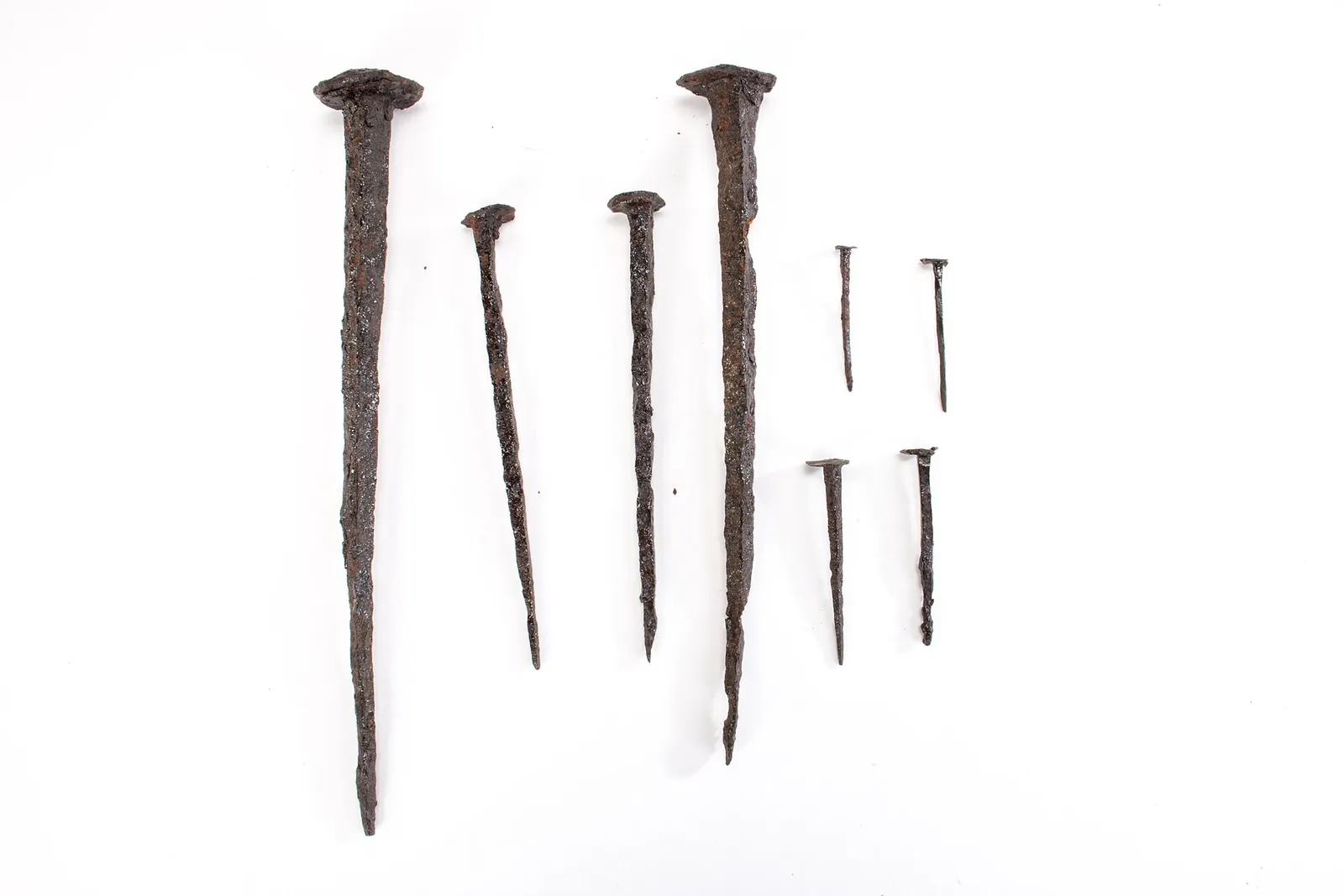
At Inchtuthil, in Perthshire, the Roman army began a legionary fortress and never finished it. Coins suggest the forts of northern Scotland were given up in late AD 86 or early 87; a museum catalogue dates the garrison’s withdrawal to between 87 and 90. Before leaving, the army buried about 875,000 iron nails.
Some historians connect the withdrawal with Domitian’s war against the Dacians, whose kingdom lay in what is now Romania. Troops were sent to that war from Britain, among them a legion, II Adiutrix. In a list of the disasters of those years Tacitus writes of “Britain subdued and immediately let go” and, a few words on, of the Dacians who “won fame by defeats inflicted and suffered”. He does not connect the two.
Tacitus, Histories 1.2; Hobley 1989; Davies 1977; ANU Classics Museum
106From Britain to Romania
A soldier from Leicester becomes a Roman citizen on the Dacian frontier#
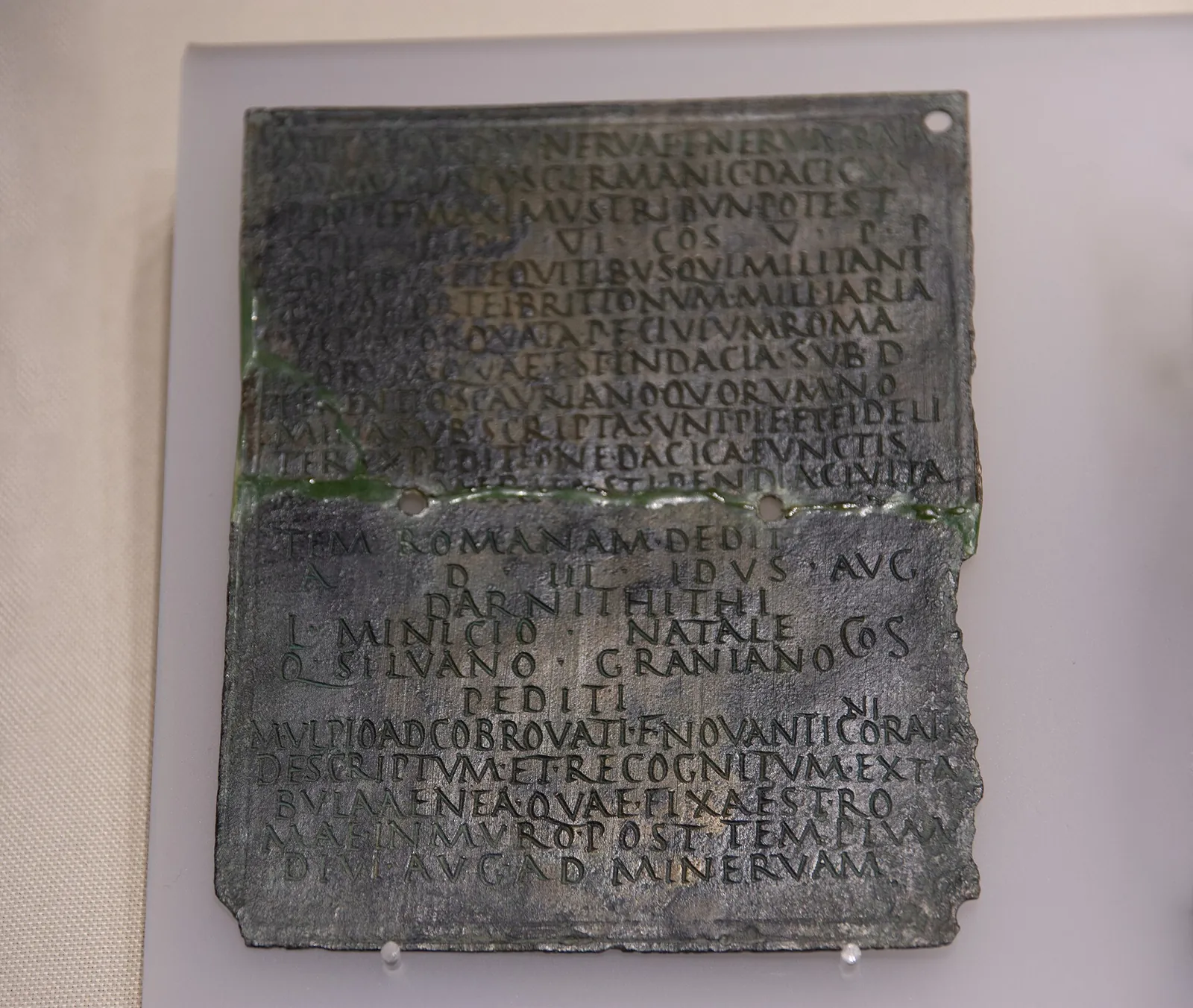
On 11 August 106, Marcus Ulpius Novantico, son of Adcobrovatus, from Ratae (today Leicester), a foot soldier in the First Cohort of Britons, was one of the men Trajan made Roman citizens before their service ended, for loyal conduct in the Dacian war. His bronze diploma was found at Porolissum, a Roman fort in Sălaj County, north-west Romania.
A second diploma, from Gherla in 133, may name another Briton: Sepenestus, son of Riv(i)us, whom a 2017 study reads as a Cornovian, a British people.
CIL XVI 160; Davies 1977; Ivleva 2012; RMD I 35; Dana 2017
205From Romania to Britain
Dacians on Hadrian’s Wall#
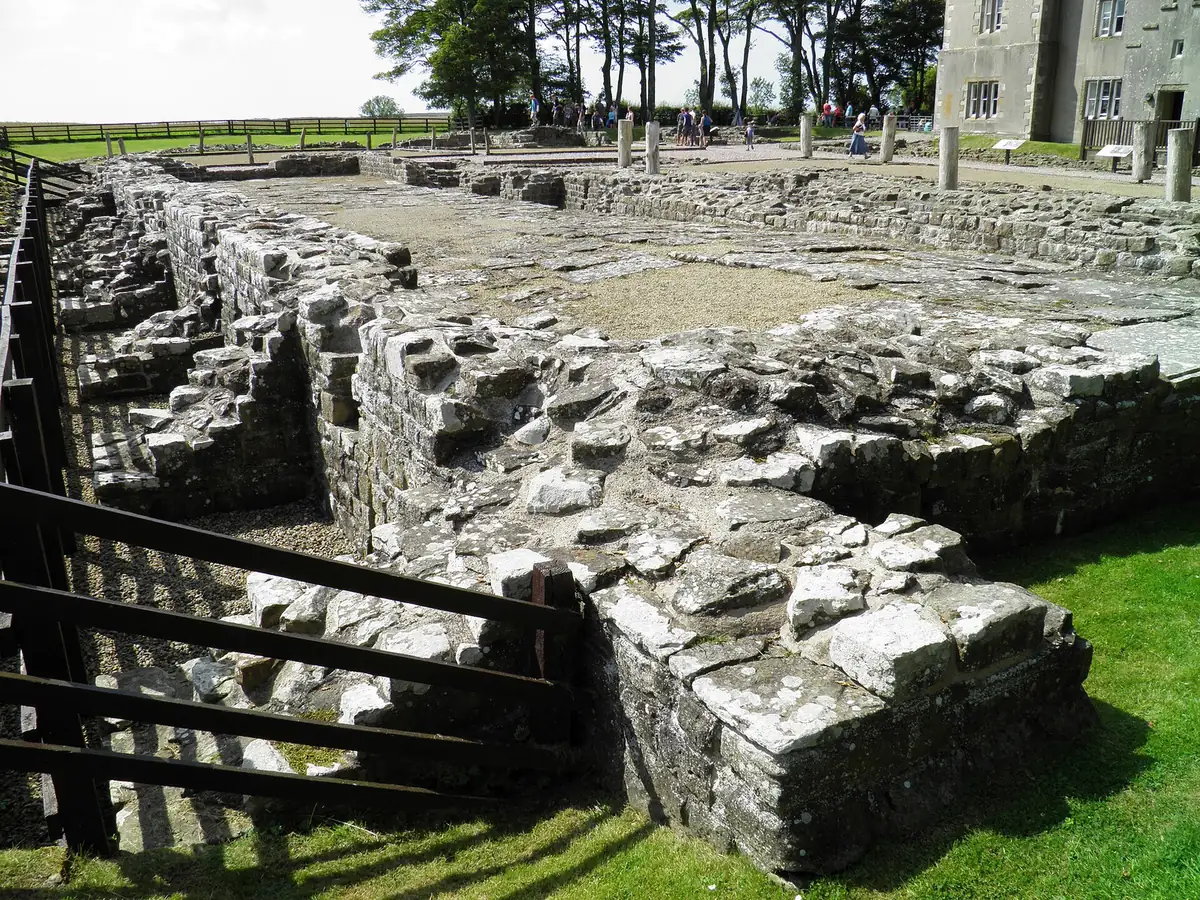
The First Aelian Cohort of Dacians was stationed at Birdoswald, on Hadrian’s Wall. The falx, the Dacians’ curved blade, is carved on stones that record buildings of AD 205–208, put up with a Thracian cohort, and of AD 219. A tombstone found just west of the fort remembers Decibalus, an infant, and Blaesus, aged ten; Decibalus is a Dacian name. At Inveresk, near Edinburgh, two dishes are scratched with the names Decibalus and Drigissa, both read as Dacian.
A unit’s name does not prove where its men were born, and by the third century many of its recruits were probably local.
RIB 1909, 1914, 1920; Brit. 43.35 and 43.36
275–1578Only in books
Thirteen centuries in which the Romanian lands appear mostly in English books#
After Rome gave up Dacia in the 270s, the Romanian lands appear in the English texts that the standard works cite mostly as names from old geography. An Old English version of Orosius, about 900, places the Dacians, “who were formerly Goths”, east of the Vistula lands. In Chaucer’s Book of the Duchess, about 1370, a lady is praised for not sending her suitors off “into Walakye”, one far-off place named among others.
One of the earliest English journeys on record through Moldavia and Wallachia is William Harborne’s, in September and October 1578, on his way to Constantinople.
Old English Orosius; Chaucer; Hakluyt, vol. V
1582–1610Both ways
A Moldavian pretender on the London stage#
In 1582 the London merchant John Newbery went up the Danube into Moldavia and wrote one of the earliest first-hand English descriptions of the country. In 1588 Prince Petru Șchiopul granted English merchants the right to trade there for a duty of three ducats in a hundred.
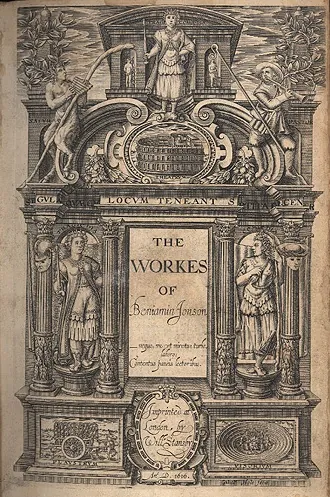
Ștefan Bogdan, a claimant to Moldavia’s throne, came to England in 1601 and again after 1606; James I wrote in support of his claim. In February 1610 the Venetian ambassadors reported that Lady Arbella Stuart, the king’s cousin, had complained of an allusion to her and “the Prince of Moldavia” in a comedy, and that the play was suppressed. Scholars identify it as Ben Jonson’s Epicoene. Bogdan announced in Venice in 1608 that he was engaged to her; how far she had agreed is debated.
Purchas, vol. VIII; Hakluyt, vol. VI; Țipău 2018; Calendar of State Papers, Venice
1848From Britain to Romania
The face of revolutionary Romania was a governess from Guernsey#
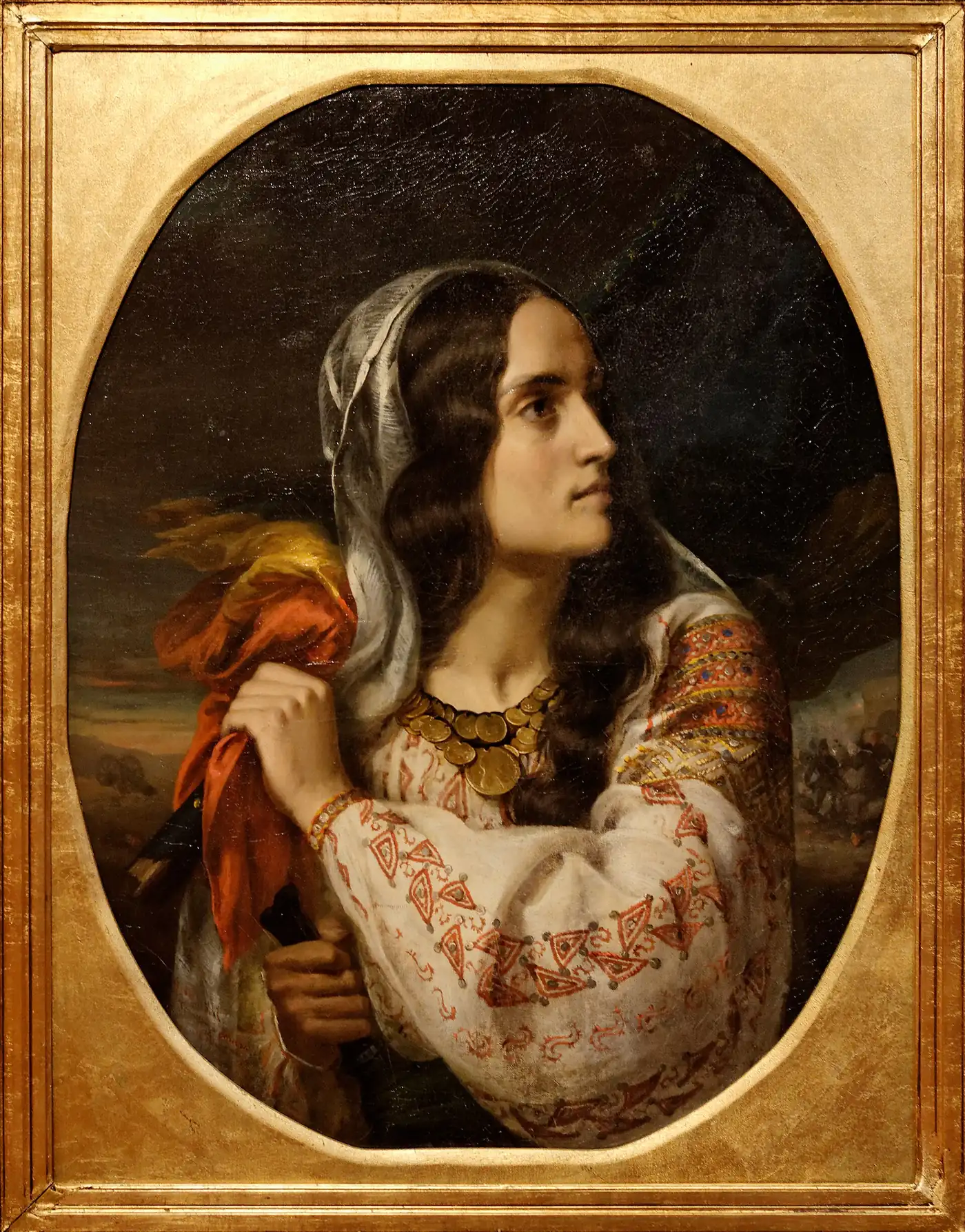
Marie Grant was born in Guernsey in 1819 and went to Bucharest as a governess. She met C. A. Rosetti there, later a leading Romanian revolutionary, and they married. In 1848, when he was arrested, she and the painter Constantin Daniel Rosenthal followed the ships along the shore. At Svinița, on the Danube, she persuaded the Austrian mayor that the Ottomans had overstepped their authority, the guards were got drunk, and the couple fled to France.
Rosenthal’s România revoluționară (about 1850), one of his best-known paintings, is also a portrait of her. The National Museum of Art of Romania, in Bucharest, holds it.
Priaulx Library, Guernsey
1916From Britain to Romania
Oil wells burned at Ploiești, a Scottish hospital at Medgidia#
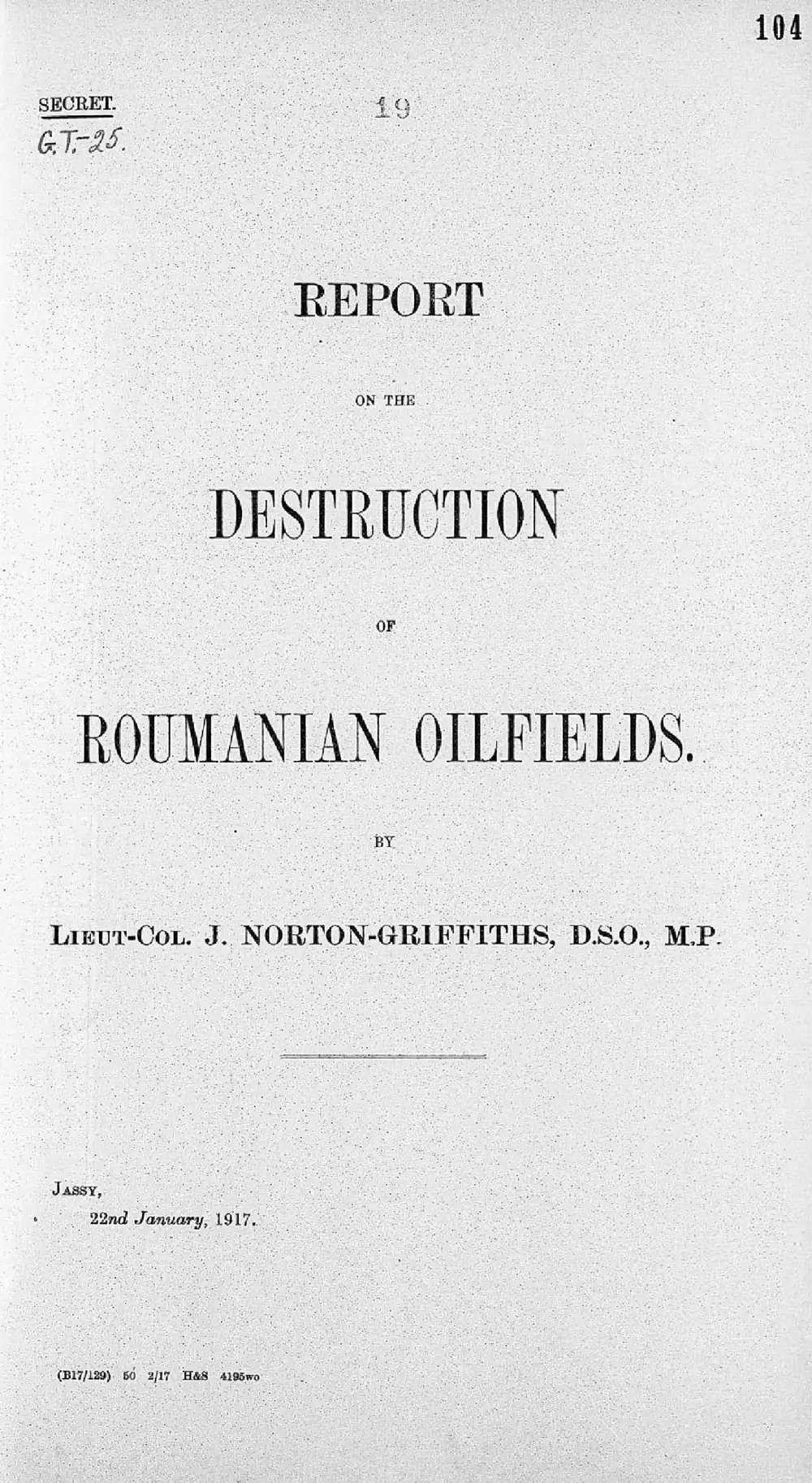
In December 1916, as German armies closed on Ploiești, the centre of Romania’s oil industry, a British-French-Romanian detachment led by the British officer John Norton-Griffiths destroyed or badly damaged hundreds of wells, tanks and refineries.
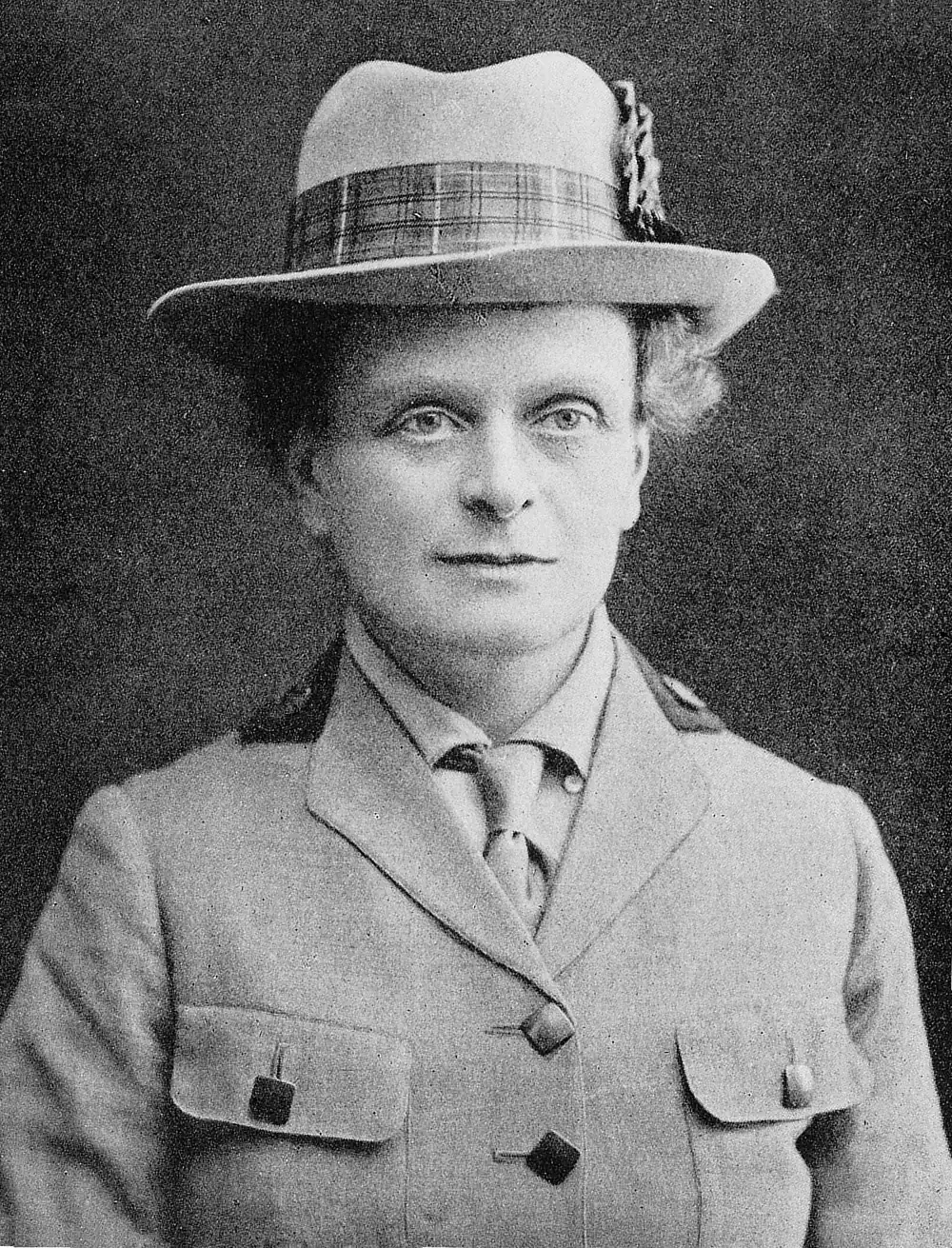
In 1916 a Scottish Women’s Hospitals unit led by Dr Elsie Inglis, attached to the Serbian Division, worked for three weeks at Medgidia, in Dobruja, then retreated to Brăila.
Golubinov; McLaren 1920
1939Both ways
A warning from a legation in London, a guarantee, a radio voice#
On 17 March 1939 Viorel Tilea, Romania’s minister in London, called on the US ambassador, who reported that Tilea said the German demands “really meant the end of Rumania”. Bucharest denied there had been an ultimatum, and historians still disagree about how far Tilea exaggerated. On 13 April Chamberlain told the Commons that if Greek or Romanian independence were clearly threatened and the government concerned chose to resist, Britain would lend “all the support in their power”. The BBC began broadcasting in Romanian in 1939.
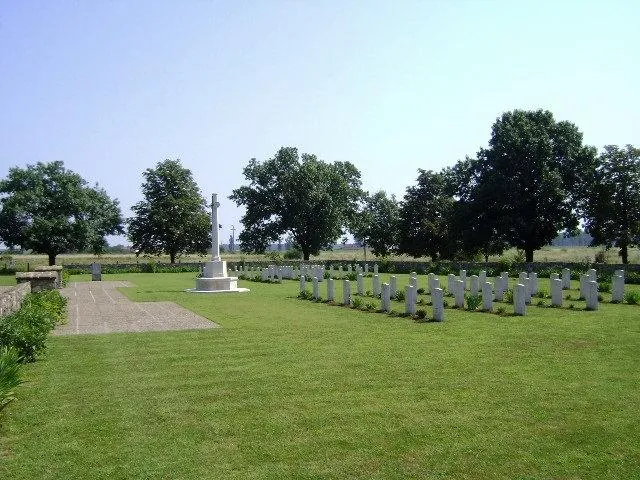
At Tâncăbești, north of Bucharest, the Commonwealth War Graves Commission looks after 83 Second World War graves, 81 of them airmen.
FRUS 1939, vol. I, doc. 67; Hansard, 13 April 1939; CWGC
1978From Britain to Romania
Jets designed in Britain, built in Bucharest#
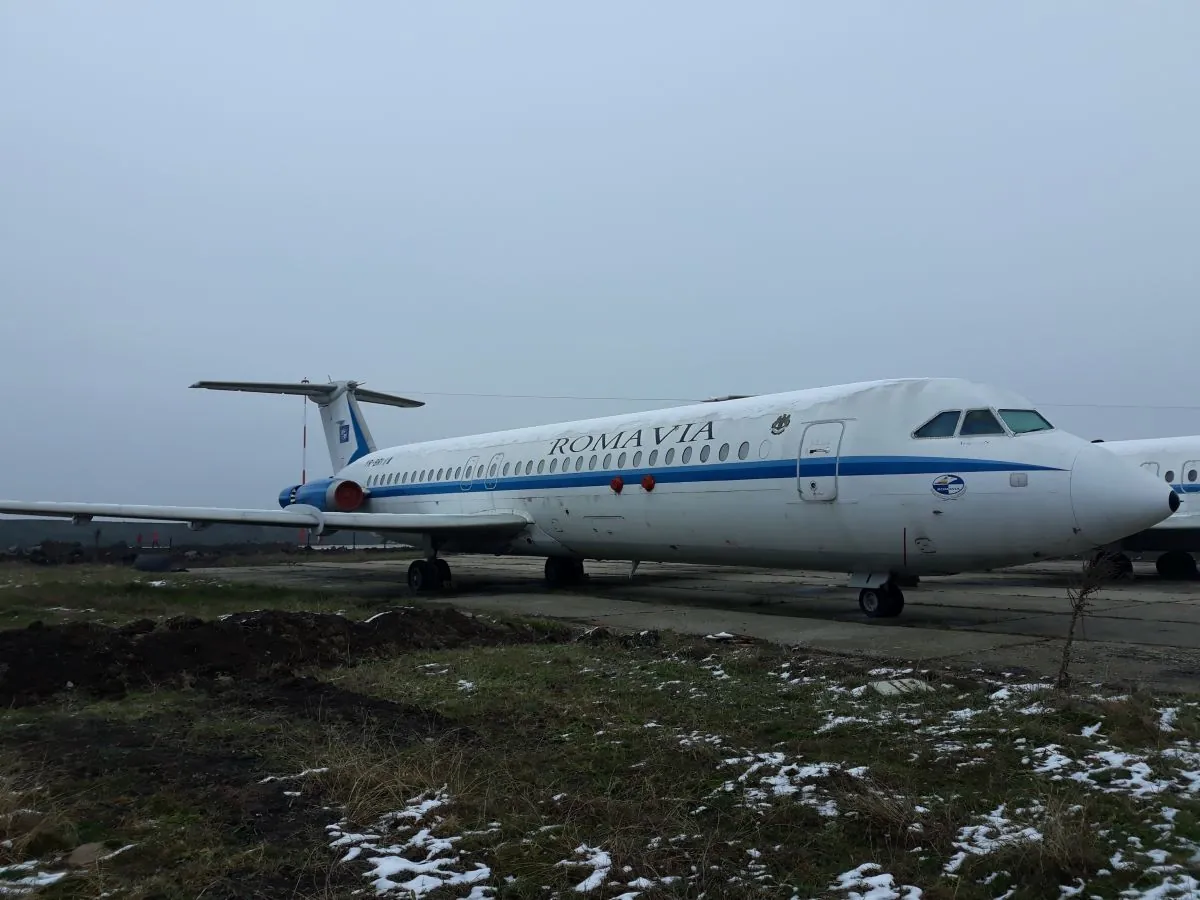
On 15 June 1978, during Nicolae Ceaușescu’s state visit to Britain, British Aerospace and the Romanian government signed an agreement for 82 BAC One-Eleven airliners to be produced in Romania by 1995, the early ones with British-supplied parts. The House of Lords was told it was worth over £300 million to Britain. Romania completed nine. The first flew at Bucharest on 18 September 1982, the last in April 1989.
Reference lists record that Ceaușescu was made an honorary Knight Grand Cross of the Order of the Bath in 1978 and that it was revoked in December 1989, the day before his execution.
Hansard, Lords, 21 June 1978; BAE Systems Heritage; Wikipedia (honours)
1990From Romania to Britain
The children of the orphanages, in a British A-level#
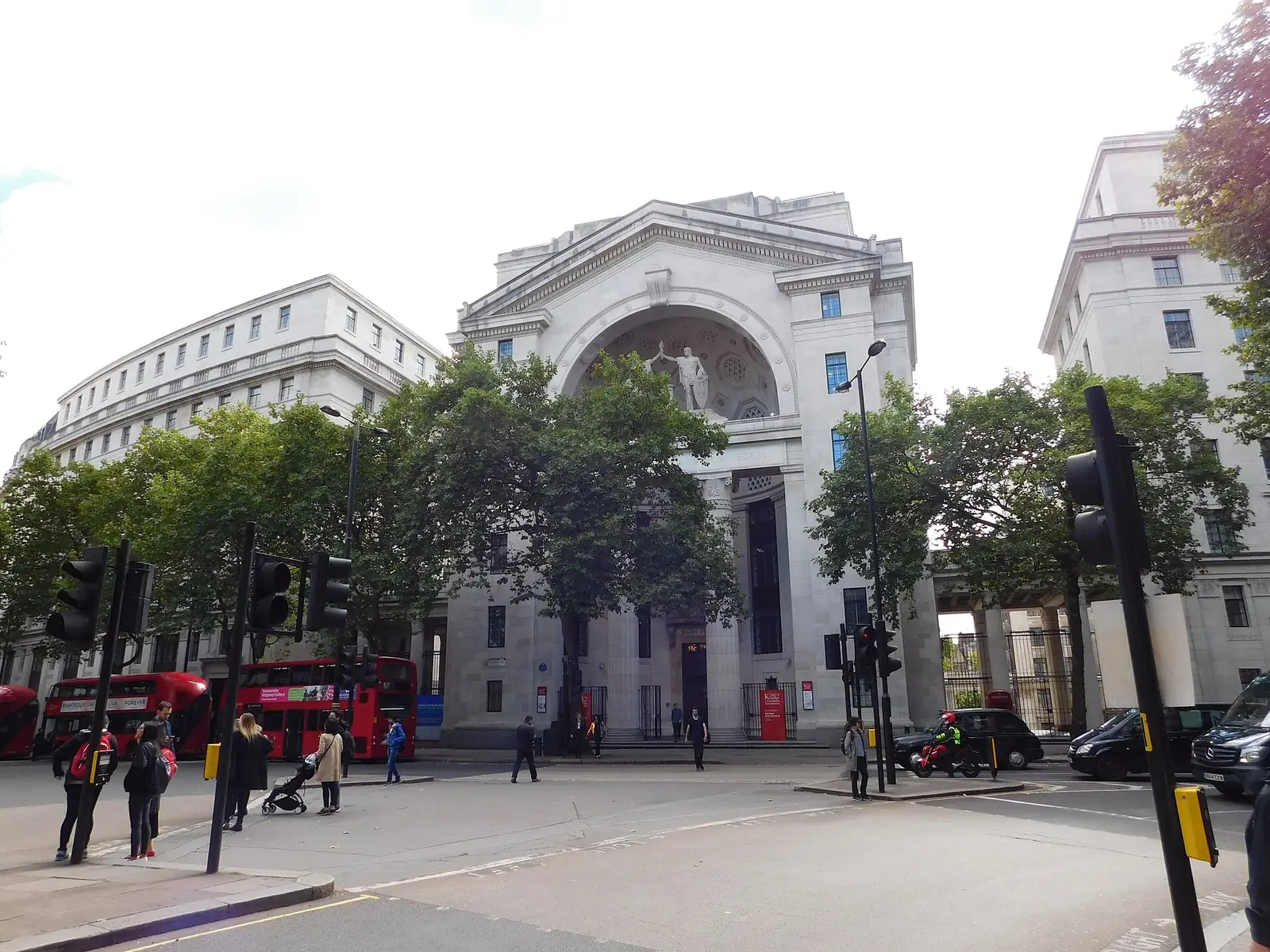
After the 1989 revolution, families in Britain adopted children from Romanian institutions, and researchers at King’s College London followed them into adulthood. Those who had spent more than six months in an institution were three to four times as likely as other adoptees to have emotional problems as adults; as a group, their IQ deficits had recovered.
“Romanian orphan studies” are named in the AQA specification for A-level Psychology, taught in England.
King’s College London, 2017; AQA 7181/7182
2014From Romania to Britain
The crossing: from one flight at Luton to half a million people#
On 1 January 2014, when work restrictions on Romanians in Britain ended, two MPs, Keith Vaz and Mark Reckless, went to Luton Airport to meet the morning flight from Romania. Most of its passengers already worked in Britain and were returning from Christmas at home.
The numbers that followed: in the year to March 2015, 152,360 National Insurance numbers were allocated to adult Romanian nationals, more than to any other nationality (allocations lag arrivals, so they include people who came earlier). At the 2021 census, 538,840 people in England and Wales had been born in Romania, against 79,687 in 2011, and 471,954 gave Romanian as their main language. Each circle on the map is one local authority, sized by its Romania-born residents.
HuffPost UK; DWP 2015; ONS Census 2011 and 2021
2026Both ways
A Romanian-built car at the top of the British charts, and a plane back on the Isle of Wight#
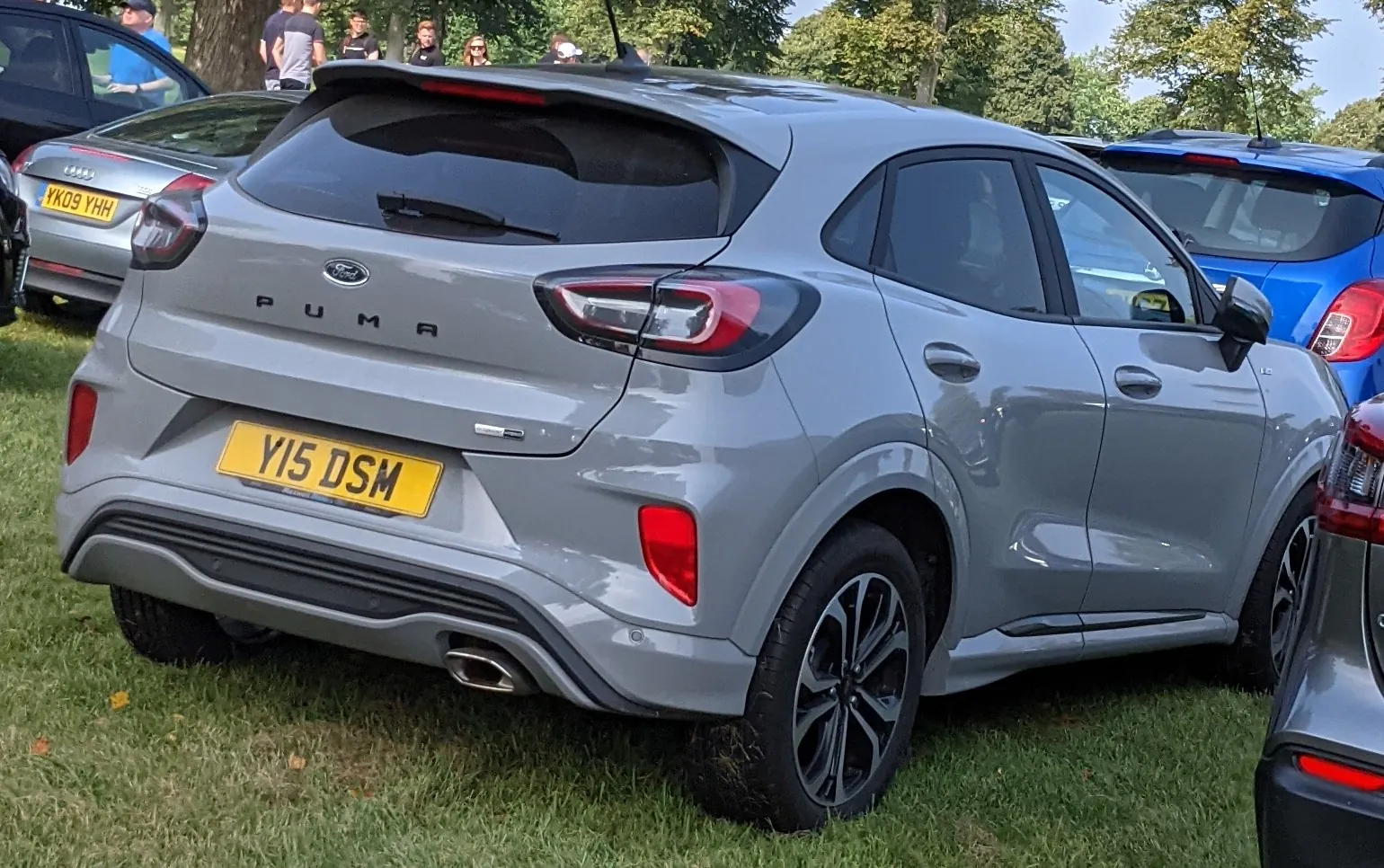
The Ford Puma, assembled at Ford Otosan’s plant in Craiova, was Britain’s best-selling new car in 2023, 2024 and 2025, says Ford, citing industry figures: 55,488 were registered in 2025. In July 2026 Britten-Norman rolled out at Bembridge, on the Isle of Wight, the first Islander built in Britain since 1968. Islanders were later built under contract in Bucharest by IRMA, now Romaero.
The BBC announced a pilot, BBC News România, to start on 23 June 2026, eighteen years after its Romanian service closed in 2008.
Ford, January 2026; The Aviationist, July 2026; BBC via AIB
All twelve traces are on the map now.
.jpg)

.jpg)


.jpg)

