TWO WORDS, TWO HISTORIES
How a Serbian village word became your vampire
Strigoi inherits Latin, through striga. Vampire comes from a Slavic word of disputed origin that travelled across Europe inside two Austrian reports on Serbian exhumations, in 1725 and 1732, and through the London press — then returned to Romanian as a French neologism.
The Latin heir
strigoi · Romanian
The Slavic traveller
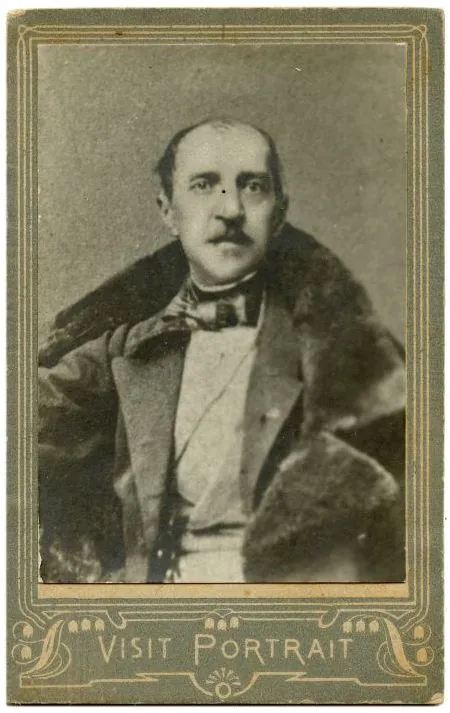
Bucharest · 1872
strigoi · Romanian — Vampiri · Bucharest · 1872
- 9 dead in 8 days
- Kisilova, 1725
- 26 January 1732
- Visum et Repertum, Belgrade
- 20 May 1732
- “Vampyres”, London
The map of words
Two indicative routes: the Latin inheritance, from Rome into the Romanian dialects, and the 1732 dispatch, from two Serbian villages to London and Paris. Each chapter moves the map; the other route fades.
- word
- strix – striga
- time
- Latin
- place
- Rome
Pick a dot on the map for its place record
The dispatch, stop by stop: 1725–1872
Chapter 1
Rome’s word
strix – striga · Latin · Rome
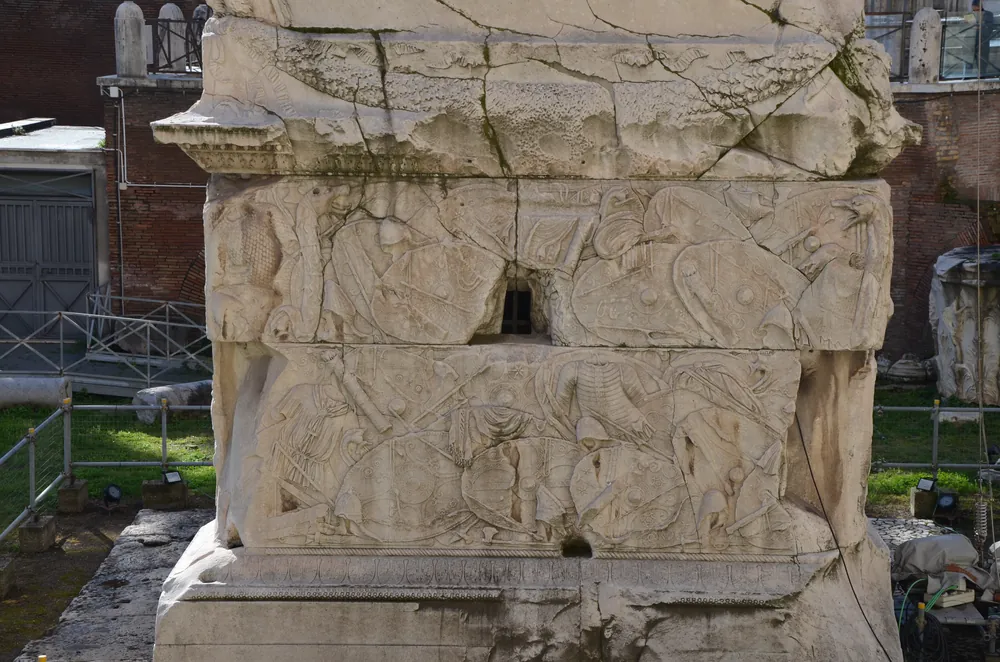
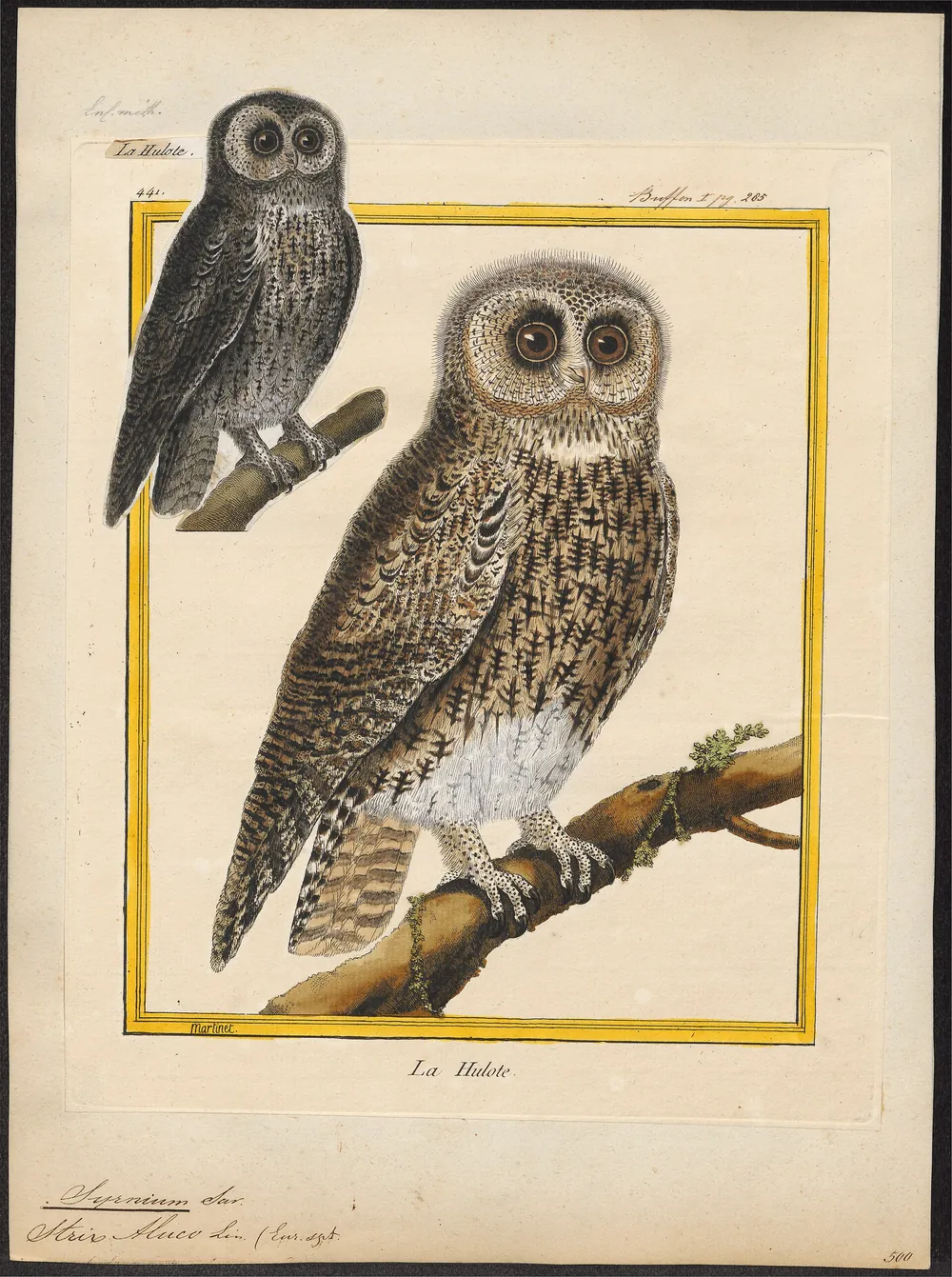
In Rome, strix began as a sharp-screeching night bird. In Late Latin, striga becomes an evil night spirit, a hag, a being craving human flesh and blood, especially infants’.
From the same root come Italian strega and stregone, French stryge, Polish strzyga (perhaps borrowed from Romanian itself), Hungarian sztriga and Albanian shtriga — plus the Romanian verb a striga, “to scream”.

Chapter 2
The inheritance
strigă – strigoi · dialects · Dacia – Romania
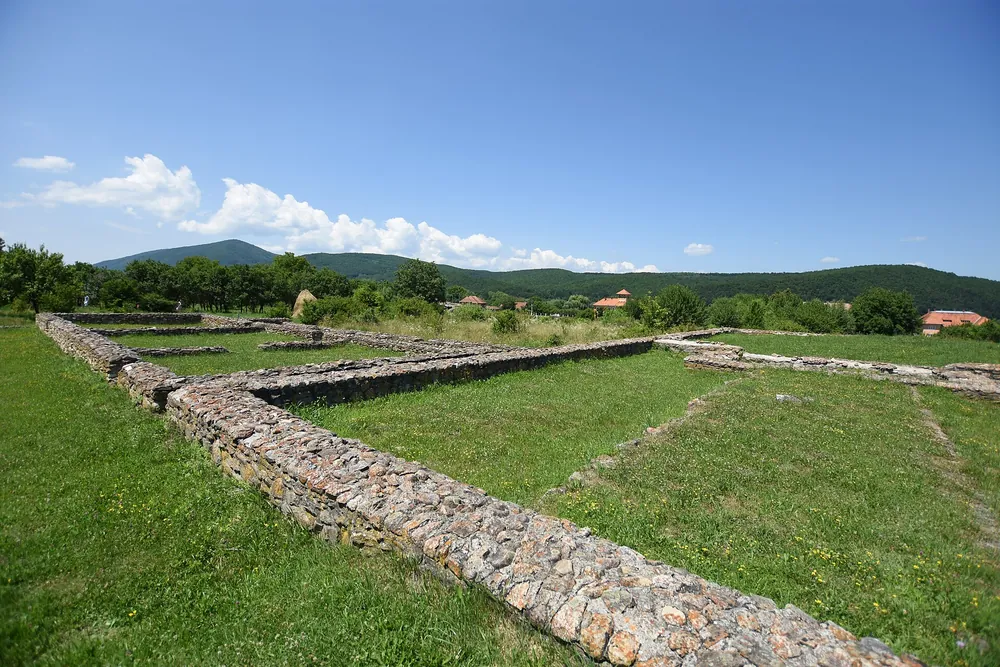
Romanian keeps Rome’s word and dresses it at home: strigă takes the augmentative suffix -oi and becomes strigoi. DEX ’98 gives the morphology in short: “Strigă + suf. -oi.”
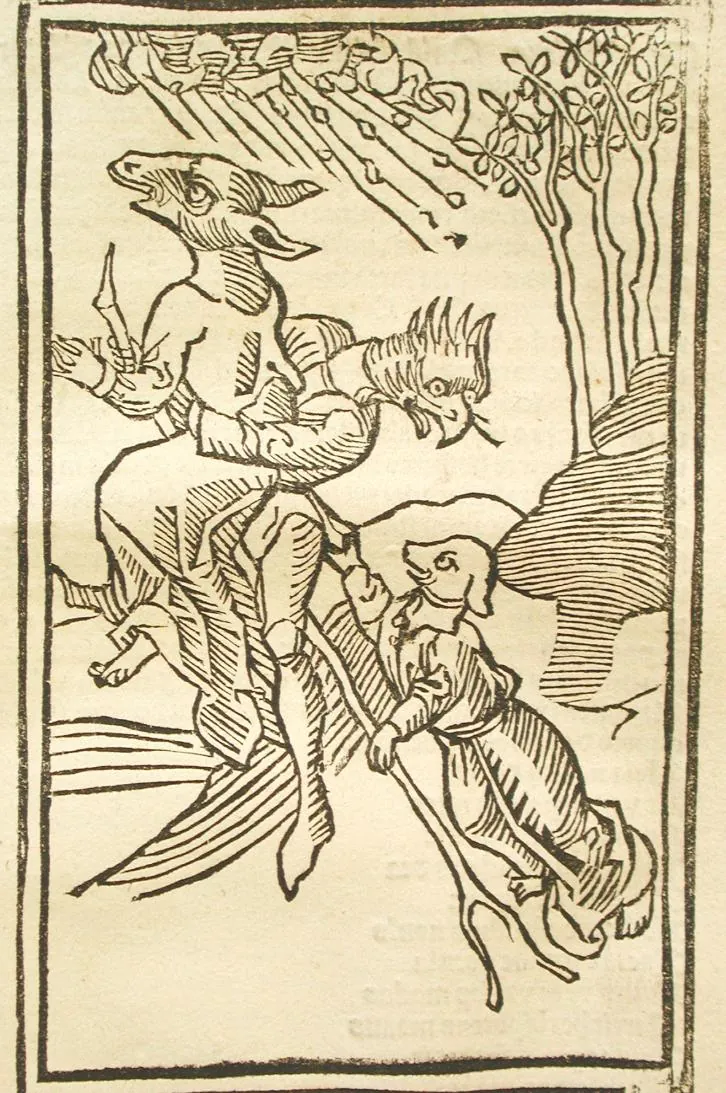
Meanwhile the medieval striga haunts the Western imagination as a flying witch, and the cognate forms spread from Italy to Poland and Albania.


Chapter 3
The hinge
vàmpīr – Vampir · 1725 – 1732 · Kisilova – Belgrade
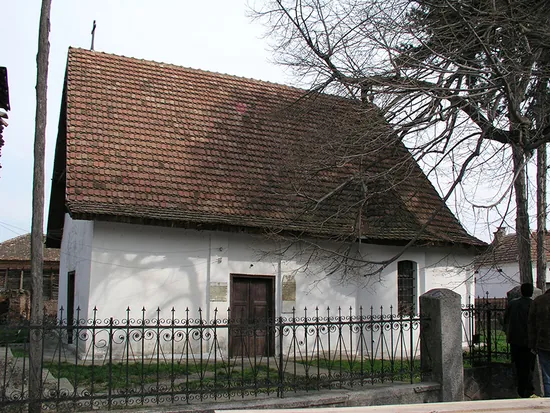
Between 1718 and 1739, northern Serbia sits under direct Austrian rule, with military government from Vienna. In the border villages people die in waves, and the villages demand exhumations.
At Kisilova, 1725: Petar Blagojević dies, and within eight days nine people die after day-long illnesses; the dying say he strangles them at night. The Imperial Provisor Ernst Frombald sees the undecomposed body, blood in its mouth, and burns it after the stake draws “completely fresh” blood.
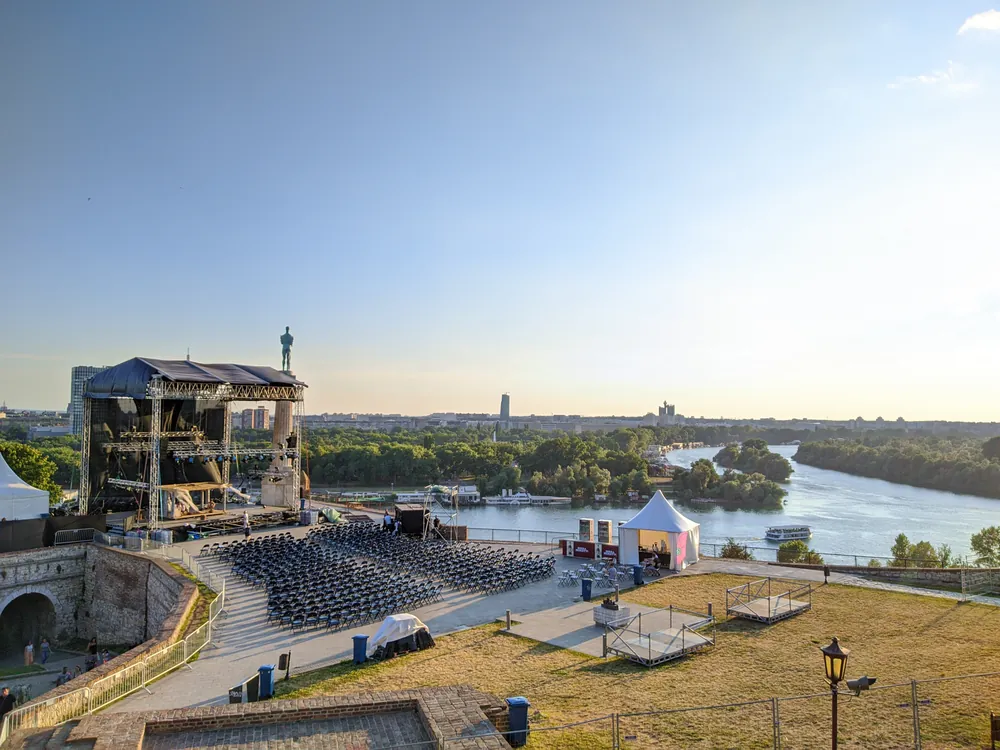
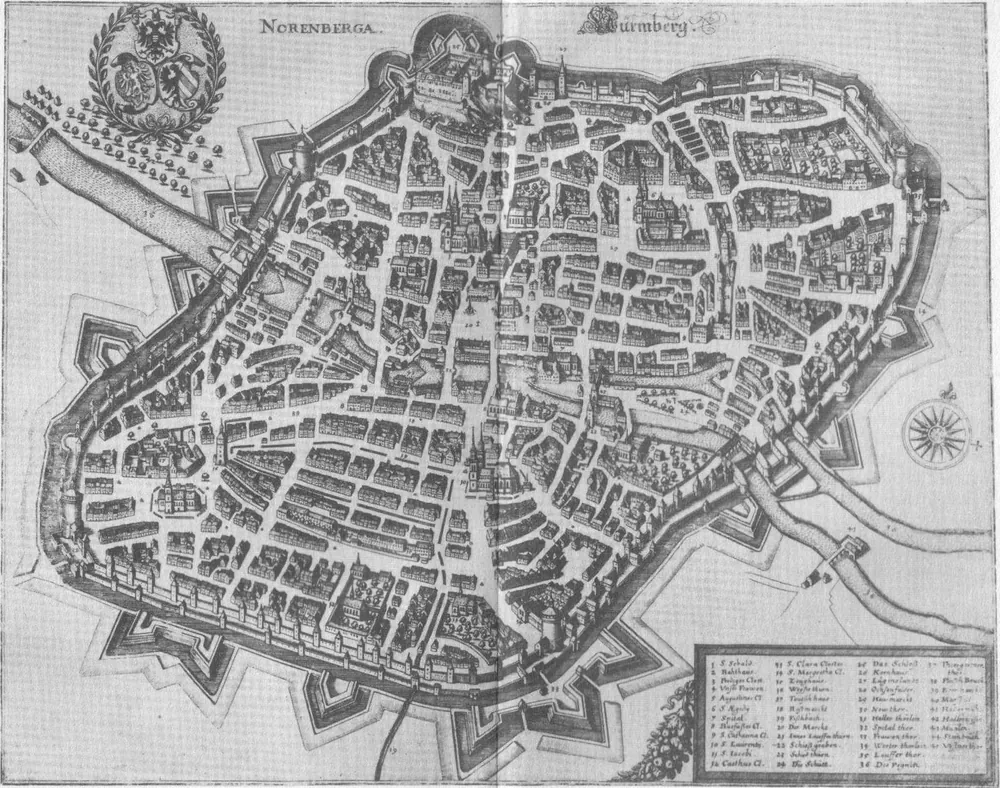
At Medveđa, winter 1731–1732: the second wave. Arnold Paole had died around 1726, fallen from a haywagon; the grave opened forty days on shows an undecomposed body, fresh blood run from eyes, nose, mouth and ears. The surgeons Glaser and Flückinger write reports; the latter, Visum et Repertum, is signed at Belgrade on 26 January 1732 and printed at Nuremberg the same year.


Chapter 4
The dispatch
Vampir – Vampyres – vampire · 1732 · Belgrade – London – Paris
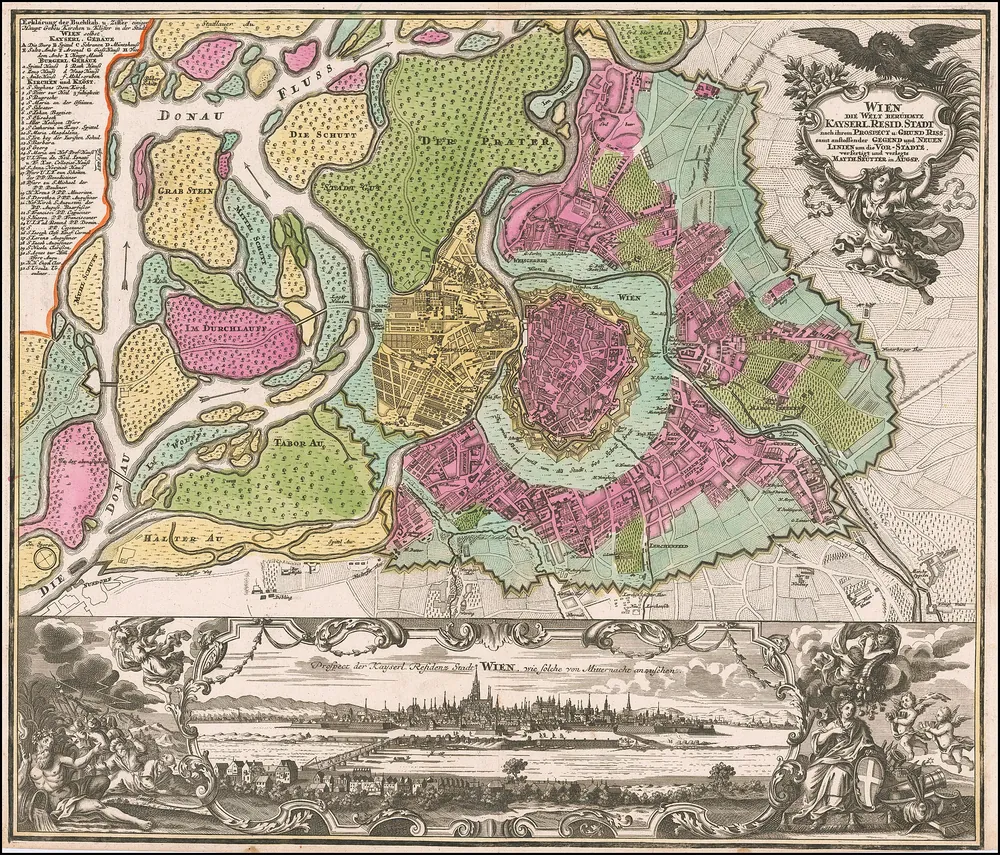
The reports are translated West and North and feed the century’s vampire scare in Germany, France and England. The 1725 account is printed in the Wienerisches Diarium; Visum et Repertum is printed at Nuremberg in 1732.
The earliest known English print use comes from The London Journal, 20 May 1732: “…certain dead Bodies (call’d there Vampyres) had kill’d several Persons by sucking out all their Blood…” — the dead of “Medreyga” had killed several people, sucking out all their blood. The German form Vampir passes through French and becomes English vampire.
One link stays uncertain: the detour through Hungarian, mentioned by some dictionaries, is contested. On the map, the leg from Buda appears dashed.





Chapter 5
The homecoming
vampire – vampir · after 1732 – 1872 · Paris – Bucharest
Romanian borrows the traveller back — DEX ’98 gives “Din fr. vampire, germ. Vampir.” (“From French vampire, German Vampir.”) The first Romanian attestation is unknown; literary use is certain by 1872, when Negruzzi writes “Vampiri, stafii și balauri, strigoi” — both words in a single line.
Meanwhile strigoi stays the folk word, inherited from Rome. On what people did about strigoi, the dedicated atlas writes: strigoi-atlas: what people did about strigoi.


The dispatch, in brief
- 1725 vàmpīr Kisilova
- 1732 Vampir Belgrade, 26 January
- 1732 Vampir Vienna, Wienerisches Diarium
- 1732 unknown form Nuremberg, printed
- 20 May 1732 Vampyres London, The London Journal
- after 1732 vampire Paris, date unknown
- 1872 Vampiri Bucharest, Negruzzi
All places — Every dot on the map, with its wordform and chapter.
Rome — strix – striga, Latin
The night bird becomes an evil spirit; the Latin route starts here.
Italy — strega, stregone, cognate
The Italian form of the same Latin root.
Ulpia Traiana — strigă, Roman Dacia
Latin takes root in Dacia; the word dresses in Romanian.
Romanian dialects — strigoi, Romanian
Strigă plus -oi: the folk word, kept to this day.
Kraków — strzyga, uncertain kinship
The Polish form — one etymological dictionary derives it possibly from Romanian.
Buda — sztriga, cognate
The Hungarian form — and the dashed leg toward Vienna marks the contested link in the vampir chain.
Tirana — shtriga, cognate
The Albanian form of the same Latin root.
Kisilova — vàmpīr, 1725
Nine dead in eight days; Frombald’s report, printed in the Wienerisches Diarium.
Medveđa — vàmpīr, 1731–1732
The second wave; the Glaser and Flückinger inquiries.
Belgrade — Vampir, 26 January 1732
Visum et Repertum is signed here.
Vienna — Vampir, 1732
The military government and the Wienerisches Diarium carry the word onward.
Nuremberg — unknown form, 1732
Visum et Repertum is printed here; the exact form does not appear in our sources.
London — Vampyres, 20 May 1732
The London Journal: the earliest known English print use.
Paris — vampire · stryge, after 1732
French gives the form that reaches English and, later, Romanian. Stryge, striga’s French kin, lives here too.
Bucharest — Vampiri, 1872
Negruzzi writes both words in one line.
The definitions, side by side
Two DEX ’98 entries hold the whole difference: one inherits, the other borrows.
strigoi n.
„Sufletul unui om (mort sau viu) care s-ar transforma în timpul nopții într-un animal sau într-o apariție fantomatică, pricinuind neajunsuri celor pe care îi întâlnește; p. ext. om născut într-o zodie nefavorabilă…“
“The soul of a (dead or living) person that would turn at night into an animal or a ghostly apparition…”
Strigă + suf. -oi.
vampir n.
„VAMPIR, vampiri, s. m. … – Din fr. vampire, germ. Vampir.“
(“From French vampire, German Vampir.”)
One shows the Latin root; the other the French loan. Romanian quotations translated by Marius Comper.
Strigoi or vampire?
Eight quotations, two words. Pick the Latin heir or the Slavic traveller, then read the answer with its source.
1
„Sufletul unui om (mort sau viu) care s-ar transforma în timpul nopții…“
“The soul of a (dead or living) person that would turn at night…”
2
„Din fr. vampire, germ. Vampir.“
(“From French vampire, German Vampir.”)
3
„…certain dead Bodies (call’d there Vampyres) had kill’d several Persons by sucking out all their Blood…“
Answer
The London Journal, 20 May 1732: the earliest known English print use.
4
„fresh blood had flowed from his eyes, nose, mouth, and ears“
Answer
Arnold Paole’s body, exhumed forty days on — Flückinger’s inquiry as the source article relates it.
5
„…completely fresh blood… through the ears and mouth“
Answer
Blagojević’s body at the staking — Frombald’s account as the source article relates it; Kisilova 1725.
6
„Vampiri, stafii și balauri, strigoi“
“Vampires, phantoms and dragons, strigoi”.
Answer
The trick: Negruzzi sets both words in one line, in 1872. Either choice is half right.
7
„Strigă + suf. -oi.“
(“Strigă + the suffix -oi.”)
8
„Proto-Slavic *ǫpyrь… possibly from Proto-Turkic“
Answer
The catch: past *ǫpyrь the origin stays disputed — the Turkic hypothesis *ōpur or a native Slavic construction.
0 of 8 — pick one per quotation.
The numbers, each with its source
Medveđa sends several counts; each stays with its report. No blended total.
- 9
- dead in eight days
- Kisilova 1725 · Frombald
- 8
- days, the Kisilova wave
- Frombald
- 4
- dead in 20–30 days
- Medveđa, first wave
- 40
- days to Paole’s exhumation
- Flückinger
- 13
- dead in six weeks, by 12 December
- Glaser
- 10+
- dead in a few weeks
- Medveđa, second wave
- 26
- January 1732, Visum et Repertum
- Belgrade · Flückinger
- 20
- May 1732, “Vampyres”
- The London Journal
- 1718–1739
- Austrian Serbia
- Passarowitz – Belgrade
- 1872
- “Vampiri” in Negruzzi
- DLRLC
Four common mistakes
„Vampire is an old Romanian word.“
DEX derives it from French and German: a nineteenth-century neologism. The old Romanian word is strigoi, from Latin.
„Strigoi means Dracula’s vampire.“
The folk strigoi is a troubled spirit — living or dead, not necessarily a blood-drinker. The blood-drinking undead is the Serbian vampir complex that entered Western print in 1732.
„We know where vampire comes from.“
Past Proto-Slavic *ǫpyrь the origin is disputed: the Turkic hypothesis *ōpur or a native Slavic construction. Whoever states one origin as fact overstates.
„The 1725 and 1732 cases prove vampires.“
The Austrian reports show what the officials saw and did. Modern readings lay the bodies’ appearance to decomposition.
What we don’t know (said aloud)
- The first French use of vampire has no date in our sources; the map’s Paris stays yearless.
- The first Romanian attestation of “vampir” is unknown; only Negruzzi’s 1872 line is certain.
- Past *ǫpyrь, the origin of vampir is disputed — a Turkic hypothesis or a Slavic construction.
- The detour through Hungarian is contested; the map’s leg from Buda appears dashed.
- Medveđa’s numbers differ between Glaser and Flückinger; the page keeps each count with its source.
- The exact form printed at Nuremberg in 1732 does not appear in our sources; the leg appears dashed.
- A much-quoted superlative about Istria stays out: the article does not support it.
- An etymology note in a recent Romanian dictionary looked wrong; we do not use it.
- The paywalled English historical dictionaries were not consulted; we say “earliest known use”, not “first attestation”.
- Two much-cited early Romanian attestations — Cantemir and the Lexicon Marsilianum — were not verified at the source; we do not cite them.
Sources
Dictionaries first, then reports, then background. The links below reach the cited pages. Romanian quotations translated by Marius Comper.
Dictionaries
Reports and press
- Petar Blagojević (EN-wiki)
- Peter Plogojowitz (DE-wiki)
- Arnold Paole (EN-wiki)
- The Medveđa panic, at length
- The echo of the eighteenth-century scare
Background
- Strigoi (EN-wiki, etymology)
- Austrian Serbia 1718–1739 (through Arnold Paole)
- What people did about strigoi: strigoi-atlas
Type: Fraunces, Source Serif 4 and Atkinson Hyperlegible, under the SIL Open Font Licence.
Images come from Wikimedia Commons; every figure names its author and licence.