FROM THE DEAD LANGUAGE, IN YOUR MOUTH
How many Dacian words did you speak today without knowing?
The Dacian language left no text behind. It did leave words you say every day — barză, brad, mazăre — inherited from the layer beneath the Romans. Twelve stand on this page, each with its Albanian mirror and the dictionary's verdict.
- 12
- words with an Albanian mirror and a dictionary verdict
- about 90
- stand firm on strict criteria; about 160 on loose ones
- about half
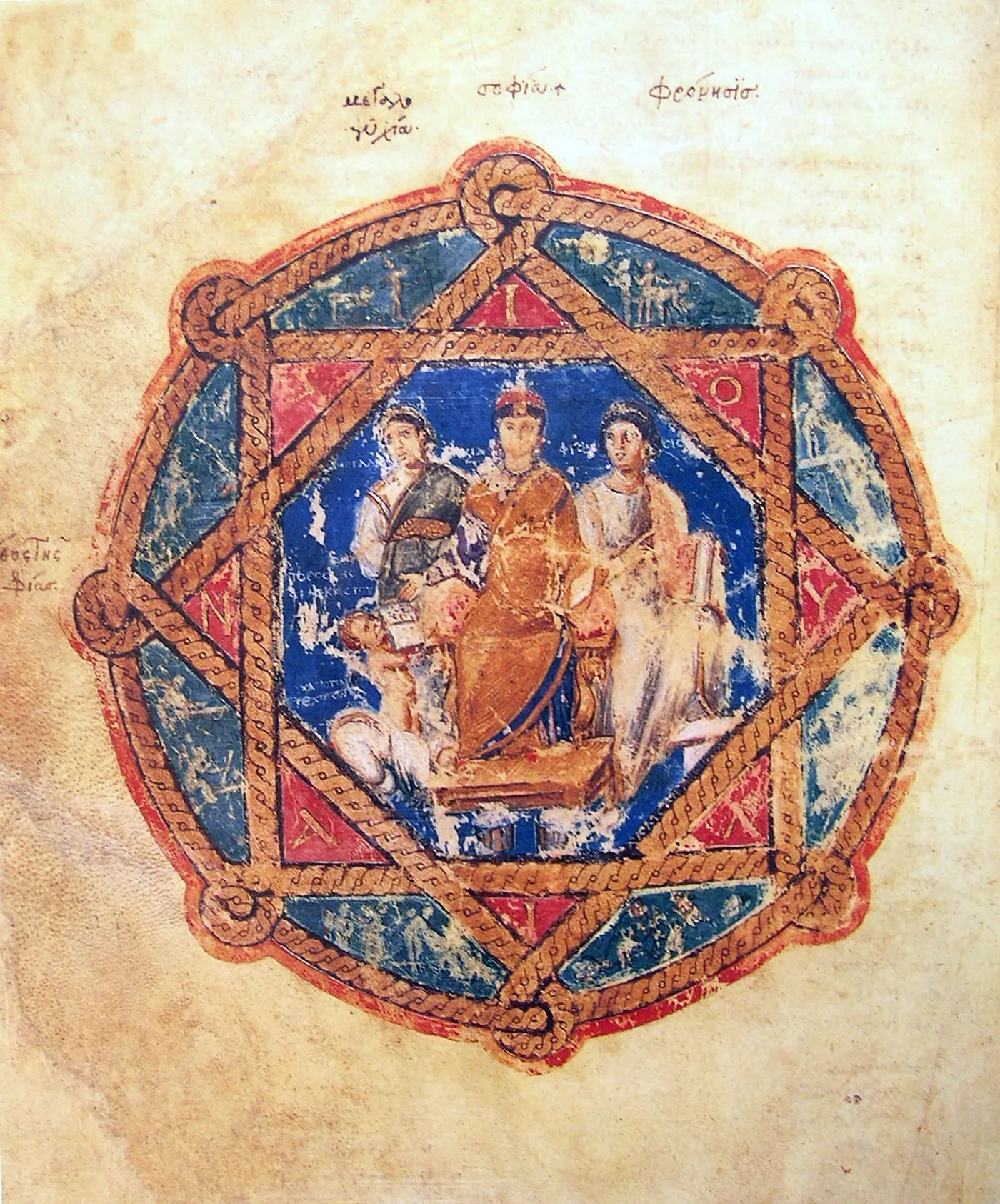
- of Dioscorides' plant names survive the philologists' lens

The mirror is alive: the same word, on either side
- barză bardhë “white”
- brad bredh “fir”
- mazăre modhullë “pea”
The word atlas
Twelve words you inherited
Each card sets a Romanian word beside its Albanian mirror and the dictionary's verdict — the exact wording, quoted, so you can check it. The badge says how firm the verdict is, and each card links to its dictionary page.
How to read the badges
- FIRM: a major dictionary (DEX, NODEX, MDA2) writes “cuvânt autohton” in black and white.
- LIKELY: the “autohton” label comes from a regional dictionary, with the scholars behind it named.
- DISPUTED: the dictionaries compare but never sign — or pull in opposite directions.
barză n.
the long-legged white bird
bardhë FIRM nature
bardhë means “white”: the mirror is the adjective, not the bird.
“cuv. autoh.; cf. alb. bardhë” (NODEX)
brad n.
the Carpathian conifer; at Christmas, the trimmed tree
bredh FIRM nature
“cuv. autoh.; cf. alb. *breth, bredh” (NODEX)
mazăre n.
the sweet seed in the pod
modhullë FIRM garden
“Cf. alb. modhullë” (DEX); “(cuv. autohton)” (MDA2)
țap n.
the male goat — and the beer mug
cjap FIRM sheepfold
“Cuv. autoht.” (NODEX); “Cf. alb. cap, cjap” (DEX)
balaur n.
the giant serpent of fairy tales
bollë FIRM nature
“cuv. autoh.; cf. alb. bollë “șarpe””
strungă n.
the gate the sheep pass through at milking
strungë LIKELY sheepfold
“Cuv. autohton (Philippide, Russu, Brâncuș…), cf. alb. strungë”
grumaz n.
the neck, the nape
gurmaz LIKELY body
“Cuv. autohton (…), cf. alb. gurmaz, gurmas “gâtlej””
năpârcă n.
the legless lizard, like a small snake
neperke LIKELY nature
“Cuvânt autohton (Russu, …), cf. alb. neperke”
rânză n.
rennet; the ruminant stomach
rrëndës FIRM sheepfold
“cuv.autoh.; cf. alb. rrëndës “cheag”” (NODEX)
țarc n.
the fenced pen, for sheep or toddlers
thark FIRM sheepfold
“Cuv. autoht.” (NODEX); “cf. alb. thark”
măgură n.
the mound, the rounded hill
magullë LIKELY nature
“Cuv. autohton (…), cf. alb. magullë “movilă””
leurdă n.
the wild garlic with white flowers
hudhër LIKELY nature
“Cuv. autohton (…), cf. alb. hudhër, hudër “usturoi””
The card that sits out: gard
gard n.
the fence
gardh · gradŭ DISPUTED
DEX ’09 compares and stops: “Cf. Alb. gardh, Slavic gradŭ”. Another dictionary pulls it into Slavic: “E: OSlav. градъ”. No “autochthonous” label anywhere — this is what a mirror that fails looks like.
Three of them, drawn
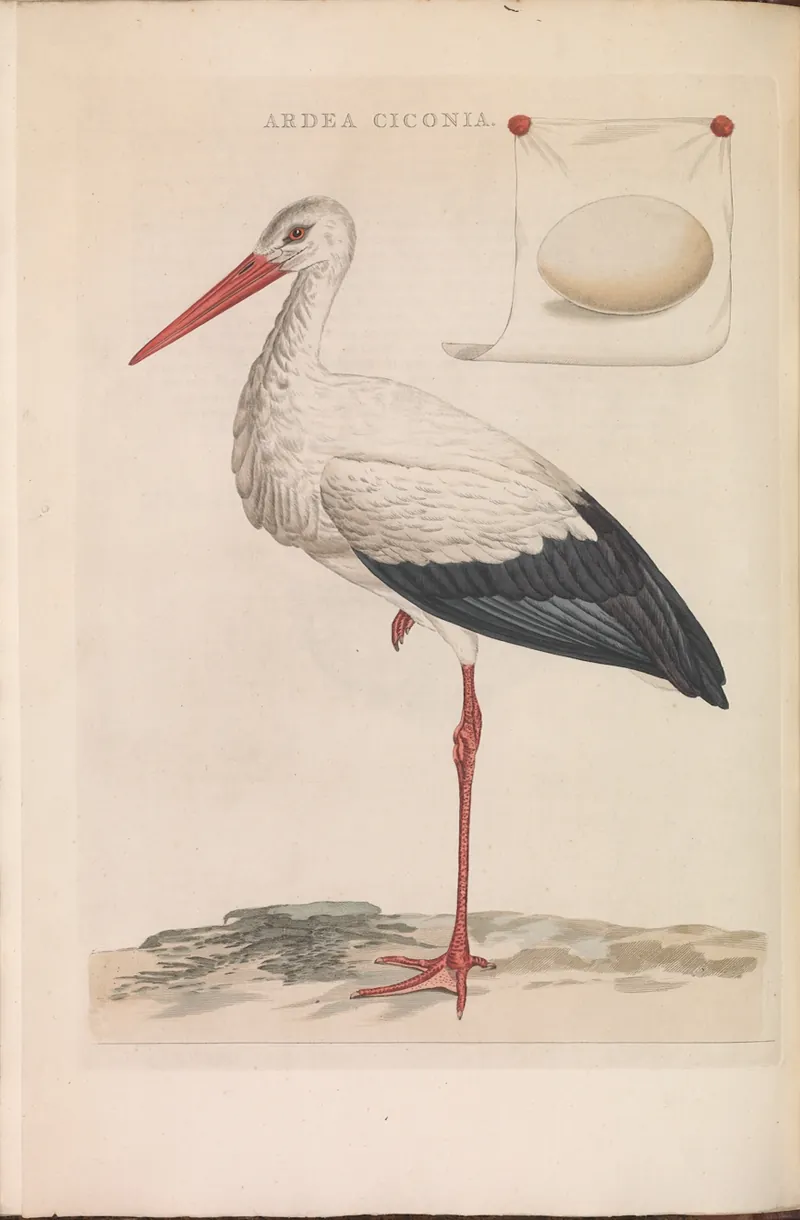

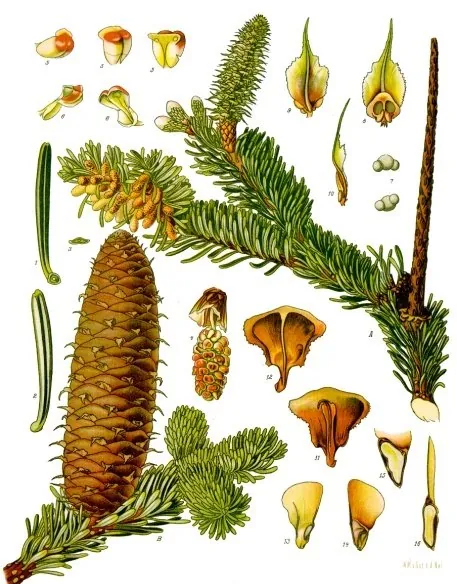

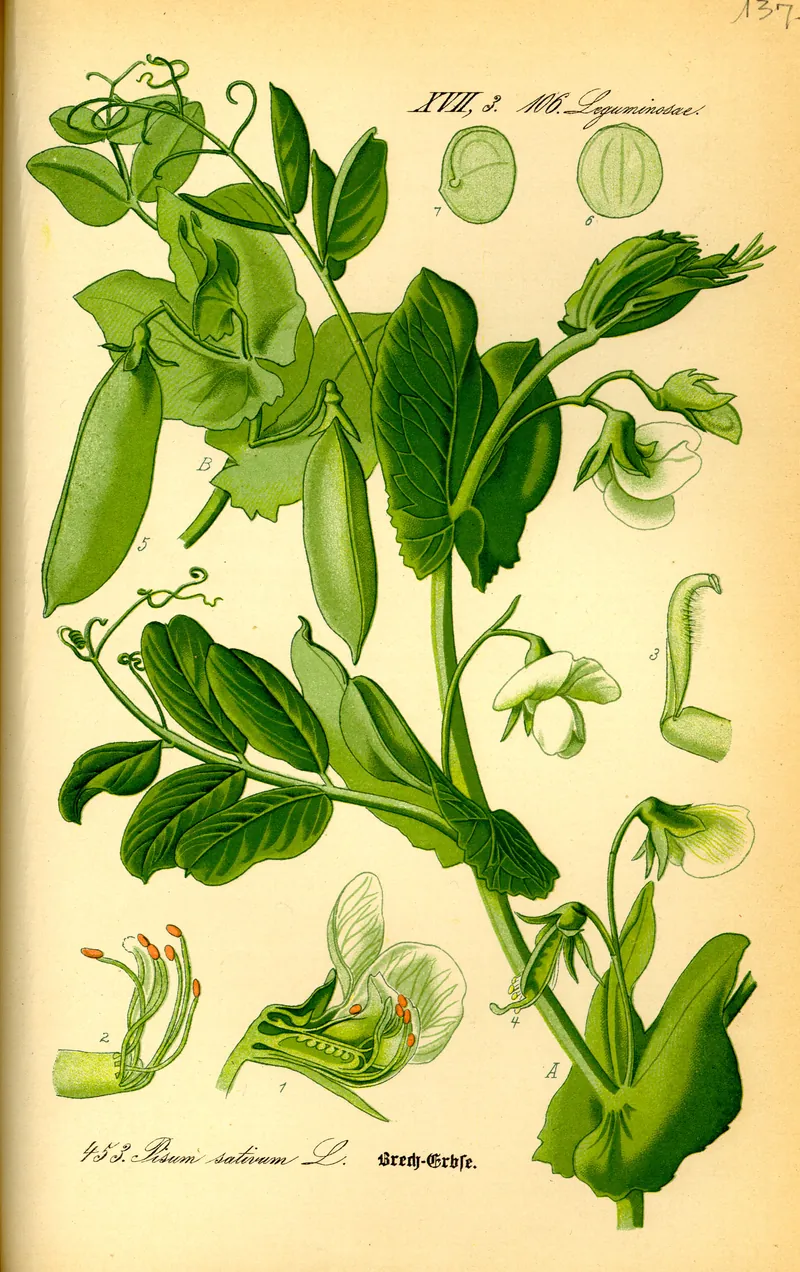

Twelve checked words, each with its mirror and its verdict. The method behind them is simple — and merciless.
How we know: exclude everything, the mirror remains
No Dacian text says “brad means fir”. The proof is an elimination: the word cannot be Latin, Slavic, Hungarian or Turkish — and it has a brother in Albanian, too close for coincidence. Follow brad through the five sieves.
Latin?
It sounds nothing like Latin, and the sister Romance languages lack it.
Slavic?
No Slavic form explains it; some borrow it from Romanian instead.
Hungarian or Turkish?
The late layers leave other fingerprints; brad has none.
Albanian?
Bredh — the same word, the same tree.
Verdict
An autochthonous word: NODEX writes it in black and white.
Sieve 1 of 5
What could still be wrong
An old loan from Albanian into Romanian (or back) would leave the same trace. That is why one word proves nothing — the pattern, dozens of times over, proves it.
One precision: this page says “Dacian” for short. Some linguists, Georgiev among them, place the substratum in a “Daco-Moesian” language, distinct from Thracian proper. The label is debated; the words stand.
How many are there? It depends how strictly you count
Brâncuș counts about ninety firm words. Russu, on looser criteria, reaches about a hundred and sixty. Choose the criterion and watch the atlas shed words: on strict criteria only the firm badges stay lit.
Loose criteria (Russu): about 160 words
Dropped: 5 “likely” plus gard — 7 “firm” remain.
On this page, seven of the twelve cards carry the “firm” badge, five the “likely” one. Gard drops first — it was never in the race.
The only direct corpus
A few dozen plant names, in a Greek book
The Greek physician Dioscorides, in the 1st century, notes beside the Greek plant names what the Dacians call them. The manuscripts give between forty-two and some sixty such names; on close inspection, about half hold up.
dielleina
dielina, diellena
henbane · Hyoscyamus niger
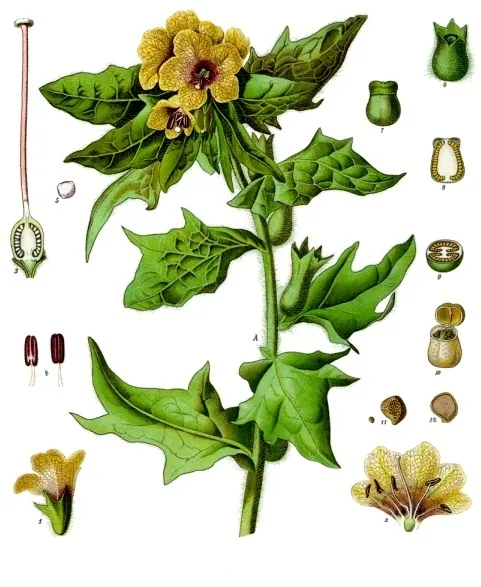

The manuscripts give several forms. A 2023 study ties it to Albanian dielli, “sun”.
skiare
wild teasel · Dipsacus fullonum
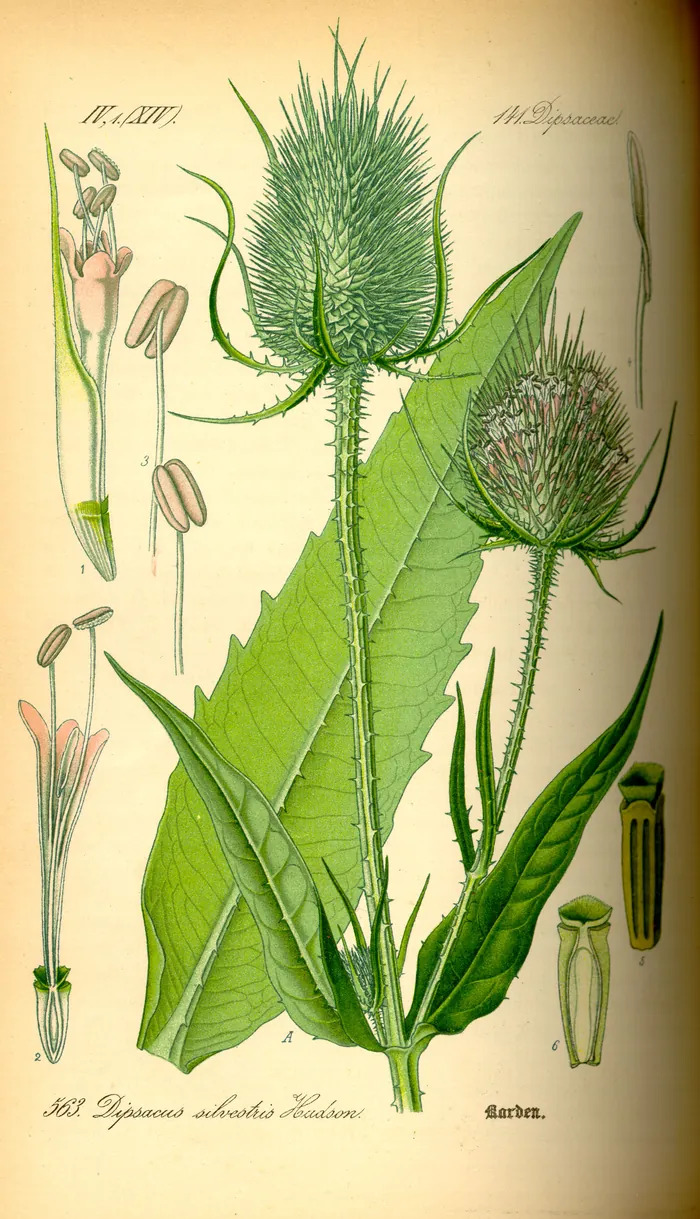

The Dacian name for wild teasel, kept in a 6th-century Vienna manuscript.
stirsozila
centaury · Centaurium erythraea
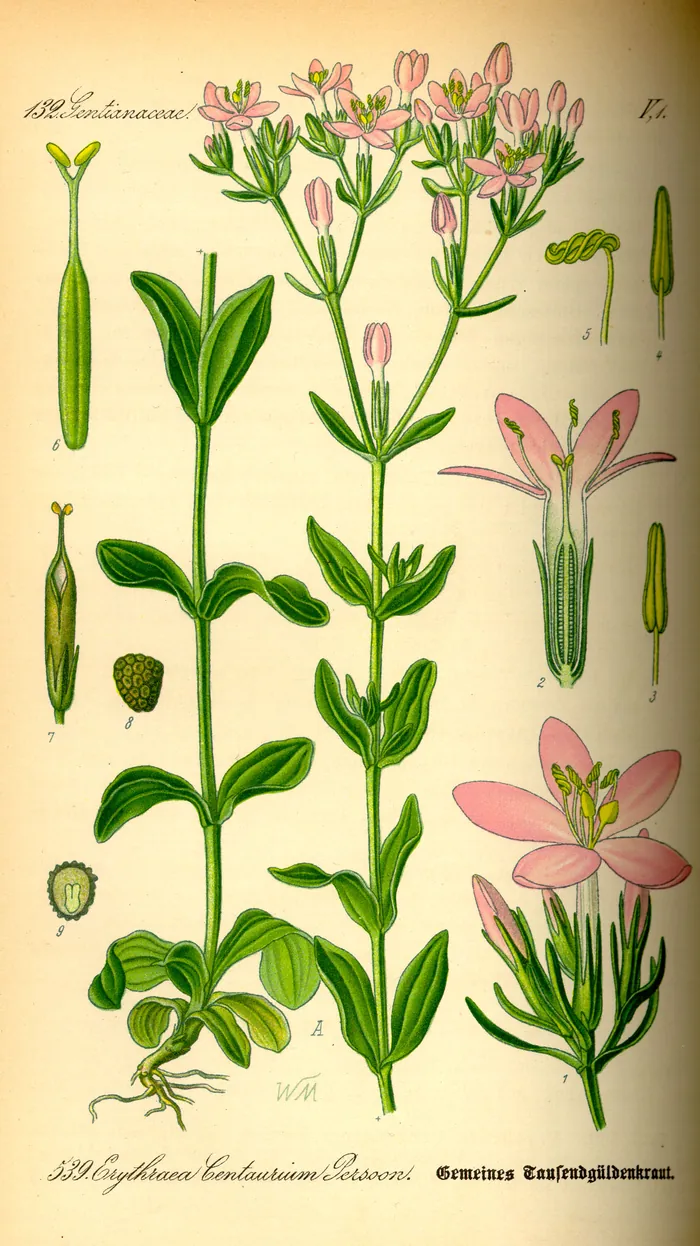

Mind the source: this name comes from Pseudo-Apuleius’ Herbarius, not from Dioscorides.
Decev accepts about twenty-five as Dacian and divides the rest between Latin and Greek; other scholars dispute other identifications. That is why this page gives no fixed number.
Four dates, four thresholds
The words need a little history around them. That much: four lines, while the story in stone stays with the siblings.
106
Dacia becomes a Roman province, after two wars against Decebalus.
271
Aurelian decides to abandon the province.
1887
Hasdeu prints the first volume of Etymologicum Magnum Romaniae.
1970
Russu gathers the inheritance in Elemente autohtone în limba română.

The story in stone: the Dacian fortresses and the Dacian frontier.
The words and the great quarrel
Do these words say where the Romanians formed? Two schools read the same evidence two ways. This page does not choose — it sets them face to face, each in its strongest form.
The south-of-the-Danube school
- Roesler (1871): the Romanians formed south of the Danube, in Romänische Studien.
- Weigand follows him, on linguistic tracks.
- Schramm (1997) restates the case in Ein Damm bricht, on Roesler and Weigand.
The continuity school
- Rosetti, Russu, Brâncuș: the stock shared with Albanian is Dacian inheritance.
- Madgearu answers Schramm: the shared words are Dacian survivals in Romanian.
“Daco–Roman continuity cannot be proved from the place names north of the Danube — and the names south of the river point to no southern cradle either.” That is why the words matter.
Match the mirrors
Twelve Romanian words, twelve Albanian mirrors. Pick a word, then its mirror.
Romanian
Albanian
Score: 0 of 12
Twelve of twelve. The mirrors hold.
The pairs, face up
| barză | bardhë |
| brad | bredh |
| mazăre | modhullë |
| țap | cjap |
| balaur | bollë |
| strungă | strungë |
| grumaz | gurmaz |
| năpârcă | neperke |
| rânză | rrëndës |
| țarc | thark |
| măgură | magullë |
| leurdă | hudhër |
What we do not know (and say so)
- When the substratum language died — no extinction date is known.
- How many words there are, exactly — the ninety-to-hundred-and-sixty span is honest; a fixed number would be a lie.
- Who borrowed from whom, word by word — the mirror shows kinship, not direction.
- Whether “Dacian” is the right label for the whole inheritance.
The language died without writing anything down. You speak its words every day.
Sources
Dictionaries first, then manuscripts and scholarship. Each word card links to its dictionary page.
Dictionaries
- barză, brad, mazăre, țap: dexonline
- balaur, strungă, grumaz, năpârcă: dexonline
- rânză, țarc, măgură, leurdă: dexonline
- gard (the disputed case): dexonline
The manuscript and the Dacian plant names
The count and the quarrel
- Romanian words of possible pre-Roman origin, with the Russu 1970 bibliography (EN-wiki)
- Curta 2022, Aging Levee (DOI)
- Schramm 1997, Ein Damm bricht (ECMI record)
- Roman Dacia (EN-wiki)
Type: Fraunces, Newsreader and Atkinson Hyperlegible, under the SIL Open Font Licence.