INIMĂ · ANIMA · SOUL
What is a soul doing in your chest?
Inimă is a Latin soul turned organ. DEX derives it from Lat. anima, with no sound steps shown; DER says the crossing from soul to heart appears only in Romanian. The Romance cousins kept their soul — the organ-heart appears in none — and the proof sits in dated attestations, from Hurmuzaki înrima to Coresi's print.
- Lat. anima
- all DEX '09 gives: the soul, no steps
- 1560–61
- Coresi prints inima at Brașov
- only in Romanian
- DER's verdict — with its Toledo gloss
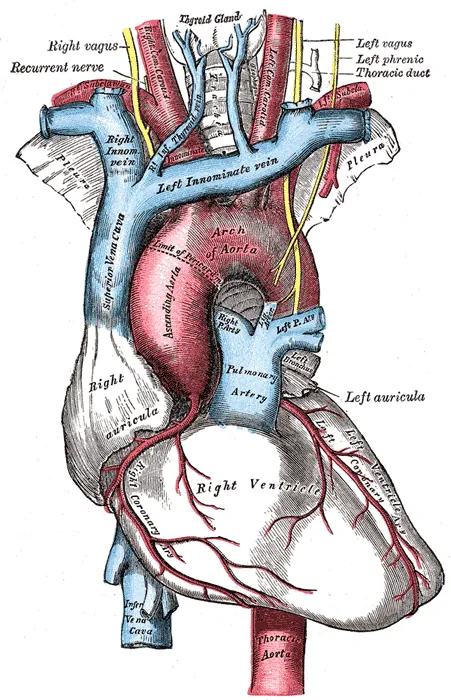
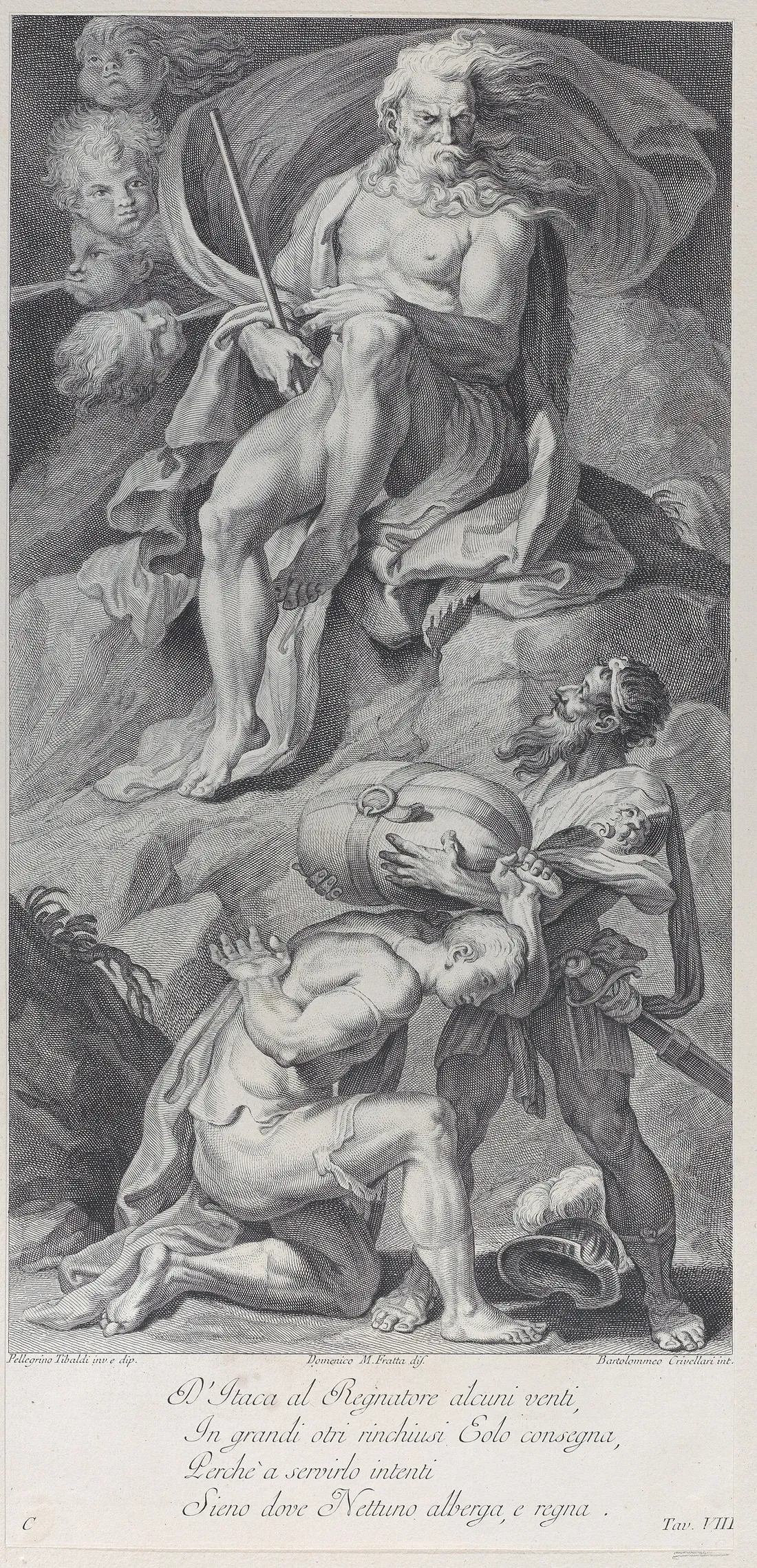
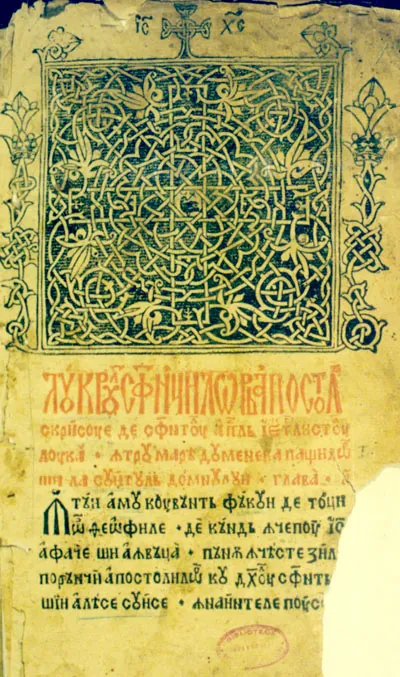


The page machine
The pipe, joint by joint
Seven joints, two languages, three grades of tightness. Each joint wears its language on a tag, and the seals show how tight the link is: attested, etymology, hypothesis. The Toledo gloss carries a question mark.
anima Latin LA ETYMOLOGY
Lewis & Short: “that which blows or breathes” — air, breath, then the vital principle, the soul; sometimes even the rational soul of man. The pipe starts here. (L&S, via the Alatius mirror)
înrima Hurmuzaki, 1491–1516 RO ATTESTED
Ps 84:9: “pre cei ce-și întorcu înrima cătră-nsul” — after the aligned table in Felea 2023. The dating is Mareș 2000, from Venetian watermarks. (Felea)
inima Coresi, 1560–61 RO ATTESTED
Mt 5:8: “ferice curaț cu inima că aceea Domnul ve-de-vor” — after the 1889 transliteration of the Brașov print. The colophon: begun in May, finished in January, the year 7069. (Coresi)
înrema Scheiana, 1573–78 RO ATTESTED
Ps 84:9: “și spre cei ce întorcu înrema sa cătră-nsu” — after the same Felea table. Scheiana is younger than Coresi: Bianu's old dating has fallen. (Felea)
inemă Dosoftei, 1673 RO ATTESTED
Ps 38: “Inema mea este în mine hierbinte” — after the companion volume of the critical edition, via Călinescu. The versified Psalter, Uniev. (Dosoftei)
inimă Romanian today RO ETYMOLOGY
DEX '09: “INIMĂ, inimi, s. f.” — “Lat. anima.” That is all: no sound steps, no middle forms. A dictionary etymology, not a proven chain. (DEX)
animus “inimă” the Toledo gloss? LA HYPOTHESIS DISPUTED
DER weakens its own verdict: “cf. totuși animus «inimă» într-o glosă de la Toledo (Castro 162)”. The gloss was not seen here — it stands as a reference, not an exhibit. (DER)
How to read the seals: attested means found in a dated text; etymology, a route a dictionary proposes; hypothesis, an unresolved link. The pipe is tight on attestations and on the dictionary; how the soul became the heart stays between Șăineanu and DER.
At home
From Hurmuzaki to DEX: 1491–2009
Five hundred years of the written heart, in four stops. Every quotation brings its paper: the manuscript, the press, the verse, or the dictionary.
The manuscripts
Hurmuzaki writes înrima between 1491 and 1516, by the watermarks Mareș read; Voroneț follows around 1551–1558; Scheiana — long thought the oldest — is really from 1573–1578, after Coresi. All three appear in the one aligned table in Felea 2023, at Ps 84:9.
The press
Coresi prints inima in the Brașov Gospels — four Matthew verses are shown here: “ferice curaț cu inima”, “comoara voastră … inima voastră”, “de la dulce inimă scoate dulceață”, “cu toată inima ta. și cu tot sufletul tăi”. The colophon ties it together: begun 3 May, finished 30 January, the year 7069, that is 1560–1561 — after the 1889 transliteration.
The verse
Dosoftei puts inemă into verse at Uniev, in 1673 — after the critical edition's companion volume, via Călinescu: “Inema mea este în mine hierbinte”. DEX keeps it as a variant: inemă.
The dictionaries
Șăineanu 1929 derives înemă from ANIMA and moves the crossing into Church Latin; DER keeps it ours alone; DEX '09 closes the row with two words: Lat. anima. MDA2 adds its first attestation — PSALT. 5/30 — and one hundred two senses.
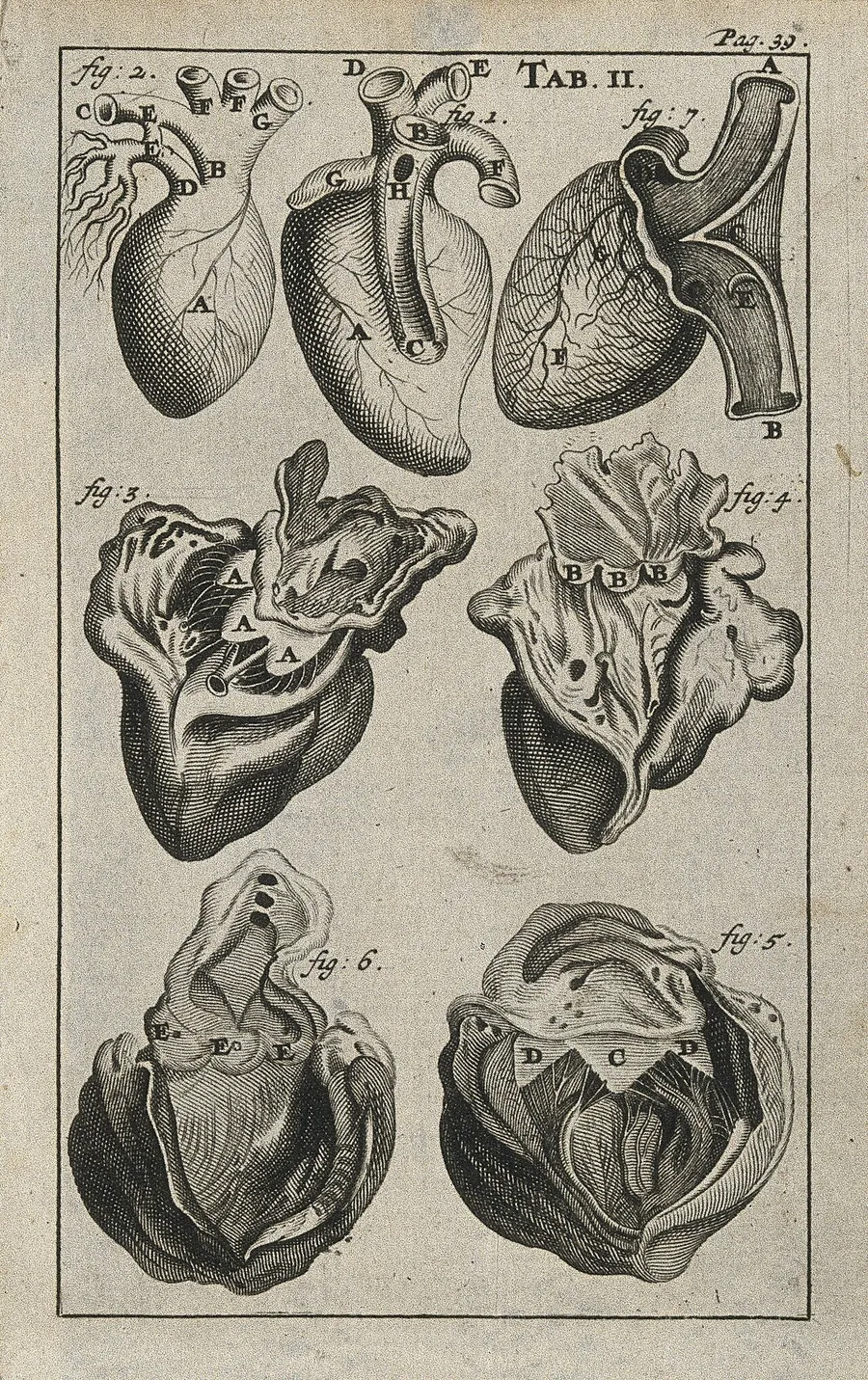

The Romance neighbours
The cousins who kept their soul
Four great cousins, one inheritance, another road: each kept its soul, and none made an organ of it. The proof sits in their dictionaries, not in our say-so.
The Italian
Treccani gives anima as “il principio vitale dell'uomo” — the vital principle, the immaterial part, the seat of thought and feeling. From lat. anĭma: the soul, not the organ. (Treccani)
The Frenchman
Âme is “principe de la vie” and “partie immatérielle de l'homme” — soul, not organ. The fortress dictionary CNRTL would not let machines read it, so Wiktionary stands in, reservation stated. (Wiktionary)
The Spaniard and the Portuguese
RAE derives alma from lat. anĭma — the principle of life; ánima is soul too, sometimes the one in purgatory. Priberam gives alma as “parte imortal do ser humano”. The organ-heart appears in neither. (RAE, Priberam)
What became of cor
No inherited heart from cor shows in the consulted dictionaries: cord is an anatomical term — “(Anat.) Inimă. Din lat. cor, -dis”. And curaj comes from French, says DEX; the further link to cor is NODEX's, not DEX's. (DEX, NODEX)
The third breath
The story of the other two breaths — the Latin soul and the Slavic spirit — lives in the companion piece, with its own bellows: it enters here only as a neighbour, never as a retelling. (sufletul-și-duhul)

In their own words
Six witnesses
The dictionaries tell the story themselves — each with its quotation, its source, and its measure.
DEX '09
“INIMĂ, inimi, s. f. … [Pl. și: (înv.) inime. – Var.: inemă s. f.] – Lat. anima.”
DEX '09 (2009), via dexonline
Two words close the pipe: the soul is the father, with no sound steps shown.
DER
“Lat. anima … Trecerea de la „suflet” la „inimă” apare numai în rom., cf. totuși animus „inimă” într-o glosă de la Toledo (Castro 162).”
DER (Ciorănescu), via dexonline
The hard verdict and its nail: uniqueness, with the unseen gloss beside it.
MDA2
“inimă sf [At: PSALT. 5/30 / V: (înv) inemă, înemă … / E: ml anima]”
MDA2, via dexonline
The first attestation is from the psalter; the abbreviation ml stays unexpanded.
Șăineanu 1929
“[Vechiu-rom. înemă = lat. ANIMA, suflet (în latinitatea ecleziastică: inimă)]”
Șăineanu, 6th ed. (1929), via dexonline
The only one to move the crossing into Church Latin — the rival of DER's verdict.
Lewis & Short
“ănĭma, ae, f. … that which blows or breathes … The vital principle, the breath of life … As the seat of feeling.”
L&S, via the Alatius mirror
From breath to soul: the whole Latin ladder in a single entry.
RAE
“alma. Del lat. anĭma. 1. f. Principio que da forma y organiza el dinamismo … de la vida.”
RAE, Diccionario de la lengua española
The Spanish cousin: the same Latin father, the soul kept.
The reckoning
What we know and what we do not
Four cards on the table: two hold, one quarrels, one is missing.
We know
The father is anima: DEX, DER, MDA2, and Șăineanu give it alone; Scriban sets animus beside it. And the word has been written since the sixteenth century: înrima, inima, înrema, inemă — all in dated texts.
The crossing
DER says it outright: from soul to heart was crossed only here. The DEX ladder — organ, seat of feeling, temper, middle — shows where the sense arrived, not how it crossed.
The dispute
Șăineanu moves the crossing into Church Latin; DER keeps it Romanian alone; the Toledo gloss would vindicate Șăineanu, but nobody saw it here. We report the quarrel; we do not settle it.
The hole
None of the consulted dictionaries gives the sound steps from anima to inimă — no prothetic i, no named vowel. And no dated text shows the moment of crossing. That is what is missing from the table.
The dates that hold
Four dates
Four stops hold the whole pipe: two manuscripts, one press, and one verse — each with its paper.
Hurmuzaki: înrima
1491–1516
Ps 84:9, “pre cei ce-și întorcu înrima cătră-nsul” — after Felea 2023. The dating is Mareș's, from Venetian watermarks.
Witness 1 of four
Coresi: inima
1560–61
Mt 5:8, “ferice curaț cu inima” — after the 1889 transliteration. Brașov press, a colophon with days and a year.
Witness 2 of four
Scheiana: înrema
1573–78
Ps 84:9, “și spre cei ce întorcu înrema sa cătră-nsu” — after Felea 2023. Younger than Coresi's print.
Witness 3 of four
Dosoftei: inemă
1673
Ps 38, “Inema mea este în mine hierbinte” — after the critical edition's companion volume, via Călinescu. Uniev, the versified Psalter.
Witness 4 of four
Four dates, four papers: Felea 2023 for the manuscripts, the 1889 transliteration for Coresi, the critical edition for Dosoftei.
The ladder of forms
anima
Latin: breath, soul, life
înrima
Hurmuzaki, Ps 84:9
inima
Coresi, Mt 5:8
înrema
Scheiana, Ps 84:9
inemă
Dosoftei, Ps 38
inimă
DEX '09: Lat. anima
The quarrel
Where was it crossed: here or in church?
Two great dictionaries say things that do not fit together. We set them face to face, with the missing witness between them. DISPUTED
Șăineanu 1929: the crossing is old
Înemă comes from ANIMA, soul — and in brackets sits the bomb: in ecclesiastical Latin, anima was already inimă. If he is right, the crossing happened before Romanian. One witness, no evidence shown.
DER: the crossing is ours alone
“Trecerea de la suflet la inimă apare numai în rom.” Stated flatly and without a paired witness: Catalan, Occitan, Sardinian, and the rest were not checked here. The verdict stands as DER's word, not as this page's fact.
The Toledo gloss: the nail
“Animus «inimă» într-o glosă de la Toledo (Castro 162)” — DER drives the nail into its own verdict. The gloss was not seen for this page: it stands as a reference, and until it shows itself, the uniqueness has a crack.
This page does not settle it: Șăineanu with no evidence shown, DER with no check beyond the four great cousins, Toledo with no paper. What stands: the father anima, the dated attestations, and four cousins who kept their soul.
What is NOT disputed: the Latin father anima; the dated attestations 1491–1516, 1560–61, 1573–78, 1673; the four cousins with their soul kept. These are not disputed.
Test yourself
Which is older?
Six stops from the page, from manuscript to dictionary. Set them from the oldest to the newest.
On each card press the number of its place in the row, then check the order.
- 1673
Dosoftei: inemă (Ps 38)
Place - 1491–1516
Hurmuzaki: înrima (Ps 84:9)
Place - 2009
DEX '09: Lat. anima
Place - c. 1573–78
Scheiana: înrema (Ps 84:9)
Place - c. 1551–58
Voroneț: înrima (Ps 84:9)
Place - 1560–61
Coresi: inima (Mt 5:8)
Place
Score: 0 of 6
The right order, oldest first
- 1491–1516 — Hurmuzaki: înrima (Ps 84:9)
- c. 1551–58 — Voroneț: înrima (Ps 84:9)
- 1560–61 — Coresi: inima (Mt 5:8)
- c. 1573–78 — Scheiana: înrema (Ps 84:9)
- 1673 — Dosoftei: inemă (Ps 38)
- 2009 — DEX '09: Lat. anima
The stops stand in the order of their opening years.
Sources
Every quotation on the page points at one of the addresses below: dictionaries through dexonline, texts through scans and editions.
The Latin pipe
The Romanian years
- DEX '09: inimă (dictionary)
- DER: inimă (dictionary)
- MDA2: inimă (dictionary)
- Șăineanu: inimă (dictionary)
- Scriban: inimă (dictionary)
- Felea 2023: the aligned psalters (PDF)
- Coresi 1560–61: the Gospels (scan)
- Dosoftei: Uniev 1673, BRV I 65 (scan)
- Dosoftei: the verse via Călinescu (PDF)
The cousins
- Treccani: anima (dictionary)
- Wiktionary: âme (dictionary)
- RAE: alma (dictionary)
- RAE: ánima (dictionary)
- Priberam: alma (dictionary)
- DEX: cord (dictionary)
- DEX: curaj (dictionary)
- DEX: a anima (dictionary)
Catalogue neighbours
- articolul-de-la-coada: the tail machine
- verbul-a-fi: the Latin melt
- dusmanul-gand-rau: the ill mind
- gagiu: the civilian trial
- bogatul: the god scales
- oastea: the old army
- sufletul-și-duhul: the companion piece
- prietenul: the friendship ladder
- dragostea: the love tree
- hotarul: the Hungarian line
- geamul: the Turkish pane
- surubul: the two doors
The heart as an organ
- inima-balenei: two beats a minute
- inima-in-apa-rece: the cold-face brake
- un-watt-si-jumatate: the hydraulics
- miliardul-de-batai: the life reserve
- sapte-metri-pe-secunda: the wrist pulse
- nouazeci-de-milimetri: the second heart in the calf
- piese: the body inventory
Type: Fraunces and Source Serif 4, under the SIL Open Font Licence.