FROM BAGHDAD TO JAKARTA, IN ONE GLASS
Your rachiu is an Arabic word
ʿaraq — sweat — left the alembics of Baghdad, passed through the taverns of Istanbul and became rachiu in Bucharest and arrack in Jakarta. Every link with its source; what we do not know, we say out loud.
- ʿaraq
- in Arabic means sweat — and the distilled drink
- 1688
- the Bucharest Bible: where MDA2 dates rachiu
- 1751
- “Fine old Batavia Arrack”, advertised in London
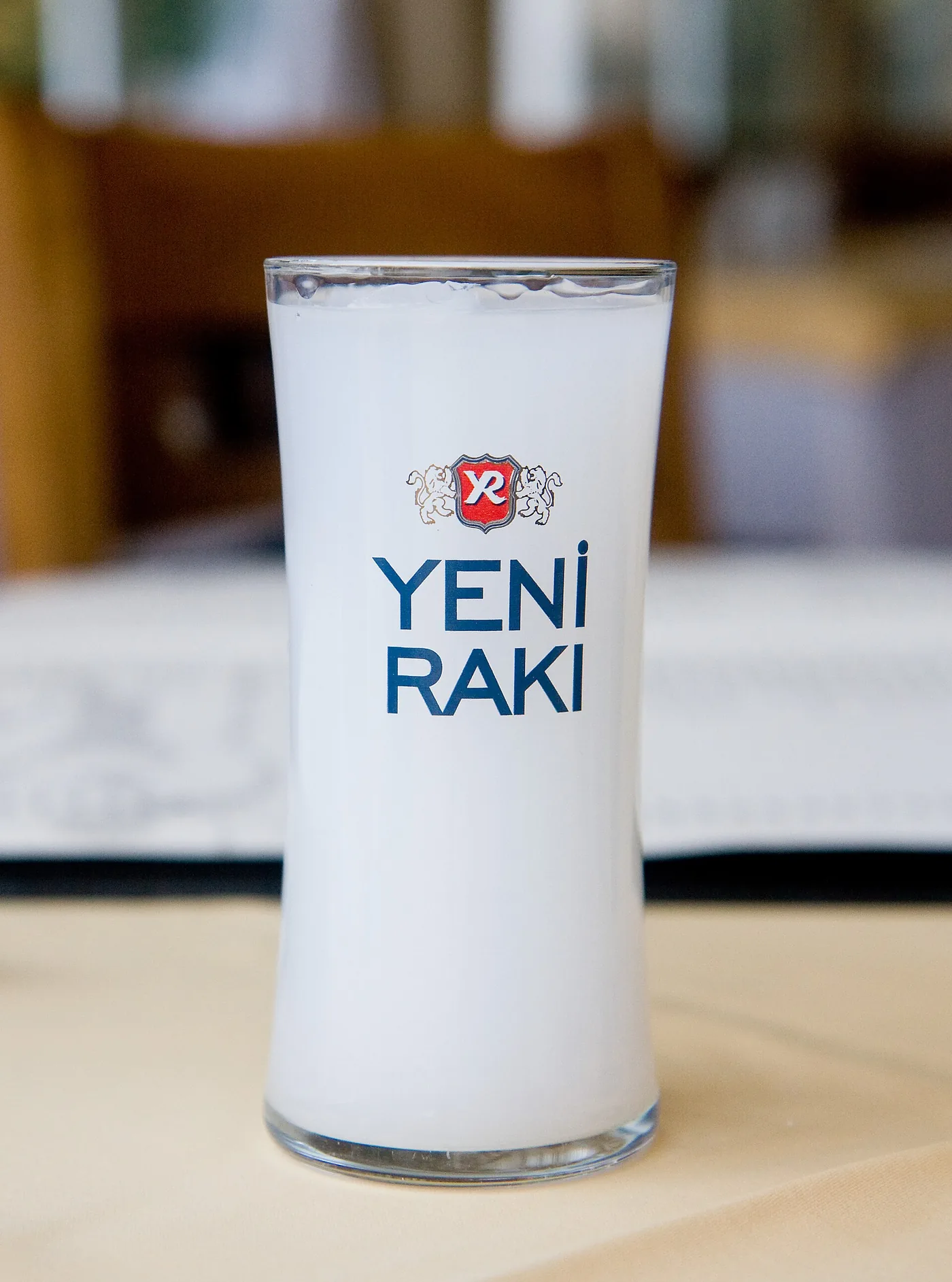

The still sweats the word, drop by drop:
- عرق sweat
- ʿaraq the date's sweat, the dictionaries say
- arak the form that stayed home, in the Levant
- rakı the Turkish form, from Arabic arak
- rachiu the Romanian form: Turk. rakı or Serb. rakija
ACT 1 · BAGHDAD, 8TH–9TH CENTURIES
The sweating still
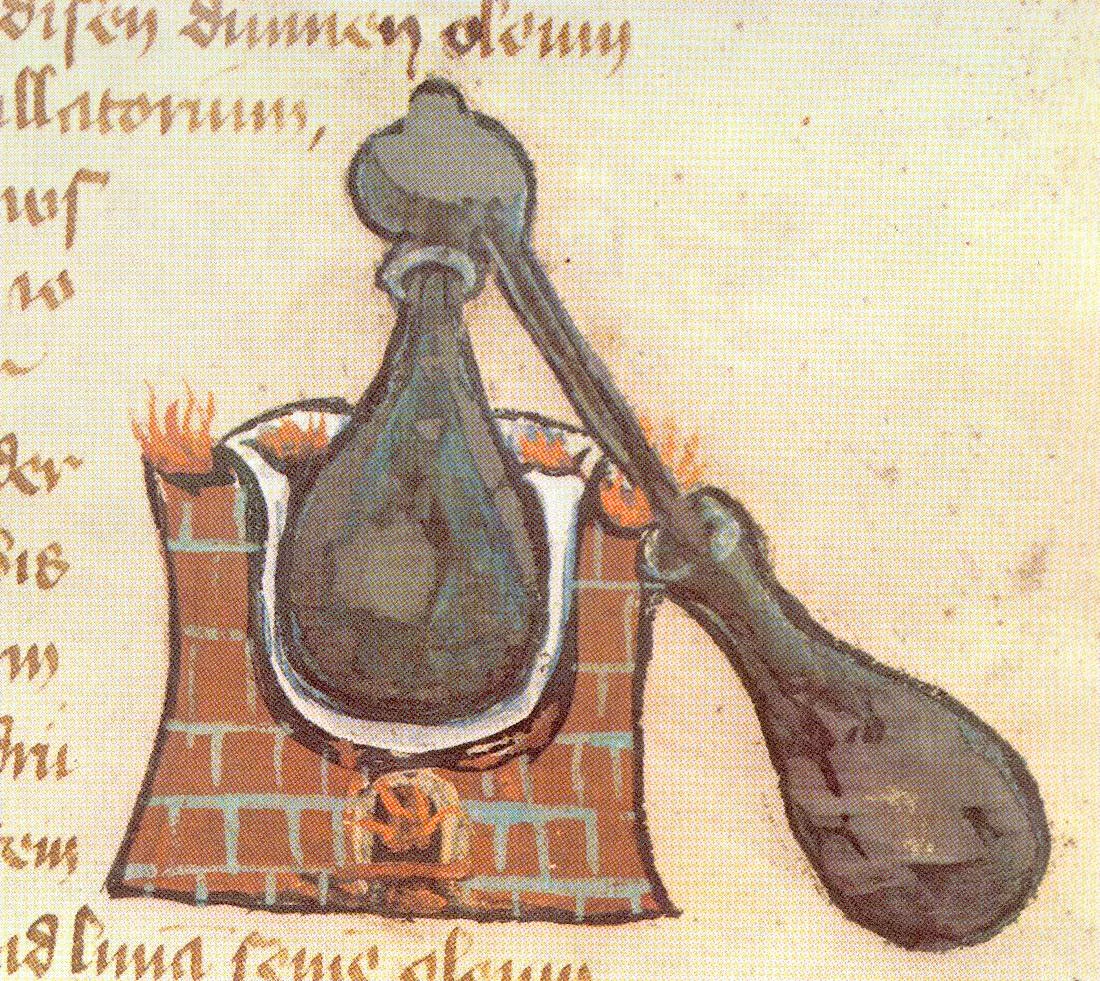
Without this scene the headline is a slogan. With it, it is a demonstration: three Arabic texts, about half a century apart, show how boiled wine leaves burning vapours at the bottle's mouth — and how the droplets on the vessel's walls are called sweat.
The burning vapours · c. 815
“And fire which burns on the mouths of bottles due to boiled wine and salt… of great significance in these sciences.”
The first reference to the flammable vapours of boiled wine — not a recipe, an observation.
Distilled wine · d. 873
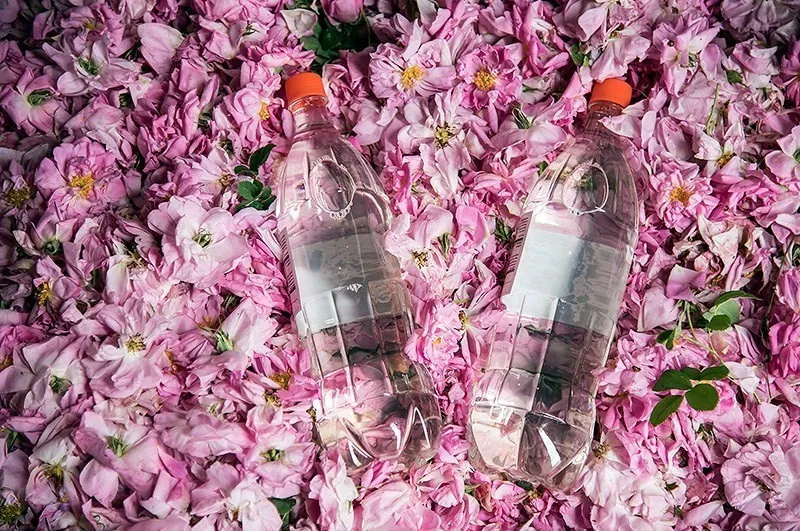
“…and so wine is distilled in wetness and it comes out like rosewater in colour.”
An unambiguous description of distilling wine. That — and nothing about any modern purity.
The metaphor · article 13
“The droplets of ascending wine vapours that condense on the sides of the cucurbit are similar to the drops of sweat.”
The page's thesis, in its own words: the distillate is called sweat because it looks like sweat.
- 3
- Arabic texts quoted word for word
- 2
- generations between Jabir and al-Kindi
- 1
- metaphor: the condensate is sweat


The paper trail
The word does not leave the stage with the alchemists. Al-Hassan follows it further: ʿaraq al-nabidh in an 11th-century Baghdad tale, a 10% tax on ʿaraq in al-Nuwayri (d. 1331), ʿaraqi as a distilled kind in al-Antaki (d. 1599) — and, from him as well, the Mongols' araki in a Chinese text of 1330.
We did not read the texts underneath; we read them through him. So the 1330 stop carries an amber dot on the map: told by a trusted historian, unverified against the primary.
ACT 2 · THE LIVING MAP
The word's passport
One map, two roads. Westward the word travels through literature and memoirs to the Bucharest Bible; eastward through merchants to Batavia. Each stamp carries a verdict dot: green for a source we read, amber for one read through someone else.
- green — source read by us
- amber — told through another, never checked directly
Stop being read now: Baghdad
Unroll the road
Press and the years flow: 800 → 1751, each stop lit in its own time.
Year:
Baghdad · c. 815
عرق ʿaraq
Here the alembic sweats: Jabir calls the condensate sweat, and al-Kindi shows wine being distilled.
Baghdad–Iraq · 1510–1514
rakı
The poet Fuzuli, in the mesnevi Beng ü Bade: the earliest known use in Turkish literature, per Abdülbaki Gölpınarlı. In Turkish literature — nowhere broader.
Lemnos · 1552–1567
raqui
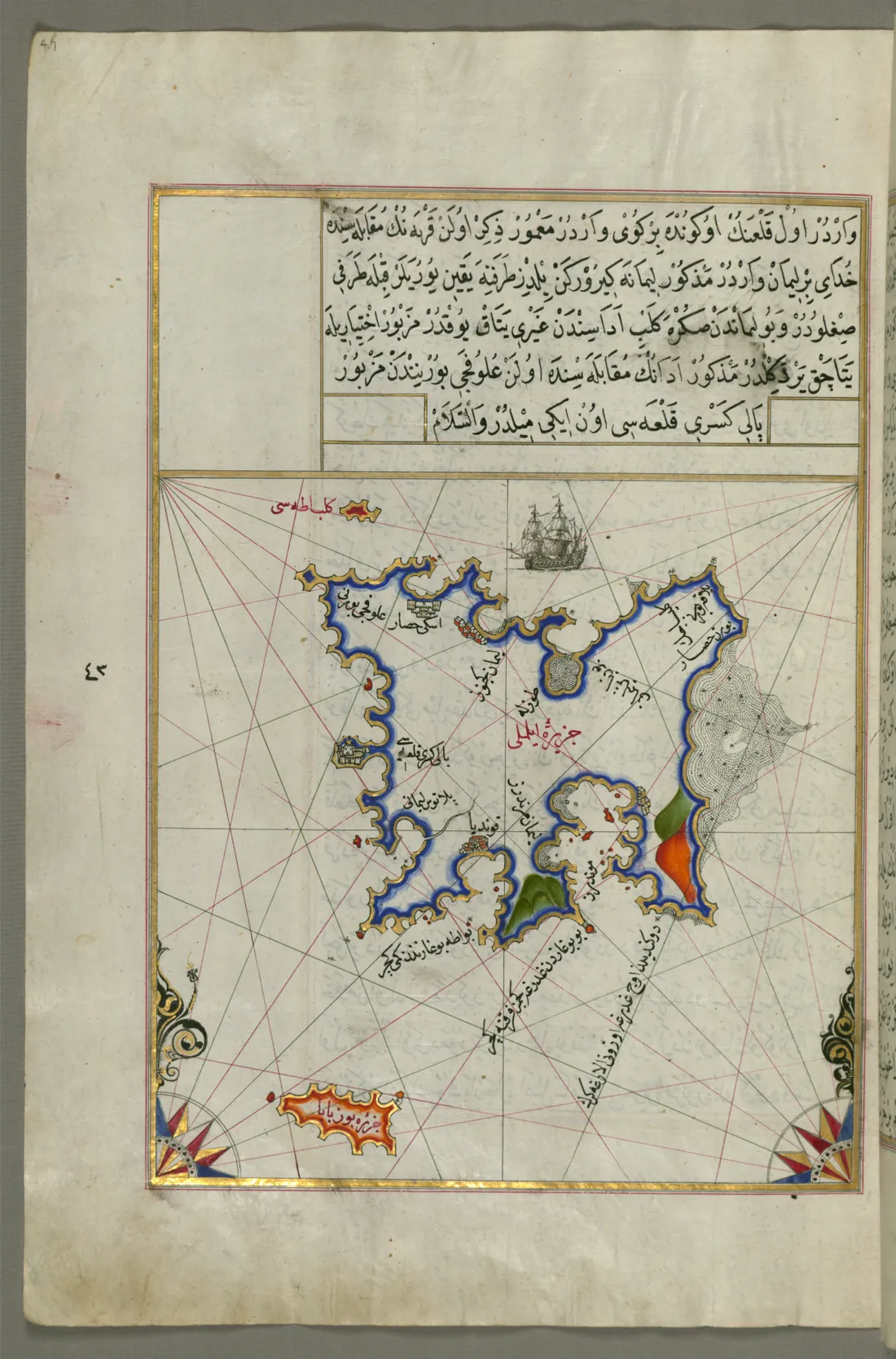
A Spanish manuscript, Viaje de Turquía (written 1567), tells how the narrator — an Ottoman prisoner between 1552 and 1556 — drinks rakı for the first time while escaping past Lemnos.
Istanbul · 1630
rakı
Evliya Çelebi, travelling from 1630, first mentions rakı production and lists its kinds and meyhanes. His figures come in Act 3, doubt included.
Bucharest · 1688
rachiu
The Bucharest Bible: where MDA2 dates rachiu — from Turk. raki, Serb. rakija. Both roads are shown; neither is picked.
The Mongol Empire · 1330
araki
Al-Hassan records a Mongol araki in a Chinese text of 1330. We did not read the text: an amber dot.
The Malay Archipelago · 1521
arrack
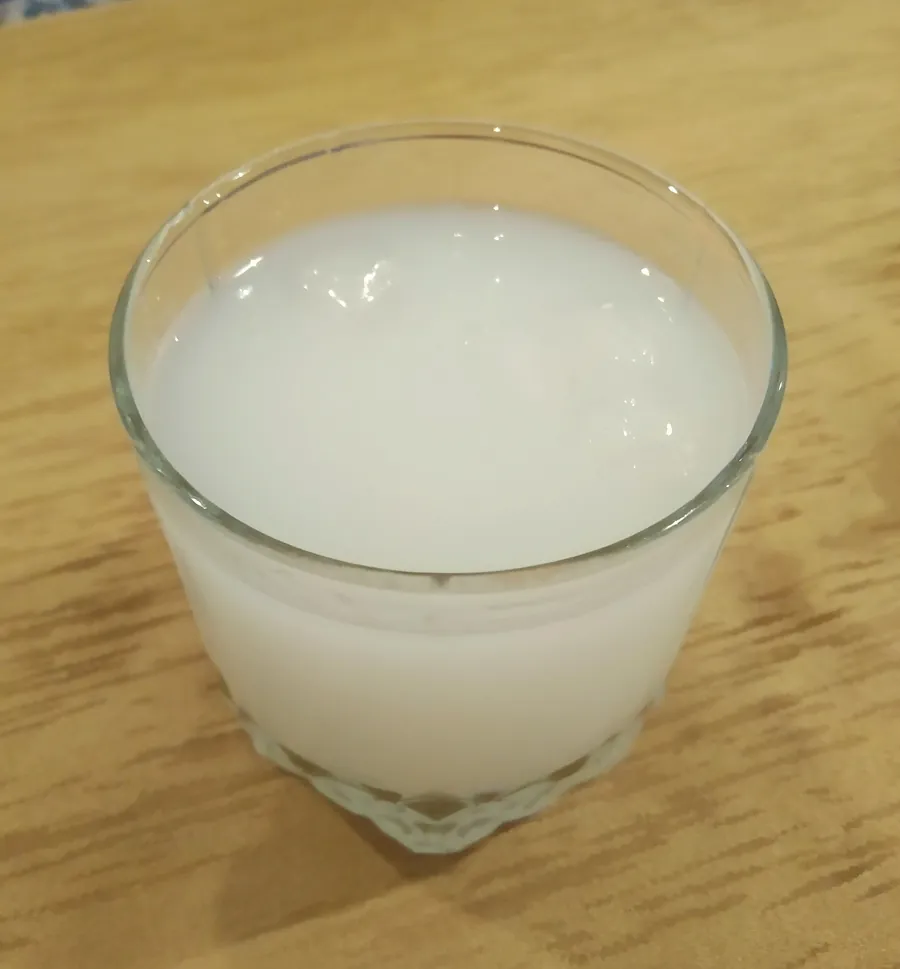
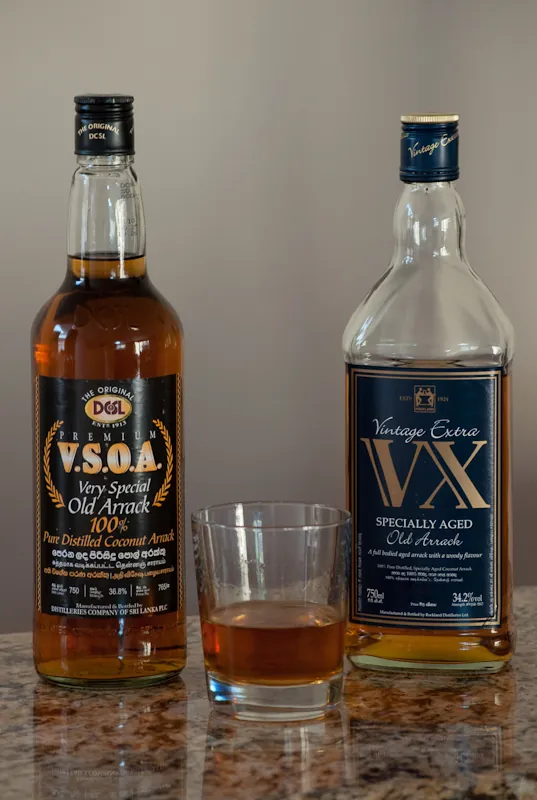
English arrack comes probably via Indonesian Malay arak, by uncertain mediation, from Arabic ʿaraq; first known use: 1521. Both hedges stay on the page.
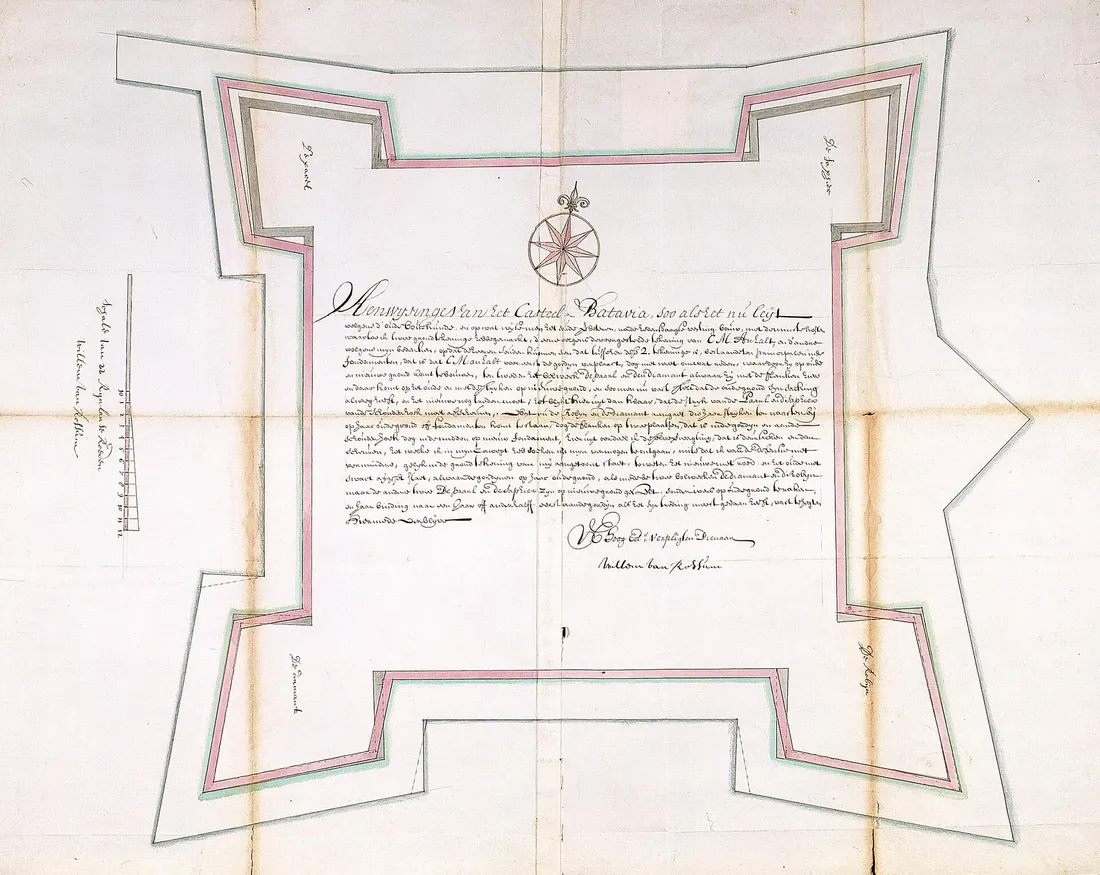
Batavia, now Jakarta · 1751
Batavia arrack
“Fine old Batavia Arrack, now lying in the East India Company's Warehouse” — a London notice of 1751. A century and a half earlier, van Linschoten had found only palm arrack on Java.




ACT 3 · ISTANBUL, THE 1630S
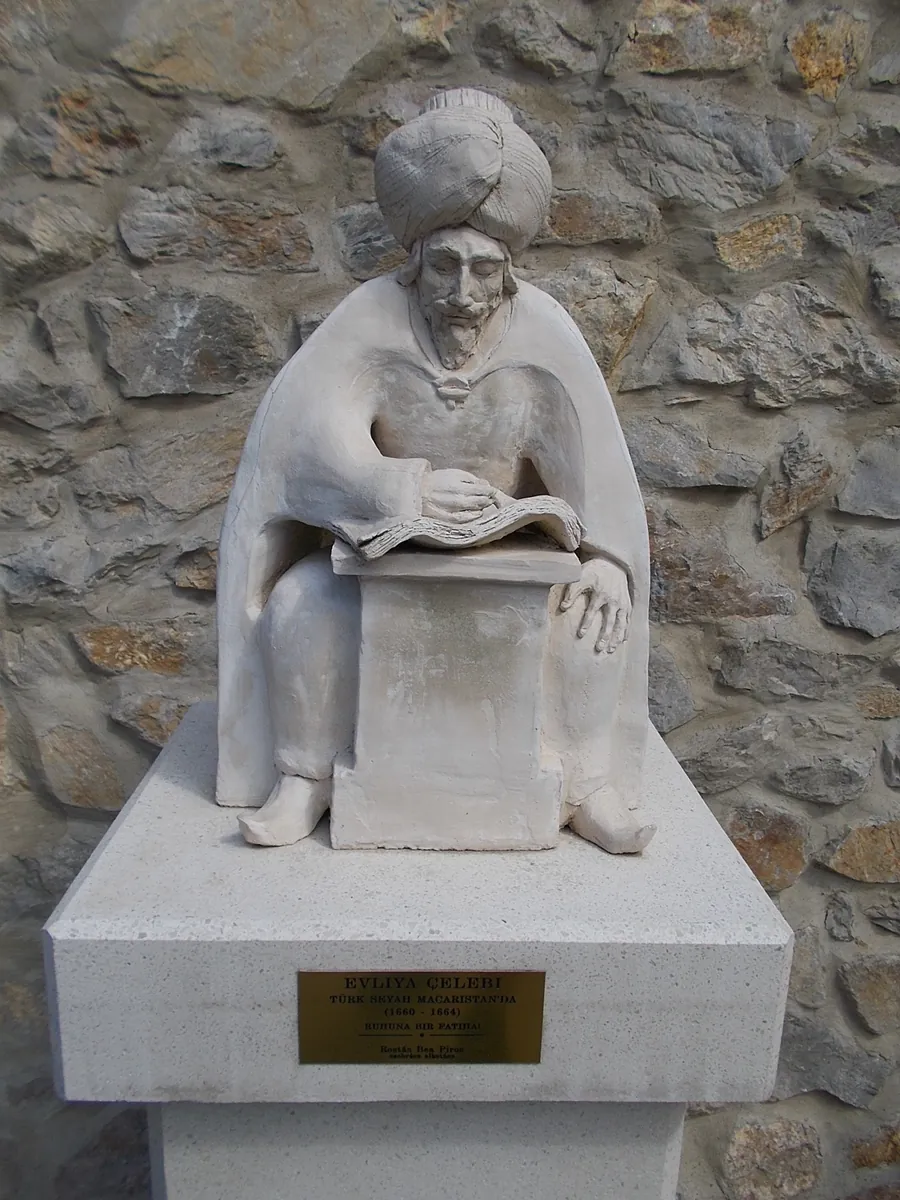
Evliya at the tavern
The word has grown up: it has kinds, it has taverns, it has a man counting them. We trust him on the kinds — he lists them with too much appetite to have dreamt them — and we read his figures as his, not the world's.
Evliya's kinds
- banana
- pomegranate
- cinnamon
- clove
- linden
- straw
Banana rakı, pomegranate rakı, cinnamon, clove, linden — and straw: Evliya's list, kept in an Izmir thesis.


Evliya's census
Over 1000 meyhanes and 6000 regulars — that is how Evliya counts Istanbul. But his method he tells to no one: “impossible to know how he counted”, write those who studied him.
So the figures stand on the page with an owner: Evliya's census, not Istanbul's.

ACT 4 · BUCHAREST, 1688
Rachiu among Romanians
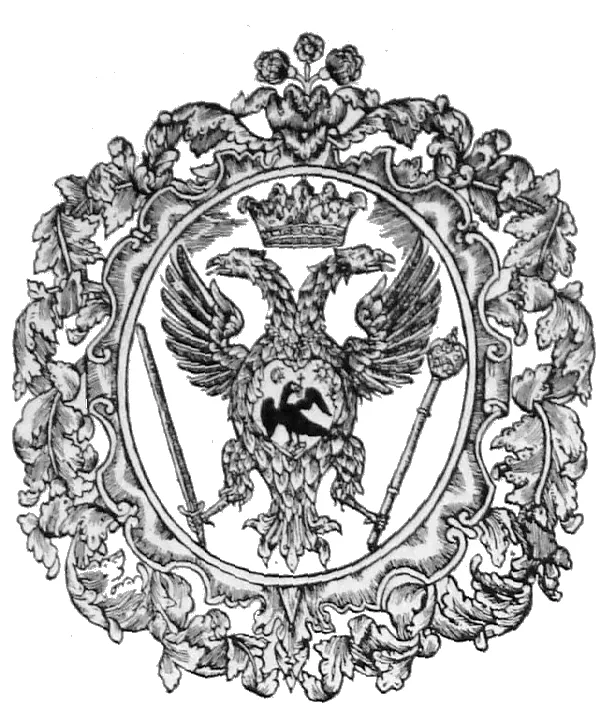
At the end of the western road the word enters dictionaries and the Bible. DEX is short and sure; MDA2 gives the year and two roads; the variants show a century still looking for its spelling.
The dictionaries' verdict
DEX: Din tc. rakı — from Turkish rakı.
MDA2: attested in BIBLIA (1688); E: Turk. raki, Serb. rakija.
Turkish straight, or via Serbian? The dictionaries list both paths and pick neither — nor do we. We do not quote the 1688 verse: the shelfmark was never checked against the scanned copy.


A century without spelling
- rachie
- răchie
- rechie
rachie, răchie, rechie: the old forms gathered by the thesaurus dictionary, with Creangă and C. Petrescu as witnesses.
Today's fan
The living forms, with no invented birthdays:
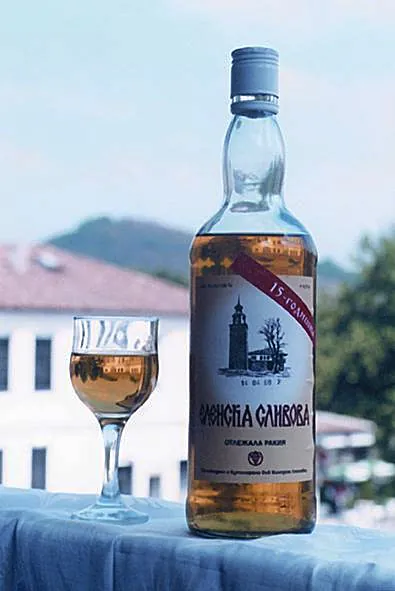
- rakija — Serbia, Bosnia, Croatia, Montenegro, North Macedonia — Serbia's national drink
- rakia — Bulgaria
- raki — Albania, Greece, Türkiye
- rakı — Türkiye — from Arabic arak; old variants: araka, araki, ariki
- arak — the Levant — the form that stayed home
- arrack — the English-speaking world, via Malay — other bases: rice, palm toddy, molasses
No “oldest” stamps here: the possible 14th-century Balkan attestations were never read at the source and stay off the page.
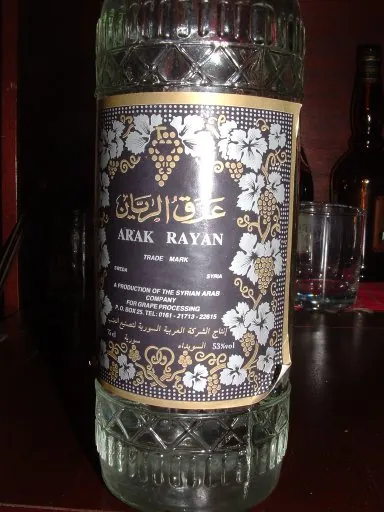

Two words from next door
Not everything that burns in the glass comes from sweat. Two samples, one screen, no map:
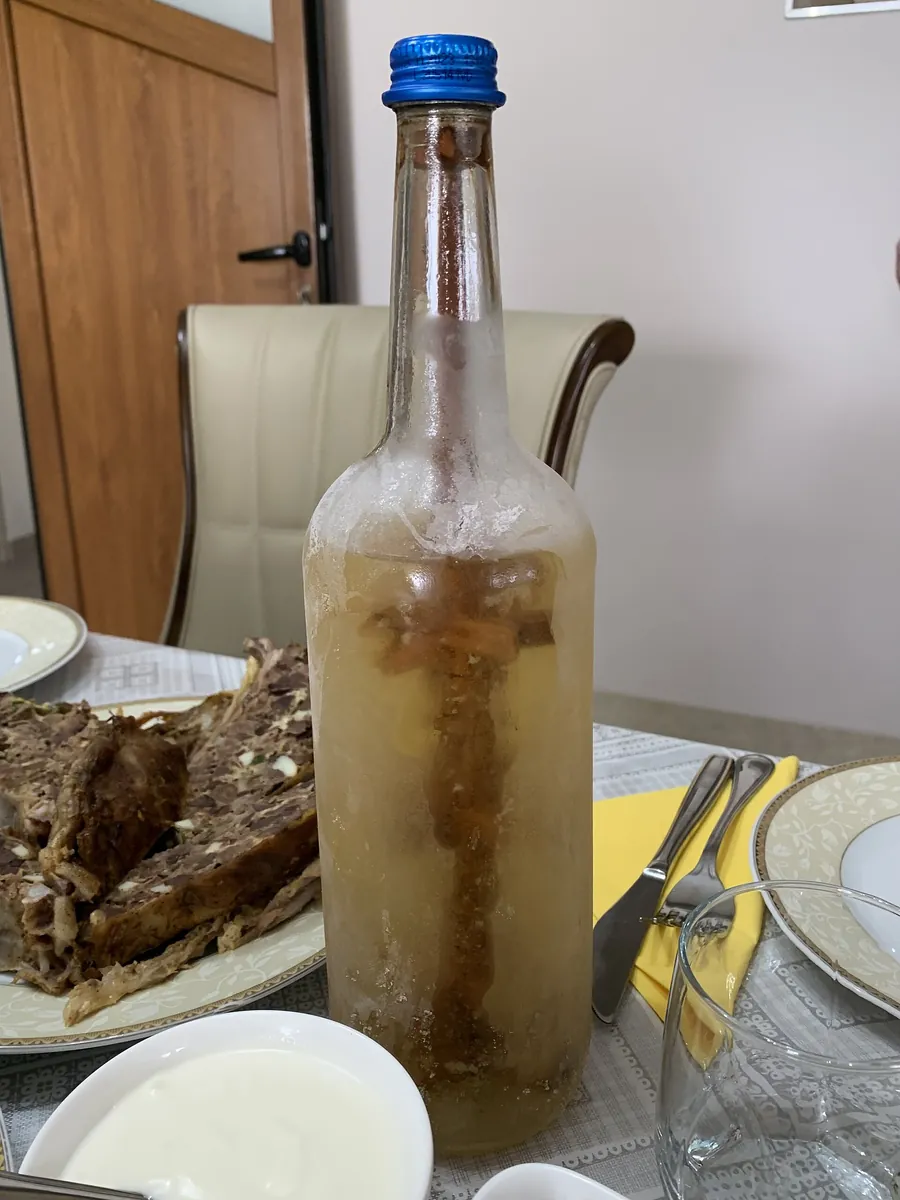
țuică — the honest unknown
DEX points at Serbo-Croatian cujka; the etymological dictionary says origin unknown, probably an expressive creation; MDA2 writes curtly: nct. Three answers, no winner — the card's verdict is “unknown”.

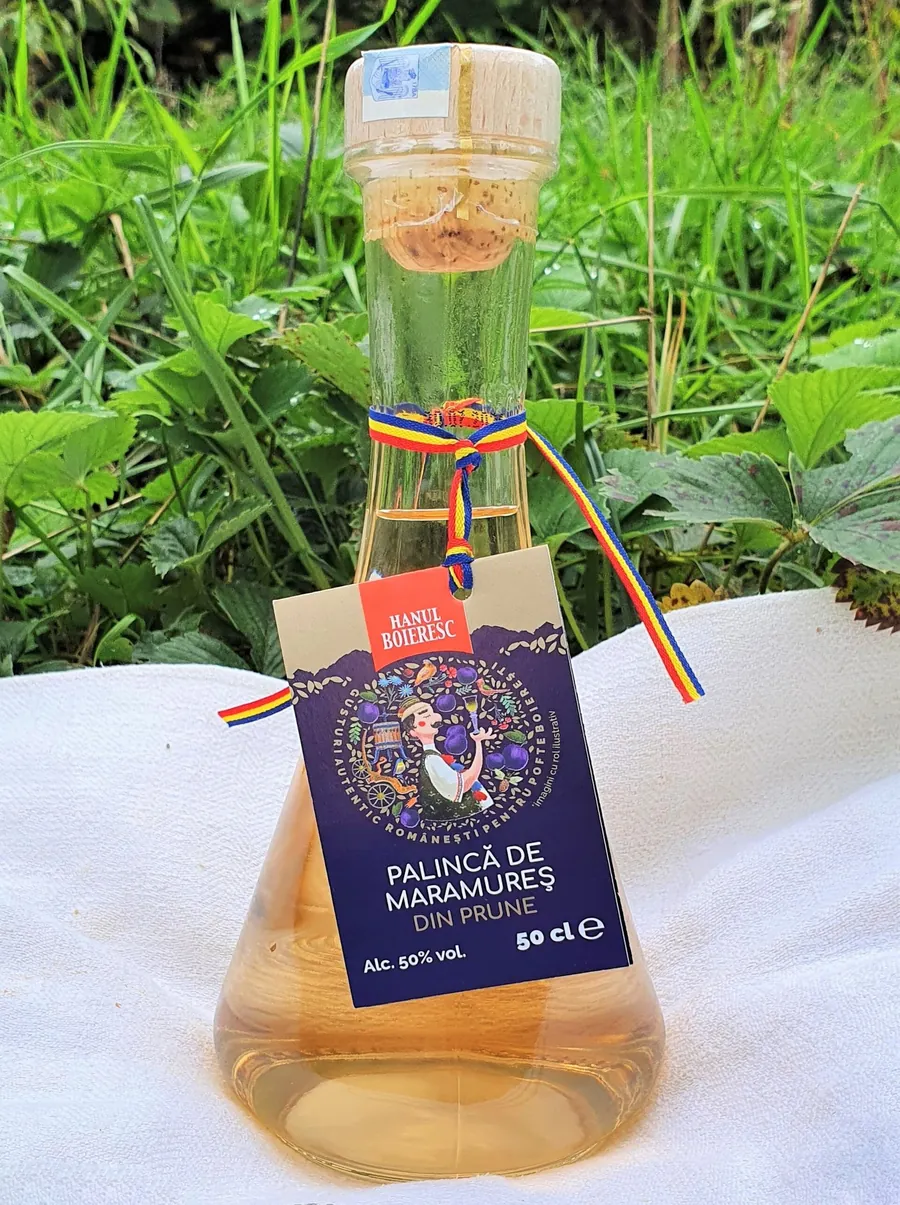
pălincă — the burn-word
From Hung. pálinka — and further from Slavic paliti, “to burn”. Against the sweat-word stands the burn-word: the same strength, another metaphor.

GAME · MATCH THE FORM TO THE LAND
Whose sweat is it?
Four forms, four lands. Choose, press, hear the verdict — the score stays with you.
ʿaraq
Right: ʿaraq is the sweat from home, from Arabic. Every strayed form returns to it.
rakı
Right: rakı is the Turkish form, from Arabic arak — Istanbul's glass.
rachiu
Right: rachiu is the Romanian form — DEX: from Turk. rakı; MDA2 dates it to 1688.
arrack
Right: arrack is the eastern end — probably via Malay arak, by uncertain mediation; first known use: 1521.
Score: 0 of 4
CLOSE
The word that sweated
From the sweat on the alembic's walls to your own glass, the word did nothing but change its clothes at every border: ʿaraq, arak, rakı, rachiu, arrack. Drink it in small sips — and say its name, in Arabic, at least once.
What we do not know yet
- How the word entered Romanian — straight from Turkish or via Serbian: the dictionaries give both roads and pick neither.
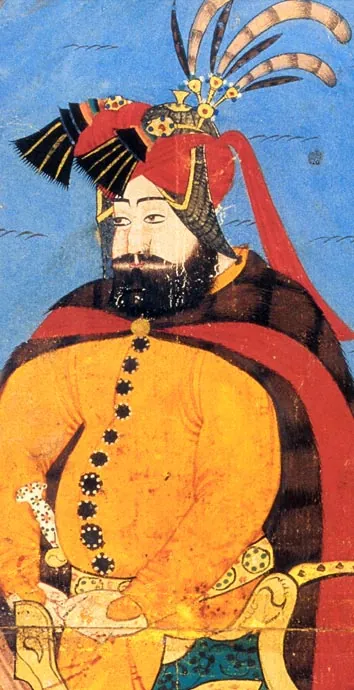
- How Evliya counted is unknown, and the sources disagree on the drink's share in Murad's ban.
- The possible 14th-century Balkan attestations and any alchemical “purity” stay unproven and never appear as facts.
Sources
Dictionaries first, then the alchemists, then the roads. Every sentence returns to a row below.
Dictionaries
The alchemists and the word
The roads
Type: Fraunces, Newsreader and Atkinson Hyperlegible, under the SIL Open Font Licence.