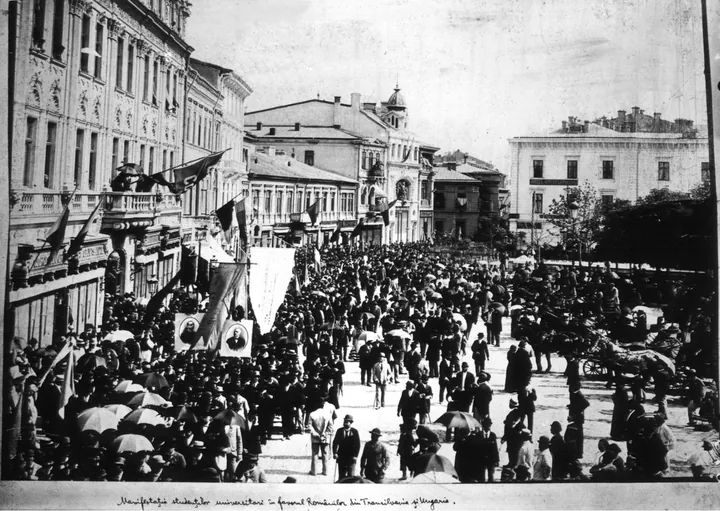
The story, in four chapters
A compromise made without the Romanians, in 1867. A petition carried by 300 people, in 1892. A trial at Cluj, in May 1894. And a pardon that repaired nothing, in 1895.
Each chapter keeps the same landmarks: the dates, one scene told in the sources' own words, one period image, and one anchor in what Europe was doing meanwhile.
Chapter I
Patience
1867 – 1892 · 23 years of passivity
- Chapter
- 1867 – 1892
- The Compromise
- 1867, Transylvania joins Hungary
- Passivity
- after 1869
- The committee
- 25 members
After the Compromise of 1867, Transylvania is part of Hungary again, and the Romanians – a majority population – are left without ethnic standing. At first the Romanian National Party takes part in political life; after 1869, following disagreements, it chooses passivity: no more elections it considers rigged.
The grievances are three: the Romanians are underrepresented in the Budapest Parliament through electoral abuse and a higher property qualification; they face Magyarization; and Transylvania lost its autonomy with nobody asking the Transylvanians.
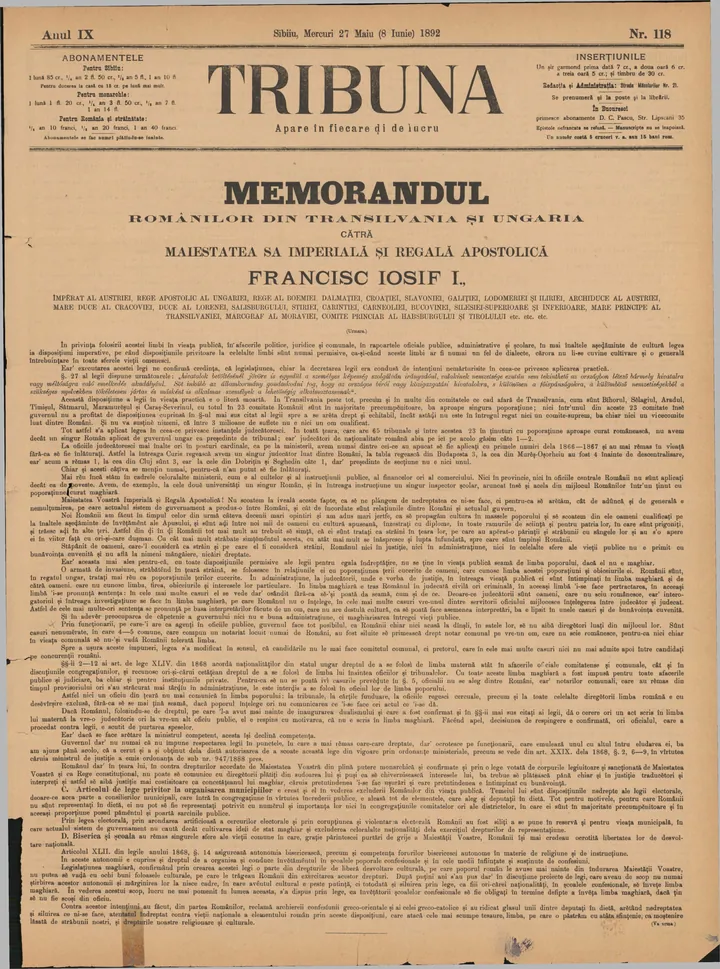

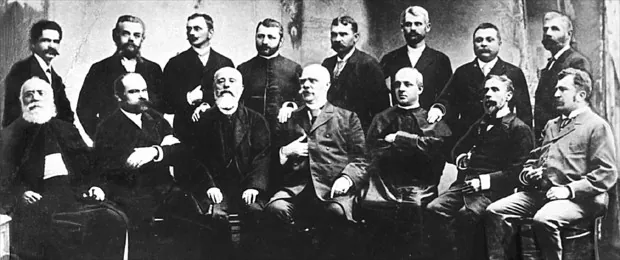
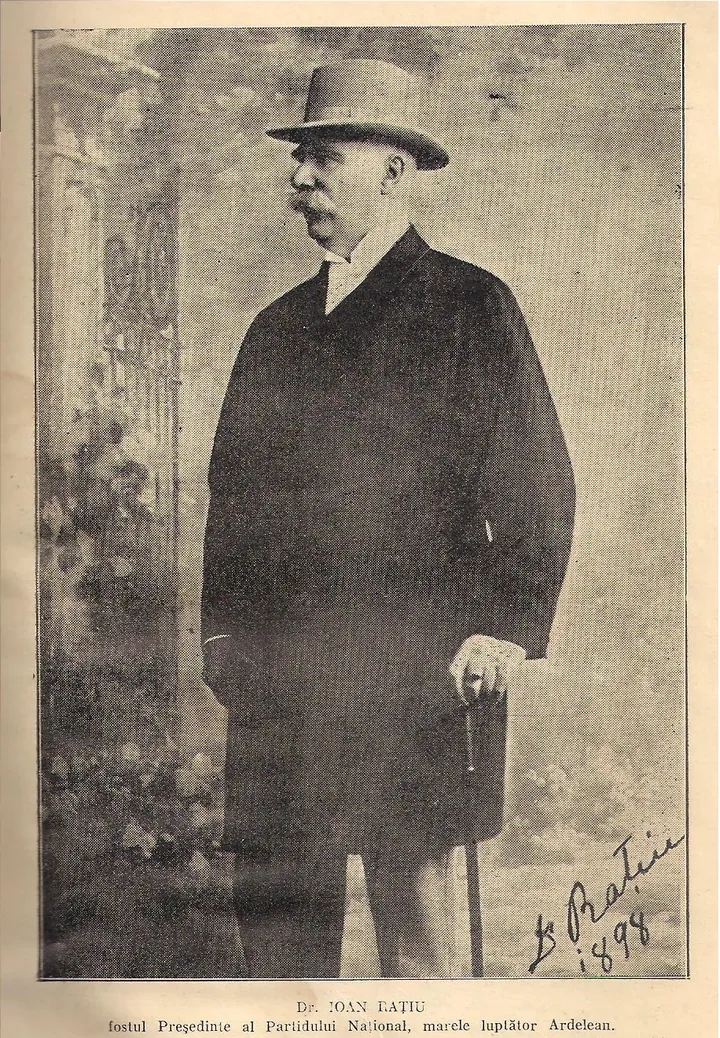
In 1892, a 25-member party committee – president Ioan Rațiu, secretary general Vasile Lucaciu – puts all of it in writing: the Memorandum demands political rights for the Romanians and denounces the intolerance of the Hungarian kingdom.
Dr. Lucaciu was sentenced to a year in prison, where he was barbarously punished, so that he nearly lost his eyesight.
The Standard, 7 May 1894, as quoted in the Cluj study
Meanwhile In 1884 Georges Clemenceau writes about the Romanians in La Justice; in 1892 their cause reaches the diplomats' desks too – the Borchgrave report, in November.
Chapter II
Vienna
1892 · 28 May, no audience
- Chapter
- 1892
- The delegation
- 300 people
- The presentation
- 28 May 1892
- The answer
- forwarded unread to Budapest
At the end of May 1892, 300 delegates from the Transylvanian localities go to the Imperial Court. They are granted no audience with the Emperor: the imperial cabinet sends the document straight to the government in Budapest. On 28 May 1892 the Memorandum is presented – and its long road back, unopened, begins the same day.
The paper trail is short to tell: Franz Joseph forwards the petition, unread, to prime minister Gyula Szapáry; he sends it on, still unopened, to the lord lieutenant of Torda-Aranyos, to be returned to its sender, Ioan Rațiu.

The refusal does not stop the memorandists: they print the document at Sibiu, and the sequel is violent – Rațiu's house in Turda is wrecked by demonstrators, his family flees to Sibiu, and across the Carpathians the outrage is enormous. In Vienna the delegation is welcomed at a rally by Karl Lueger, the future mayor, who condemns the oppression of the Slav nations and the Romanian one.
The Romanians are as lambs against wolves, and the Romanian peasant's mantle is every bit as worthy as the Hungarian shirt.
Karl Lueger, Vienna 1892 (after the period account)
Meanwhile The Belgian ambassador in Vienna, Borchgrave, writes to his minister about the Romanians on 19 November 1892.
Chapter III
The trial
1894 · Cluj, 7 – 25 May
- Chapter
- 1894
- The hearing
- 7 May 1894, the Reduta hall
- The verdict
- 25 May 1894
- The convictions
- 14, from two months to five years
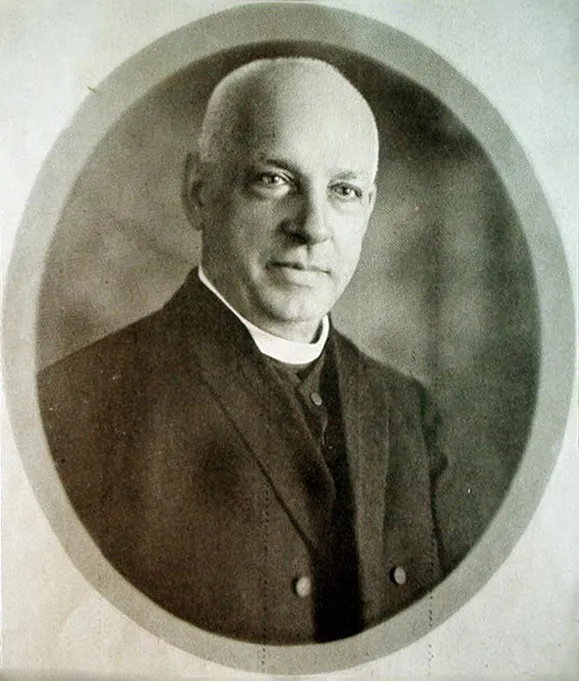
Because the document was printed and spread, its authors face justice in May 1894, accused of incitement through the press. The charges run from disturbing the peace to high treason – Lucaciu is charged with betraying the homeland. Day I, 7 May: president Szentkereszty Zsigmond opens the proceedings at 8:30, in the Reduta hall at Cluj, and the accused enter accompanied by their defenders.
Midway through the hearings comes the turn: the defenders withdraw, Rațiu asks for an adjournment in everyone's name, the court refuses – there are lawyers enough among the accused, they can plead their own cause. The accused announce nullity, then accept going on: the Reduta hall lives its first day without scandals, and the dock turns into a rostrum.

.jpg)
Then come the speeches: Rațiu speaks about the laws, Lucaciu – the group's orator – about the injustices, and Coroianu rises in everyone's name. On 25 May the sentence is pronounced: 14 guilty of agitation, under Articles 173 and 171, with punishments from two months to five years of state prison.
What is debated here is the very existence of the Romanian people. But the existence of a people is not debated, it is affirmed.
Ioan Rațiu, in the courtroom, Cluj 1894
Meanwhile On 7 May 1894 The Standard writes about the Roumanians in Hungary; on 10 May Le Matin follows, with the Trial of the Roumanians.
Chapter IV
The echo
1894 – 1895 · the September 1895 pardon
- Chapter
- 1894 – 1895
- The press
- London, Paris, Bucharest
- The heavy sentence
- five years, one served
- The pardon
- September 1895
The trial wins what the petition had lost: Europe's attention. The Romanian students of Vienna, Graz, Budapest and Cluj print their solidarity manifestos starting in the summer of 1893, with foreign-language versions sent to political and press circles in the West; in Bucharest the Golgota sheet crucifies the injustice on its front page.
The convicts do not stay locked up for long: in September 1895 the Emperor pardons them. The release is the fruit of a diplomatic game – King Carol I intervenes directly with Franz Joseph, and Dimitrie Sturdza proposes the saving formula to premier Bánffy: individual pardons, not amnesty, so Budapest can save its honour.
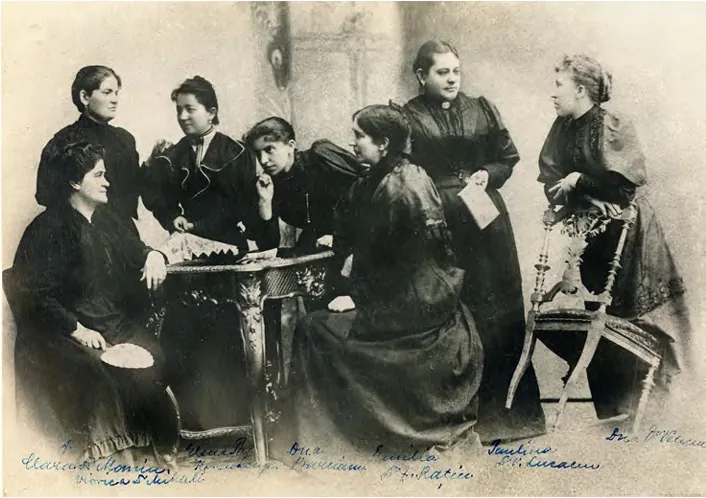

The pardon comes too late to mend anything: trust in the House of Habsburg falls, and more and more leaders see the union of Transylvania with Romania as the only way out. Union activism waits, though, for the Great War and Trianon – Romania oscillates between the Powers, and Archduke Franz Ferdinand promises a federal Austria.
If we are convicted, the whole people will act for us.
The accused, in unison, after the Pesti Napló correspondent, Cluj 1894
Meanwhile The memorandists' cause is carried in song too: Lucaciu's Doina is dedicated to the Lion of Șișești in the prison years.
