73 projects · film, music and art
Arts and culture: what do you notice in a work?
Choose a work and view it first as a whole, then in detail. Three paintings from the National Gallery of Art collection show how brushstrokes, light and composition change what you notice.
All projects ↓Look · compare · return
3 works · 3 ways of lookingInteractive painting gallery
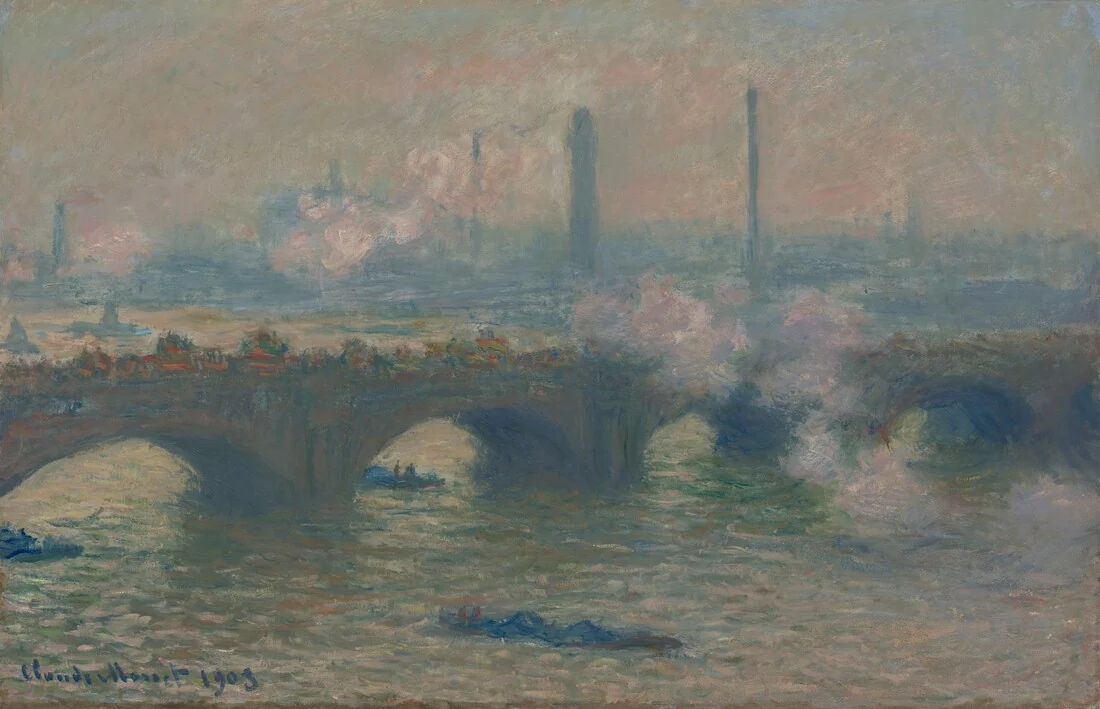
Whole work. Image from the museum’s Open Access program.
Images come from the National Gallery of Art, Washington Open Access program. The Gallery says they are free for any use and in the public domain; local files are resized WebP derivatives. Open Access image terms ↗
Pigment, thread, wood and clay
Material changes what a work can do.
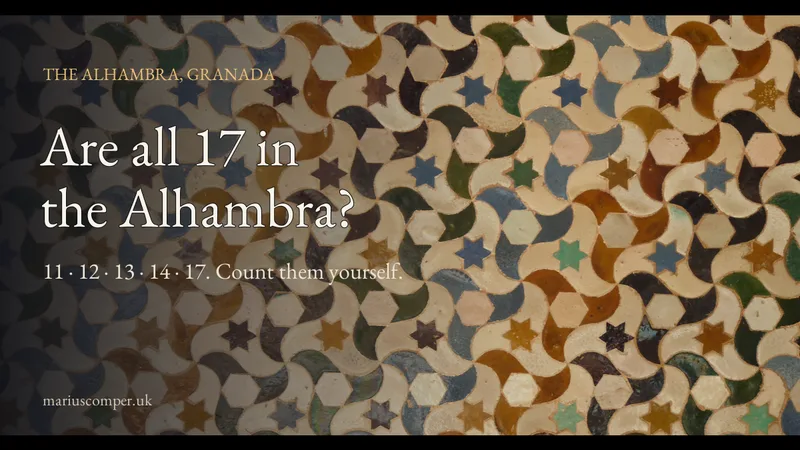
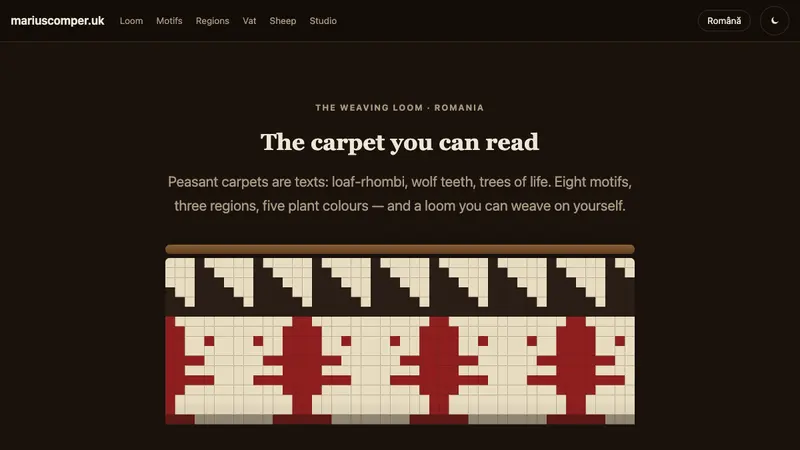
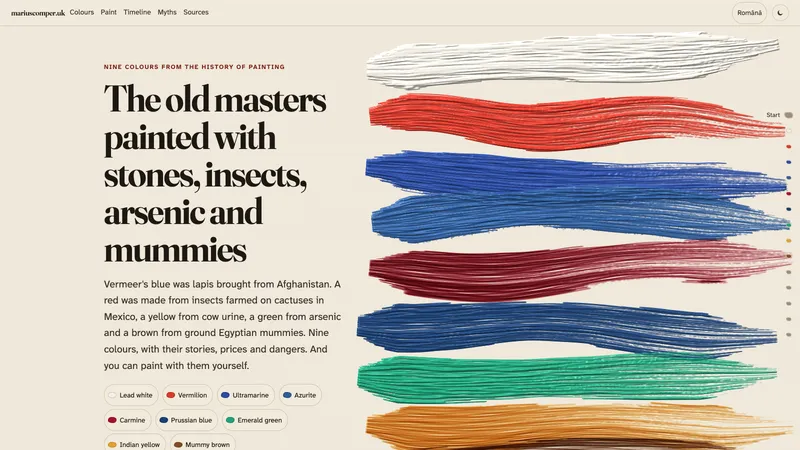
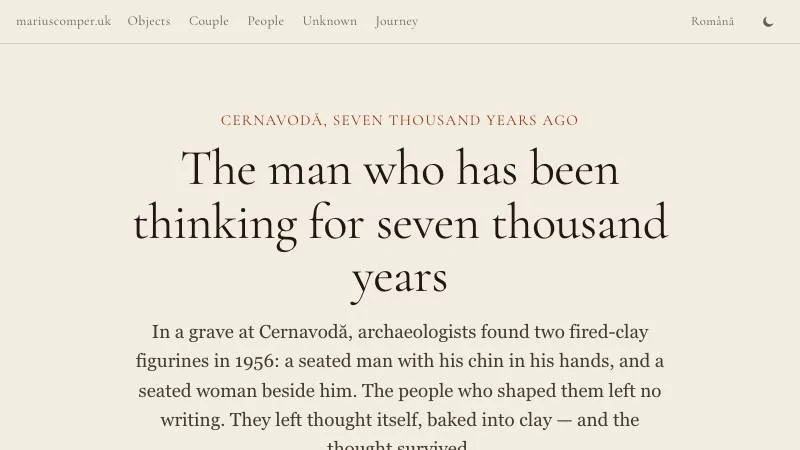
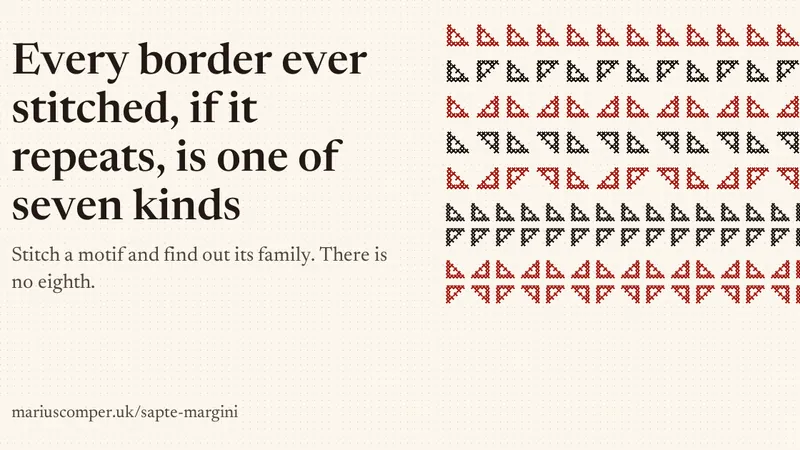
A painting’s colour begins before the brush, while a woven pattern depends on thread and repetition. The collection traces pigments to their materials, woven motifs and objects made to be seen and used.
Images begin to move
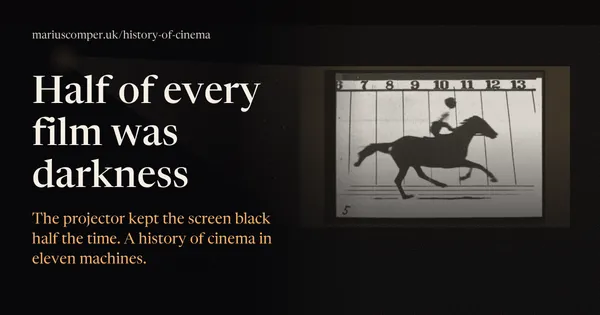
Cinema also has a history of machines.
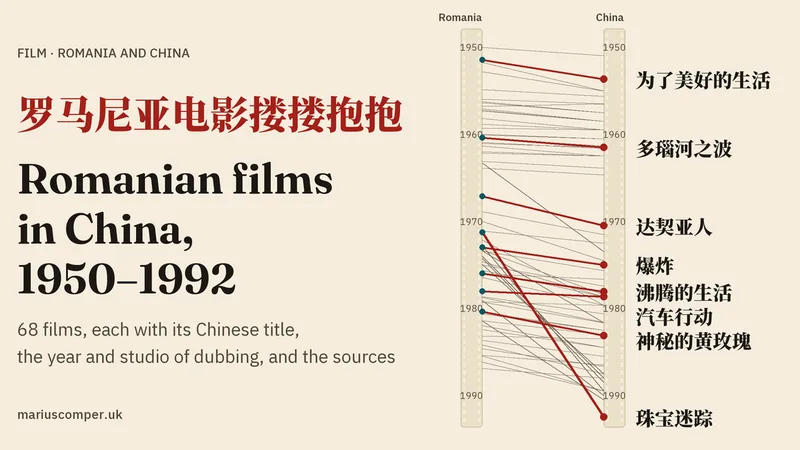
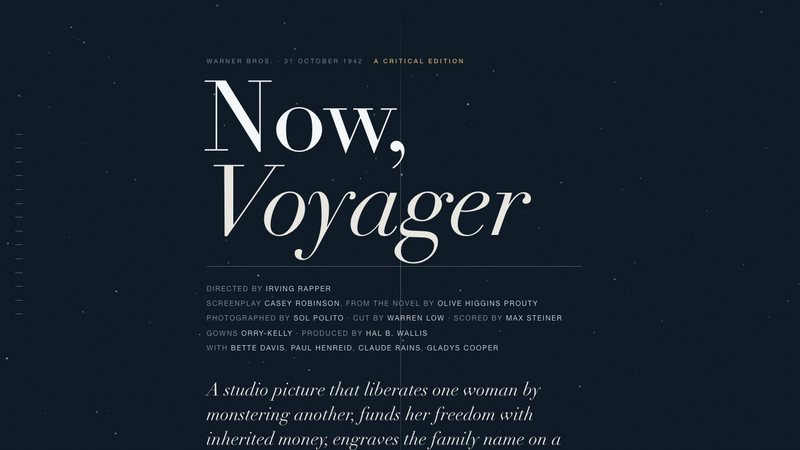
Before digital projection, a shutter darkened the screen between images. Follow how machines and projection rhythms changed what audiences saw, then explore the collection of films and the stories of how they travelled.
Voice and performance
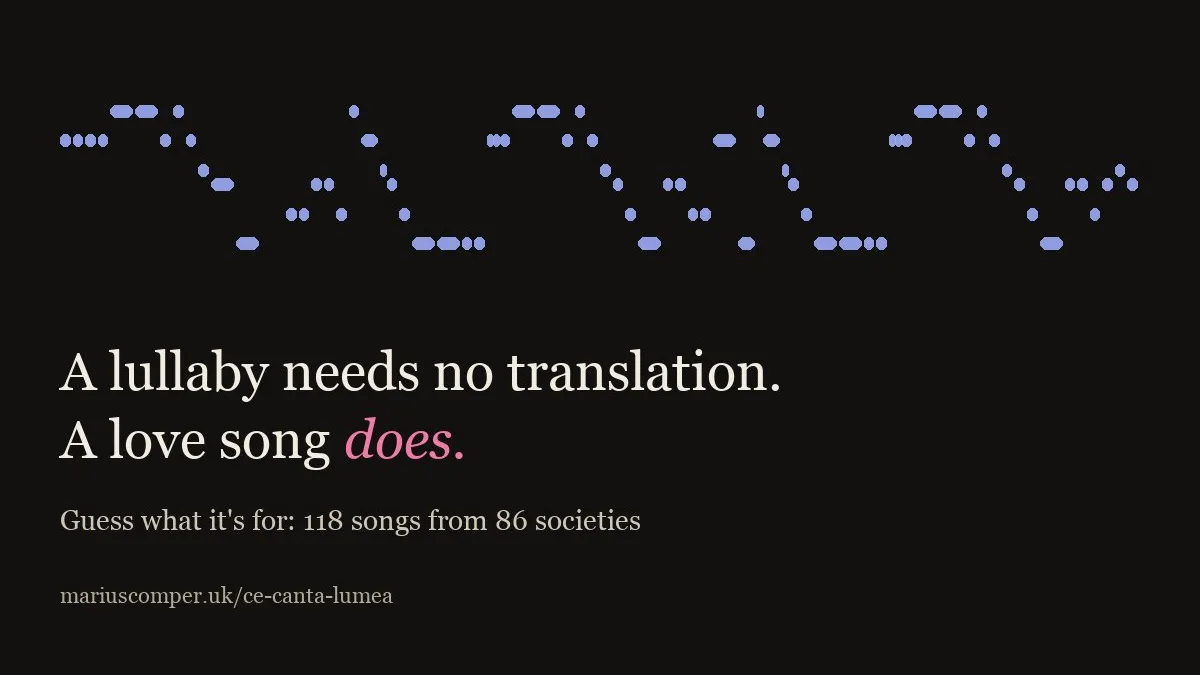
A song changes with place and purpose.
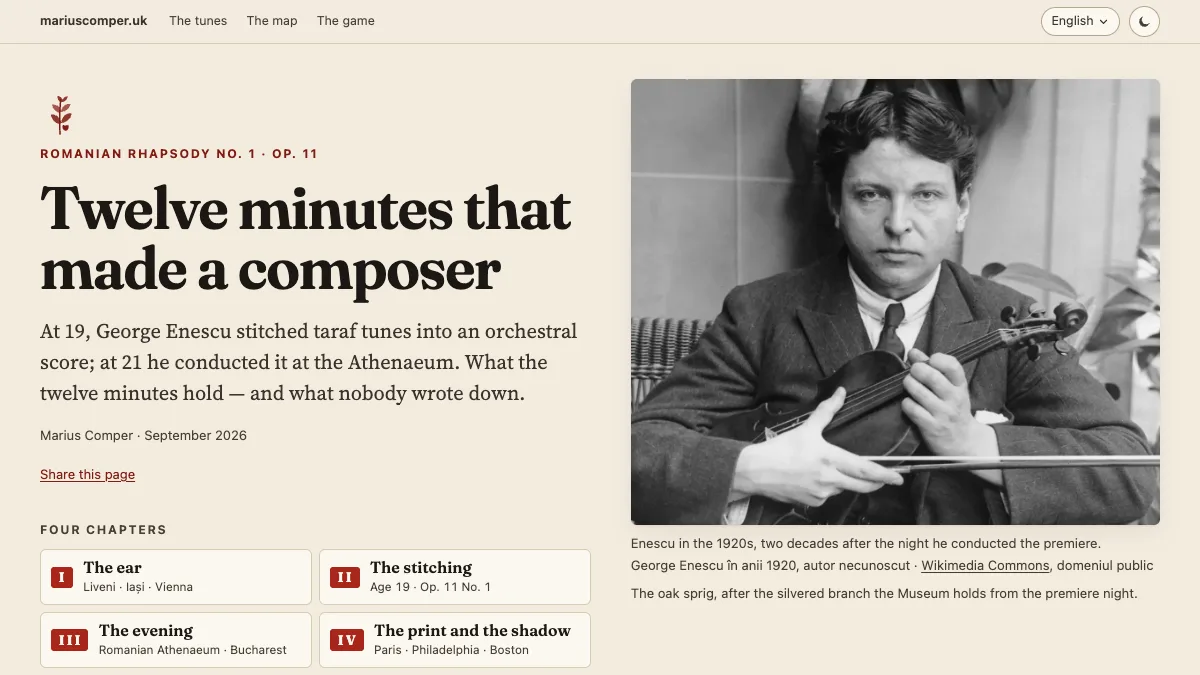
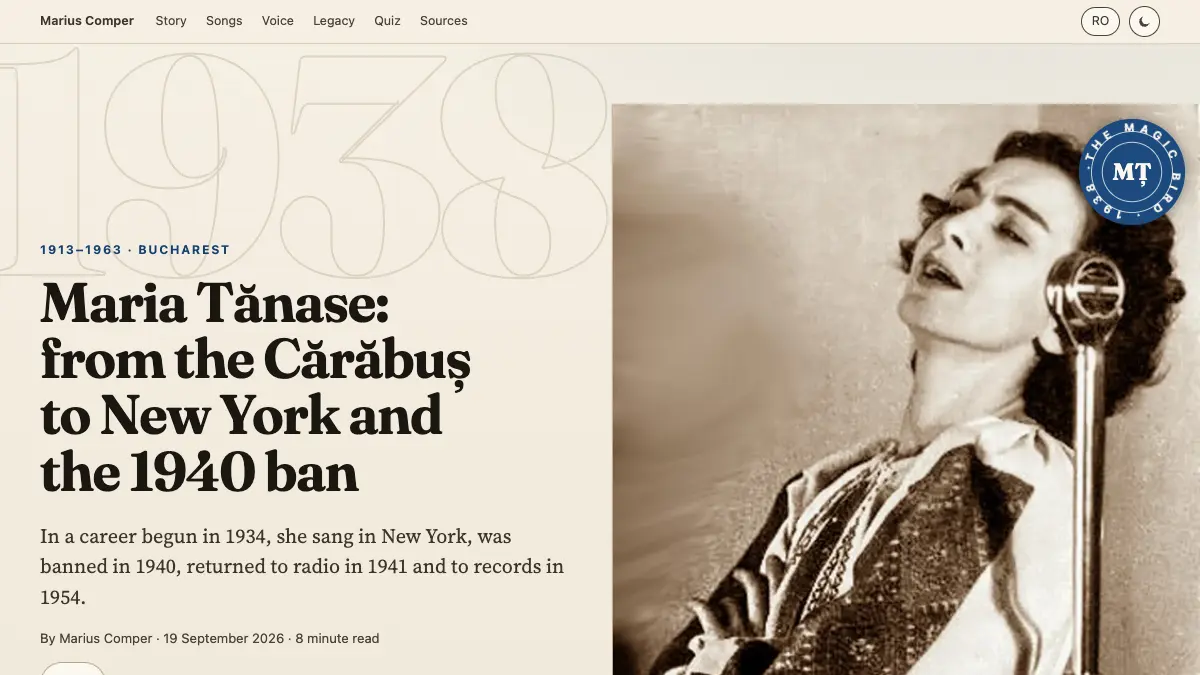
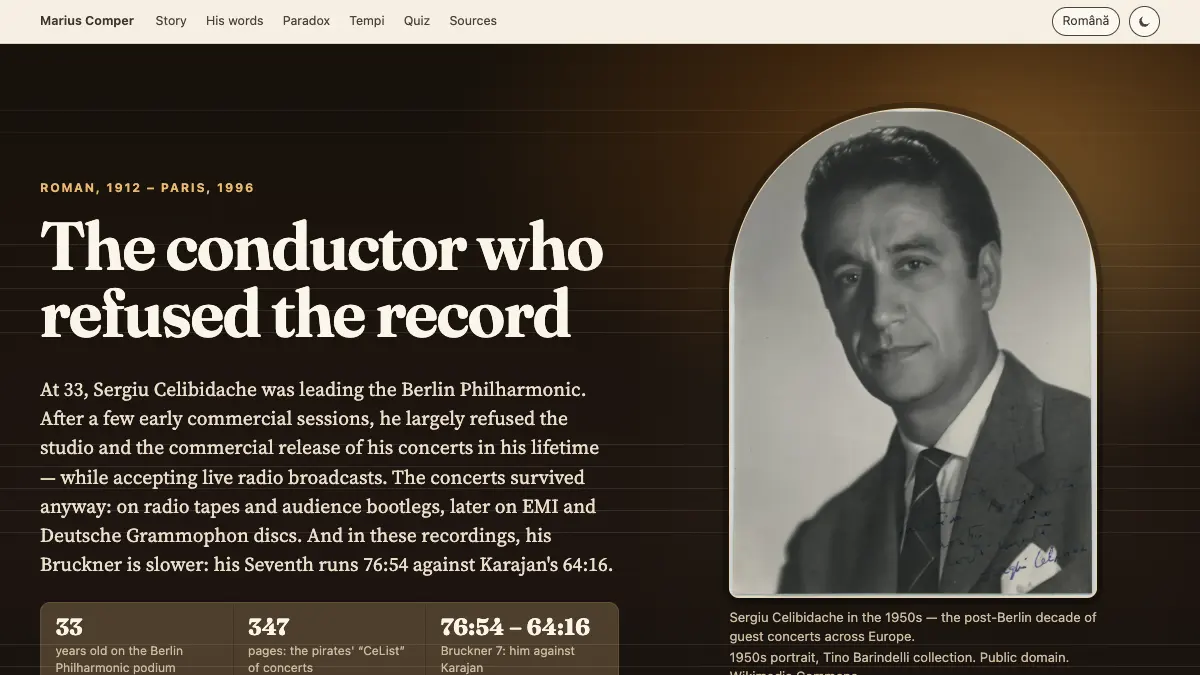
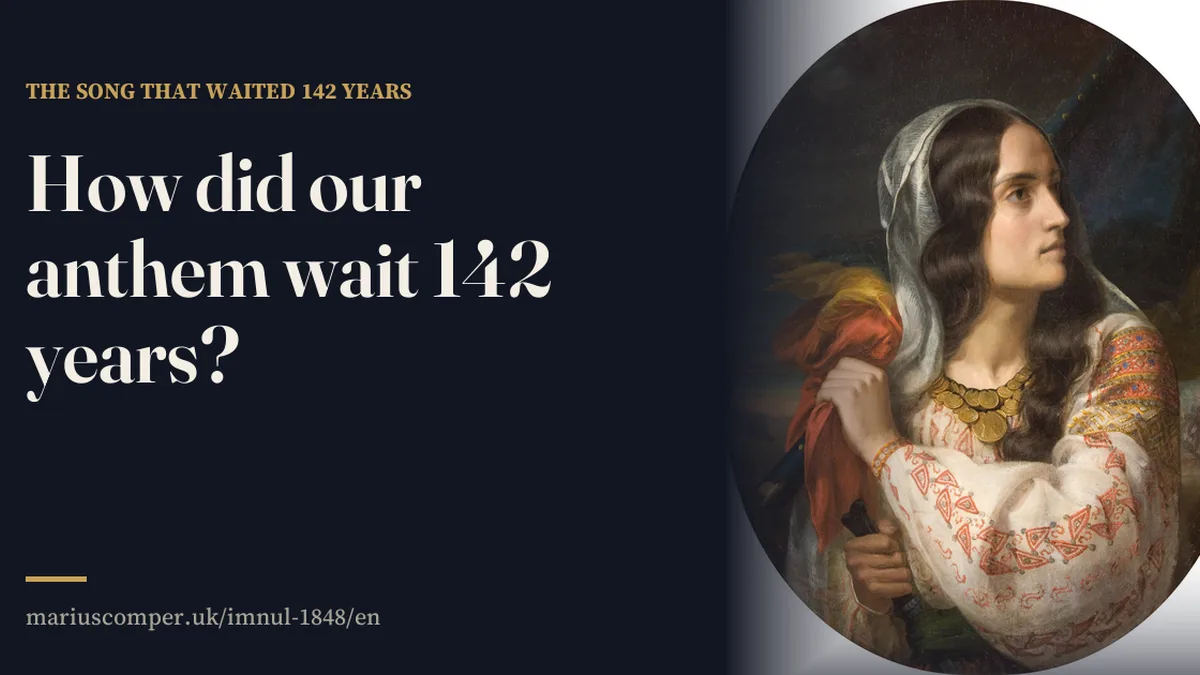
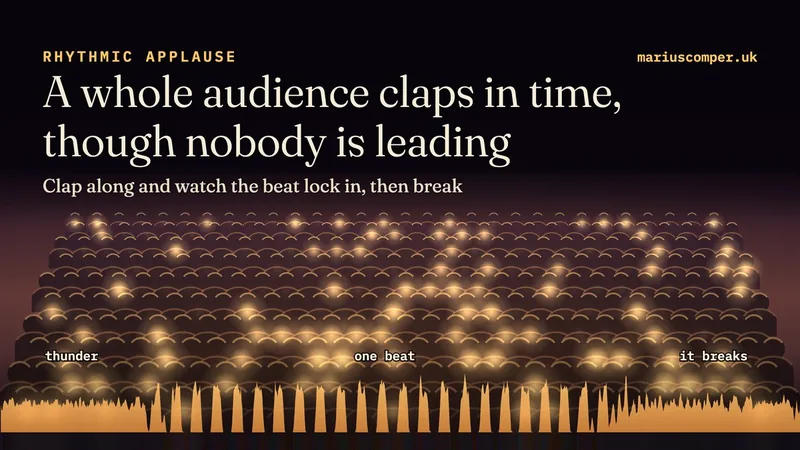
Recordings, scores and public histories preserve different traces of music. Listen to songs used for dancing, rocking or healing, then compare them with a rhapsody, an anthem or the rhythm a whole audience finds together.
Story and copy
A work survives through the ways it is passed on.
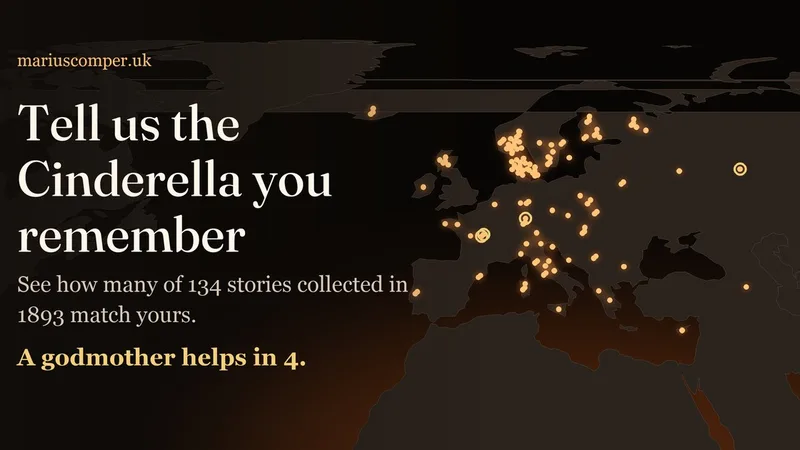
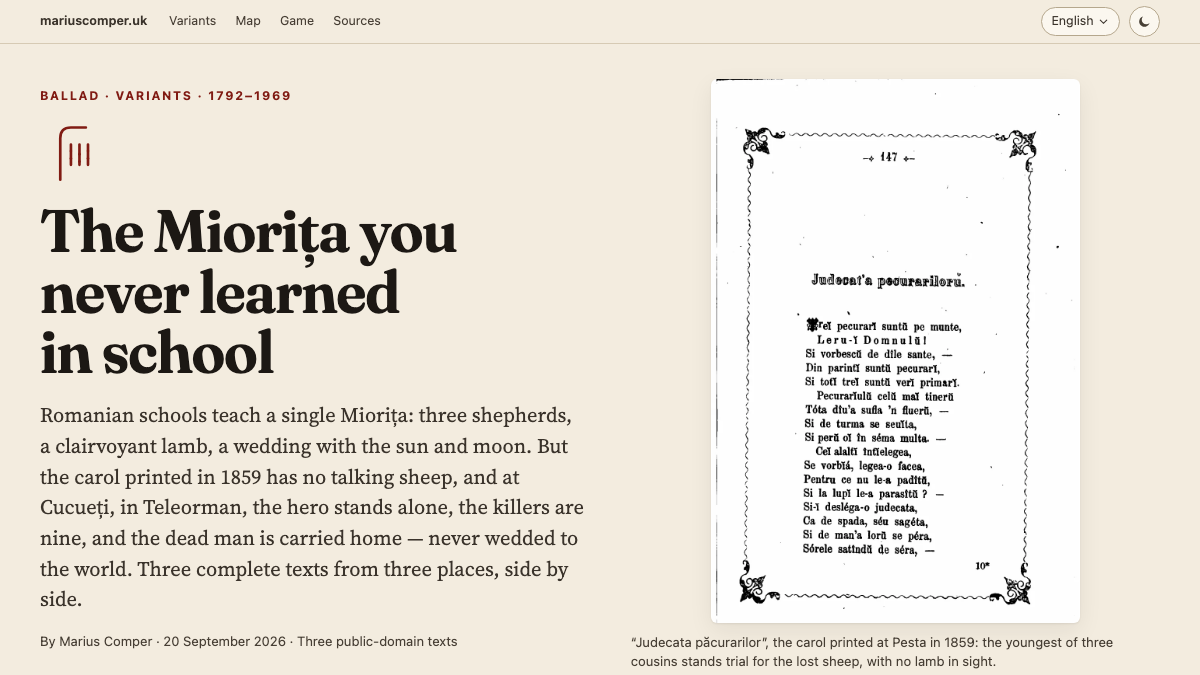
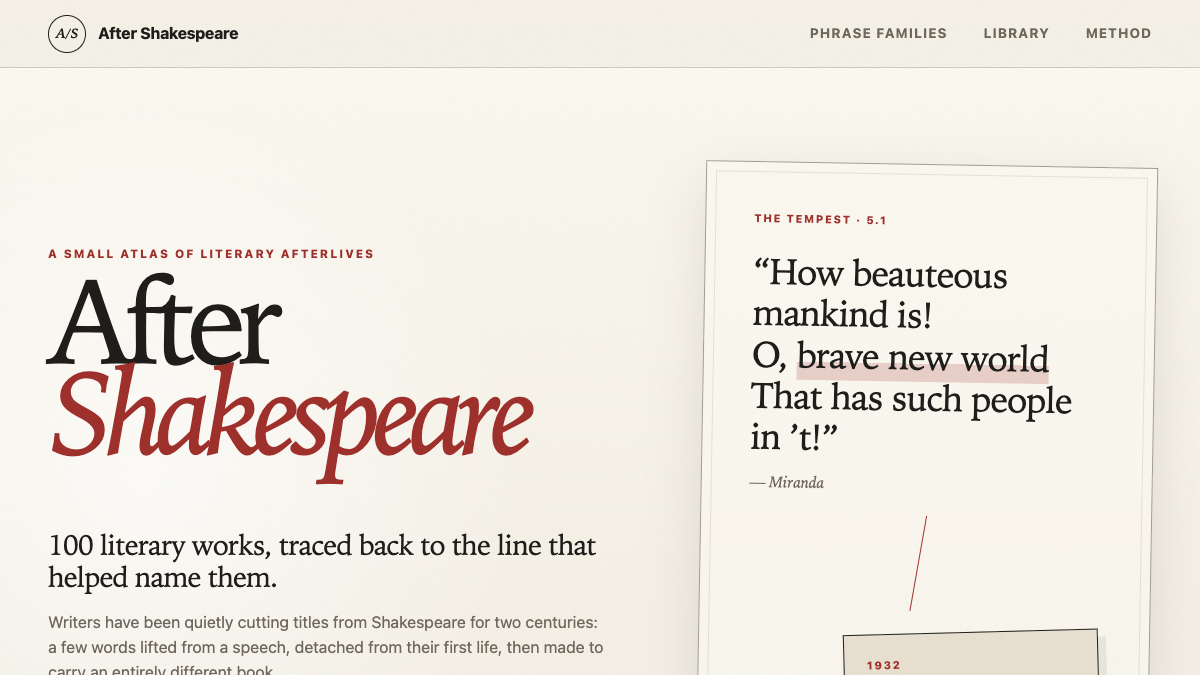
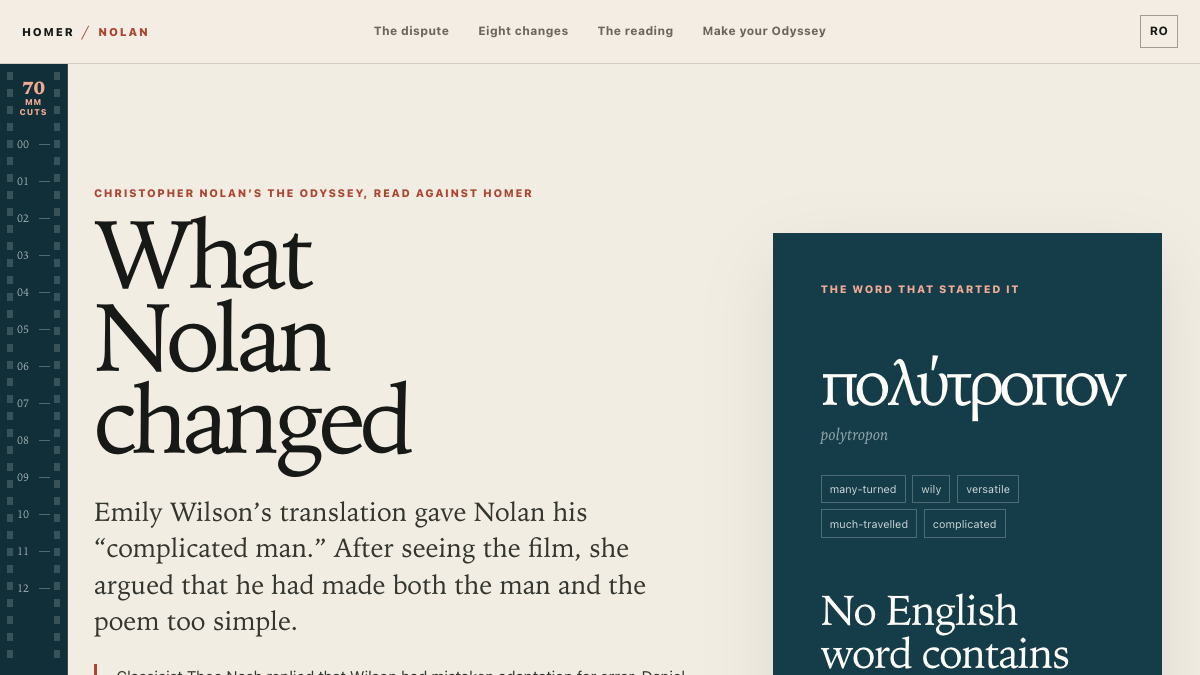
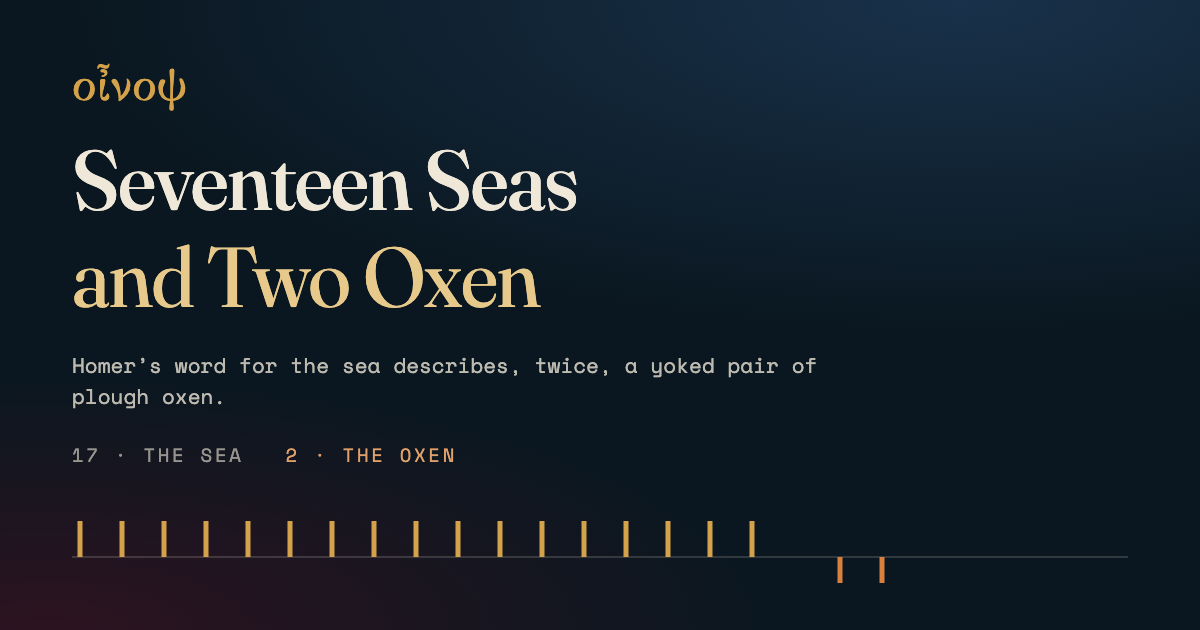
A printed edition is not always the only version. Manuscripts, collected folktales and translations show who copied, changed or preserved a story. Explore the texts and their paths, not only the familiar title.
Built form and place
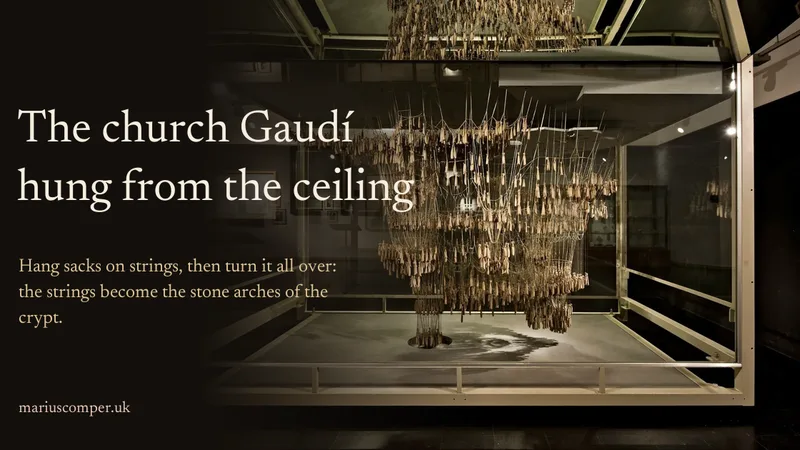
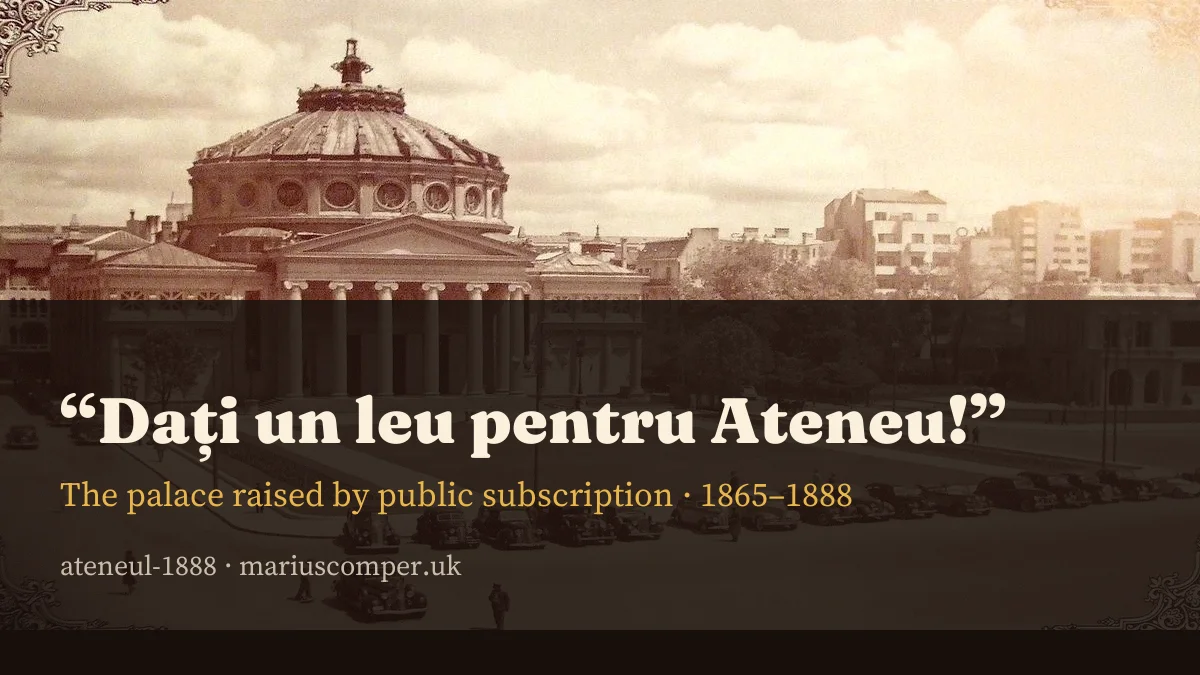
Architecture can be read as a work.
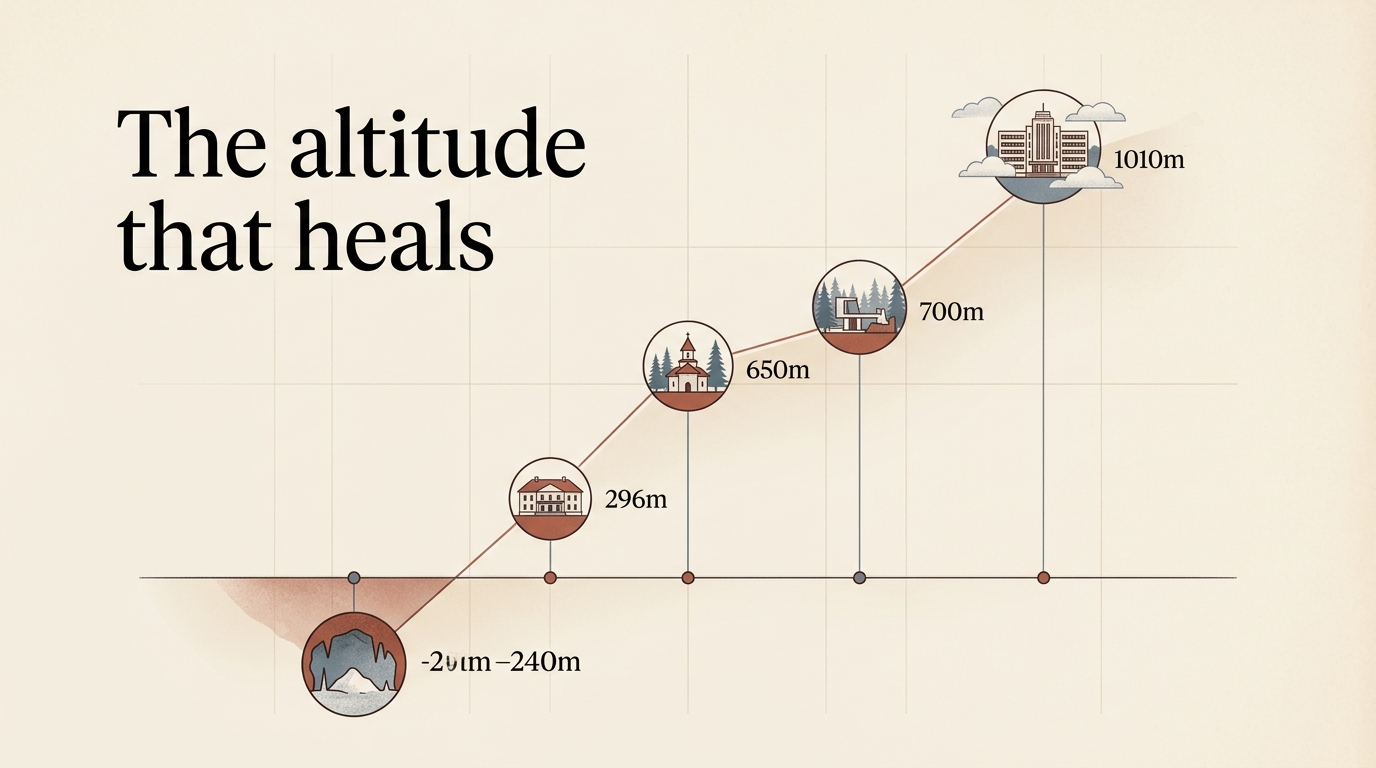
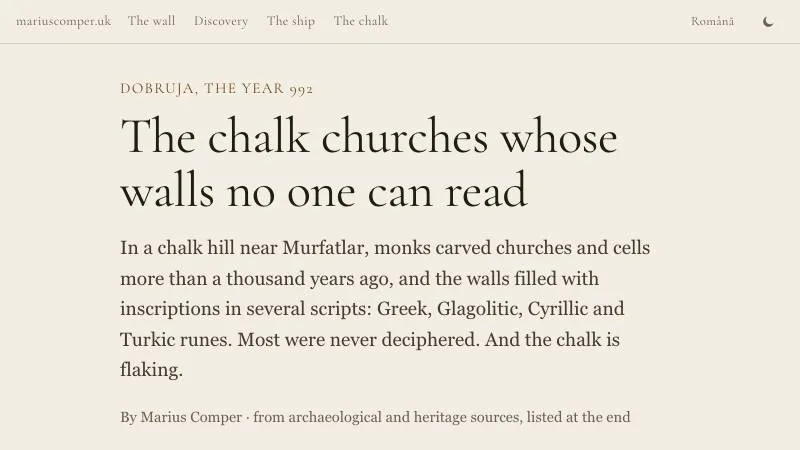
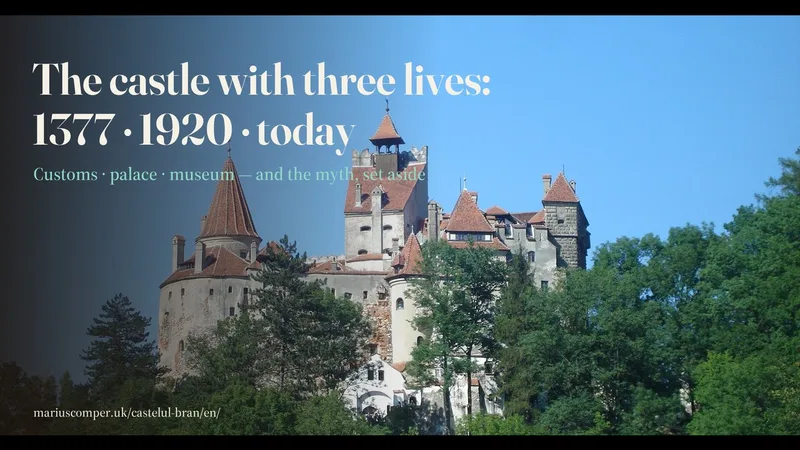
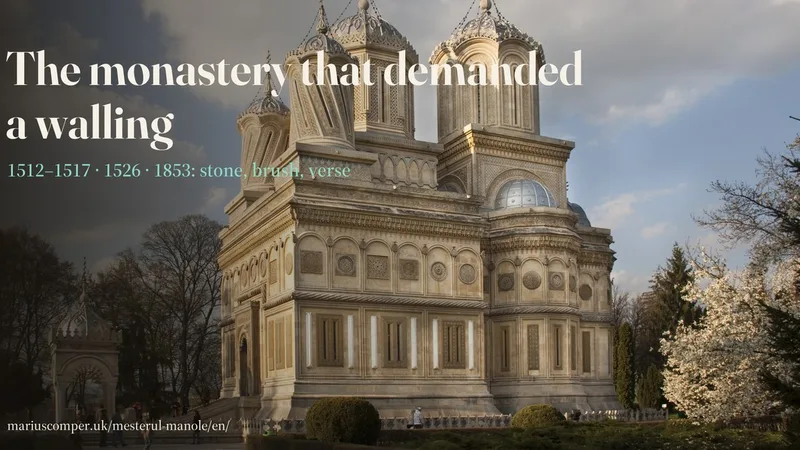
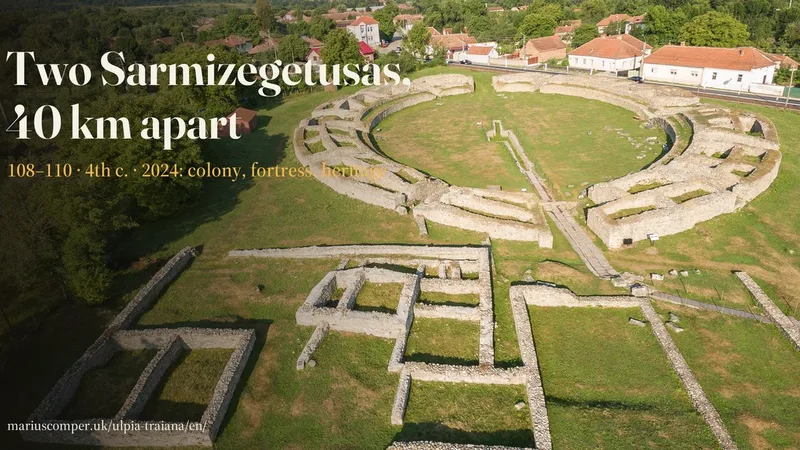
A building joins material with light, movement and the ways people use it. These projects follow palaces, cities, monuments and sanatoria without forcing them into one story.