A distance experiment
How long does light take to cross the Solar System?
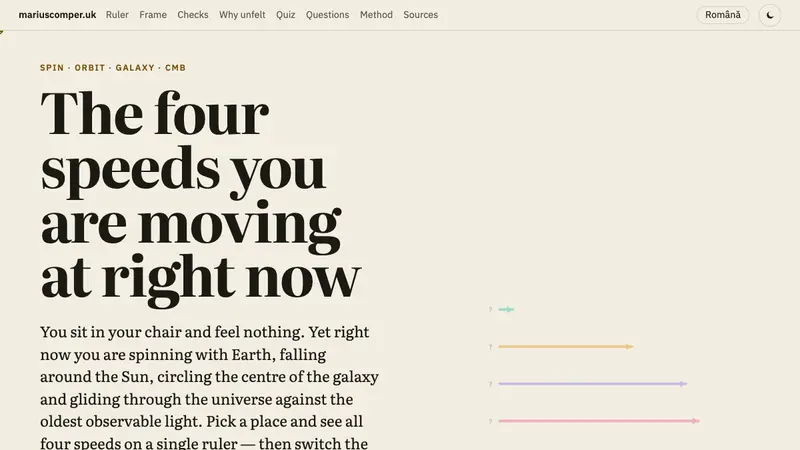
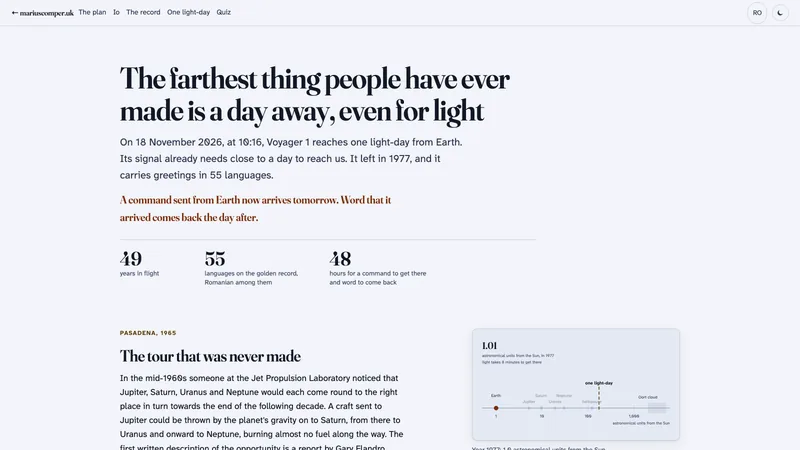
Distances from Mercury to Neptune are hard to picture. Light travel time makes them easier to compare. Choose a planet, then travel on to the nearest star.
35 projects on space and the sky
01 / Light
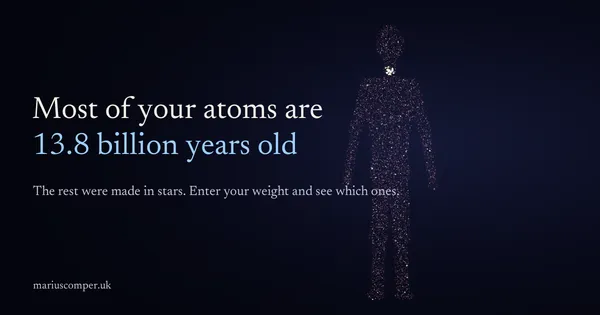
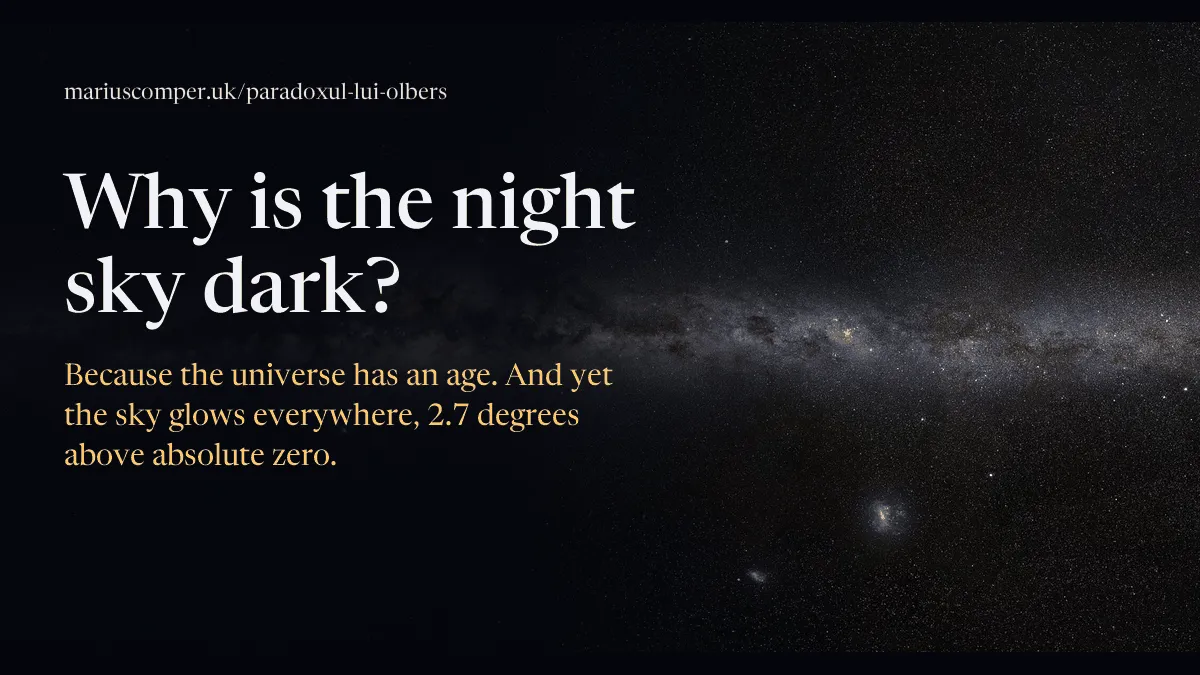
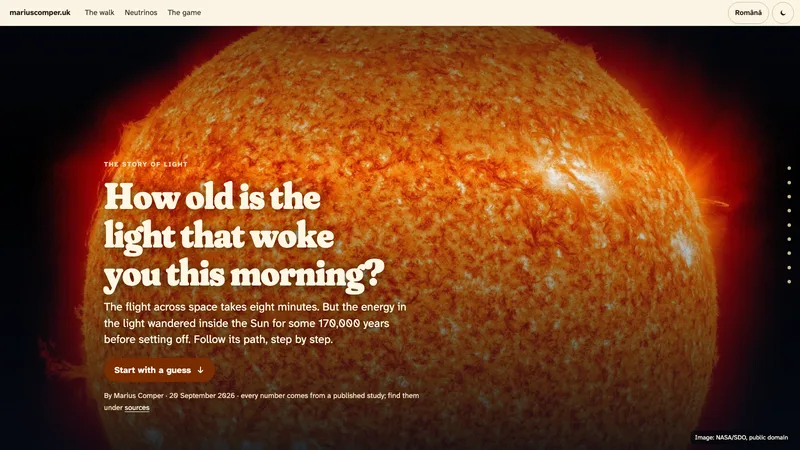
When we look at stars, we see their past.
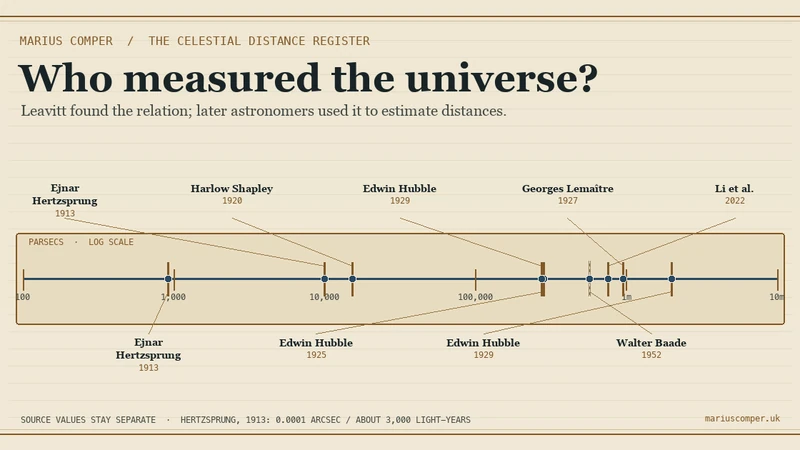
Light left each star at a different time. Astronomers use measured relationships between some stars’ brightness and pulsation period to estimate distances too great to cross.
02 / Worlds
A planet can be followed.
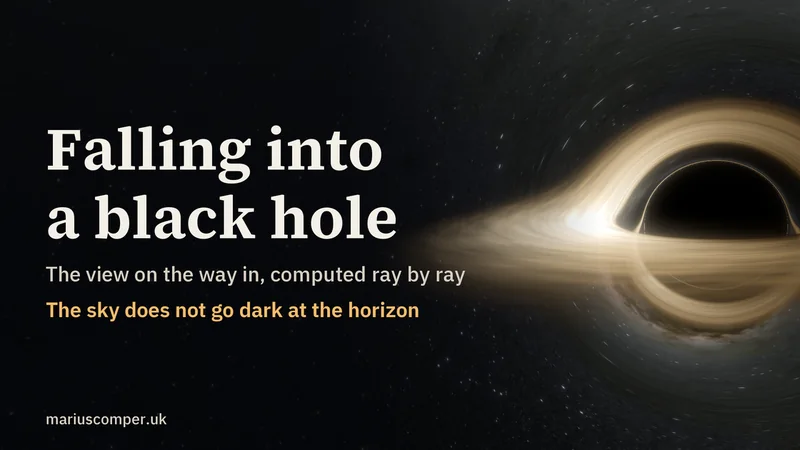
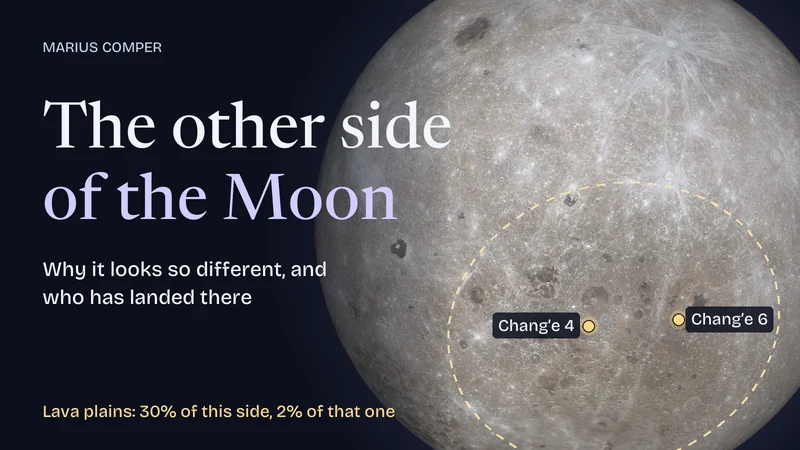
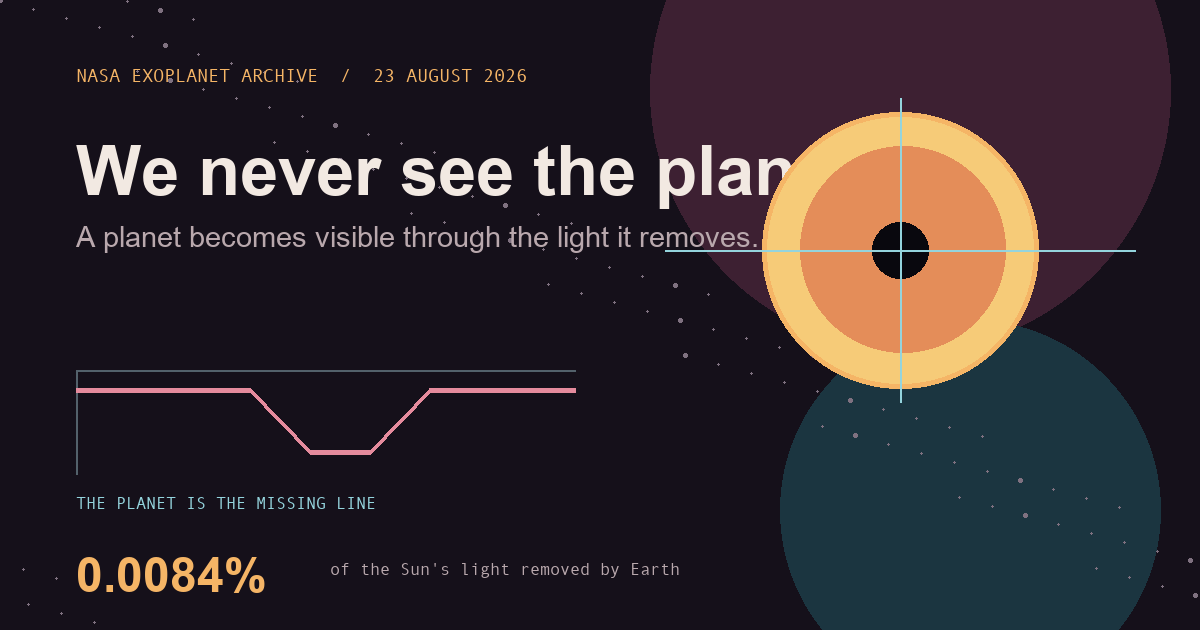
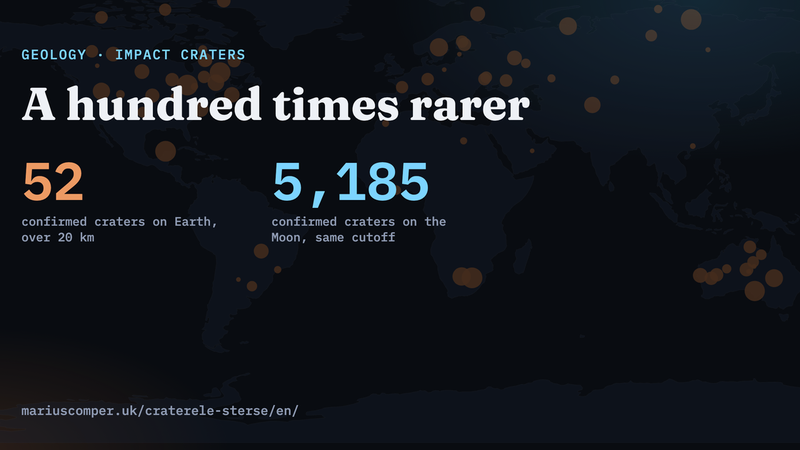
Orbits, eclipses and craters leave traces that can be calculated or measured. These projects show what motion and terrain tell us, and where the picture remains incomplete.
03 / Your sky
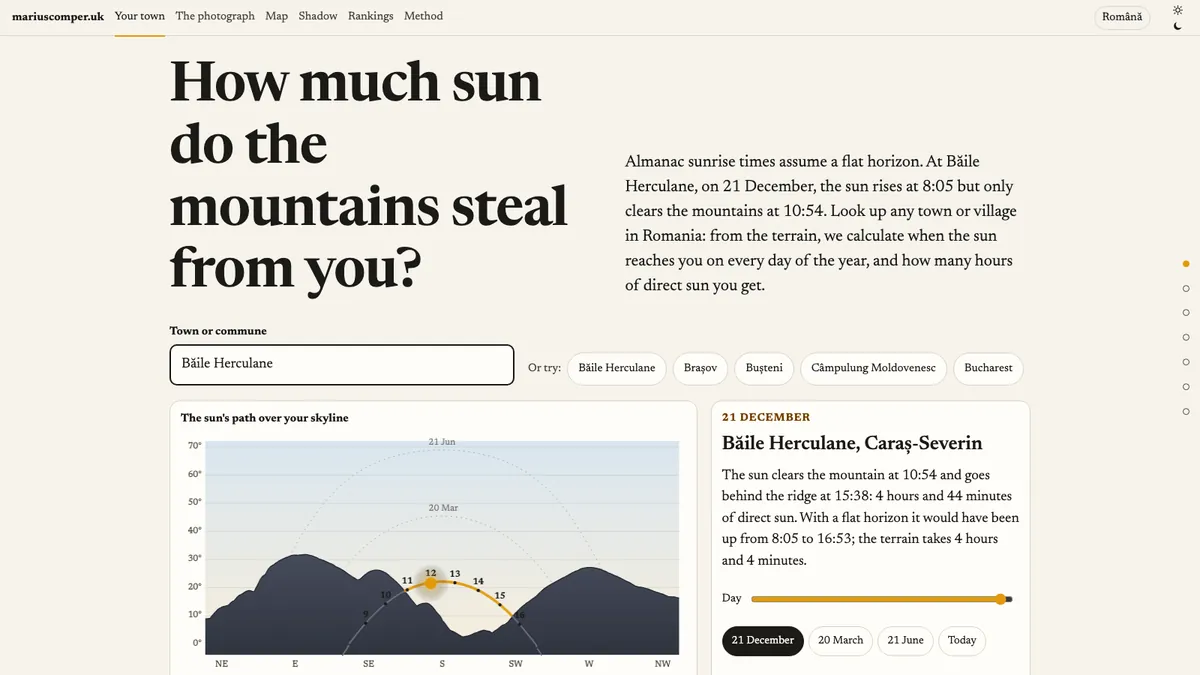
The same sky changes with place and date.
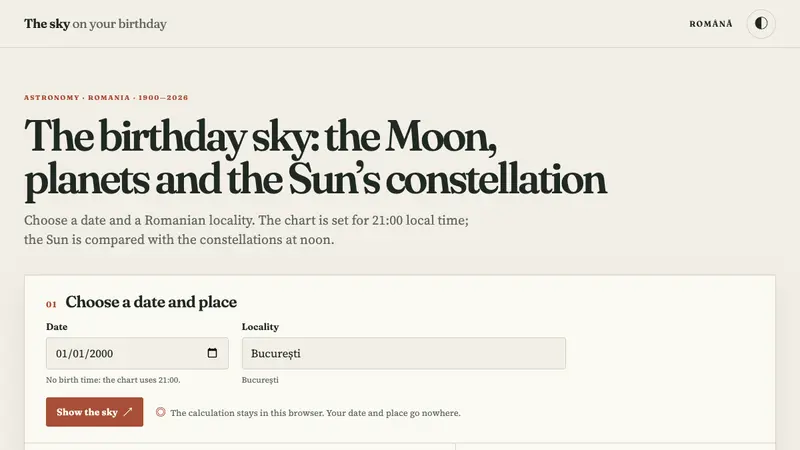
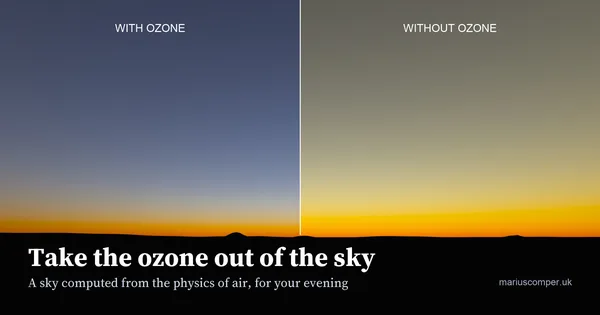
An eclipse, aurora or sunrise behind a mountain does not appear the same everywhere. Choose a place or time in these projects and see what a sky map can calculate.
04 / The journey
From an atlas page to space you can walk through.
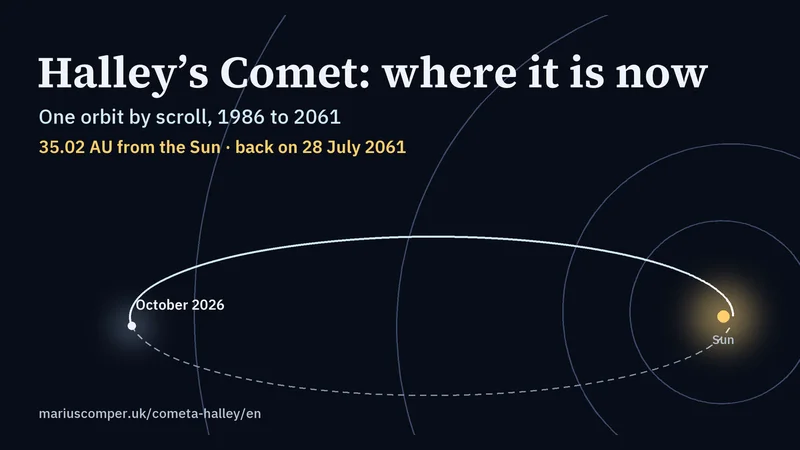
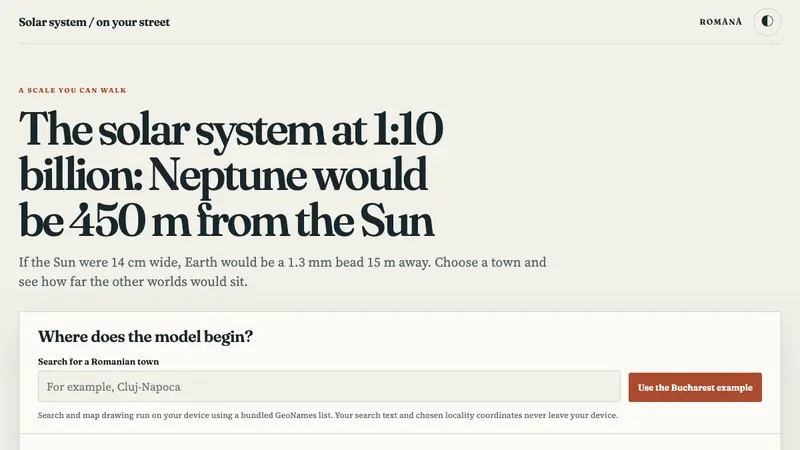
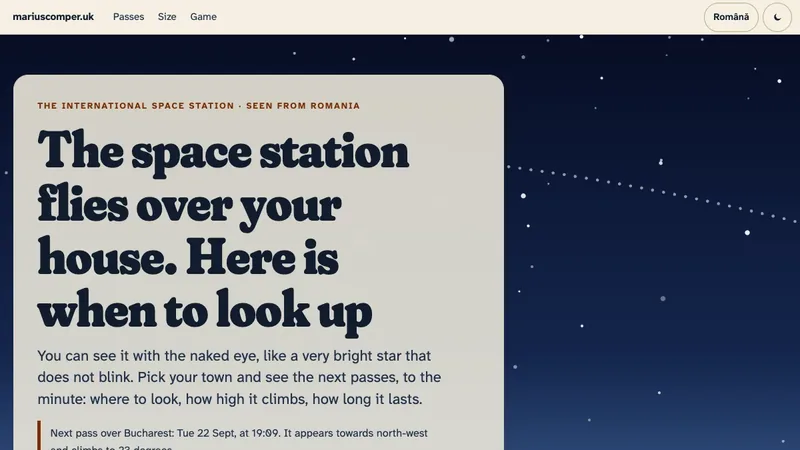
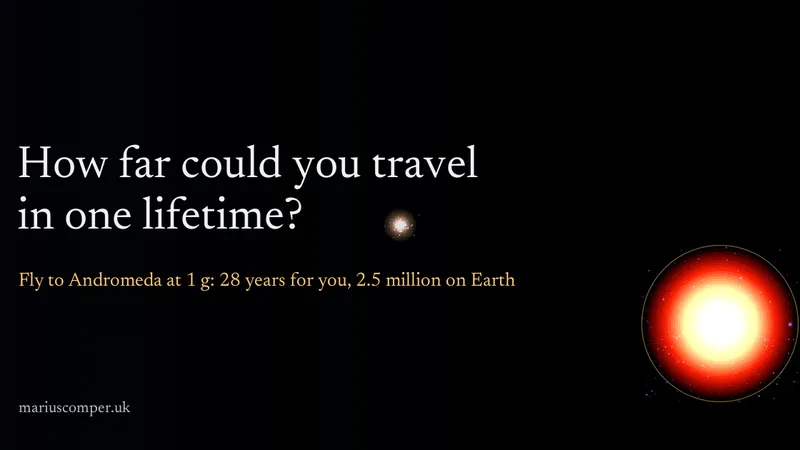
Some projects bring the Solar System’s scale to your street. Others follow real satellites and spacecraft, or ask how travel changes a clock.
The astronomical unit (au) is defined exactly as 149,597,870,700 m and approximates the mean Earth–Sun distance. Planet light times use mean orbital distances and the speed of light in vacuum; Proxima is shown at its distance of 4.24 light-years. No marker shows a position calculated for today.