MONDAY TO SUNDAY, THE GODS IN THE CALENDAR
Why does your week worship five dead gods?
Romanians say luni, marți, miercuri, joi, vineri without thinking. Five of those names are pagan gods — Moon, Mars, Mercury, Jupiter, Venus — standing in an order that looks drawn by lot. Their Saturday kept the Hebrew Sabbath, and their Sunday used to be the day of the Sun. Below: the god inside each day, the arithmetic that scrambled them, and the 321 law in its own Latin.
- 5 of 7
- weekdays carry the names of pagan gods
- 321
- the year Sunday rest became law
- CIL IV 6778
- the planetary week already existed at Pompeii, before 79

Your week, decoded:
- luni lunae the Moon
- marți martis Mars
- miercuri mercuris Mercury
- joi jovis Jupiter
- vineri veneris Venus
- sâmbătă sabbatum the Sabbath
- duminică dominica the Lord
Each Romanian name comes from a Latin one: the old form stands under the new.
Five working days keep, in Romanian, the Latin genitive of the planet: lunae, martis, mercuris, jovis, veneris. Their order follows the planetary hours, not the planet row. Sâmbătă kept the Sabbath, and duminică took the Christian name dominica, the Lord's day.
luni to vineri: what the dictionaries say
Five gods, five working days
Romanian keeps the Latin planetary week almost untouched from Monday to Friday. The dictionary explains each name through its planet's day: [dies] Lunae, Martis, Mercuris, Jovis, Veneris.
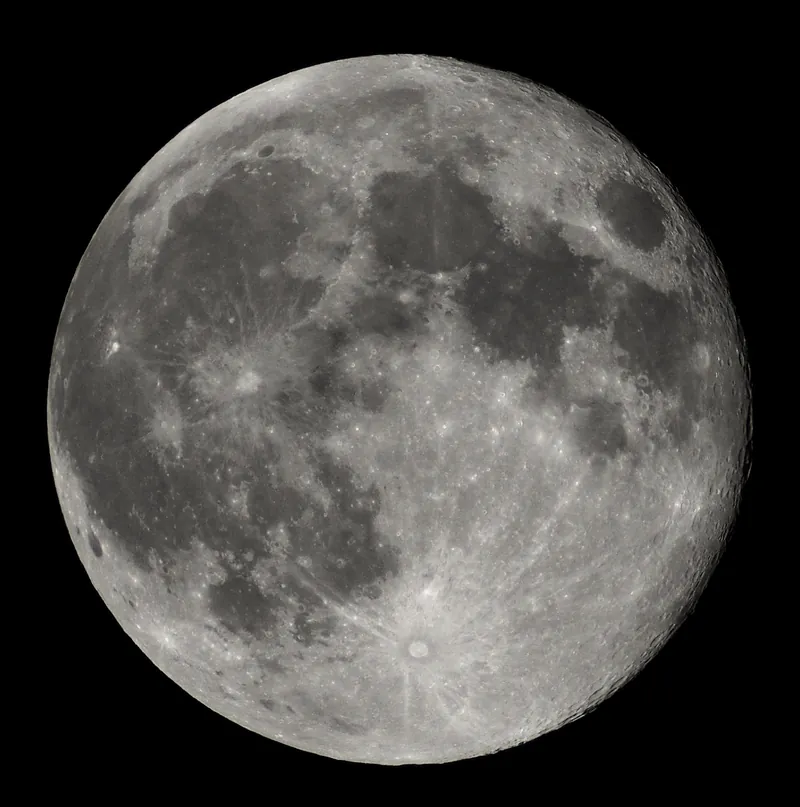

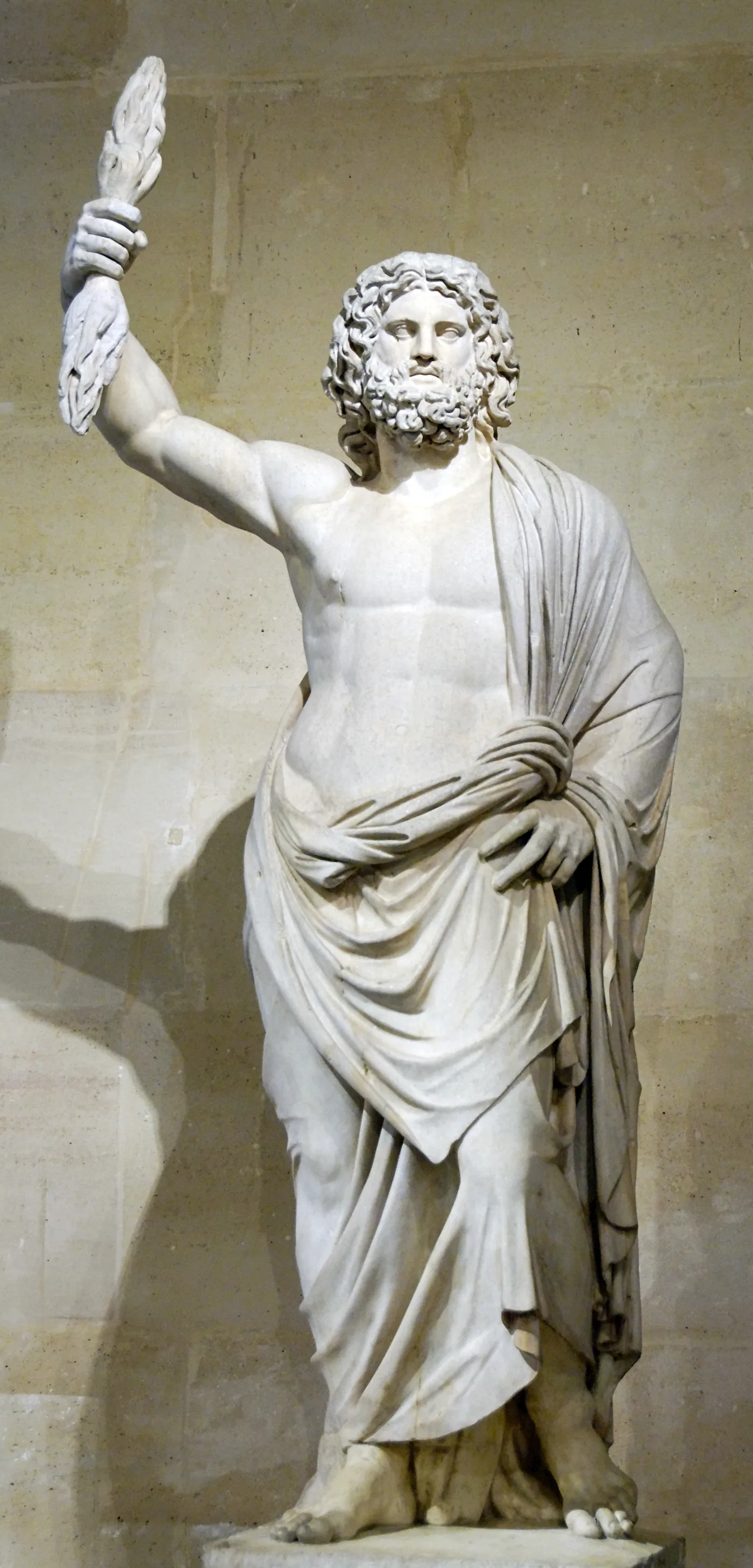
luni lunae
the Moon
Luni comes from [dies] Lunae, the day of the Moon. DEX cites the form lunis, that is lunae, and points to the Moon. It is the only day named after a heavenly body you can see with open eyes on any clear night.
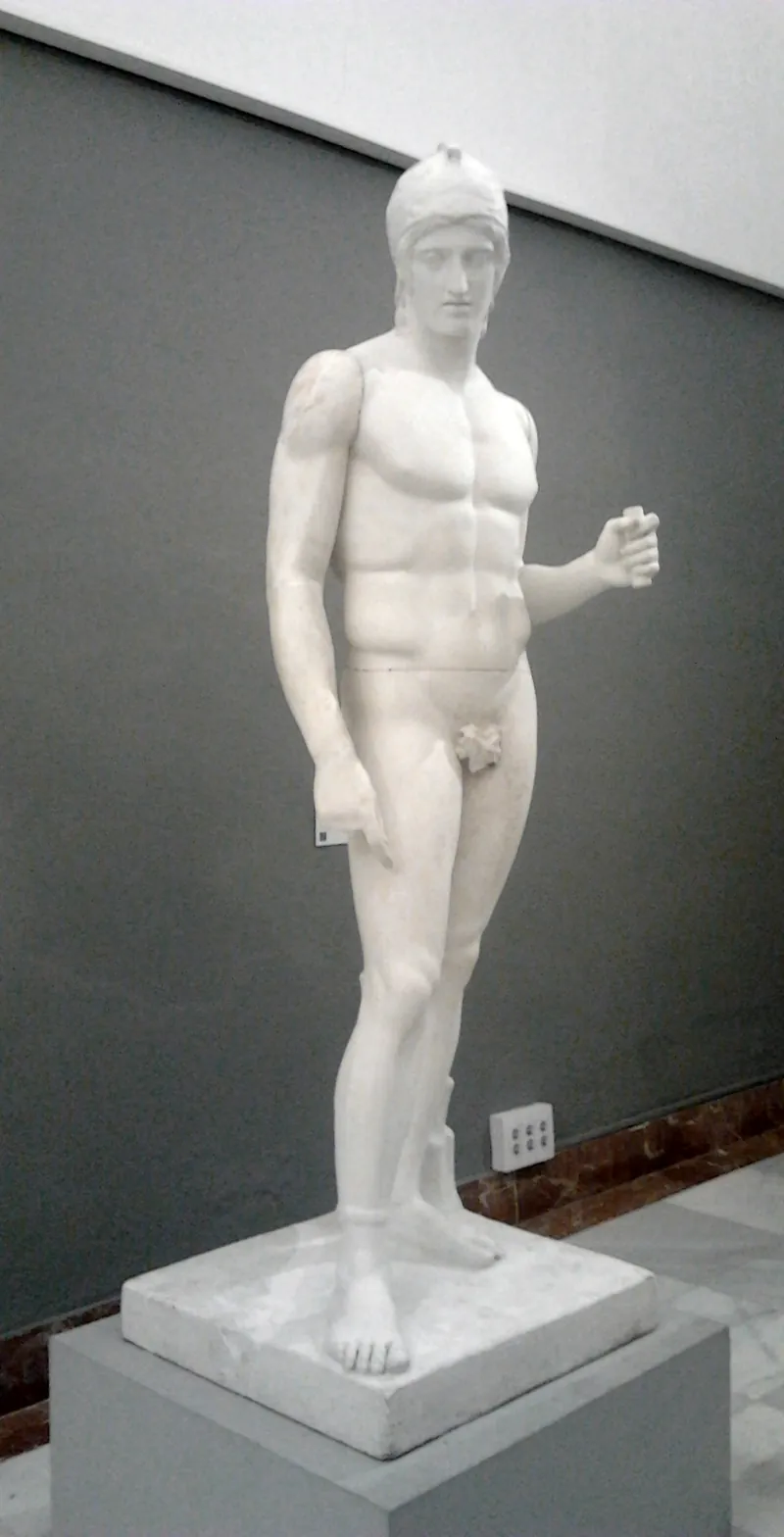

marți martis
Mars
Marți comes from [dies] Martis, the day of Mars, god of war. DEX gives plain martis [dies]. French mardi and Italian martedì keep the same god.
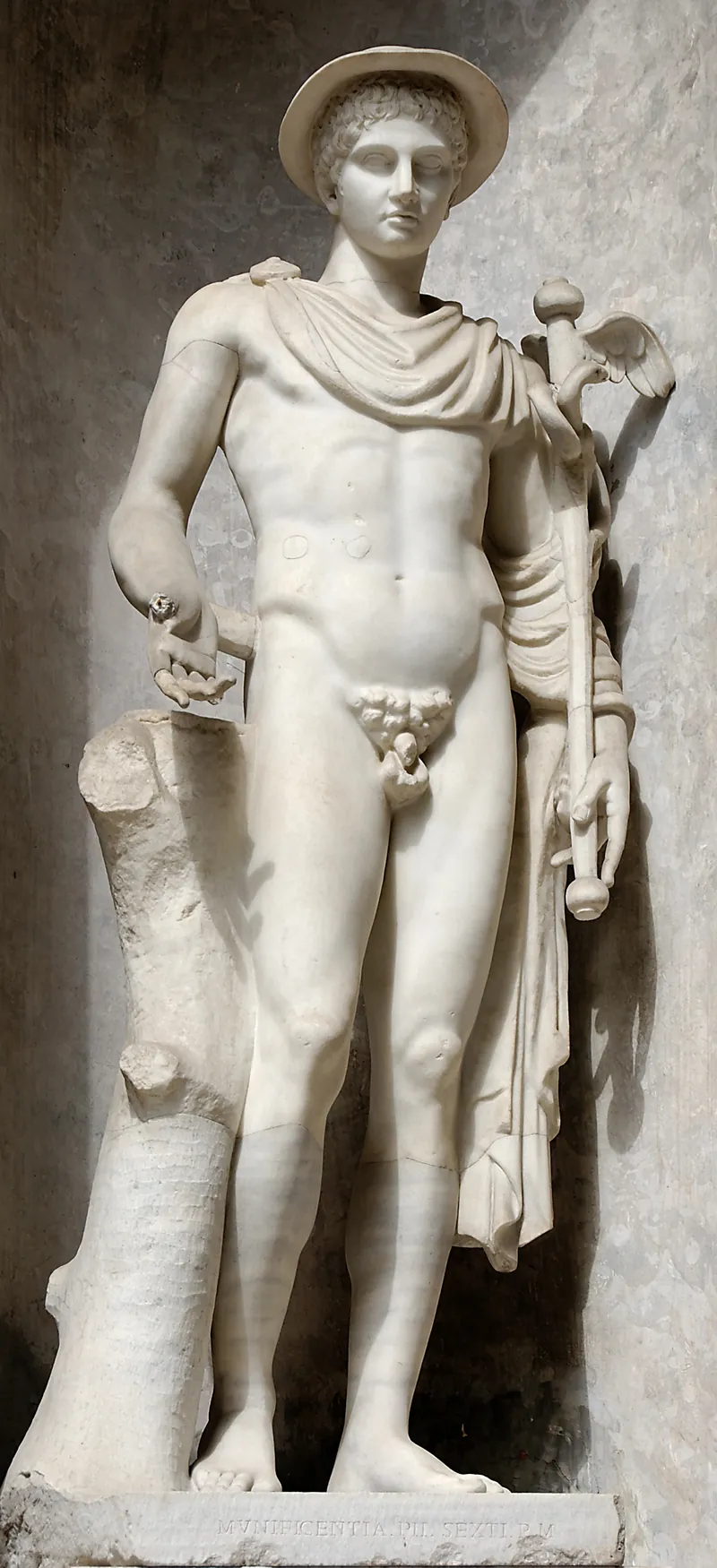

miercuri mercuris
Mercury
Miercuri comes from [dies] Mercuris, the day of Mercury, messenger of the gods. DEX gives mercuris [dies]; the Candrea dictionary also records the variant MERCURII DIES. The fastest god holds the middle of the week.
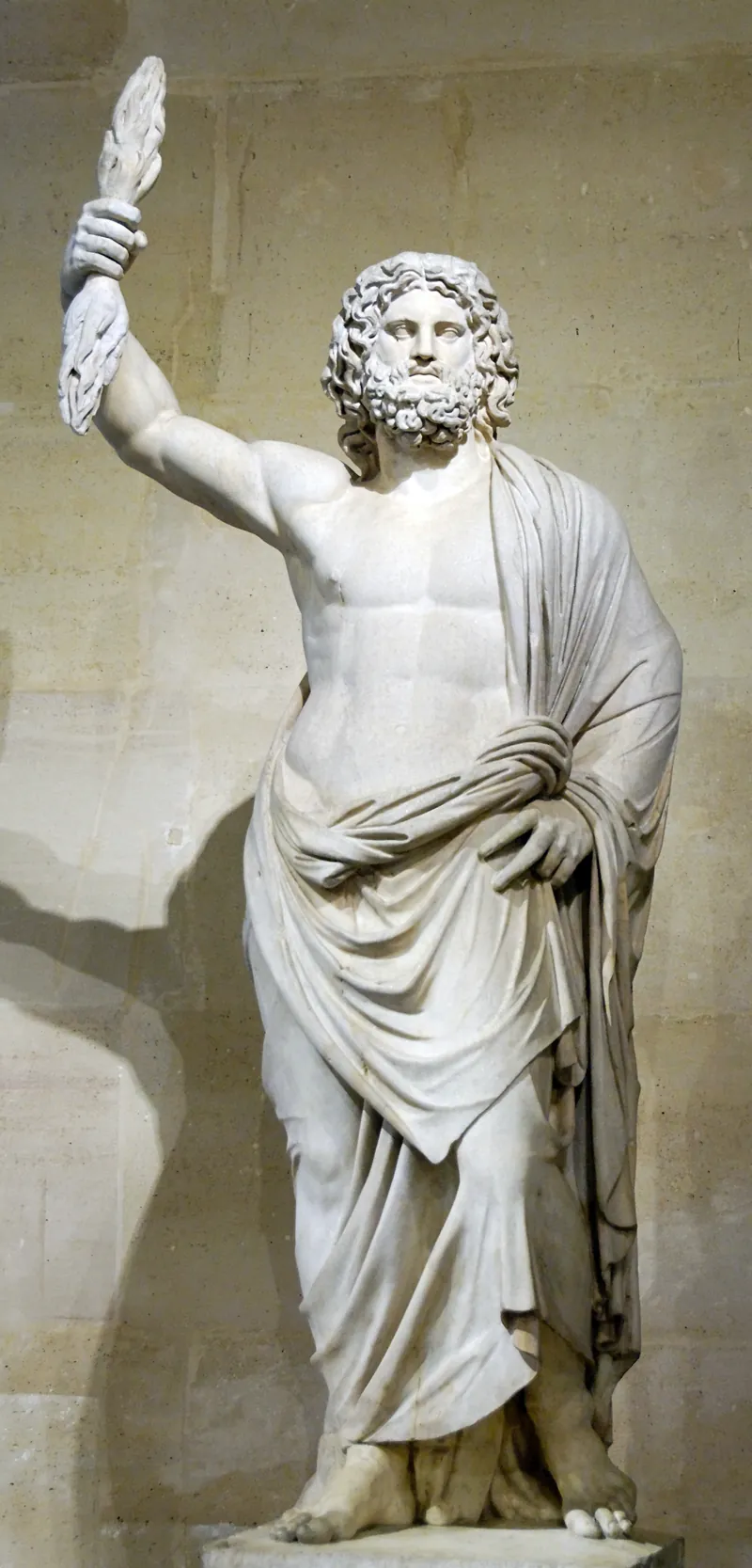
joi jovis
Jupiter
Joi comes from [dies] Jovis, the day of Jupiter, master of the gods. DEX gives Lat. [dies] Jovis. French jeudi and Spanish jueves keep the same supreme god.
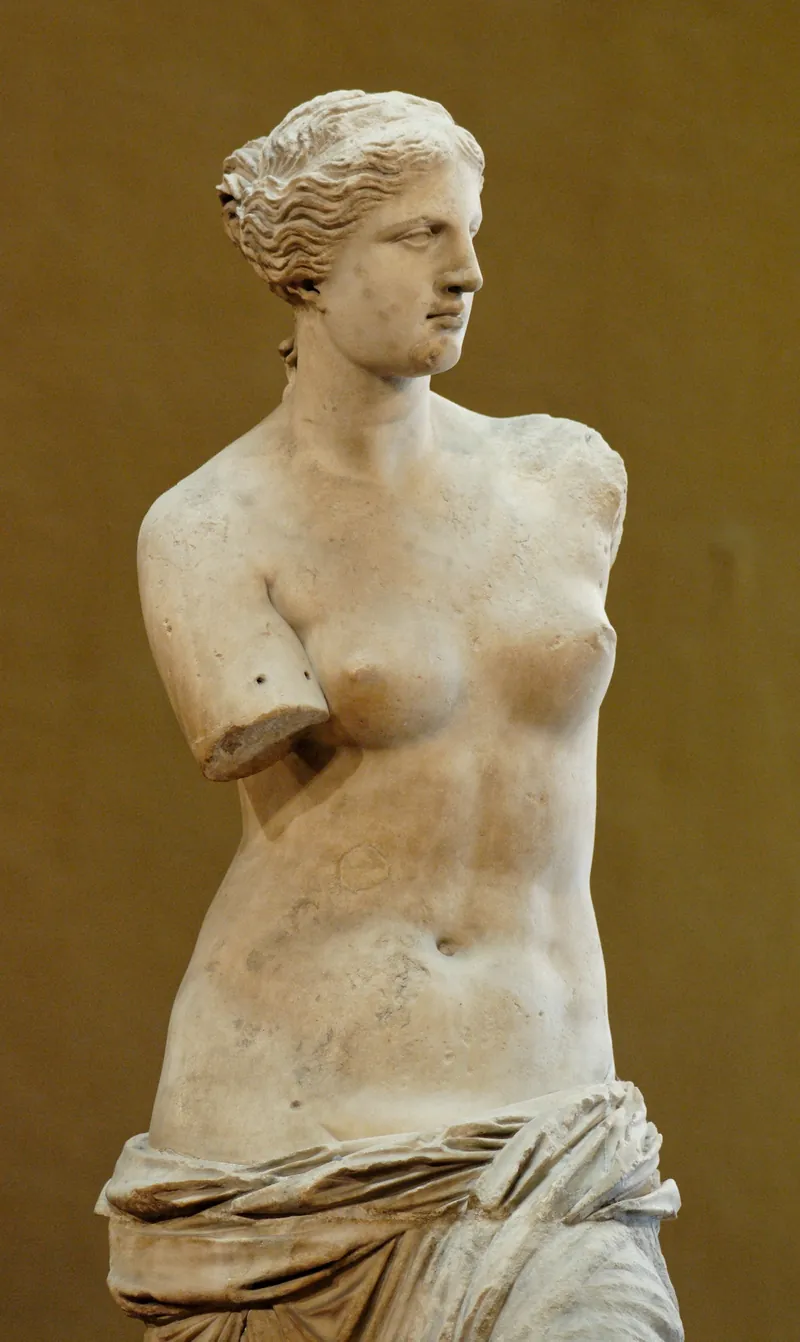

vineri veneris
Venus
Vineri comes from [dies] Veneris, the day of Venus, goddess of love. DEX gives Lat. Veneris [dies]. The working week ends with the gentlest goddess.
Why the gods stand scrambled
The arithmetic that scrambled the week
The planets had a fixed ladder, from the slowest to the fastest: Saturn, Jupiter, Mars, Sun, Venus, Mercury, Moon. Each hour of the day belonged, in turn, to one planet, and the planet of the first hour named the day. A day holds twenty-four hours, and twenty-four means three full rows of seven plus three hours. So each day starts three rungs lower on the ladder, and the row of days comes out scrambled.
24 = 3×7+3
The Chaldean ladder, from the slowest planet to the fastest:
- Saturn
- Jupiter
- Mars
- Sun
- Venus
- Mercury
- Moon
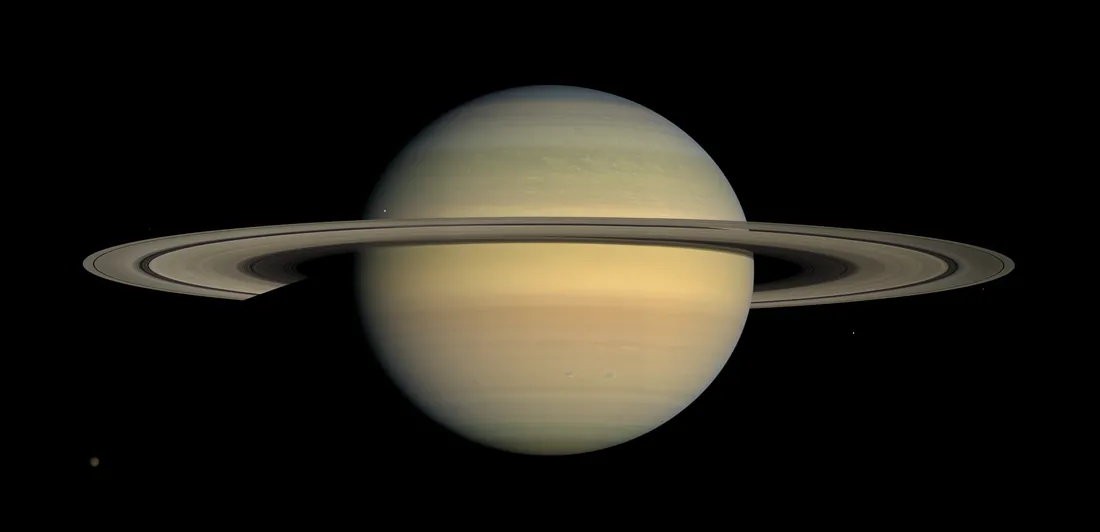

Hour 1 of 168: Saturn rules the hour; Saturday belongs to Saturn.
The day rulers, in the ancient order:
- Saturday
- Sunday
- Monday
- Tuesday
- Wednesday
- Thursday
- Friday
| Saturday | Saturn | Jupiter | Mars | Sun | Venus | Mercury | Moon | Saturn | Jupiter | Mars | Sun | Venus | Mercury | Moon | Saturn | Jupiter | Mars | Sun | Venus | Mercury | Moon | Saturn | Jupiter | Mars |
|---|---|---|---|---|---|---|---|---|---|---|---|---|---|---|---|---|---|---|---|---|---|---|---|---|
| Sunday | Sun | Venus | Mercury | Moon | Saturn | Jupiter | Mars | Sun | Venus | Mercury | Moon | Saturn | Jupiter | Mars | Sun | Venus | Mercury | Moon | Saturn | Jupiter | Mars | Sun | Venus | Mercury |
| Monday | Moon | Saturn | Jupiter | Mars | Sun | Venus | Mercury | Moon | Saturn | Jupiter | Mars | Sun | Venus | Mercury | Moon | Saturn | Jupiter | Mars | Sun | Venus | Mercury | Moon | Saturn | Jupiter |
| Tuesday | Mars | Sun | Venus | Mercury | Moon | Saturn | Jupiter | Mars | Sun | Venus | Mercury | Moon | Saturn | Jupiter | Mars | Sun | Venus | Mercury | Moon | Saturn | Jupiter | Mars | Sun | Venus |
| Wednesday | Mercury | Moon | Saturn | Jupiter | Mars | Sun | Venus | Mercury | Moon | Saturn | Jupiter | Mars | Sun | Venus | Mercury | Moon | Saturn | Jupiter | Mars | Sun | Venus | Mercury | Moon | Saturn |
| Thursday | Jupiter | Mars | Sun | Venus | Mercury | Moon | Saturn | Jupiter | Mars | Sun | Venus | Mercury | Moon | Saturn | Jupiter | Mars | Sun | Venus | Mercury | Moon | Saturn | Jupiter | Mars | Sun |
| Friday | Venus | Mercury | Moon | Saturn | Jupiter | Mars | Sun | Venus | Mercury | Moon | Saturn | Jupiter | Mars | Sun | Venus | Mercury | Moon | Saturn | Jupiter | Mars | Sun | Venus | Mercury | Moon |
The order control only relabels the display. The arithmetic stays the same: Saturday opens the ancient row, as the Pompeii graffito CIL IV 6778–6779 shows.
The mechanism is ancient, not a modern explanation. Cassius Dio describes it in Roman History 37.18–19, and Vettius Valens devotes a substantial section of his Anthologies to the planetary week, around the middle of the second century.
Sâmbătă: the kept Sabbath
Sâmbătă comes from sabbatum, the Sabbath. DEX gives lat. sambata, sl. sonbota: the word reached Romanian through Latin, possibly through Slavic. The Candrea dictionary agrees: slav. SOBOTA, from lat. SABBATUM.
Here Romanian refused the planet. In the planetary week, the seventh day belonged to Saturn, the first rung of the ladder. But Christians kept the name of the Hebrew Sabbath, and the Romanian sâmbătă is not Saturn's day.
The exact route — straight from Latin or through Slavic — stays unsettled in DEX.
The renamed day
Duminică: the Sun's day, turned the Lord's day
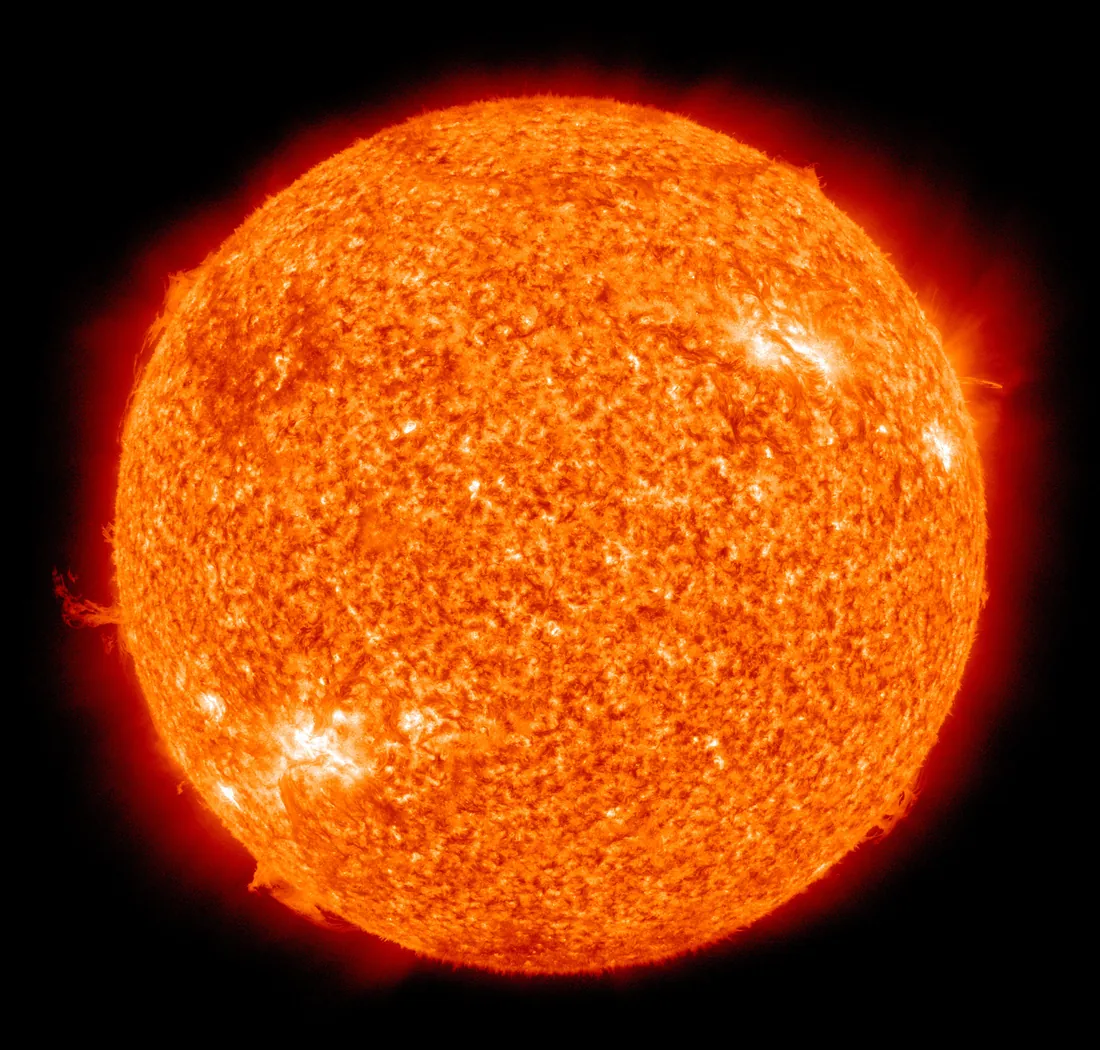
Duminică comes from [dies] dominica, the Lord's day. DEX gives Lat. [dies] dominica, and the Candrea dictionary calls it the only Christian name among the weekday names. Before the rename, the day was called dies solis, the day of the Sun.
No single renaming date is known. The oldest disputed attestation of kuriakē, the Lord's day, stands in Revelation 1:10. The Didache 14 mentions it, and Clement, around 190, is the first to tie the Lord's day plainly to Sunday. Constantine's own law of 321 still calls it dies solis.

The 321 law, in its own words
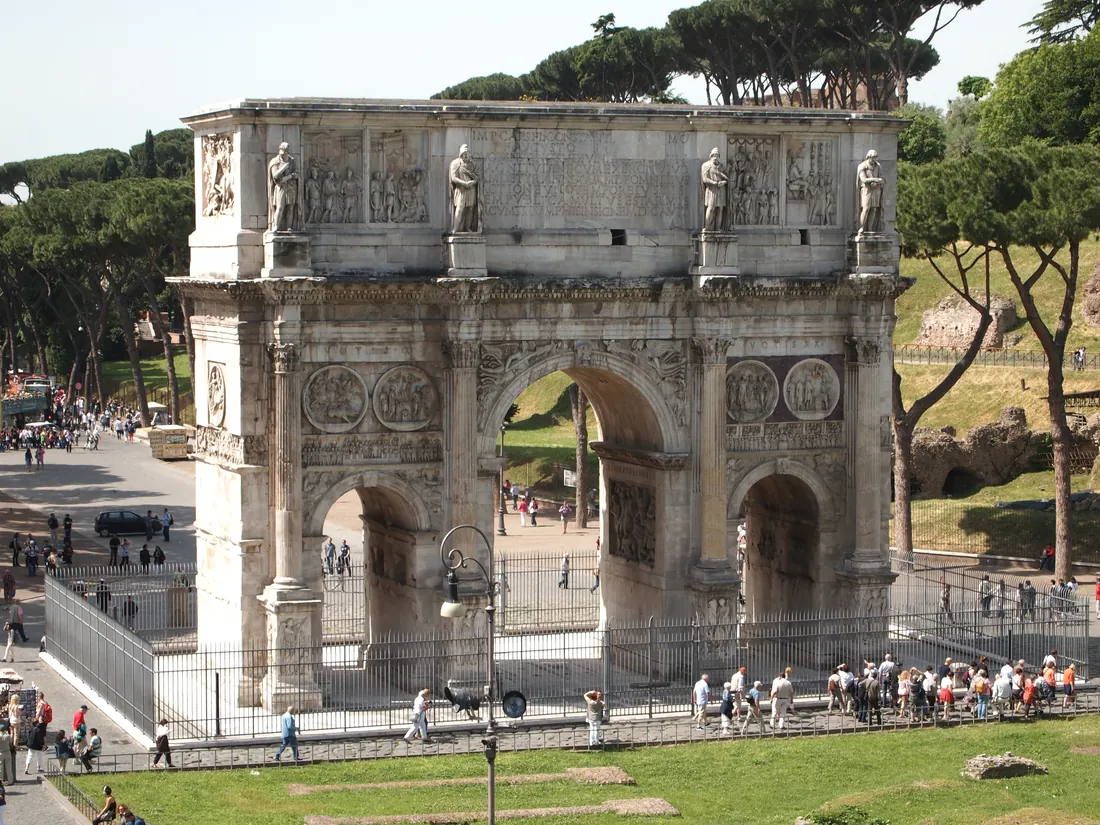
Emperor Constantine gave Sunday rest the force of law. Below stands the whole law, Codex Justinianus 3.12.2, with the translation beside it. Farmers are exempt, lest they miss the sowing season.
Omnes iudices urbanaeque plebes et artium officia cunctarum venerabili die solis quiescant. Ruri tamen positi agrorum culturae libere licenterque inserviant, quoniam frequenter evenit, ut non alio aptius die frumenta sulcis aut vineae scrobibus commendentur, ne occasione momenti pereat commoditas caelesti provisione concessa.
Constantine in 321 forbade the sitting of courts and all secular labor in towns on the venerable day of the sun. But he distinctly permitted the culture of farms and vineyards in the country, because frequently this could be attended to on no other day so well.
the farmers' exemption
The law is dated 3 March 321, by its subscript: pp. V non. Mart., under the consuls Crispus II and Constantine II. Some modern works write 7 March; the subscript date stays 3 March 321. The law is addressed to Helpidius.
The Latin follows the published Codex Justinianus text; the Romanian translation by Marius Comper stands in the Romanian edition of this page.

Who refused the Roman deal
The mirrors: three refusals
Not everyone kept the gods of Rome. Germanic speakers swapped four gods for their own, Slavs numbered the days instead of dedicating them to gods, and the Portuguese numbered them too, after a bishop who refused the pagan names.
Germanic speakers swapped four gods
English keeps the Sun, the Moon, and Saturn from Rome. Four days took equivalent Germanic gods, through interpretatio germanica.
| English day | Germanic god | Roman planet |
|---|---|---|
| Tuesday | Tiw | Mars |
| Wednesday | Woden | Mercury |
| Thursday | Thor | Jupiter |
| Friday | Frigg | Venus |
For Friday, some works name Freyja instead of Frigg. The two goddesses blur easily in the sources; this page shows Frigg and notes the rival.
Slavs numbered the days
Russian dedicates the days to no god. It numbers them from Sunday: the second, the middle, the fourth, the fifth. Monday comes after Sunday, Saturday keeps the Sabbath, and Sunday is the Resurrection.
| Russian | Meaning |
|---|---|
| понедельник | after Sunday: Monday |
| вторник | the second: Tuesday |
| среда | the middle: Wednesday |
| четверг | the fourth: Thursday |
| пятница | the fifth: Friday |
| суббота | the Sabbath: Saturday |
| воскресенье | the Resurrection: Sunday |
Meanings follow current Russian dictionaries and the studies cited under sources.
The Portuguese number them too
Portuguese is the only Romance language in which Monday to Friday are numbered: segunda-feira, terça-feira, quarta-feira, quinta-feira, sexta-feira. Sunday stayed domingo, and Saturday sábado. The numbering comes from the sixth century, from Martin of Braga, who refused the pagan names of the days.
Four common mistakes
The order of the days looks drawn by lot.
It follows the planetary-hour arithmetic: 24 = 3×7+3. The simulator above computes it from the ladder, with no handwritten list. The Pompeii graffito, CIL IV 6778–6779, already shows the ancient row, starting with Saturday, before 79.
Sunday was Constantine's invention.
Christians gathered on Sundays two centuries before the law. Justin Martyr writes around 155, in First Apology 67: “on the day called Sunday, all who live in cities or in the country gather together to one place” (Roberts-Donaldson translation). The 321 law made Sunday a civil rest day and still called it dies solis.
The seven-day week surely comes from Babylon.
Not established. Babylonians had lunar schemes, with no fixed seven-day cycle. The link between planets and days is a Hellenistic astrology innovation, and the seven-day week, as a steady measure of time, is an early Roman imperial invention, from the merger of the biblical week with the planetary one.
Every English day carries a Norse god.
Only four do. Sun, Moon, and Saturn stayed Roman in English; Tiw, Woden, Thor, and Frigg replaced four planets. The Germanic table above shows exactly which.
Who named your day?
Five cards, five days. Pick the right answer in each card.
Pick an answer.
Miercuri comes from Mercury. What kind of name is that?
Mercury is one of the seven ladder planets: miercuri is a Roman planet day.
Is the Romanian sâmbătă named after a planet?
Sâmbătă comes from sabbatum, the Sabbath. Saturn lost the day to the Sabbath.
Does duminică take its name from the Sun?
Duminică comes from [dies] dominica, the Lord's day. The Sun's day is the old name, replaced.
Does English Thursday honor Jupiter?
Thursday is Thor's day. Germanic speakers set Thor in Jupiter's place.
Russian четверг (chetverg) means…
Chetverg means the fourth: Russians number the days instead of dedicating them to gods.
Score: 0 of 5.
Further, on the same shelf
When Romania skipped thirteen days
You know the day names now. The 1919 calendar shows how Romanians jumped from the old style to the new one, with a converter and a timeline.
The months carrying dictators' names
Days are gods and numbers. Months are another shelf: July and August carry the names of Caesar and Augustus, and their page tells the story.
What we do not know (and say so)
- Where the seven-day week comes from. The Babylonian hypothesis stays unproven: not established.
- When duminică took the name dominica. We hold scattered attestations, not a single date.
- Which road brought sabbatum into Romanian: straight from Latin or through Slavic. DEX gives both forms.
- Who the goddess of Friday is in English: Frigg or Freyja. The sources divide.
- What Martin of Braga decided exactly. The Portuguese numbering comes from him; the council details stay uncertain.
You speak the gods' names seven times a week. Now you know which.
Sources
Dictionaries first, then the law and the ancient texts, then the studies. Every risky claim points to its source.
Dictionaries
The law and the ancient texts
- Codex Justinianus 3.12.2, the Latin text
- Philip Schaff on the Sunday law
- Justin Martyr, First Apology 67
The planetary week
The mirrors
- The Germanic days (CalendarZ)
- The Slavic days (Orthodox Christian)
- Martin of Braga (Starhope)
- The Portuguese days (daysoftheweek)
Background
Type: Fraunces, Newsreader and Atkinson Hyperlegible, under the SIL Open Font Licence.