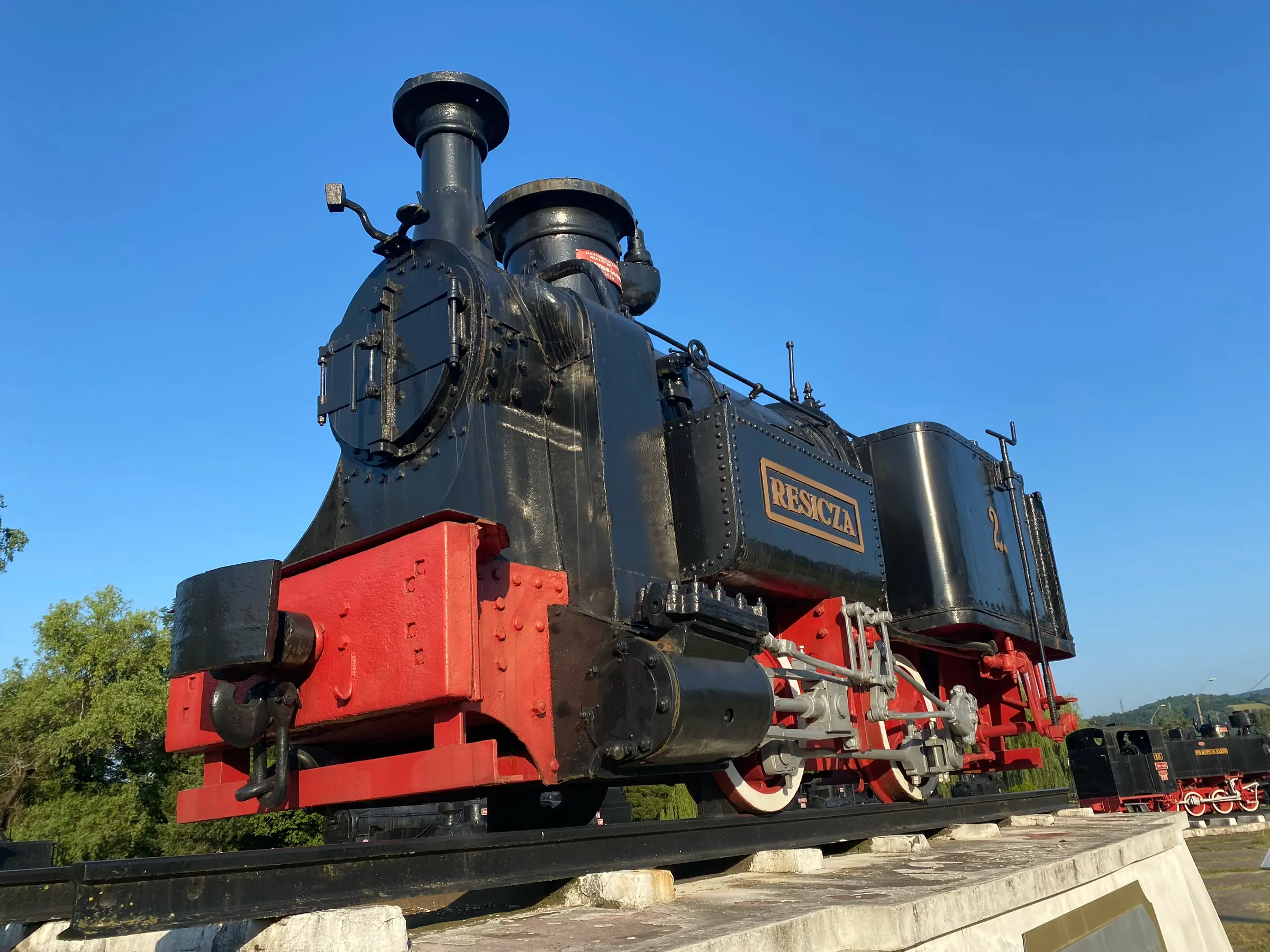
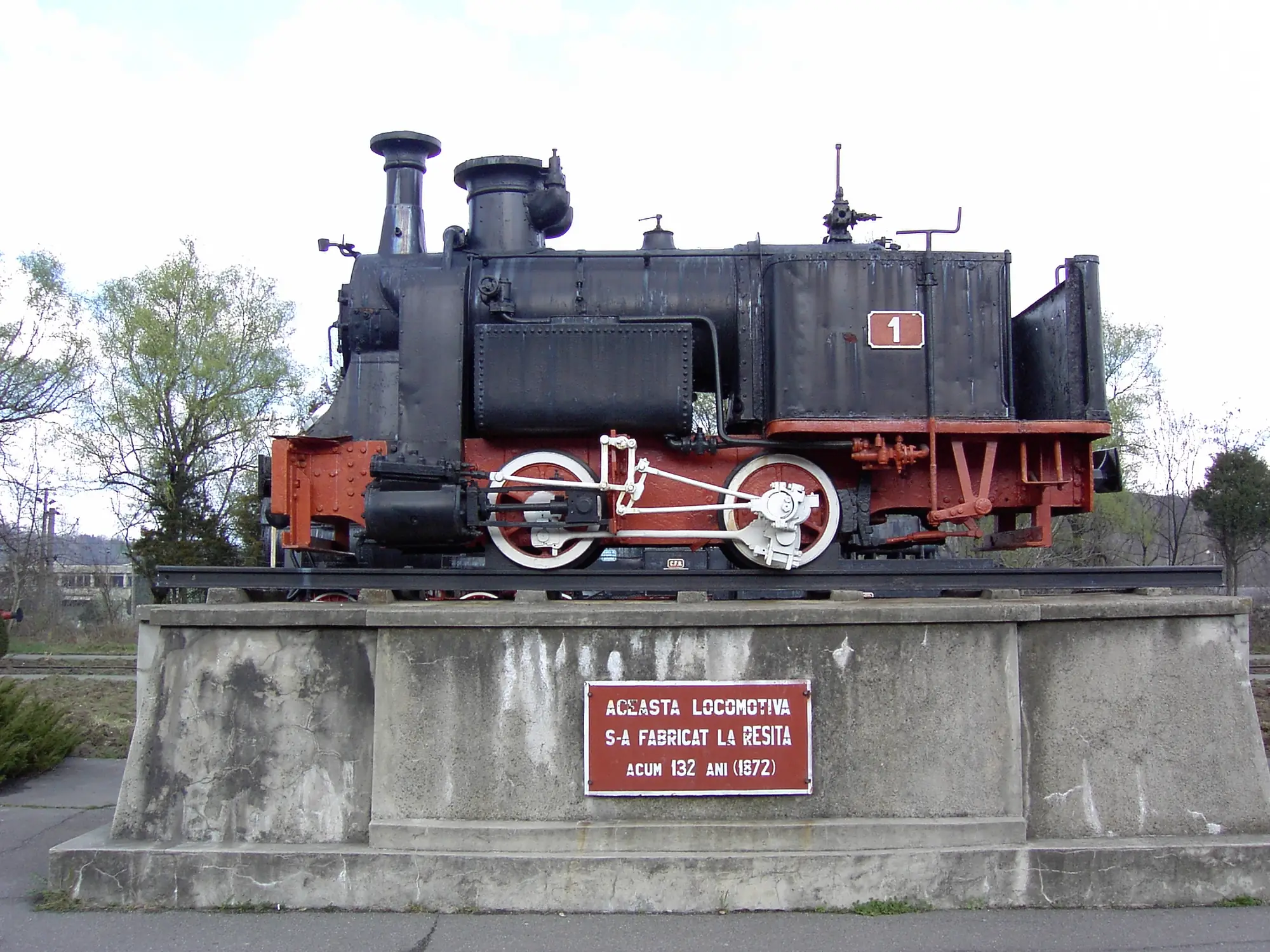
The RESICZA-2 locomotive on its plinth in the open-air museum, Reșița. Photograph: Eddy Renard, 2023. Cropped and, on stage, darkened for display.Credit: Eddy Renard · 2023 photograph · CC BY-SA 4.0 · File record on Wikimedia Commons
Reșița · The Banat Highlands
The first steam locomotive built at Reșița, in 1872, wears number 2
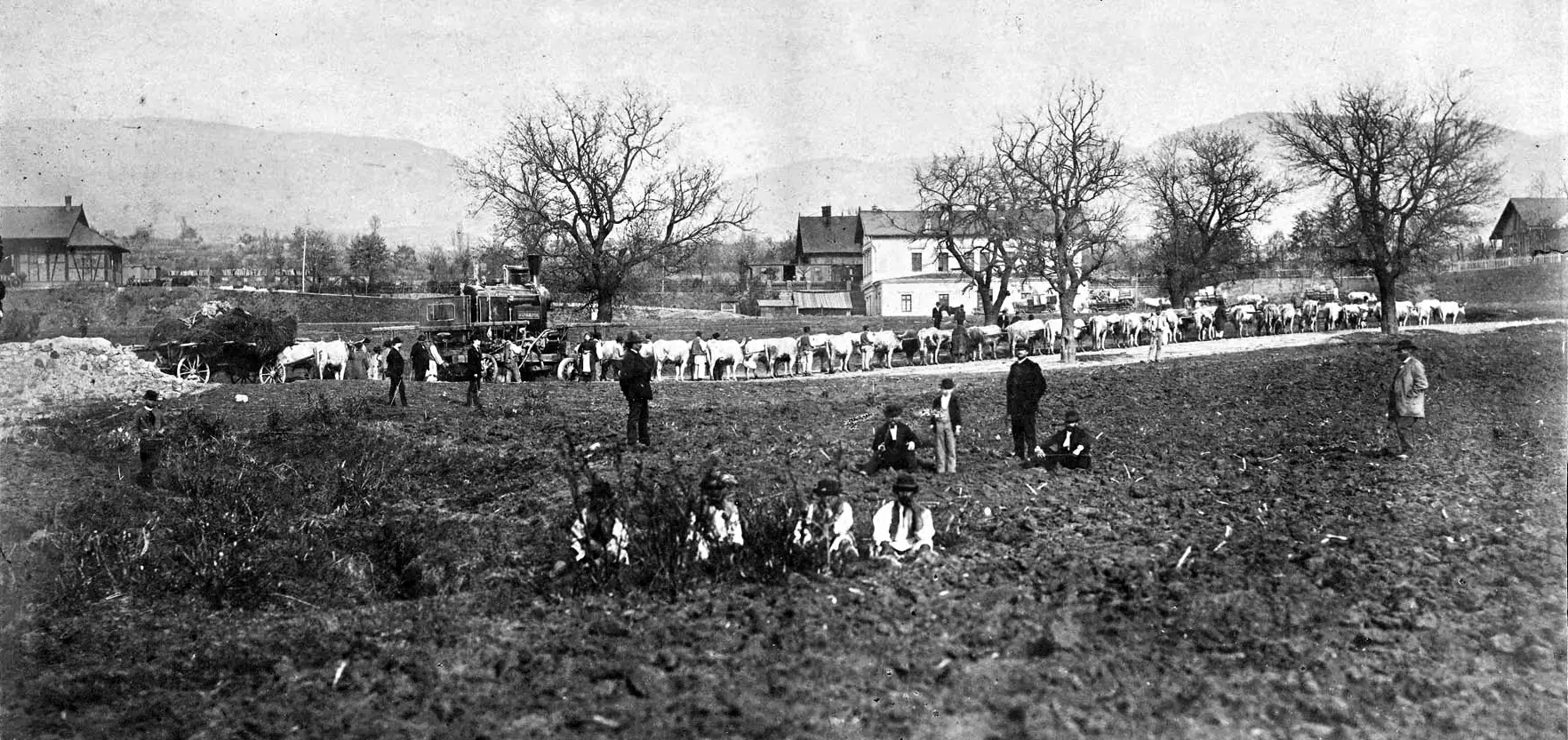
It was built at Reșița — then in Austria-Hungary, now in Romania — in 1872, 101 years after Reșița's first charcoal furnaces were lit. Its papers come to the table one by one: the Vienna model's photograph, the picture of its sister hauled by oxen, the spec sheet with two numbers.
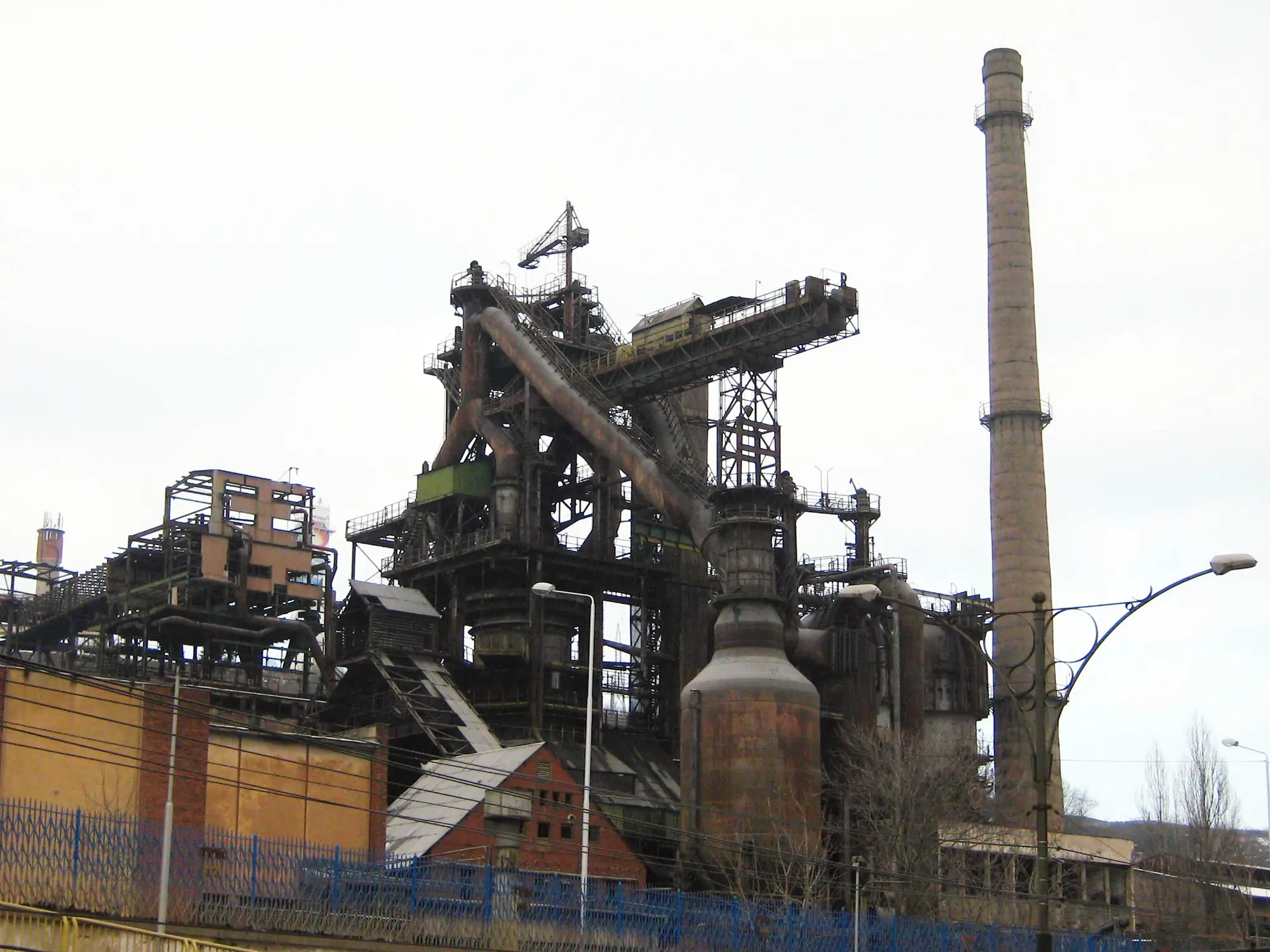
Blast furnace no. 2, the last survivor; the fifth furnace generation on the same site. Photograph: Demeny Gabriel, 2011. Cropped and, on stage, darkened for display.Credit: Demeny Gabriel · 2011 · CC BY-SA 3.0 · File record on Wikimedia Commons
The furnaces
Three July 1771: Franciscus and Josephus
The court in Vienna decided to raise new furnaces at Reșița, in the Banat highlands (then in the Habsburg monarchy), because the furnaces at Bocșa could no longer keep up with industry. Building began in 1769; the first charcoal furnaces were inaugurated on 3 July 1771.
In 1770, the settlement had about 300 inhabitants. In 1815 the works cast iron pieces, forged iron bars and wheel hoops, and made tools, nails and utensils. The photograph shows blast furnace no. 2, the fifth generation raised on the same ground.
Until 1854 the works belonged to the Austrian treasury, run through the Banat Mining Directorate at Oravița. In 1855 they passed to the StEG, the privileged imperial-royal state railway company, headquartered in Vienna.
The archived UCM Reșița company history lists the StEG-period estates at 130,083 hectares. The company also held mining and railway property, plus the concession for a network of about 5,000 kilometres.
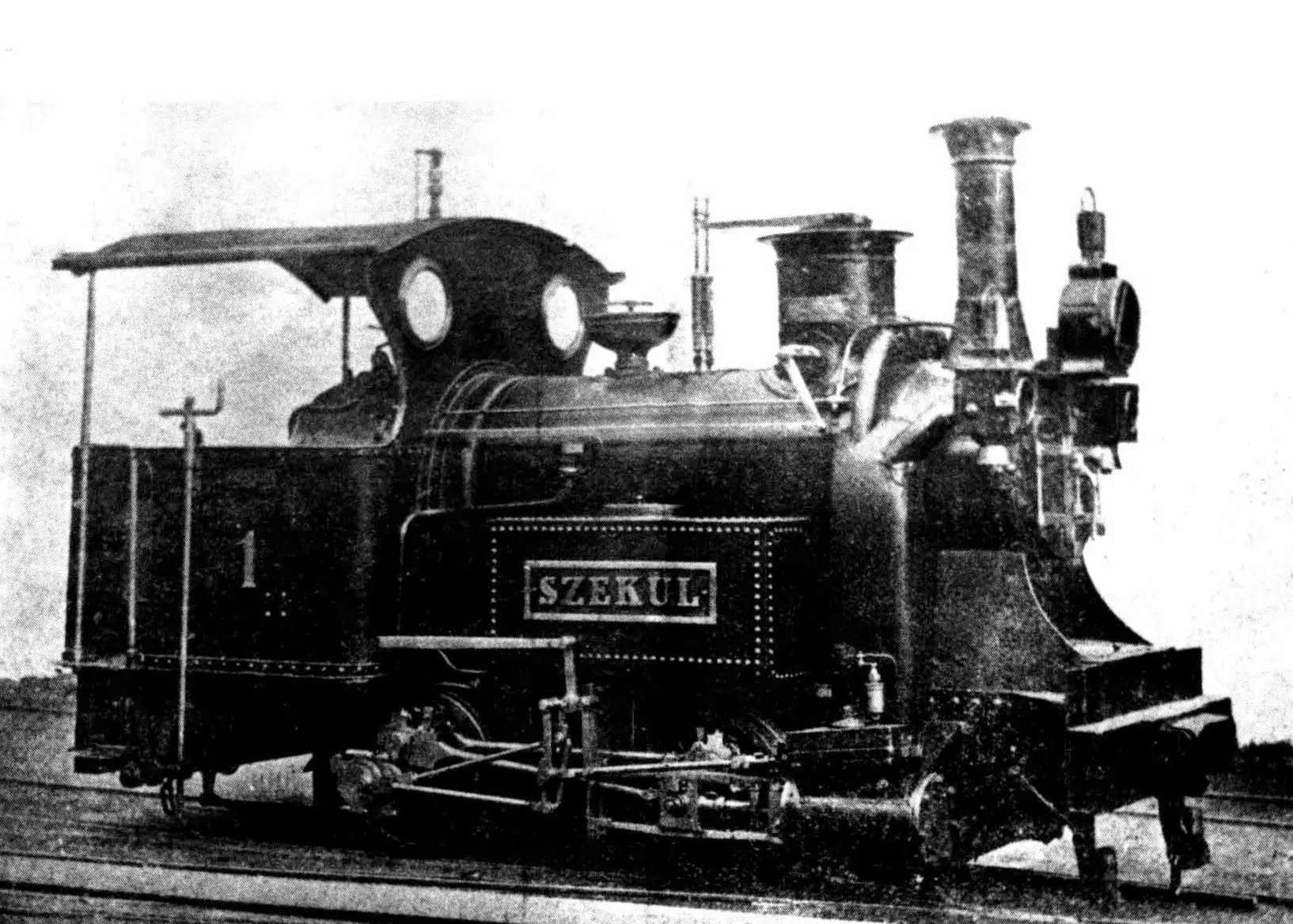
SZEKUL, the locomotive brought from Vienna, in a period photograph (circa 1908), plate XVIII from the description of the Reșița–Secul line. Cropped and, on stage, darkened for display.Credit: Ulrich Anatol · circa 1908 · Public domain · File record on Wikimedia Commons
The model
SZEKUL, the number 1 engine
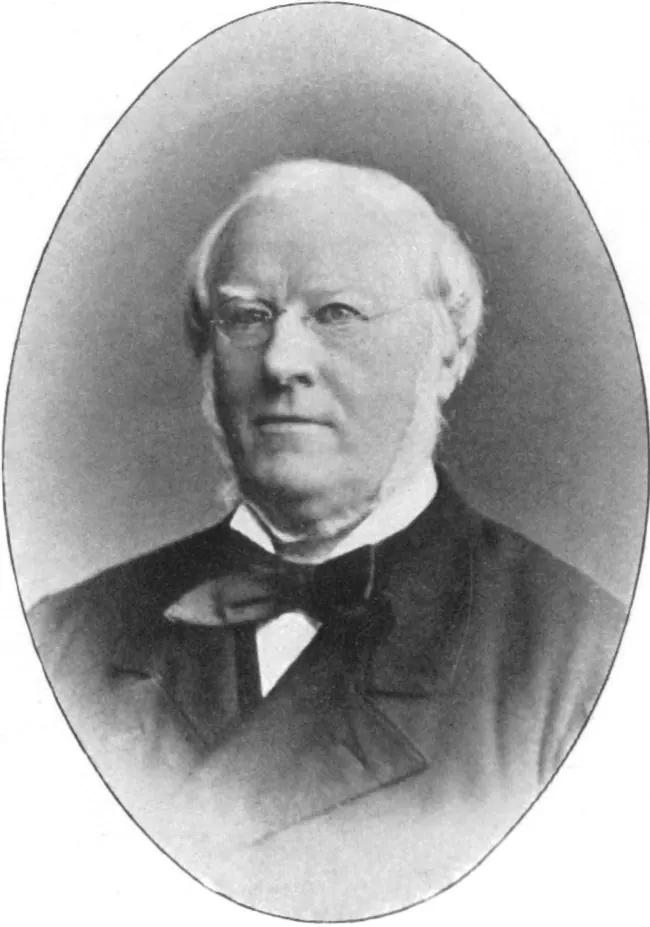
John Haswell (1812–1897), manager of the StEG locomotive factory in Vienna. Portrait reproduced from Tipi di Locomotive, StEG-Fabrik; the reproduction is dated 1906 in Commons, photographer unknown.Credit: Photographer unknown · 1906 · Public domain · File record on Wikimedia Commons
The Reșița–Secul line first ran on horse power. In 1871 the network was adapted for steam, and an engine drawn by John Haswell, manager of the StEG locomotive factory, arrived from Vienna for the valley's curves. It was named SZEKUL and given running number 1.
The Reșița museum traces SZEKUL's route by Danube steamer to Baziaș, by train to Oravița and onward on an ox-drawn platform, and dates the first steam convoy to 26 November 1871. On Sunday morning, 26 November 1871, at 8:30, driver Johann Pittner signalled the first convoy's departure. The museum page repeats the story that the whistle sounded 233 times, one for each curve of the line. The calendar backs the museum: 26 November 1871 really was a Sunday — 146 days after the furnaces turned a hundred.
Under chief engineer Carl Heinrich, the shops built after the SZEKUL model the engines RESICZA-2, BOGSAN-3 and HUNGARIA-4. The first came out in 1872, in improvised conditions; CFR gives 1872–1937. The museum treats the 1937 withdrawal as uncertain, and Lăcrițeanu's 1985 account reports industrial service until 1954.
Builder
StEG – Reșița, 1872
Type
Bt-n2 tank engine, coal-fired
Works number
1
Running number
2
Gauge
948 mm — approximately three Vienna feet
Length
4.48 m according to City Hall and CFR; the museum record gives 4.47 m
Weight
11.5 t in service
Power
45 metric hp (PS) at 11 km/h, 711 mm wheels
Tractive effort
1,125 kgf
Curve radius
City Hall mentions negotiating 45 m curves
The 1928 UDR brochure, with the museum's corrections: first attempts in 1872, nine 948 mm engines by 1898, all in internal traffic.
HUNGARIA on its ox-drawn platform at Oravița, on the way to the Vienna Universal Exhibition. Photograph: Gustav Adolf Stosius, 11 April 1873. Cropped and, on stage, darkened for display.Credit: Gustav Adolf Stosius · 11 April 1873 · Public domain · File record on Wikimedia Commons
The sister
HUNGARIA leaves for Vienna
In 1873 HUNGARIA was taken to the Vienna Universal Exhibition; the Stosius photograph shows it at Oravița, on its platform, on 11 April. Three wordings share the first place; all three stand here, side by side.
The museum
The first in south-eastern Europe
The first locomotive manufactured in south-eastern Europe, at Reșița, in 1872 — and the museum piece is one and the same with it.
In 1872 the Banat was not in Romania. StEG's holdings in Romania were constituted as UDR by the decree of 8 June 1920. The first in Romania reads: the first built on the territory of today's Romania.
2008RESICZA in the museum, in the years when it wore the mistaken number 1 plate. Photograph: Dan Dobre, dated March 2008 by Wikimedia Commons. Cropped and, on stage, darkened for display.Credit: Dan Dobre · 2008 · CC BY 3.0 · File record on Wikimedia Commons2023The RESICZA-2 locomotive on its plinth in the open-air museum, Reșița. Photograph: Eddy Renard, 2023. Cropped and, on stage, darkened for display.Credit: Eddy Renard · 2023 photograph · CC BY-SA 4.0 · File record on Wikimedia Commons
The plates
One, two, two again
The original RESICZA-2 plates were removed after 1948 and lost. In 1972 the engine wore a number 1 plate — SZEKUL's number. The museum writes that the mix-up fed a false conspiracy theory about the exhibit's true identity.
The museum's 2012 photographs show it as RESICZA-2 again. The 2008 photograph shows it in the mistaken-plate years; the 2023 photograph shows plate 2.
The museum's record lists two different numbers, both true. Lay the plate, and the table answers.
1 — SZEKUL's running number.
The Vienna engine ran first on the Reșița–Secul line, from 1871, as running no. 1. The museum record gives RESICZA works no. 1 and running no. 2. The 1 plate sat on it by mistake after the original plates were lost.
2 is its own running number.
SZEKUL ran as no. 1. The museum records RESICZA as works no. 1 and running no. 2. The 2023 photo shows plate 2.
Doubt is well founded.
In 1972 it wore plate 1; the museum dates the reinstallation of the RESICZA-2 inscriptions to 2012. Keep both numbers: works 1, running 2.
The verdict quotes the museum's spec sheet: works number 1, running number 2.
The exhibition in the Triaj district opened on 29 April 1972 to mark the centenary of locomotive building at Reșița. The collection counts 16 exhibits, 14 built at Reșița, with RESICZA as its centrepiece.
The museum stands in the open air, unfenced, with free entry all year. Whoever reaches Reșița looks for the middle plinth and reads the plate: RESICZA-2.
Each chapter ends with its sources. The Reșița museum, the city hall, the CFR railway and the UCM company each tell their part; the wordings about the first stand side by side with the 1920 UDR reservation. Images come from Wikimedia Commons; credit and licence sit beside each one.