The entrance inscription
The entrance inscription
The building went up between April and August
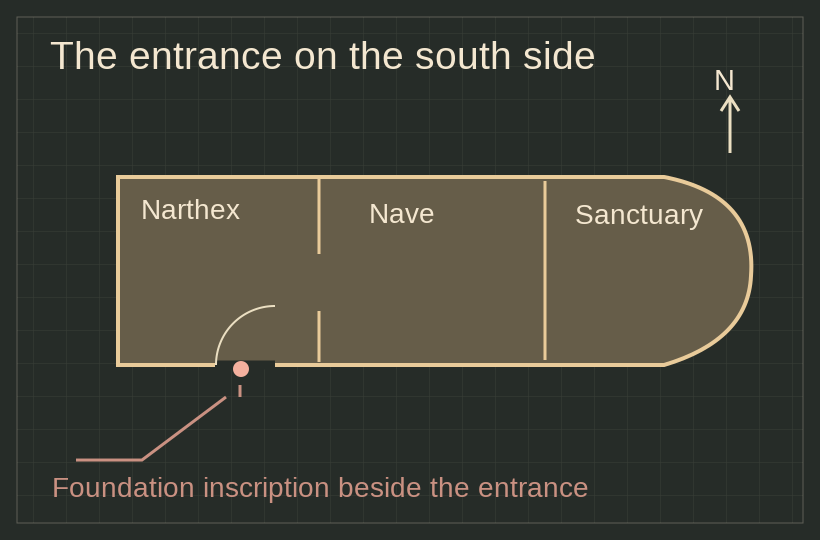
Near the entrance on the south side of the Arbore church, the foundation inscription names Luca Arbure, castellan of Suceava, and records the help of Prince Stephen. It says work began on 2 April and finished on 29 August. [1] [2]
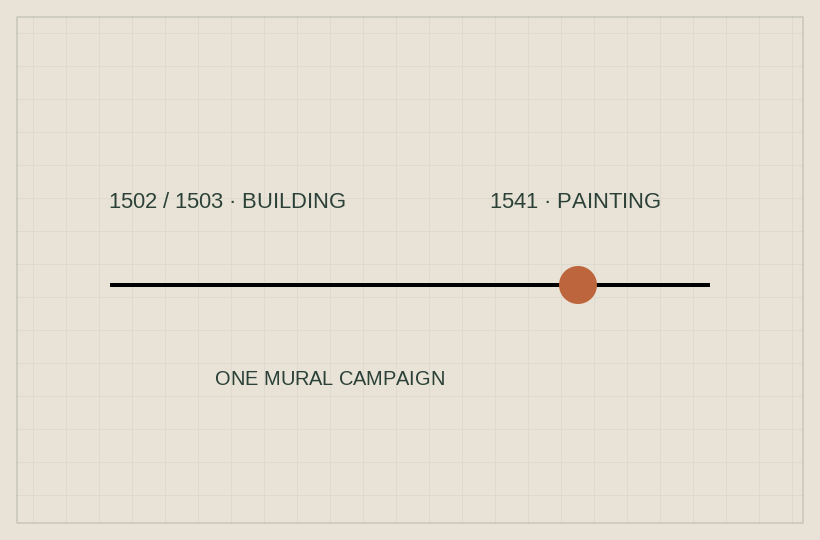
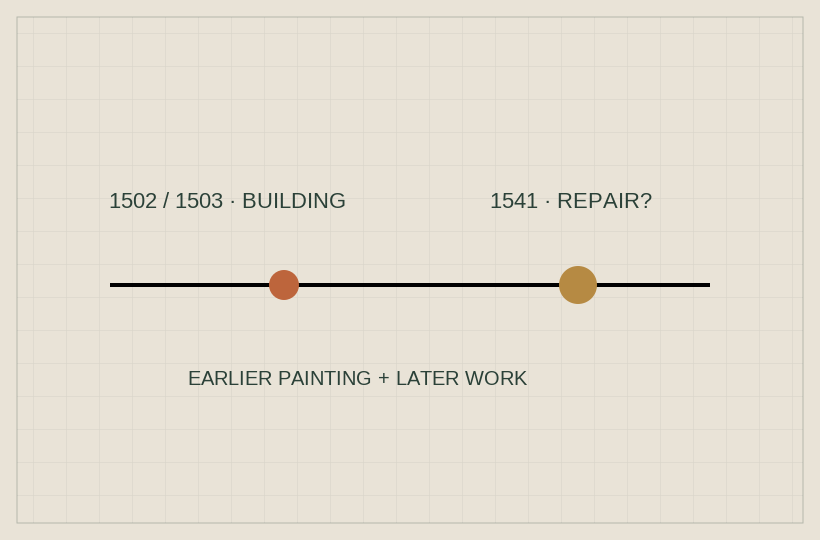
Researchers have read the year differently. Ioan Caproșu transcribes 7010, or 1502. Tereza Sinigalia reads 7011, or 1503. Both readings concern the same foundation inscription. Inside, a separate inscription points to a work of painting in 1541. [1] [2] [3]
Second text, different date
An inscription links 1541 to painted work
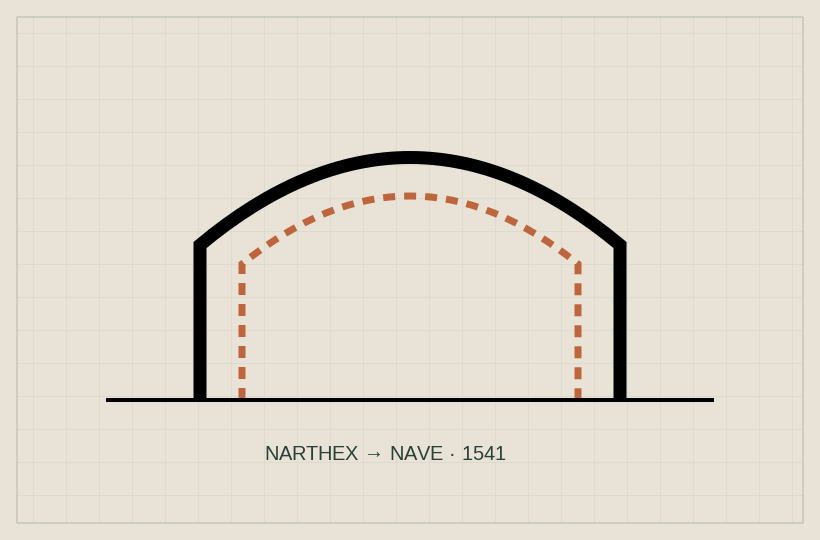
A second painted inscription sat on the inner curve of the passage between narthex and nave. Researchers read the year 1541, the painter Dragosin’s name and a payment by Ana, Luca Arbure’s daughter. Most of the painted text has faded; what we know comes from earlier photographs and transcriptions. [3] [2]
For a long time, the year was used to date the whole mural ensemble and attribute it to Dragosin. Other interpretations link the text to work on the votive painting, rather than to every wall. The damaged inscription preserves a year and a payment; the scope of the work remains disputed. [3] [2] [5]
1924–2024
An old photograph keeps the erased text alive
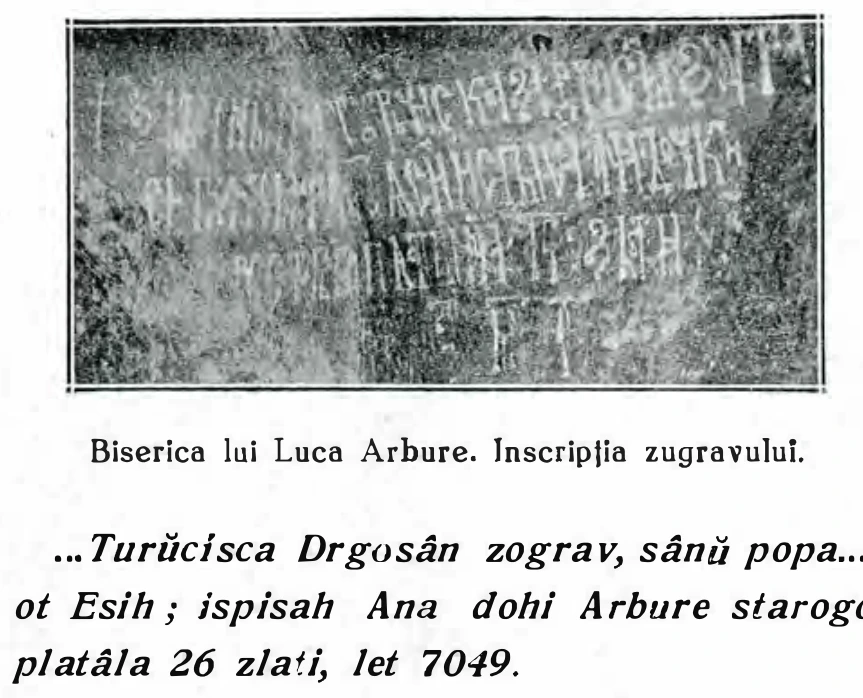
When Vasile Grecu published the inscription in 1924, he included a photograph. In 1926 the priest Dimitrie Dan published a photograph, a transcription and a translation. In this crop from Dan’s paper you can see the lines of painted lettering. Below them he sets out the year 7049, the painter’s name and a payment of 26 zlotys. [4] [3]
Most of the painted text has since faded. The parish register that recorded a translation has been lost. In 2024 the conservators Bogdan Bratu and Gheorghiță Dănilă compared photographs, transcriptions and Nicolae Beldiceanu’s manuscript and proposed a new reading of how the inscription begins. [3]
Two rooms
Two children in one portrait, five in the other
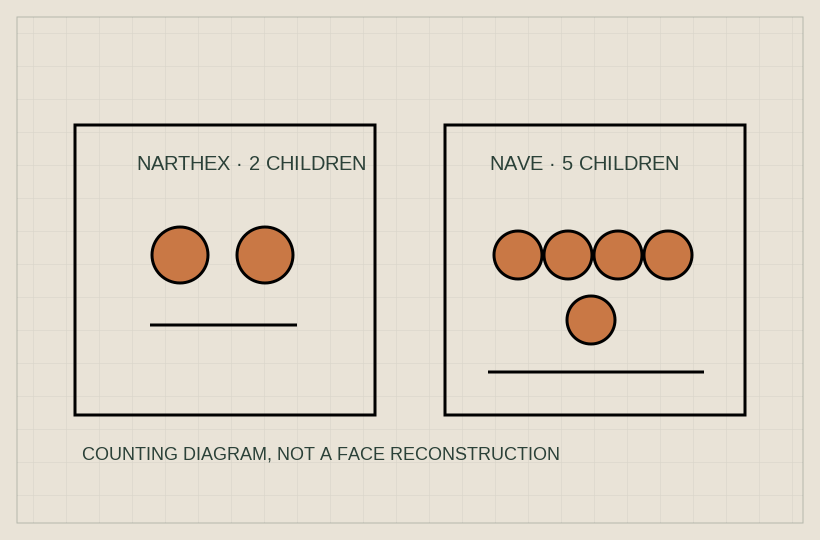
In the narthex, the family appears beside Luca Arbure’s funerary arcosolium; in the nave, another portrait shows him as founder with his wife Iuliana and their children. Tereza Sinigalia’s study notes two children in the narthex painting and five in the nave. The family becomes evidence for chronology, as well as an image of devotion. [2]
Gheorghe Balș used the difference to argue that the portraits belong to separate moments, with 1541 marking a repair. Ion Solcanu developed that interpretation; other historians read the inscription differently. The number of children matters, but on its own it cannot determine who painted each wall or when. [2] [1]
A detail in the votive painting
Oliviu Boldura saw two overlapping church models
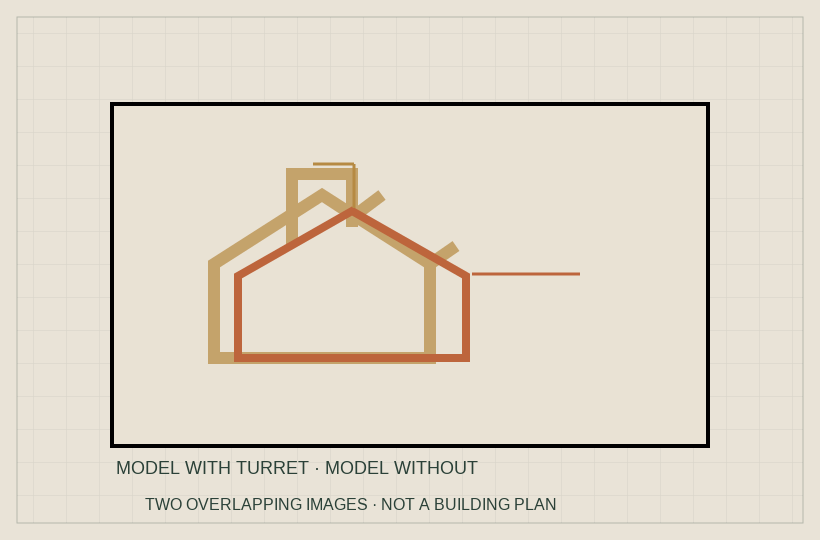
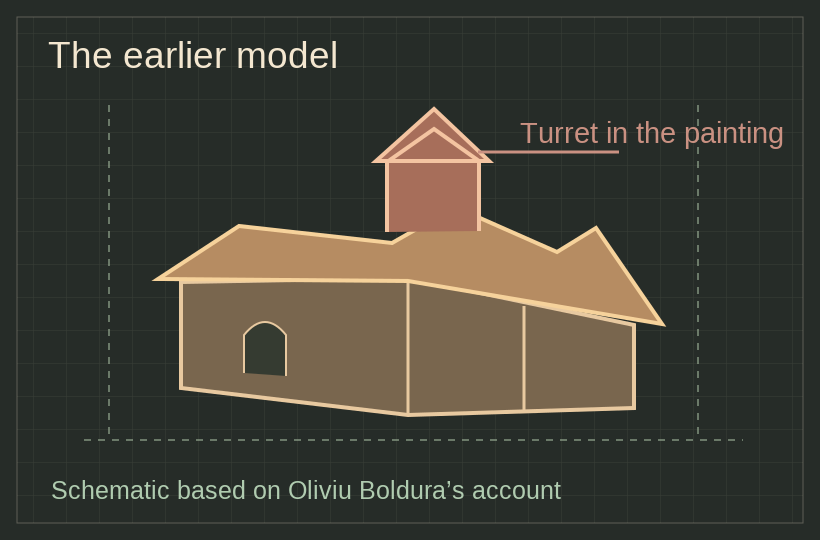
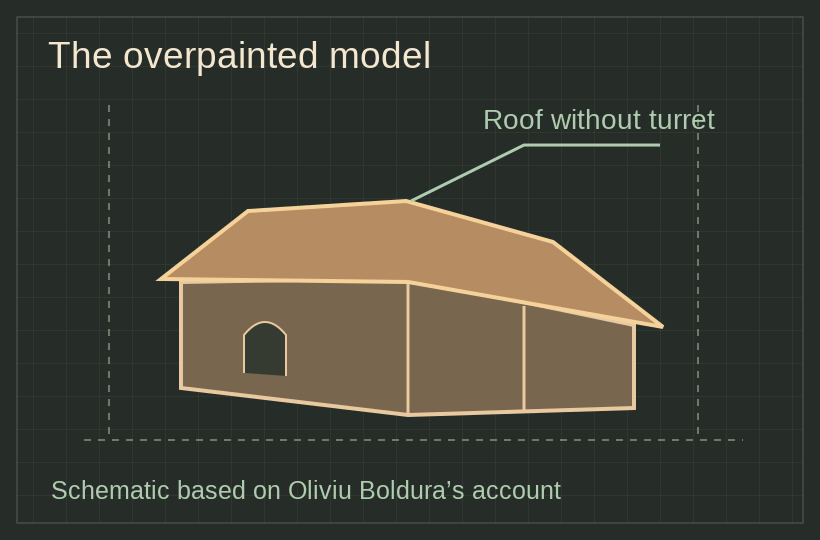
In the votive painting, Luca Arbure holds a model of the church. After deposits were removed, restorer Oliviu Boldura identified two overlapping versions of that model: the first has a turret and a fragmented roof; the repainted image appears without a turret and with a different roof. [5]
Boldura reads the join between the images as evidence that the votive painting was repaired. But the painting alone cannot prove whether the real church had a turret. His article says the answer requires examining structural traces in the church attic. The model is evidence of a change to the painting, and an open question about the building’s shape. [5]
The question remains
What does 1541 date?
At least two supported explanations remain. One dates the interior and exterior paintings to 1541 and attributes them to the painter named in the inscription. Another sees a mural ensemble begun after the church was built, with repairs or additions in 1541. Tereza Sinigalia explicitly says there is no consensus; Bratu and Dănilă revisit the inscription using recovered sources. [2] [3]
The earliest inscription is the one beside the south entrance, with readings of 1502 and 1503. Its walls are records with several layers. The name, year and payment in the damaged inscription matter, but they do not automatically date every fresco. Arbore becomes clearer when each piece of evidence is followed separately: a date for the building, another for painted work, and family portraits that preserve differences. [1] [2] [3]