FROM BENCH TO BANKRUPT
Your bank is a bench. Bankrupt is the bench broken.
The money-changer kept his coins on a real bench — banc in 9th c. Old High German, banca in Old Italian, banque, bank, bancă. And bankruptcy is that bench broken: banca rotta. Legend says the failed man's bench ended in pieces in the square; the dictionaries answer that the tale of shards is probably just a figure of speech.
- 9th c.
- banc, “bench”, in Old High German
- 1466
- banqueroute, attested in French
- 6
- dated forms, in six languages
How the word changes clothes at the border:
- banca rotta Italian
- banqueroute French
- bankroet Dutch
- bankrupt English
- Bankrott German
- bancrută Romanian
SCENE 2 OF 6 · THE ROOT
The bank is a bench
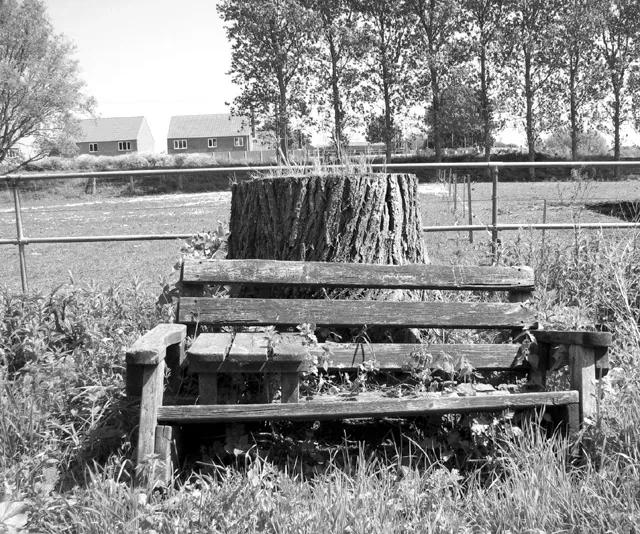
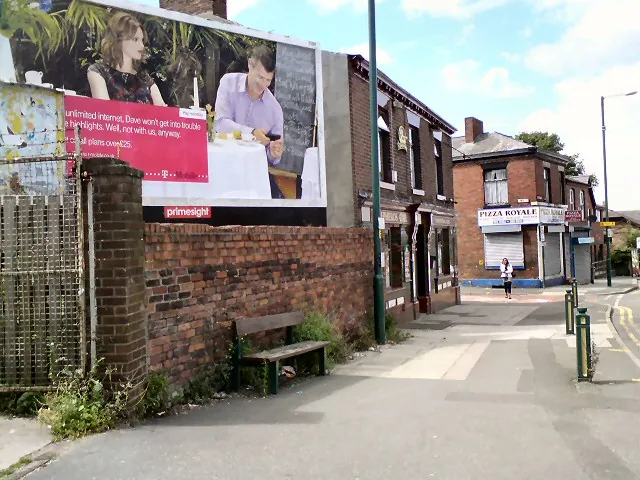
Before it guarded money, the bank sat people: the Germanic bench walked into Italian with the merchants, and Italian gave it a money sense.
- 1
- Germanic root: *bankiz
- 9th c.
- banc in Old High German
- 12
- centuries from bench to bank
The German etymological dictionary (Pfeifer, via DWDS) takes Bank, “seat for several”, back to 9th c. Old High German — banc — with kin in Old English (benc, whence bench) and Old Norse (bekkr). All come from Proto-Germanic *bankiz. On the deeper origin the dictionary states plainly that it stays uncertain.
Italian took the word from Germanic: Treccani records banca as an old or regional variant of panca and banco — the bench. On a wooden bench likewise sat the supreme collegial magistracy of Venice, Modena and Sicily; hence the old senses of tribunal and recruiting table. Furniture had become an institution before it became money.


SCENE 3 OF 6 · THE CHANGER
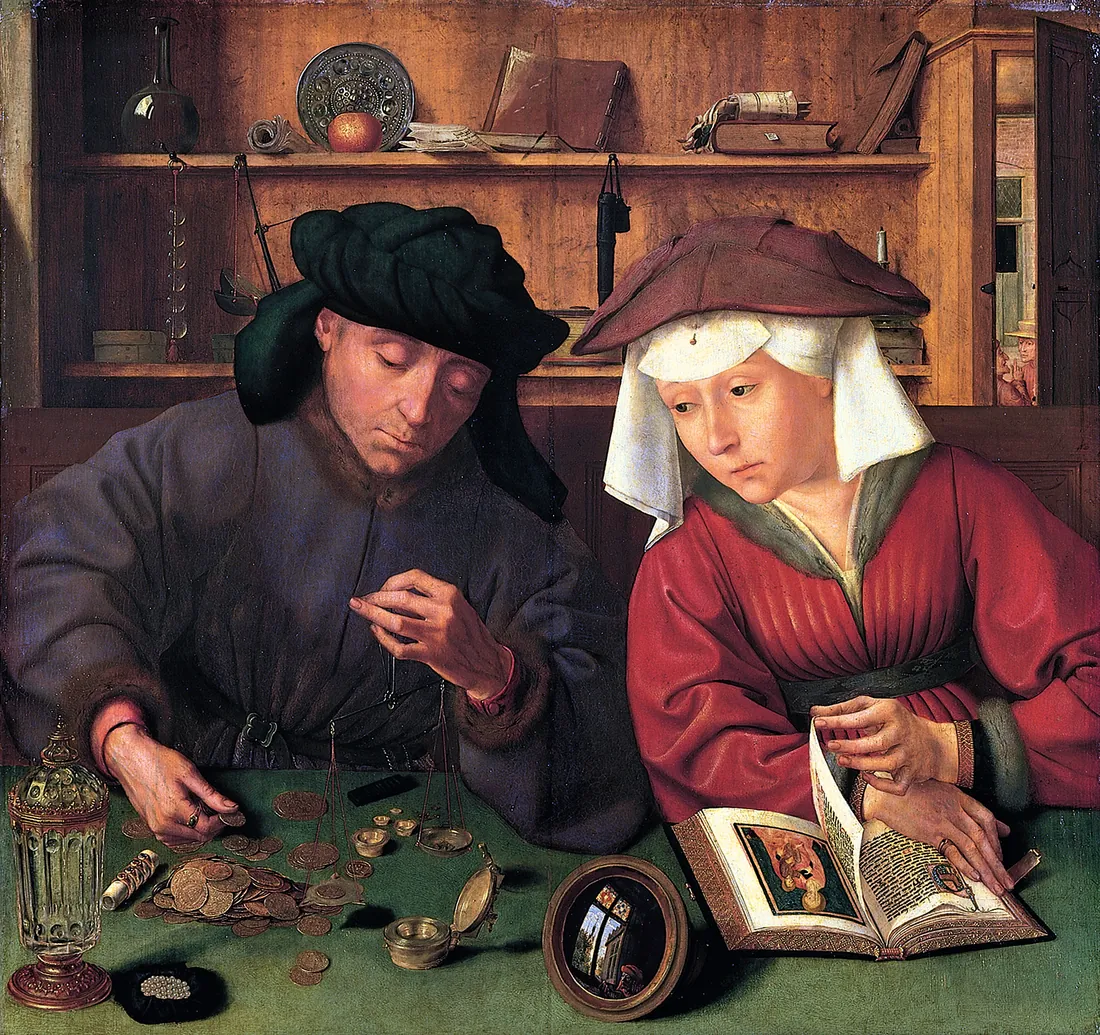
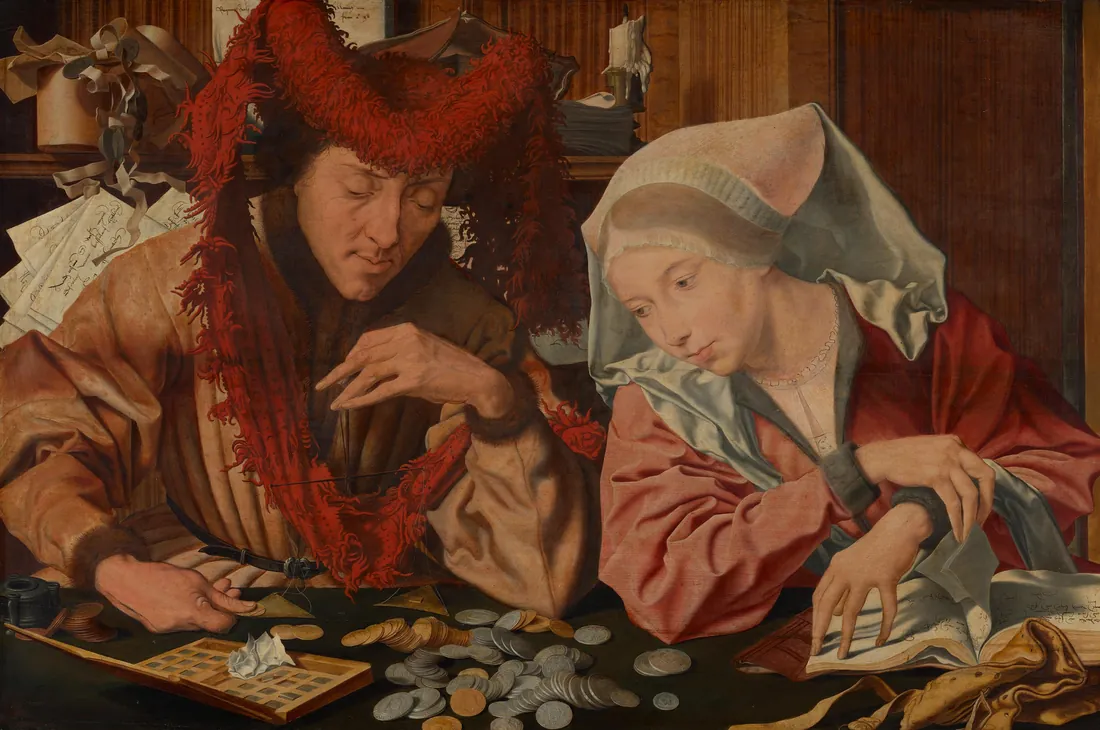
The changer's table
Italian money got counted on a Germanic bench: banca becomes the changer's counter, then the word for “bank” across Europe.
15th c.
DE Bank — the reborrowing
German reborrows its own word from Italian (banco, banca: the money-changers' table, cf. Middle High German wehselbanc). The feminine gender settles in the 18th c. under French influence. (Pfeifer, via DWDS)
1466
FR banqueroute
French attests banqueroute in 1466, from It. banca rotta. (EWN)
late 15th c.
EN bank — “money-dealer's counter”
English bank starts as the “money-dealer's counter or shop”, from Old Italian banca and French banque, on a Germanic path (Old High German bank, “bench, moneylender's table”). (Etymonline)
1620s
EN bank — “institution”
The sense of an institution for receiving and lending money arrives in the 1620s. (Etymonline)
18th c.
RO bancă
DEX: the money senses come from It. banca and Fr. banque (18th c.); the furniture senses arrive separately, from Fr. banc.


SCENE 4 OF 6 · THE HINGE
The blow (a legend)
Here the story breaks in two: first the legend, told as legend, then the three verdicts of the dictionaries.
legend
They say a failed money-changer's bench ended in pieces, in front of the whole market. Hence, so the tale goes, the name: banca rotta, the broken bench.
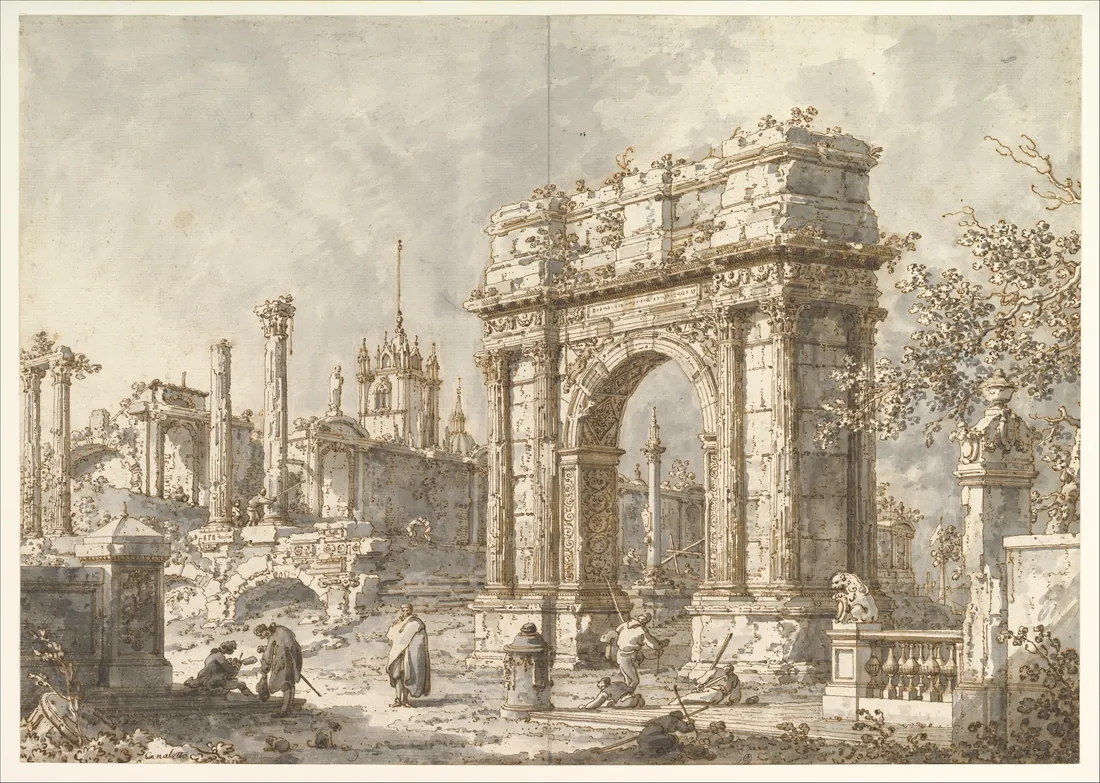

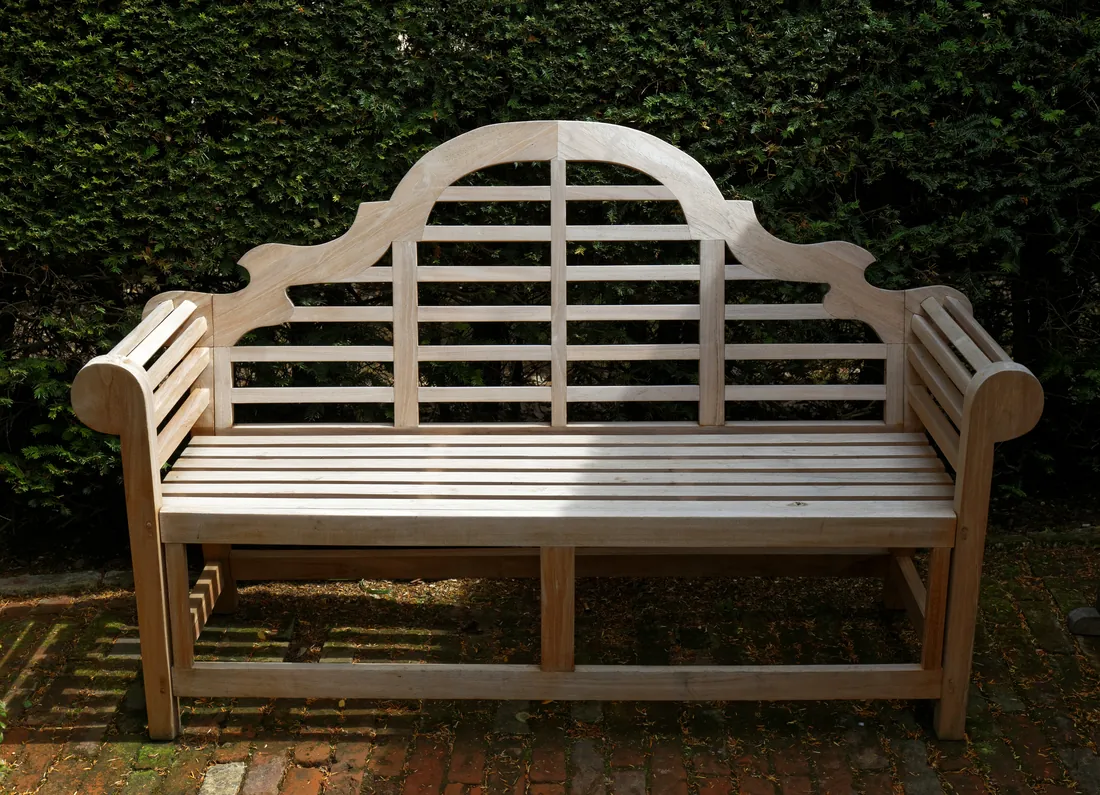

What the dictionaries answer
“probably figurative”
“Said to have been so called from an old custom of breaking the bench of bankrupts, but the allusion probably is figurative.”
pseudo-etymology
“The bench-breaking tale belongs in the realm of pseudo-etymology; the account is that of the jurist Domenico Azuni (1749–1827), 18th c.” (our translation)
The Dutch original
“moet naar het rijk der pseudo-etymologie verwezen worden … Domenico Azuni (1749-1827)”
rotto = bankrupt since the 1300s
“The word does not come from an (otherwise unattested) custom of breaking the bench; rotto already meant “bankrupt” in the early 14th c.” (our translation)
The Dutch original
“Het woord stamt niet van een (overigens niet overgeleverd) gebruik … de bank stuk te slaan … De betekenis 'platzak, failliet' voor rotto bestaat in het Italiaans al sedert het begin van de 14e eeuw.”
Oxford (OALD) backs the thread without naming any custom: bankrupt, mid-16th c., from It. banca rotta, “broken bench”.
SCENE 5 OF 6 · THE GAME
The word breaks in six
Six forms, six dictionaries, six dates. Below you lay them yourself, oldest first, in The broken chain.
banca rotta Italian
EWN: the “bankrupt” sense of rotto exists since the early 14th c.; OALD: banca rotta, “broken bench”, mid-16th c.
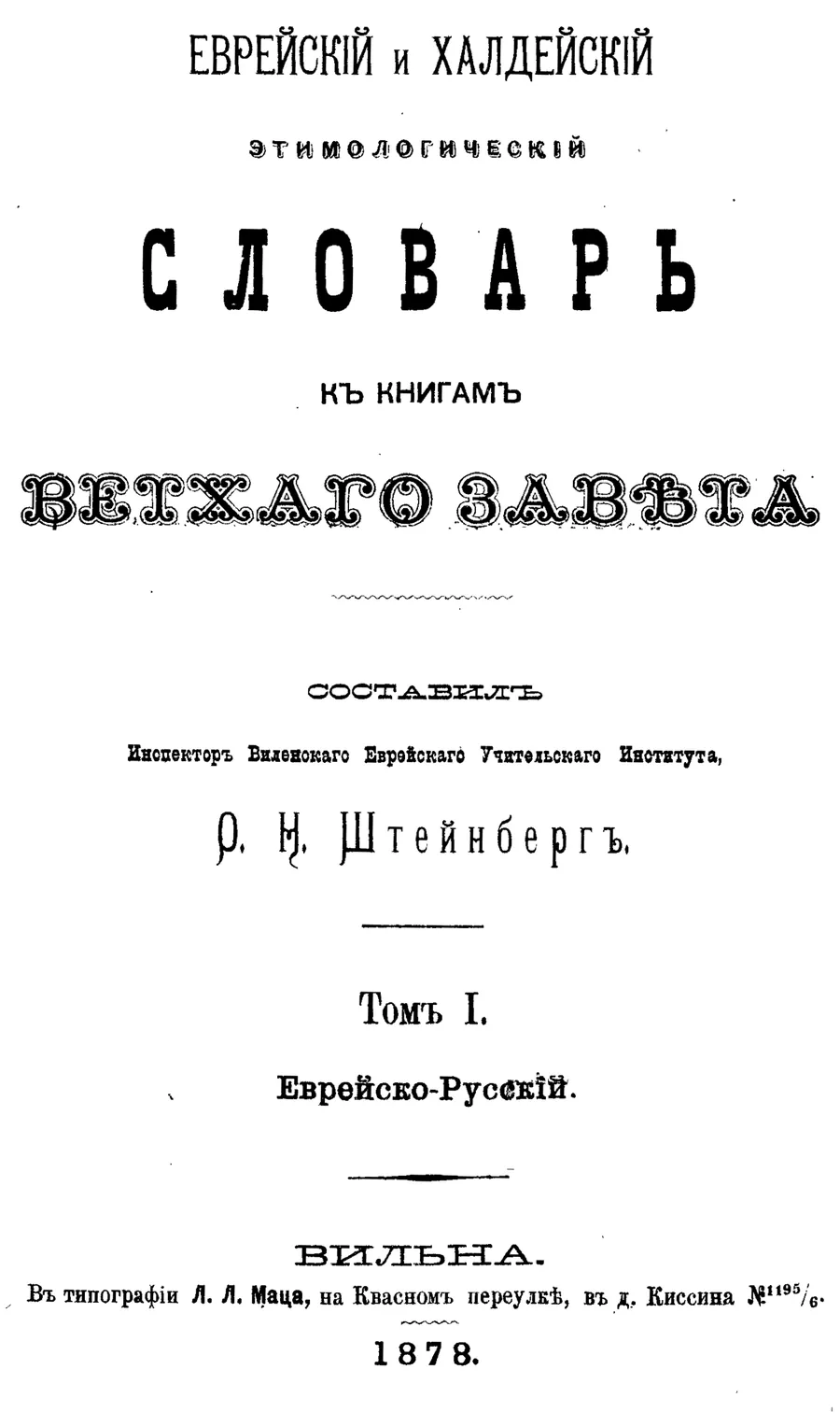

Bankrott German
Pfeifer, via DWDS: money-Bank is reborrowed in the 15th c. from It. banco/banca.
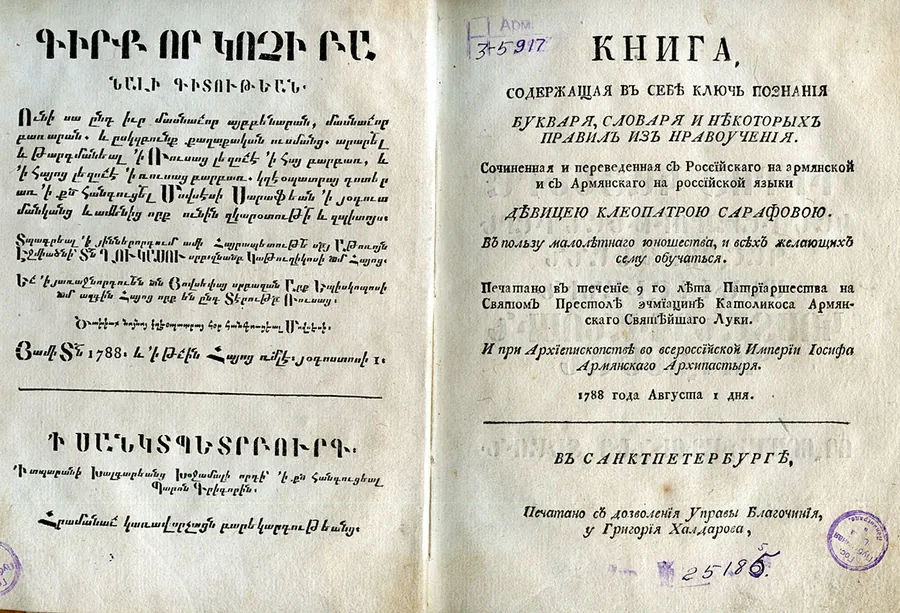

banqueroute French
EWN: “Ontleend aan Frans banqueroute [1466] < Italiaans banca rotta” (= borrowed from French < Italian).
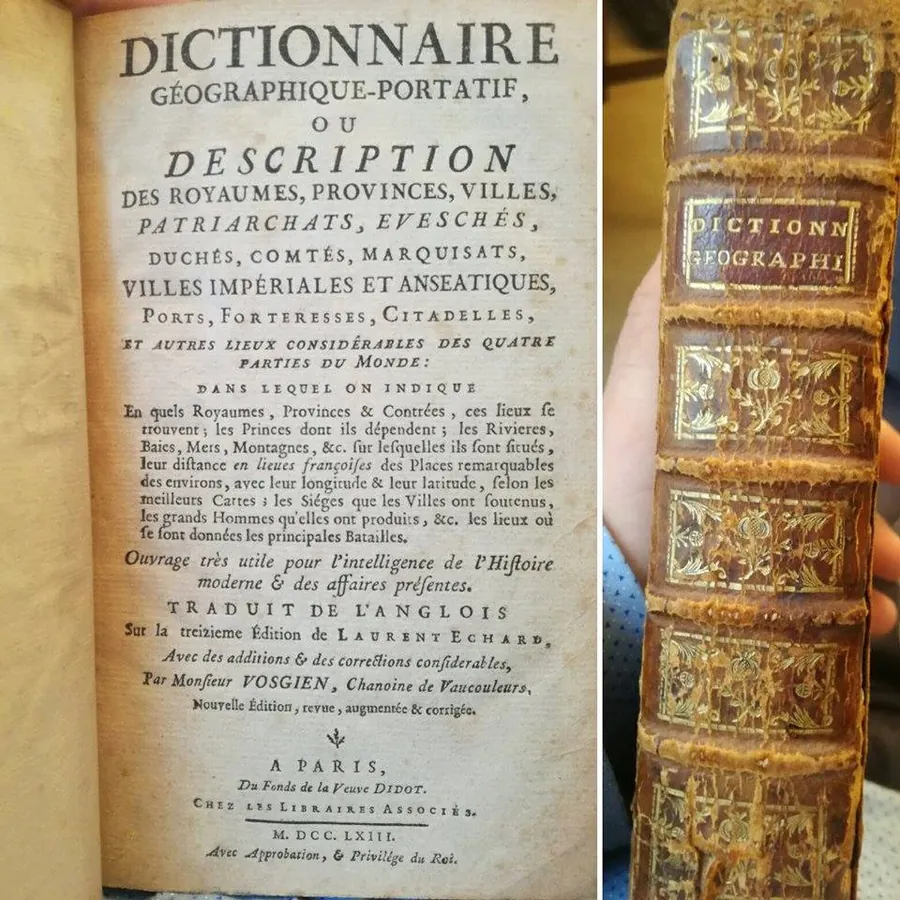

bankroet Dutch
EWN: banquerupt (1524), banckroeten (1526) and further forms to 1555.
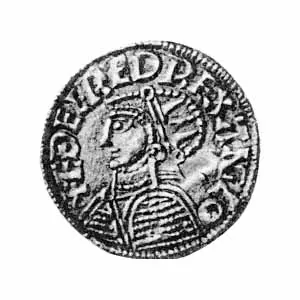

bankrupt English
Etymonline: noun 1530s; verb 1550s; adj. 1560s, from It. banca rotta.
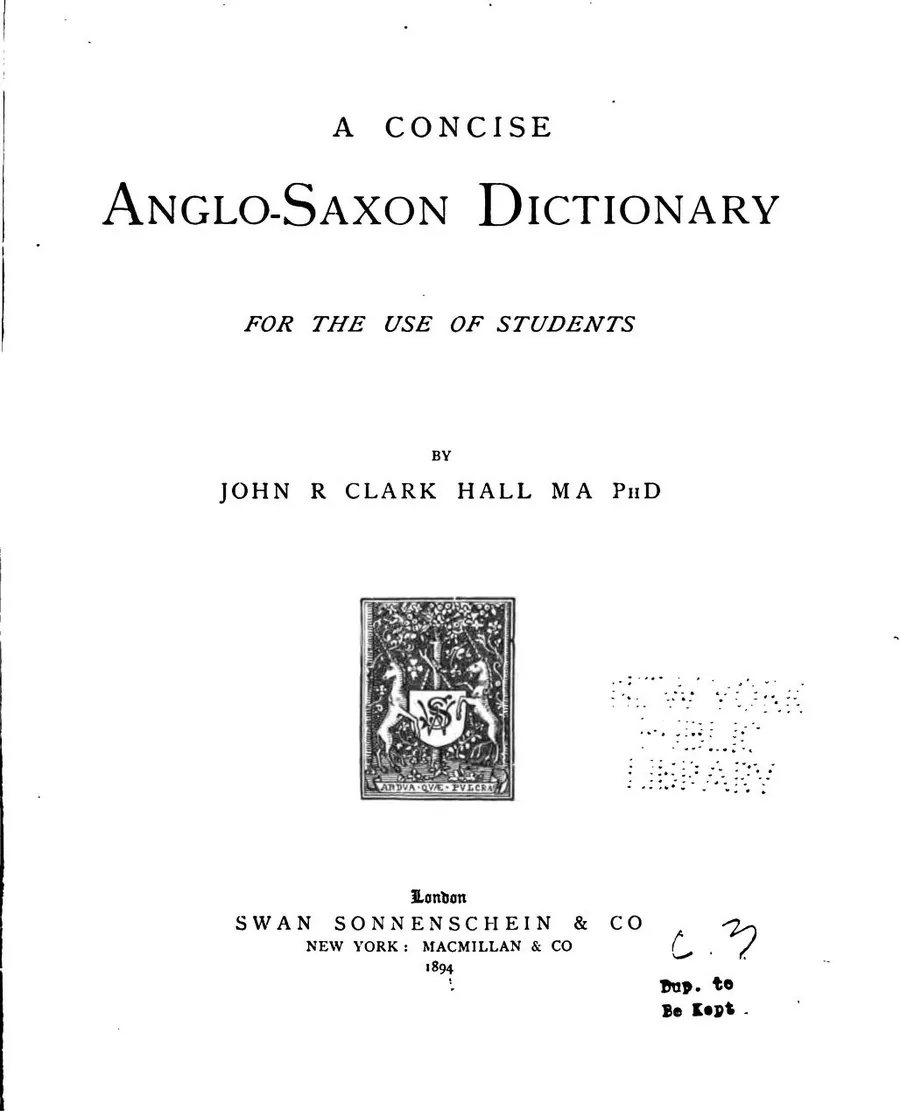

bancrută Romanian
DEX: bancrută ← Fr. banqueroute ← It. banca rotta; money-bancă: 18th c.
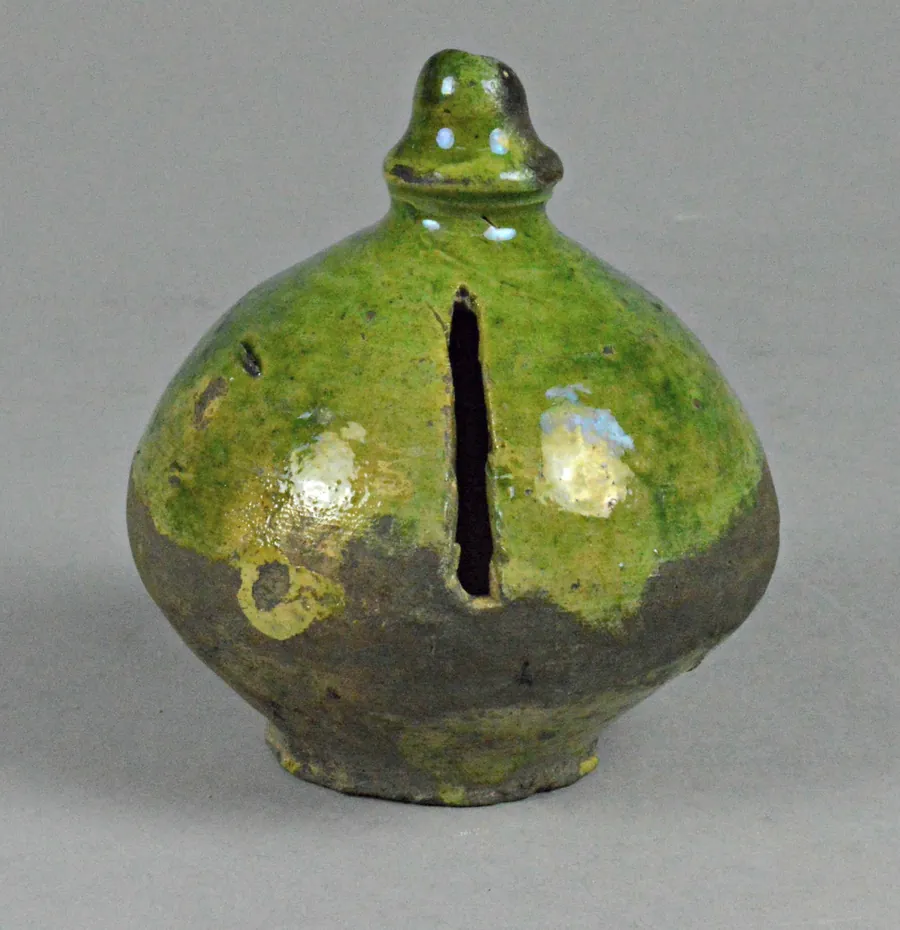

The broken chain
The whole chain (solved)
The chronological order, with dictionary dates — the same order the game asks for.
- banca rotta Italian — sense: early 14th c. · compound: mid-16th c.
- Bankrott German — money-Bank: 15th c. (reborrowed from Italian)
- banqueroute French — 1466
- bankroet Dutch — attestations 1524–1555
- bankrupt English — noun 1530s · verb 1550s · adjective 1560s
- bancrută Romanian — 18th c. (via French)
Touch the shards from oldest to newest, by first dictionary attestation. Keys 1–6 do the same.
Score copied.
SCENE 6 OF 6 · HOME
The broken bench, in Romanian
DEX keeps the waters apart: furniture and money entered Romanian through different doors.
bancă (money)
From It. banca, Fr. banque (18th c.). Here too: a sări banca, to break the bank.
bancă (furniture)
The bench senses arrive separately, from Fr. banc.
bancrută
From Fr. banqueroute, itself from It. banca rotta.
spartă
Feminine of spart, -ă: “prefăcut în bucăți, în cioburi” — broken to pieces.
“your bank is still a bench — sit on it.”
What we leave out (and why)
- No widening of the family: six forms stand dictionary-verified; further possible kin stay leads, not claims.
- No square, no city, no year of the breaking is named: no source names any.
- No guilds or canal-side banks: institutional history stays outside this edition.
- No tie between “broke” and the broken bench: no verified scholarly source draws one.
- The Dutch and English renderings in the other edition are ours; the originals sit one gesture away, with links.
Sources
Dictionaries first; figures beneath each one. The sources below document the forms and dates.
Dictionaries
- Etymonline: bankrupt
- Etymonline: bank
- OALD: bankrupt
- Treccani: banca
- DWDS / Pfeifer: Bank
- EWN: bankroet
- dexonline: bancă
- dexonline: bancrută
- dexonline: spart
Images and type
Type: Fraunces, Newsreader and Atkinson Hyperlegible, under the SIL Open Font Licence.