Marius ComperBobâlna, Cluj
Română

Bobâlna revolt memorial

Could you leave the estate after the Bobâlna agreement?

In 1437, the rebels at Bobâlna demanded the freedom to move, a clear reckoning of what they owed and a way to check if promises were kept. Two charters from the same year show how the terms changed by autumn.

Compare the dues in the two agreements ↓
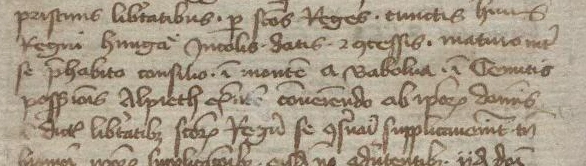
Detail of a medieval manuscript across two leaves, with brown script and a marginal note.
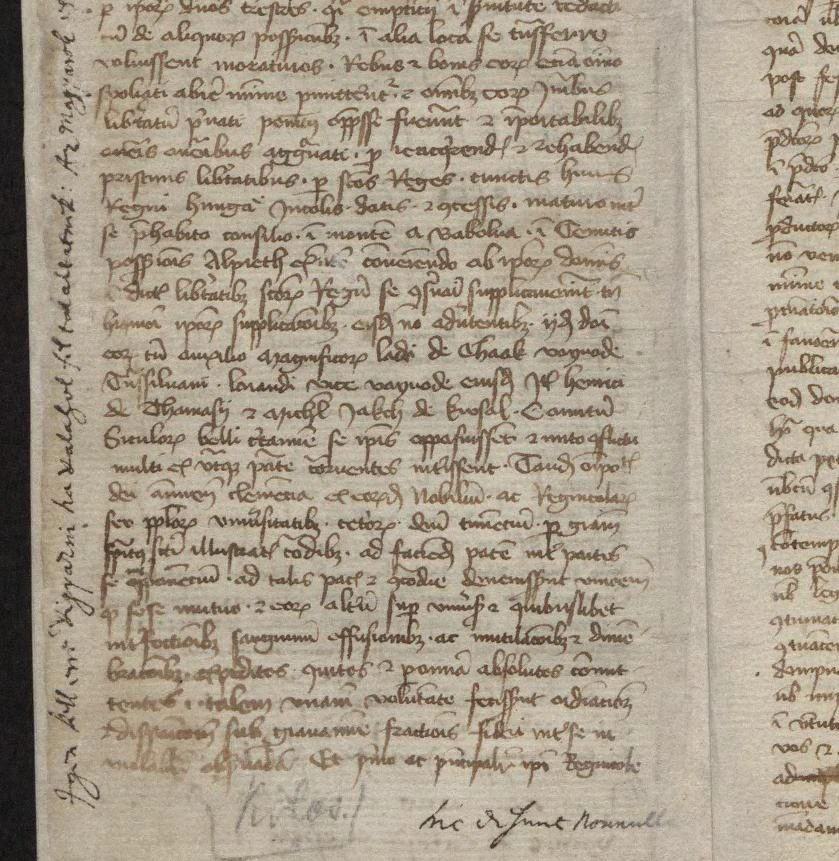
In this detail, the hill is named Babolna in the account of the gathering. The manuscript is in Latin. (Source · Arhivele Naționale ale Ungariei · DL 36972 · reproducere / facsimile · Public domain)

Transylvania, 1437

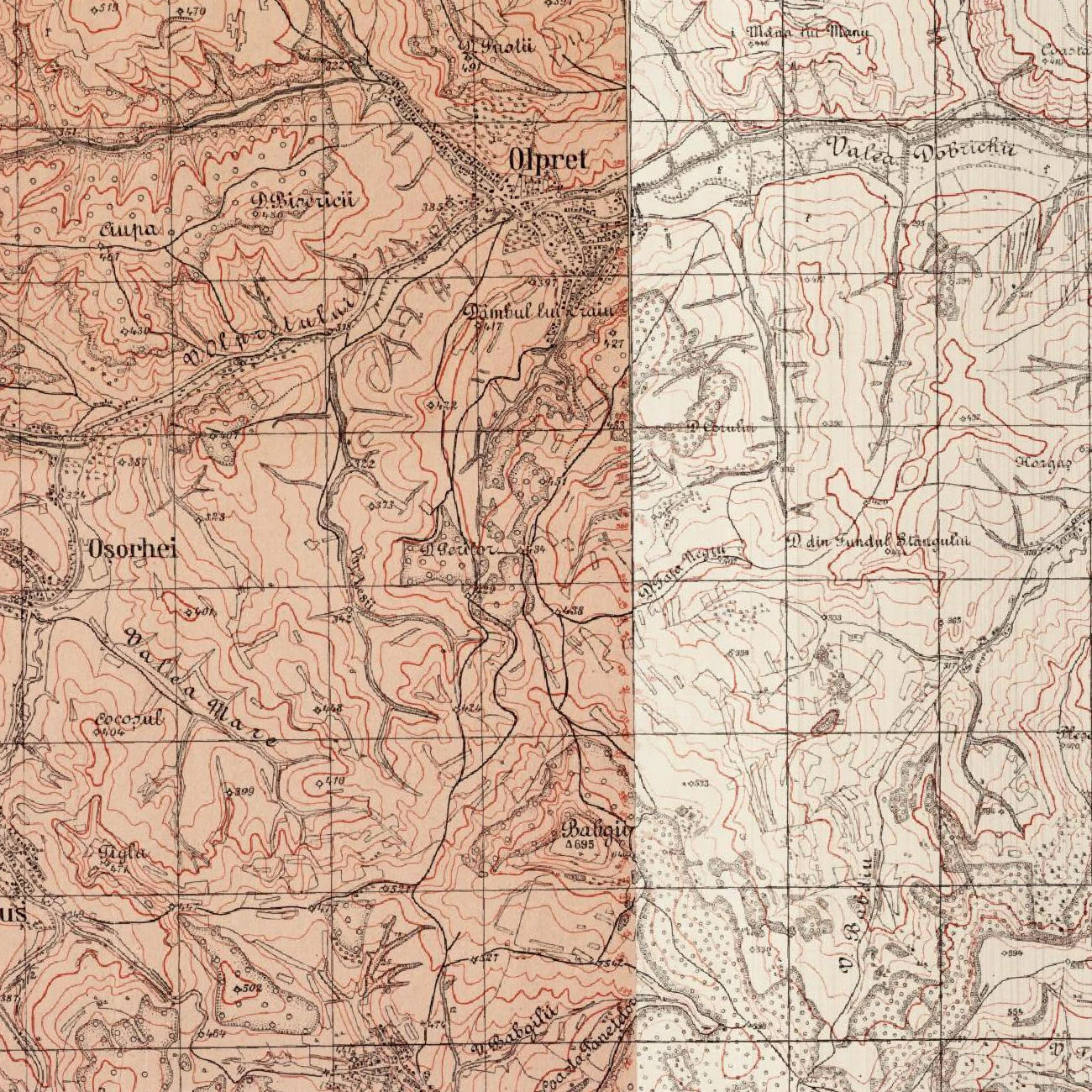
Military survey showing the village and the hill to the south, with two location markers.
Present-day terrain and the military sheet in the same frame. The markers show the village and the hilltop memorial. The 1437 terms name the hill, without plotting the camp’s boundary. (Source · Colecția eHarta / geo-spatial.org · decupaj georeferențiat / georeferenced crop · CC BY-SA 4.0)

Transylvania, 1437

Where did the rebels gather?

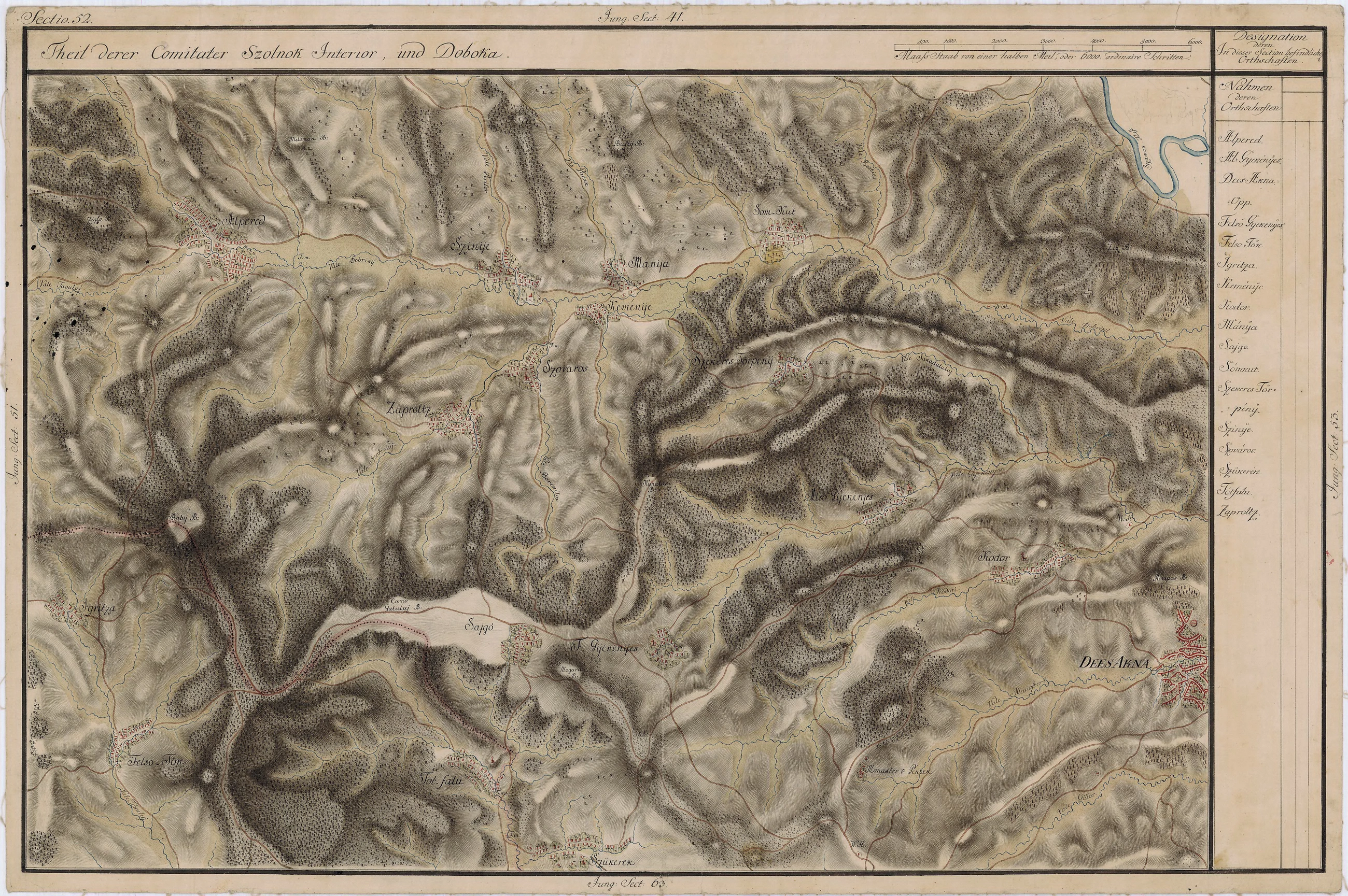
On the hill south of Bobâlna village stands a memorial erected in 1957. The village was once named Olpret. In the Latin charter of July 1437, Babolna is the name of the hill on the estate where the rebels gathered. In the enlarged detail, look for Babolna towards the right on the third line. On the Josephine military sheet, drawn centuries later, the village appears as Alpered. [1] [2] [5] [7]

The terrain model lets you look at the ground between the village and the memorial. Compare the valley where the village stands with the ridge above. The model shows today’s terrain. The charter names the hill, and the memorial commemorates the revolt. Neither marker establishes the exact boundary of the 1437 camp. [3] [9]
Military survey showing the village and the hill to the south, with two location markers.
Present-day terrain and the military sheet in the same frame. The markers show the village and the hilltop memorial. The 1437 terms name the hill, without plotting the camp’s boundary. (Source · Colecția eHarta / geo-spatial.org · decupaj georeferențiat / georeferenced crop · CC BY-SA 4.0)
A detail from the Latin manuscript of the Bobâlna agreement.
The passage says the rebels assembled on Bobâlna Hill, on land belonging to the Olpret estate. (Source · Arhivele Naționale ale Ungariei · DL 36972 · decupaj / crop · Public domain)
Josephine survey sheet, with hatched valleys and labelled settlements.
The survey was drawn more than three centuries after the revolt. The settlement from the charters appears as Alpered. (Source · Ridicarea iozefină a Transilvaniei, foaia 52 · Wikimedia Commons · redimensionare / resized · Public domain)

6 July 1437

Who put the agreement in writing?

In 15th-century Transylvania, many households worked land on an estate and owed the landholder money, goods or labour. The July charter also deals with the tithe owed to the bishop and with people who were prevented from moving. Both issues made their way into the settlement between the rebels and the nobles. [3]

After the fighting, representatives of the rebels and four nobles presented the settlement to the convent at Cluj-Mănăștur, a monastic community empowered to certify such documents. The date of 6 July is the date of certification. The hill was the gathering place, and the convent is where the representatives secured a written record of the agreement. [6] [3]
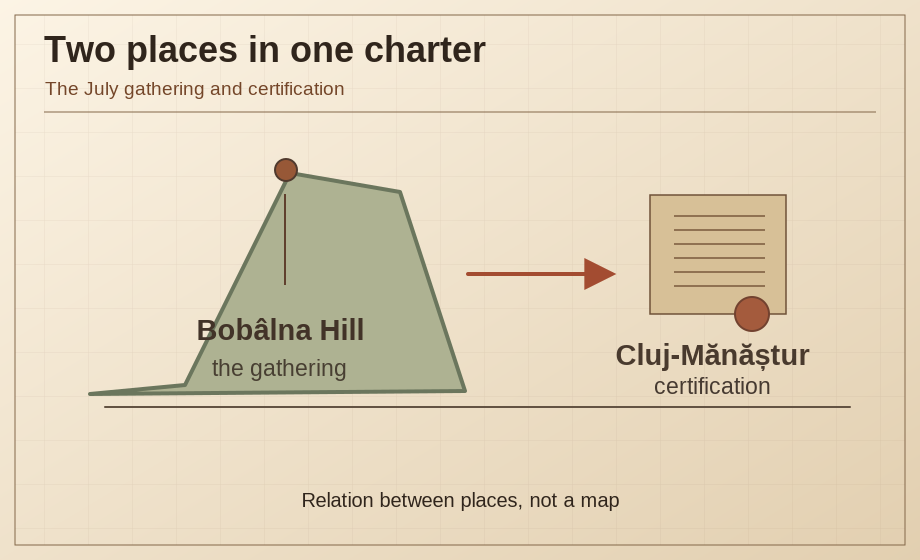
A diagram with Bobâlna Hill and the convent at Cluj-Mănăștur.
The rebels assembled at Bobâlna. Representatives had the charter certified at the Cluj-Mănăștur convent. (Source)
Detail of a medieval manuscript across two leaves, with brown script and a marginal note.
In this detail, the hill is named Babolna in the account of the gathering. The manuscript is in Latin. (Source · Arhivele Naționale ale Ungariei · DL 36972 · reproducere / facsimile · Public domain)

The right to move

What did it take to leave?

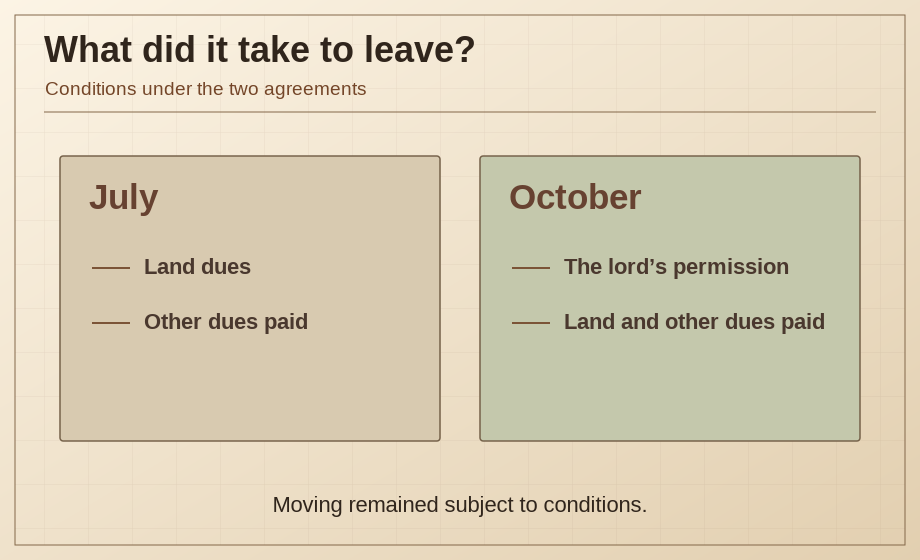
The July agreement allowed people to move after paying their land dues and other debts. It provided for a penalty against nobles who harmed those seeking to leave. It also gave a lord a way to ask a judge to return someone who had gone secretly without paying. [3]

The second settlement was negotiated at Apatiu and certified in October. It explicitly required the lord’s permission in addition to payment of dues and debts. The text allowed those who had left without meeting the conditions during the revolt to be brought back. They had to remain for 15 days and settle their debts before they could seek to leave again. [4]
Two columns list the conditions for moving in July and October.
The July text names land dues and debts. In October, the text explicitly required the lord’s permission as well. (Source)
A timeline with 6 July and 10 October 1437.
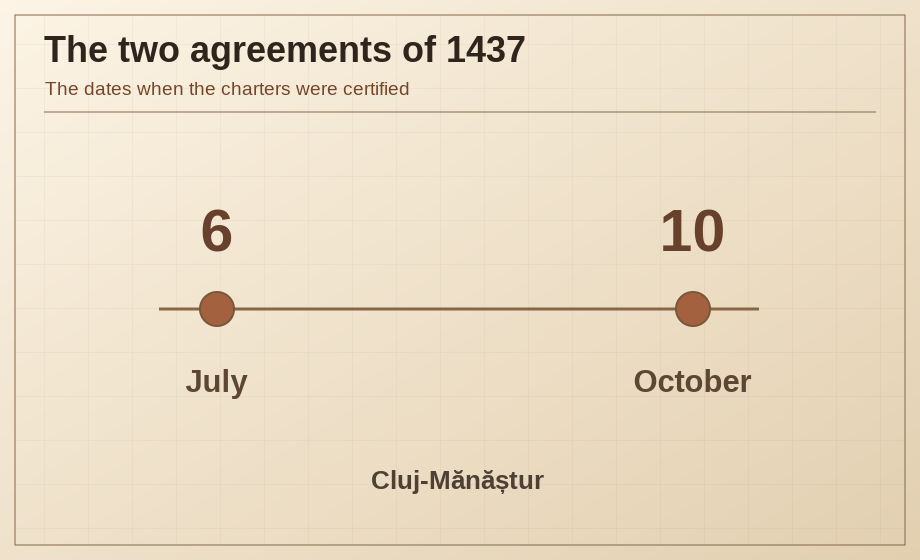
The charters were certified in July and October, following different settlements. (Source)

The annual due

What would a household owe?

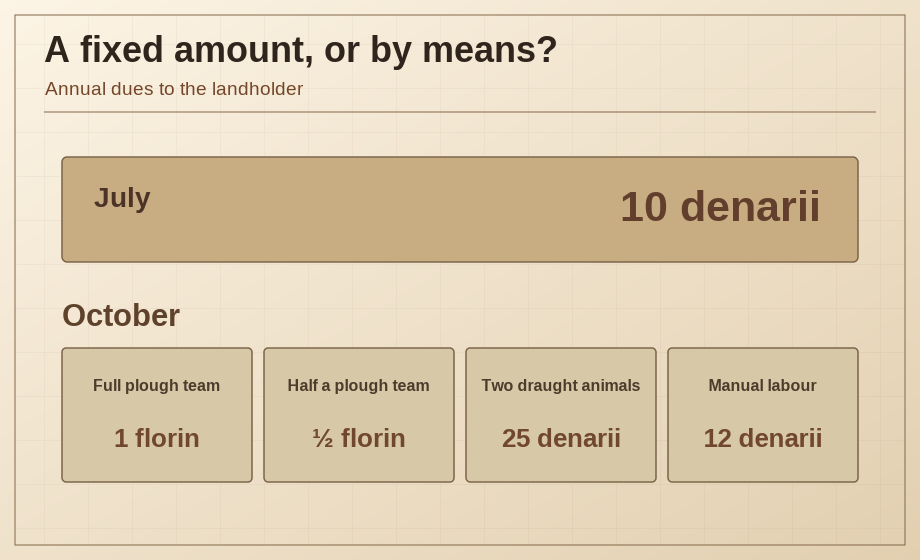
In July the agreement set an annual payment of ten denarii per serf to the landholder. The terms separately provided for gifts in kind on some feast days and one day spent mowing or harvesting, as well as maintenance of the mill works. The annual cash payment was one obligation among several. The bishop’s tithe had its own clauses. [3]

In October the payment varied with the household’s means. A full plough team, reckoned at eight draught animals, meant paying a gold florin. Half a plough team meant half a florin. Two draught animals meant 25 denarii. Someone with no livestock who lived by manual labour owed 12 denarii. Pick one of those cases and compare it with the July amount. [4]
A comparison between ten denarii in July and four of the amounts specified in October.
Compare the annual due in July with the terms in October. Pick a case from the charter, such as a household with two draught animals or a person living by manual work. (Source)
A timeline with 6 July and 10 October 1437.
The charters were certified in July and October, following different settlements. (Source)

Before Ascension Day

How would you check the agreement?

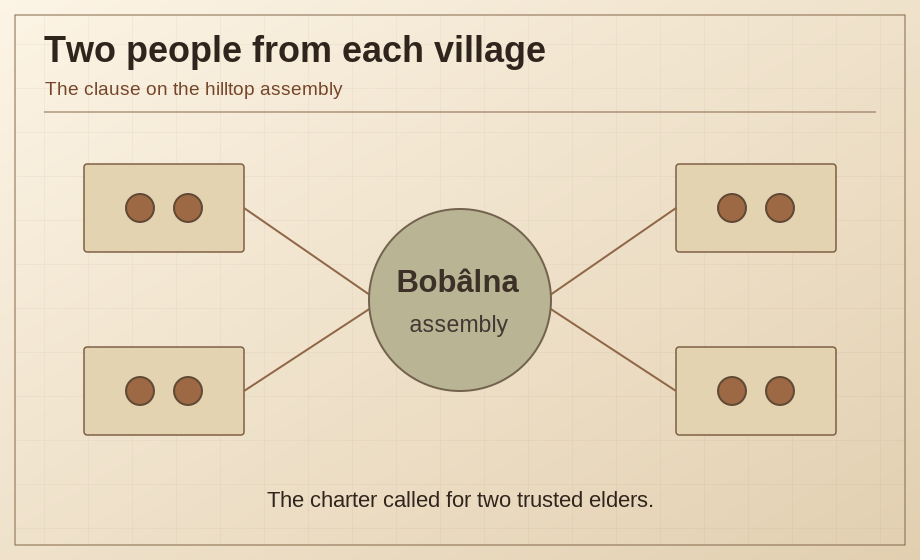
A July clause required each settlement to send two trusted elders to Bobâlna Hill every year. They were to tell the captains whether the landholders had observed the agreed liberties. The charter even told other nobles to withdraw their support from anyone found to be breaking the agreement. [3]

The agreement itself proposed a way to check if its terms were being kept. The diagram shows how representation would work. It does not list participating villages or establish whether such gatherings went on to take place. When you return to the map of the hill, consider the difference between the place described in the charter and what the text proposed would happen there. [3] [9]
Pairs of marks lead towards a circle for the hilltop assembly.
The July terms called for two people from each settlement at the hilltop gathering. The diagram shows the rule without counting participating places. (Source)
Military survey showing the village and the hill to the south, with two location markers.
Present-day terrain and the military sheet in the same frame. The markers show the village and the hilltop memorial. The 1437 terms name the hill, without plotting the camp’s boundary. (Source · Colecția eHarta / geo-spatial.org · decupaj georeferențiat / georeferenced crop · CC BY-SA 4.0)

10 October 1437

What survives after two settlements?

The second settlement was provisional too. The charter speaks of both sides sending envoys to the emperor and of the conditions for peace until their return. Read the two acts together and you can trace the move from a fixed annual due to amounts based on means, and from settling debts to an explicit requirement for permission to leave. [3] [4]

The hilltop memorial dates from the 20th century. The 15th-century charters preserve the demands and the terms reached at each stage. Open the July fragment again. The name of the hill appears beside the name of the estate, the place where a household’s right to move became part of a negotiation between two sides. [5] [2]
A timeline with 6 July and 10 October 1437.
The charters were certified in July and October, following different settlements. (Source)
A detail from the Latin manuscript of the Bobâlna agreement.
The passage says the rebels assembled on Bobâlna Hill, on land belonging to the Olpret estate. (Source · Arhivele Naționale ale Ungariei · DL 36972 · decupaj / crop · Public domain)

Sources

In 1437 the right to move from an estate was negotiated alongside cash dues, labour and a way of calling landholders to account. The charters show how those terms changed over the course of a few months.

  1. Bobâlna revolt memorial, locationThe node records the hilltop memorial, south of the village centre.
  2. Cluj County Council, heritage inventoryThe inventory lists the 1957 memorial on Bobâlna Hill.
  3. Ludovic Demény, the first agreement, 6 July 1437Edition from the original documents, Studii XIII, no. 1, 1960, pages 98–104. The main text and variants are printed separately.
  4. Ludovic Demény, the second agreement, 10 October 1437Pages 106–110 reproduce the charter confirming the agreement reached at Apatiu. Payment, departure and the truce terms are set out in distinct clauses.
  5. The July 1437 agreement, a detailA facsimile published with credit to the National Archives of Hungary. The editions catalogue identifies the 6 July charter as DL 36972.
  6. AGERPRES, the July settlementA summary based on historian Ștefan Pascu’s work. It identifies the representatives and the role of the Cluj-Mănăștur convent.
  7. Josephine survey of Transylvania, sheet 52The 18th-century sheet labels the village Alpered.
  8. Romanian military survey, Bobâlna HillThe 1:20,000 military sheet shows the relief and the settlement. The sheet date is outside the crop.
  9. Terrain Tiles, current elevation of the hillTerrain model from public Terrarium data. It shows present-day relief. The marker locates the memorial, without plotting the medieval camp.