The house you can see

The house you can see
Today’s house is not the whole estate
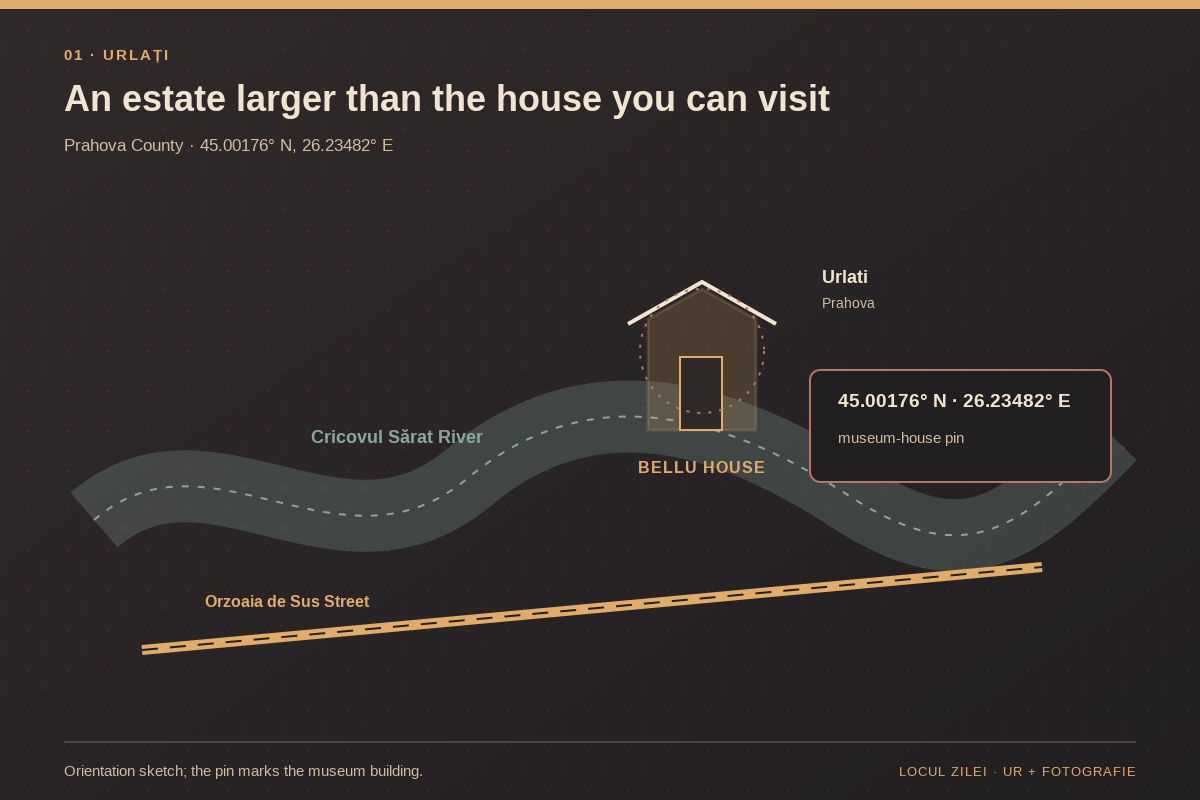
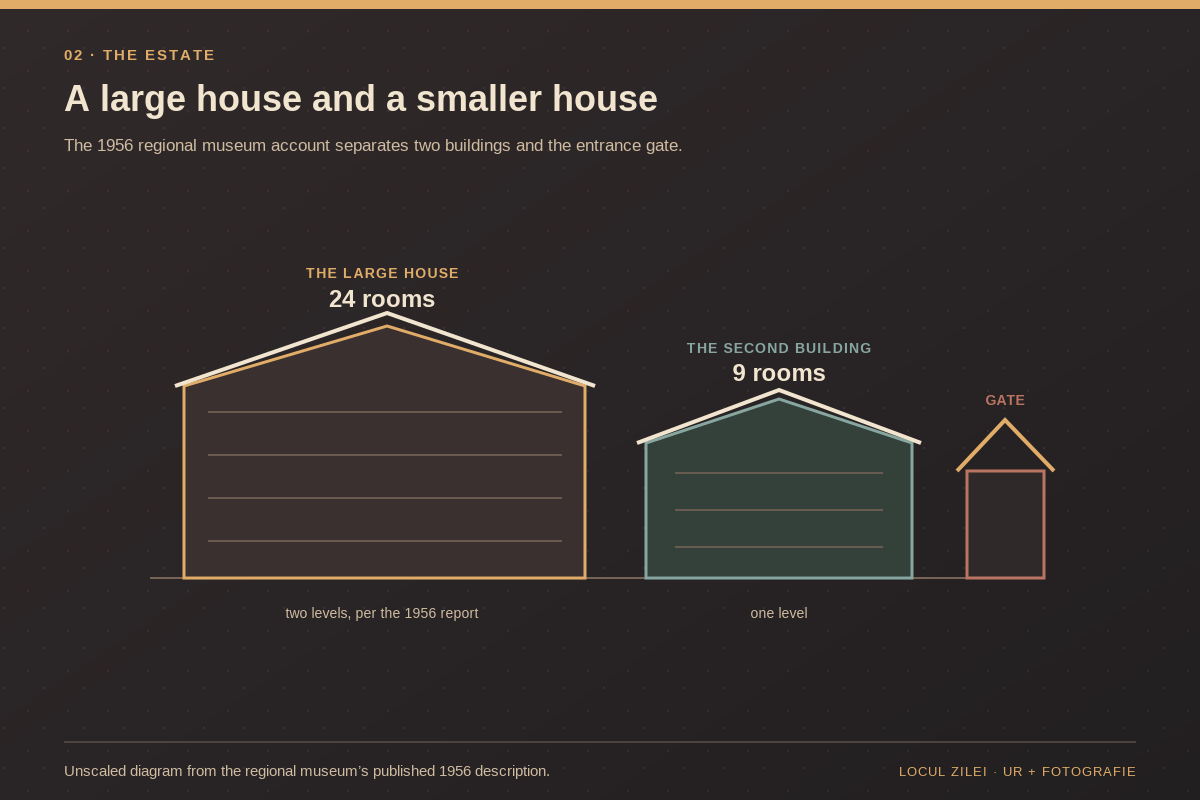
On Orzoaia de Sus Street, Bellu House can look like a single building. In a 1956 account, regional museum director N. I. Simache describes three landmarks on the estate: the large two-storey house with 24 rooms, a one-storey building with nine rooms, and the monumental gate. Outbuildings and a park stood nearby. [1]
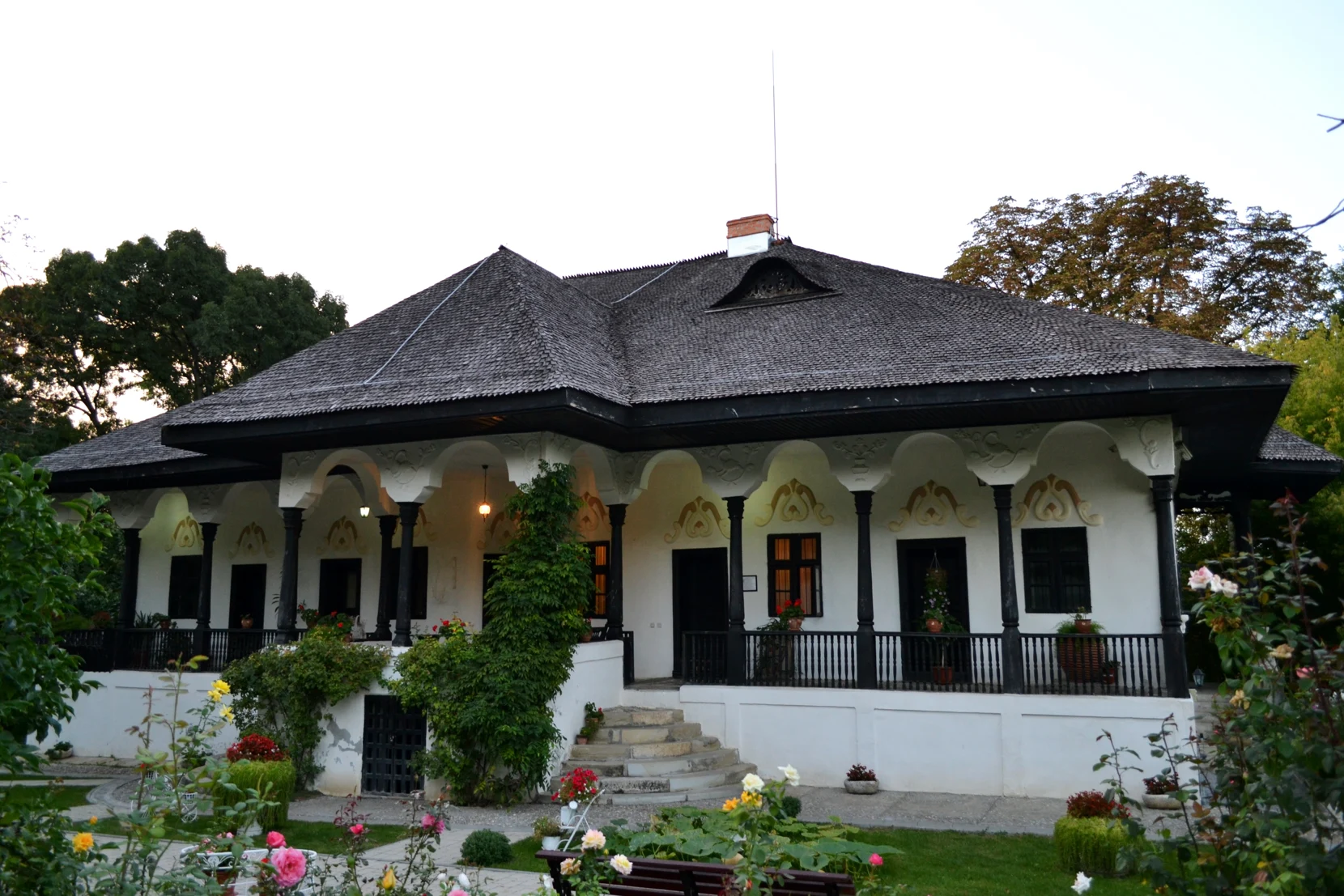
Today’s museum occupies the smaller house on the estate. Its porch and roof are visible in the photograph. The 1956 report lists the 24-room house separately. The diagram compares the two using the stated room counts. [3] [7] [1]
11 June 1926
What Alexandrina Bellu left to the Academy
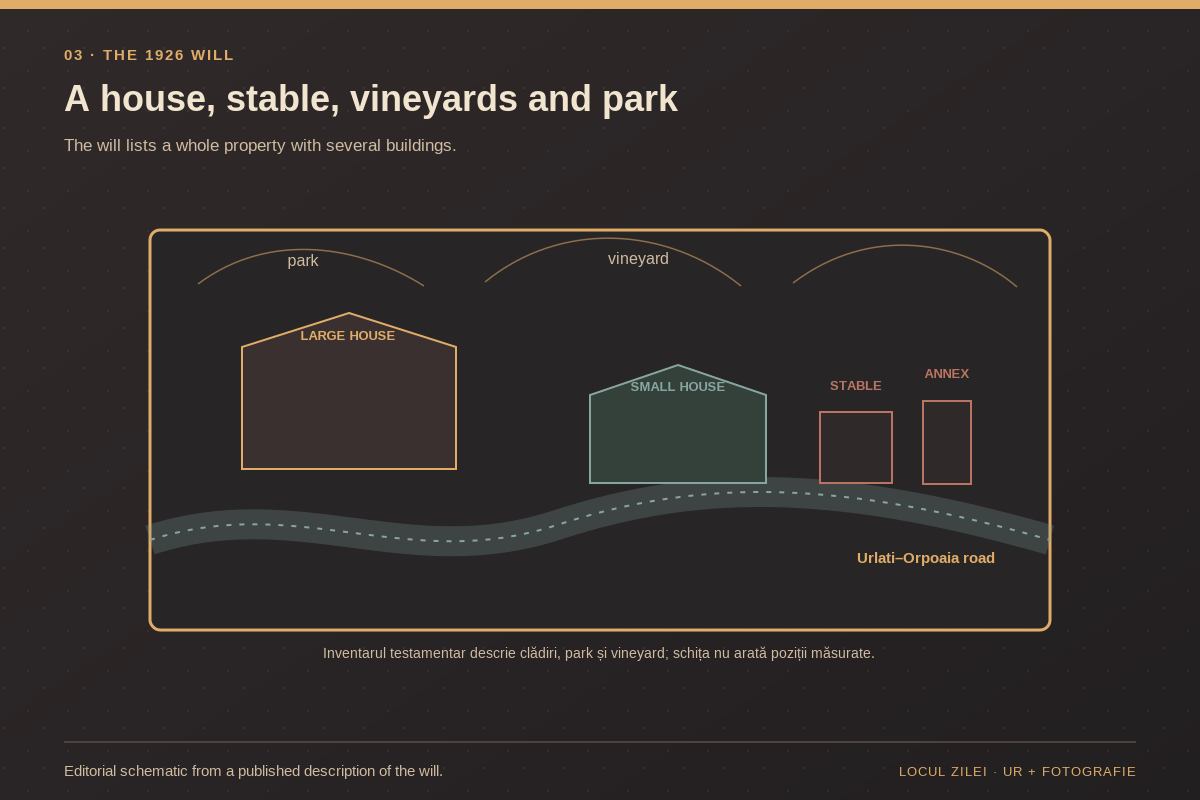
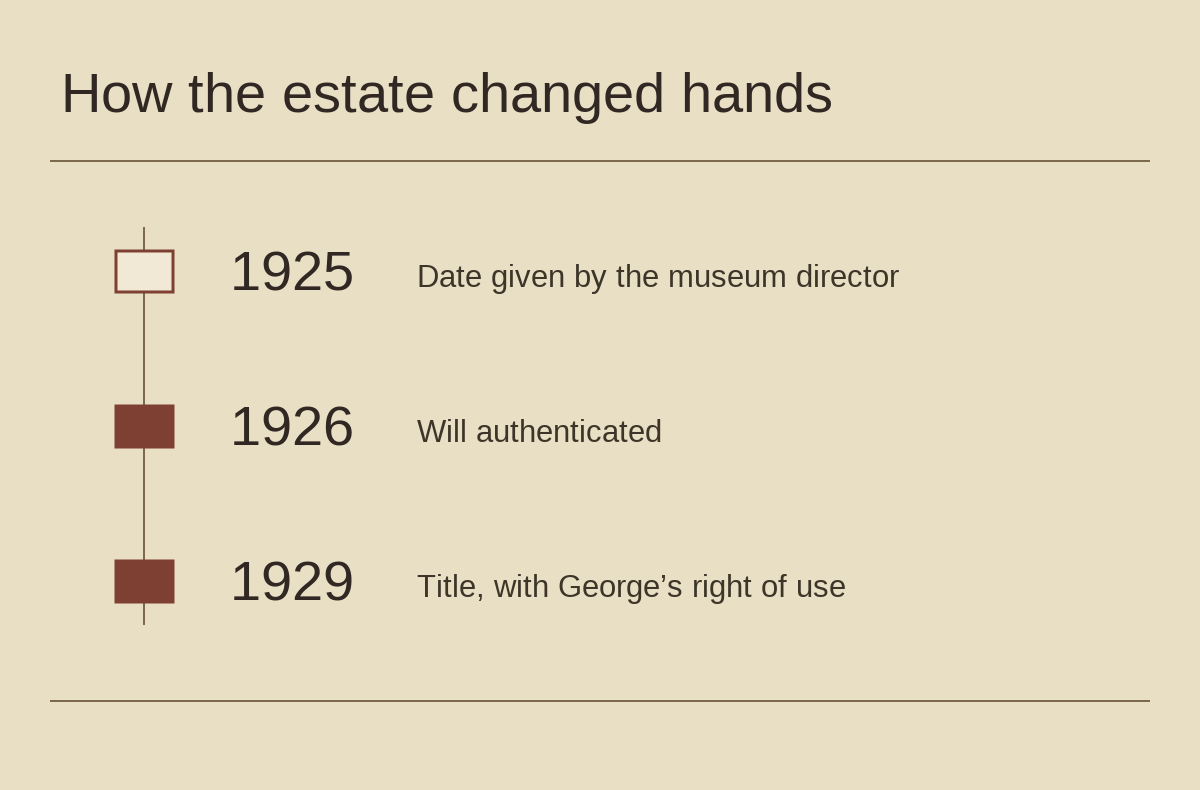
In her will, authenticated on 11 June 1926, Alexandrina Bellu left the Urlați property to the Romanian Academy: a two-storey main house, a one-storey house, stable, annexes, a ruined house, vineyard and park. The article citing the will says her son George retained the right to use the estate for his lifetime; the Academy would receive full possession after his death. The public bequest therefore came with a condition on its use. [2]
The plan translates the list into a visual, not a site map. The same article describes the Academy’s request for possession and a court ruling in 1929. A 1956 museum report dates the gift to 1925, while the cited will and INP museum record give 1926. We preserve both dates as documentary stages that need to be distinguished. [2] [1] [3]
The archive image
What do we see when we look at a glass negative?
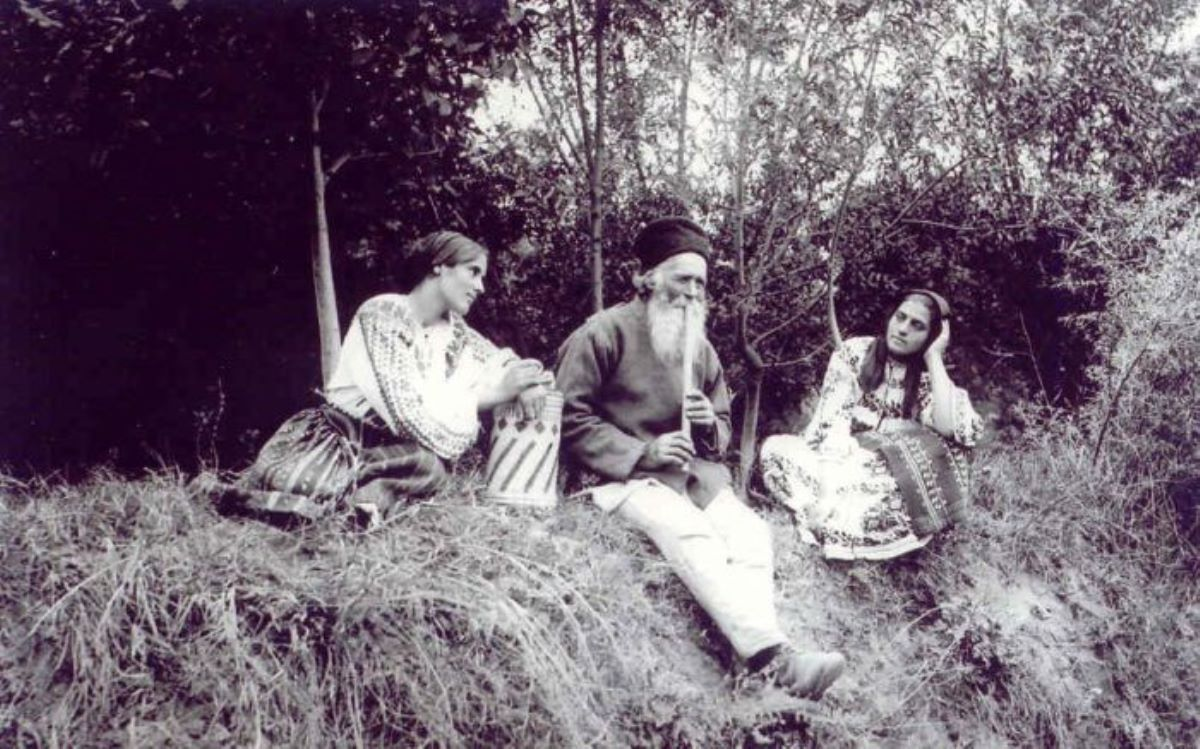
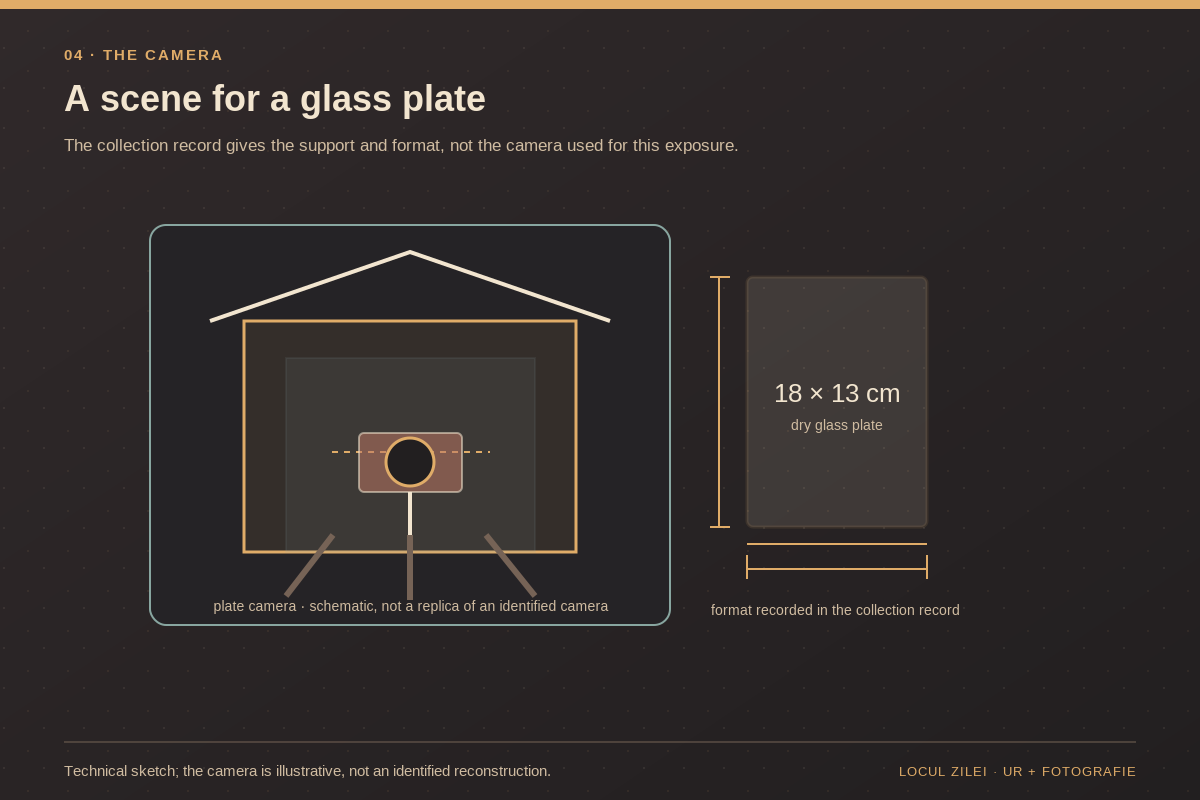
A man plays a flute while two women listen. The official record of the Prahova County Museum of History and Archaeology calls the photograph “Group of Peasants,” attributes it to Alexandru Bellu and dates the object to the 20th century. Its exact year is unknown. The original support is a dry glass-plate negative measuring 18 × 13 cm. [6]
The museum image is a digital positive rendering: the scene’s tones have been presented as in an ordinary photograph. The slider digitally reverses those tones to demonstrate the principle of a negative. This is an explanatory simulation, not a scan of the plate’s physical surface and not a second archival photograph.
The scene brings people, clothing and countryside into a carefully composed frame. Research on Romanian photography connects Bellu’s work to Urlați and notes its affinity with Nicolae Grigorescu’s idealized landscapes. Here we can read both a rural scene and the photographer’s choices in framing it. [4] [5]
Urlați · 1900 · 1906 · 1919
The photographs travelled beyond Urlați
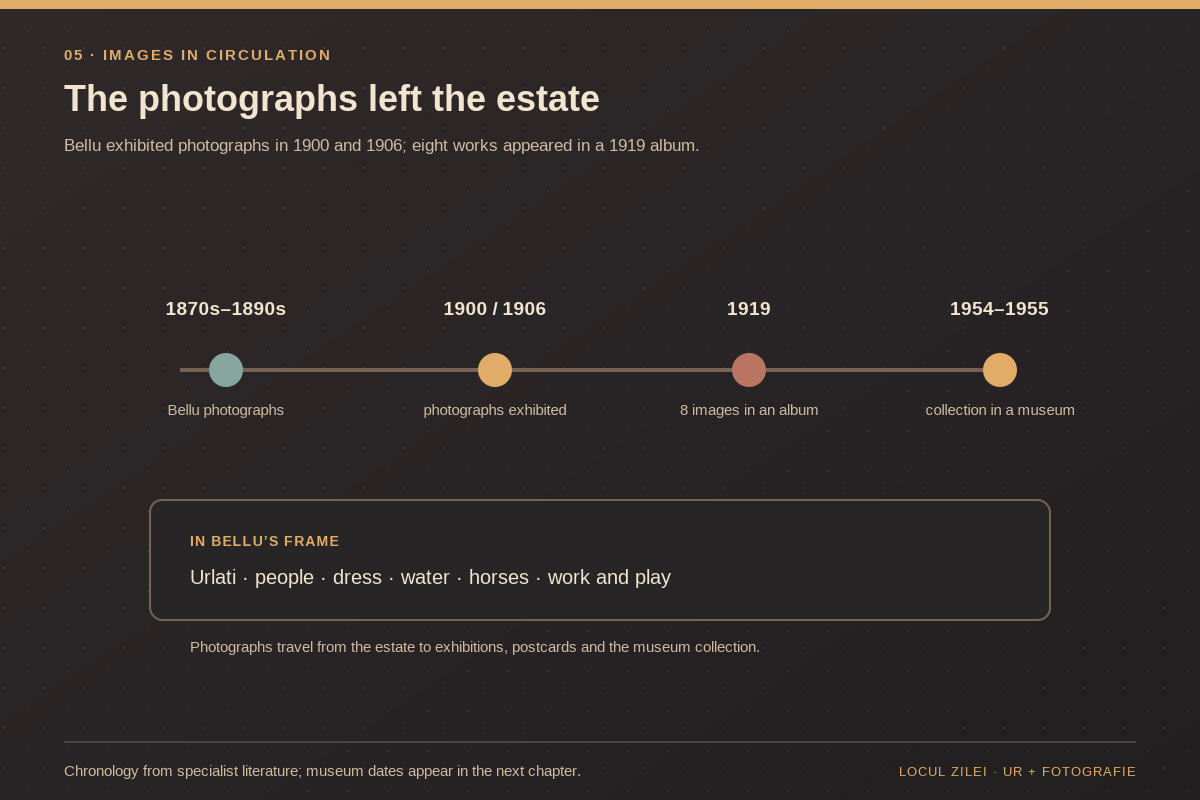
A history of photography notes that Bellu made many images at Urlați and nearby. He used glass-plate cameras and stereoscopic cameras for travel. His photographs were exhibited in Paris in 1900 and at Bucharest’s General Exhibition in 1906; some were reproduced as picture postcards. [4] [5]
The Paris album La Roumanie en images, published in 1919, included eight reproductions from photographs made before 1900. One was identified as “Young woman from the village of Urlați.” These exhibitions and publications carried images from one estate into wider accounts of rural life for audiences in other cities and countries. [4]
1926–1929
A will, a life interest and a lawsuit
In 1926 Alexandrina Bellu authenticated her will. The Romanian Academy was to own the estate, while her son George could use it during his lifetime. The 1929 court ruling recognised the Academy’s title subject to George’s retained use. [2] [8]
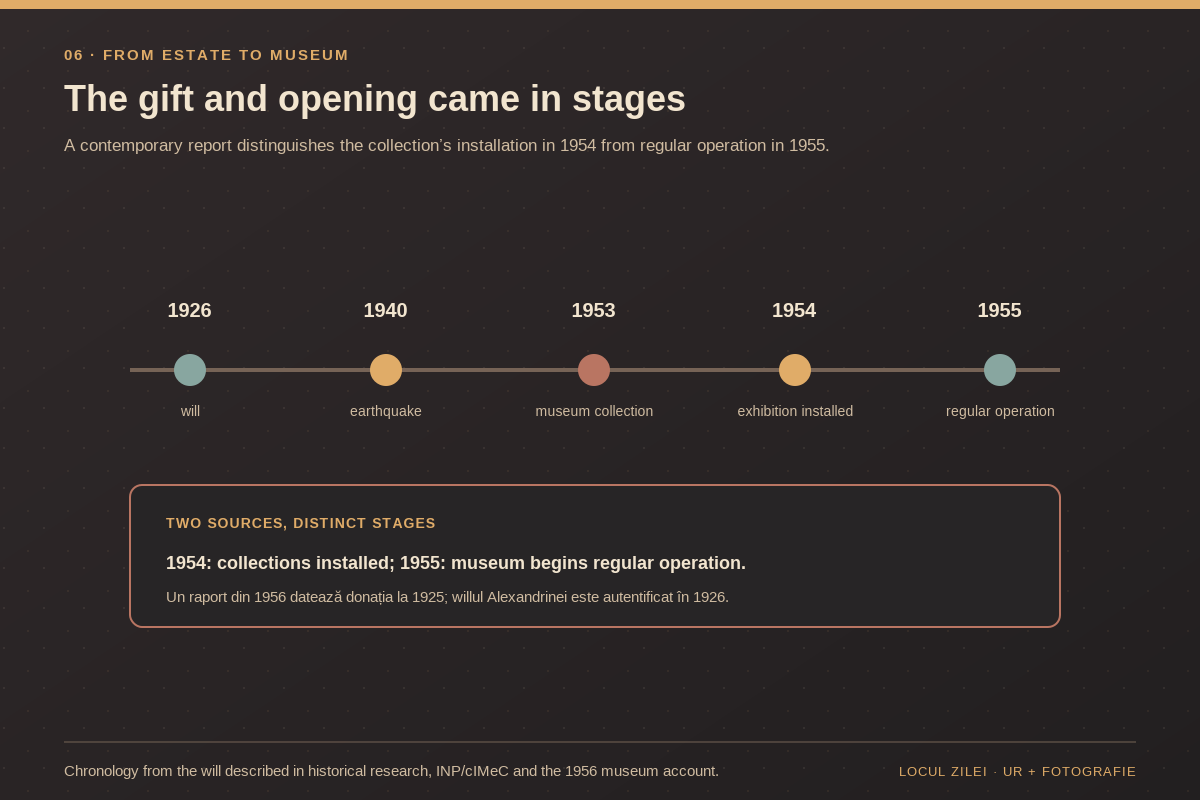
One date remains uncertain. The will was authenticated in 1926. In 1956 the museum director wrote that the estate had been given to the Academy in 1925. The accounts may describe two stages of the same transfer. [2] [1]
1940–1955
How the house became a museum
In the account published in 1956, Simache says the major earthquake of 1940 badly damaged the 24-room house. The same account still describes it alongside the nine-room building and monumental gate. Other sources date the large house’s disappearance to the 1977 earthquake. The material reviewed here cannot establish when it was demolished; it can only show that severe damage was recorded by 1956. [1]
The INP record says the estate entered museum holdings in 1953 and functioned as a regional museum from 1954. Simache describes the collections installed in an exhibition in 1954 and the museum operating regularly from 1955. These dates need not conflict: they may mark transfer, exhibition setup and regular opening. In 1990 the museum joined the Prahova County Museum of History and Archaeology. [1] [3]