The place
The place
A fort near the Danube channels
Halmyris, also called Salmorus in Latin sources, lies about 2.5 km east of Murighiol at the end of the Dunavăț peninsula. Its fort and civilian settlement grew beside a water route linking the province of Scythia to the Danube mouth. [1]
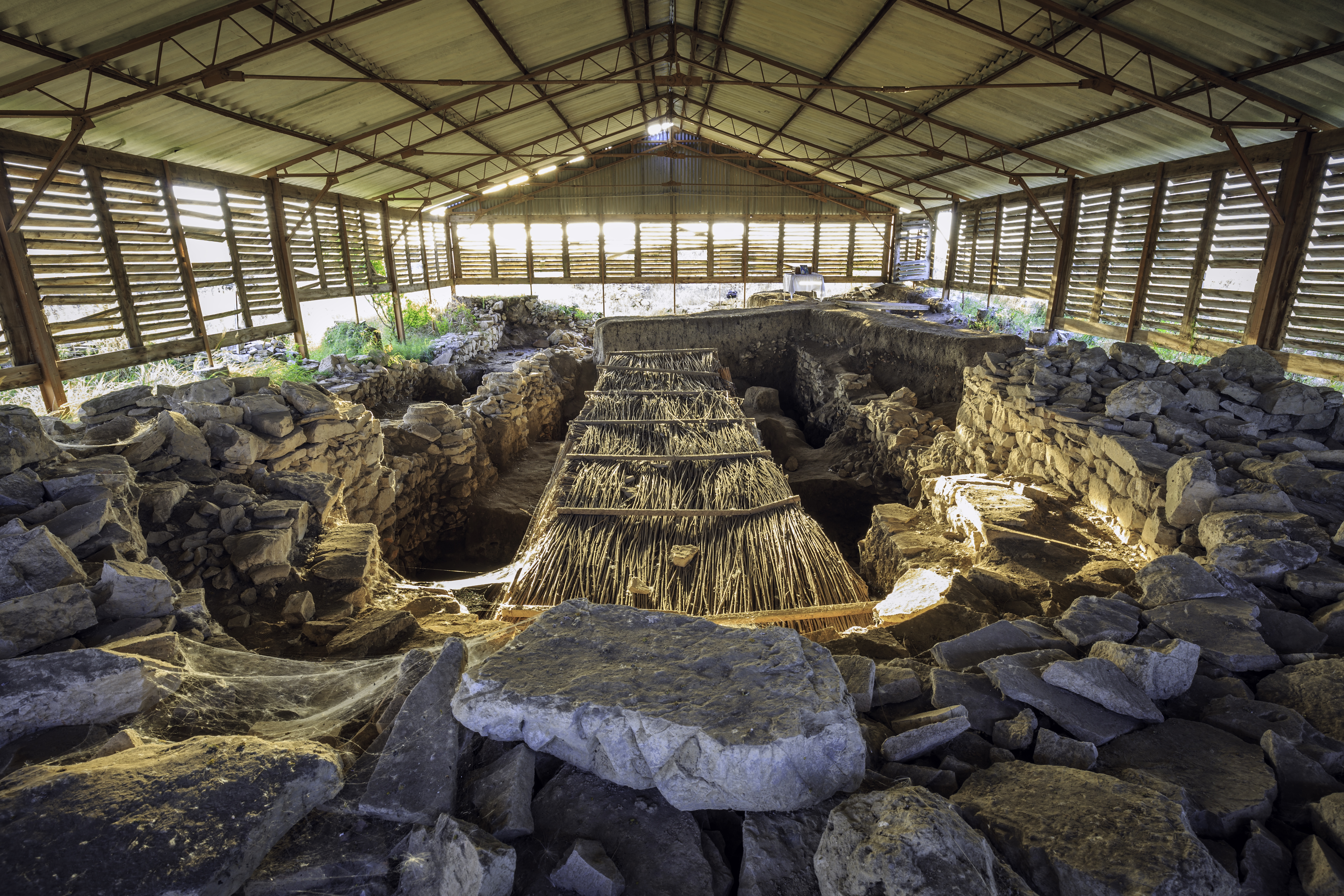
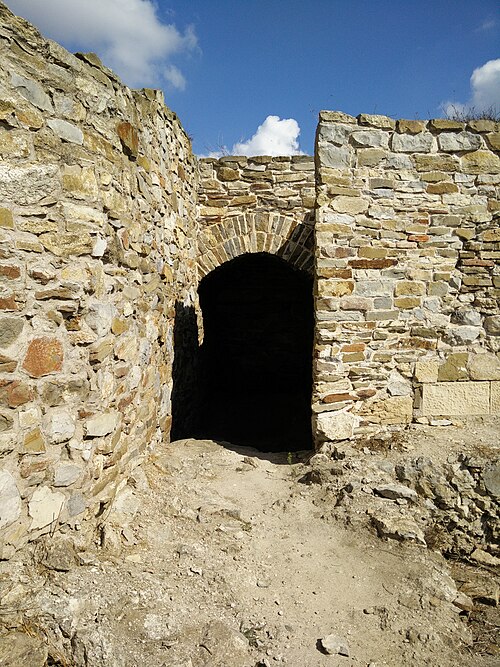
The Institute of Archaeology’s synthesis covers systematic research from 1981 to 2004. Archaeologists documented gates, baths, barracks and a basilica; the photograph shows surface ruins, not the full shape of the Roman town. [1] [3]
The community
Five altars point to a sailors’ settlement
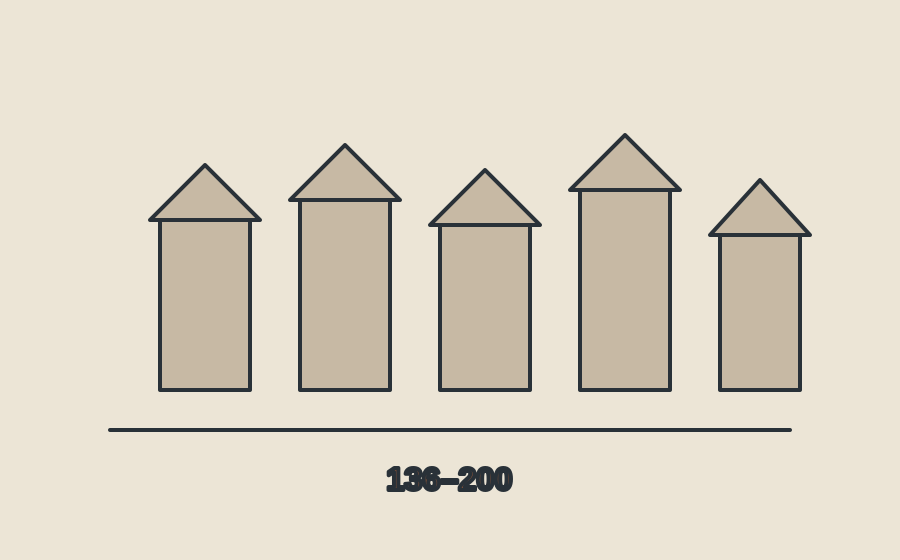
In 1985, archaeologists found five official altars set up by Roman citizens living near the fort. Their inscriptions, dated between 136 and 200, attest a vicus classicorum—a sailors’ settlement connected to the Danube fleet, Classis Flavia Moesica. [1]
Halmyris was more than an isolated barracks. The altars point to a civilian community organized enough to erect public monuments beside military installations. The diagram marks the five recorded objects, not their exact locations on the site. [1]
The crypt
A basilica held a burial chamber
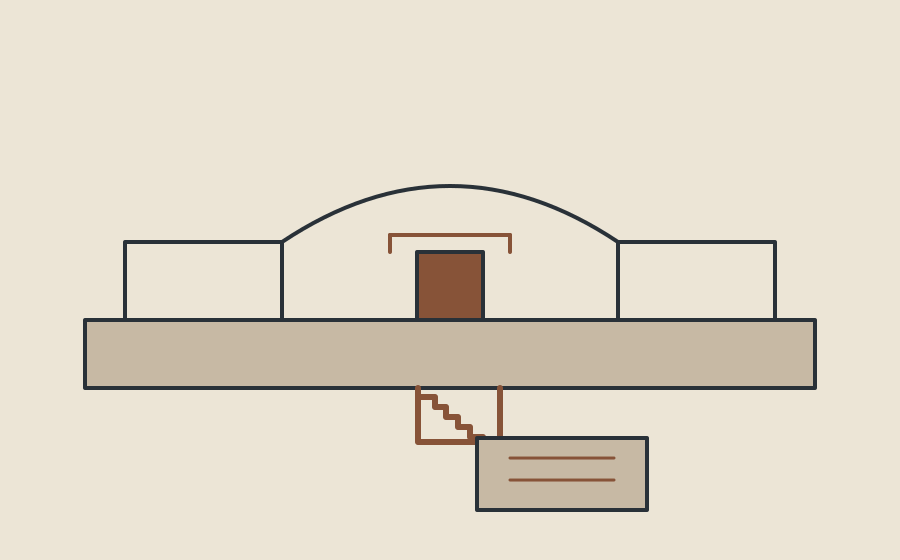
Archaeologists investigated the basilica and crypt between 2000 and 2003. A 2025 study describes the church as a single nave with an apse and narthex; beneath the altar, steps descended to the burial chamber. [1] [2]
That placement matters: the remains were found in a space built for worship, and a wall inscription called them the remains of Christ’s martyrs. The drawing explains the relationship between church and crypt; it is not a measured excavation plan. [2]
The inscription
Astion’s name remained on the wall
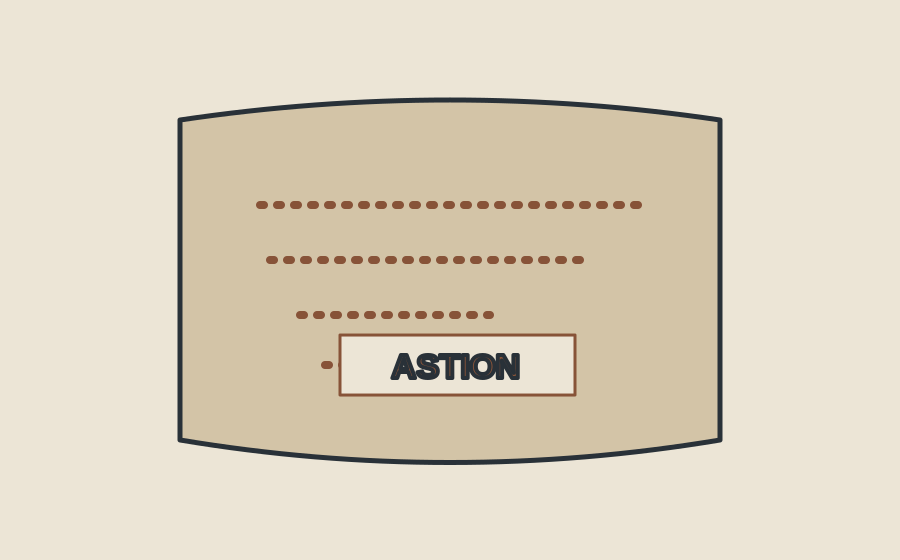
The Greek inscription on the crypt’s eastern wall identifies the place as the resting place of Christ’s martyrs. Of their names, the 2025 study says, only Astion can still be read. [2]
The surviving inscription no longer yields a readable second name. The 2025 study transcribes the phrase as “ΜΑΡ[ΤY]C [ΧΡΙCΤΟY]” and the remaining name as “Astio (Ασθιο)”; these are the authors’ readings, not a facsimile. Epictetus’s name comes from hagiographic texts compared with the material remains. [2] [1]
In the excavation photograph, the inscription sits inside painted circles. In the transcription, square brackets show where letters are supplied or where gaps remain. The sequence ΑϹΤΙΟΝ survives at the end of a line. [5] [6]
The remains
Bones show violence, not why they were killed
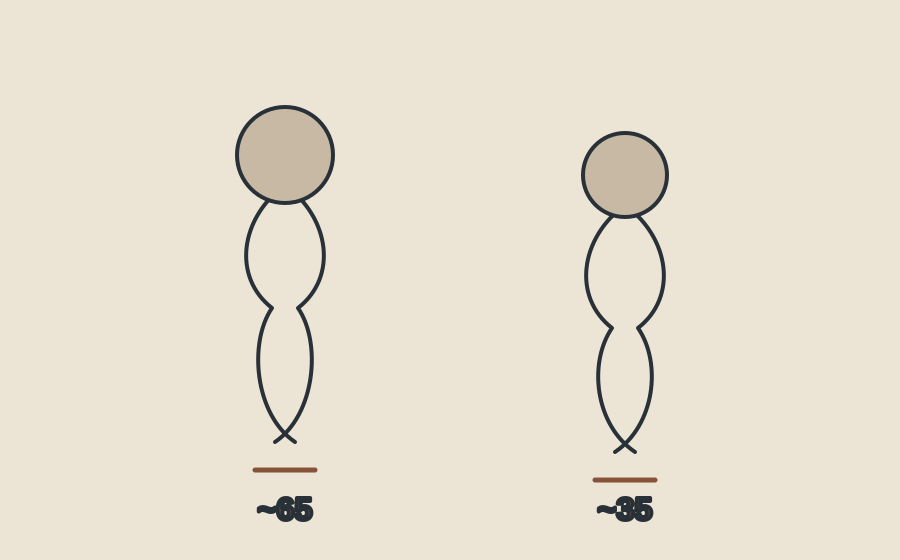
The 2025 bioarchaeological study describes two adult male skeletons, one about 65 and the other about 35. It associates the first with Epictetus and the second with Astion; the first shows trauma consistent with blows, while the second bears signs of decapitation. [2]
Bones can support the hypothesis of violent deaths, but cannot by themselves show whether the executions were prompted by their faith. The names come from comparing inscription, context and historical texts; the study presents this as a supported attribution, not a biological identification. [2]
Memory
Recognition came before the excavation
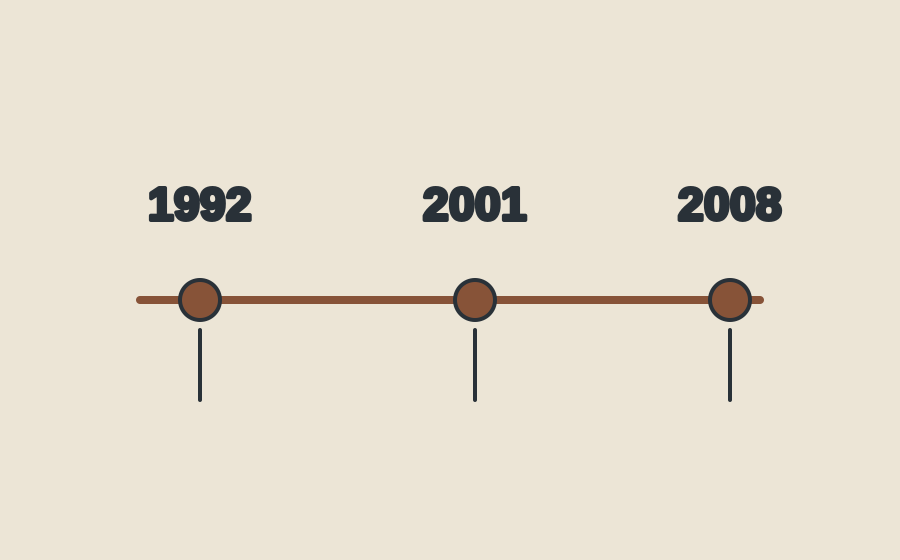
Epictetus and Astion had been canonized in 1992, almost a decade before archaeologists found the crypt in 2001. The remains were later studied anthropologically and moved to a nearby monastery in 2008. [2]
Archaeology did not create this religious recognition; it added material evidence to an existing tradition. At Halmyris, the inscription, skeletons, ancient texts and church decisions answer different questions. [2]