Marius ComperPădurea Neagră · Bihor
Română

Pădurea Neagră

The village around the glassworks

An old map marks a glassworks at Pădurea Neagră with a goblet. Follow the growth of the works in the Bistra valley, see who worked there and find out when production ended.

Start the story ↓
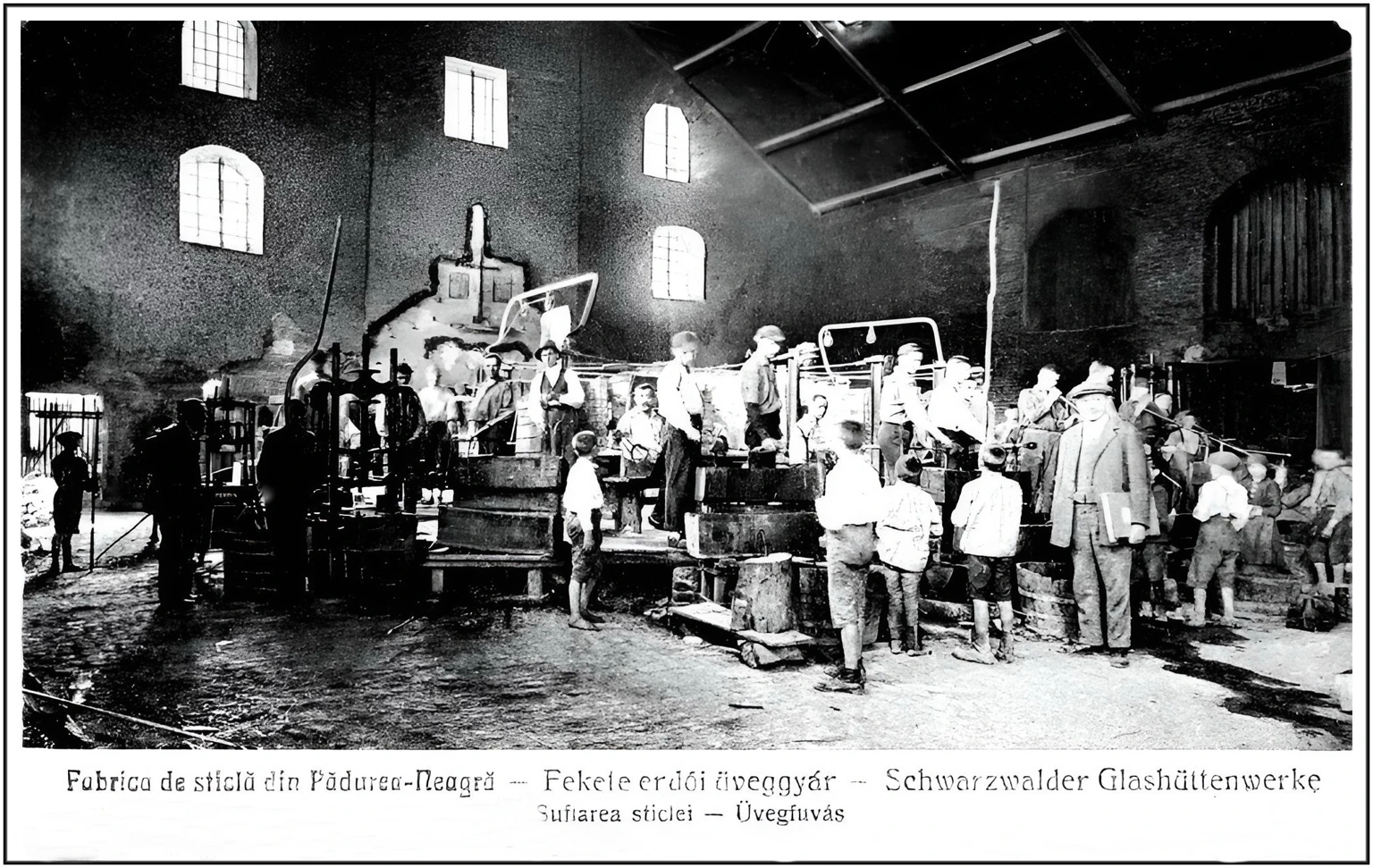
A crowded workshop with high windows and working equipment. Under the image is a printed caption in several languages.
The inscription beneath the photograph names the works in Romanian, Hungarian and German. The bottom line identifies glassblowing. (Source · Misoga / Wikimedia Commons · CC BY-SA 4.0)

The workshop

Several workstations shared one room

In the Pădurea Neagră workshop photograph, people stand around working platforms. Long pipes are visible beneath the windows. The printed caption identifies the work as glassblowing. The village is in Bihor County, in the Bistra valley. [1] [5]

The factory’s name is printed in three languages. Before these names came into use, a map recorded the place under another name with a symbol shaped like a goblet. [1] [2]
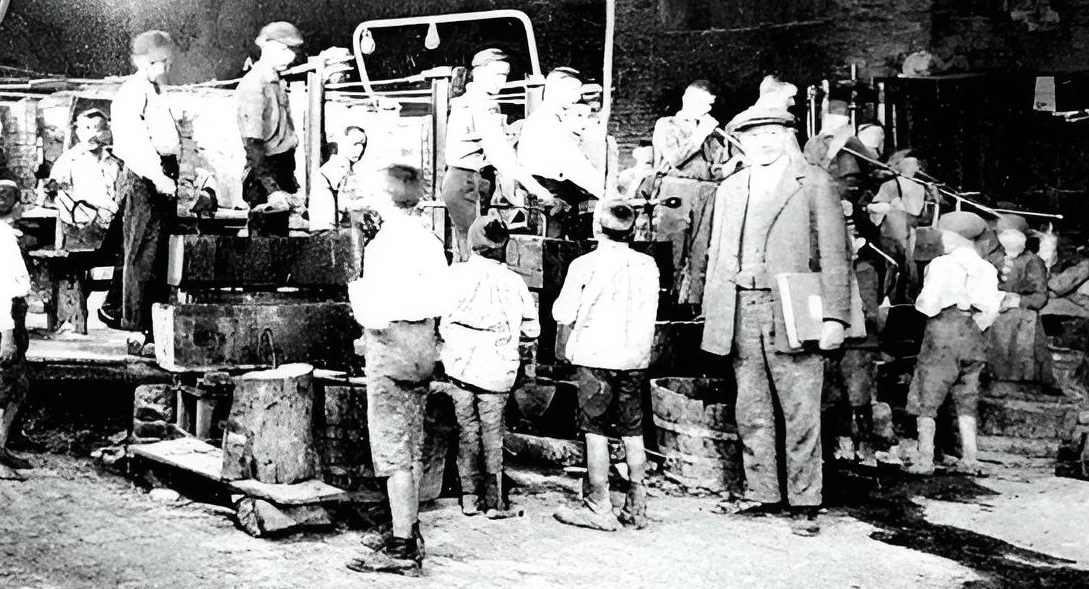
A crowded workshop with high windows and working equipment. Under the image is a printed caption in several languages.
The inscription beneath the photograph names the works in Romanian, Hungarian and German. The bottom line identifies glassblowing. (Source · Misoga / Wikimedia Commons · CC BY-SA 4.0)
Groups of people and long tools in the centre of the photograph.
Detail from the workshop photograph. Long pipes, people at their stations and children can be seen around the equipment. (Source · Misoga / Wikimedia Commons · CC BY-SA 4.0)

Before 1840

A goblet drawn beside Nyagoj

Nyagoj appears on János Lipszky’s map, compiled between 1804 and 1808. Gábor Homonnai followed the name through the map’s index and identified it with present-day Pădurea Neagră. The goblet is the map symbol for a glassworks. [2]

The town’s history dates the start of production at the factory to 1841. Homonnai reads 1840 as the year Johann Amonn rebuilt an older works. The map points to activity earlier than the factory described in detail in the 19th century. [5] [2]
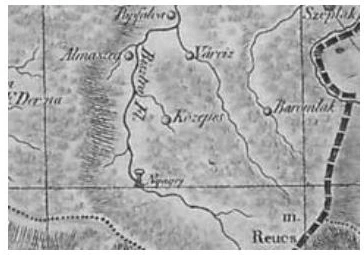
Early 19th-century map fragment with a goblet symbol next to Nyagoj.
Beside Nyagoj, in the left half, look for the little goblet. Open the image for a closer look at the glassworks symbol. (Source · János Lipszky / Homonnai, Feketeerdő · Public domain)

From the valley

Water, quartz and wood were close by

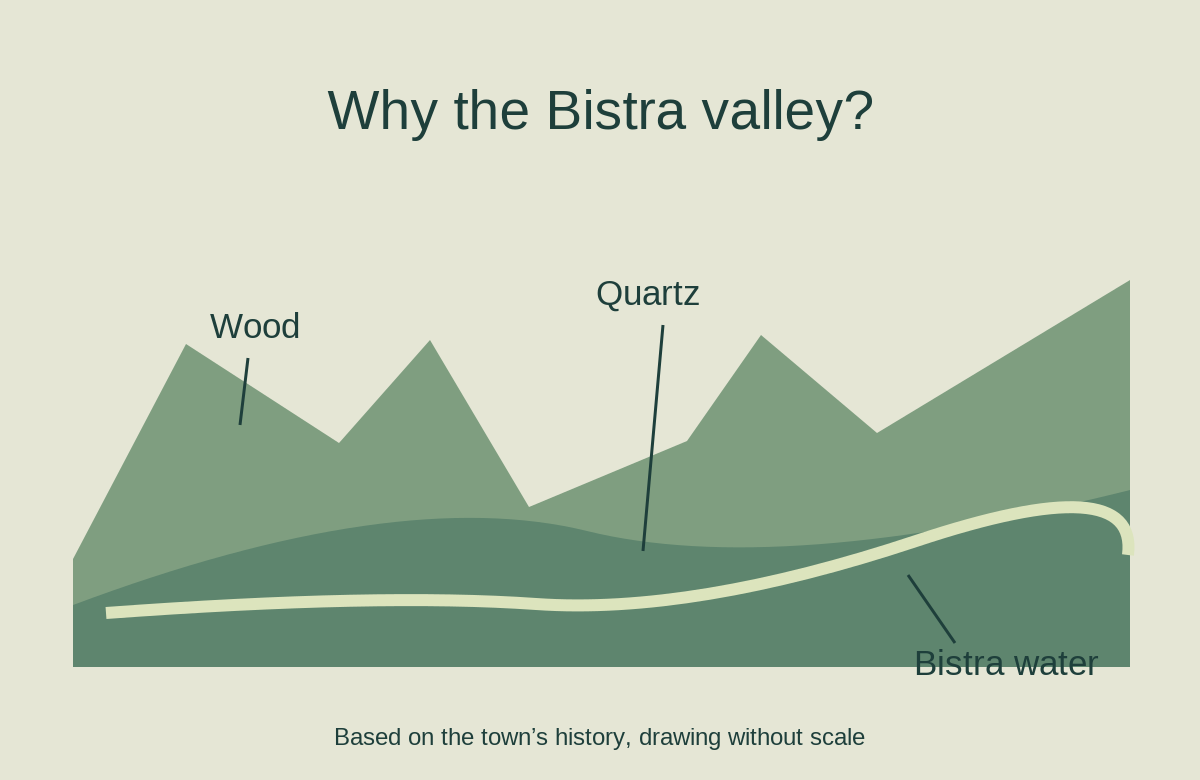
The Bistra runs past the site of the glassworks. The Town of Aleșd’s history describes water used in processing, quartz gathered and crushed locally, and wood from the surrounding hills used to heat the furnaces. The proximity of these supplies mattered to the cost of making glass. [5]

Johann Liebieg rebuilt production after an earlier glassworks burned. Homonnai describes two workshops, one for flat glass, along with a grinding shop and housing. The view from 1867 shows how the buildings fitted between the slopes. [3]
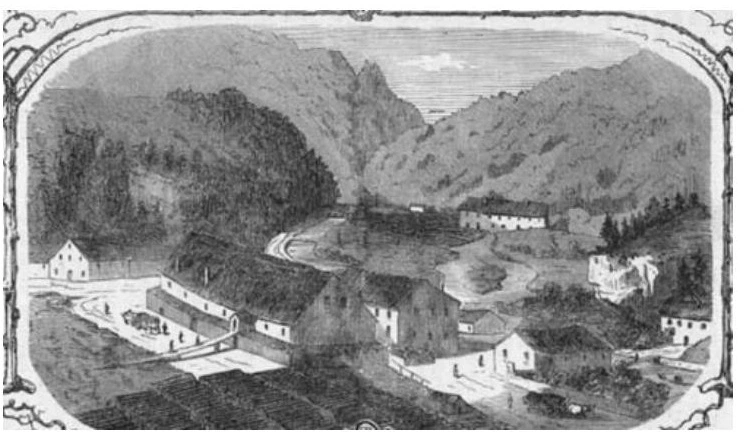
Engraving of pale buildings in a valley beneath wooded hillsides.
The period illustration places the works and other buildings on the valley floor. Woodland appears on the slopes. (Source · Feketeerdő, p. 23 · Public domain)
Diagram of a valley with slopes, a river and labels for materials.
The town’s history identifies water, quartz and wood as three resources available to the works. (Source)

At work

Vessels for the table and glass for windows

The workshop photograph captures a stage in glassblowing. A glassblower works with a long pipe, and air forms a cavity in glass softened by heat. A vessel can take shape that way. [1] [4]

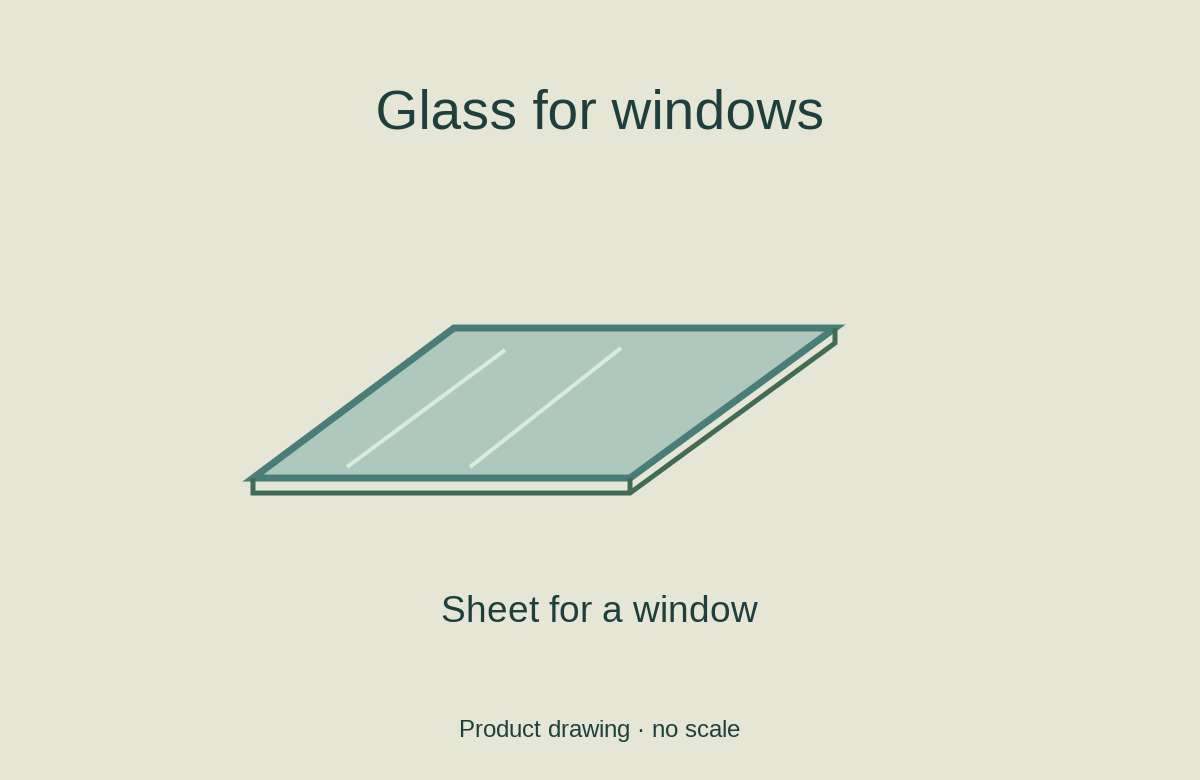
The 1908 description quoted by Gh. Pinta lists blowing, grinding and flat glass manufacture. A windowpane had a different shape and use. The works shipped glass to several countries, including Romania, Austria and Bulgaria, as the period account names them. [4]
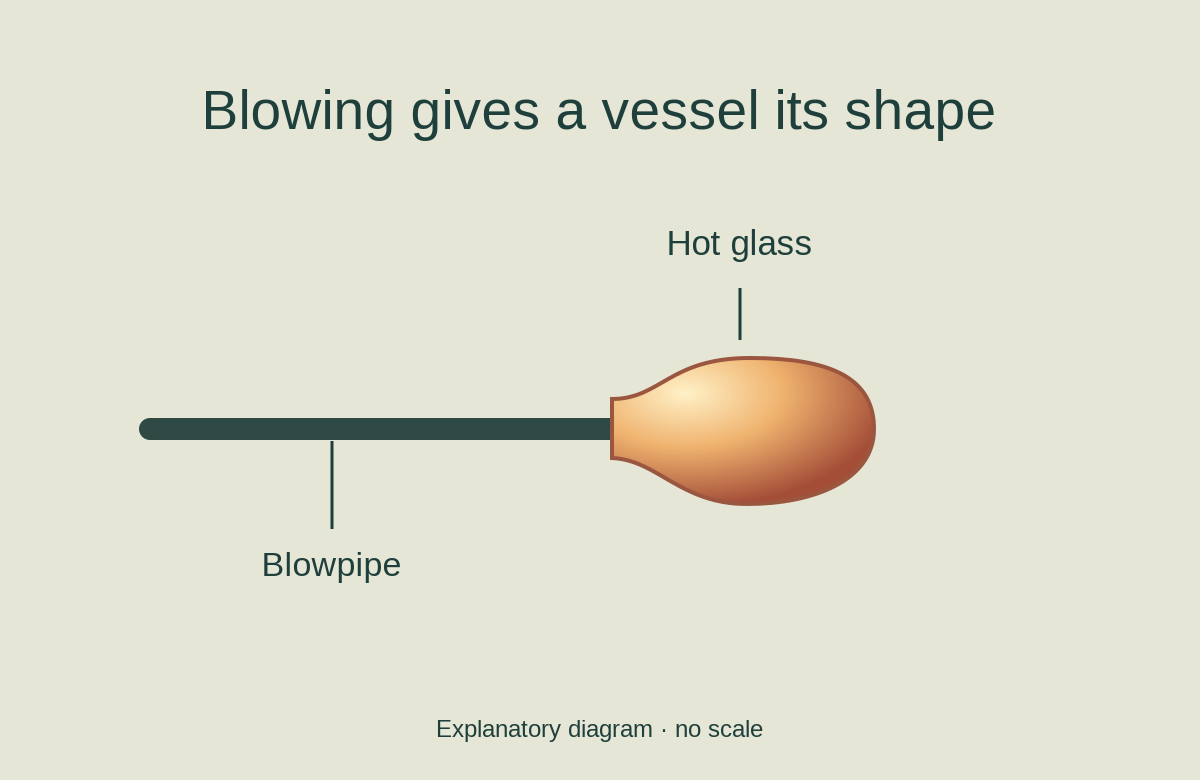
A blowpipe ends in an inflated shape of hot glass.
Diagram of the pipe’s role in forming a vessel. The object is illustrative. (Source)
A rectangular sheet of glass seen at an angle.
A drawn sheet shows how the form differed from a vessel. The record also lists window glass among the products. (Source)

The 1908 account

The account lists 250 workers

The early 20th-century account gives 26 buildings and 250 workers. It separately lists 70 women and 25 boys within that total. The remaining dots show the difference up to 250, with no further information about those workers. [4]

The photograph shows one room, with adults and children beside the equipment. The account places that room within a complex of buildings and jobs. The count covers the whole works. [1] [4]
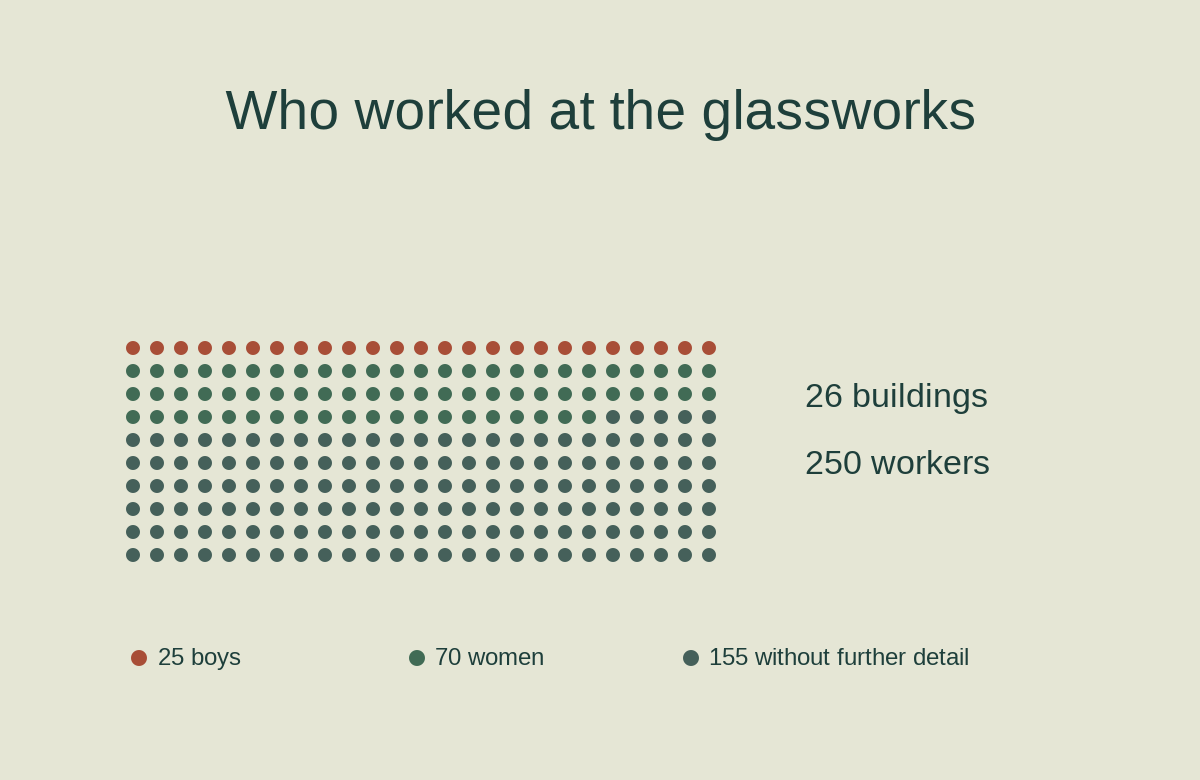
250 dots, with 25 for boys and 70 for women as listed in the source.
The two named groups and the remainder of the total of 250 workers. (Source)
Groups of people and long tools in the centre of the photograph.
Detail from the workshop photograph. Long pipes, people at their stations and children can be seen around the equipment. (Source · Misoga / Wikimedia Commons · CC BY-SA 4.0)

1996–1998

Production restarted briefly

The works closed for renovations in July 1996. Homonnai follows the privatisation the next year and records production resuming on 10 December 1997. The last period of work lasted until early February 1998. [6]

Look again at the 1867 image. The works occupied the valley floor alongside people’s homes. The early map marks a small workshop. The photograph shows a room full of people. The closing date ends the history of the factory after generations of glassmaking had shaped village life. [2] [3] [1] [6]
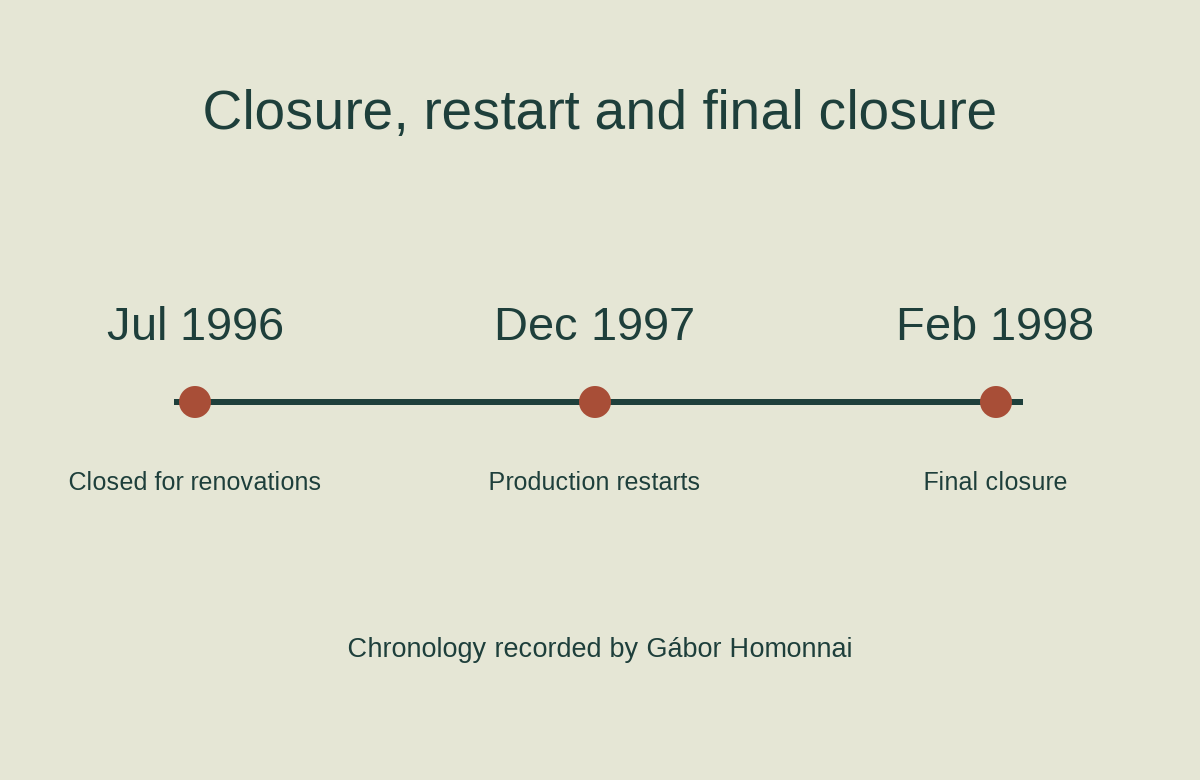
A timeline with three dates from July 1996 to February 1998.
The monograph distinguishes the 1996 closure for renovations from the final closure in 1998. (Source)
Engraving of pale buildings in a valley beneath wooded hillsides.
The period illustration places the works and other buildings on the valley floor. Woodland appears on the slopes. (Source · Feketeerdő, p. 23 · Public domain)

Sources

The goblet marks a glassworks at Nyagoj. The 1867 engraving shows the scale of the works in the valley. The workshop photograph preserves faces around the workstations.

  1. The Pădurea Neagră workshop, around 1900Reproduction published by Misoga, CC BY-SA 4.0. The inscription identifies the workshop and the operation as glassblowing.
  2. János Lipszky, Mappa generalis regni Hungariae, 1804–1808The extract from the fifth sheet is reproduced on p. 21 of Gábor Homonnai’s monograph, which explains the glassworks symbol and identifies Nyagoj with the modern village.
  3. The works in the valley, image from 1867Period illustration reproduced by Homonnai on p. 23. Pages 21–24 describe the rebuilding of the works and Johann Liebieg’s role.
  4. Gh. Pinta, “From the History of Glassmaking in Bihor County”The study, published in Crisia XXI in 1991, cites the description of the works in Samu Borovszky’s county history, published in 1908.
  5. Town of Aleșd, local historiesDescribes the water of the Bistra, quartz, wood and the road connecting the works to Aleșd.
  6. Gábor Homonnai, Feketeerdő, pp. 43–45The monograph published in Oradea in 2022 follows the closure for renovation and the last period of production.