Marius ComperPătrăuți — Church of the Holy Cross
Română

Pătrăuți — Church of the Holy Cross

The horsemen above the exit

In the church Stephen the Great built at Pătrăuți, a mounted procession of saints meets the eye at the end of the route through the narthex. Why place it there, and what can we really say about its message?

Start the story ↓
Panoramic fresco with halos and faces of mounted saints, armour, and horses in red, ochre, blue and white. The right-hand sections of the wall are badly damaged.
The photograph records the surviving section of the Cavalcade on the narthex’s west wall. Its surface details are those photographed in 2020; the crop does not restore missing areas or show the painting as it looked in the fifteenth century. (Source · Photo: DarthChristianWeber, 30 August 2020; cropped by Hemerocallis nana, 2026. CC BY-SA 4.0. · CC BY-SA 4.0; link to license in figureUrl metadata)

01 · place

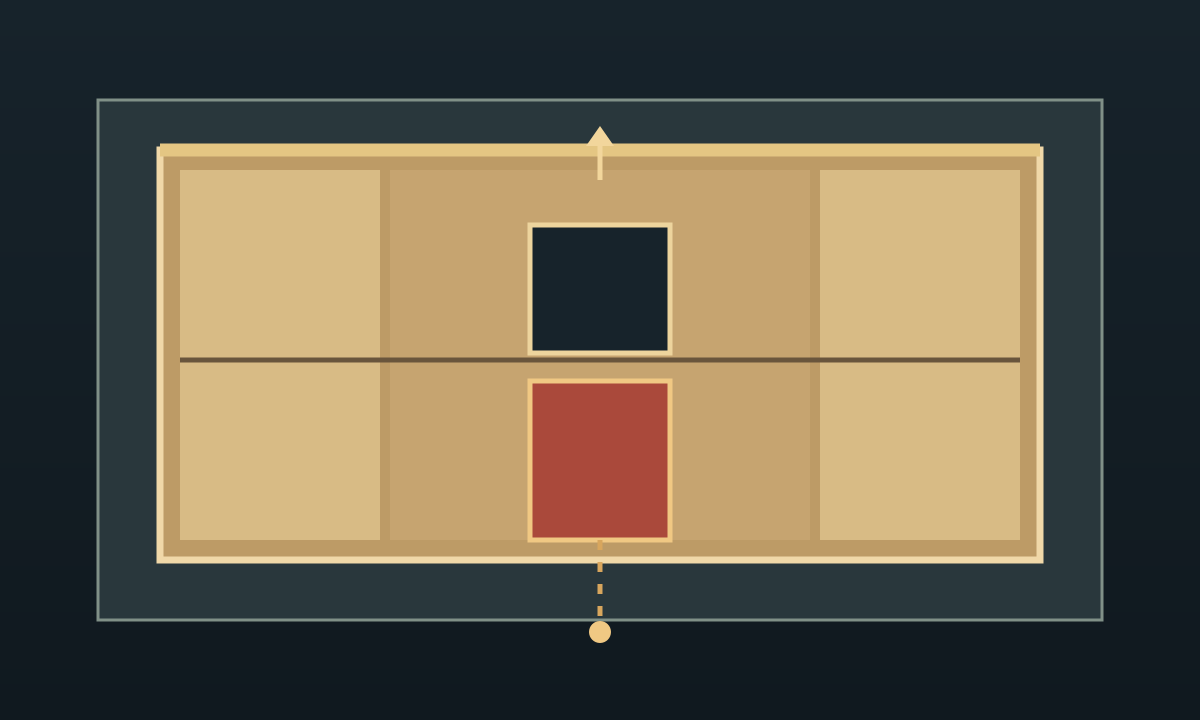
Simplified plan: sanctuary and nave to the east, narthex to the west, entrance on the west side; a fresco band is marked above the door.
Schematic church plan with the procession on the narthex's west wall above the entrance. The relationship is documented; the plan is not a measured survey. (Source · Diagram original, based on Tufts Pătrăuți documentation project · Original diagram; CC BY 4.0 for this diagram)

01 · place

At the end of the route

The Church of the Holy Cross at Pătrăuți was built in 1487 at Stephen the Great's command. The narthex is the room between the nave and the western entrance. Above its west door runs a mounted procession: the image stands exactly where someone reaches the exit.[1][2]

The plan below shows only that spatial relationship: sanctuary, nave, narthex and west door. It does not reconstruct medieval furnishings, light or a service's route; those changed with circumstance and cannot be recovered from the painting alone.[1]

Simplified plan: sanctuary and nave to the east, narthex to the west, entrance on the west side; a fresco band is marked above the door.
Schematic church plan with the procession on the narthex's west wall above the entrance. The relationship is documented; the plan is not a measured survey. (Source · Diagram original, based on Tufts Pătrăuți documentation project · Original diagram; CC BY 4.0 for this diagram)

02 · image

Who leads the procession?

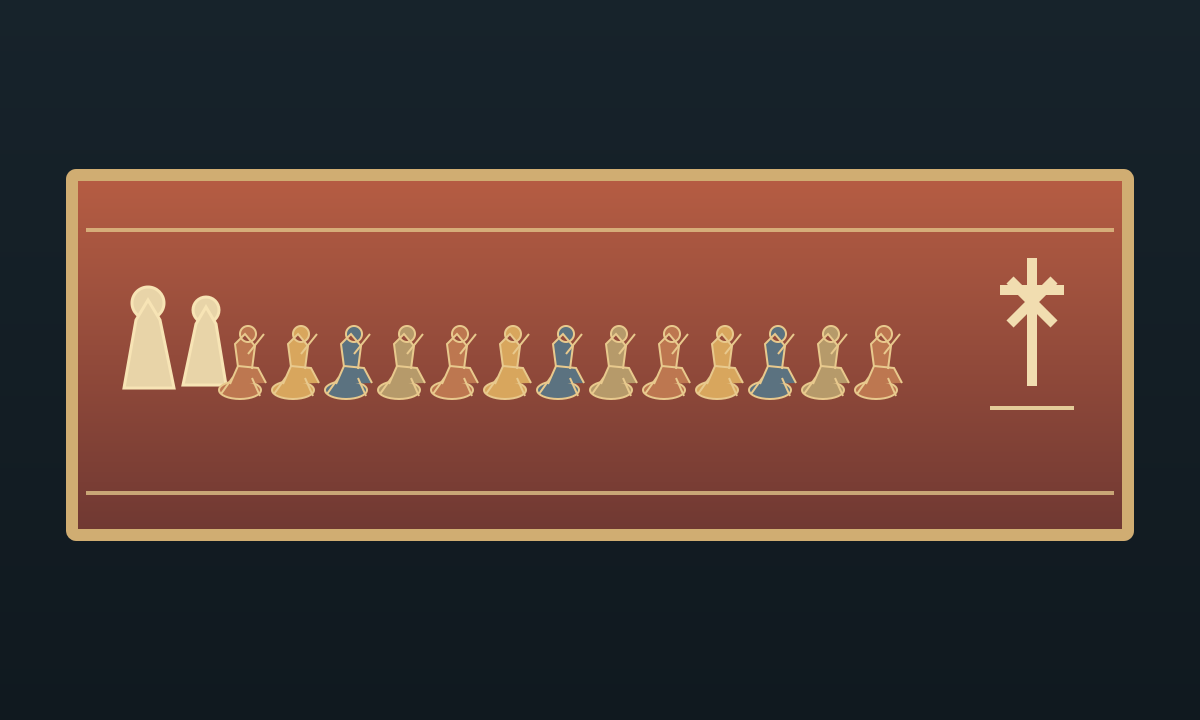
The scene is known as Constantine's Cavalcade, the Cavalcade of the Holy Cross, or the Procession of the Soldier Saints. Emperor Constantine and Archangel Michael lead; mounted warrior saints follow. Smarthistory counts thirteen riders in the procession, moving toward the cross painted at the composition's right.[2]

The second view separates three visual anchors: the leaders, the line of riders and the cross. It is an explanatory diagram, not a copy of the fresco, and does not imply that every face or garment survives equally well.[2][6]
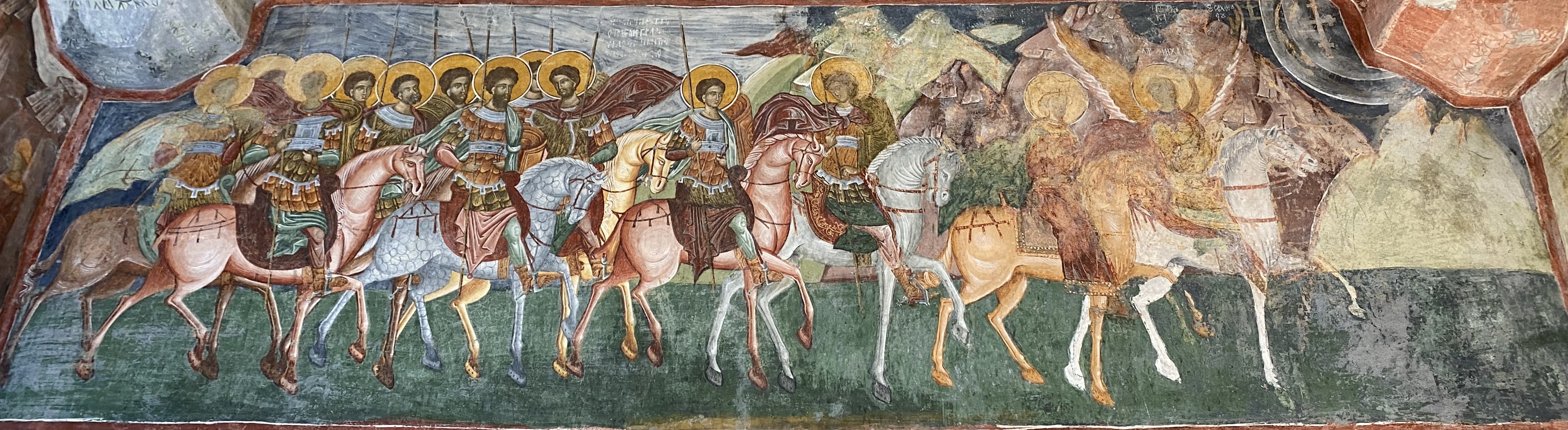
Panoramic fresco with halos and faces of mounted saints, armour, and horses in red, ochre, blue and white. The right-hand sections of the wall are badly damaged.
The photograph records the surviving section of the Cavalcade on the narthex’s west wall. Its surface details are those photographed in 2020; the crop does not restore missing areas or show the painting as it looked in the fifteenth century. (Source · Photo: DarthChristianWeber, 30 August 2020; cropped by Hemerocallis nana, 2026. CC BY-SA 4.0. · CC BY-SA 4.0; link to license in figureUrl metadata)
A band with two leading figures, a row of thirteen rider silhouettes and a cross at the right end.
Reading diagram for a horizontal composition: Constantine and Michael at the front, then the mounted soldier saints, with the cross toward the right end. The silhouettes are not portraits of the painted figures. (Source · Diagram original, based on Smarthistory's description of the fresco · Original diagram; CC BY 4.0 for this diagram)

03 · direction

The cross they ride toward

The story visible in the painting does not begin with a battle. Constantine sees the sign of the cross before the Battle of the Milvian Bridge in 312; at Pătrăuți, the emperor rides toward a cross. The cross gives the procession direction, but does not by itself identify a contemporary enemy.[2][4]

On the interior elevation, the scene sits over the door through which a visitor enters or leaves the church. A sightline marks its position, not a compulsory route for every worshipper. Other scenes in the cycle about the Holy Cross also connect Constantine to the church's dedication.[4]
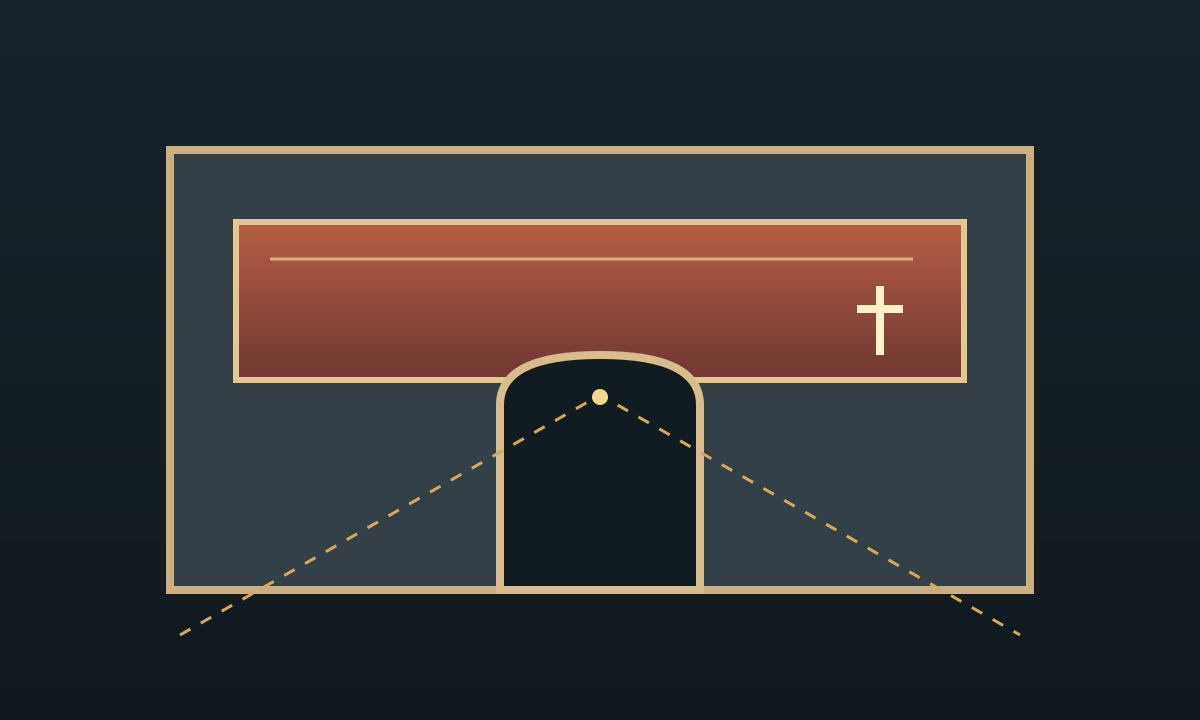
Schematic view from the narthex toward the west wall: the entrance below and the fresco above it, with the cross at the right.
Schematic elevation of the west wall: the fresco is above the entrance and the cross closes the composition at the right. This is neither a photograph nor a reconstruction to scale. (Source · Diagram original, based on the documented location of the fresco · Original diagram; CC BY 4.0 for this diagram)

04 · interpretation

Prayer or political programme?

Researchers have connected the image of Constantine and his army to the period when Stephen the Great defended the principality and Christian alliances against Ottoman power. The ICOMOS evaluation for the Churches of Moldavia calls the scene politically significant for the time in which it was painted.[3]

The reading is not unanimous. One interpretation sees an eschatological image, tied to expectation of Christian victory; another reads it as the founder's prayer that he and his army might be received among the holy defenders. These are argued readings, not inscriptions that tell us unambiguously what the painter intended.[4][5]
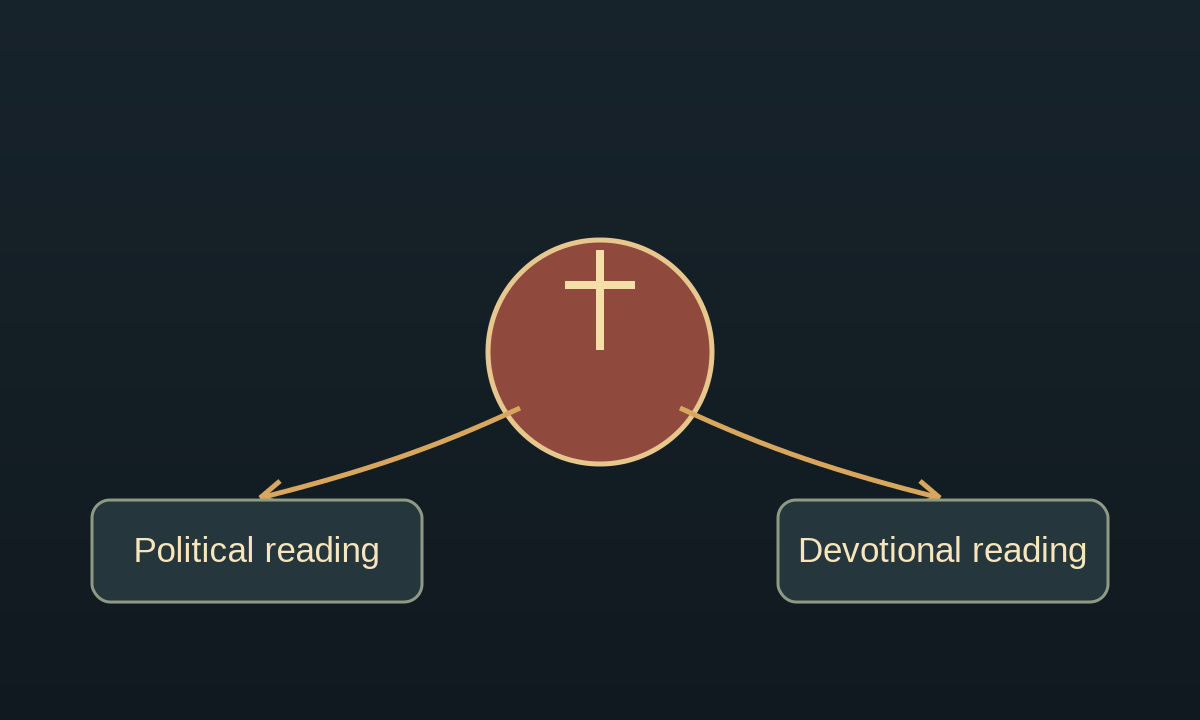
Two interpretive paths begin at the same fresco: Christian defence in history and the founder's prayer; both are marked as hypotheses.
Two hypotheses shown side by side, not an automatic choice between them. The sources document these interpretations; they do not prove a single founder's intent. (Source · Diagram original, based on the cited art-historical debate · Original diagram; CC BY 4.0 for this diagram)

05 · time

One church, several moments

The year 1487 dates the building and is recorded in the church's scholarship. It should not be treated as the date of every painting: the mural ensemble formed in stages, and the dating of particular scenes and later repainting has its own history.[1][4]

The church was plundered in 1653 and 1684, then restored in the early eighteenth century. Instead of assigning one certain date to every pigment, this timeline separates what is documented from what remains attribution. The west-façade painting and the narthex Cavalcade are different surfaces and should not be collapsed into a single event.[3][4]
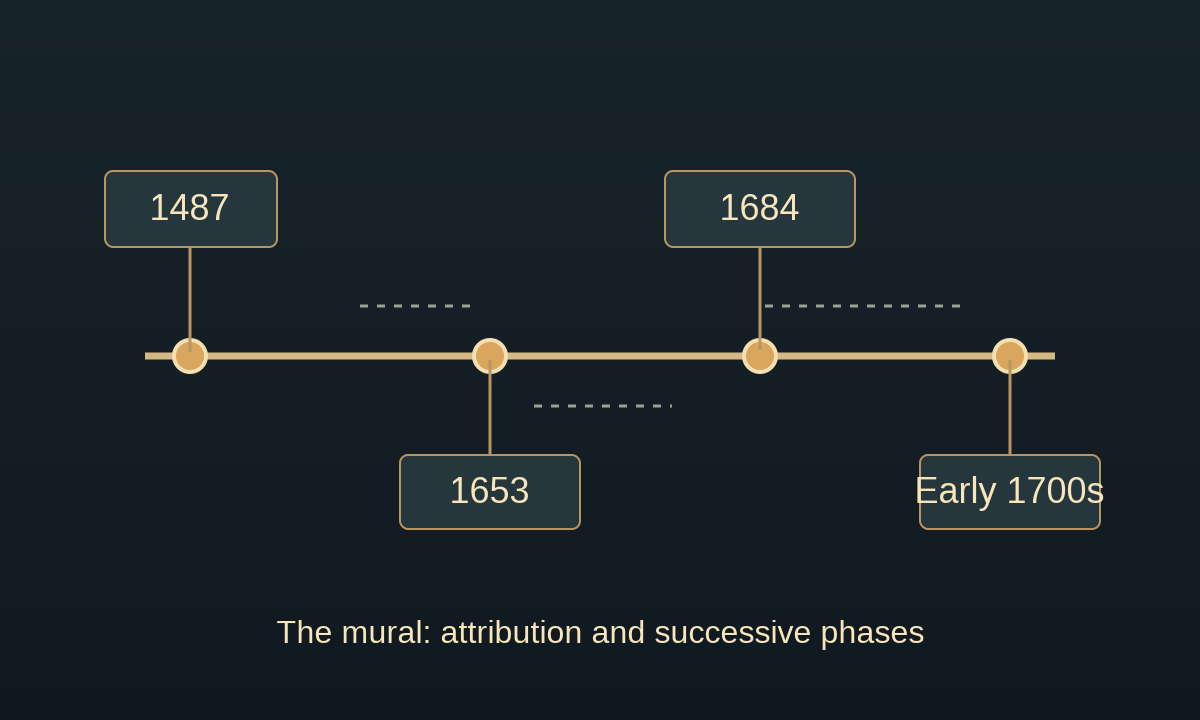
Timeline: church built in 1487; mural painting developed in stages across the fifteenth and sixteenth centuries; plundered in 1653 and 1684; restored in the early eighteenth century.
Two-track timeline: attested dates for the building and historical events; painting phases remain ranges or attributions where the sources do not provide certainty. (Source · Diagram original, dates from Tufts and ICOMOS sources · Original diagram; CC BY 4.0 for this diagram)

06 · viewer

What stays at the threshold?

At the exit, the procession gathers Emperor Constantine, Archangel Michael, soldier saints and the sign of the cross into one image. Its position can be checked against the architecture; its political or devotional purpose remains open to interpretation. The threshold is a useful place to hold image and question together without forcing a verdict.[2][4][5]

Pătrăuți is more than a backdrop to a legend about Stephen. It is a late-fifteenth-century church whose spaces, paintings and rituals are being studied together by the Tufts documentation team. Looking at the Cavalcade, you can separate what appears on the wall from what historians propose it meant.[1]
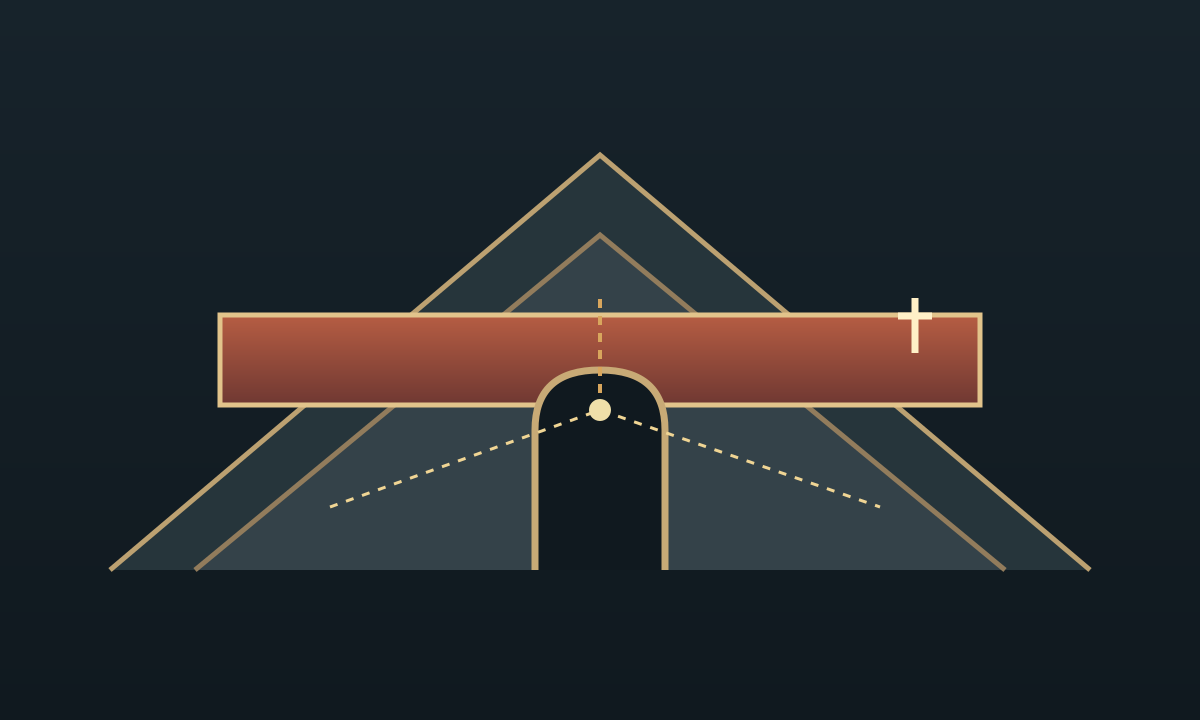
Schematic narthex view from inside, with the fresco above the door and a sightline joining viewer, threshold and painted cross.
Closing diagram linking the west wall, doorway and procession's direction. It summarizes the relation between architecture and painting; it does not settle the image's meaning. (Source · Diagram original, based on the documented composition and location · Original diagram; CC BY 4.0 for this diagram)

Sources

Built in 1487, Pătrăuți's Church of the Holy Cross preserves a mounted procession moving toward a cross on the narthex's west wall. Its location and figures can be described; the image's exact intent remains debated.

  1. Pătrăuți church documentation project, Tufts and Dumbarton OaksSupports the church's 1487 construction date, the exceptional survival of the building, and the integrated study of its architecture, paintings and ritual.
  2. Smarthistory — Church of the Holy Cross at PătrăuțiPlaces the procession on the narthex's west wall above the entrance and identifies Constantine, Archangel Michael, the mounted soldier saints and the cross in the sky.
  3. ICOMOS evaluation for the Churches of MoldaviaDescribes Stephen the Great's 1487 foundation, the church's plundering in 1653 and 1684, its eighteenth-century restoration, and the political significance attributed to Constantine's Cavalcade when it was painted.
  4. Tereza Sinigalia — Iconographic variations of Constantine at Pătrăuți and ArboreRelates the mounted Constantine and narthex procession to the Cross, the votive portrait and other scenes; it offers theological and political readings without making interpretation a settled fact.
  5. Caiete de istoria artei — interpretations of the Pătrăuți CavalcadeRecords disagreement between Liviu Pilat's eschatological reading and an interpretation of the scene as the founder's prayer for himself and his army; it identifies the cross's form as a debated detail.
  6. Study of Stephen the Great and the Pătrăuți frescoesProvides a documented post-restoration view of the Cavalcade and discusses readings that connect it to contemporary politics; it is evidence of interpretation, not proof of certain political intent.
  7. Photograph of the Pătrăuți Cavalcade, 2020, Wikimedia CommonsPhotographed by DarthChristianWeber on 30 August 2020; the published file is a crop made in 2026 by Hemerocallis nana. It shows the painting as it appears now, not its medieval condition or a restoration intervention. CC BY-SA 4.0 license.