Marius ComperRacoș Extinct Volcano & Basalt Columns
Română

Racoș Extinct Volcano & Basalt Columns

Racoș after the lava cooled

Read the basalt columns, the scoria cone and the layers cut open by Brazi quarry.

Start the story ↓
A basalt face with long columns below an irregular band of rock.
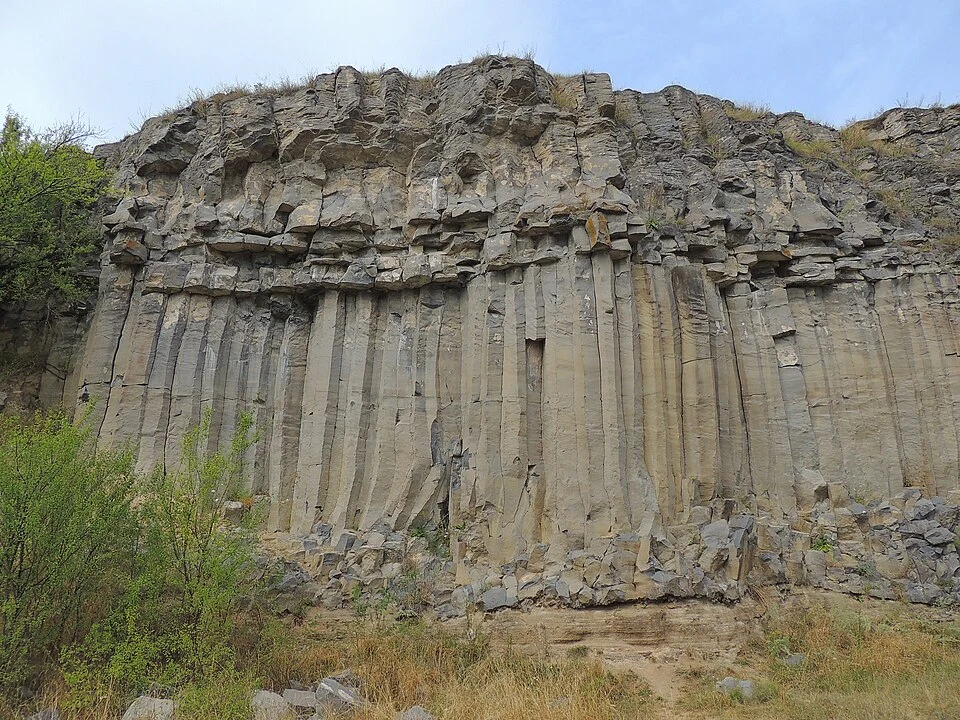
Joints divide the basalt face at Racoș into columns. Photograph from August 2016. (Source · Xulescu g / Wikimedia Commons · CC BY-SA 4.0)

The columns

A basalt face with long columns below an irregular band of rock.
Joints divide the basalt face at Racoș into columns. Photograph from August 2016. (Source · Xulescu g / Wikimedia Commons · CC BY-SA 4.0)

The columns

Straight lines through rock

In Xulescu g’s photograph, long columns divide the lower face. Above them, the joints disappear into more irregular rock. Quarrying exposed surfaces once inside the rock. [4]

Zoom into the face and trace one line from bottom to top. The exposed wall lets you follow the pattern across what first looks like a pile of separate stones. [4]

A basalt face with long columns below an irregular band of rock.
Joints divide the basalt face at Racoș into columns. Photograph from August 2016. (Source · Xulescu g / Wikimedia Commons · CC BY-SA 4.0)
A basalt face with long columns below an irregular band of rock.
Look at the gaps between joints and where they disappear into irregular rock above. (Source · Xulescu g / Wikimedia Commons · CC BY-SA 4.0)

Cooling

Where the joints come from

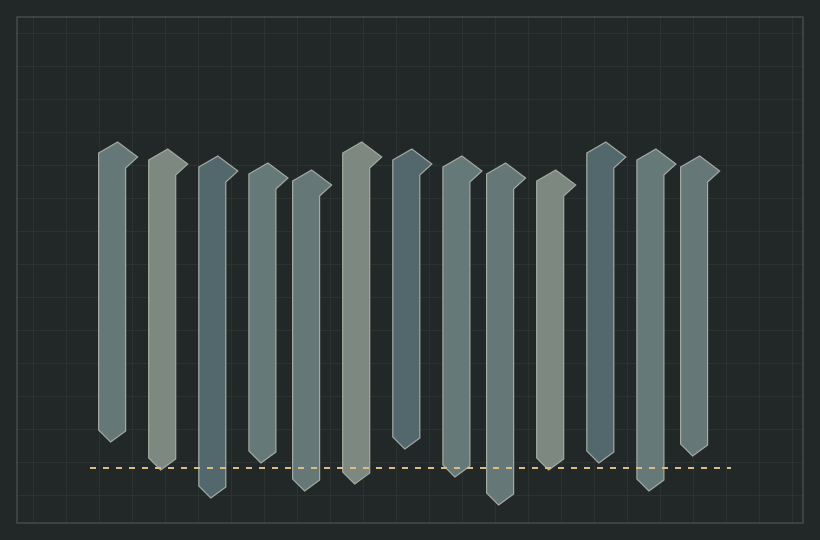
As a body of lava cools, it contracts. Fractures can advance into the cooling rock and divide it into columns. Their shape is easier to read if you can see the surfaces between them. [2]

Separate the model columns to inspect those surfaces. The photograph remains the reference for how the real joints look at Racoș. [4]
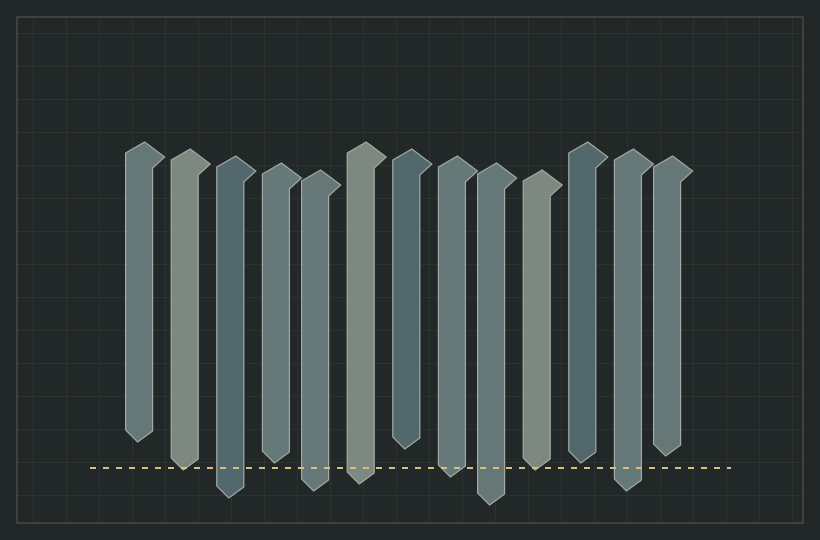
Thirteen closely spaced basalt prisms.
Schematic cooled rock with joints. Model dimensions are illustrative. (Source)
The same prisms spread out so their faces can be inspected.
Columns are moved sideways to reveal surfaces created by the joints. (Source)

Hegheș

What collected around the vent

At Hegheș, geologists described scoria, lava fragments, volcanic bombs and small amounts of ash. These are materials ejected as fragments and deposited around the vent. [2]

Follow the outline of the cone in section. Here the question is how fragments built up. At the column face, the question was how joints divided a cooling mass of lava. [1] [2]
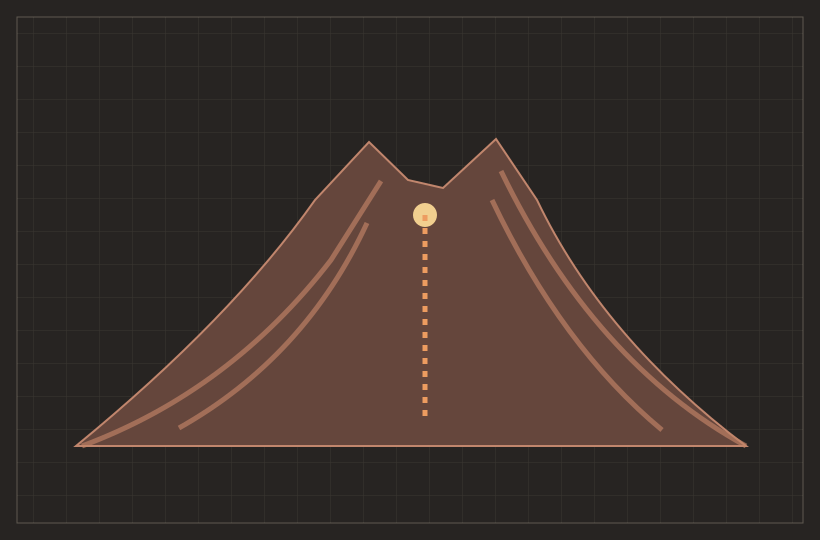
Deposits slope outward beneath a central depression.
Explanatory section through a scoria cone. Outline, vent and thicknesses are schematic. (Source)

Brazi quarry

Separating basalt from the layers

Ildikó Soós’s fieldwork distinguishes a basalt body above the water and alternating lighter and darker volcanic deposits above it. Faults cut across these units in the quarry wall. [1]

Follow the dashed lines across the layers. The contacts between layers run along them. The annotated photograph in the report lets you check which features the researchers identified. [1]
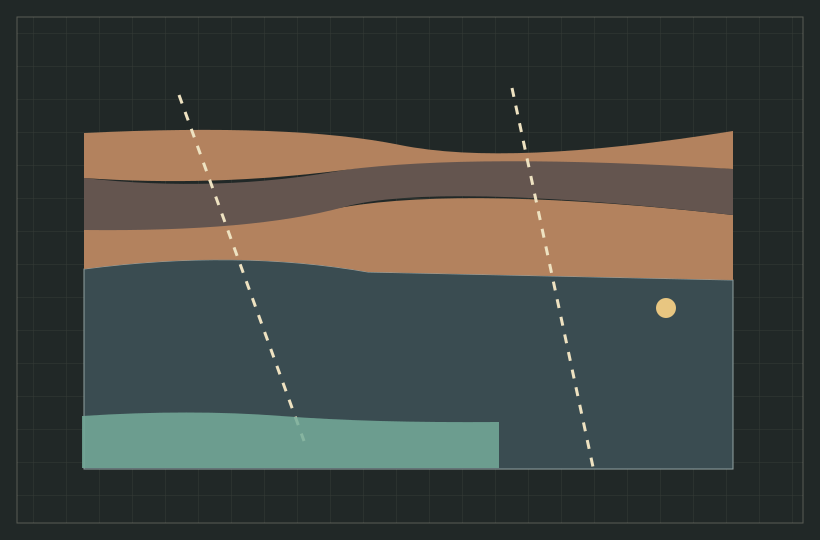
Lake, basalt body and alternating deposits crossed by dashed fault lines.
Schematic section after Figure 4. Dark basalt lies under alternating deposits, and dashed lines show faults. (Source)

Perșani Mountains

How old the surrounding volcanic field is

Racoș belongs to the Perșani Mountains volcanic field. Research cited in the ELTE account places the regional field between about 1.2 and 0.6 million years ago. [1] [3]

Read the range at the scale of the mountain field. Dating an individual exposure depends on where and what researchers sampled. At Racoș, keep three field landmarks in mind: columns, cone and the rocks exposed by quarrying. [1] [3]
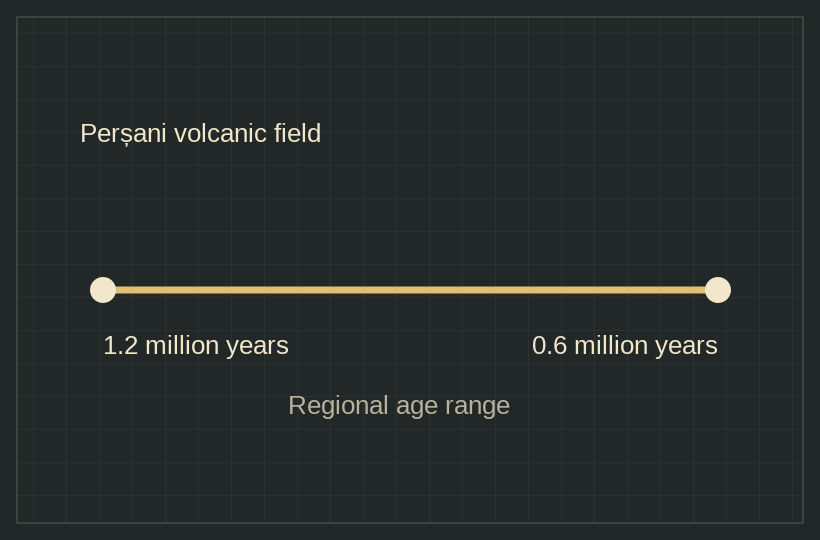
An axis between 1.2 and 0.6 million years ago.
The approximate 1.2–0.6 million year range concerns the Perșani volcanic field at regional scale. (Source)

Sources

For the quarry observations, open Figure 4 in the fieldwork account. The drawings here show relationships between rocks and the photographs let you inspect the real exposures.

  1. Ildikó Soós, volcanological fieldworkFigure 4 identifies lake, basalt, sediments and faults in Brazi quarry.
  2. Geological Institute of Romania, research in the Perșani MountainsDescribes the lava flow and Hegheș scoria cone.
  3. Soós, chronology of the volcanic fieldThe overview cites dating studies of the whole volcanic field.
  4. Xulescu g, Racoș columnsThe 2016 photograph of the exposed face.