Stoicism

Epictetus · Marcus Aurelius · Seneca

What can you do now?

A decision, a fear, an overfull day. Choose a situation and read how the Stoics approached it: twelve arguments, each with its exact place in the book.

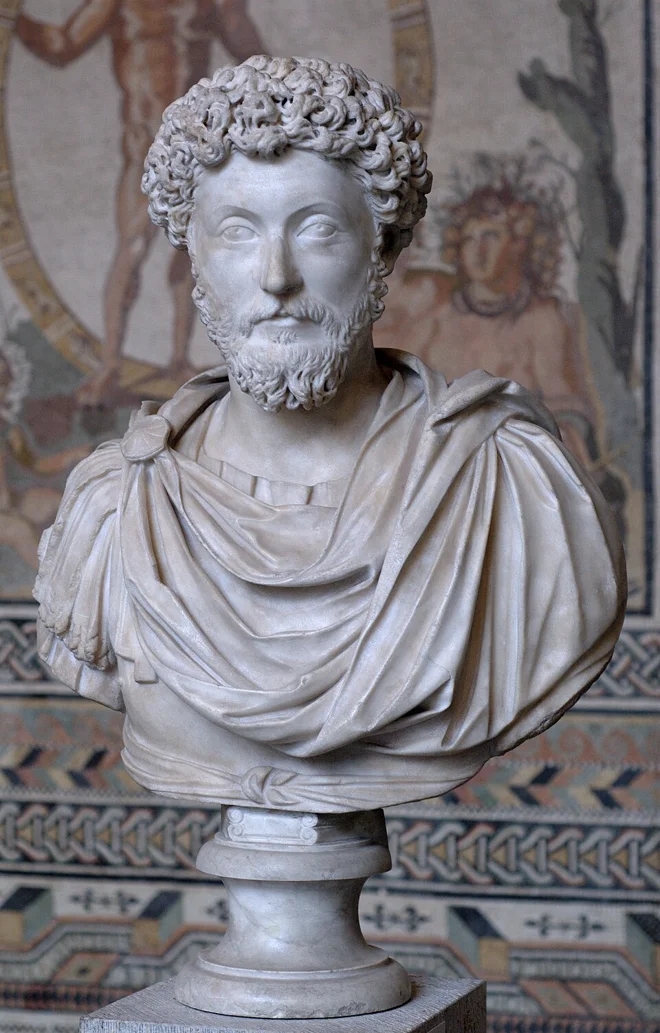
Marble bust of Marcus Aurelius
Marcus Aurelius, Glyptothek, Munich. Photograph by Bibi Saint-Pol, 2007, public domain. Photo source.

Read from the source

A situation. An argument to examine.

The explanations below are paraphrases. Each links to the passage consulted and separates the ancient argument from the exercise proposed today.

12 of 12 readings

Epictetus

What is up to you?

Enchiridion 1 · English source text

The argument, in brief

Epictetus distinguishes your judgements and choices from your body, property, reputation and office. The freedom he seeks concerns how you choose, without a guarantee of an external result.

Keep in mind

Being able to influence an outcome does not mean being able to secure it. This distinction does not justify abandoning medical care or duties to others.

Try it · a modern exercise

For one decision today, write down your available actions separately from the outcome you hope for. Choose one concrete action from the first list.

Epictetus

Prepare for the interruptions too

Enchiridion 4 · English source text

The argument, in brief

Before going to the baths, Epictetus recalls the shoving, theft and abuse common there. His purpose includes both bathing and maintaining considered conduct when something obstructs him.

Keep in mind

The example concerns preparing your conduct. It does not promise that anticipation removes obstacles or require accepting avoidable danger.

Try it · a modern exercise

Before a meeting, name one likely difficulty and decide how to respond without making the situation worse.

Epictetus

Delay your answer to provocation

Enchiridion 20 · English source text

The argument, in brief

Epictetus connects the experience of insult with the judgement of the person provoked and recommends gaining time before reacting. A pause allows examination of the first impression.

Keep in mind

The text makes a demanding claim about judgement. A blow can cause real injury; the exercise here concerns your response, not denying violence.

Try it · a modern exercise

If safe, delay an irritated reply. Write down what was said and what you assumed about the person’s intention.

Epictetus

Do not reduce someone to the conflict

Enchiridion 43 · English source text

The argument, in brief

Epictetus describes two ways to approach a dispute with a brother: the wrong committed and the bond between people brought up together. He recommends beginning from the relationship to make the situation manageable.

Keep in mind

The passage assumes a family relationship worth preserving. Applying it must not require someone to remain in an abusive relationship.

Try it · a modern exercise

In an ordinary disagreement, state the problem without reducing the person to their mistake. What boundary or request can you express clearly?

Marcus Aurelius

Cooperation remains a duty

Meditations 2.1 · English source text

The argument, in brief

Marcus Aurelius begins his day expecting ungrateful, arrogant or dishonest people. He also recalls the kinship of rational beings and argues that they are made to work together.

Keep in mind

This is advice the author gives himself, grounded in his account of nature. It does not establish that everyone is trustworthy.

Try it · a modern exercise

Choose a difficult collaboration. What shared task can you perform fairly while maintaining necessary boundaries?

Marcus Aurelius

What can you leave undone?

Meditations 4.24 · English source text

The argument, in brief

Marcus Aurelius qualifies the advice to do little: do what is necessary and what social life requires. Removing unnecessary speech and action leaves time for those duties.

Keep in mind

Doing less is not a sufficient aim. The passage explicitly retains the obligations of a social being.

Try it · a modern exercise

Look at today’s list. What can you remove without unfairly passing work to someone else? Which duty becomes easier to fulfil?

Marcus Aurelius

How does power change you?

Meditations 6.30 · English source text

The argument, in brief

The emperor warns himself against adopting the habits of a Caesar. He lists simplicity, justice and kindness, and recalls Antoninus as an example of patience, listening and careful inquiry.

Keep in mind

The text states the author’s ideal. A ruler writing moral rules does not demonstrate that he follows them.

Try it · a modern exercise

Where you hold authority, who finds it difficult to disagree with you? Make a concrete opportunity for that person to speak.

Marcus Aurelius

What do you know, and what did you add?

Meditations 8.49 · English source text

The argument, in brief

Marcus Aurelius separates a report from an added conclusion: you hear that someone speaks ill of you; the judgement that you have been harmed does not yet follow. He recommends avoiding unexamined additions to a first impression.

Keep in mind

The passage includes a medical example that should not be used to assess a sick child. Here we examine the grounds for a conclusion, not the seriousness of an illness.

Try it · a modern exercise

Divide a worrying claim into direct observation, information received from someone else, and your own conclusion. What still needs checking?

Seneca

Notice where your time goes

Letters to Lucilius 1.1–4 · English source text

The argument, in brief

Seneca asks Lucilius to preserve his time and notice losses through inattention and delay. He admits he has not stopped wasting time himself, but can say how and why he loses it.

Keep in mind

The letter is moral exhortation, not productivity research. It does not divide life into useful work and guilty rest.

Try it · a modern exercise

At the end of the day, identify one period spent as you intended and one lost unintentionally. What would you change tomorrow?

Seneca

Learn from conduct too

Letters to Lucilius 6.5–6 · English source text

The argument, in brief

Seneca promises books with marked passages, but argues that shared life and observed example help more than precepts alone. He describes Cleanthes watching whether Zeno lived by his own rules.

Keep in mind

Seneca also invokes the followers of Epicurus here. An example cited by a Stoic author does not automatically become an exclusively Stoic doctrine.

Try it · a modern exercise

Choose one rule you endorse. What recent action would let someone else see that you follow it?

Seneca

Do not treat every fear as a fact

Letters to Lucilius 13.4–5 · English source text

The argument, in brief

Seneca distinguishes present suffering from suffering that is exaggerated, imagined or anticipated. He asks Lucilius not to live through a disaster in advance when it may never arrive.

Keep in mind

This is advice in a letter, not a measurement of how often fears occur or a treatment for anxiety. A real risk can require preparation and help.

Try it · a modern exercise

For one particular fear, record what is happening now, what you only anticipate, and what proportionate action you can take.

Seneca

Dignity does not depend on rank

Letters to Lucilius 47.1–4, 10–11 · English source text

The argument, in brief

Seneca criticises humiliating enslaved people at dinner and reminds masters of their shared origin and mortality. He asks them to treat people under their power as they would wish to be treated by superiors.

Keep in mind

The letter continues to speak within the hierarchy of master and slave; it does not call for slavery’s abolition. Its recommendation of respect does not erase that limit.

Try it · a modern exercise

In a relationship with unequal power, who can raise a grievance without fear? What rule should apply to the powerful person too?

How to read these pages

The Stoics connect a good life with judgement and conduct: how you choose, how you treat others, what you do with your time. These passages are not twelve definitive answers. Some are demanding injunctions grounded in an account of nature you can question.

A useful question after reading: what does the author argue, on what grounds, and how far does it apply? The modern exercises invite reflection; they do not replace medical care, protection from abuse or professional help.

Texts consulted

Links lead to English editions. The Romanian and English paraphrases here were written for this selection; they are not quotations from a published translation.

Selection and passage verification: 18 October 2026.