Țibănești, Iași

Țibănești, Iași
What did the old residence become?
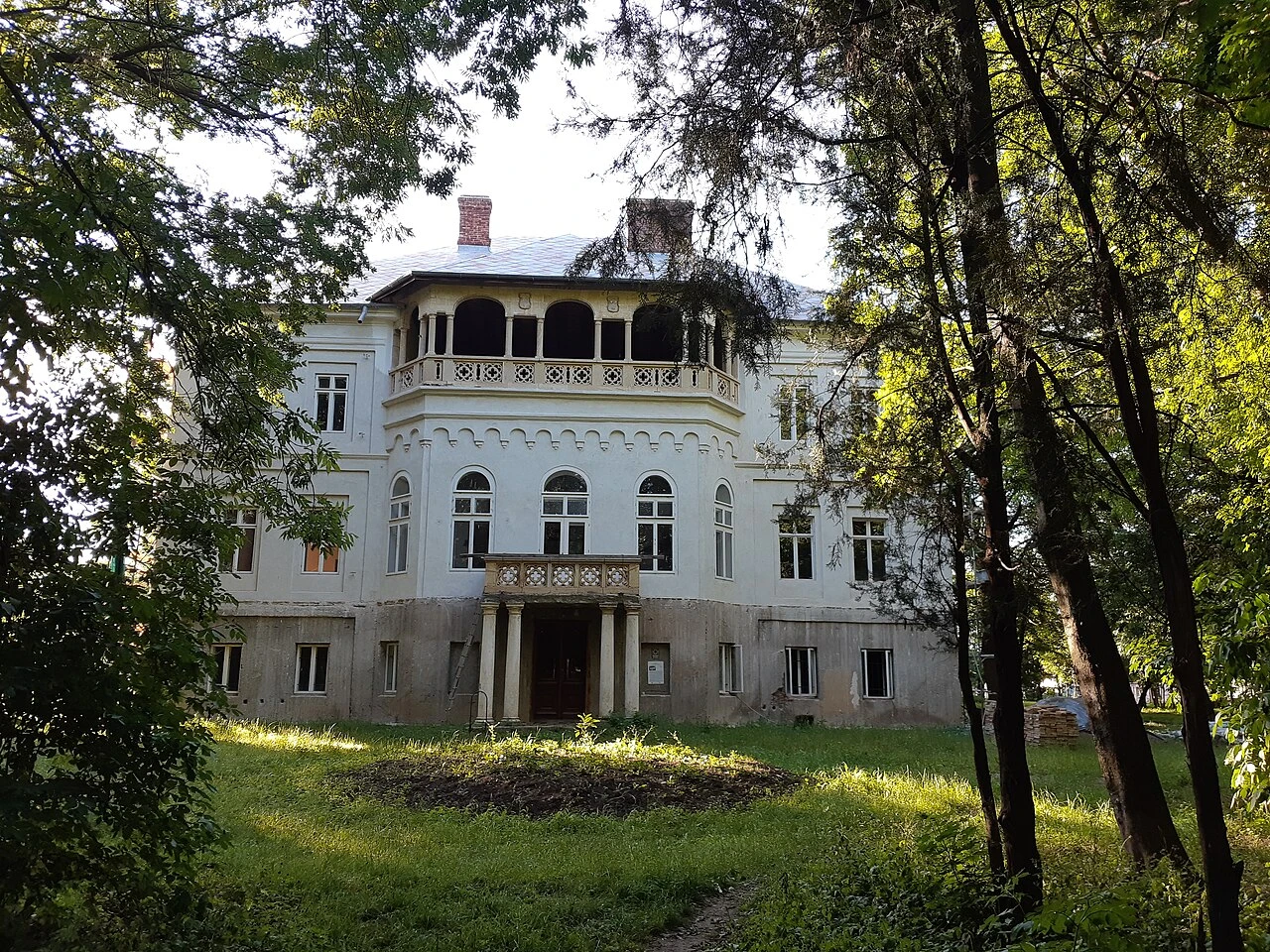
At Țibănești, in Iași County, Petre P. Carp’s house is visible through the trees. The manor and its outbuildings made up the family’s estate. In a 2017 report, Şerban Sturdza and Alexandra Mihailciuc describe how they started using the estate to teach crafts and architecture. [5] [1]
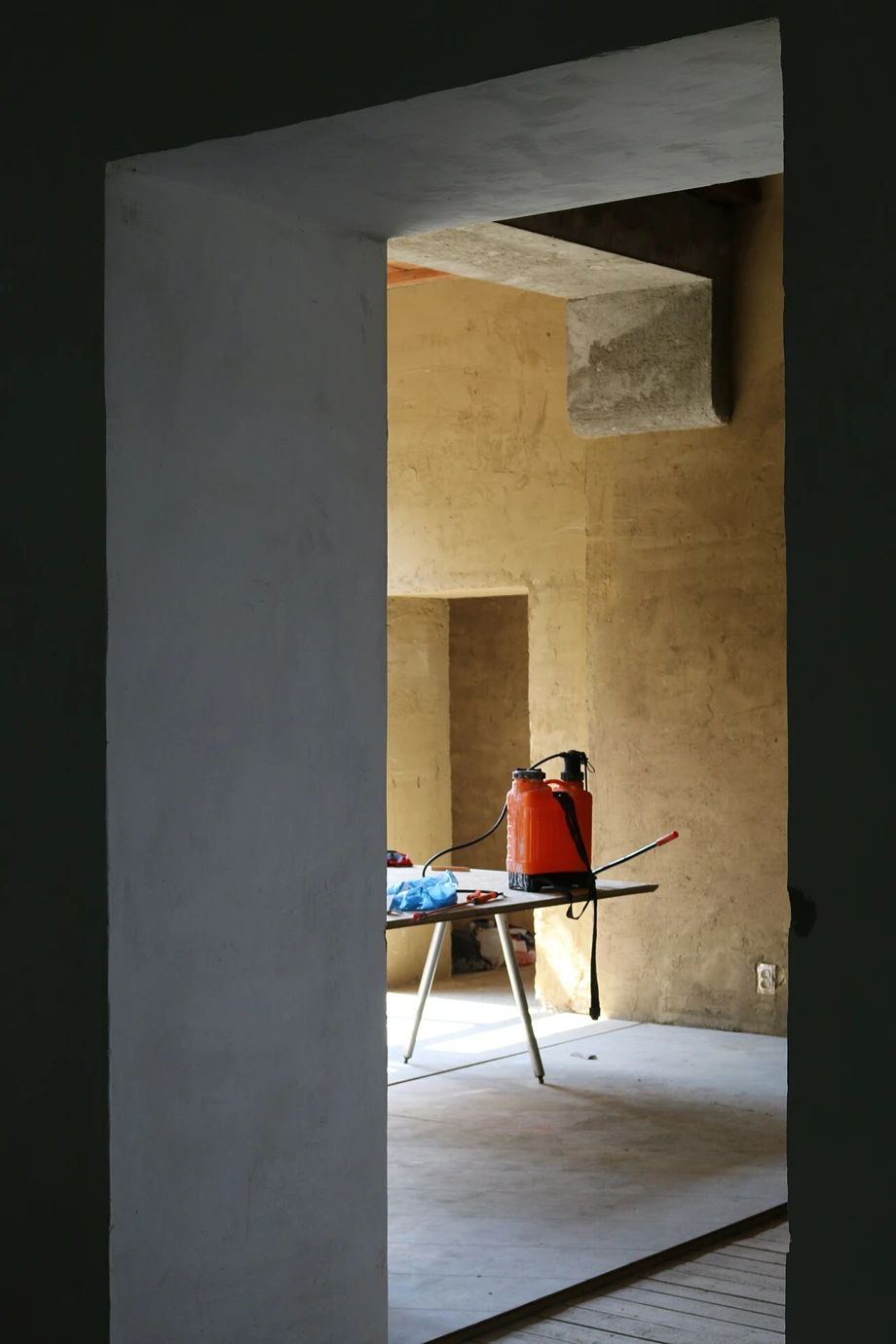
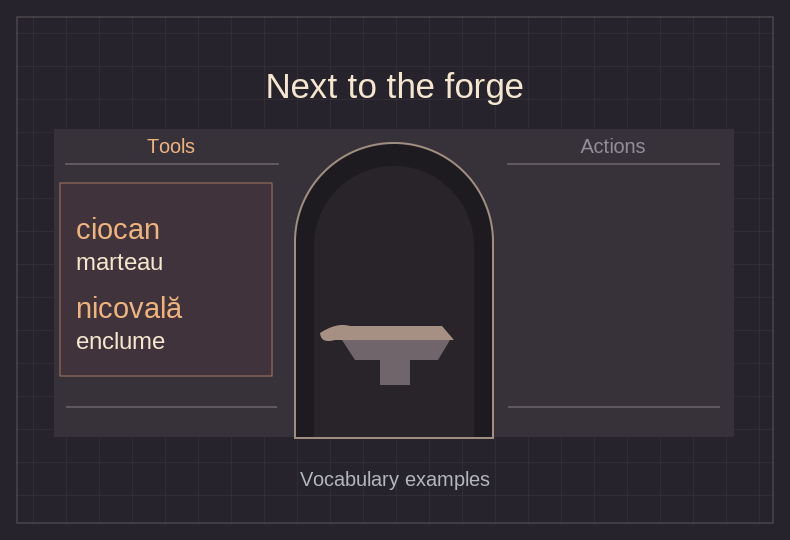
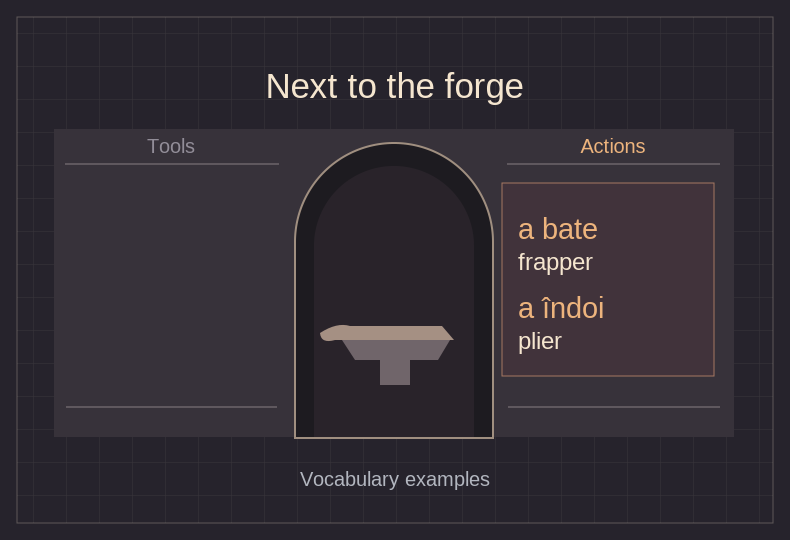
A detail from the forge shows how that worked. Romanian students and French smiths drew tools on the walls when they could not find the words. A dictionary grew out of the drawings. When the forge moved, tools and actions took their places on either side of an arch next to the hearth. [1]

1909 · Furnica
A manor known long before the forge
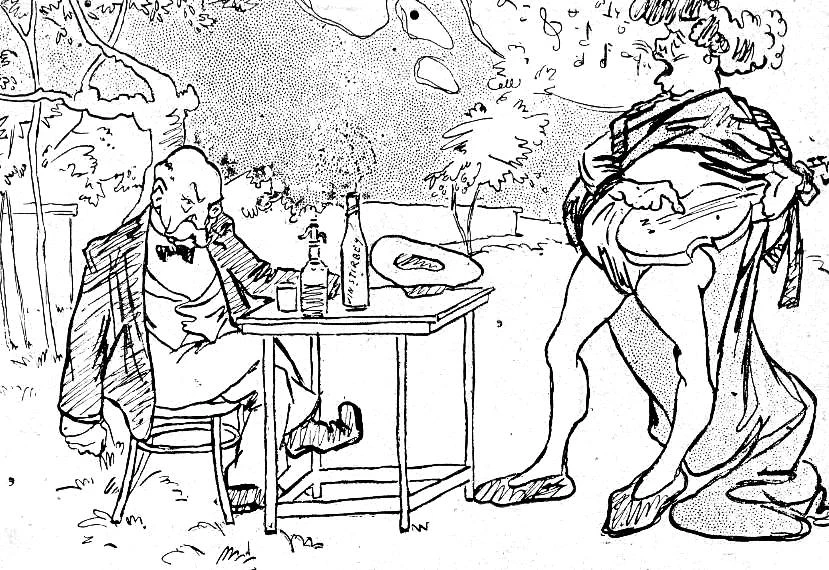
In 1909, the satirical magazine Furnica published a drawing by Ion Theodorescu-Sion. The cartoon puts the politician Petre P. Carp and writer Barbu Delavrancea at Țibănești. Carp sits at a table with his drink while Delavrancea performs in a minstrel’s costume. [7]
The restoration dossier records a different stage. Its authors say the estate was confiscated in 1949 and returned with its buildings in a state of decay. They chose to put it to a new use as a place for learning crafts, a goal the later project funded by the Romanian Order of Architects also describes. [1] [2]

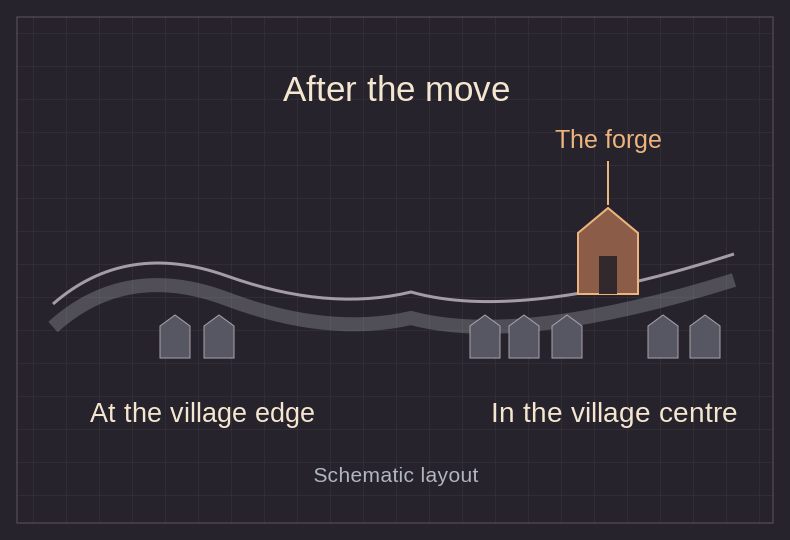
Village edge and centre
Why did the forge move?
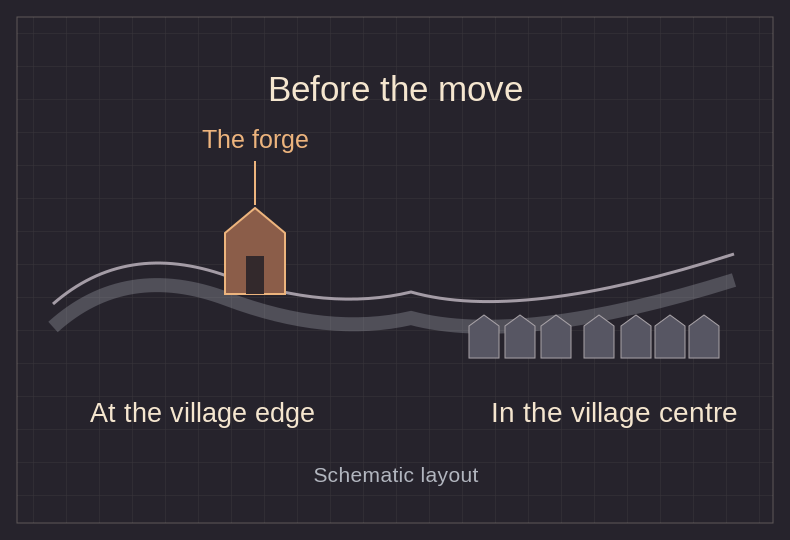
The project authors say that after nine years at the edge of the village, they decided to move the forge into the centre of Țibănești. They had seen at Șona how a central forge could be closer to village life. [1]
Switch between the two schematic views. As the forge moved, the team considered what was worth carrying over from the old room. One thing they kept was the idea of a shared wall on which apprentices and smiths could explain a tool or an action to each other. [1]
On either side of the arch
Where would you look for a tool’s name?
In the old forge, drawing helped Romanian students and French smiths communicate. In the new space, the dictionary got a specific place next to the hearth. Sturdza and Mihailciuc say the tools were on the left side of the arch, with actions on the right. [1]
Choose tools or actions to see how that division works. The drawing illustrates it with common Romanian and French terms. The 2017 account describes the organisation of the wall and includes photographs of the workshop. [1]
The carpentry workshop
Who raised the timbers above the forge?
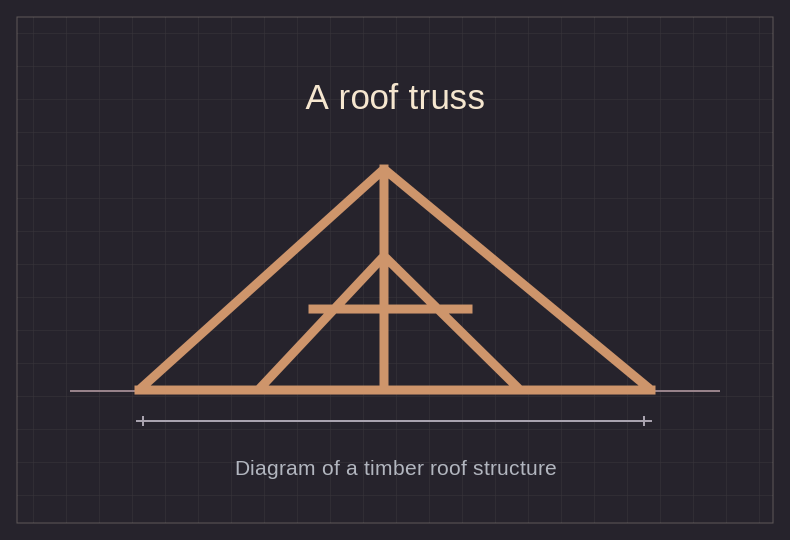
Another workshop worked on the trusses, the timber frames supporting the roof. It brought carpenters from Les Compagnons du Devoir and Les Charpentiers sans Frontières to Țibănești. The project authors describe four weeks from choosing the tree to a prior drawing, through assembling the frames on site. [1]
The sketch shows what to look for in the photograph: beams joined into a triangular frame. Figure 7 of the 2017 report records the mounting of the first truss. Open the photograph in the report to see what the team built. [1]
August 2024
What did five apprentices make for a kiln?
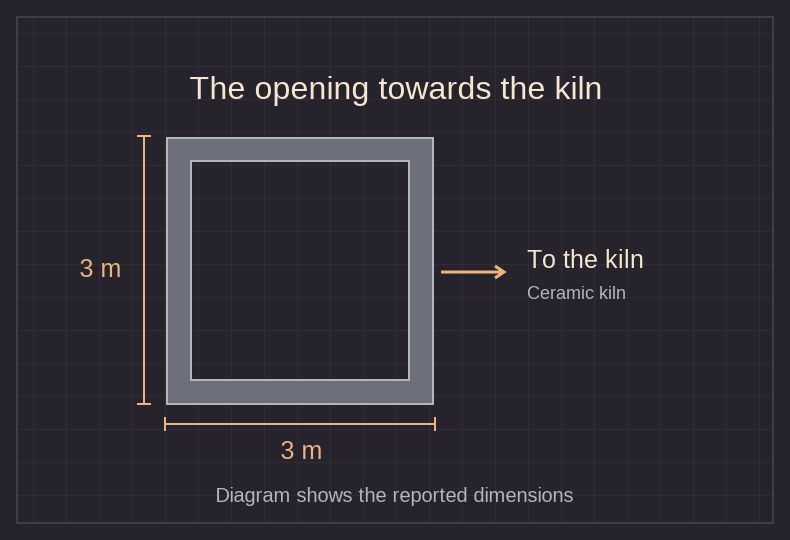
At the August 2024 workshop, five French apprentices designed and built a three-by-three-metre gate under the guidance of smith Adrien Auer. It was installed at the entrance to the pottery kiln area. The diagram gives the reported dimensions. The association’s film shows the work and the gate. [3] [4]
In the same programme, participants worked with local clay and built a kiln for ceramics. The gate had a job in a place used by other craftspeople as well. [3]
Cultural newspaper, no. 9
Who told the story of the work afterwards?
In 2024, children in a journalism workshop went from room to room with notebooks and a recorder. The organisers say they gathered sketches, observations and interviews with tutors. Those became issue nine of the Batem fierul la conac! cultural newspaper. [3]
In the forge, drawings helped people who spoke different languages work together. In the newspaper, other drawings and words showed what that work involved to people who had not been at the bench with the makers. [1] [3]